
Week 34: Exploring 2 Corinthians 3-7
In week 34 of our journey to read the New Testament in a year, we will delve into 2 Corinthians 3-7, where Paul’s letters reveal the depth of transformation, endurance, and reconciliation that comes through faith in Christ. We will explore the contrasts between the Old and New Covenants, understanding how the Spirit brings life and freedom to believers. Paul speaks with honesty about his hardships, yet shows unwavering resilience, illustrating how God’s strength is magnified in our weakness. As we reflect on these chapters, we’re invited to embrace our identity as new creations in Christ, live by faith, and participate in the ministry of reconciliation, bringing hope to those around us.
2 Corinthians 3
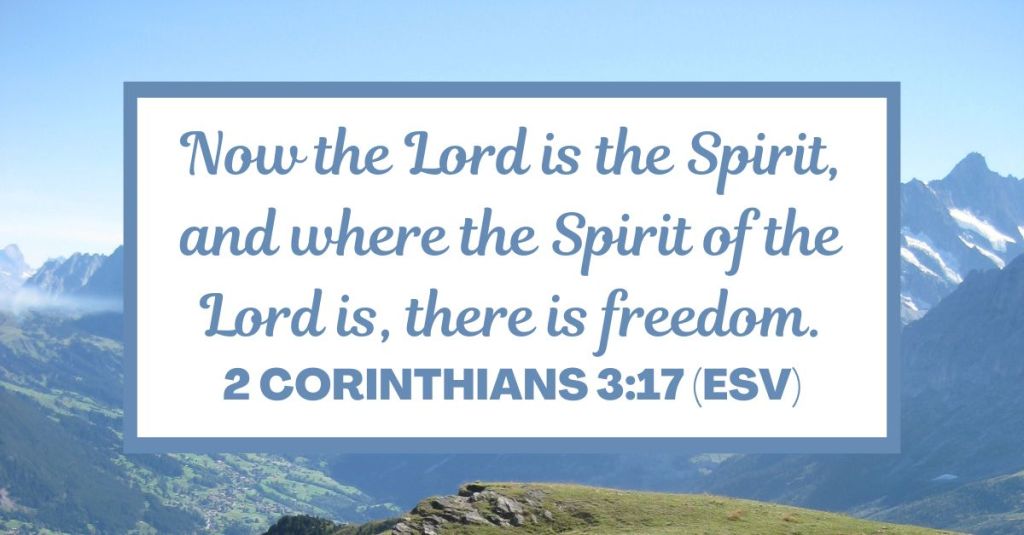
2 Corinthians 3 contrasts the Old and New Covenants, highlighting how the Spirit brings life and transformation, unlike the Old Covenant, which focused on the letter of the law. Paul explains that through Christ, the veil is removed, allowing believers to reflect God’s glory. This chapter emphasizes the greater glory of the New Covenant and the transformative freedom believers experience in Christ.
2 Corinthians 4
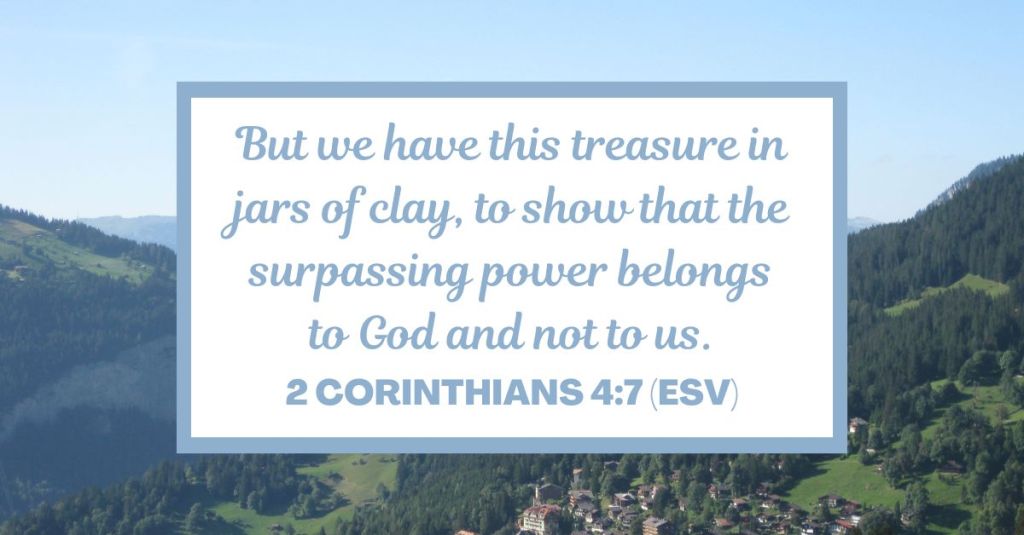
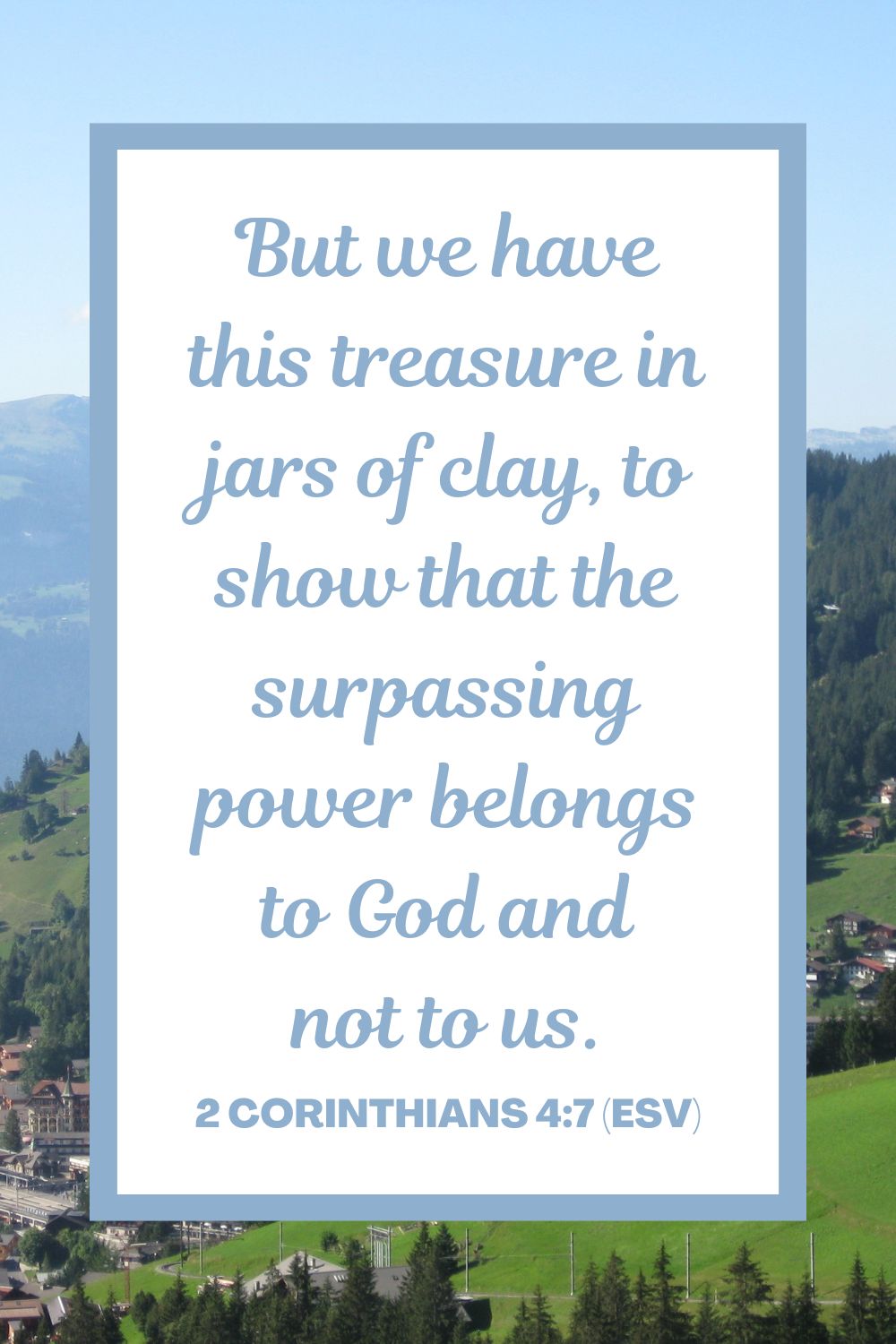
In 2 Corinthians 4, Paul speaks of enduring hardships for the gospel as “jars of clay” holding the treasure of the gospel. Though he and his companions face trials, he remains undeterred, confident that God’s power sustains them through weakness. He encourages looking beyond temporary afflictions, seeing instead the eternal glory awaiting those who remain steadfast in faith.
2 Corinthians 5
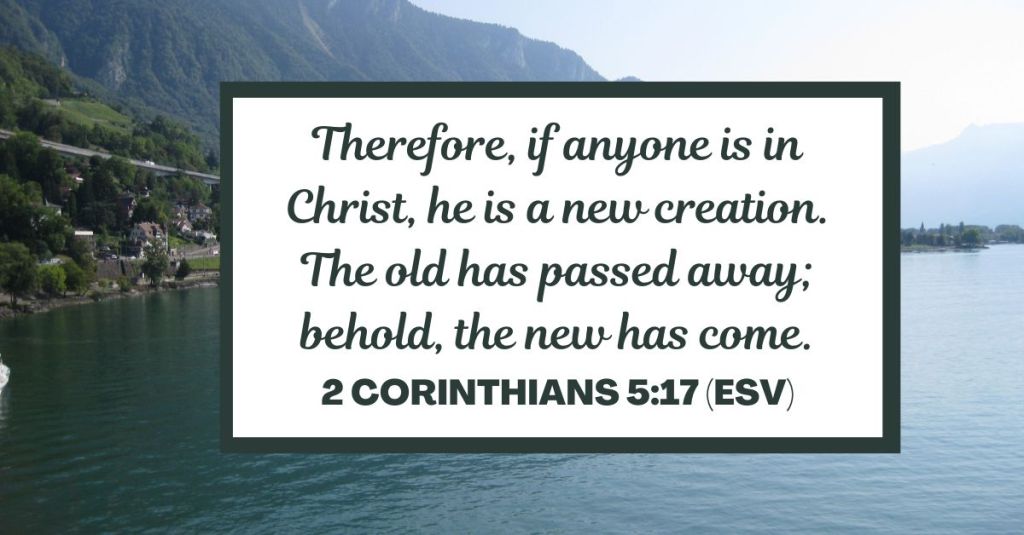
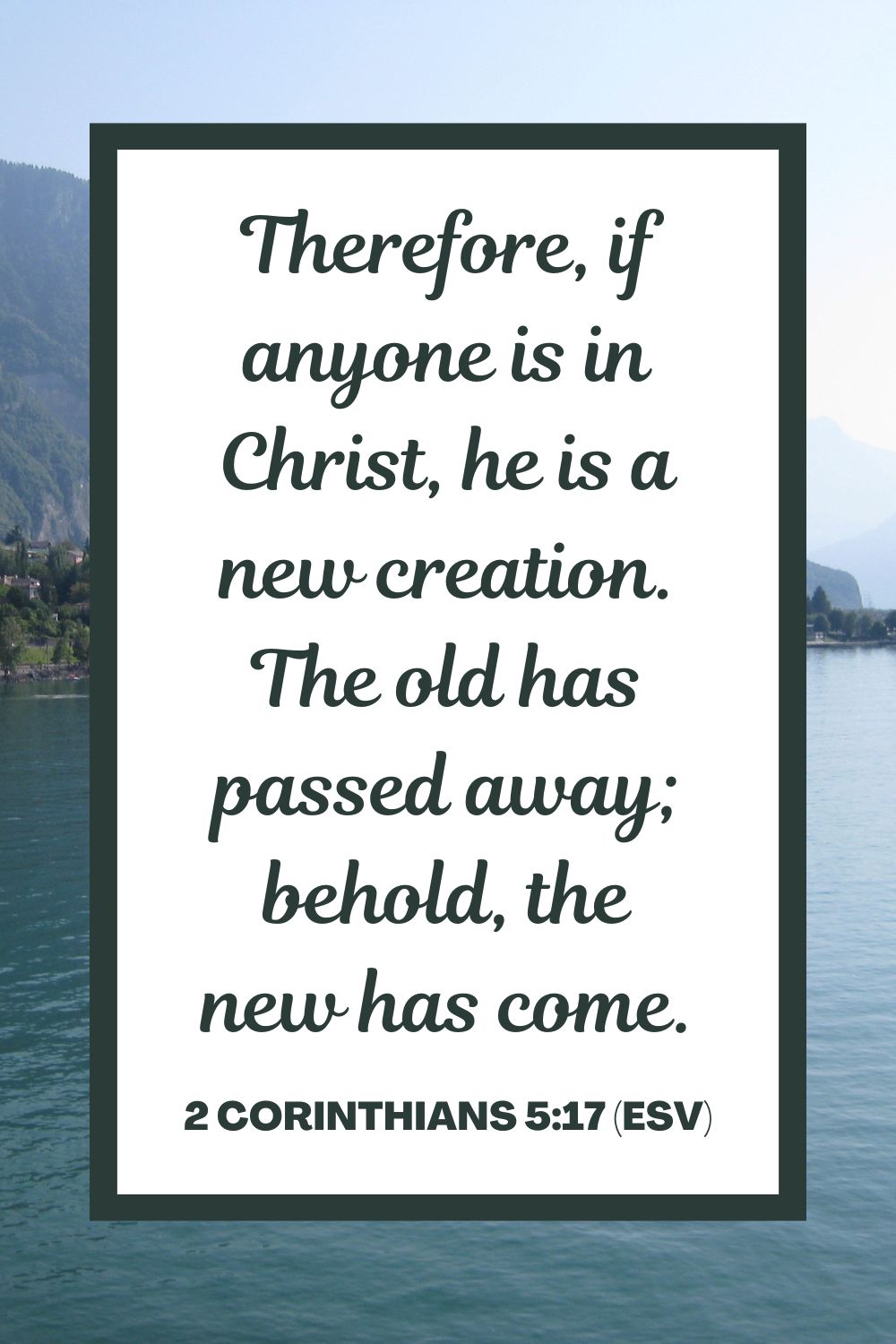
In 2 Corinthians 5, Paul reflects on the hope of eternal life, describing the heavenly dwelling awaiting believers. He urges a life led by faith, aiming to please God in all things. Paul emphasizes the ministry of reconciliation, explaining that, as new creations in Christ, believers become ambassadors, spreading the message of reconciliation with God to others.
2 Corinthians 6
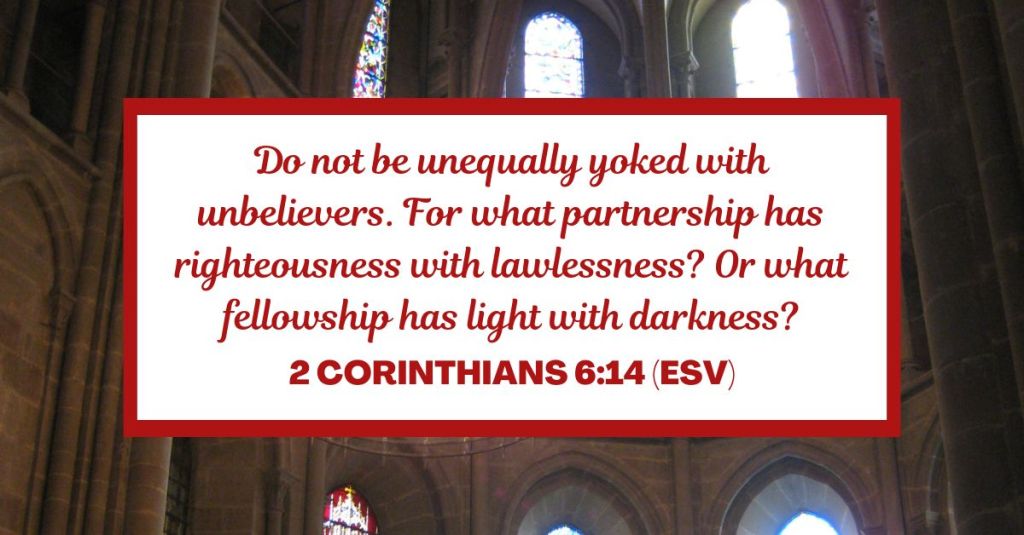
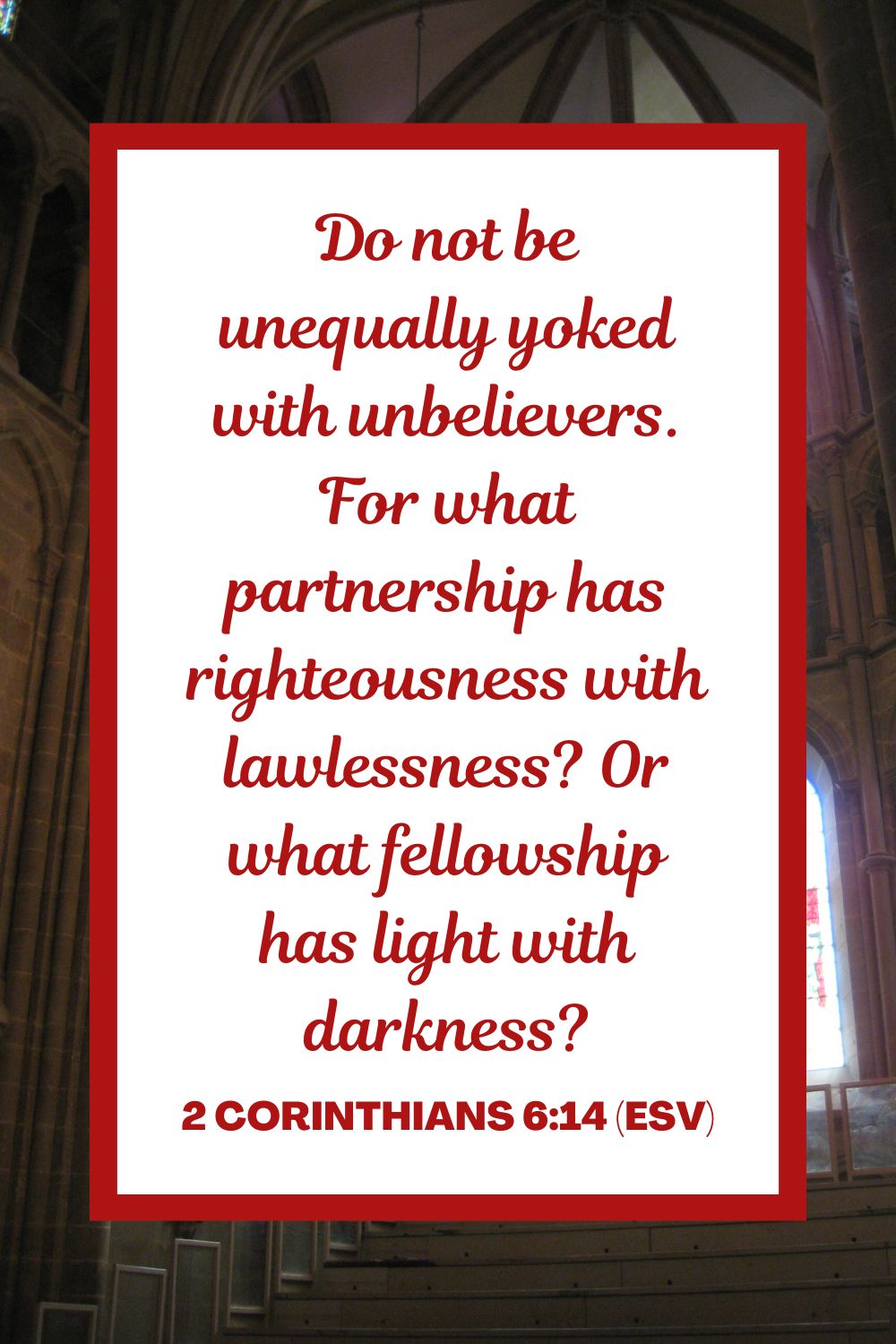
Paul appeals to the Corinthians in 2 Corinthians 6, urging them not to take God’s grace for granted. He shares his own challenges and hardships endured for the sake of the gospel, underscoring purity, patience, and love. Finally, Paul calls for believers to live holy lives, separate from worldly values, to fully embrace their identity in God.
2 Corinthians 7
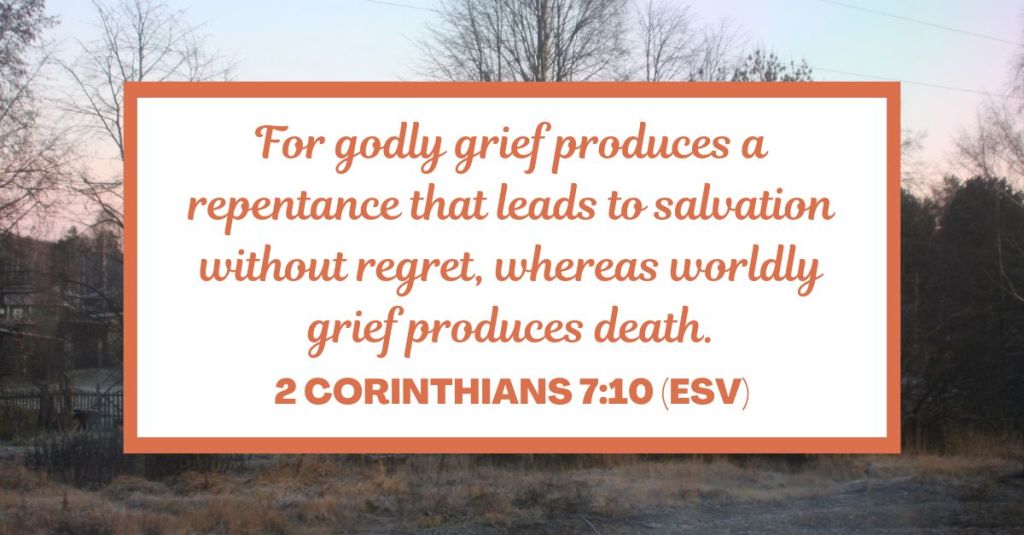
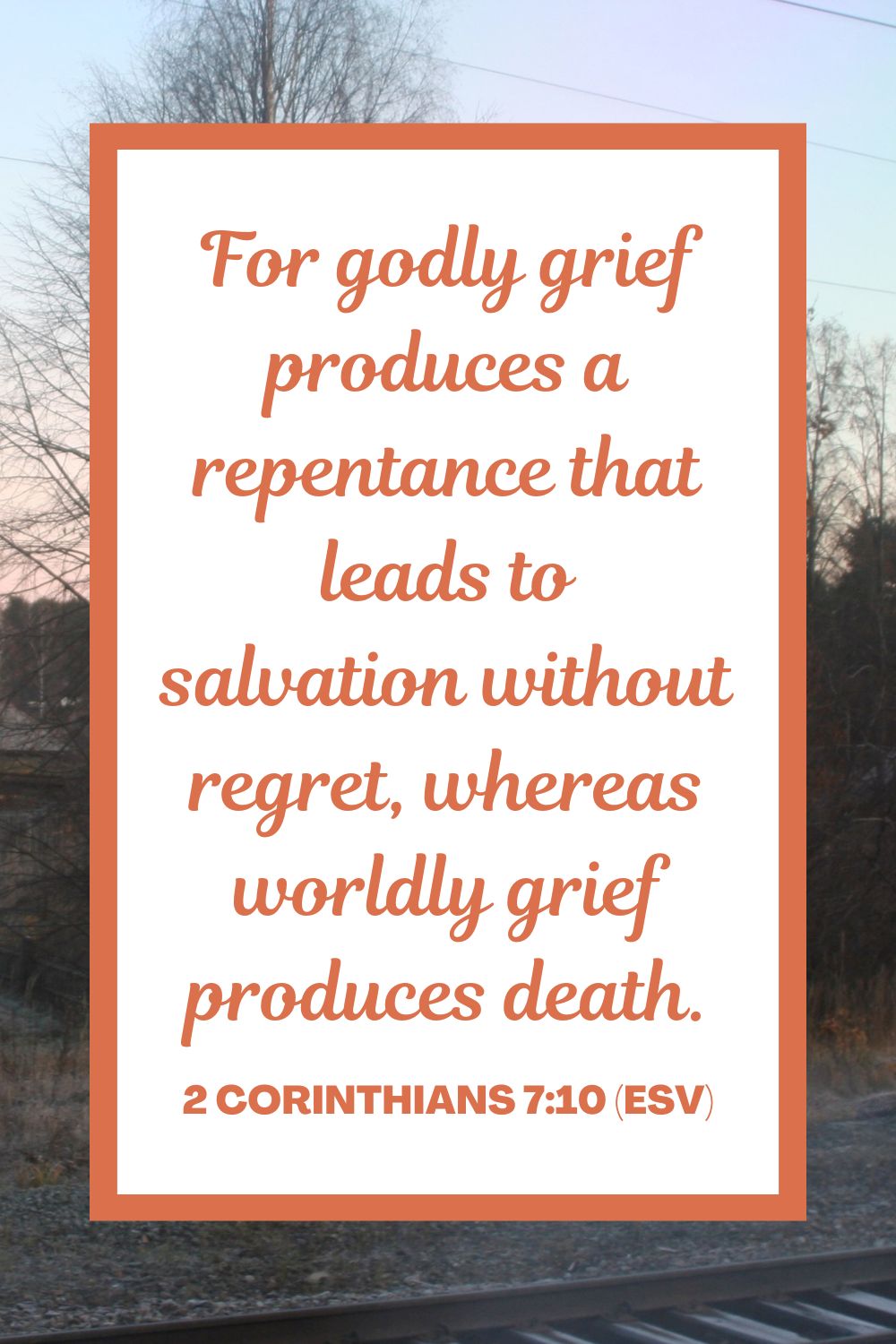
In 2 Corinthians 7, Paul expresses joy over the Corinthians’ genuine repentance, which followed a challenging letter of correction. Although the letter caused sorrow, Paul rejoices that it led to a godly repentance that brought renewal. Their response strengthens his confidence in their faith and commitment to walking in righteousness.
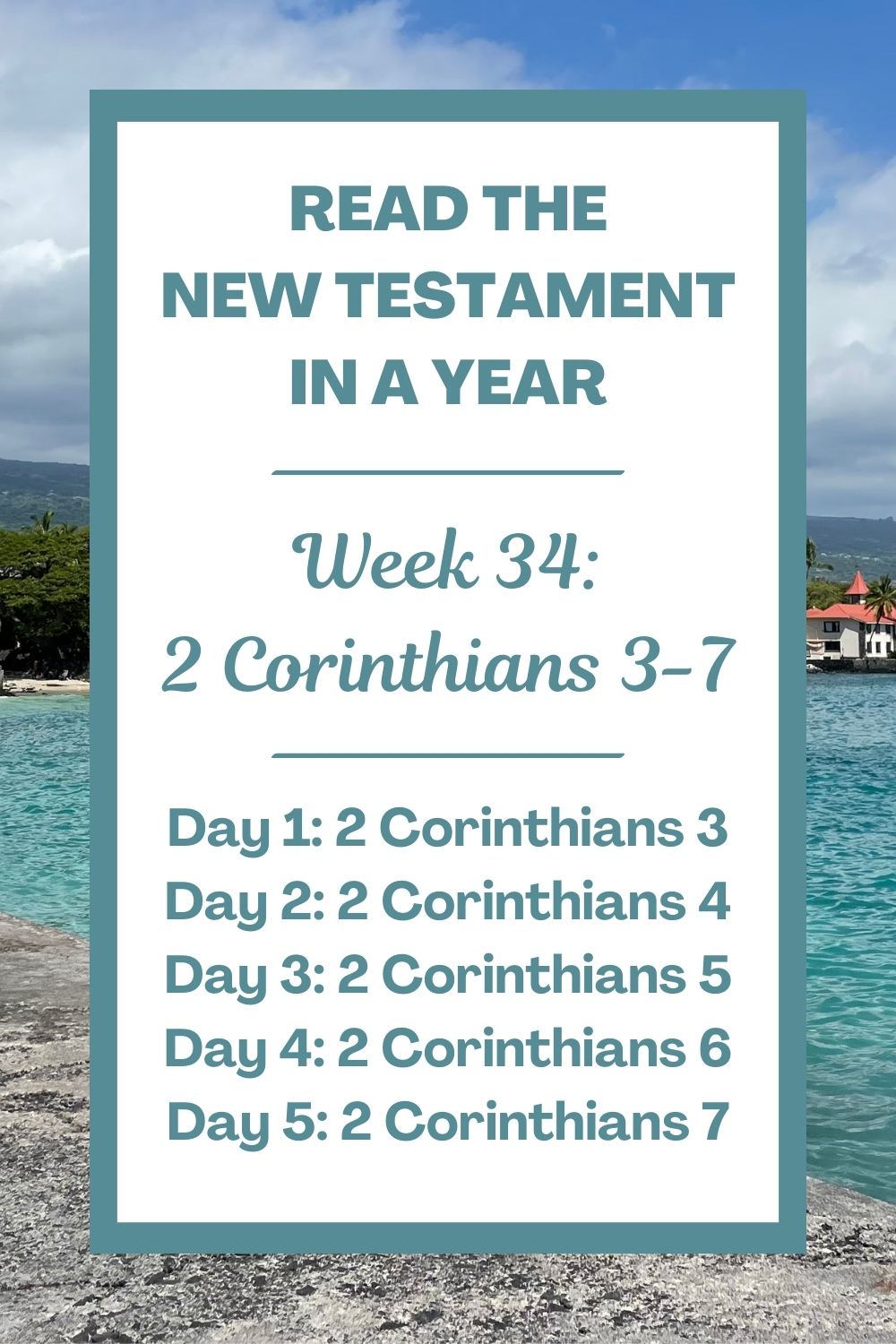
Week 34: New Testament Reading Assignment
Each week, we will read 5 chapters of the New Testament. Some people may prefer to read during the weekdays, while others might enjoy doing most of their reading on the weekends. Choose the method that works best for you!
- Day 1: 2 Corinthians 3
- Day 2: 2 Corinthians 4
- Day 3: 2 Corinthians 5
- Day 4: 2 Corinthians 6
- Day 5: 2 Corinthians 7
Printable Resource:
Week 34: Reflection Questions for 2 Corinthians 3-7
Consider the following reflection questions:
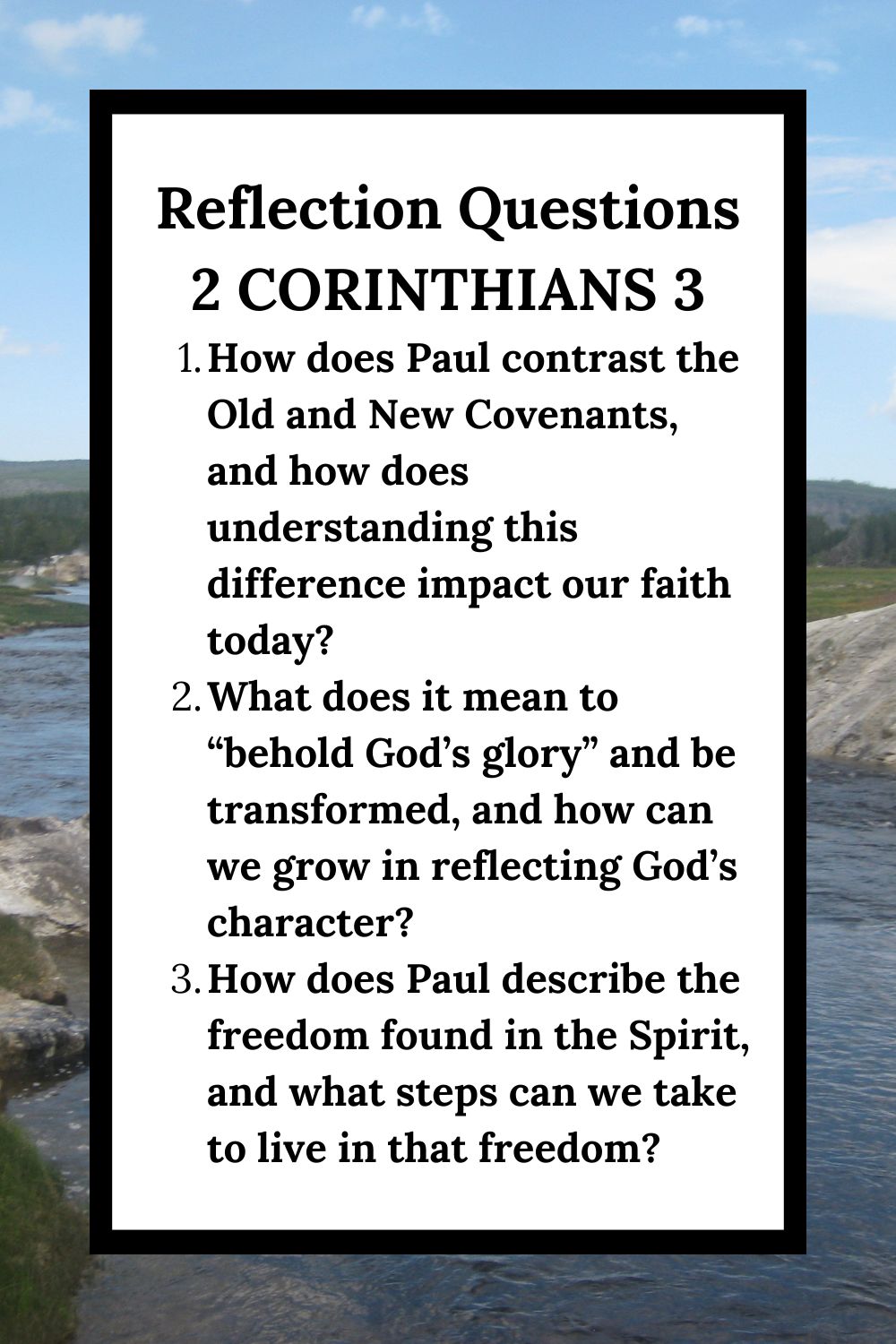
2 Corinthians 3: The Spirit and the New Covenant
- How does Paul contrast the Old and New Covenants, and how does understanding this difference impact our faith today?
- What does it mean to “behold God’s glory” and be transformed, and how can we grow in reflecting God’s character?
- How does Paul describe the freedom found in the Spirit, and what steps can we take to live in that freedom?
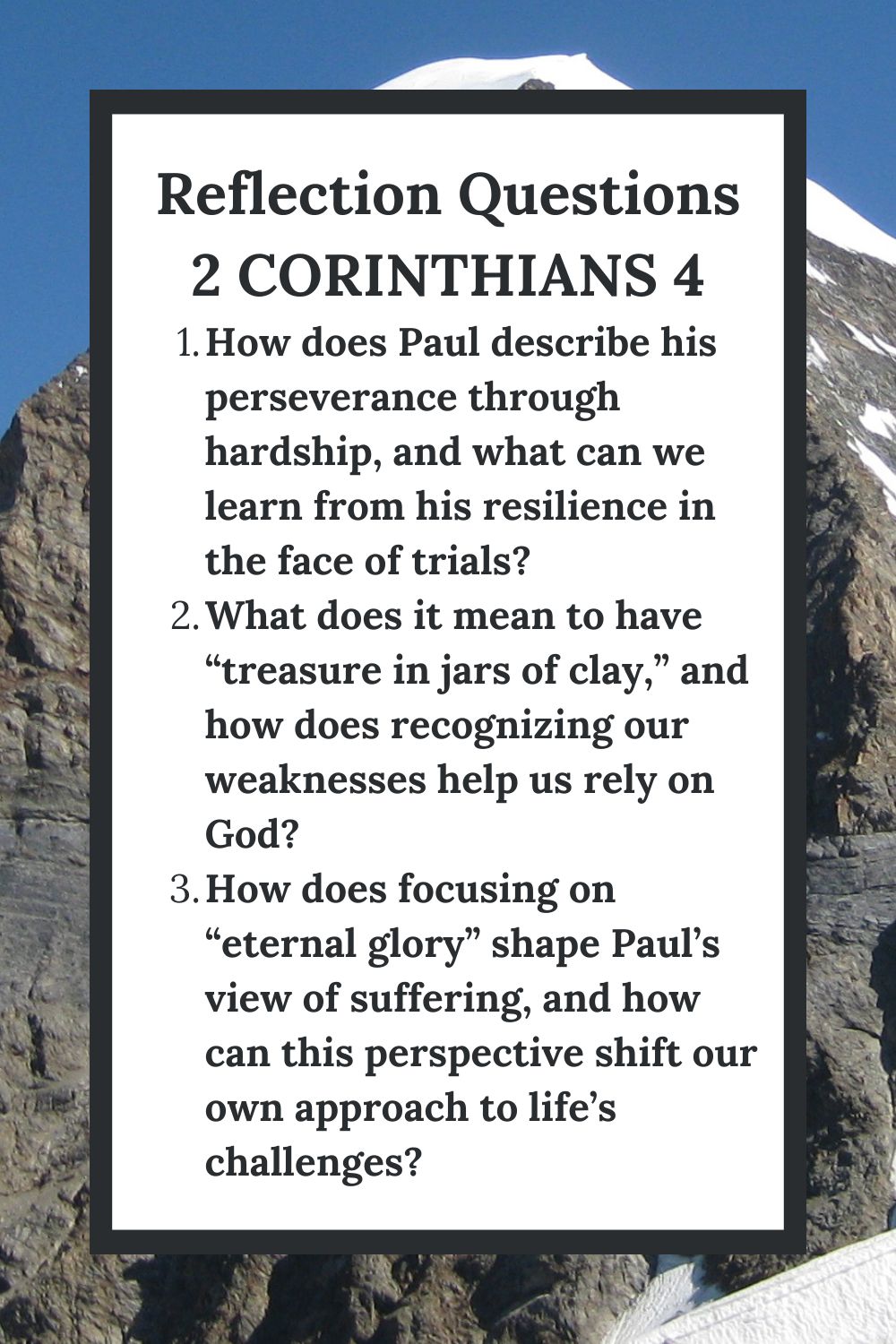
2 Corinthians 4: Treasure in Jars of Clay
- How does Paul describe his perseverance through hardship, and what can we learn from his resilience in the face of trials?
- What does it mean to have “treasure in jars of clay,” and how does recognizing our weaknesses help us rely on God?
- How does focusing on “eternal glory” shape Paul’s view of suffering, and how can this perspective shift our own approach to life’s challenges?
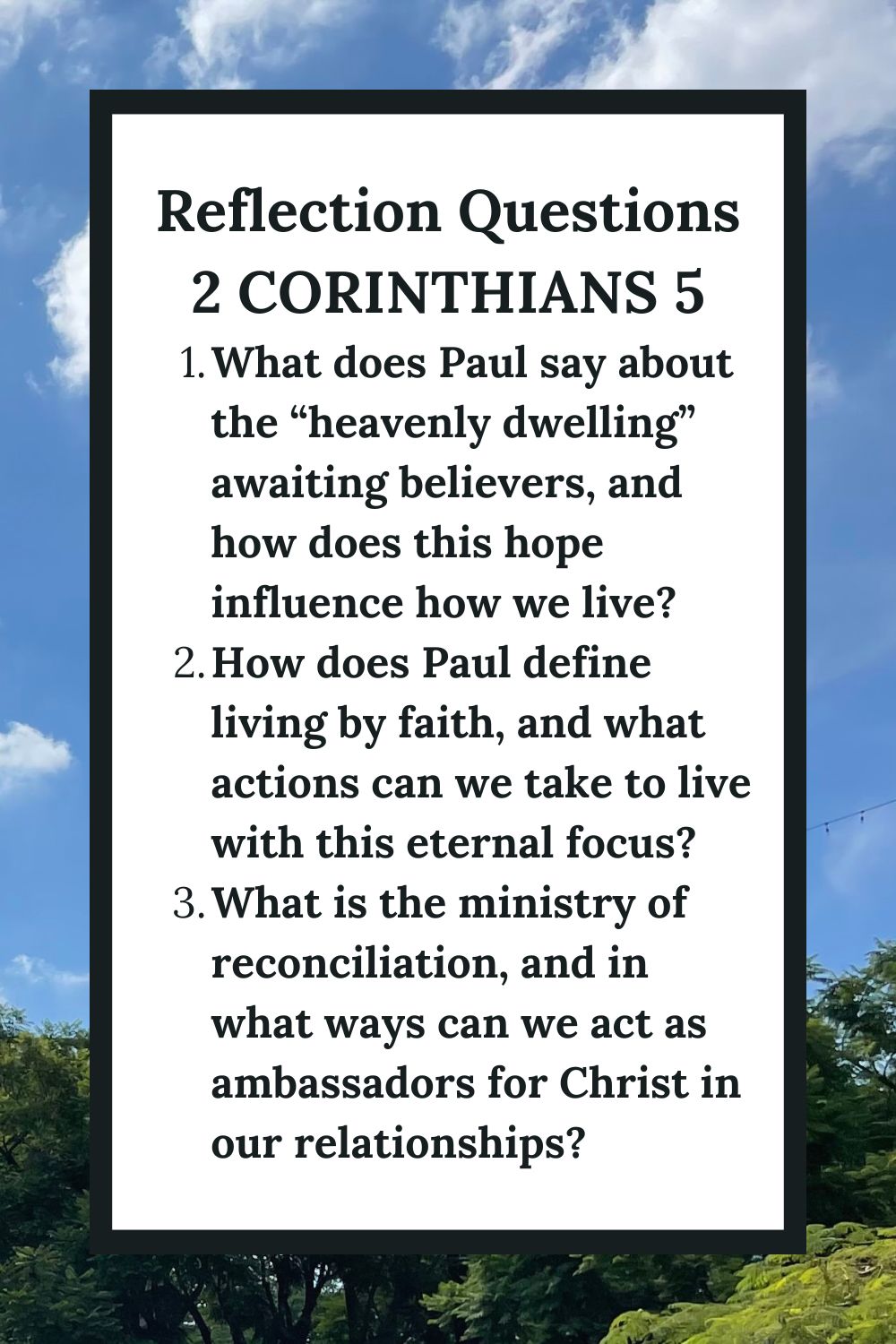
2 Corinthians 5: New Life and Ministry of Reconciliation
- What does Paul say about the “heavenly dwelling” awaiting believers, and how does this hope influence how we live?
- How does Paul define living by faith, and what actions can we take to live with this eternal focus?
- What is the ministry of reconciliation, and in what ways can we act as ambassadors for Christ in our relationships?
2 Corinthians 6: Endurance and Call to Holiness
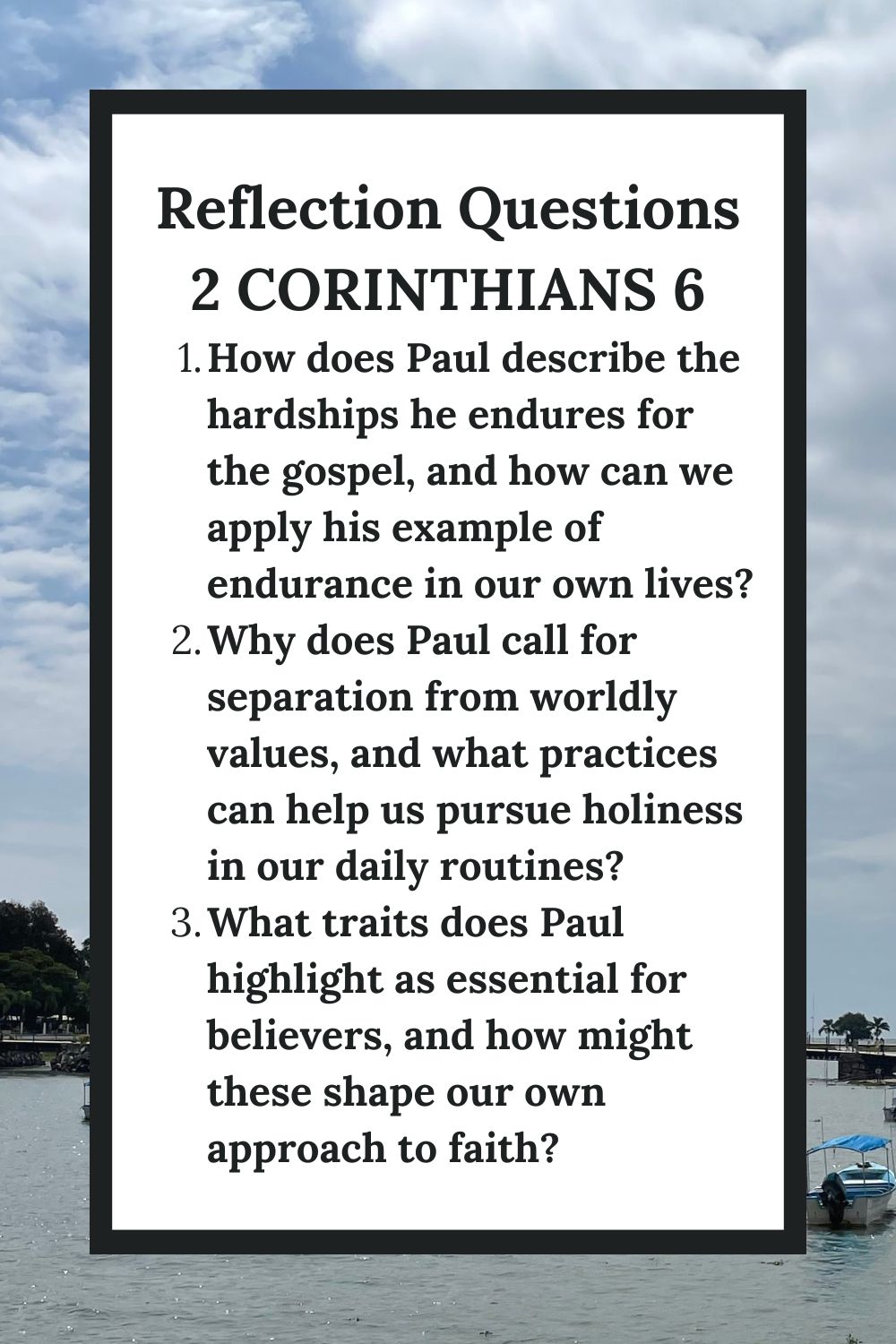
- How does Paul describe the hardships he endures for the gospel, and how can we apply his example of endurance in our own lives?
- Why does Paul call for separation from worldly values, and what practices can help us pursue holiness in our daily routines?
- What traits does Paul highlight as essential for believers, and how might these shape our own approach to faith?
2 Corinthians 7: Repentance and Reconciliation
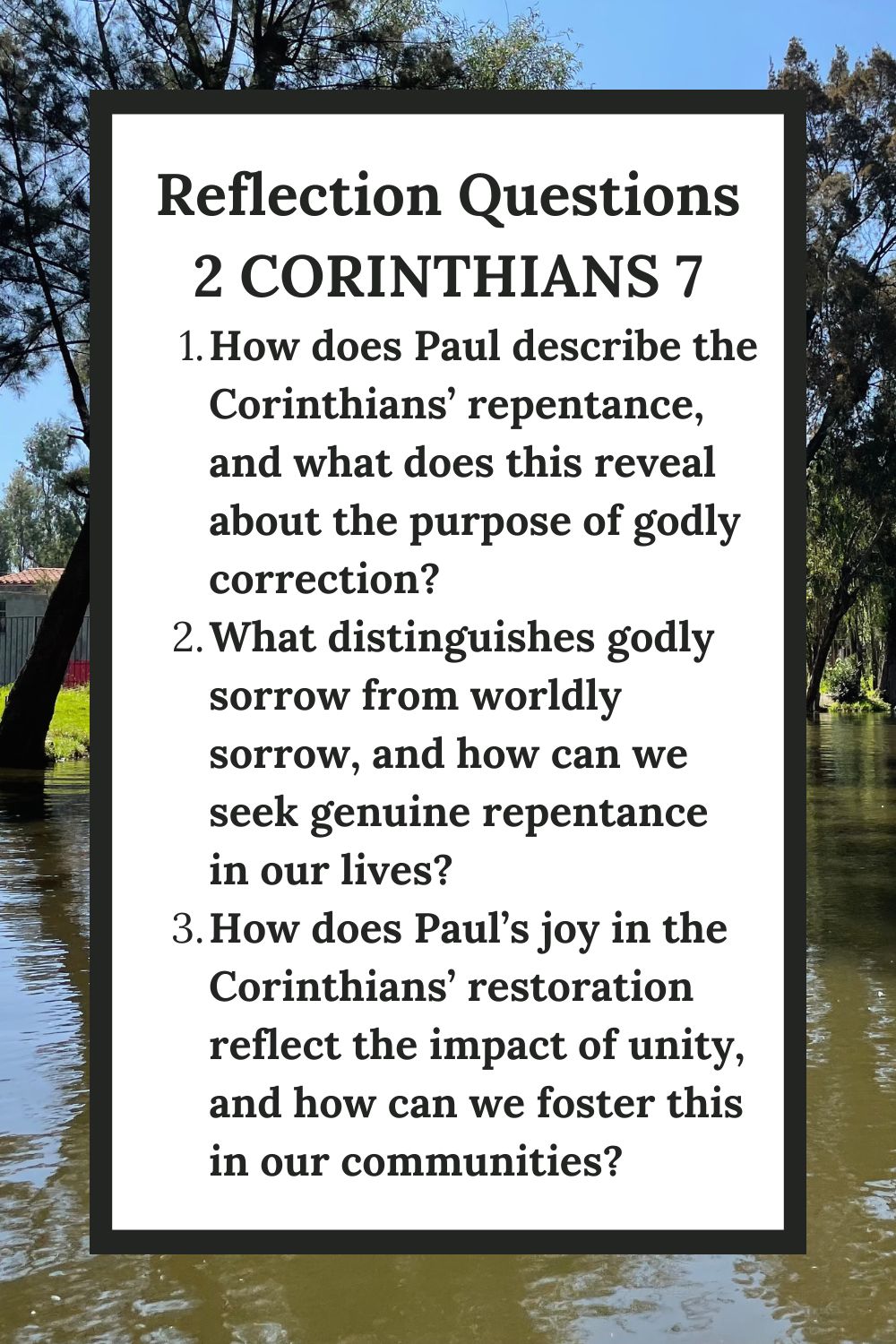
- How does Paul describe the Corinthians’ repentance, and what does this reveal about the purpose of godly correction?
- What distinguishes godly sorrow from worldly sorrow, and how can we seek genuine repentance in our lives?
- How does Paul’s joy in the Corinthians’ restoration reflect the impact of unity, and how can we foster this in our communities?
Reflective Prayer
Choose a few verses or topics from these chapters and pray over them. Consider using the ACTS method — Adoration, Confession, Thankfulness, Supplication:
- Adoration: Praise God. What specific characteristics of God do these readings bring to mind?
- Confession: Tell God that you are sorry for specific sins. What specific sins do these readings bring to mind?
- Thankfulness: Show gratitude towards God. What in these readings inspires gratitude?
- Supplication: Make requests for yourself and for others. What in these readings inspires a prayer?
If helpful, you can use a prayer journal template.
Other Reading Plans
Online Resources
Subscribe
If you enjoyed this post and wish to receive more Christian content, feel free to subscribe to my newsletters!
Related Resources
Visit the Joyful Moments in Christ homepage for all posts, or scroll through other blog posts related to reading the New Testament in a year:




English Standard Version (ESV): Unless otherwise noted, scripture quotations are from the ESV® Bible (The Holy Bible, English Standard Version®), © 2001 by Crossway, a publishing ministry of Good News Publishers. Used by permission. All rights reserved. The ESV text may not be quoted in any publication made available to the public by a Creative Commons license. The ESV may not be translated in whole or in part into any other language.
 Joyful Moments in Christ