Week 36: Exploring 2 Corinthians 13 and James 1-4
In week 36 of our one-year New Testament reading adventure, we will explore the concluding chapter of 2 Corinthians and the opening chapters of James. This week’s readings offer both encouragement and challenge, calling us to examine our faith, embrace trials, live out our beliefs through action, and grow in humility. As we transition from Paul’s words in 2 Corinthians 13 to James’s practical teachings in chapters 1-4, we’ll consider how to reflect genuine faith in our daily lives. This week’s readings are rich in wisdom for both personal reflection and community relationships, encouraging us to pursue unity, live authentically, and cultivate a life of spiritual maturity.
2 Corinthians 13
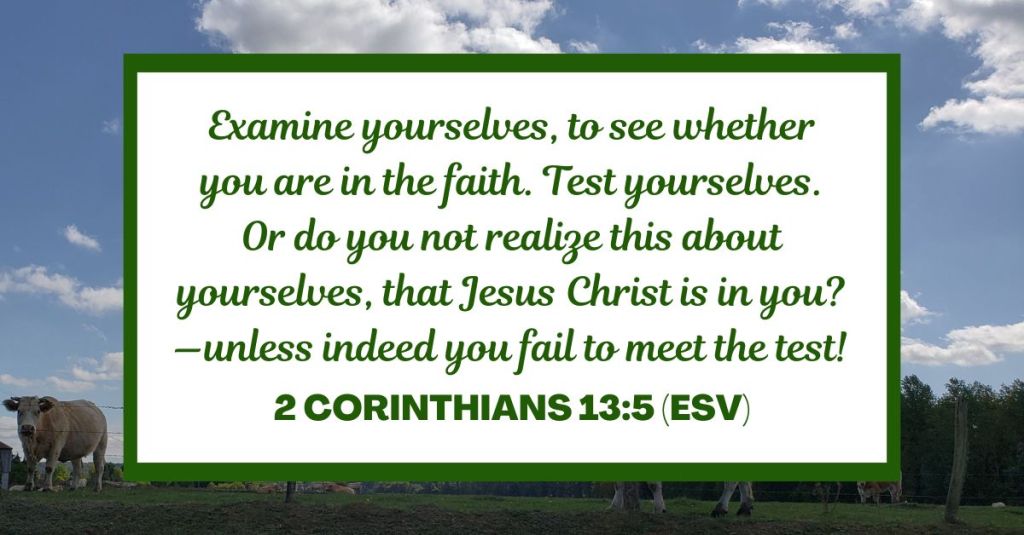
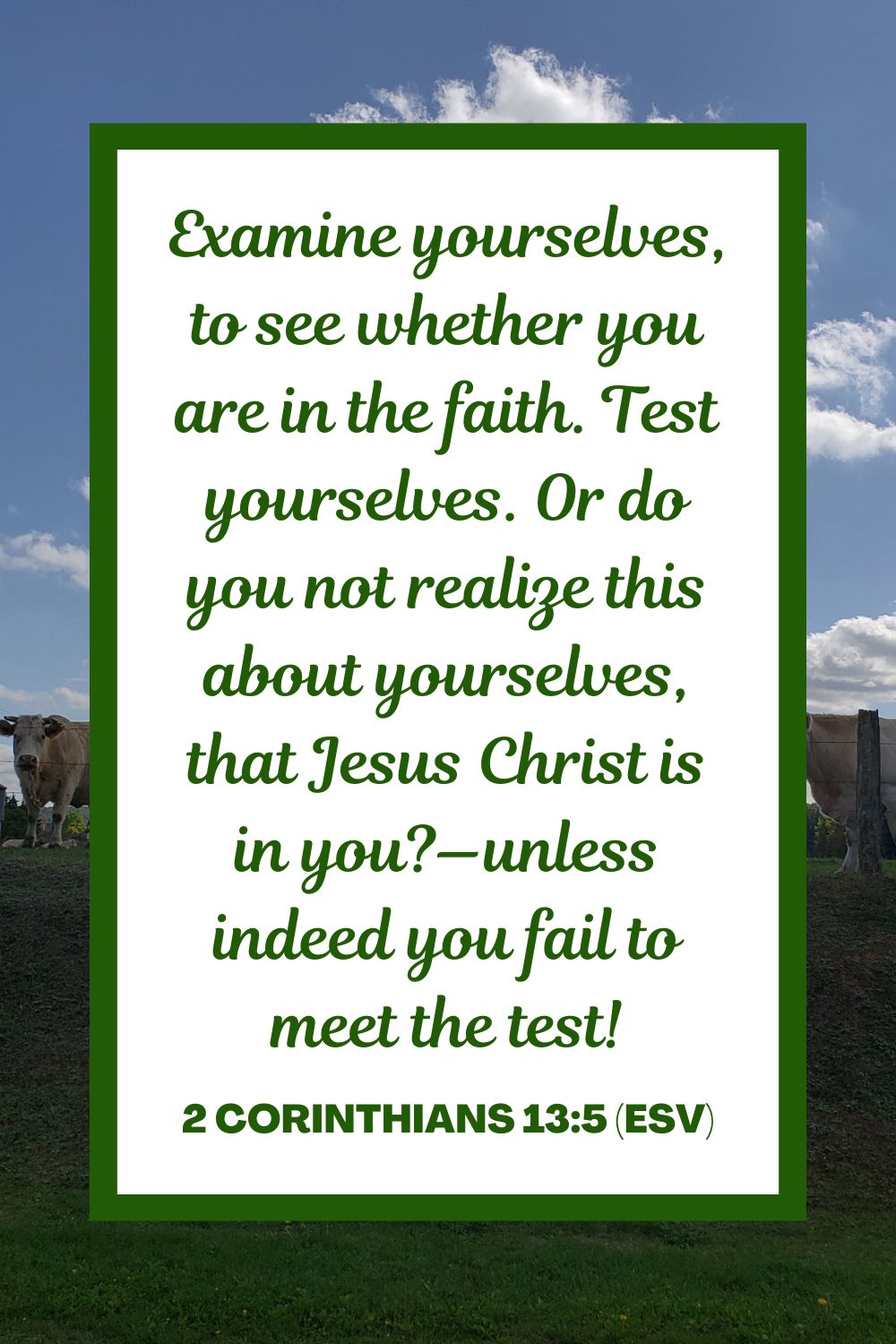
In 2 Corinthians 13, Paul calls on the Corinthians to examine themselves and seek restoration in their faith. He warns that continued sin may require him to act decisively upon his return, yet he urges them to pursue spiritual maturity. Paul concludes with a blessing, encouraging unity, peace, and the presence of the Holy Spirit among them.
James 1
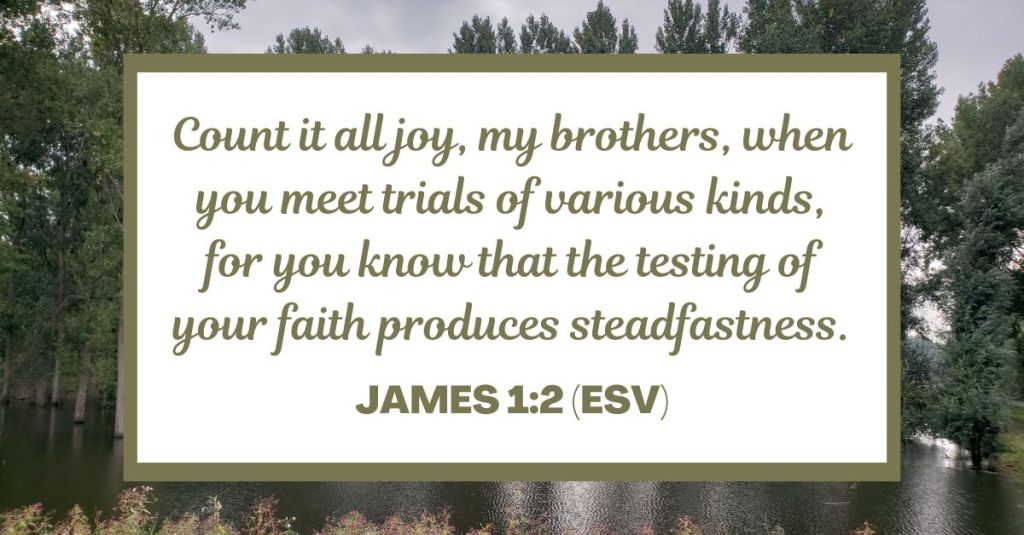
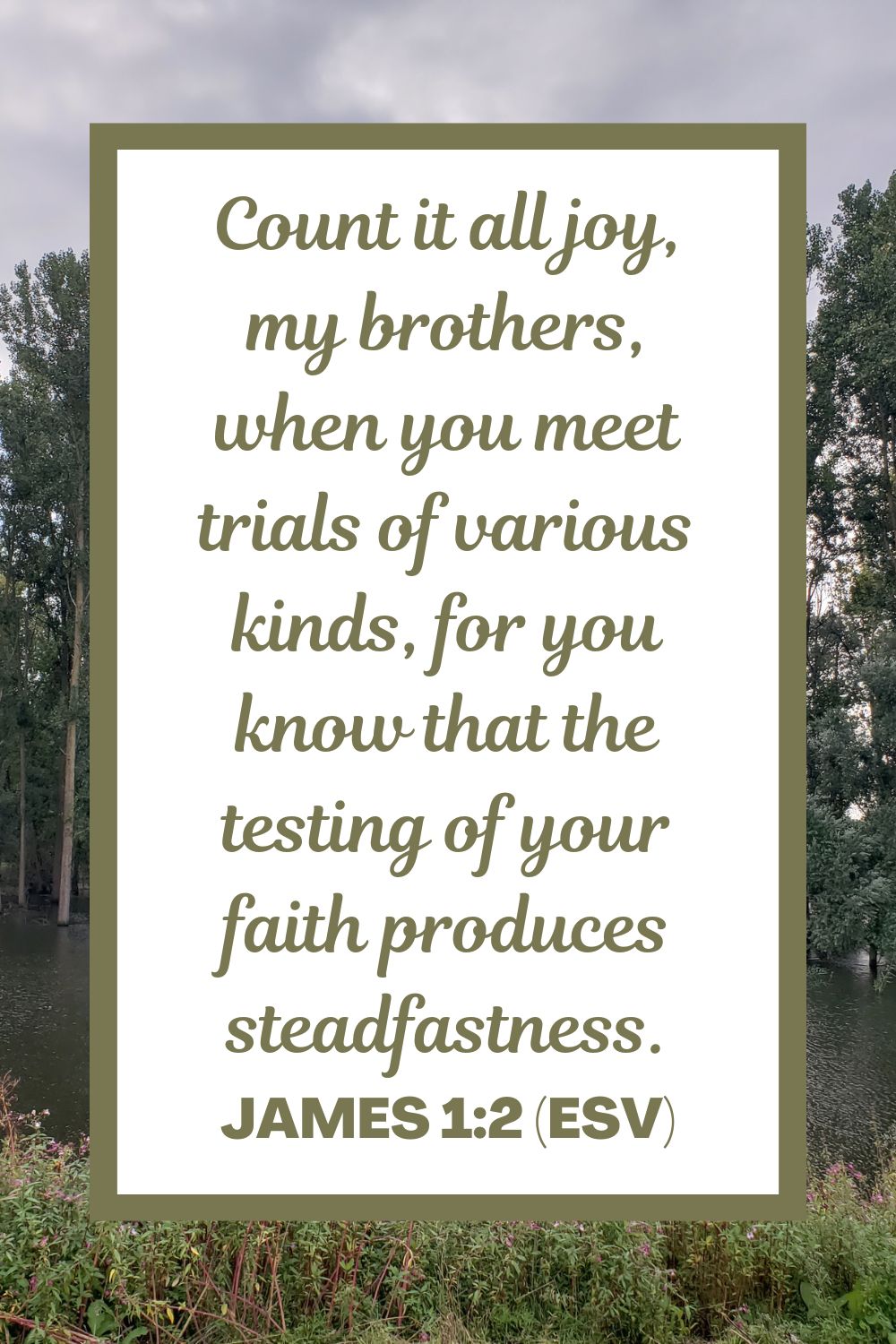
James 1 opens by encouraging believers to embrace trials with joy, as these difficulties produce perseverance and maturity in faith. He emphasizes the importance of asking God for wisdom and warns against being double-minded. James also urges believers to be “doers of the word” rather than just listeners, grounding their faith in actions that reflect God’s truth.
James 2
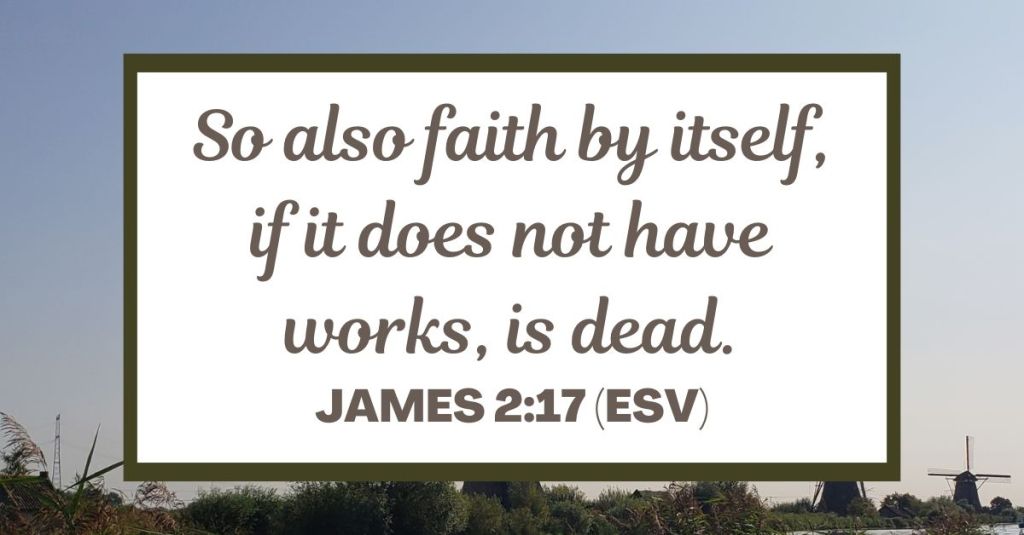
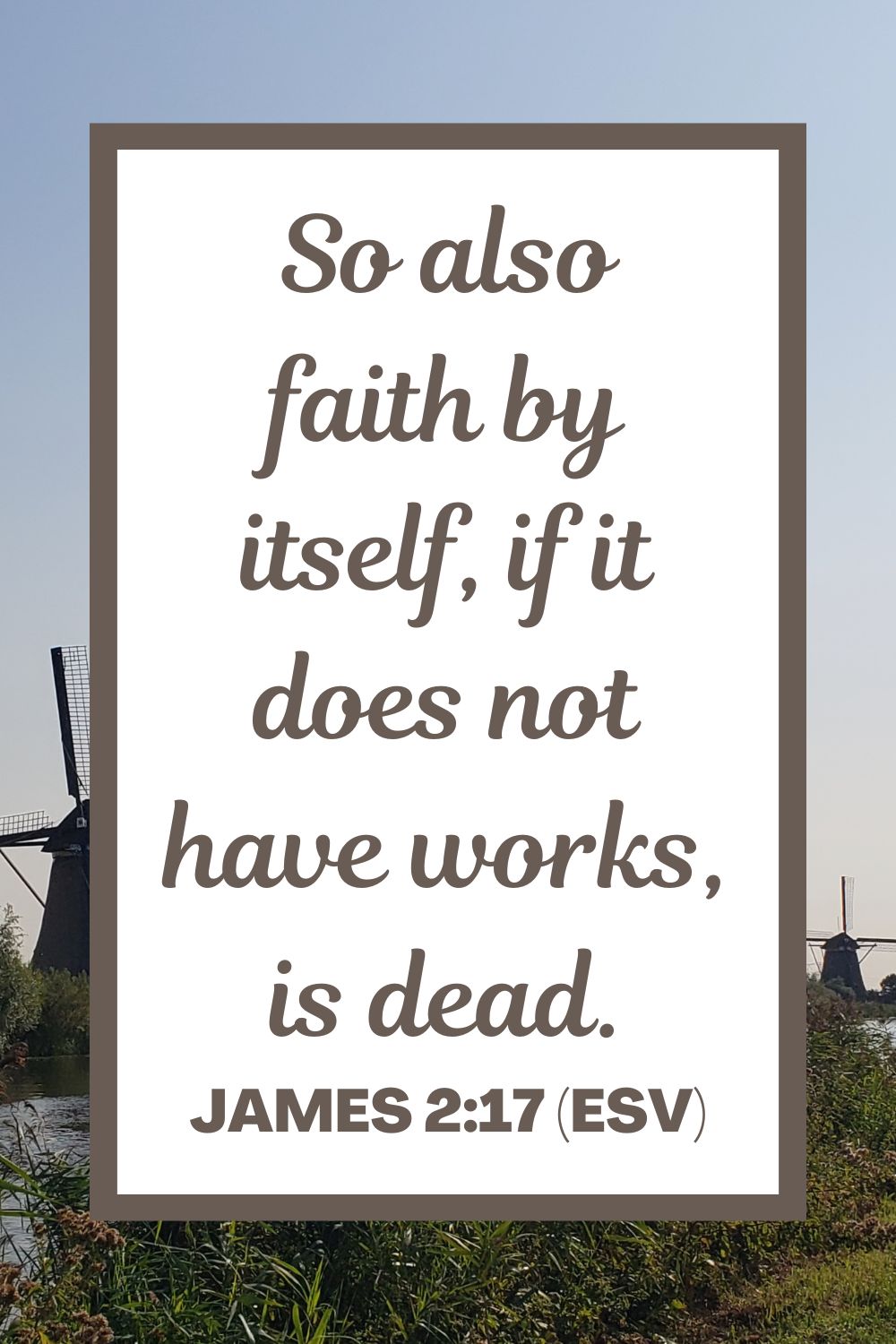
In James 2, James addresses favoritism, warning against treating people differently based on their status. He then discusses the inseparable connection between faith and works, asserting that genuine faith naturally produces actions that reflect God’s love. Faith without works, he explains, is dead and ultimately ineffective.
James 3
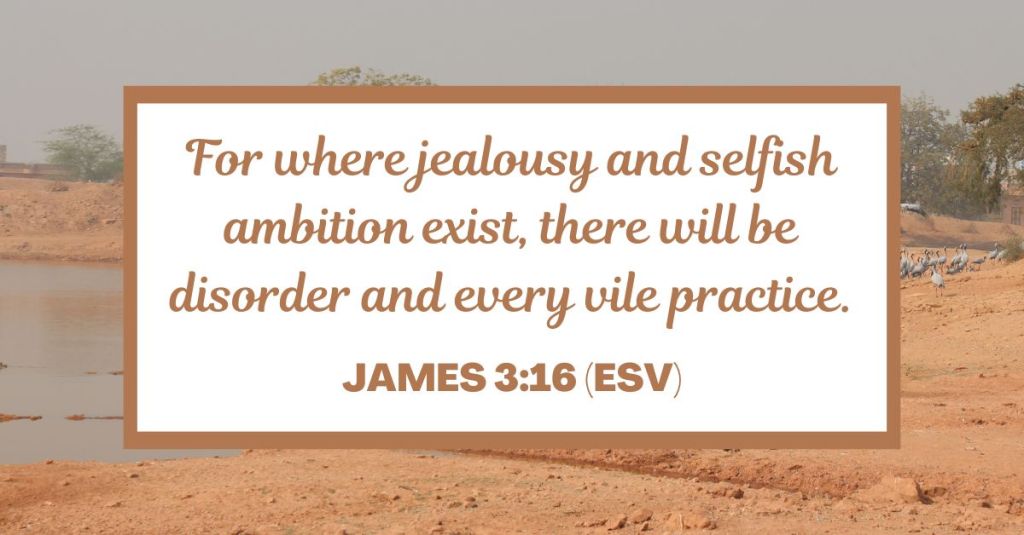
James 3 focuses on the power of the tongue, emphasizing the importance of controlling speech to avoid causing harm. He warns of the dangers of unbridled speech and describes the tongue as a small but mighty tool capable of both blessing and cursing. James concludes with a discussion on wisdom, distinguishing between worldly wisdom and the wisdom from God, which brings peace and righteousness.
James 4
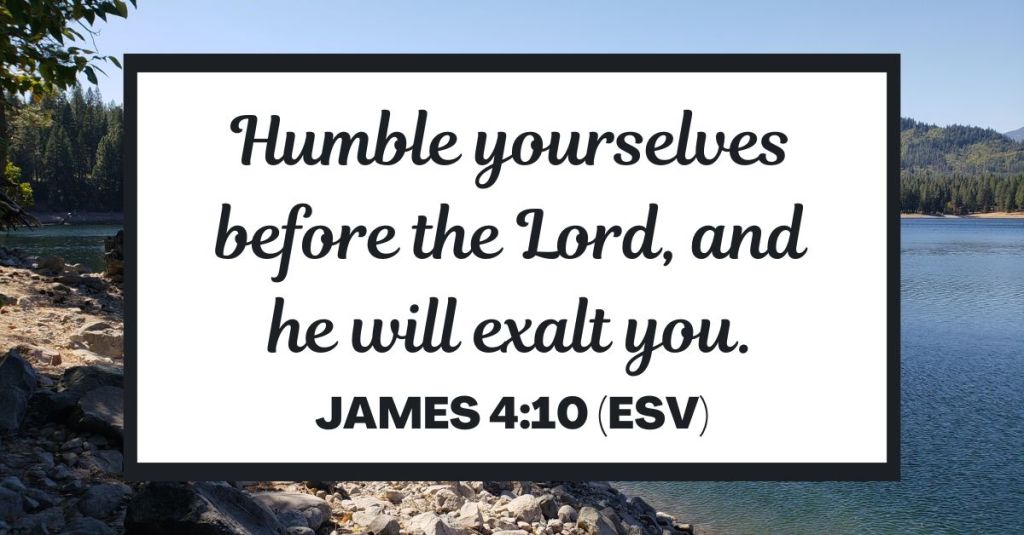
James 4 addresses the issues of pride and worldliness, urging believers to draw near to God and resist temptation. He highlights the importance of humility, warning against judging others and making presumptuous plans. James concludes that a life in submission to God brings freedom from selfish desires and a closer walk with God.
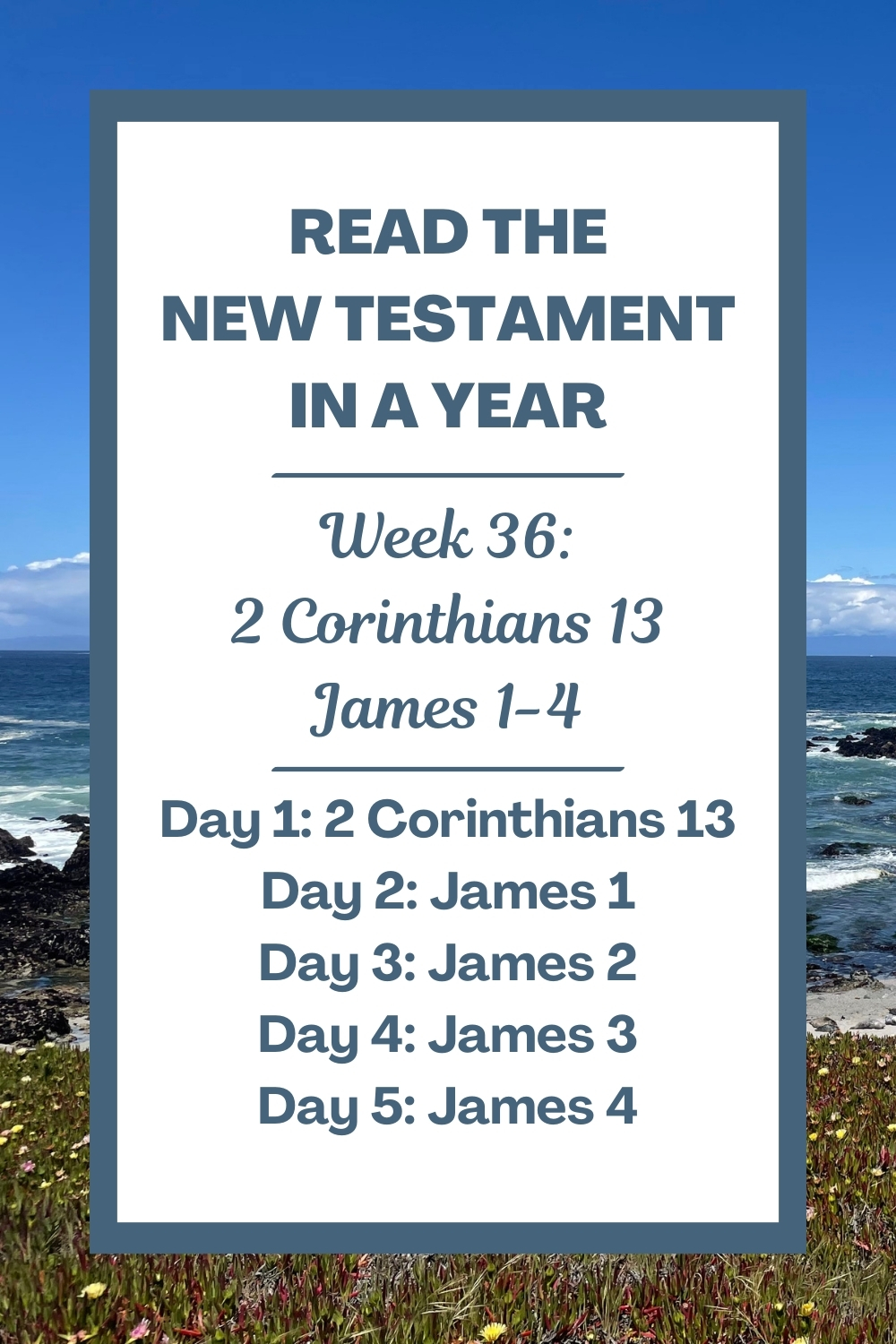
Week 36: New Testament Reading Assignment
Each week, we will read 5 chapters of the New Testament. Some people may prefer to read during the weekdays, while others might enjoy doing most of their reading on the weekends. Choose the method that works best for you!
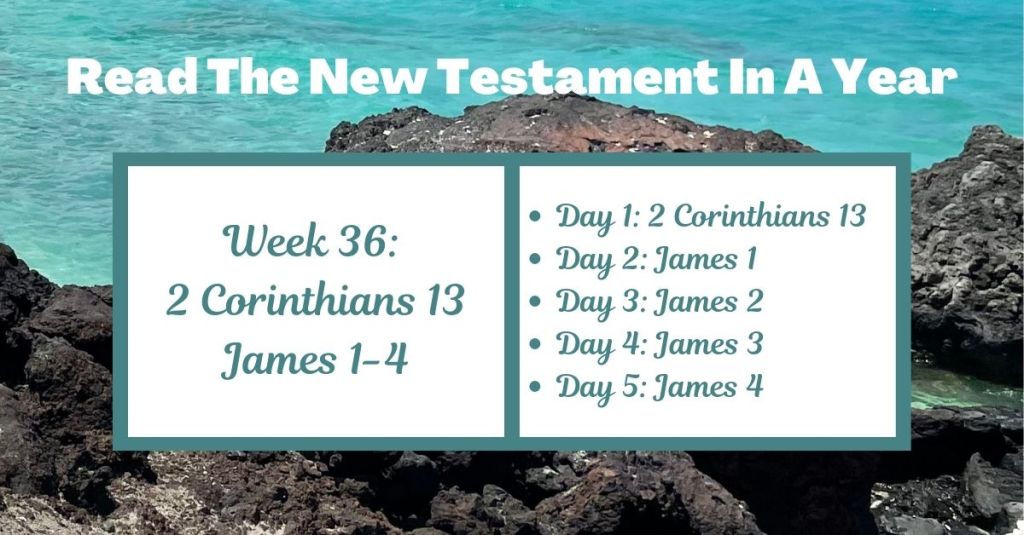
- Day 1: 2 Corinthians 13
- Day 2: James 1
- Day 3: James 2
- Day 4: James 3
- Day 5: James 4
Printable Resource:
Week 36: Reflection Questions for 2 Corinthians 13 and James 1-4
Consider the following reflection questions:
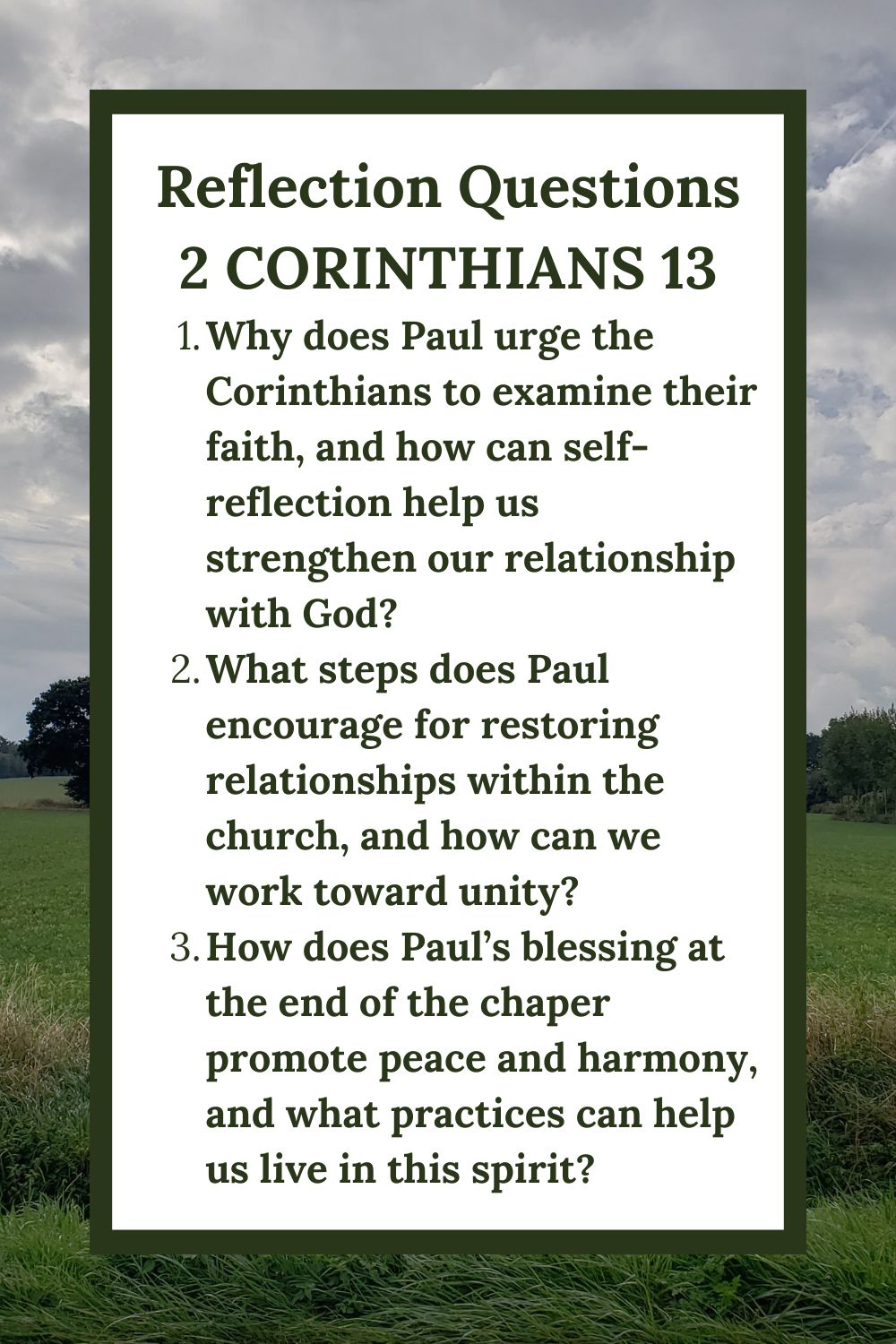
2 Corinthians 13: Examining Faith and Seeking Unity
- Why does Paul urge the Corinthians to examine their faith, and how can self-reflection help us strengthen our relationship with God?
- What steps does Paul encourage for restoring relationships within the church, and how can we work toward unity?
- How does Paul’s blessing at the end of the chaper promote peace and harmony, and what practices can help us live in this spirit?
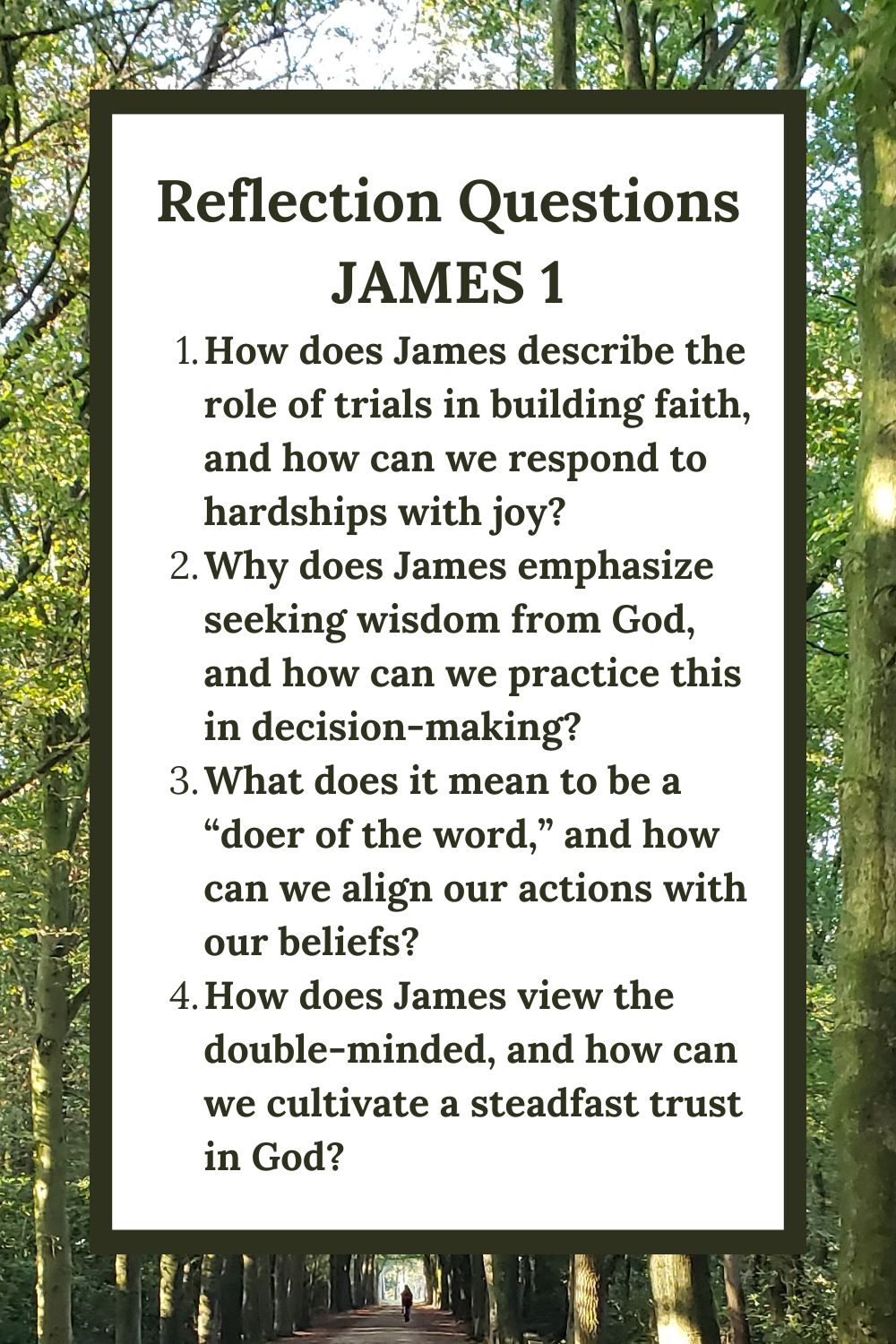
James 1: Faith and Trials
- How does James describe the role of trials in building faith, and how can we respond to hardships with joy?
- Why does James emphasize seeking wisdom from God, and how can we practice this in decision-making?
- What does it mean to be a “doer of the word,” and how can we align our actions with our beliefs?
- How does James view the double-minded, and how can we cultivate a steadfast trust in God?
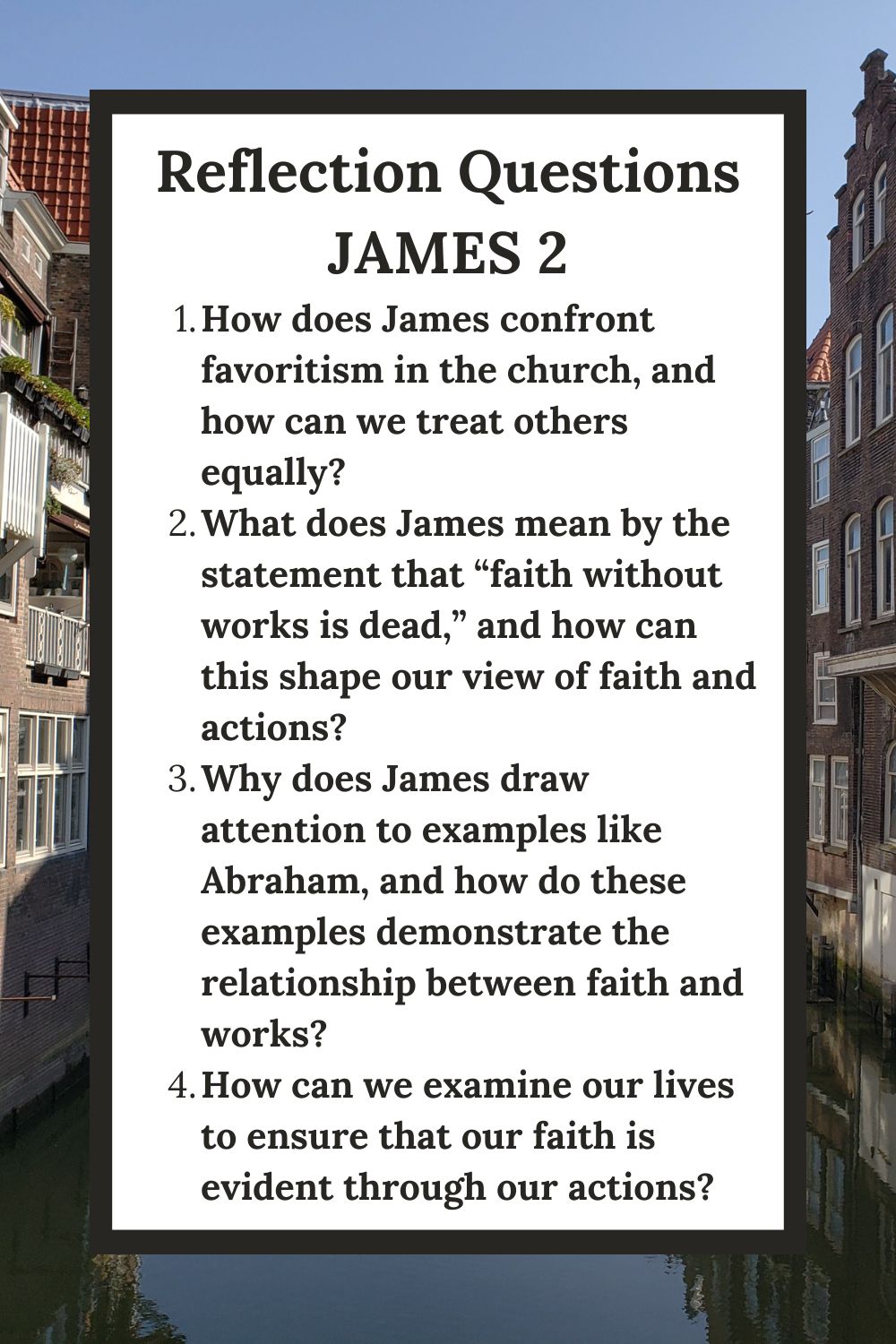
James 2: Faith and Works
- How does James confront favoritism in the church, and how can we treat others equally?
- What does James mean by the statement that “faith without works is dead,” and how can this shape our view of faith and actions?
- Why does James draw attention to examples like Abraham, and how do these examples demonstrate the relationship between faith and works?
- How can we examine our lives to ensure that our faith is evident through our actions?
James 3: The Power of Words and Wisdom
- How does James describe the influence of the tongue, and how can we use our words to encourage others?
- What differences does he highlight between worldly and heavenly wisdom, and in what ways can we seek the latter?
- How might unchecked ambition cause disorder, and what steps can we take to align with godly wisdom?
- What lessons about peace and righteousness can we draw from James’ teaching on wisdom?
James 4: Humility and Submission to God
- What does James say about resisting worldly desires, and how can we draw closer to God?
- How does he describe the role of humility, and what actions might demonstrate humility in our lives?
- Why does James warn against judging others, and how can we practice grace instead?
- How might submitting our plans to God lead to greater freedom, and what steps can we take to involve Him more?


Reflective Prayer
Choose a few verses or topics from these chapters and pray over them. Consider using the ACTS method — Adoration, Confession, Thankfulness, Supplication:
- Adoration: Praise God. What specific characteristics of God do these readings bring to mind?
- Confession: Tell God that you are sorry for specific sins. What specific sins do these readings bring to mind?
- Thankfulness: Show gratitude towards God. What in these readings inspires gratitude?
- Supplication: Make requests for yourself and for others. What in these readings inspires a prayer?
If helpful, you can use a prayer journal template.


Other Reading Plans
Online Resources
Subscribe
If you enjoyed this post and wish to receive more Christian content, feel free to subscribe to my newsletters!
Related Resources
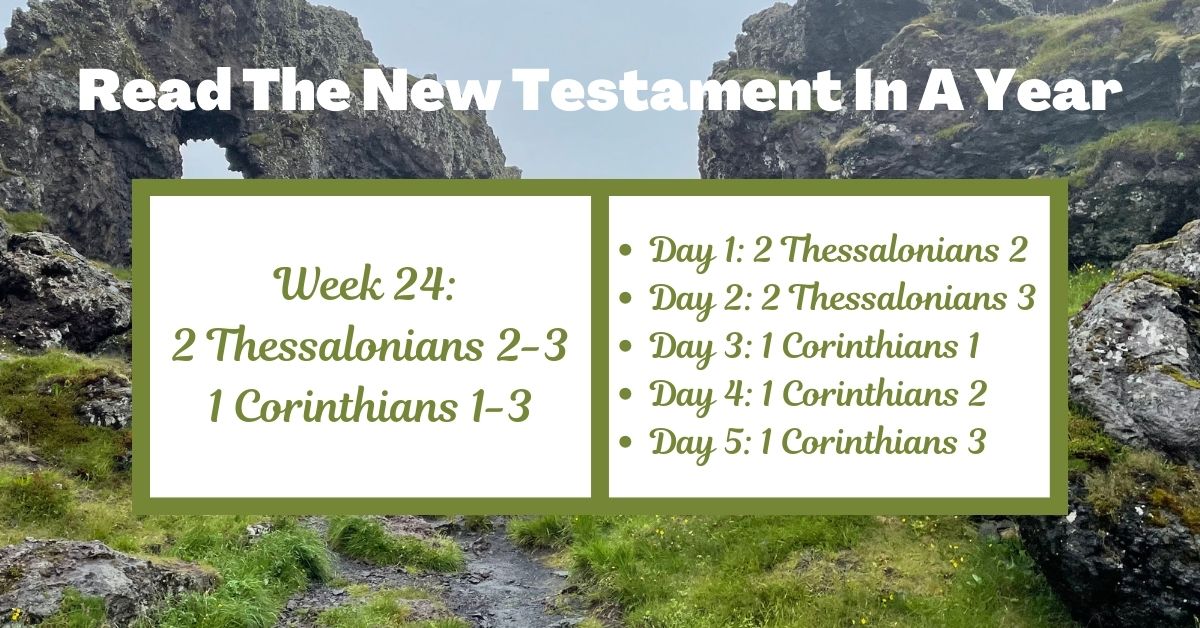
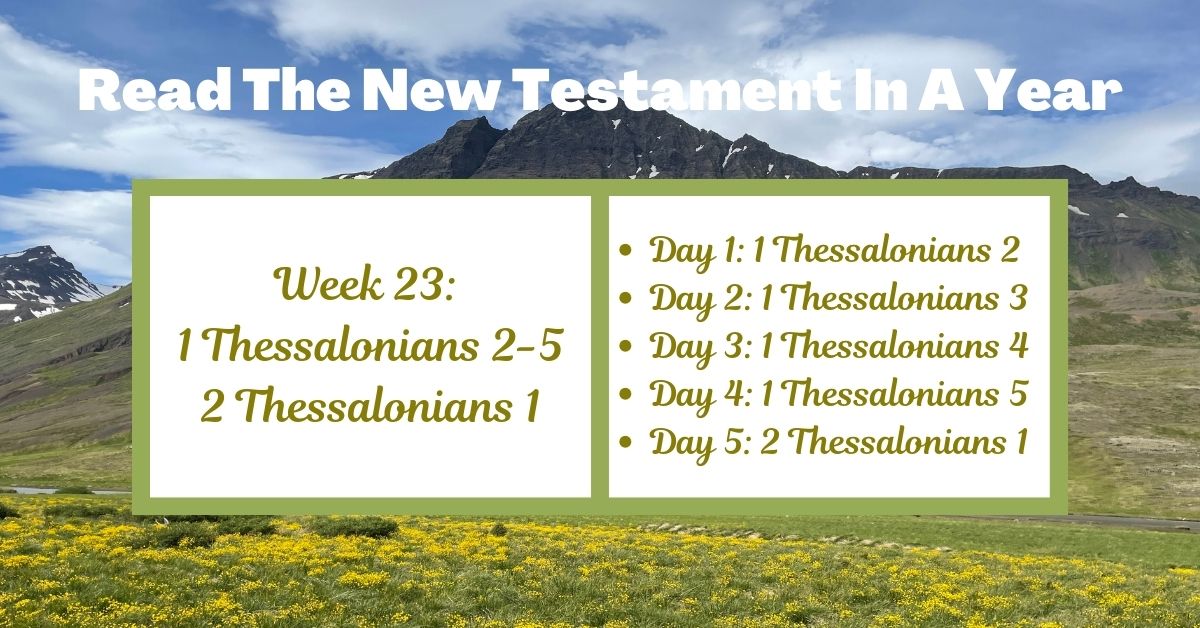
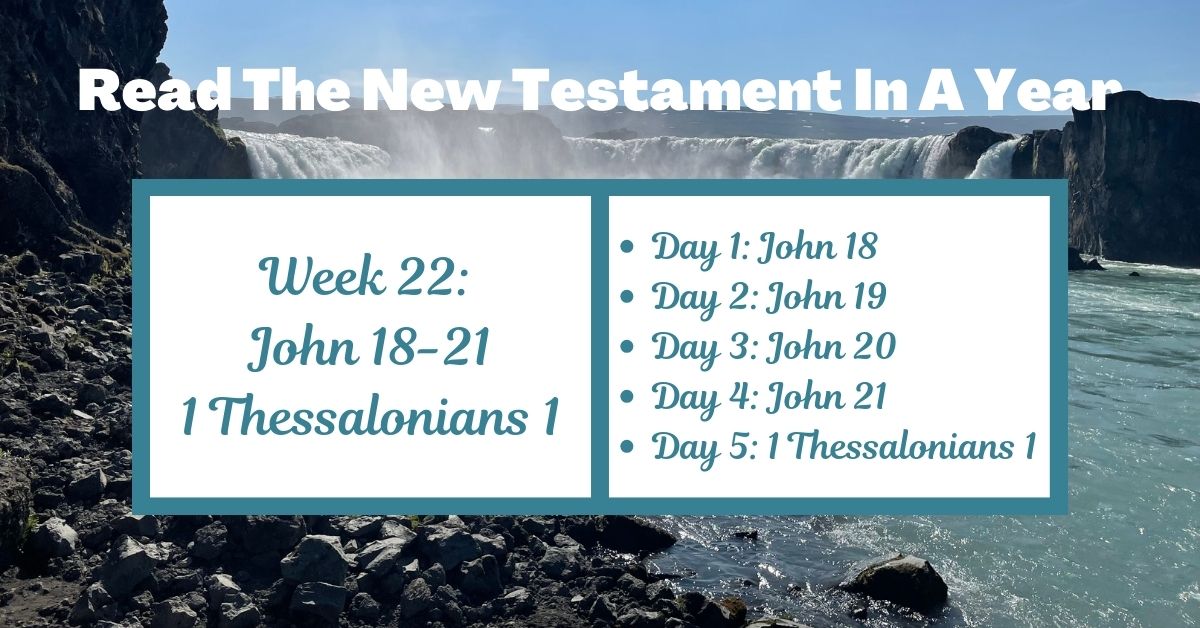
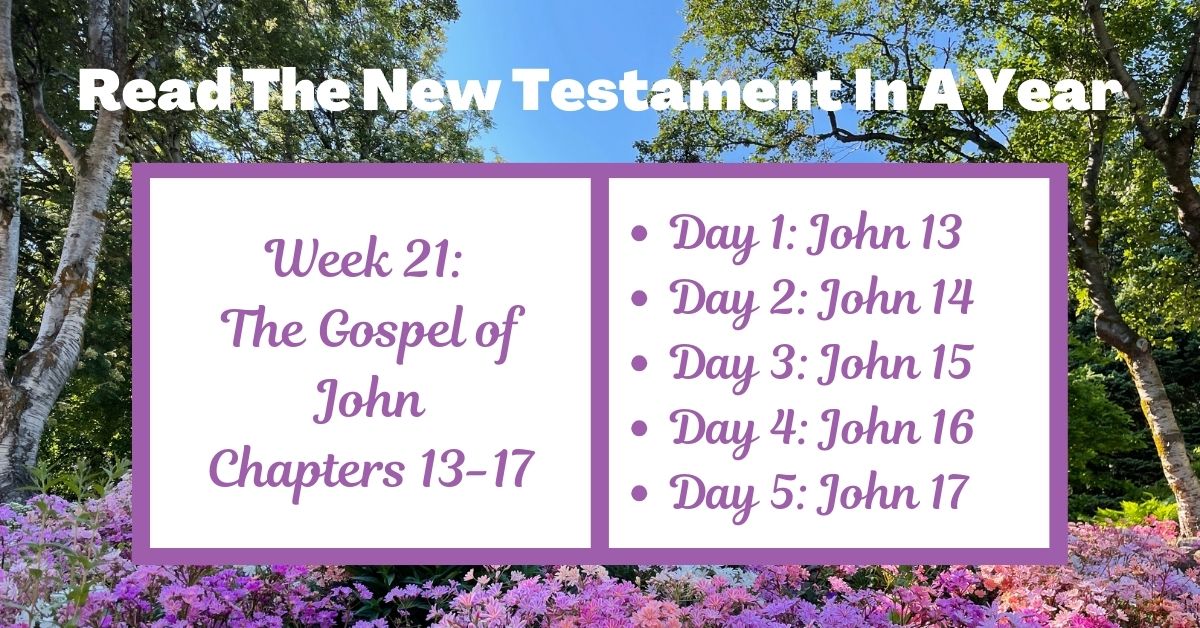
Visit the Joyful Moments in Christ homepage for all posts, or scroll through other blog posts related to reading the New Testament in a year:




English Standard Version (ESV): Unless otherwise noted, scripture quotations are from the ESV® Bible (The Holy Bible, English Standard Version®), © 2001 by Crossway, a publishing ministry of Good News Publishers. Used by permission. All rights reserved. The ESV text may not be quoted in any publication made available to the public by a Creative Commons license. The ESV may not be translated in whole or in part into any other language.