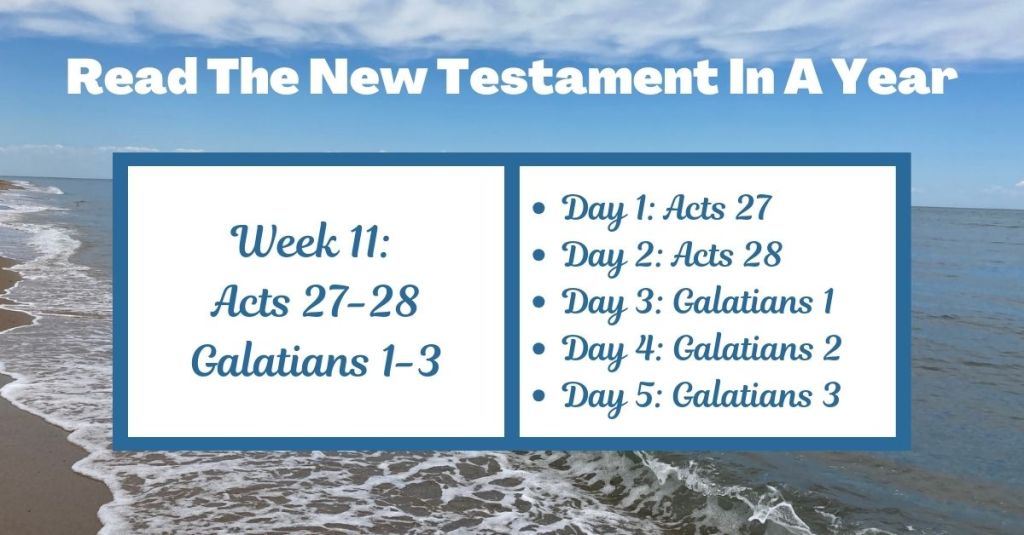
Week 11: Exploring Acts 27-28 and Galatians 1-3
In week 11 of our 1-year New Testament reading adventure, we will read the Acts of the Apostles chapters 27-28 and Galatians 1-3. Acts will take us through Paul’s dramatic shipwreck and his eventual arrival in Rome. Meanwhile, Galatians will offer insight into Paul’s encouragement to the church in Galatia to remain steadfast in the true gospel message.
Acts 27-28
In Acts 27 and 28, we see God’s providence of wisdom towards Paul, which the sailors initially ignore but after catastrophe, later embrace. Once shipwrecked, the crew sees the errors in their judgement and turn to Paul, demonstrating their acknowledgement of God’s awesome power. On the island of Malta, Paul performs several miracles, underscoring God’s ongoing work through him.
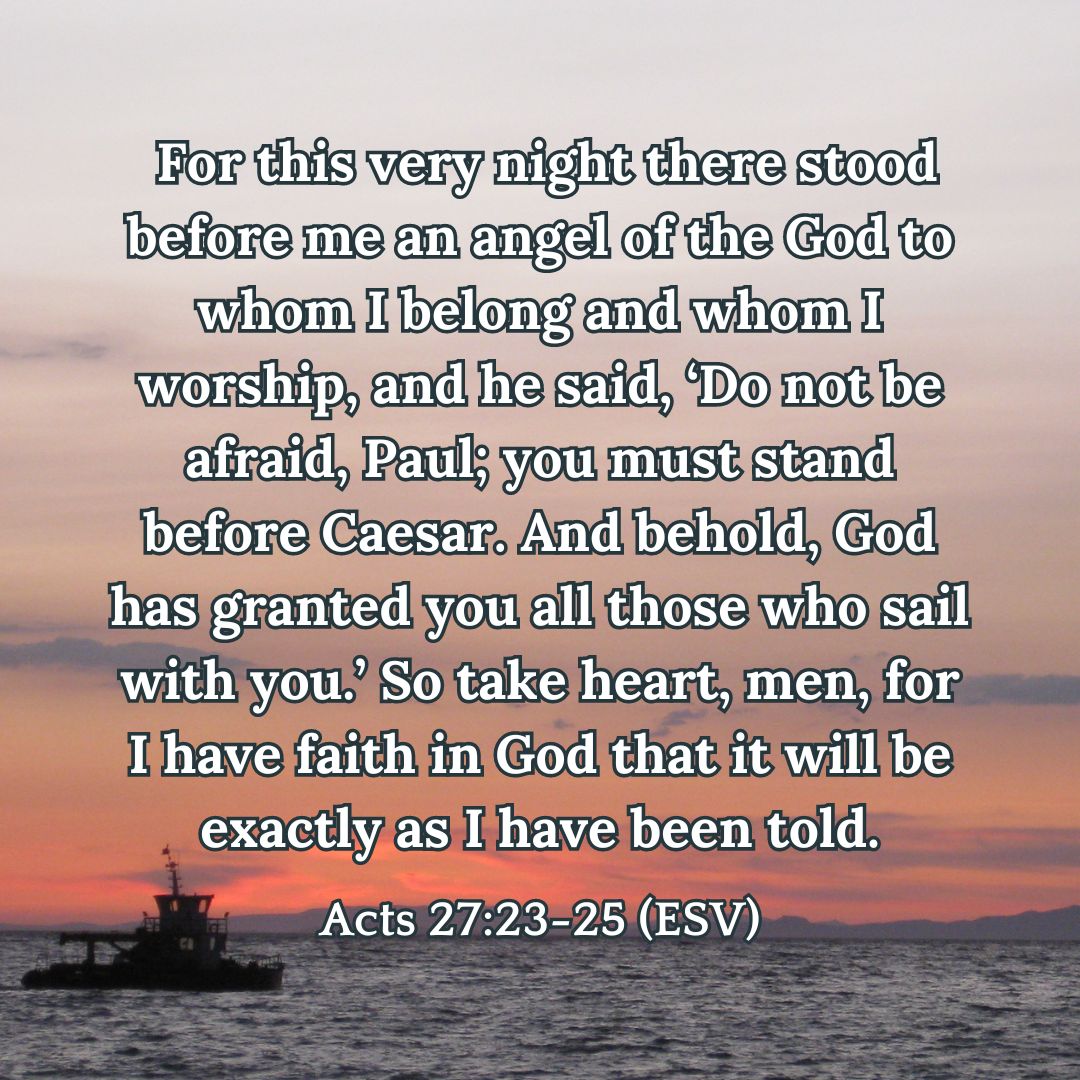
At the end of Acts 28, Paul arrives in Rome under house arrest but is granted the opportunity to engage with the Roman people. Although his trial is not depicted, his letter to the Romans had already been received, paving the way for significant teaching and fellowship while in Rome.
Galatians 1-3
In Galatians, we step back to one of Paul’s early letters that addresses the church in Galatia. One key issue he tackles is the challenge of false teachings that distort the gospel. Paul defends his apostleship and the authenticity of his message, emphasizing that even respected leaders like Peter can err.

Chapter 3 focuses on the crucial debate between faith and the law. For Jewish believers, accustomed to the Law of the Old Testament, the concept of salvation by faith alone was a radical shift. This chapter addresses the conflict and provides clarity on the relationship between faith and the law, a theme that recurs throughout the New Testament.

Christ redeemed us from the curse of the law by becoming a curse for us—for it is written, “Cursed is everyone who is hanged on a tree”— so that in Christ Jesus the blessing of Abraham might come to the Gentiles, so that we might receive the promised Spirit through faith. – Galatians 3:13-14 (ESV)
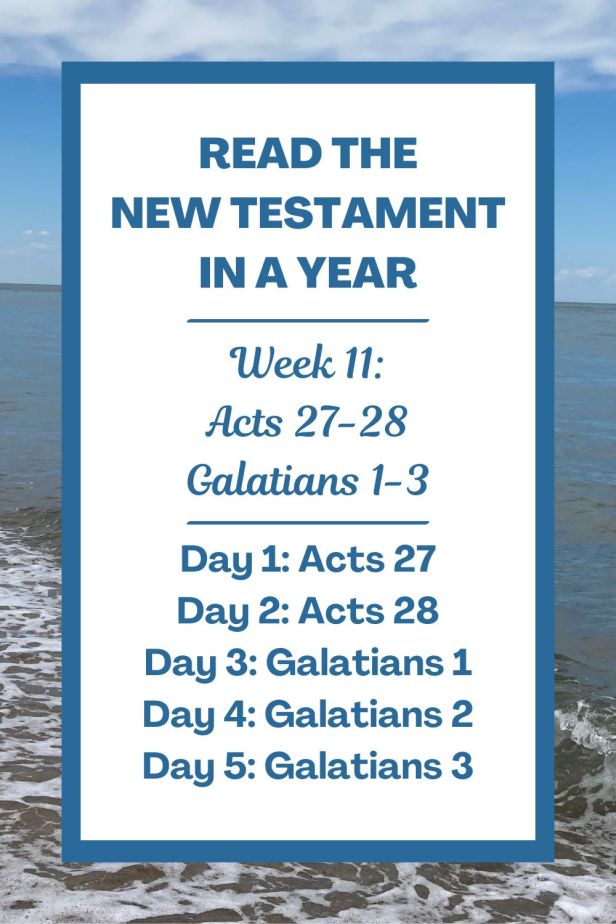
Week 11: New Testament Reading Assignment
Each week, we will read 5 chapters of the New Testament. Some people may prefer to read during the weekdays, while others might enjoy doing most of their reading on the weekends. Choose the method that works best for you!
- Day 1: Acts 27
- Day 2: Acts 28
- Day 3: Galatians 1
- Day 4: Galatians 2
- Day 5: Galatians 3
Printable Resource:
Week 11: Reflection Questions for Acts 27-28 and Galatians 1-3
Consider the following reflection questions:
Acts 27: Paul’s Journey to Rome and the Shipwreck
- How did the decisions made by the centurion and the crew impact the safety of the voyage, and what does this reveal about leadership and decision-making in challenging situations?
- How did the crew respond to the storm, and what does their reaction teach us about preparedness and resourcefulness during times of crisis?
- How did Paul’s encouragement and advice to the crew affect their situation, and what can we learn from his role as a source of hope and guidance in dire circumstances?
- How did the events of the shipwreck demonstrate the themes of survival and divine intervention, and what lessons can be applied to personal or communal struggles?
Acts 28: Paul’s Ministry on Malta and Arrival in Rome
- How did the people of Malta respond to Paul’s miraculous survival and healing, and what does this reveal about the impact of divine signs on witness and evangelism?
- How did Paul’s acts of healing and service on Malta reflect his commitment to his mission, and what can we learn from his example of compassionate ministry?
- How did Paul’s reception by the believers in Rome highlight the importance of fellowship and support in ministry, and what can we draw from this for building and maintaining Christian communities?
- How did Paul’s continued preaching in Rome, despite his imprisonment, demonstrate his dedication to the gospel, and what can we learn from his perseverance in spreading the message of Jesus?
Galatians 1: Greeting and No Other Gospel
- What is the significance of Paul stating that his apostleship is not from men but from Jesus Christ and God the Father, and how does this understanding influence our view of authority in the church today?
- Why is Paul astonished that the Galatians are turning to a different gospel, and what steps can we take to ensure we remain faithful to the true gospel?
- What does Paul mean by “if anyone is preaching to you a gospel contrary to the one you received, let him be accursed,” and how should this warning affect our approach to evaluating new teachings?
- How does Paul’s personal testimony of his transformation and calling by God support his argument against those who challenge his authority?
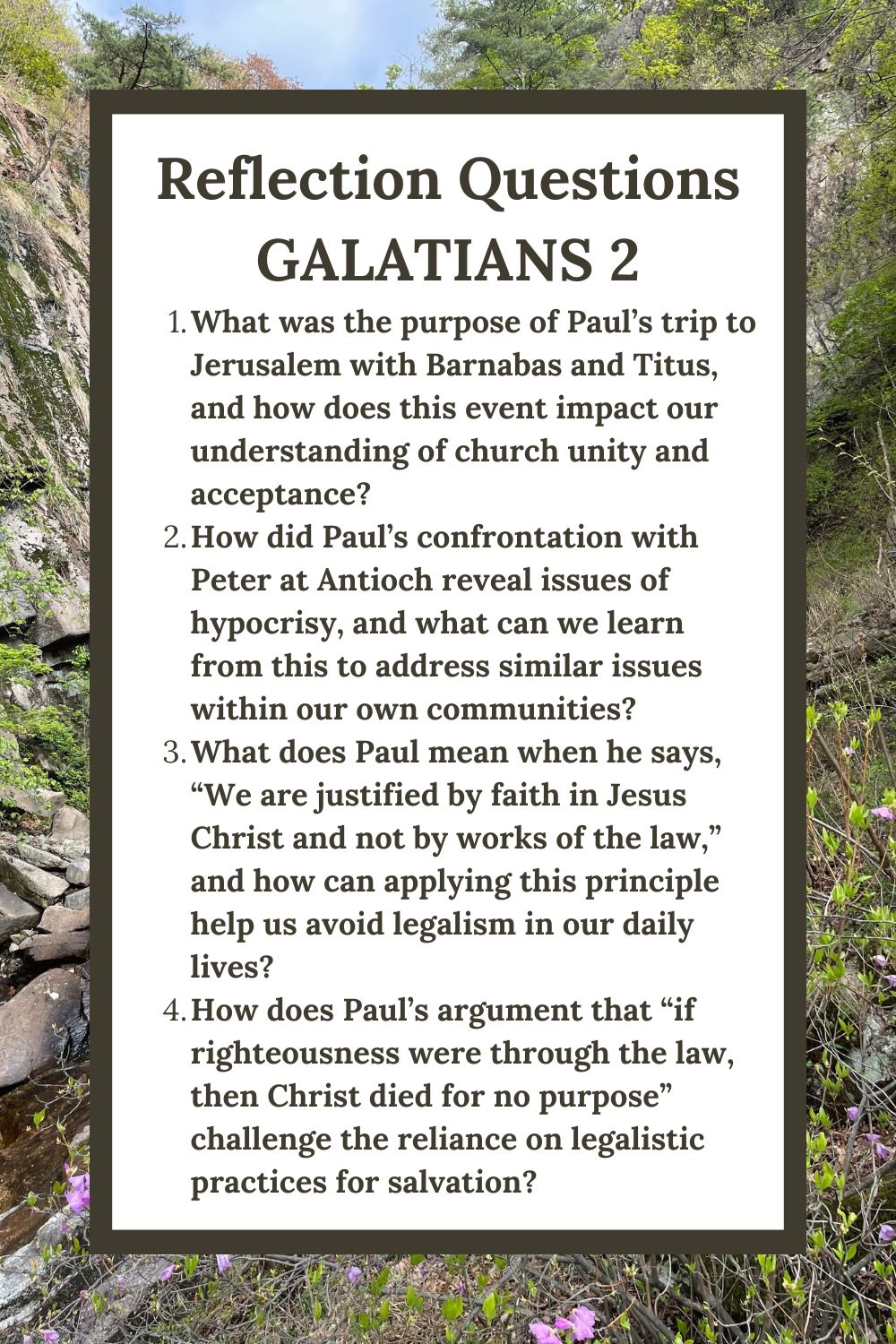
Galatians 2: Paul’s Acceptance by the Apostles and Opposition to Peter
- What was the purpose of Paul’s trip to Jerusalem with Barnabas and Titus, and how does this event impact our understanding of church unity and acceptance?
- How did Paul’s confrontation with Peter at Antioch reveal issues of hypocrisy, and what can we learn from this to address similar issues within our own communities?
- What does Paul mean when he says, “We are justified by faith in Jesus Christ and not by works of the law,” and how can applying this principle help us avoid legalism in our daily lives?
- How does Paul’s argument that “if righteousness were through the law, then Christ died for no purpose” challenge the reliance on legalistic practices for salvation?
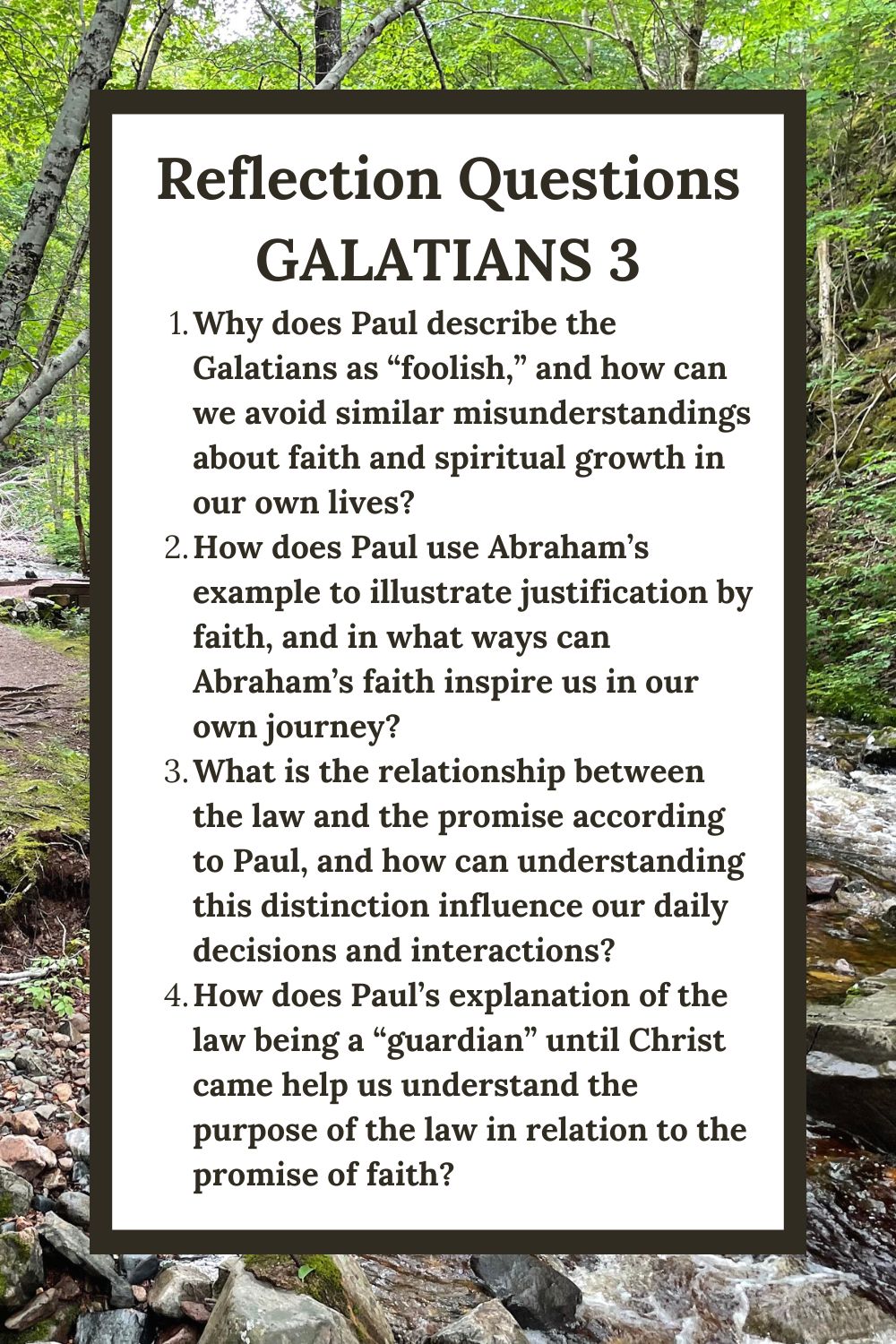
Galatians 3: Justified by Faith and The Law and the Promise
- Why does Paul describe the Galatians as “foolish,” and how can we avoid similar misunderstandings about faith and spiritual growth in our own lives?
- How does Paul use Abraham’s example to illustrate justification by faith, and in what ways can Abraham’s faith inspire us in our own journey?
- What is the relationship between the law and the promise according to Paul, and how can understanding this distinction influence our daily decisions and interactions?
- How does Paul’s explanation of the law being a “guardian” until Christ came help us understand the purpose of the law in relation to the promise of faith?


Reflective Prayer
Choose a few verses or topics from these chapters and pray over them. Consider using the ACTS method — Adoration, Confession, Thankfulness, Supplication:
- Adoration: Praise God. What specific characteristics of God do these readings bring to mind?
- Confession: Tell God that you are sorry for specific sins. What specific sins do these readings bring to mind?
- Thankfulness: Show gratitude towards God. What in these readings inspires gratitude?
- Supplication: Make requests for yourself and for others. What in these readings inspires a prayer?
If helpful, you can use a prayer journal template.
Other Reading Plans
Online Resources
Subscribe
If you enjoyed this post and wish to receive more Christian content, feel free to subscribe to my newsletters!
Related Resources
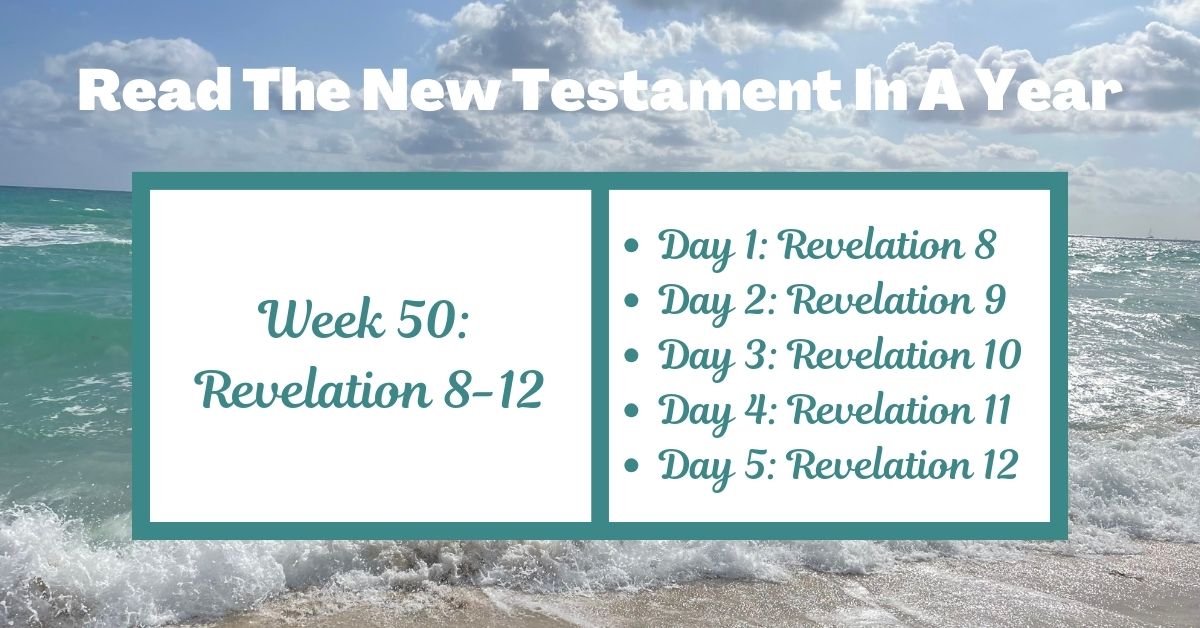
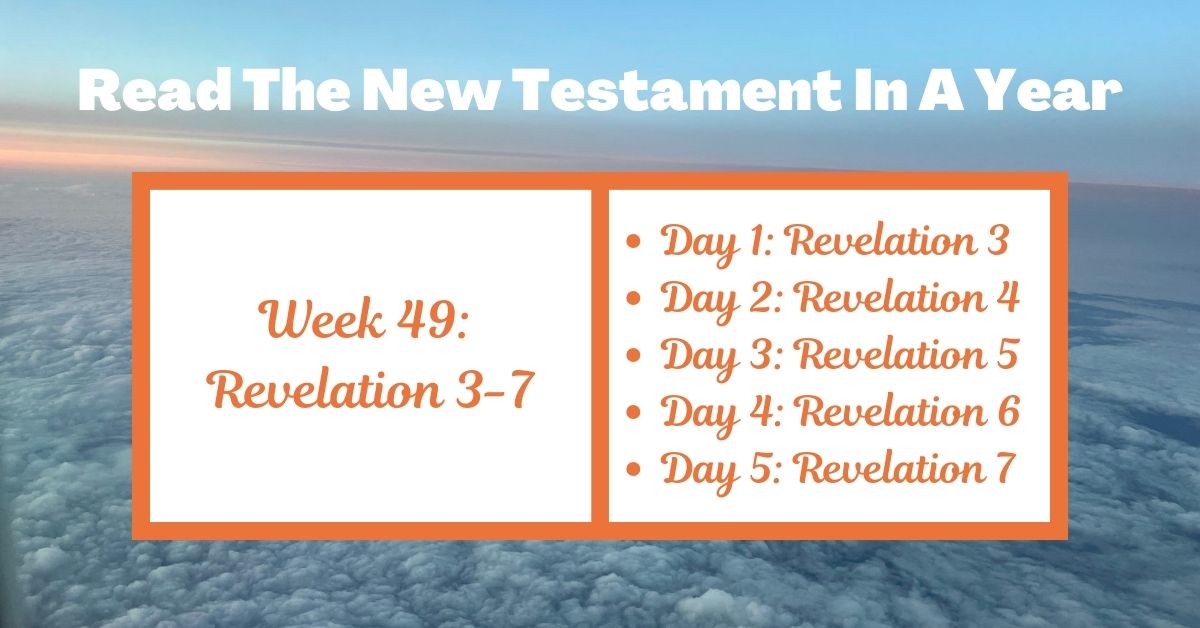
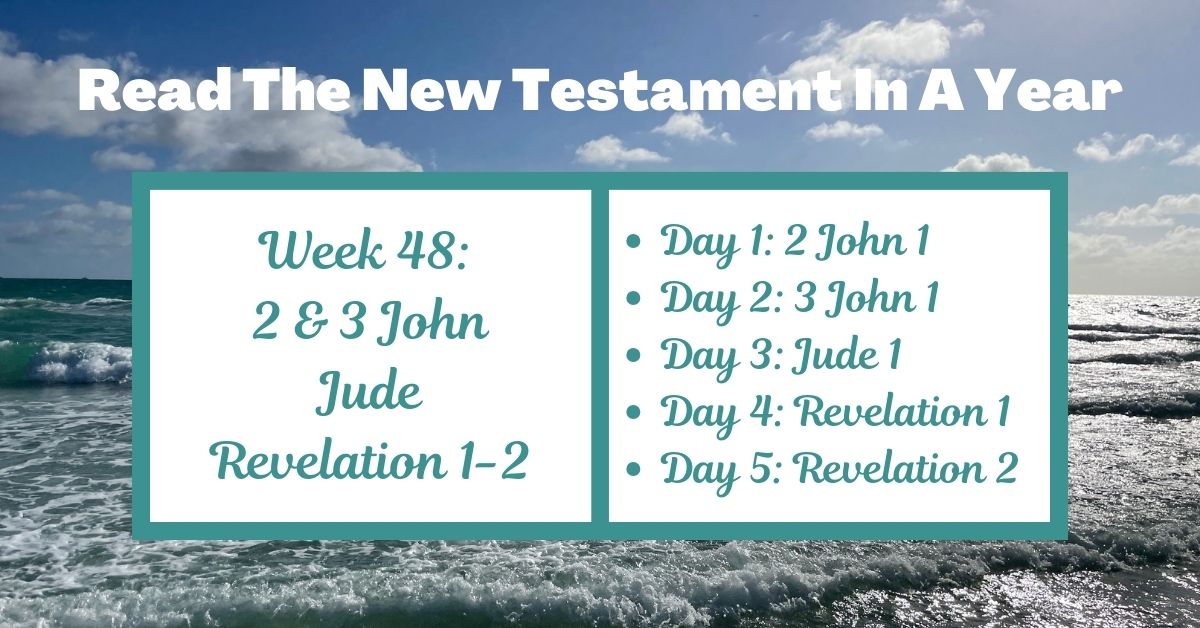
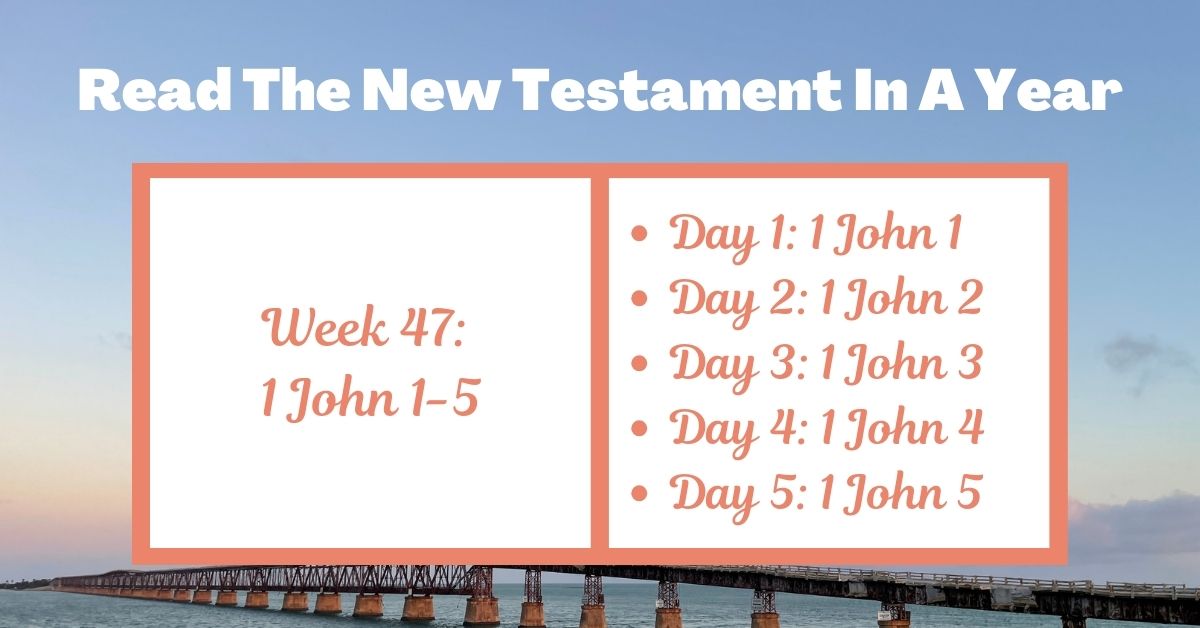
Visit the Joyful Moments in Christ homepage for all posts, or scroll through other blog posts related to reading the New Testament in a year:





English Standard Version (ESV): Unless otherwise noted, scripture quotations are from the ESV® Bible (The Holy Bible, English Standard Version®), © 2001 by Crossway, a publishing ministry of Good News Publishers. Used by permission. All rights reserved. The ESV text may not be quoted in any publication made available to the public by a Creative Commons license. The ESV may not be translated in whole or in part into any other language.