Week 2: Exploring Luke 6-10
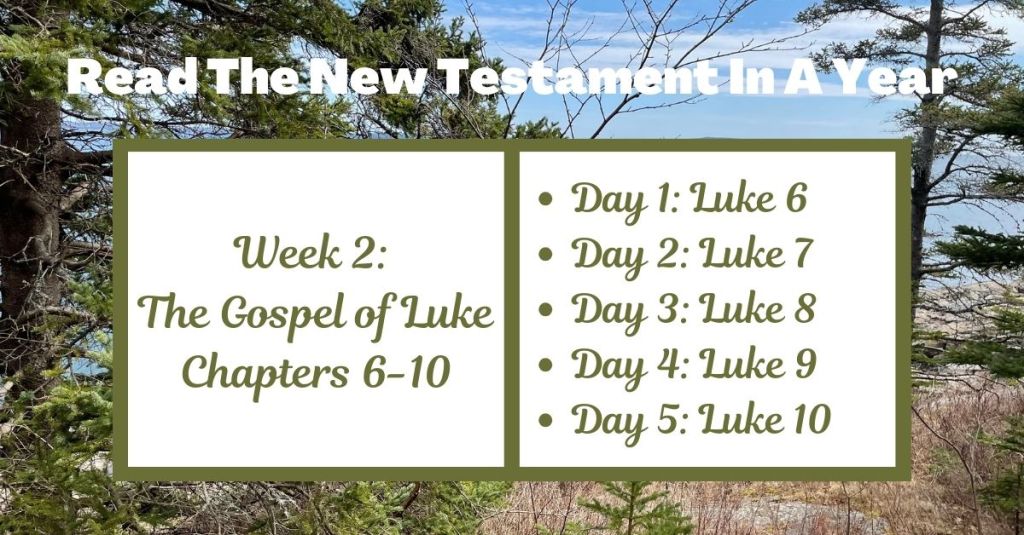
In week two of our journey through the New Testament, we will read chapters 6-10 from the Gospel of Luke. In chapter 6, Jesus selects his 12 apostles, performs several miracles, and imparts extensive teachings. Notably, you will learn about the Sabbath, hear the Beatitudes and woes, gain insights on loving and judging others, and understand the importance of building our foundation on Jesus and bearing fruit.

“But I say to you who hear, Love your enemies, do good to those who hate you, bless those who curse you, pray for those who abuse you.’” – Luke 6:27-28 (ESV)
Chapters 7-10 feature additional healings, parables, and teachings. We will also encounter messengers from John the Baptist, a perplexed Herod, a confession that Jesus is the Christ, a transfiguration, and the sending out of 72 disciples. It’s a rich and eventful week filled with profound messages!
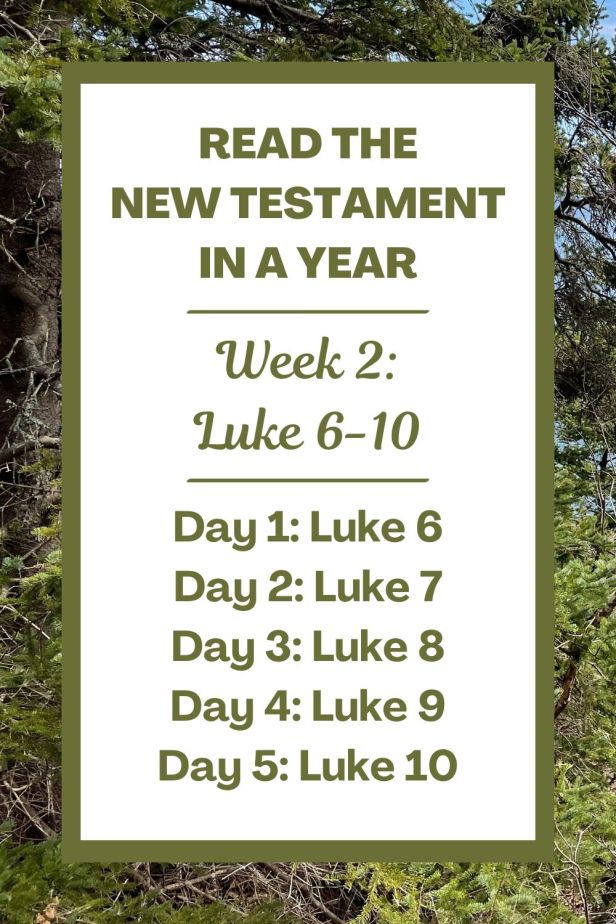
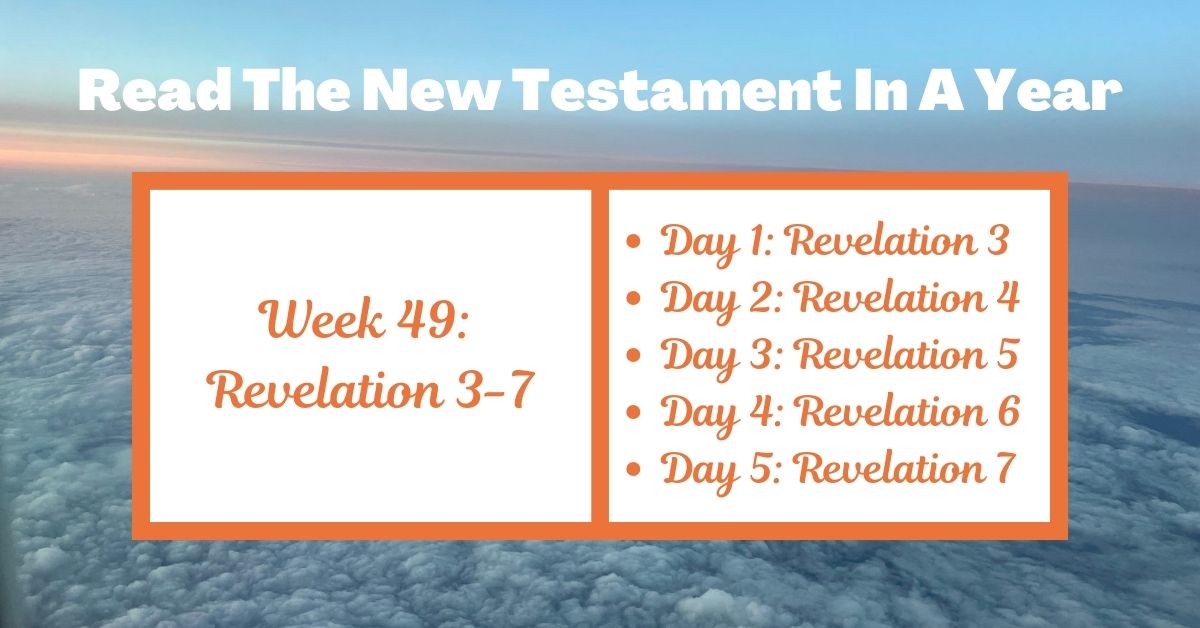
Week 2: New Testament Reading Assignment
Each week, we will read 5 chapters of the New Testament. Some people may prefer to read during the weekdays, while others might enjoy doing most of their reading on the weekends. Choose the method that works best for you!
Printable Resource:
Week 2: Reflection Questions for Luke 6-10
Consider the following reflection questions:
Chapter 6
- Jesus teaches about loving our enemies and doing good to those who hate us. How can you apply this teaching in your own life? Can you think of a specific person or situation where you can show this kind of love?
- Jesus speaks about judging others. How do you understand the difference between holding someone accountable and judging them unfairly? How can you practice more grace and less judgment in your interactions with others?
- The parable of the wise and foolish builders emphasizes the importance of acting on Jesus’ words. What steps can you take to ensure you are not just hearing but also living out Jesus’ teachings?
Chapter 7
- Jesus heals a centurion’s servant and raises a widow’s son from the dead. What do these miracles reveal about Jesus’ compassion and power? How do these stories encourage you in your faith?
- John the Baptist sends messengers to Jesus to ask if he is the one who is to come. How does Jesus respond, and what does this tell you about his identity and mission? How do you deal with doubts or questions in your faith journey?
- The sinful woman who anoints Jesus’ feet shows great love and repentance. How does Jesus’ response to her challenge your understanding of forgiveness and grace? How can you extend similar grace to others?
Chapter 8
- The parable of the sower describes different responses to God’s word. Reflect on which type of soil represents your heart. What can you do to cultivate a more receptive and fruitful heart for God’s word?
- Jesus calms a storm and heals a demon-possessed man. How do these stories demonstrate Jesus’ authority over nature and spiritual forces? How does this authority impact your trust in him during life’s challenges?
- The healing of Jairus’ daughter and the woman with the issue of blood show Jesus’ power over sickness and death. How do these miracles inspire you to seek Jesus’ help in your own struggles? What does this teach you about faith and persistence?
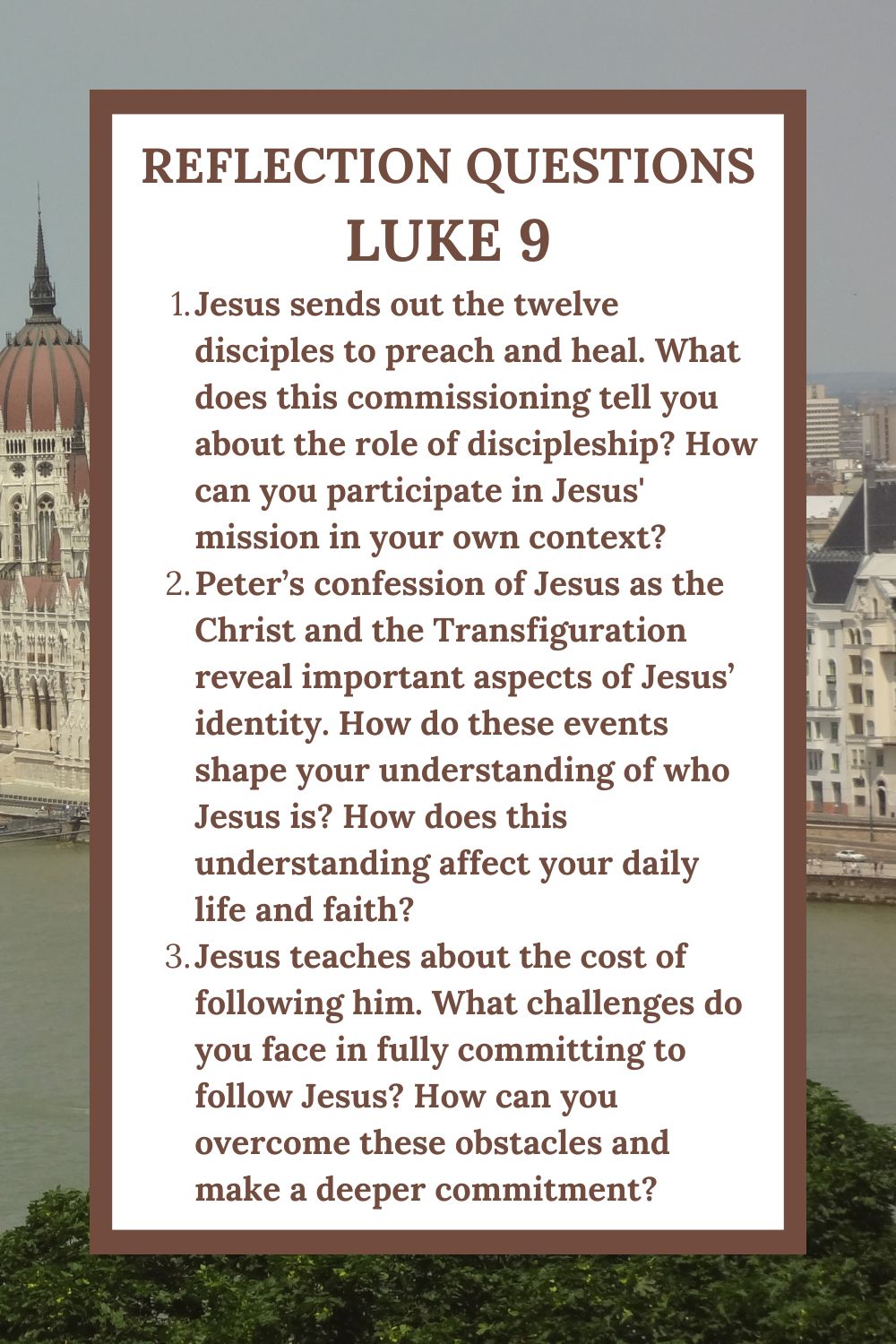
Chapter 9
- Jesus sends out the twelve disciples to preach and heal. What does this commissioning tell you about the role of discipleship? How can you participate in Jesus’ mission in your own context?
- Peter’s confession of Jesus as the Christ and the Transfiguration reveal important aspects of Jesus’ identity. How do these events shape your understanding of who Jesus is? How does this understanding affect your daily life and faith?
- Jesus teaches about the cost of following him. What challenges do you face in fully committing to follow Jesus? How can you overcome these obstacles and make a deeper commitment?
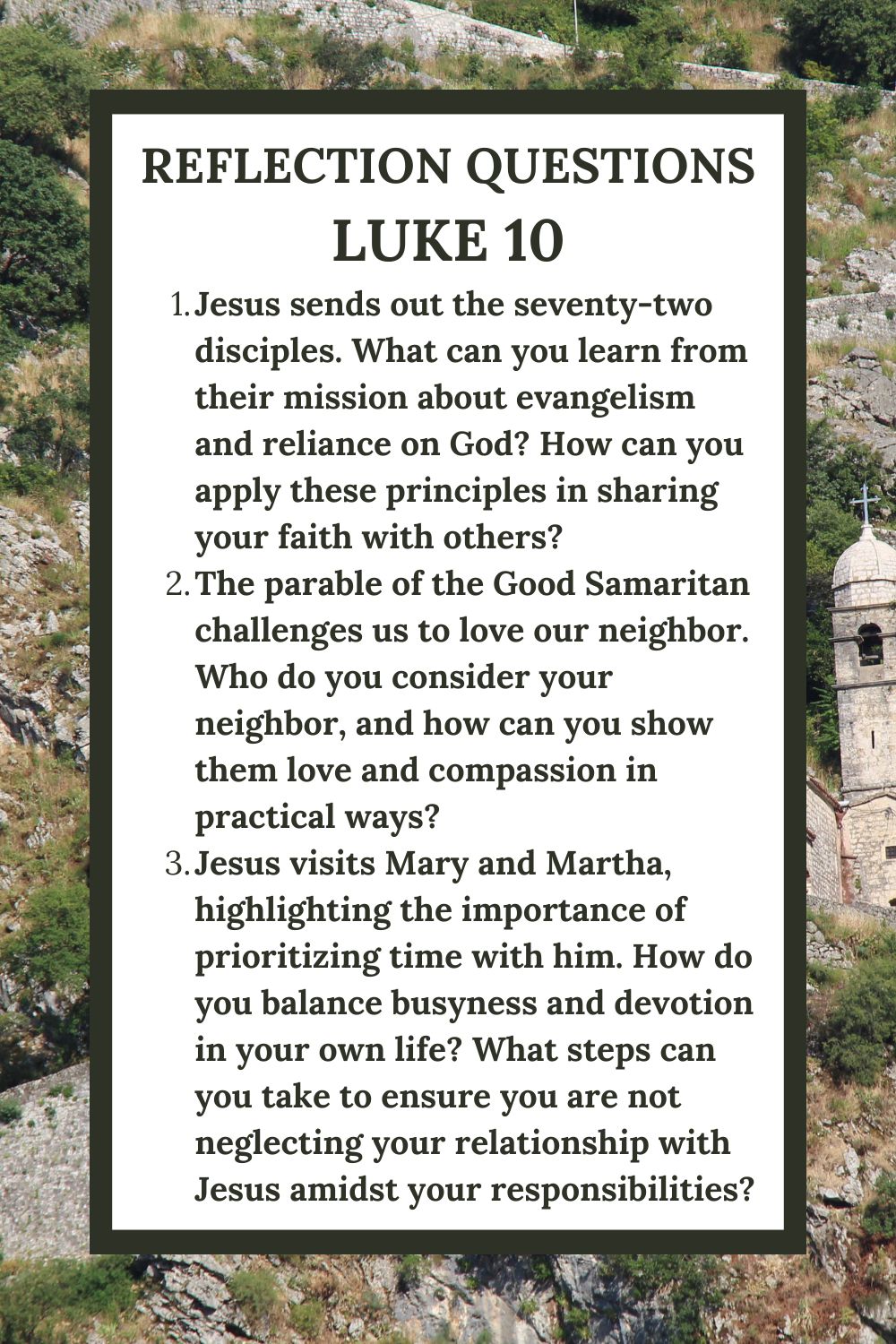
Chapter 10
- Jesus sends out the seventy-two disciples. What can you learn from their mission about evangelism and reliance on God? How can you apply these principles in sharing your faith with others?
- The parable of the Good Samaritan challenges us to love our neighbor. Who do you consider your neighbor, and how can you show them love and compassion in practical ways?
- Jesus visits Mary and Martha, highlighting the importance of prioritizing time with him. How do you balance busyness and devotion in your own life? What steps can you take to ensure you are not neglecting your relationship with Jesus amidst your responsibilities?


Reflective Prayer
Choose a few verses or topics from these chapters and pray over them. Consider using the ACTS method — Adoration, Confession, Thankfulness, Supplication:
- Adoration: Praise God. What specific characteristics of God do these readings bring to mind?
- Confession: Tell God that you are sorry for specific sins. What specific sins do these readings bring to mind?
- Thankfulness: Show gratitude towards God. What in these readings inspires gratitude?
- Supplication: Make requests for yourself and for others. What in these readings inspires a prayer?
If helpful, you can use a prayer journal template.
Other Reading Plans
Online Resources
Subscribe
If you enjoyed this post and wish to receive more Christian content, feel free to subscribe to my newsletters!
Related Resources
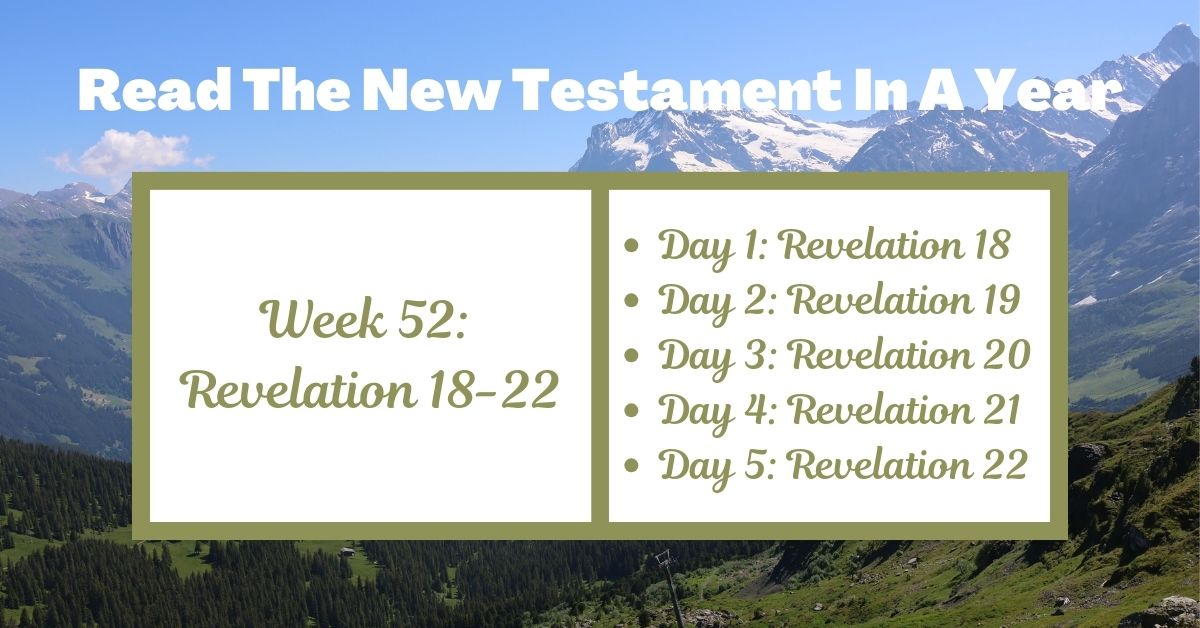
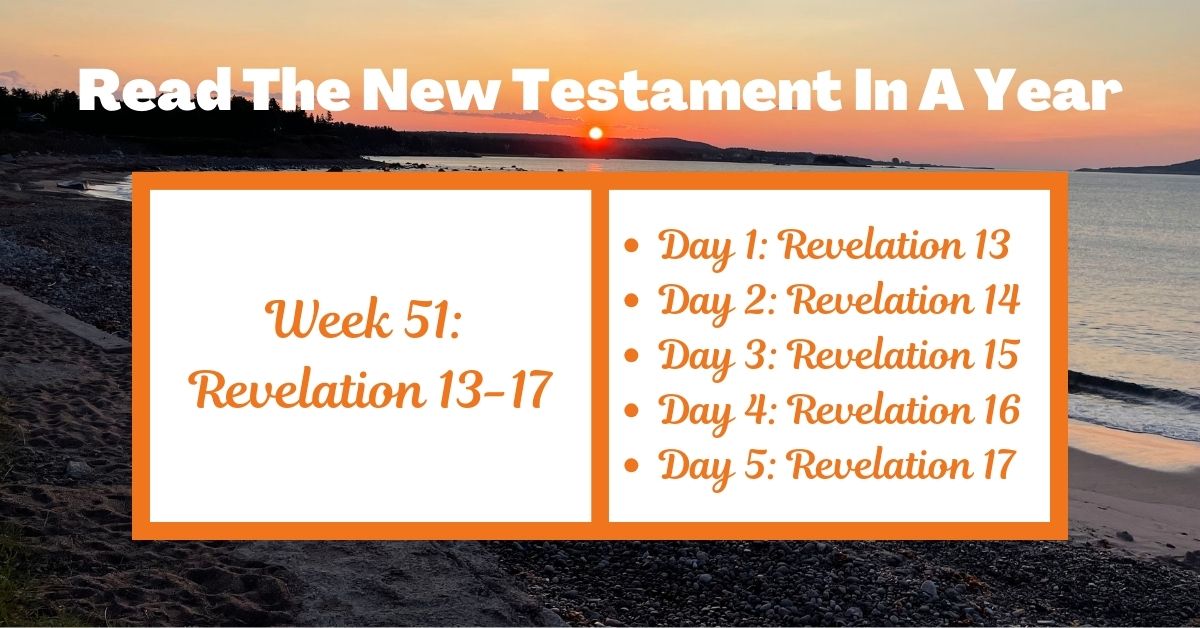
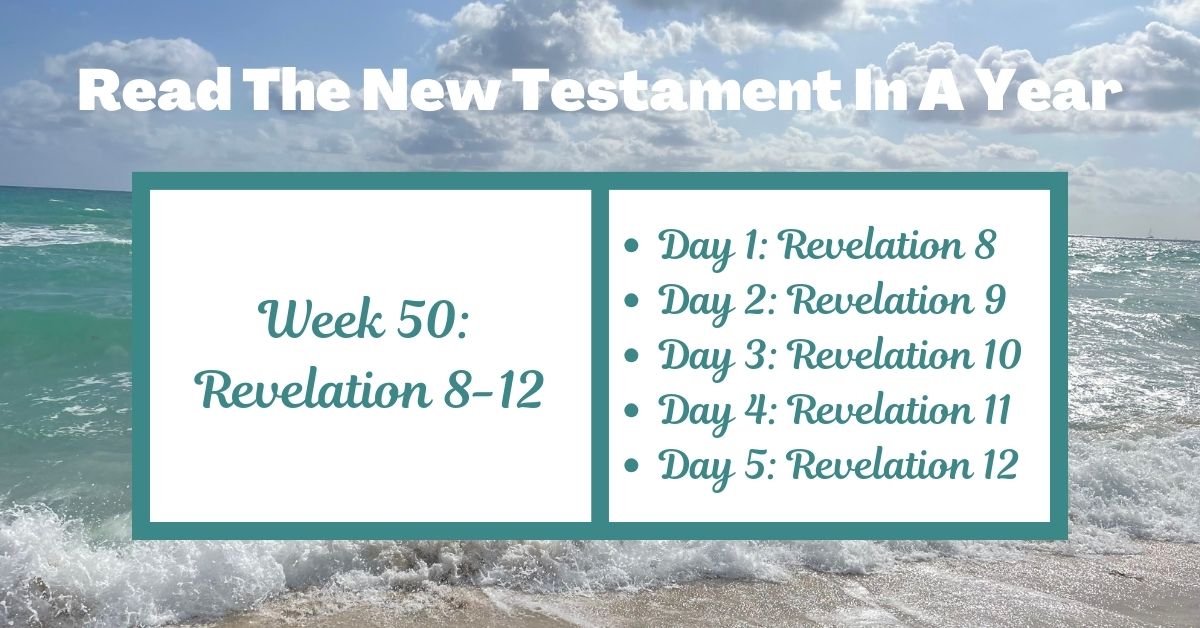
Visit the Joyful Moments in Christ homepage for all posts, or scroll through other blog posts related to reading the New Testament in a year:
Something went wrong. Please refresh the page and/or try again.
English Standard Version (ESV): Unless otherwise noted, scripture quotations are from the ESV® Bible (The Holy Bible, English Standard Version®), © 2001 by Crossway, a publishing ministry of Good News Publishers. Used by permission. All rights reserved. The ESV text may not be quoted in any publication made available to the public by a Creative Commons license. The ESV may not be translated in whole or in part into any other language.