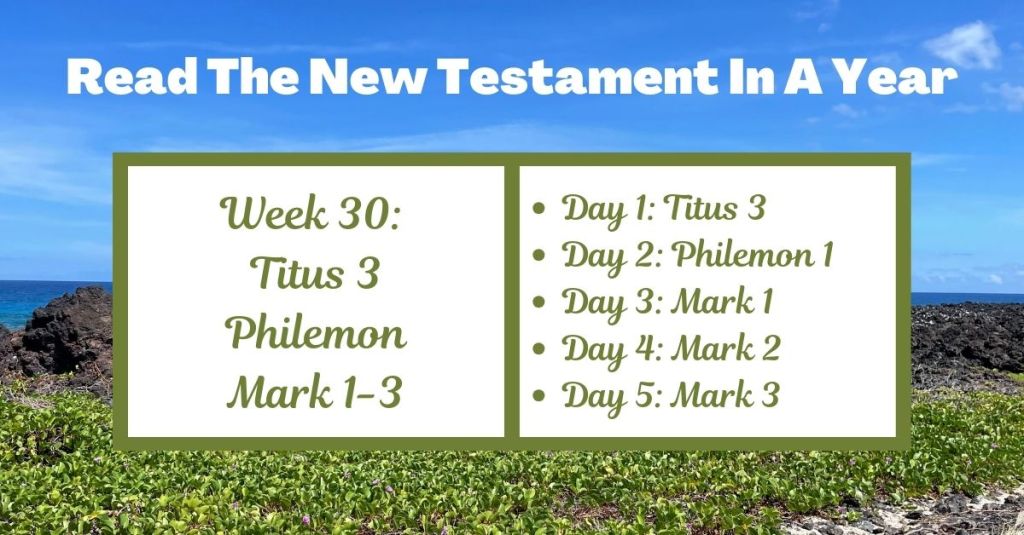
Week 30: Exploring Titus 3, Philemon, and Mark 1-3
In week 30 of our journey to read the New Testament in a year, we will explore Titus 3, Philemon, and the first three chapters of Mark’s Gospel. This week’s readings provide a rich look at Christian living, reconciliation, and the early ministry of Jesus. In Titus 3, Paul encourages believers to live humbly and graciously, highlighting that salvation is a gift of God’s mercy. Philemon invites us into a deeply personal letter about forgiveness and the transforming power of the gospel in relationships. As we enter Mark 1-3, we witness Jesus’ call to His disciples, His compassionate healing, and His authority that challenges social and religious norms. Together, these passages offer insights into a life of faith shaped by humility, forgiveness, and a willingness to follow Jesus’ example.
Titus 3
But when the goodness and loving kindness of God our Savior appeared, he saved us, not because of works done by us in righteousness, but according to his own mercy, by the washing of regeneration and renewal of the Holy Spirit, whom he poured out on us richly through Jesus Christ our Savior, so that being justified by his grace we might become heirs according to the hope of eternal life.
Titus 3:4-7 (ESV)
In Titus 3, Paul reminds believers to respect authority, live peaceably, and show humility to all. He emphasizes the kindness and mercy of God through salvation, calling for good works as a response to grace. Paul encourages unity and warns against divisive behavior that disrupts the community of faith.
Philemon

In Philemon, Paul writes to Philemon on behalf of Onesimus, a runaway servant who has become a believer. Paul urges Philemon to welcome Onesimus as a brother in Christ, emphasizing forgiveness and reconciliation over punishment. This letter demonstrates the transforming power of the gospel in relationships and the call to treat others with compassion.
Mark 1
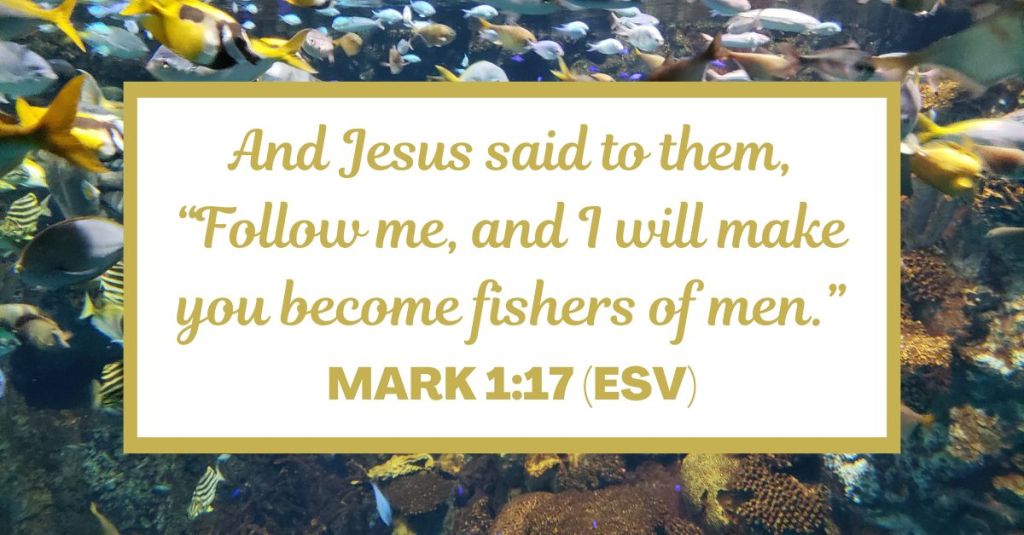
Mark 1 introduces the beginning of Jesus’ ministry in Galilee. After John the Baptist prepares the way, Jesus calls His first disciples and performs various miracles, including casting out demons and healing the sick. He demonstrates His authority over both the physical and spiritual realms, attracting large crowds. Despite His popularity, Jesus retreats for prayer, showing the importance of solitude with God amidst ministry.
Mark 2
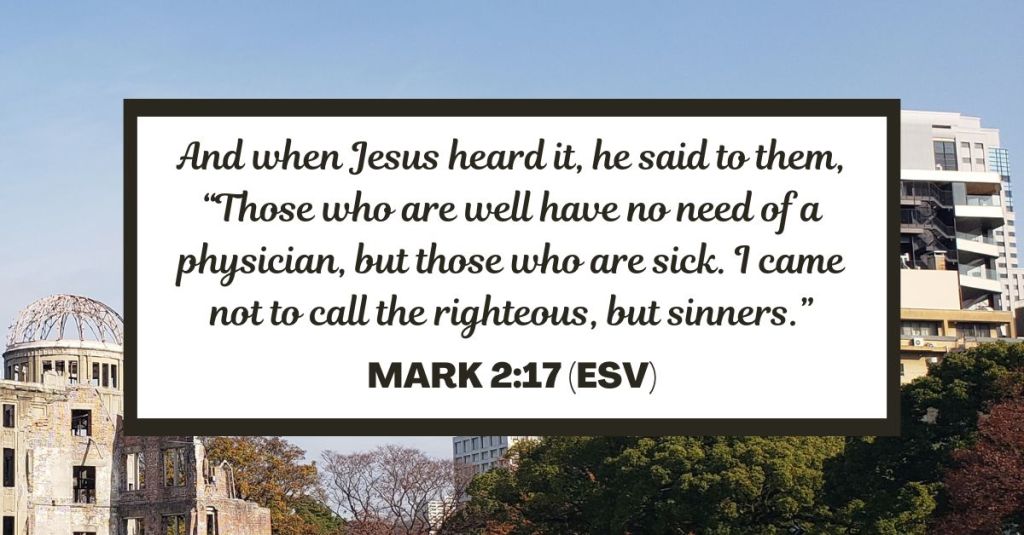
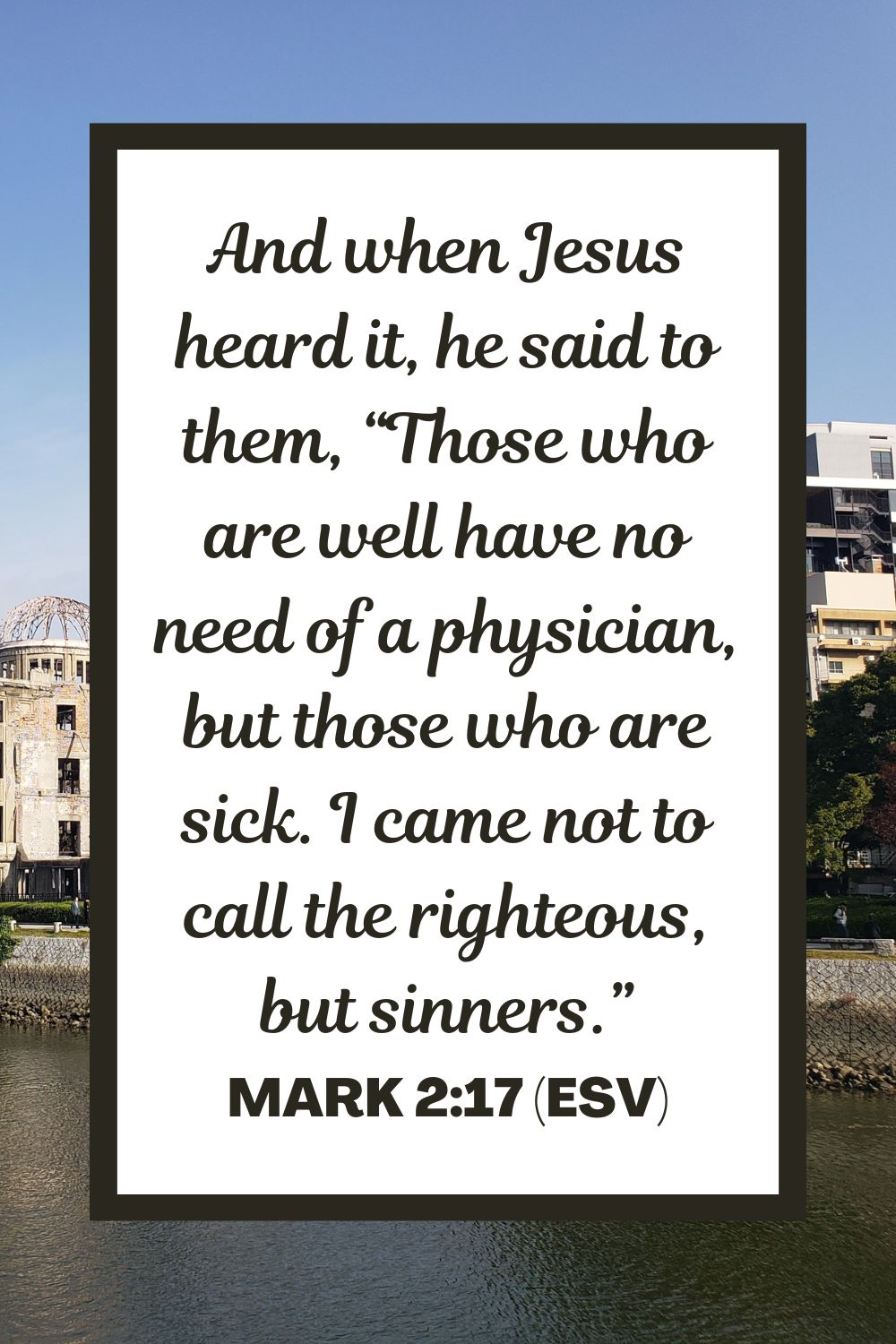
In Mark 2, Jesus’ authority is emphasized as He forgives and heals a paralyzed man, challenging religious leaders who question His power to forgive sins. He calls Levi, a tax collector, and dines with sinners, illustrating His mission to reach those society rejects. Jesus also confronts the Pharisees’ rigid interpretations of fasting and the Sabbath, teaching that compassion and spiritual purpose should guide religious practices.
Mark 3

Mark 3 highlights growing opposition to Jesus as He continues performing miracles, including healing on the Sabbath, which angers the Pharisees. Jesus appoints the twelve apostles, empowering them to preach and cast out demons. He redefines family, declaring that true family members are those who follow God’s will, showing that spiritual bonds are more significant than biological ones.
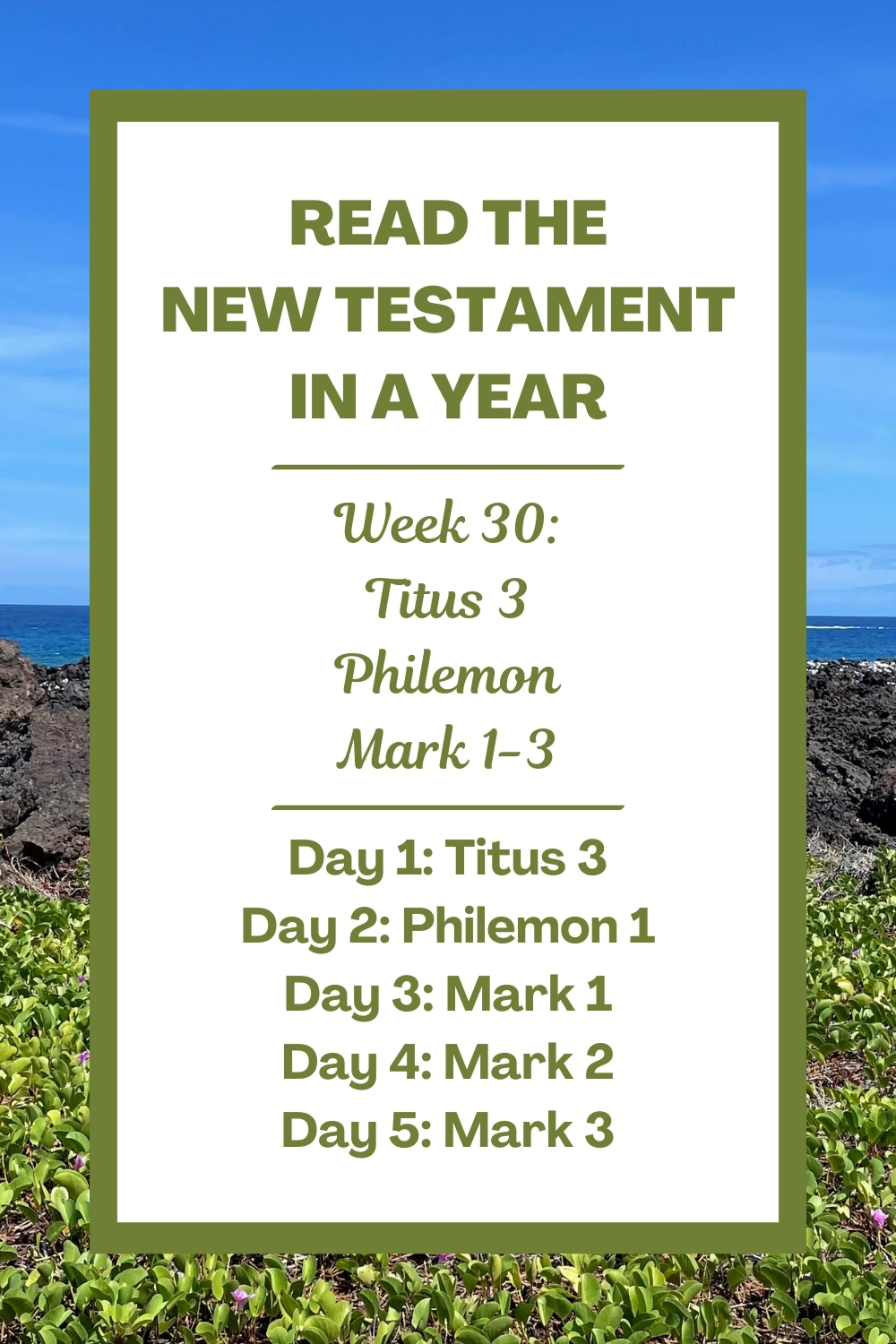
Week 30: New Testament Reading Assignment
Each week, we will read 5 chapters of the New Testament. Some people may prefer to read during the weekdays, while others might enjoy doing most of their reading on the weekends. Choose the method that works best for you!
Printable Resource:
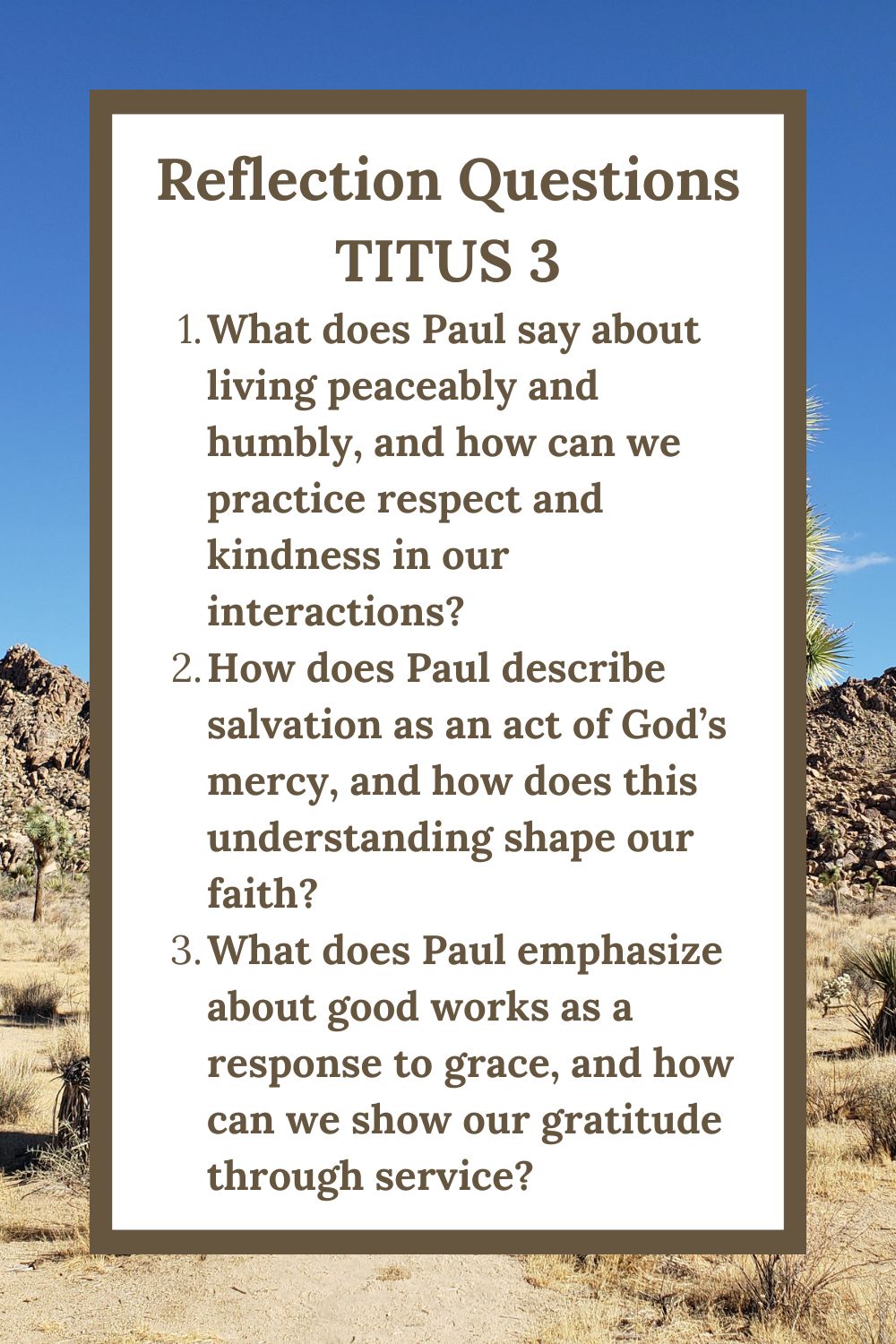
Week 30: Reflection Questions for Titus 3, Philemon, and Mark 1-3
Consider the following reflection questions:
Titus 3: Salvation and Good Works
- What does Paul say about living peaceably and humbly, and how can we practice respect and kindness in our interactions?
- How does Paul describe salvation as an act of God’s mercy, and how does this understanding shape our faith?
- What does Paul emphasize about good works as a response to grace, and how can we show our gratitude through service?
Philemon: Forgiveness and Reconciliation
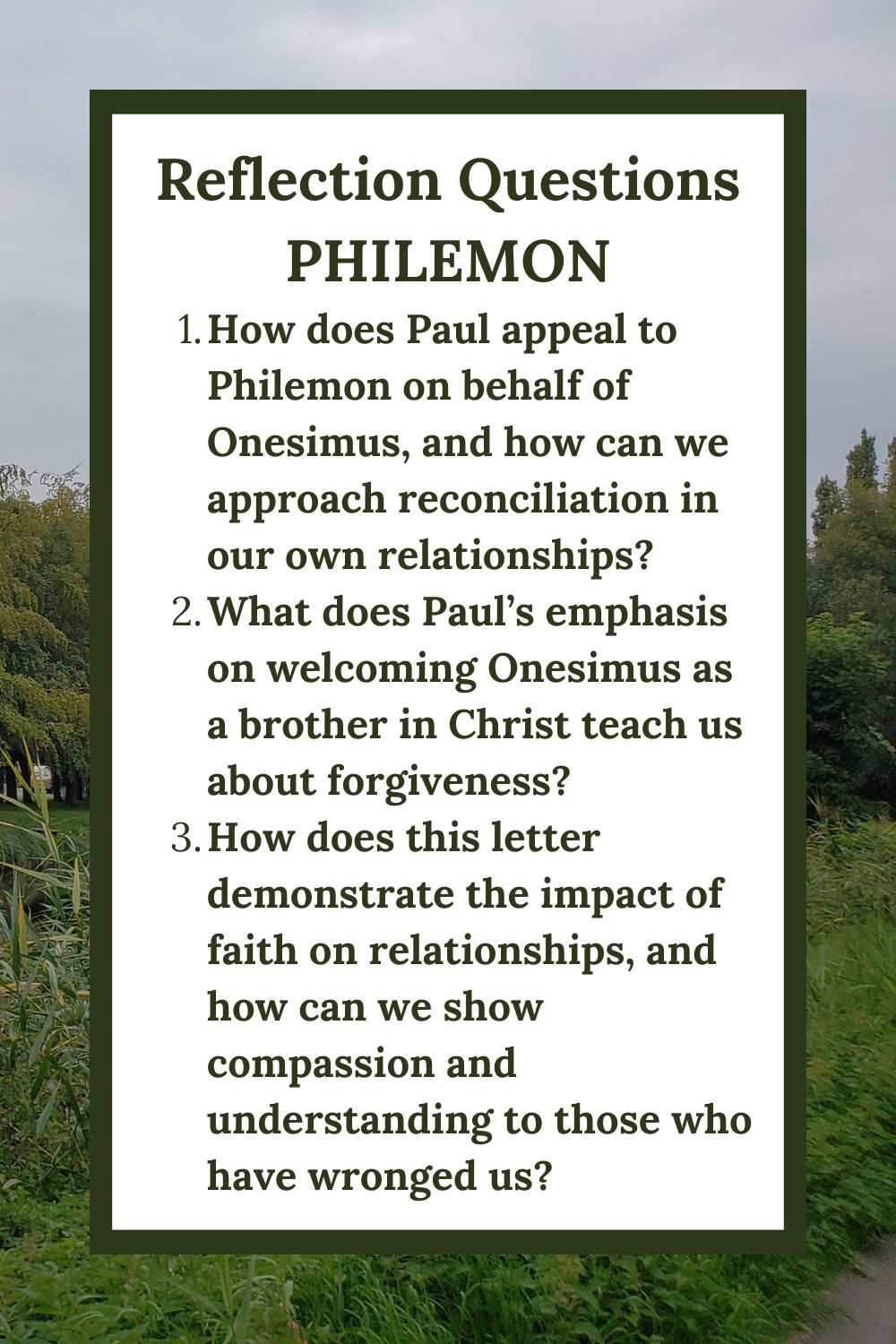
- How does Paul appeal to Philemon on behalf of Onesimus, and how can we approach reconciliation in our own relationships?
- What does Paul’s emphasis on welcoming Onesimus as a brother in Christ teach us about forgiveness?
- How does this letter demonstrate the impact of faith on relationships, and how can we show compassion and understanding to those who have wronged us?
Mark 1: The Beginning of Jesus’ Ministry
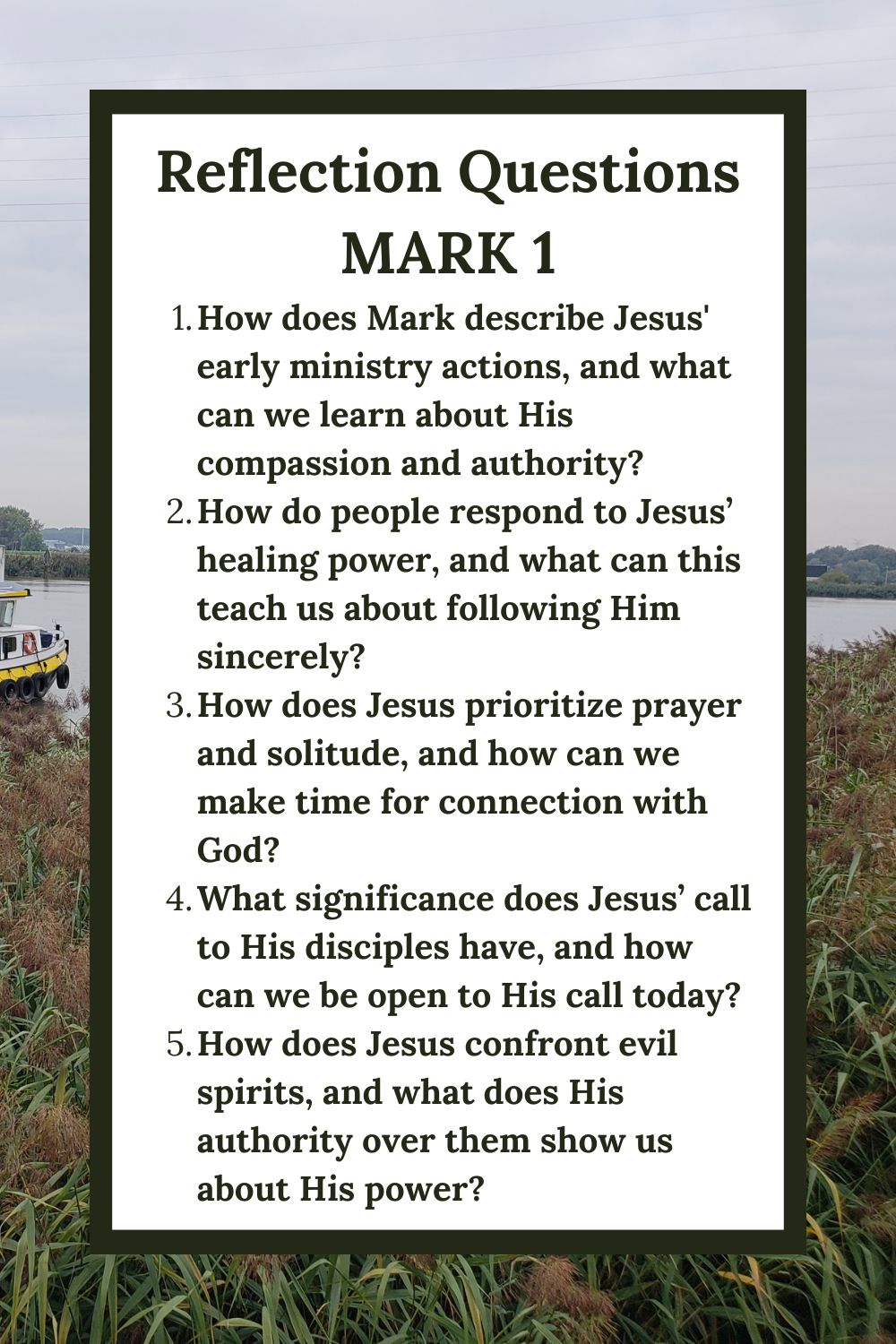
- How does Mark describe Jesus’ early ministry actions, and what can we learn about His compassion and authority?
- How do people respond to Jesus’ healing power, and what can this teach us about following Him sincerely?
- How does Jesus prioritize prayer and solitude, and how can we make time for connection with God?
- What significance does Jesus’ call to His disciples have, and how can we be open to His call today?
- How does Jesus confront evil spirits, and what does His authority over them show us about His power?
Mark 2: Jesus’ Authority and Forgiveness
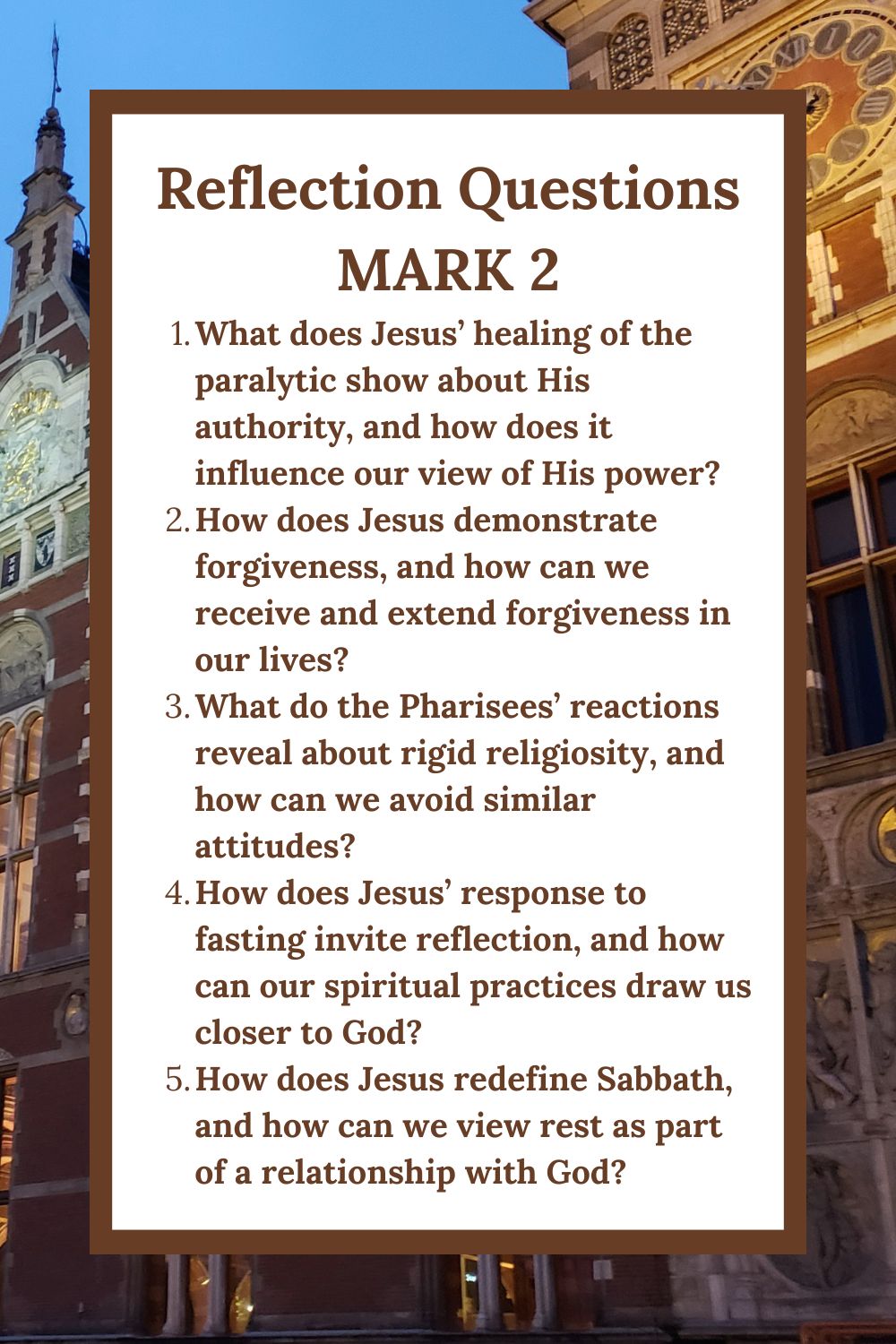
- What does Jesus’ healing of the paralytic show about His authority, and how does it influence our view of His power?
- How does Jesus demonstrate forgiveness, and how can we receive and extend forgiveness in our lives?
- What do the Pharisees’ reactions reveal about rigid religiosity, and how can we avoid similar attitudes?
- How does Jesus’ response to fasting invite reflection, and how can our spiritual practices draw us closer to God?
- How does Jesus redefine Sabbath, and how can we view rest as part of a relationship with God?
Mark 3: Choosing Disciples and Confronting Opposition
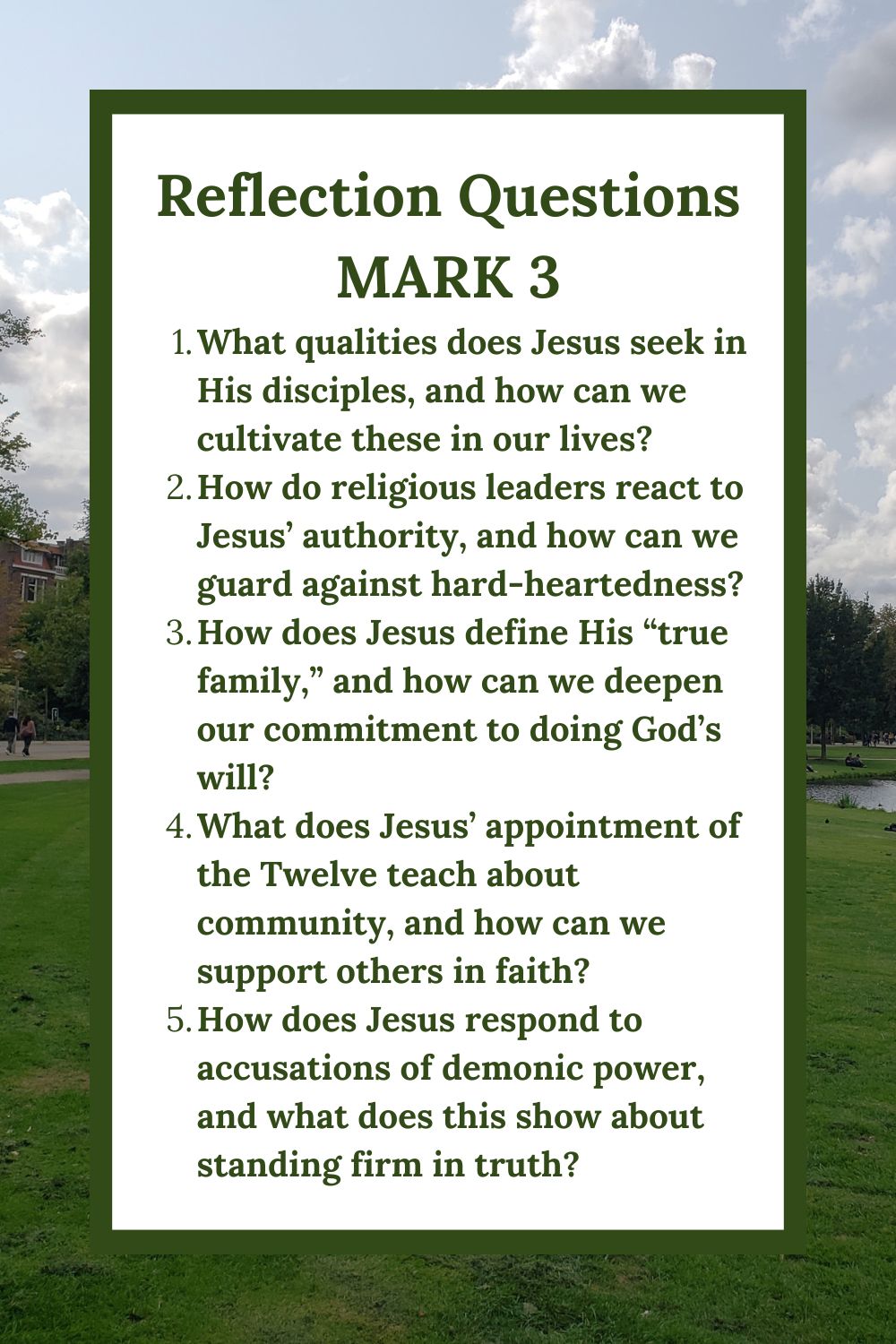
- What qualities does Jesus seek in His disciples, and how can we cultivate these in our lives?
- How do religious leaders react to Jesus’ authority, and how can we guard against hard-heartedness?
- How does Jesus define His “true family,” and how can we deepen our commitment to doing God’s will?
- What does Jesus’ appointment of the Twelve teach about community, and how can we support others in faith?
- How does Jesus respond to accusations of demonic power, and what does this show about standing firm in truth?
Reflective Prayer
Choose a few verses or topics from these chapters and pray over them. Consider using the ACTS method — Adoration, Confession, Thankfulness, Supplication:
- Adoration: Praise God. What specific characteristics of God do these readings bring to mind?
- Confession: Tell God that you are sorry for specific sins. What specific sins do these readings bring to mind?
- Thankfulness: Show gratitude towards God. What in these readings inspires gratitude?
- Supplication: Make requests for yourself and for others. What in these readings inspires a prayer?
If helpful, you can use a prayer journal template.



Other Reading Plans
Online Resources
Subscribe
If you enjoyed this post and wish to receive more Christian content, feel free to subscribe to my newsletters!
Related Resources
Visit the Joyful Moments in Christ homepage for all posts, or scroll through other blog posts related to reading the New Testament in a year:





English Standard Version (ESV): Unless otherwise noted, scripture quotations are from the ESV® Bible (The Holy Bible, English Standard Version®), © 2001 by Crossway, a publishing ministry of Good News Publishers. Used by permission. All rights reserved. The ESV text may not be quoted in any publication made available to the public by a Creative Commons license. The ESV may not be translated in whole or in part into any other language.


 Joyful Moments in Christ