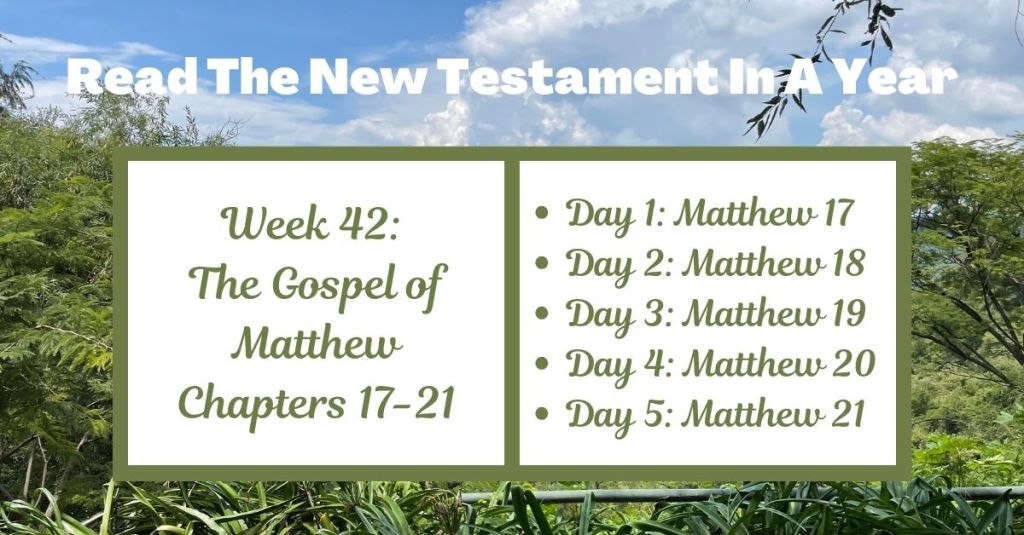
Week 42: Exploring Matthew 17-21
In week 42 of our journey to read the New Testament in a year, we will explore Matthew 17-21, where Jesus’ teachings and actions prepare His followers for a life of faith, humility, and service. We will witness the miraculous Transfiguration, where Jesus’ divine nature is revealed, and His disciples are called to a deeper faith. Jesus also offers profound lessons on forgiveness, warning against unforgiveness and teaching that true greatness is found in servanthood. Through His interactions with the rich young man, His blessing of children, and His parables, Jesus challenges His followers to prioritize God’s Kingdom over earthly attachments. As we read about His triumphant entry into Jerusalem and His cleansing of the temple, we are reminded of the call to honor God above all else. This week’s readings invite us to consider how we can live with greater humility, compassion, and dedication to God’s Kingdom.
Matthew 17
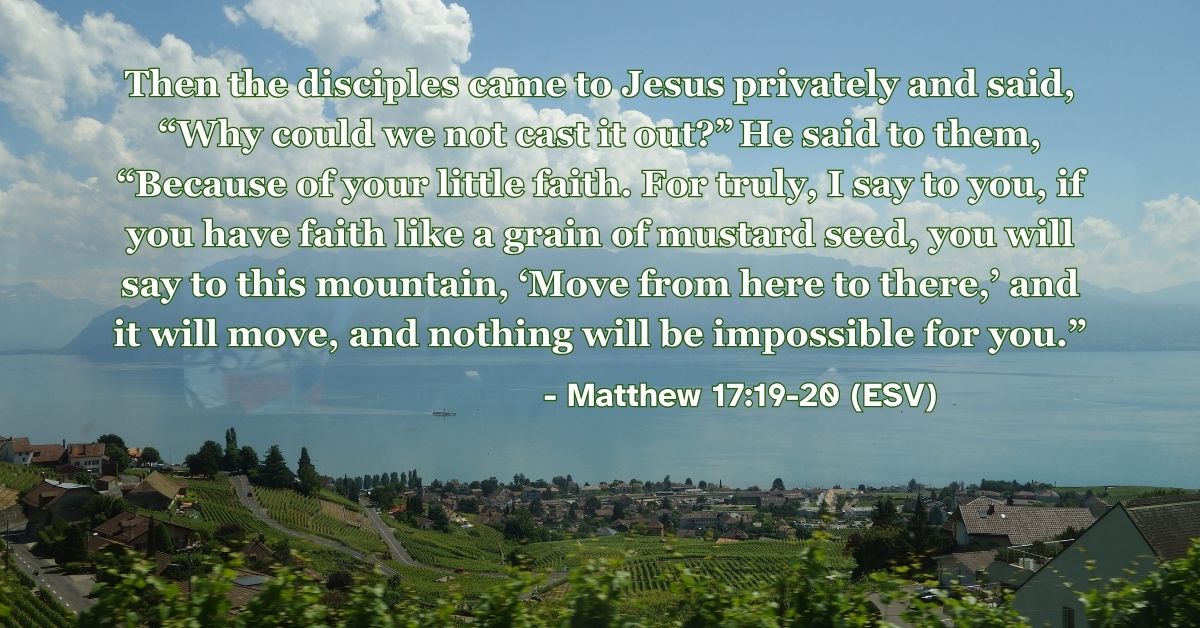
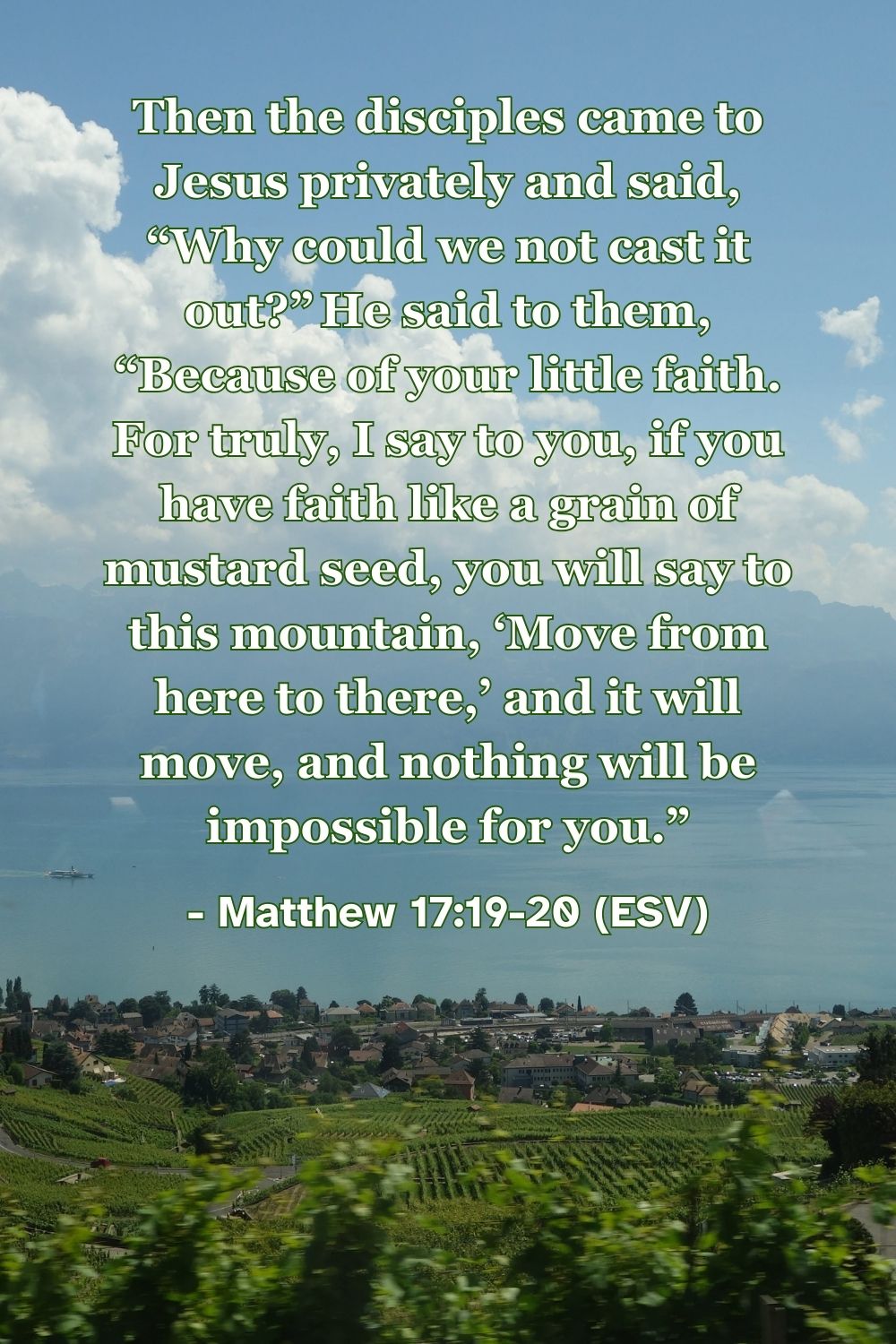
Matthew 17 recounts the Transfiguration, where Jesus reveals His glory to Peter, James, and John, alongside Moses and Elijah. Jesus then heals a demon-possessed boy after the disciples’ inability to do so, teaching about faith. He also predicts His death a second time and pays the temple tax through a miraculous provision.
Matthew 18
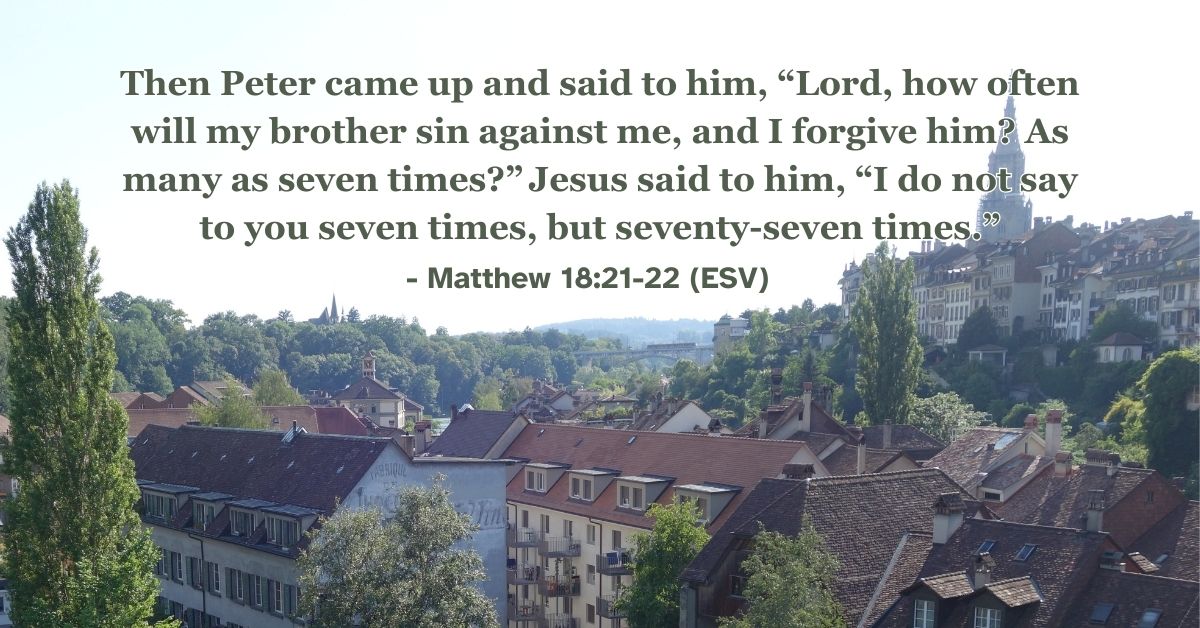
In Matthew 18, Jesus teaches about humility, forgiveness, and community within the Kingdom. He explains that we must become like little children to enter the Kingdom, warns about causing others to stumble, and teaches about restoring those who sin. Jesus also emphasizes forgiveness with the parable of the unforgiving servant.
Matthew 19
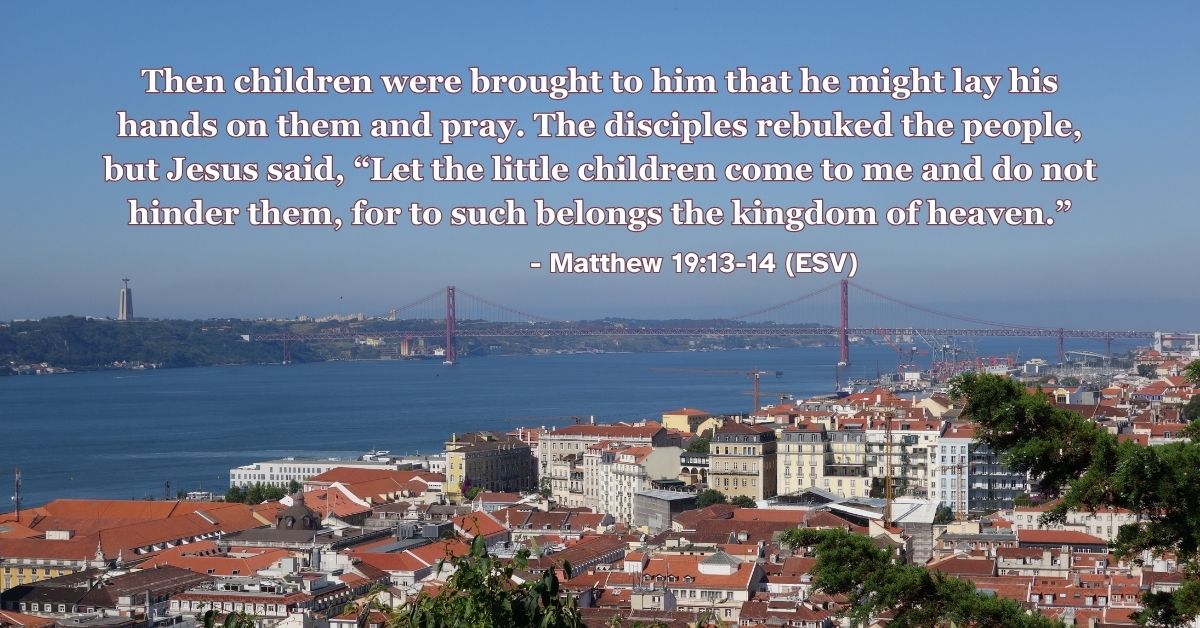
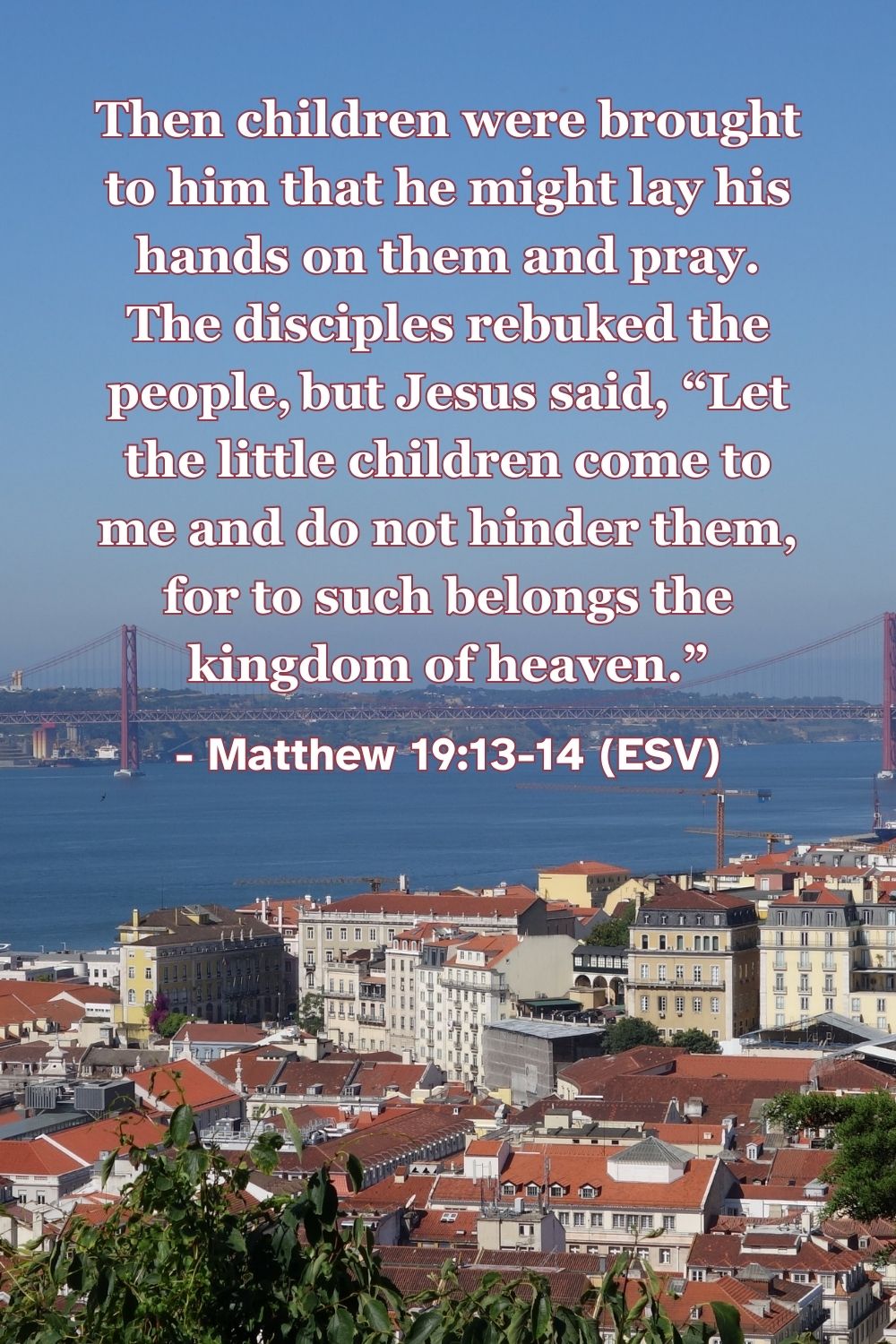
In Matthew 19, Jesus teaches about marriage and divorce, blesses children, and talks with a rich young man about eternal life. He clarifies that marriage is intended to be lasting and that entering the Kingdom requires childlike faith. Jesus challenges the rich man to give up his wealth, highlighting the difficulty for the wealthy to prioritize the Kingdom over possessions.
Matthew 20
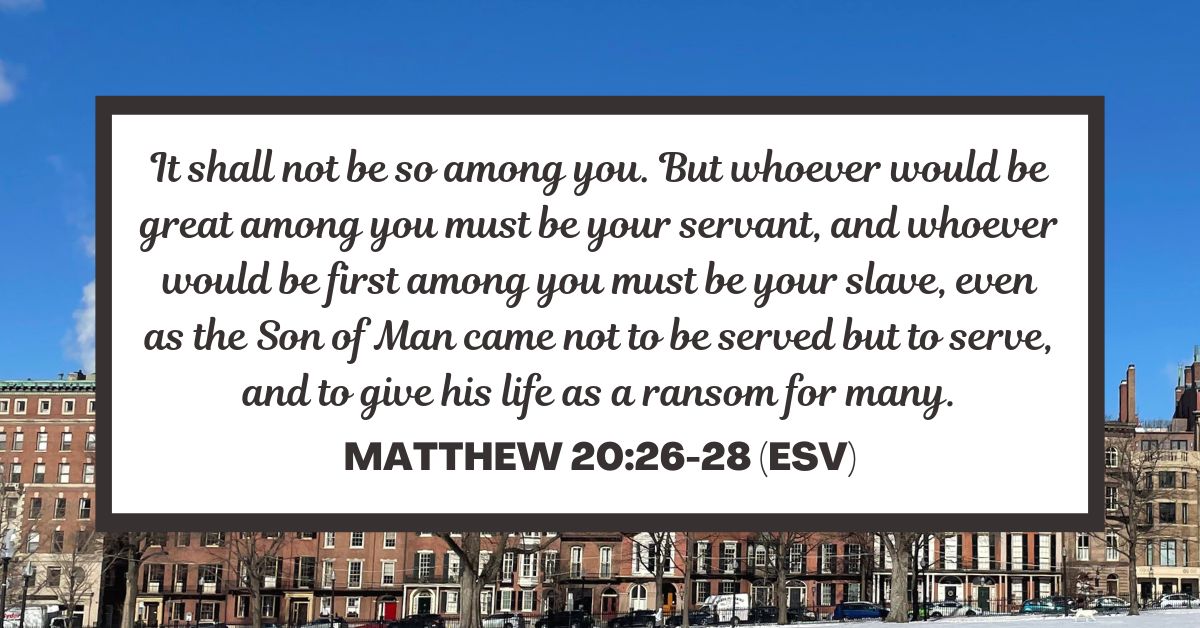
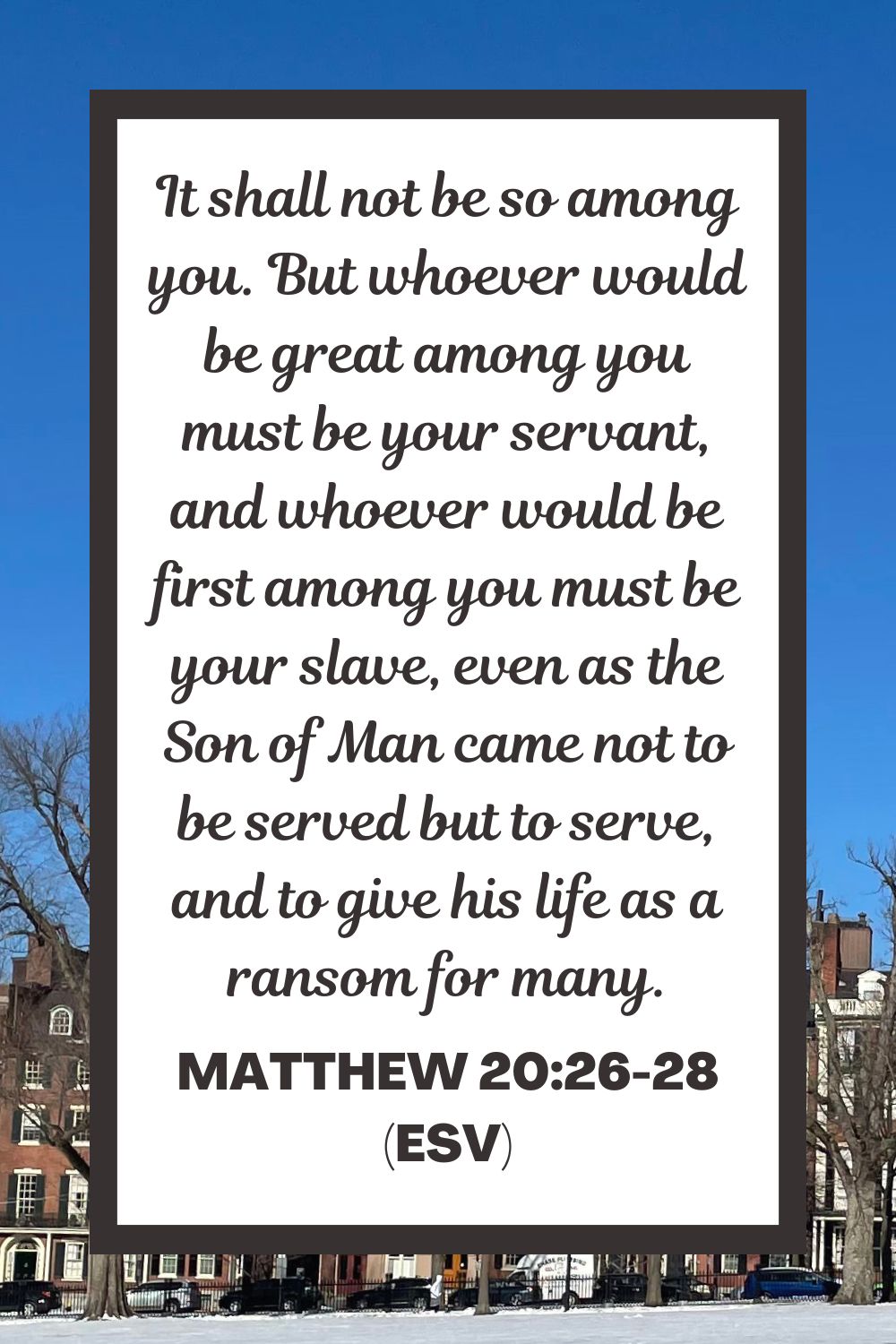
Matthew 20 presents the parable of the laborers in the vineyard, teaching about God’s generosity. Jesus predicts His suffering a third time, contrasts worldly greatness with servanthood, and heals two blind men. He reminds His disciples that the first shall be last, and the last shall be first, highlighting humility and grace.
Matthew 21
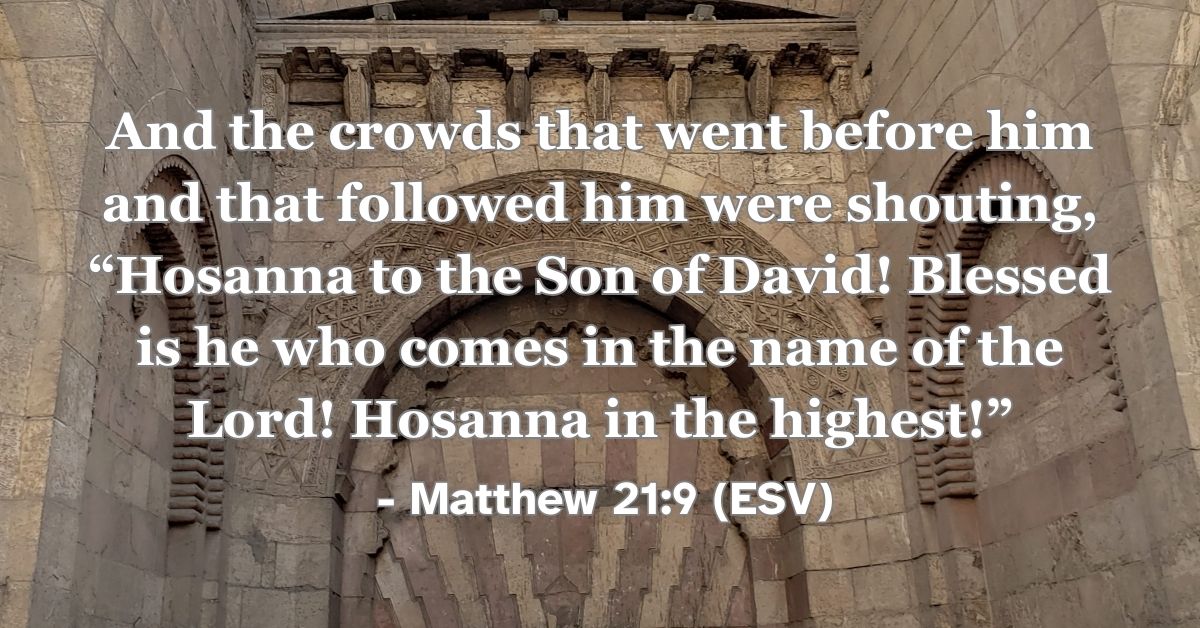
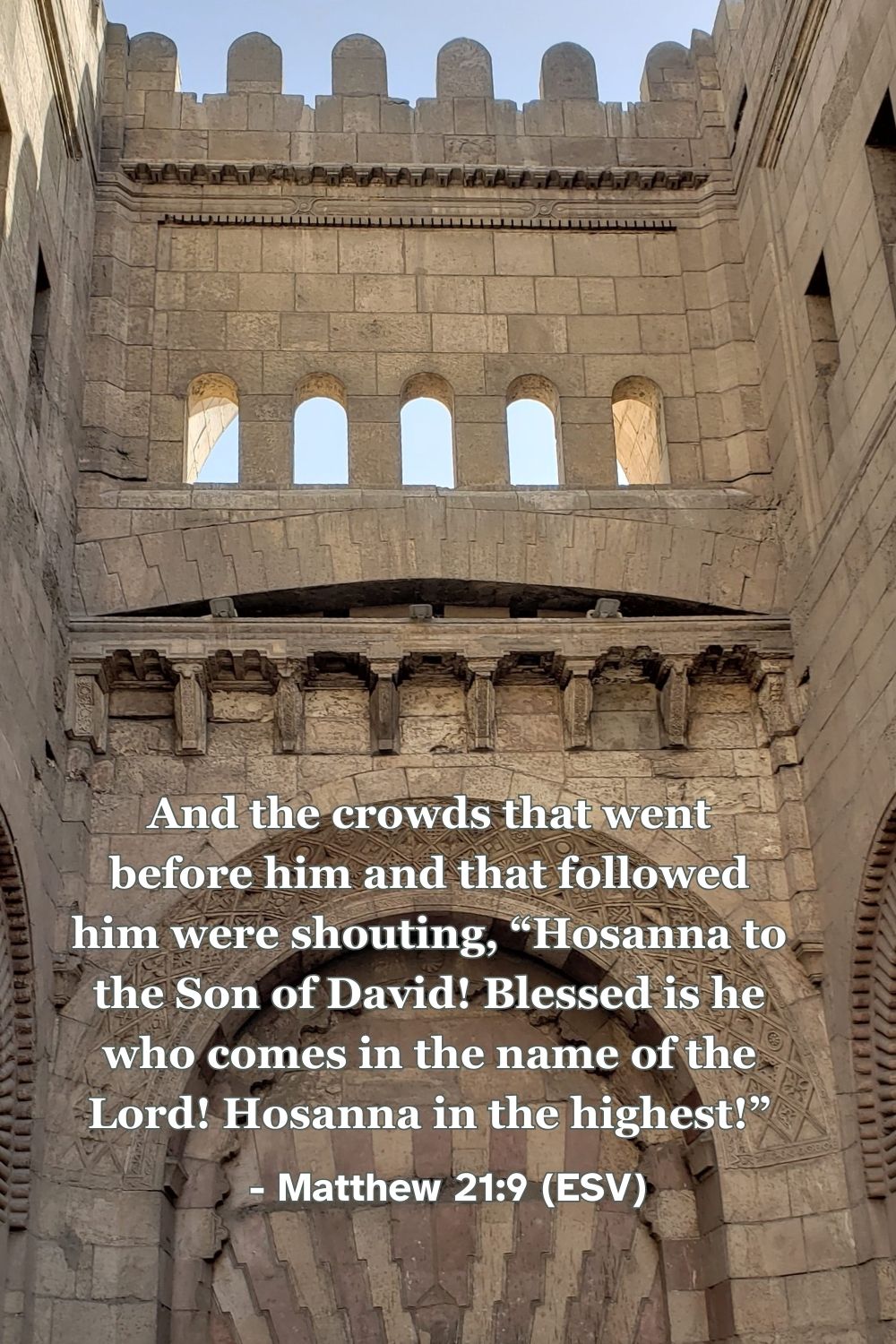
In Matthew 21, Jesus enters Jerusalem triumphantly on a donkey, fulfilling prophecy and being hailed as King. He cleanses the temple, rebuking those who had turned it into a marketplace. Jesus then curses a fig tree, symbolizing judgment, and teaches the parables of the two sons and the tenants, illustrating the rejection and accountability of Israel’s leaders.
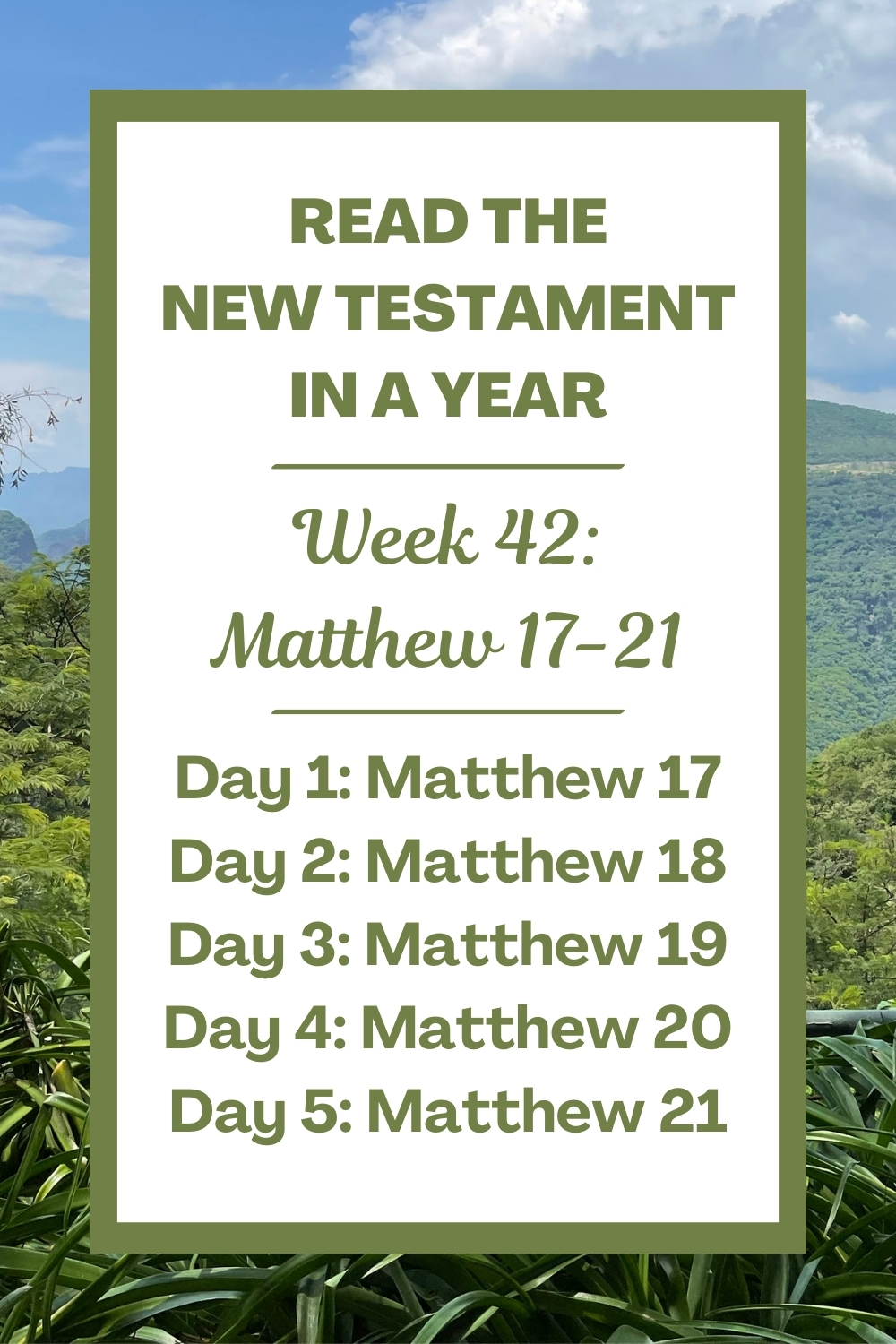
Week 42: New Testament Reading Assignment
Each week, we will read 5 chapters of the New Testament. Some people may prefer to read during the weekdays, while others might enjoy doing most of their reading on the weekends. Choose the method that works best for you!
- Day 1: Matthew 17
- Day 2: Matthew 18
- Day 3: Matthew 19
- Day 4: Matthew 20
- Day 5: Matthew 21
Printable Resource:
Week 42: Reflection Questions for Matthew 17-21
Consider the following reflection questions:
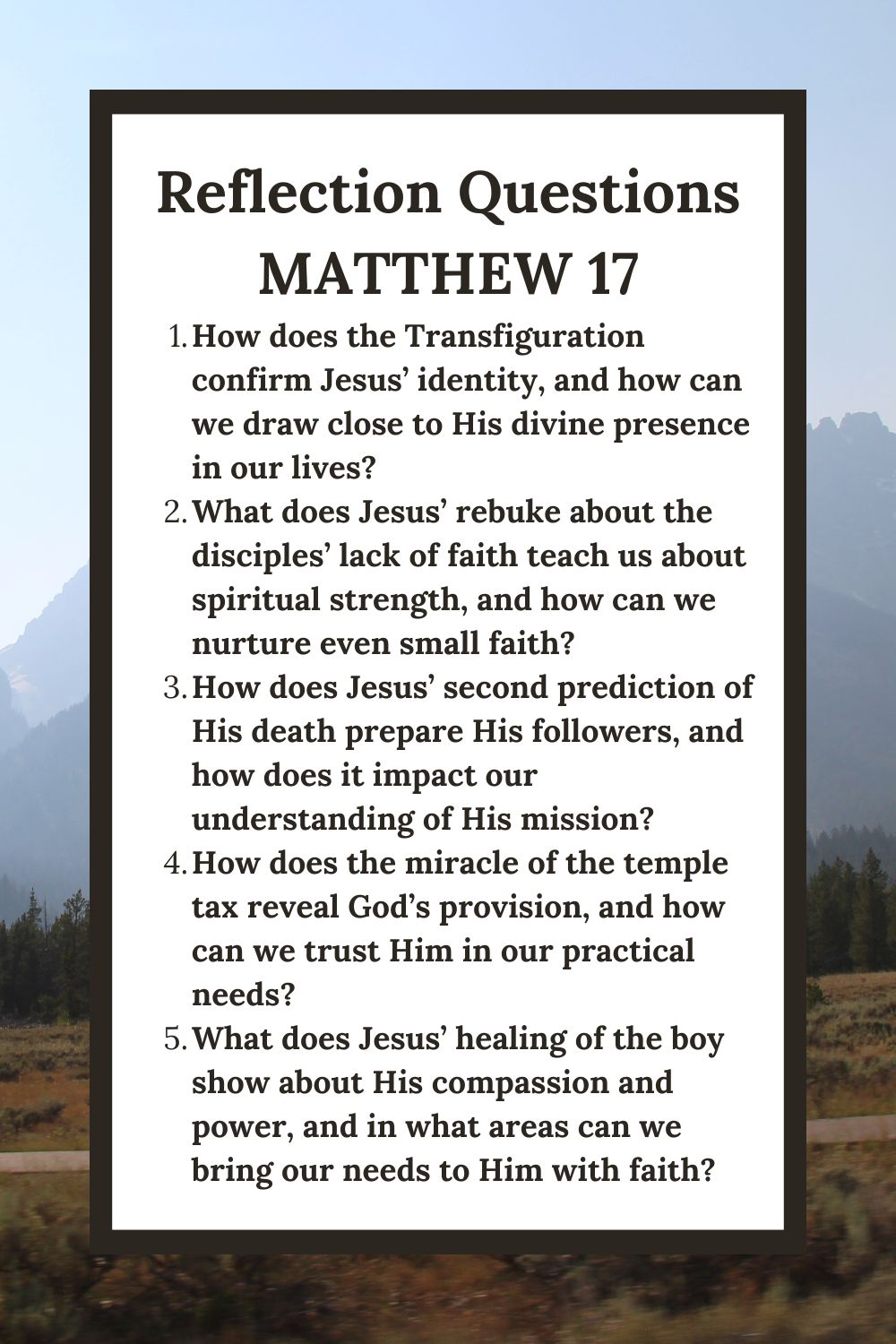
Matthew 17: The Glory of Jesus and the Power of Faith
- How does the Transfiguration confirm Jesus’ identity, and how can we draw close to His divine presence in our lives?
- What does Jesus’ rebuke about the disciples’ lack of faith teach us about spiritual strength, and how can we nurture even small faith?
- How does Jesus’ second prediction of His death prepare His followers, and how does it impact our understanding of His mission?
- How does the miracle of the temple tax reveal God’s provision, and how can we trust Him in our practical needs?
- What does Jesus’ healing of the boy show about His compassion and power, and in what areas can we bring our needs to Him with faith?
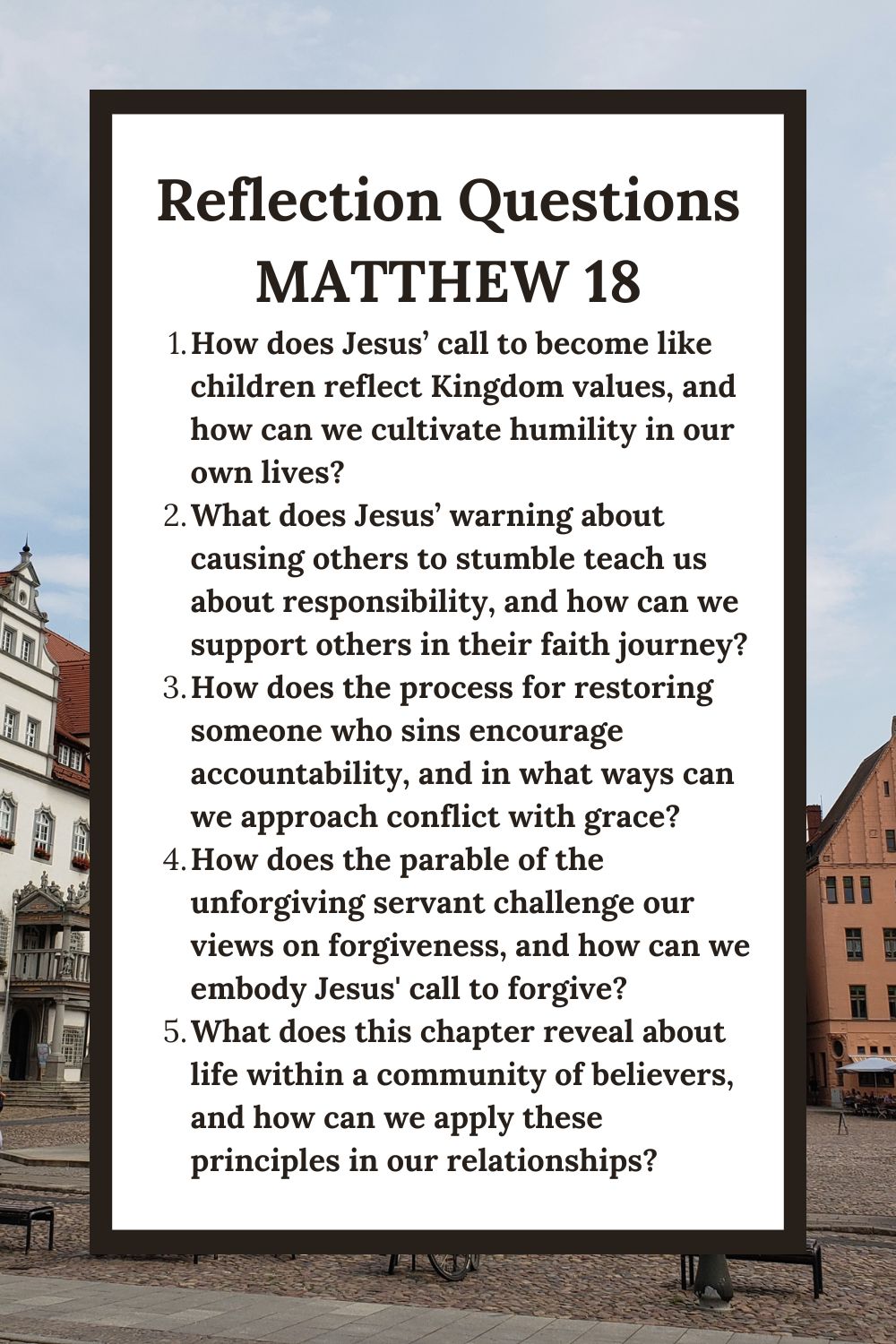
Matthew 18: Humility, Accountability, and Forgiveness
- How does Jesus’ call to become like children reflect Kingdom values, and how can we cultivate humility in our own lives?
- What does Jesus’ warning about causing others to stumble teach us about responsibility, and how can we support others in their faith journey?
- How does the process for restoring someone who sins encourage accountability, and in what ways can we approach conflict with grace?
- How does the parable of the unforgiving servant challenge our views on forgiveness, and how can we embody Jesus’ call to forgive?
- What does this chapter reveal about life within a community of believers, and how can we apply these principles in our relationships?
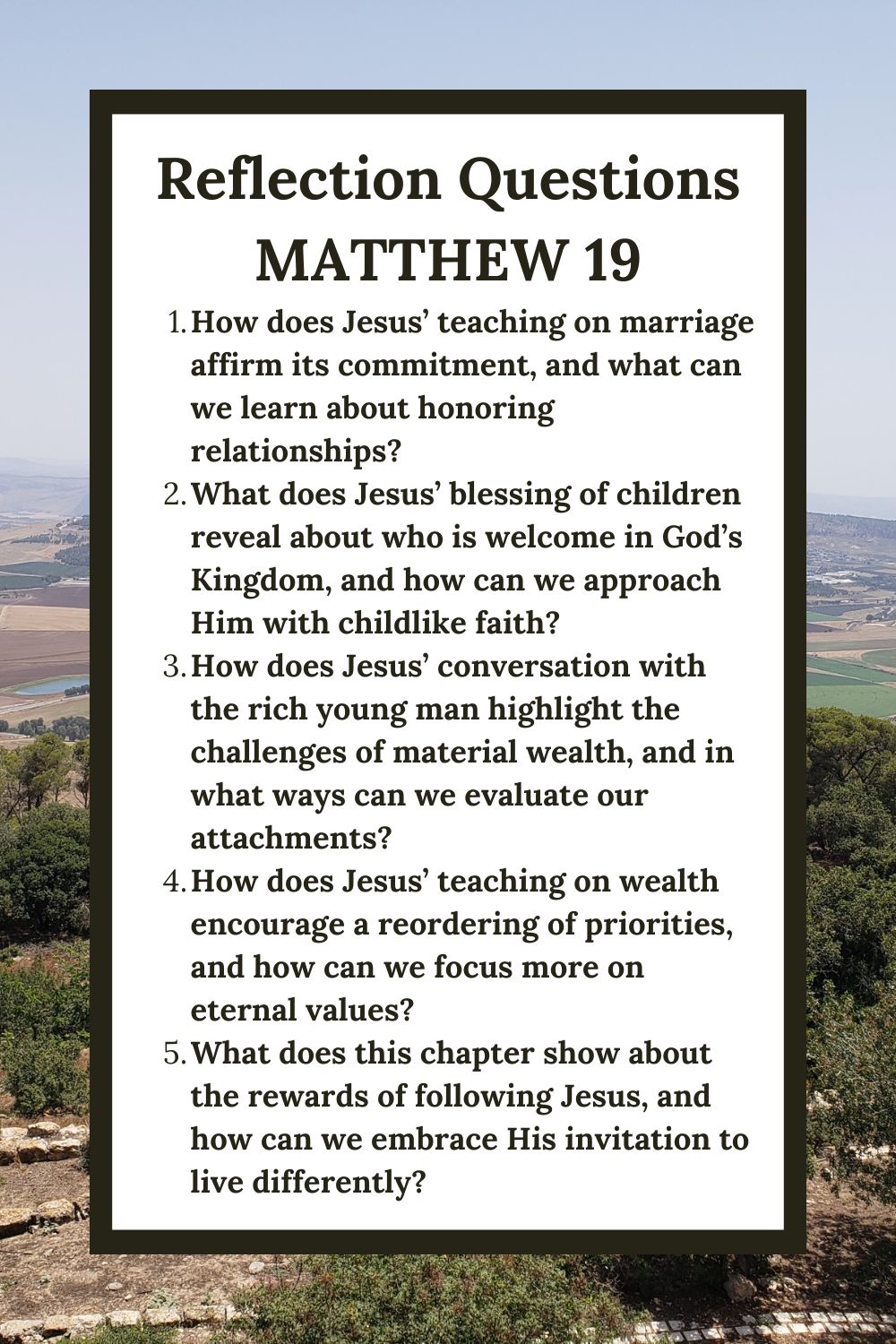
Matthew 19: Marriage, Wealth, and Childlike Faith
- How does Jesus’ teaching on marriage affirm its commitment, and what can we learn about honoring relationships?
- What does Jesus’ blessing of children reveal about who is welcome in God’s Kingdom, and how can we approach Him with childlike faith?
- How does Jesus’ conversation with the rich young man highlight the challenges of material wealth, and in what ways can we evaluate our attachments?
- How does Jesus’ teaching on wealth encourage a reordering of priorities, and how can we focus more on eternal values?
- What does this chapter show about the rewards of following Jesus, and how can we embrace His invitation to live differently?
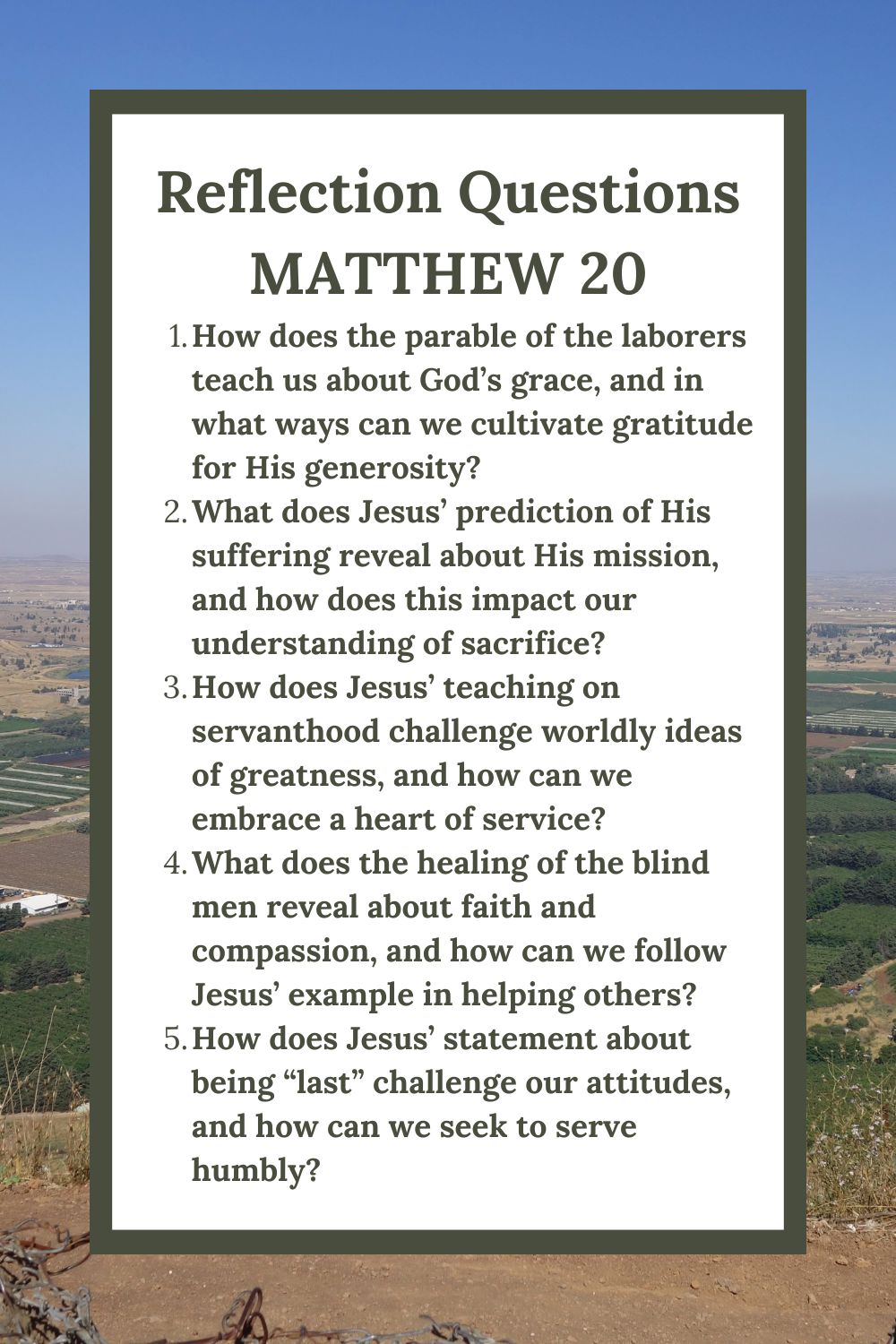
Matthew 20: Generosity, Servanthood, and Healing
- How does the parable of the laborers teach us about God’s grace, and in what ways can we cultivate gratitude for His generosity?
- What does Jesus’ prediction of His suffering reveal about His mission, and how does this impact our understanding of sacrifice?
- How does Jesus’ teaching on servanthood challenge worldly ideas of greatness, and how can we embrace a heart of service?
- What does the healing of the blind men reveal about faith and compassion, and how can we follow Jesus’ example in helping others?
- How does Jesus’ statement about being “last” challenge our attitudes, and how can we seek to serve humbly?
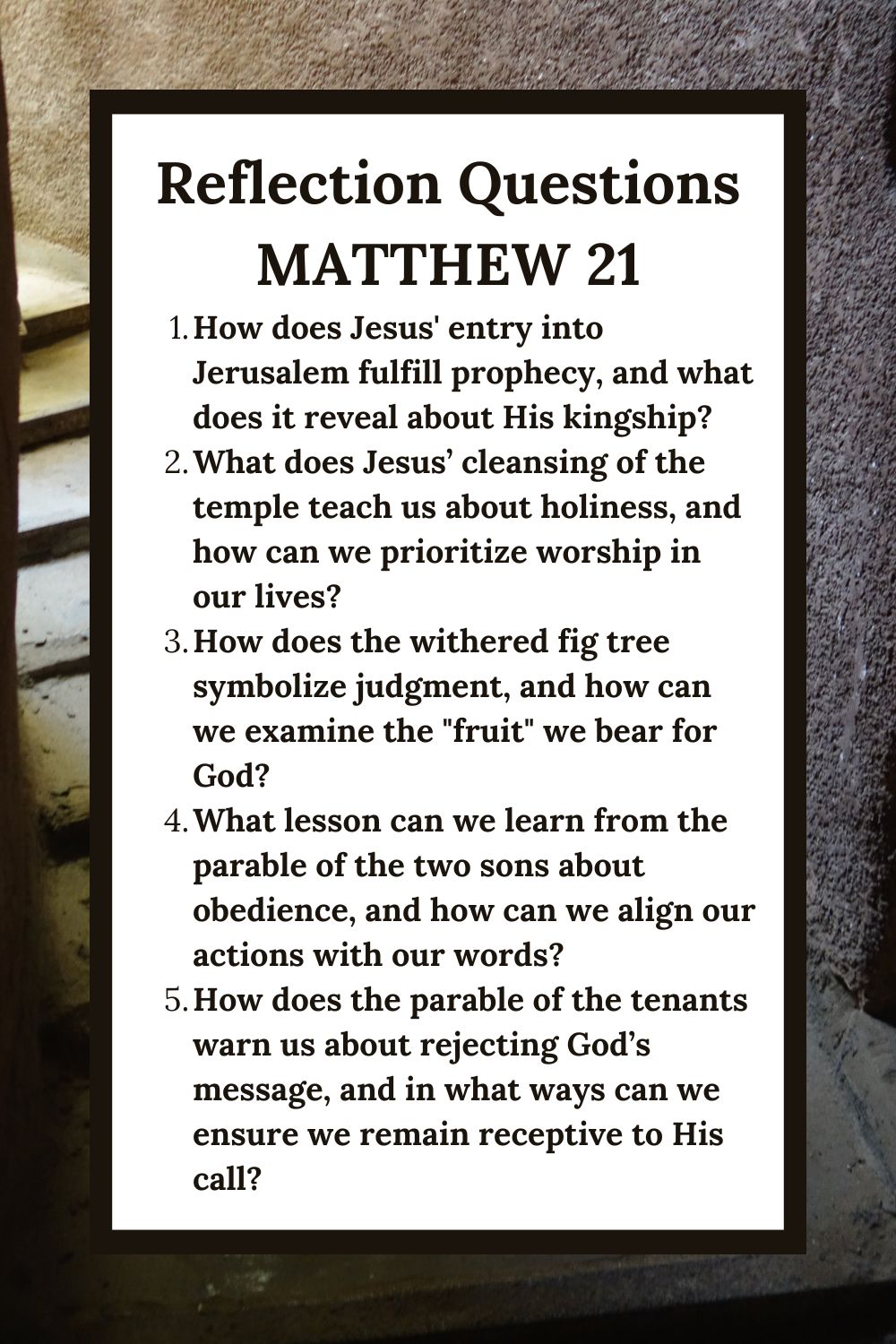
Matthew 21: Triumph, Judgment, and Accountability
- How does Jesus’ entry into Jerusalem fulfill prophecy, and what does it reveal about His kingship?
- What does Jesus’ cleansing of the temple teach us about holiness, and how can we prioritize worship in our lives?
- How does the withered fig tree symbolize judgment, and how can we examine the “fruit” we bear for God?
- What lesson can we learn from the parable of the two sons about obedience, and how can we align our actions with our words?
- How does the parable of the tenants warn us about rejecting God’s message, and in what ways can we ensure we remain receptive to His call?
Reflective Prayer
Choose a few verses or topics from these chapters and pray over them. Consider using the ACTS method — Adoration, Confession, Thankfulness, Supplication:
- Adoration: Praise God. What specific characteristics of God do these readings bring to mind?
- Confession: Tell God that you are sorry for specific sins. What specific sins do these readings bring to mind?
- Thankfulness: Show gratitude towards God. What in these readings inspires gratitude?
- Supplication: Make requests for yourself and for others. What in these readings inspires a prayer?
If helpful, you can use a prayer journal template.

Other Reading Plans
Online Resources
Subscribe
If you enjoyed this post and wish to receive more Christian content, feel free to subscribe to my newsletters!
Related Resources
Visit the Joyful Moments in Christ homepage for all posts, or scroll through other blog posts related to reading the New Testament in a year:




English Standard Version (ESV): Unless otherwise noted, scripture quotations are from the ESV® Bible (The Holy Bible, English Standard Version®), © 2001 by Crossway, a publishing ministry of Good News Publishers. Used by permission. All rights reserved. The ESV text may not be quoted in any publication made available to the public by a Creative Commons license. The ESV may not be translated in whole or in part into any other language.

 Joyful Moments in Christ