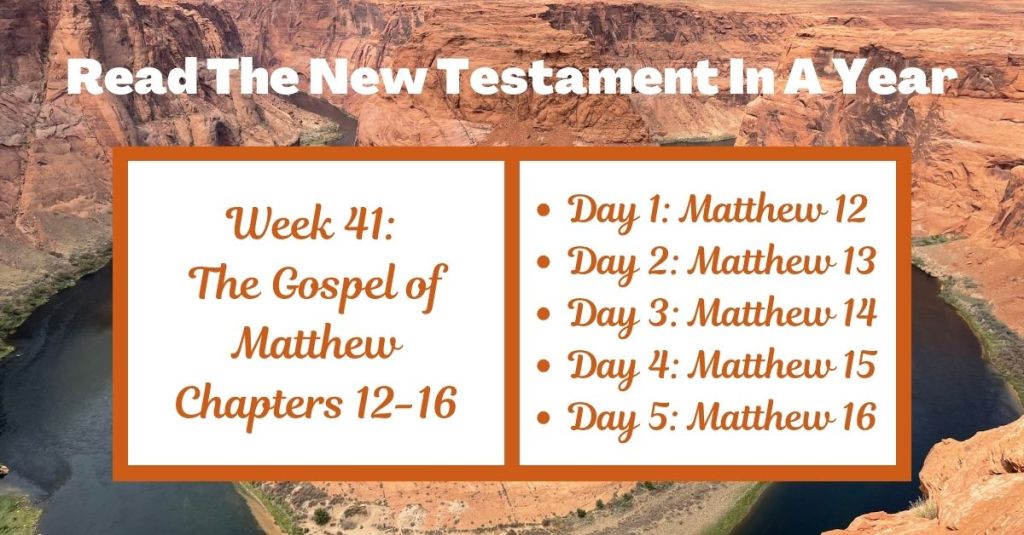
Week 41: Exploring Matthew 12-16
In week 41 of our 1-year New Testament reading adventure, we will dive into Matthew 12-16, where Jesus’ teachings, miracles, and interactions reveal the nature of God’s Kingdom and the heart of true discipleship. In these chapters, Jesus challenges religious traditions by prioritizing compassion over legalism and emphasizes the significance of inner purity rather than outward rituals. Through powerful parables, He illustrates the hidden value and growth of the Kingdom of Heaven, calling His followers to seek it wholeheartedly. We will see Jesus’ miraculous provision, His authority over nature, and His deep compassion for those in need. Finally, He prepares His disciples for the cost of following Him, inviting them—and us—to take up our crosses and embrace a life devoted to God. As we reflect on these passages, may we grow in understanding the depth of Christ’s calling and His desire for hearts transformed by love and faith.
Matthew 12

In Matthew 12, Jesus addresses accusations of Sabbath-breaking and disputes with the Pharisees, emphasizing mercy over legalism. He heals a man with a withered hand, clarifies the role of the Holy Spirit, and explains the nature of true family. The chapter contrasts rigid religious practices with compassionate action.
Matthew 13
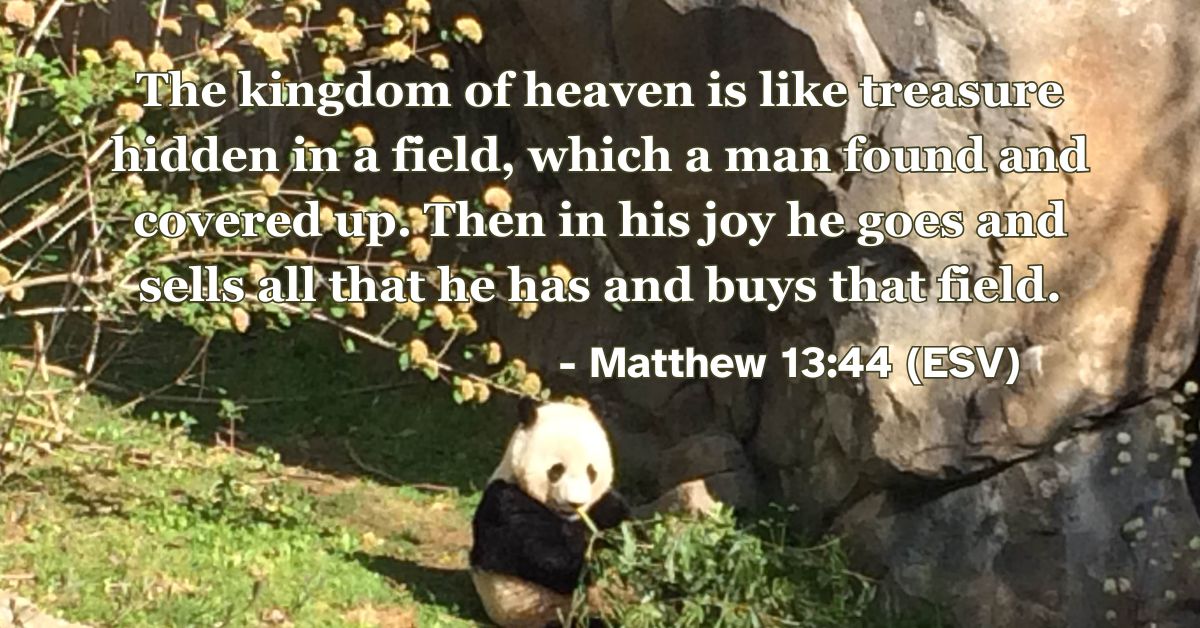
Matthew 13 contains several parables about the Kingdom of Heaven, including the parables of the sower, the mustard seed, and the hidden treasure. These stories illustrate the Kingdom’s growth, value, and influence. Jesus explains that the Kingdom requires understanding, sacrifice, and patience to flourish.
Matthew 14
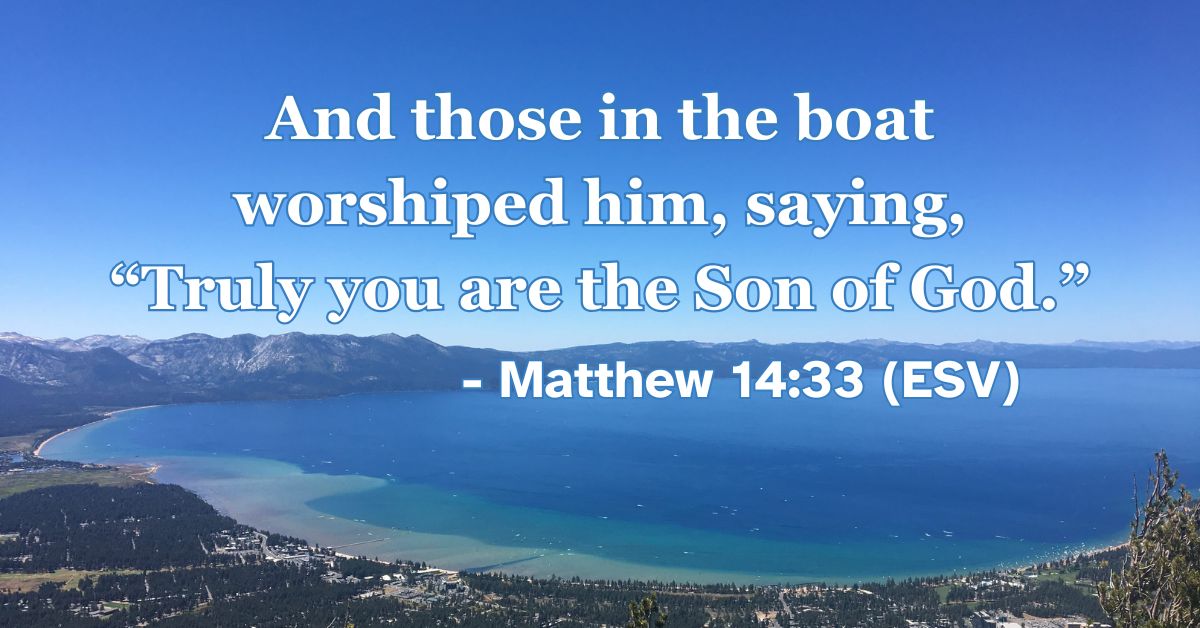
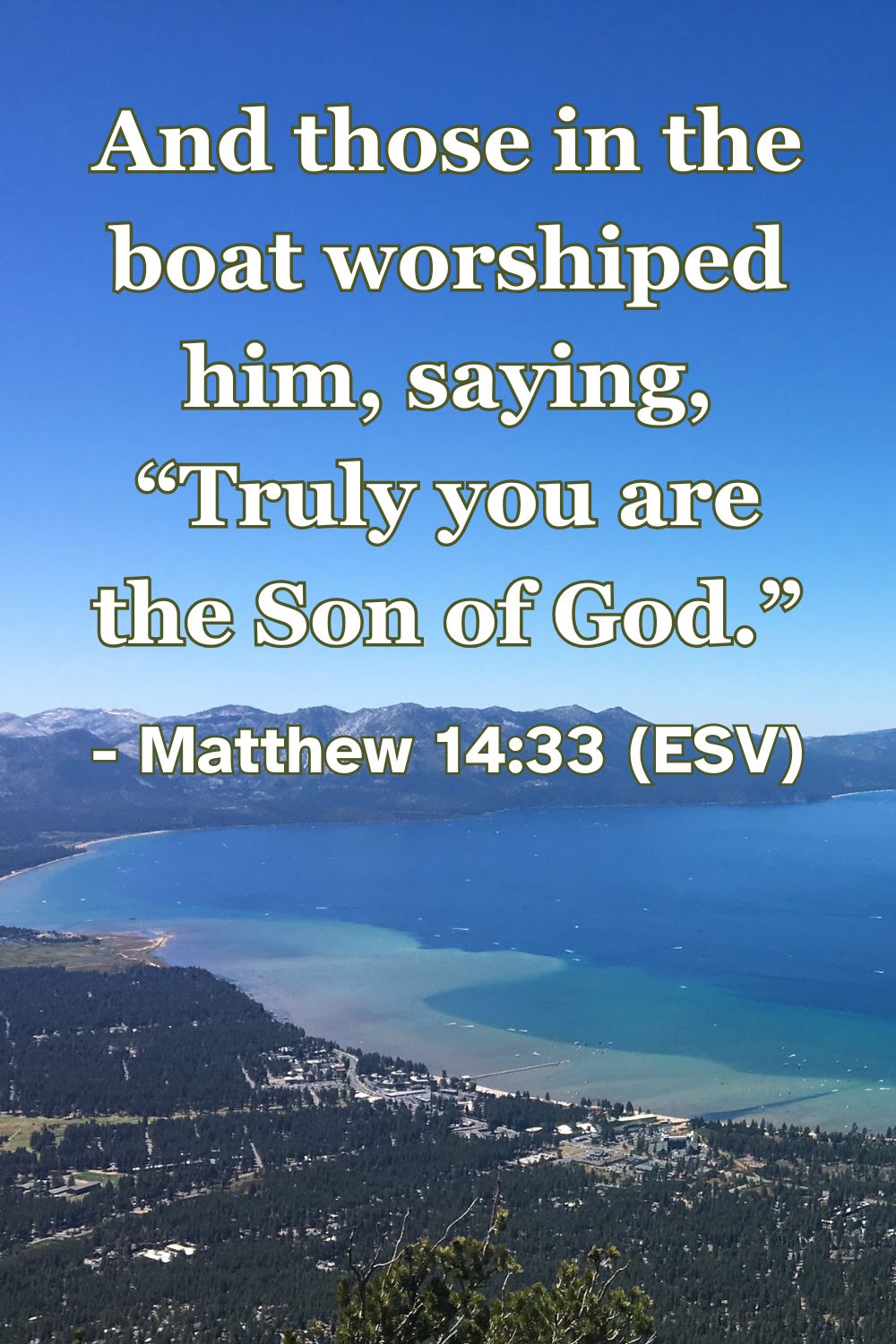
Matthew 14 records the death of John the Baptist, Jesus feeding the five thousand, and Jesus walking on water. These events highlight Jesus’ compassion, power over nature, and His call for faith. Jesus comforts His disciples in a storm, showing that even in fear, He is present with them.
Matthew 15

In Matthew 15, Jesus confronts the Pharisees about their traditions that distort God’s commandments, emphasizing the importance of a pure heart over ritual cleanliness. He heals a Canaanite woman’s daughter because of her faith, feeds four thousand people, and teaches about the significance of inner purity and compassion.
Matthew 16

In Matthew 16, Jesus warns His disciples about the “yeast” of the Pharisees and Sadducees, meaning their teachings. Peter confesses Jesus as the Messiah, and Jesus predicts His death and resurrection. Jesus also calls His followers to take up their cross, signifying the cost of true discipleship.
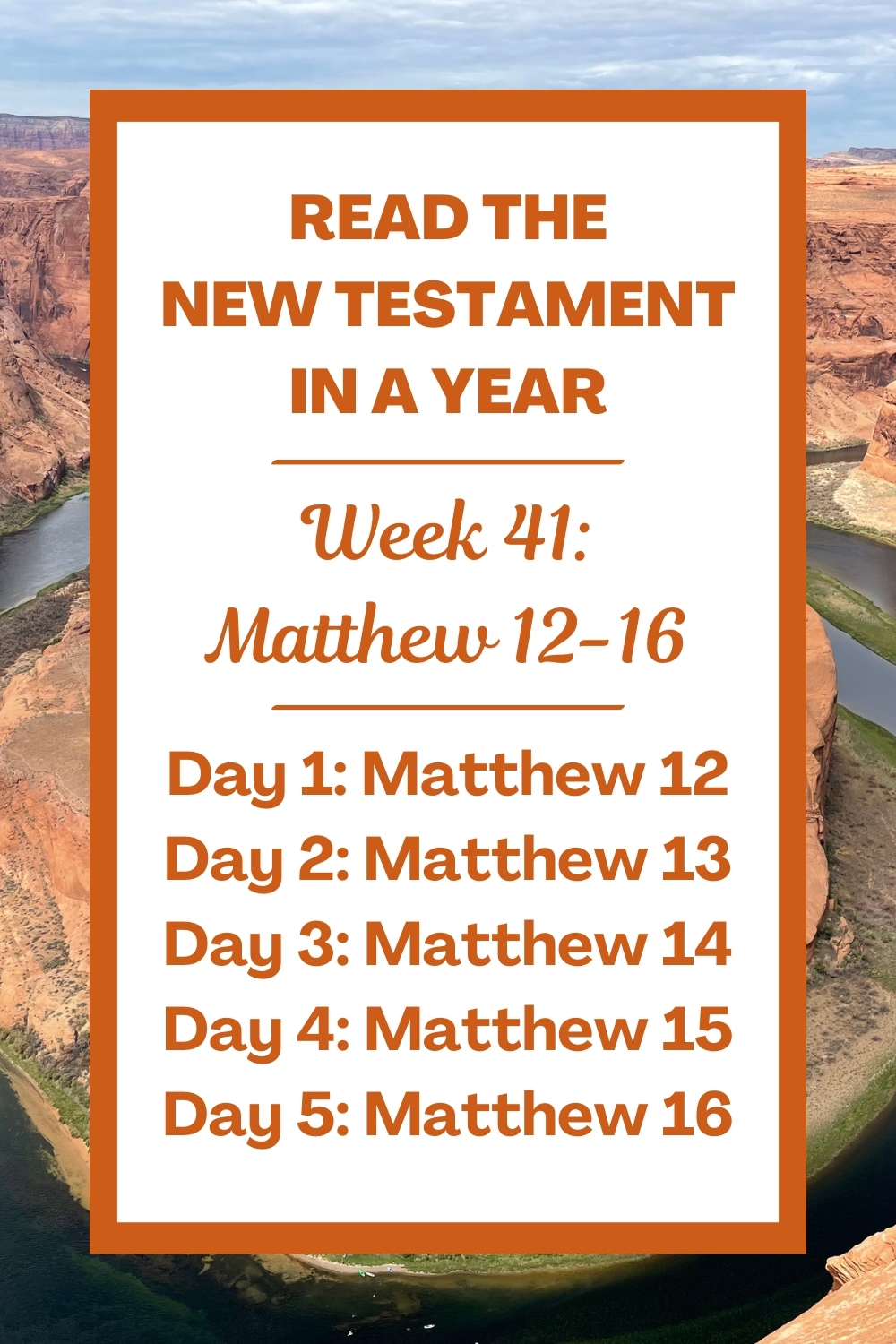
Week 41: New Testament Reading Assignment
Each week, we will read 5 chapters of the New Testament. Some people may prefer to read during the weekdays, while others might enjoy doing most of their reading on the weekends. Choose the method that works best for you!
- Day 1: Matthew 12
- Day 2: Matthew 13
- Day 3: Matthew 14
- Day 4: Matthew 15
- Day 5: Matthew 16
Printable Resource:
Week 41: Reflection Questions for Matthew 12-16
Consider the following reflection questions:
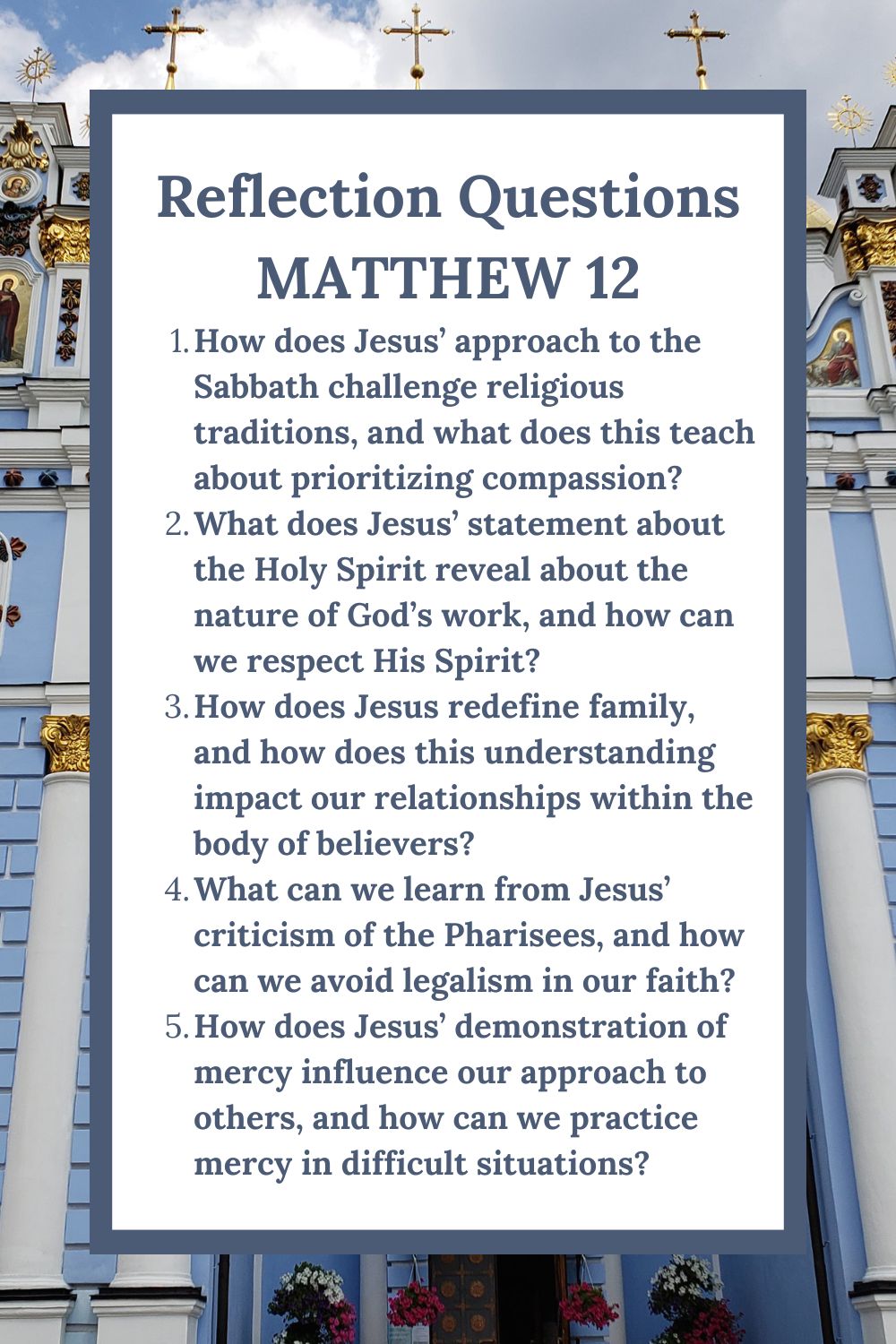
Matthew 12: Compassion over Legalism and True Family
- How does Jesus’ approach to the Sabbath challenge religious traditions, and what does this teach about prioritizing compassion?
- What does Jesus’ statement about the Holy Spirit reveal about the nature of God’s work, and how can we respect His Spirit?
- How does Jesus redefine family, and how does this understanding impact our relationships within the body of believers?
- What can we learn from Jesus’ criticism of the Pharisees, and how can we avoid legalism in our faith?
- How does Jesus’ demonstration of mercy influence our approach to others, and how can we practice mercy in difficult situations?
Matthew 13: Parables of the Kingdom of Heaven
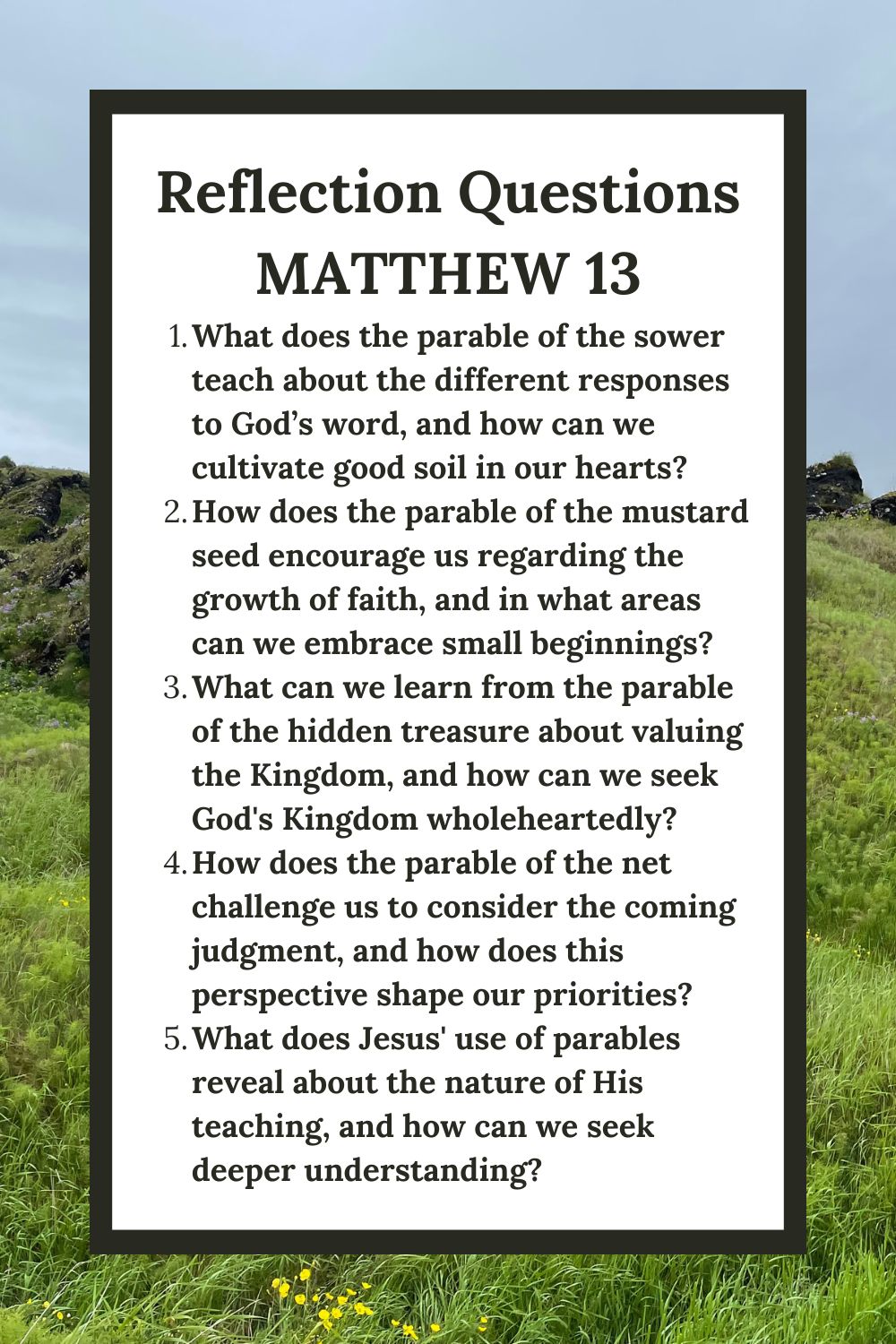
- What does the parable of the sower teach about the different responses to God’s word, and how can we cultivate good soil in our hearts?
- How does the parable of the mustard seed encourage us regarding the growth of faith, and in what areas can we embrace small beginnings?
- What can we learn from the parable of the hidden treasure about valuing the Kingdom, and how can we seek God’s Kingdom wholeheartedly?
- How does the parable of the net challenge us to consider the coming judgment, and how does this perspective shape our priorities?
- What does Jesus’ use of parables reveal about the nature of His teaching, and how can we seek deeper understanding?
Matthew 14: Miracles and Faith amid Fear
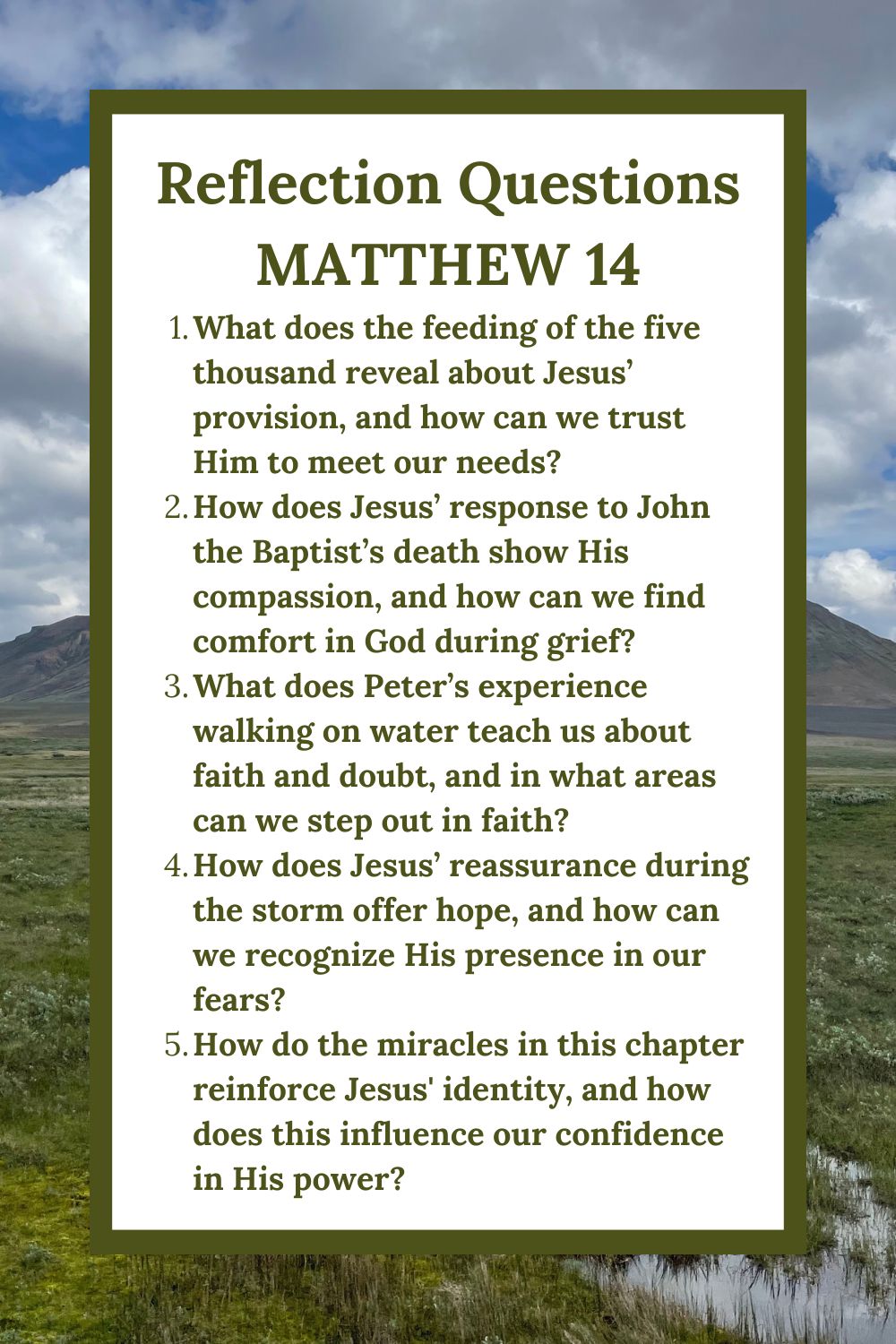
- What does the feeding of the five thousand reveal about Jesus’ provision, and how can we trust Him to meet our needs?
- How does Jesus’ response to John the Baptist’s death show His compassion, and how can we find comfort in God during grief?
- What does Peter’s experience walking on water teach us about faith and doubt, and in what areas can we step out in faith?
- How does Jesus’ reassurance during the storm offer hope, and how can we recognize His presence in our fears?
- How do the miracles in this chapter reinforce Jesus’ identity, and how does this influence our confidence in His power?
Matthew 15: True Purity and Compassion
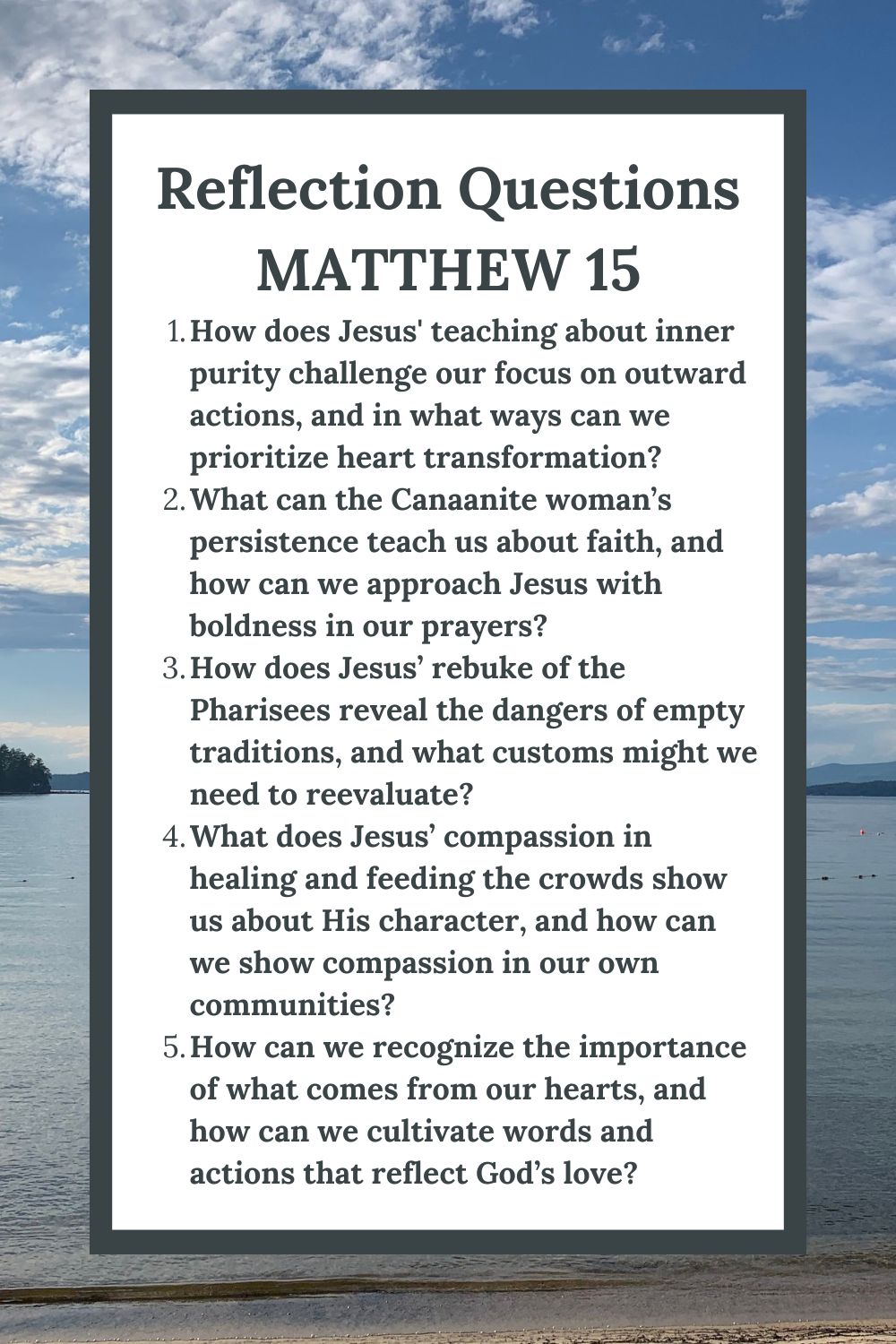
- How does Jesus’ teaching about inner purity challenge our focus on outward actions, and in what ways can we prioritize heart transformation?
- What can the Canaanite woman’s persistence teach us about faith, and how can we approach Jesus with boldness in our prayers?
- How does Jesus’ rebuke of the Pharisees reveal the dangers of empty traditions, and what customs might we need to reevaluate?
- What does Jesus’ compassion in healing and feeding the crowds show us about His character, and how can we show compassion in our own communities?
- How can we recognize the importance of what comes from our hearts, and how can we cultivate words and actions that reflect God’s love?
Matthew 16: Confession and Cost of Discipleship
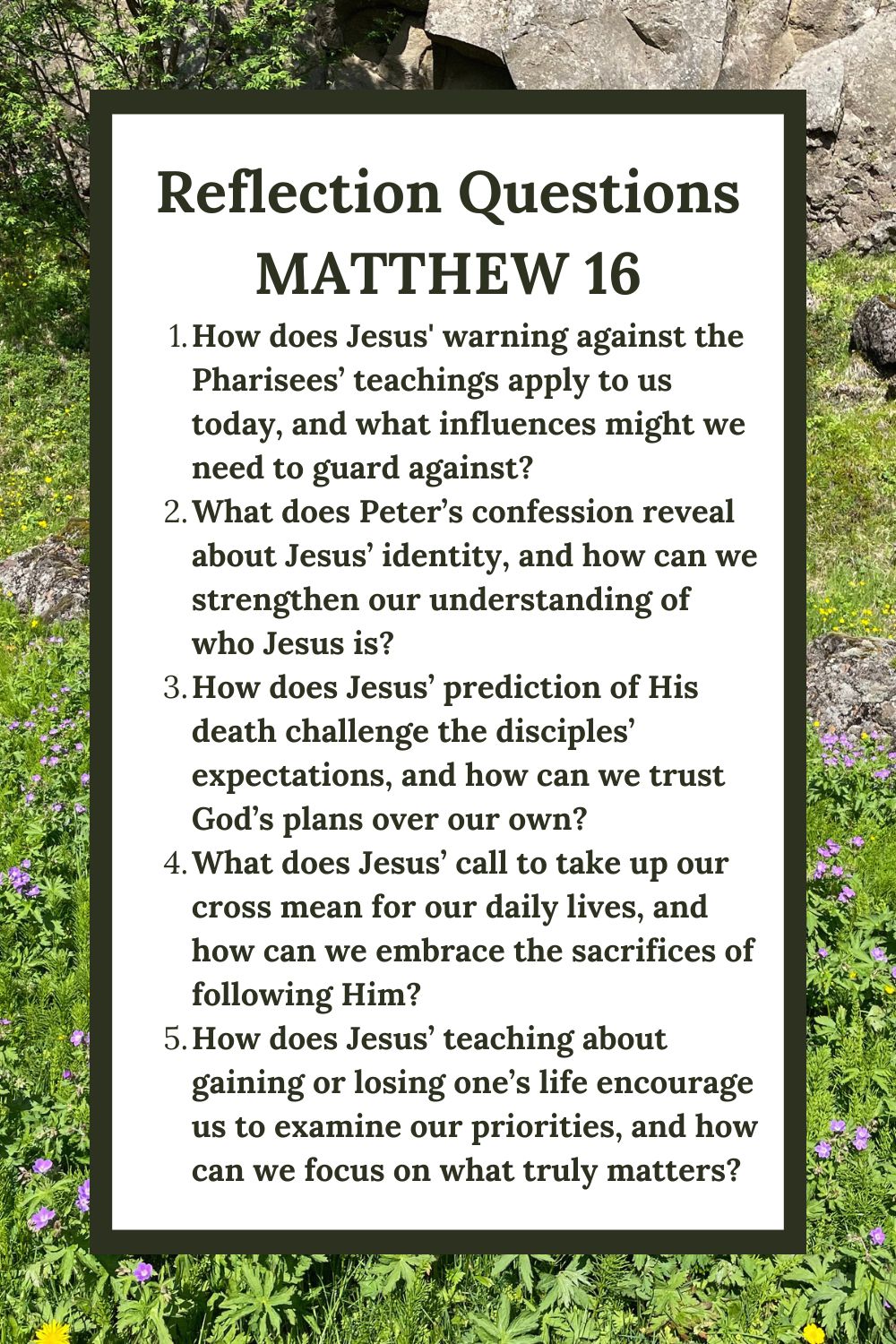
- How does Jesus’ warning against the Pharisees’ teachings apply to us today, and what influences might we need to guard against?
- What does Peter’s confession reveal about Jesus’ identity, and how can we strengthen our understanding of who Jesus is?
- How does Jesus’ prediction of His death challenge the disciples’ expectations, and how can we trust God’s plans over our own?
- What does Jesus’ call to take up our cross mean for our daily lives, and how can we embrace the sacrifices of following Him?
- How does Jesus’ teaching about gaining or losing one’s life encourage us to examine our priorities, and how can we focus on what truly matters?
Reflective Prayer
Choose a few verses or topics from these chapters and pray over them. Consider using the ACTS method — Adoration, Confession, Thankfulness, Supplication:
- Adoration: Praise God. What specific characteristics of God do these readings bring to mind?
- Confession: Tell God that you are sorry for specific sins. What specific sins do these readings bring to mind?
- Thankfulness: Show gratitude towards God. What in these readings inspires gratitude?
- Supplication: Make requests for yourself and for others. What in these readings inspires a prayer?
If helpful, you can use a prayer journal template.




Other Reading Plans
Online Resources
Subscribe
If you enjoyed this post and wish to receive more Christian content, feel free to subscribe to my newsletters!
Related Resources
Visit the Joyful Moments in Christ homepage for all posts, or scroll through other blog posts related to reading the New Testament in a year:




English Standard Version (ESV): Unless otherwise noted, scripture quotations are from the ESV® Bible (The Holy Bible, English Standard Version®), © 2001 by Crossway, a publishing ministry of Good News Publishers. Used by permission. All rights reserved. The ESV text may not be quoted in any publication made available to the public by a Creative Commons license. The ESV may not be translated in whole or in part into any other language.


 Joyful Moments in Christ