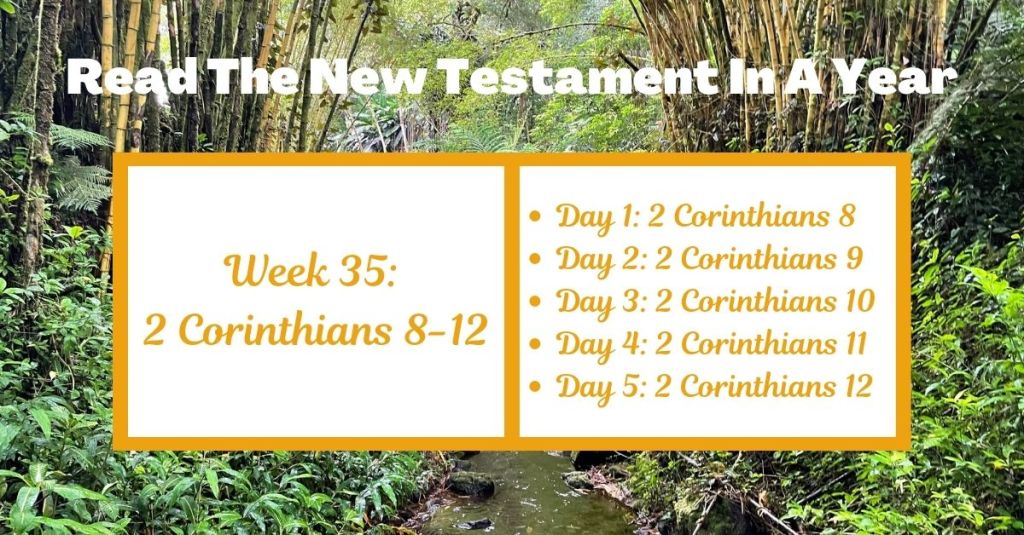
Week 35: Exploring 2 Corinthians 8-12
In week 35 of reading through the New Testament in a year, we will explore 2 Corinthians 8-12, where Paul emphasizes the transformative power of generosity, humility, and reliance on God’s strength. Through his letters, Paul encourages the Corinthians to give generously, showing how joyful giving reflects Christ’s love. He also addresses spiritual authority, humility, and the dangers of false teachings, urging believers to remain vigilant and discerning. Finally, in a deeply personal passage, Paul shares his struggles, highlighting that God’s grace is sufficient, and His strength is perfected in our weaknesses. As we study these chapters, we’re invited to embrace humility, generosity, and a deeper dependence on God in all aspects of life.
2 Corinthians 8
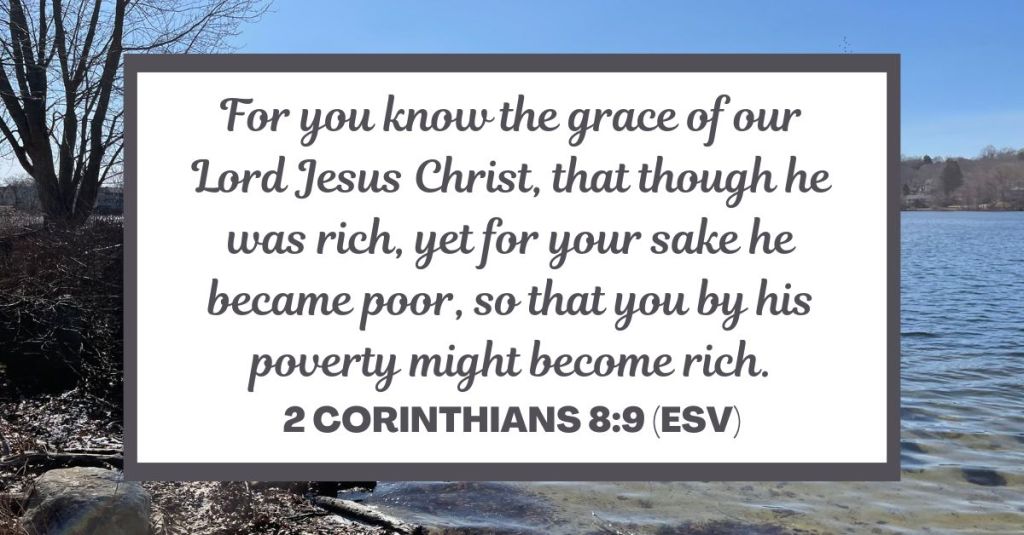
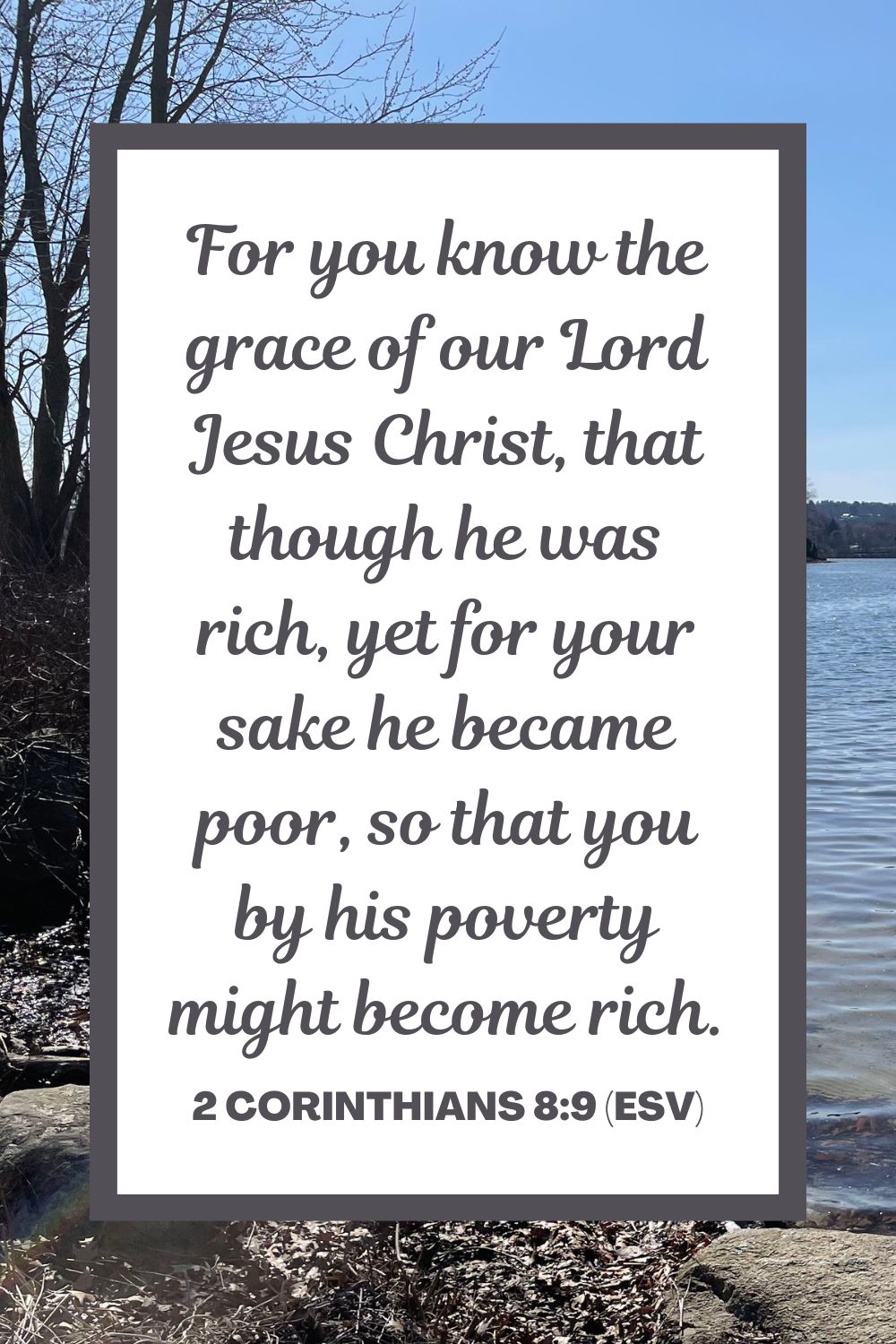
2 Corinthians 8 highlights the Macedonian churches’ example of sacrificial giving, inspiring the Corinthians to act generously. Paul encourages them to give according to their ability, emphasizing that equality in sharing resources reflects the love of Christ. He reminds them of Christ’s own example, who became poor so that others might become spiritually rich.
2 Corinthians 9
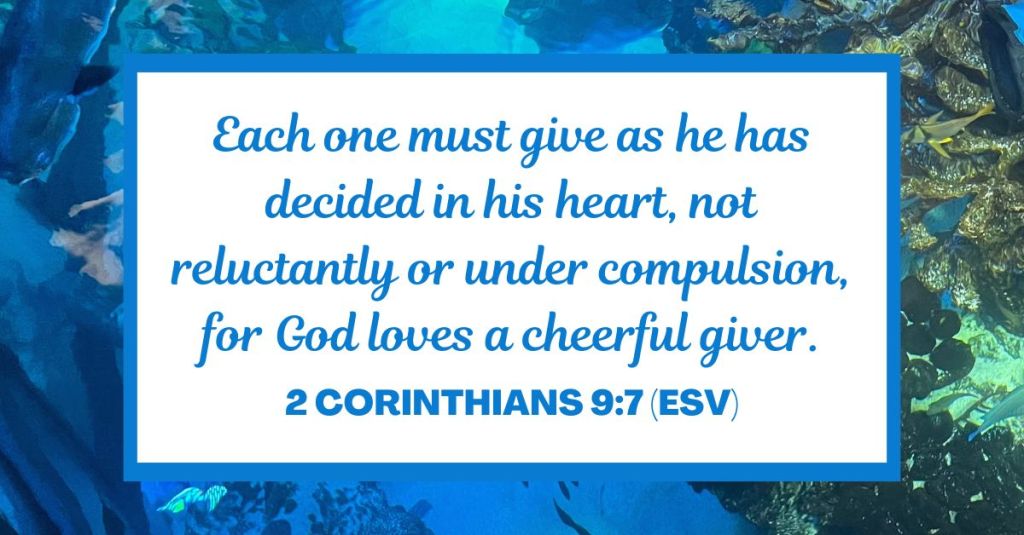
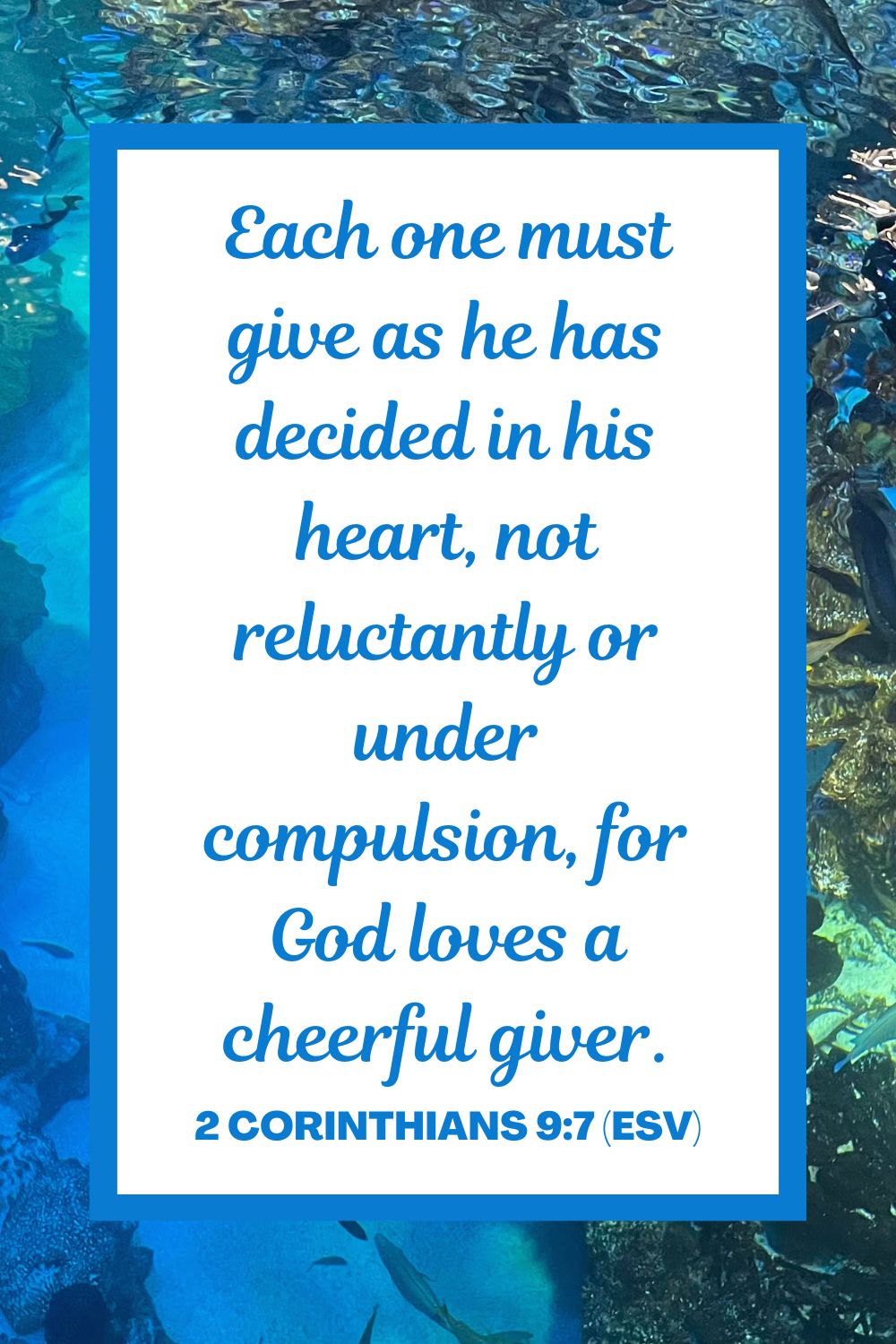
Paul continues his encouragement in 2 Corinthians 9, explaining that cheerful and willing giving leads to abundant blessings. He reassures the Corinthians that God will supply all they need, enabling them to perform good works. Generosity, he notes, not only meets needs but also leads to thanksgiving and unity within the community of believers.
2 Corinthians 10
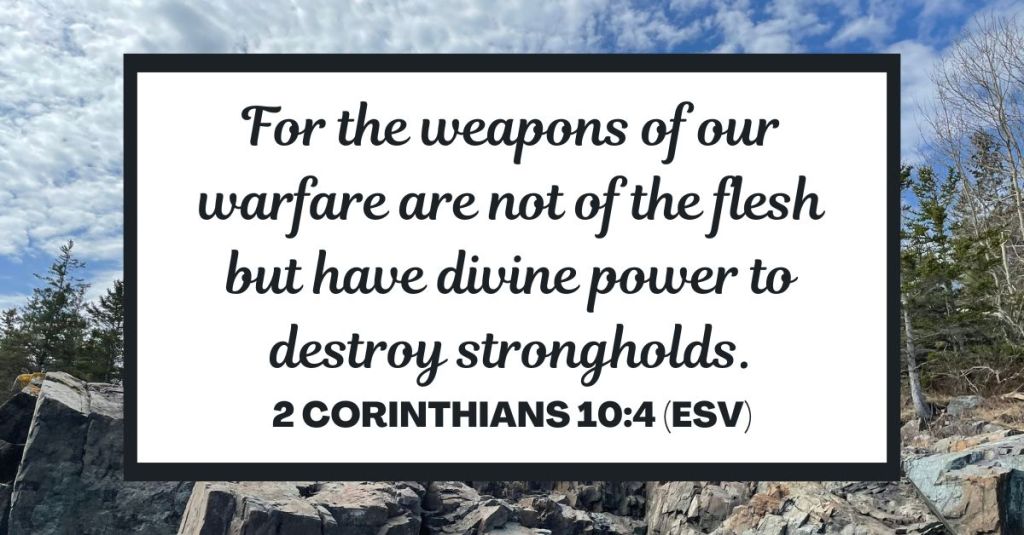
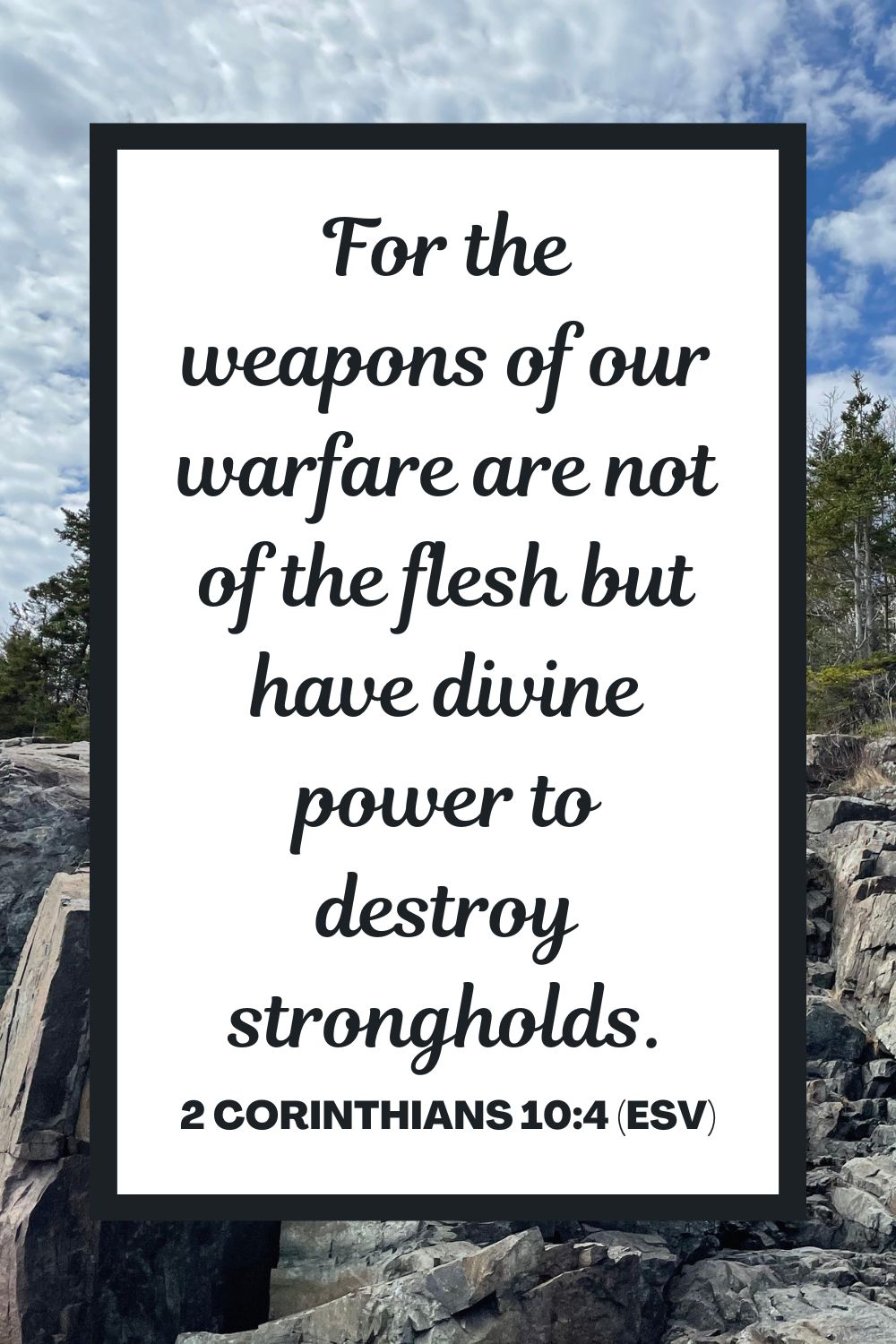
In 2 Corinthians 10, Paul responds to those questioning his authority, explaining the spiritual nature of his ministry. Rather than worldly measures, he relies on God’s power to confront arguments against the gospel. Paul’s commitment to his mission shines through as he calls for humility, rejecting comparisons that detract from the gospel’s work.
2 Corinthians 11
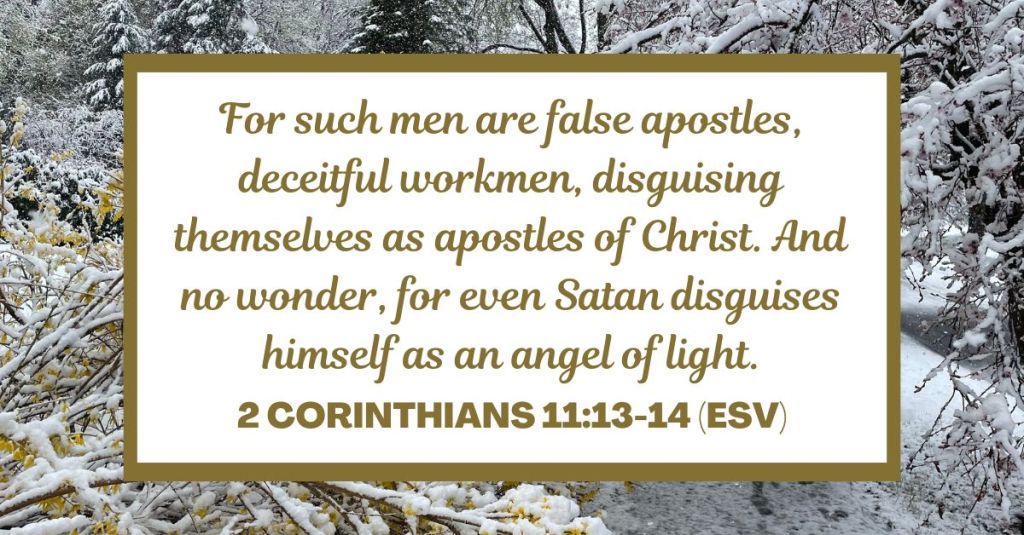
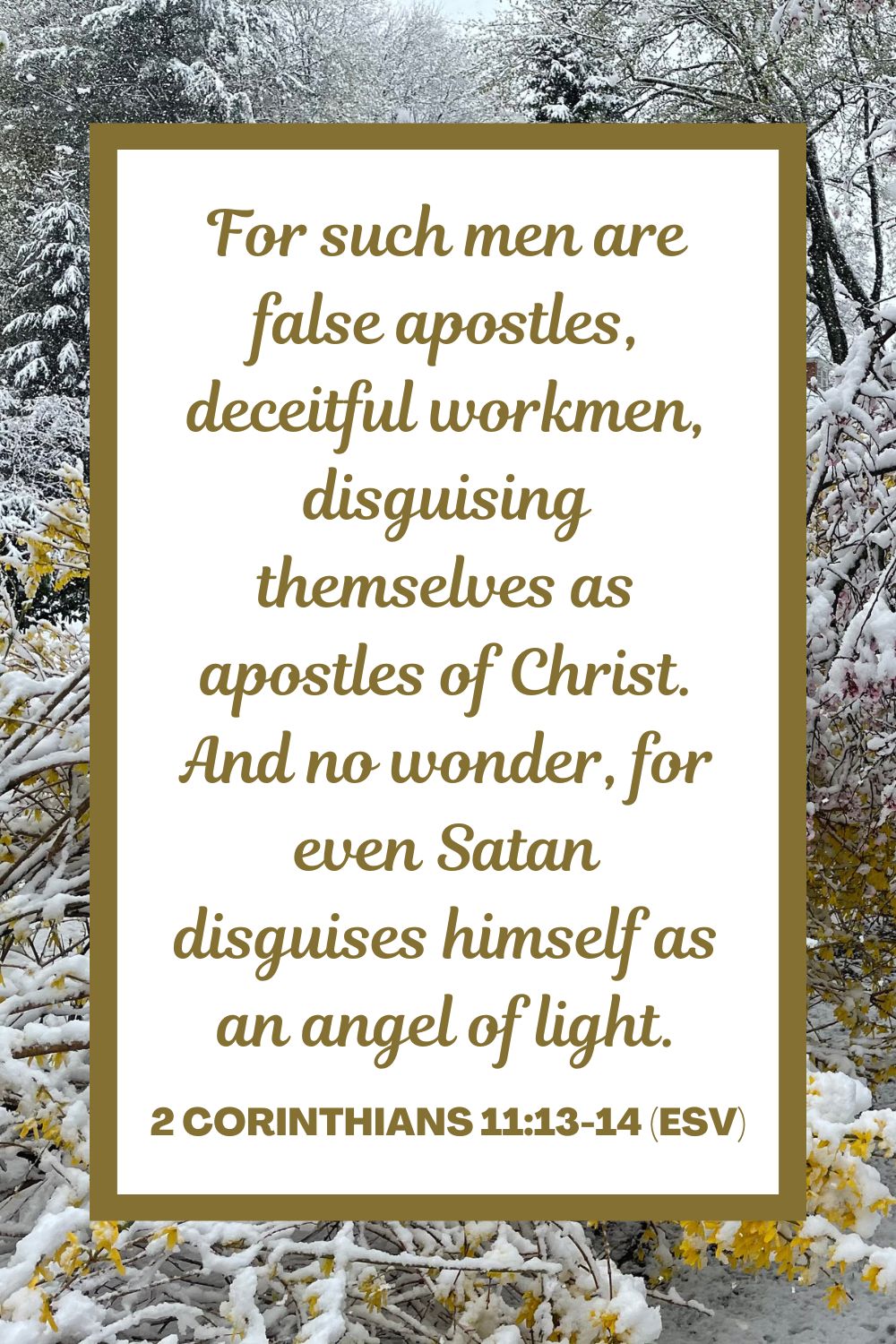
In 2 Corinthians 11, Paul warns against false apostles who distort the gospel, contrasting his sincerity and sacrifices with their deception. He lists the many hardships endured for Christ, demonstrating his commitment to the faith. Through his dedication, he urges believers to recognize true servants of Christ and guard against deception.
2 Corinthians 12
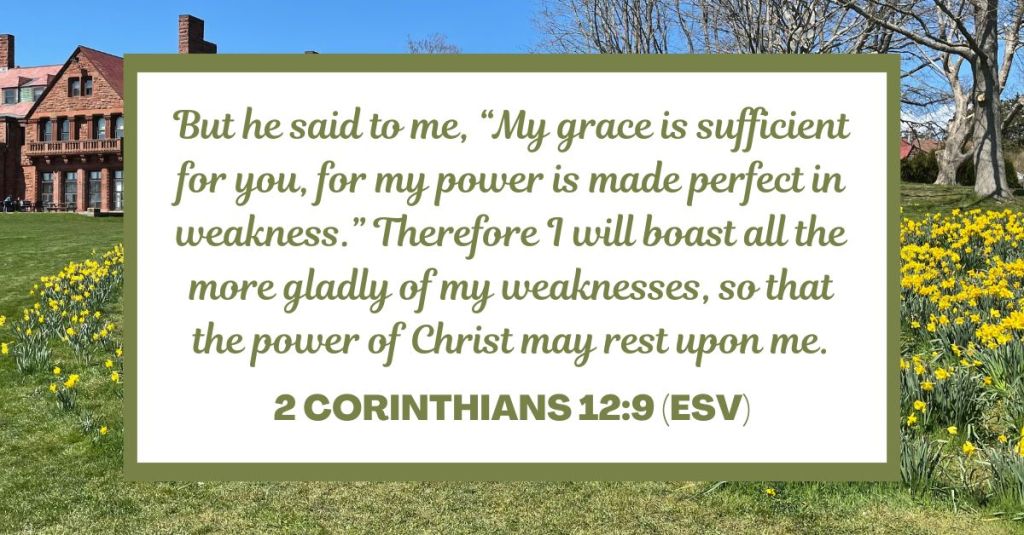
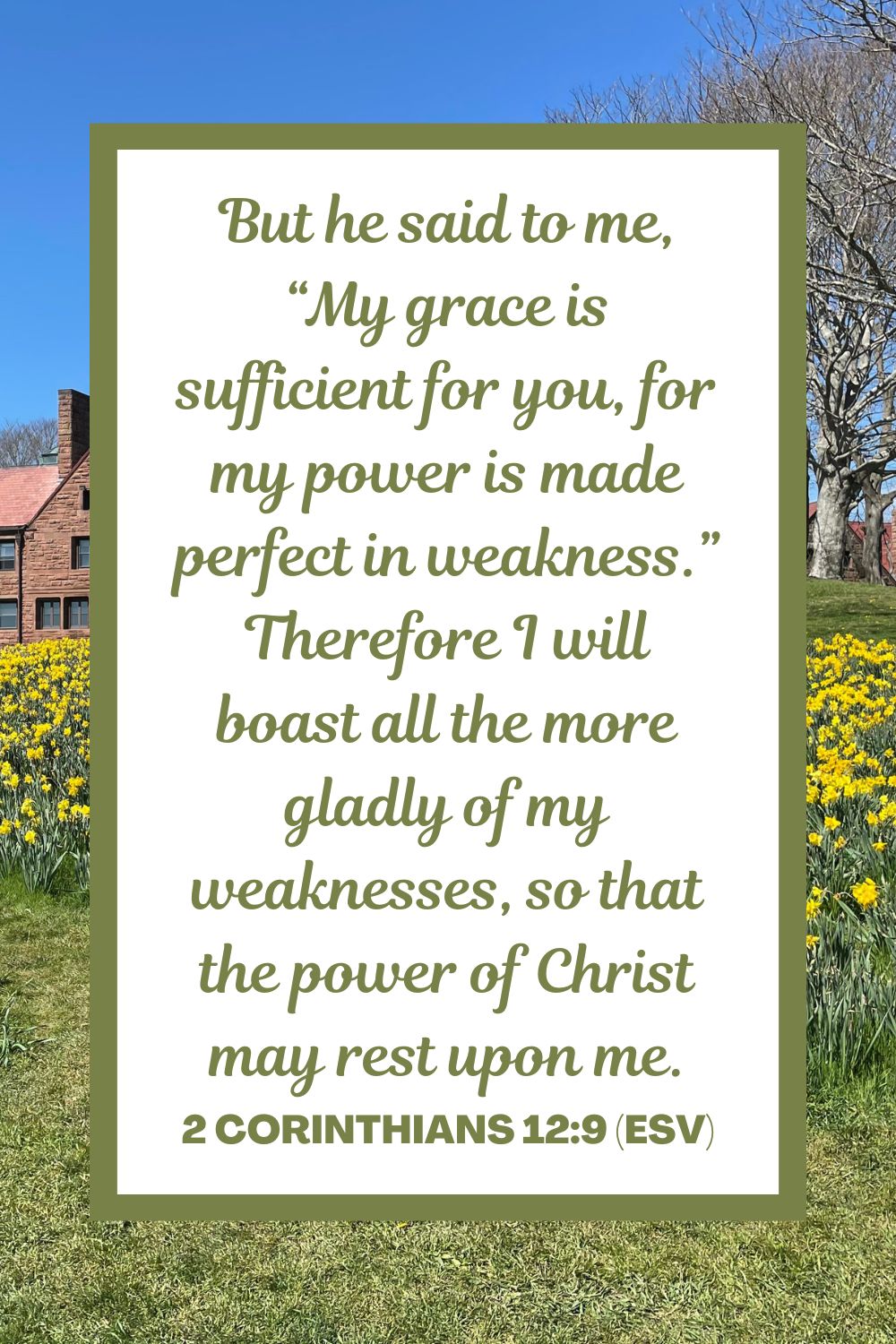
2 Corinthians 12 reveals Paul’s struggle with a “thorn in the flesh,” a reminder of his dependence on God’s grace. Though he experienced powerful visions, Paul stresses the importance of humility, acknowledging God as the source of his strength. Embracing his own weaknesses, Paul affirms that God’s power is perfected in human frailty, showing the strength found in reliance on Christ.
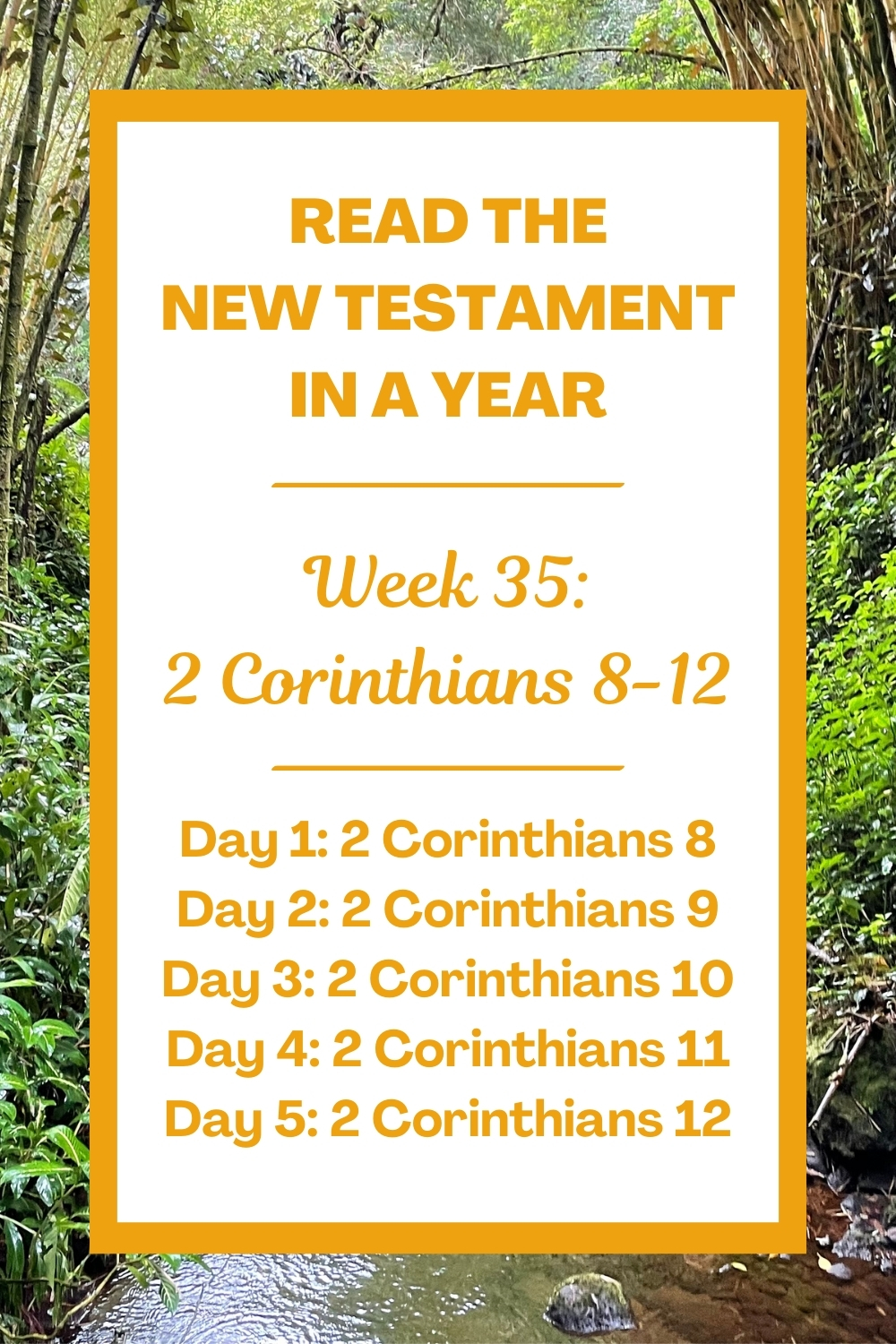
Week 35: New Testament Reading Assignment
Each week, we will read 5 chapters of the New Testament. Some people may prefer to read during the weekdays, while others might enjoy doing most of their reading on the weekends. Choose the method that works best for you!
- Day 1: 2 Corinthians 8
- Day 2: 2 Corinthians 9
- Day 3: 2 Corinthians 10
- Day 4: 2 Corinthians 11
- Day 5: 2 Corinthians 12
Printable Resource:
Week 35: Reflection Questions for 2 Corinthians 8-12
Consider the following reflection questions:
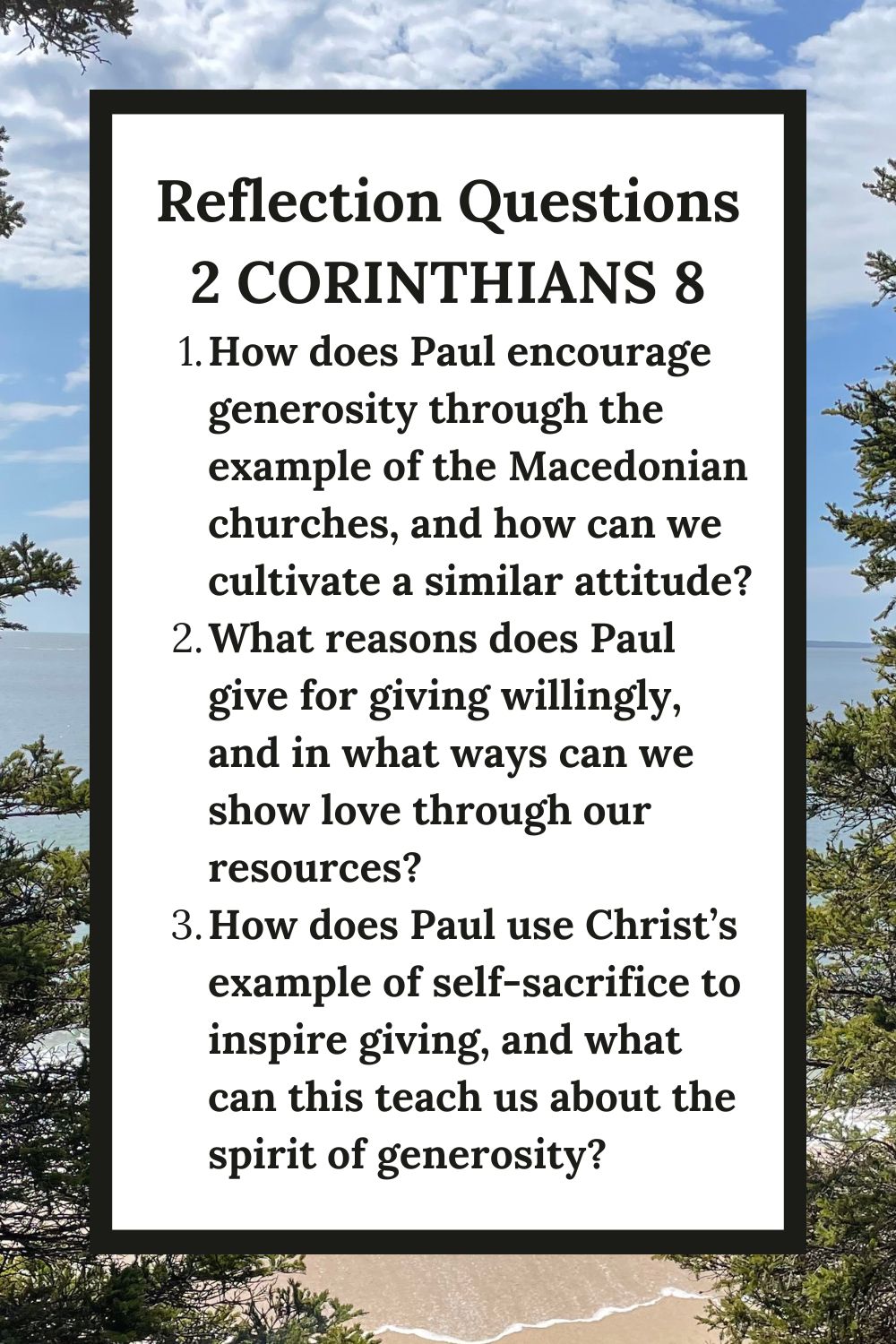
2 Corinthians 8: Generosity and the Example of Christ
- How does Paul encourage generosity through the example of the Macedonian churches, and how can we cultivate a similar attitude?
- What reasons does Paul give for giving willingly, and in what ways can we show love through our resources?
- How does Paul use Christ’s example of self-sacrifice to inspire giving, and what can this teach us about the spirit of generosity?
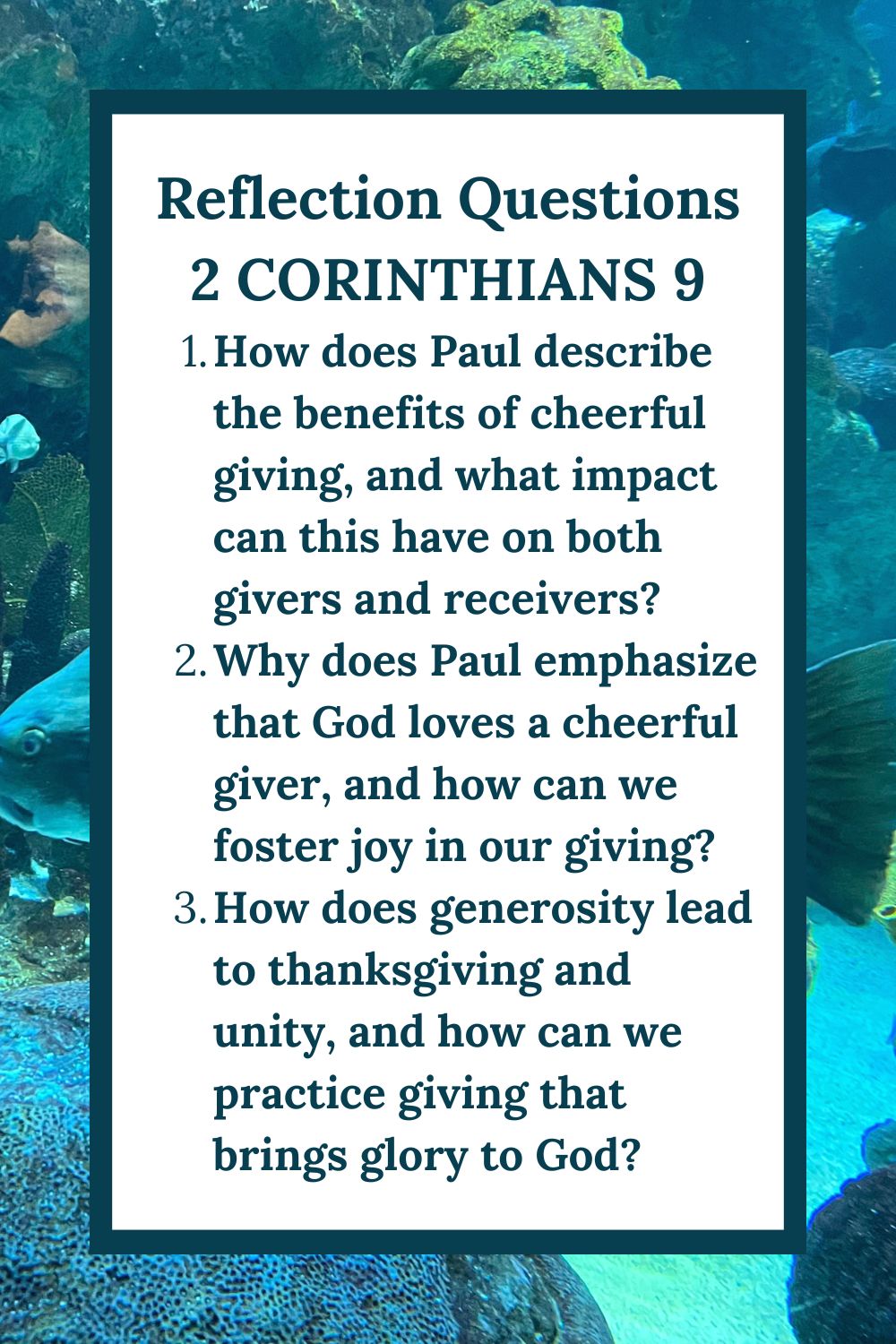
2 Corinthians 9: The Blessings of Cheerful Giving
- How does Paul describe the benefits of cheerful giving, and what impact can this have on both givers and receivers?
- Why does Paul emphasize that God loves a cheerful giver, and how can we foster joy in our giving?
- How does generosity lead to thanksgiving and unity, and how can we practice giving that brings glory to God?
2 Corinthians 10: Spiritual Authority and Humility
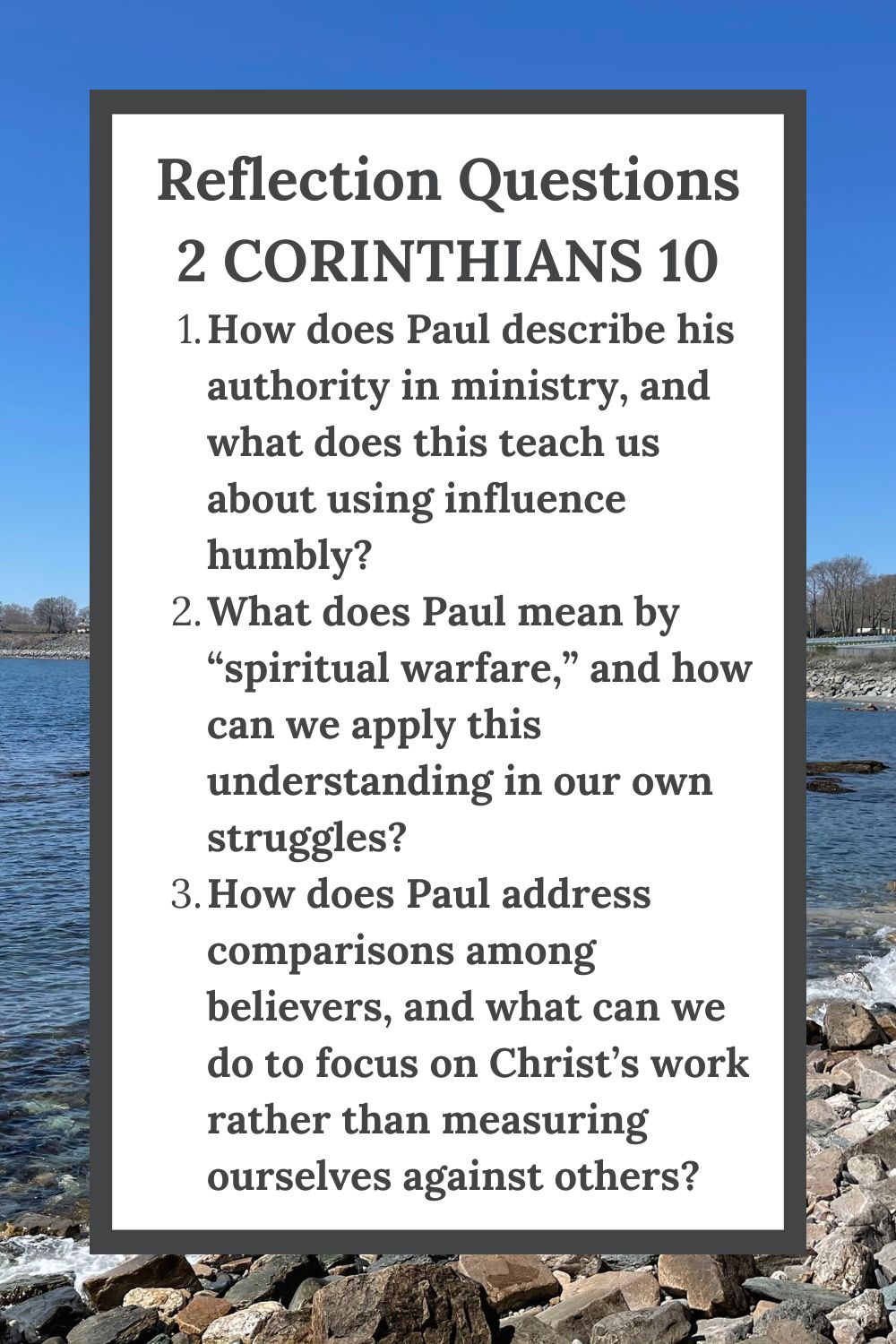
- How does Paul describe his authority in ministry, and what does this teach us about using influence humbly?
- What does Paul mean by “spiritual warfare,” and how can we apply this understanding in our own struggles?
- How does Paul address comparisons among believers, and what can we do to focus on Christ’s work rather than measuring ourselves against others?
2 Corinthians 11: True and False Apostles
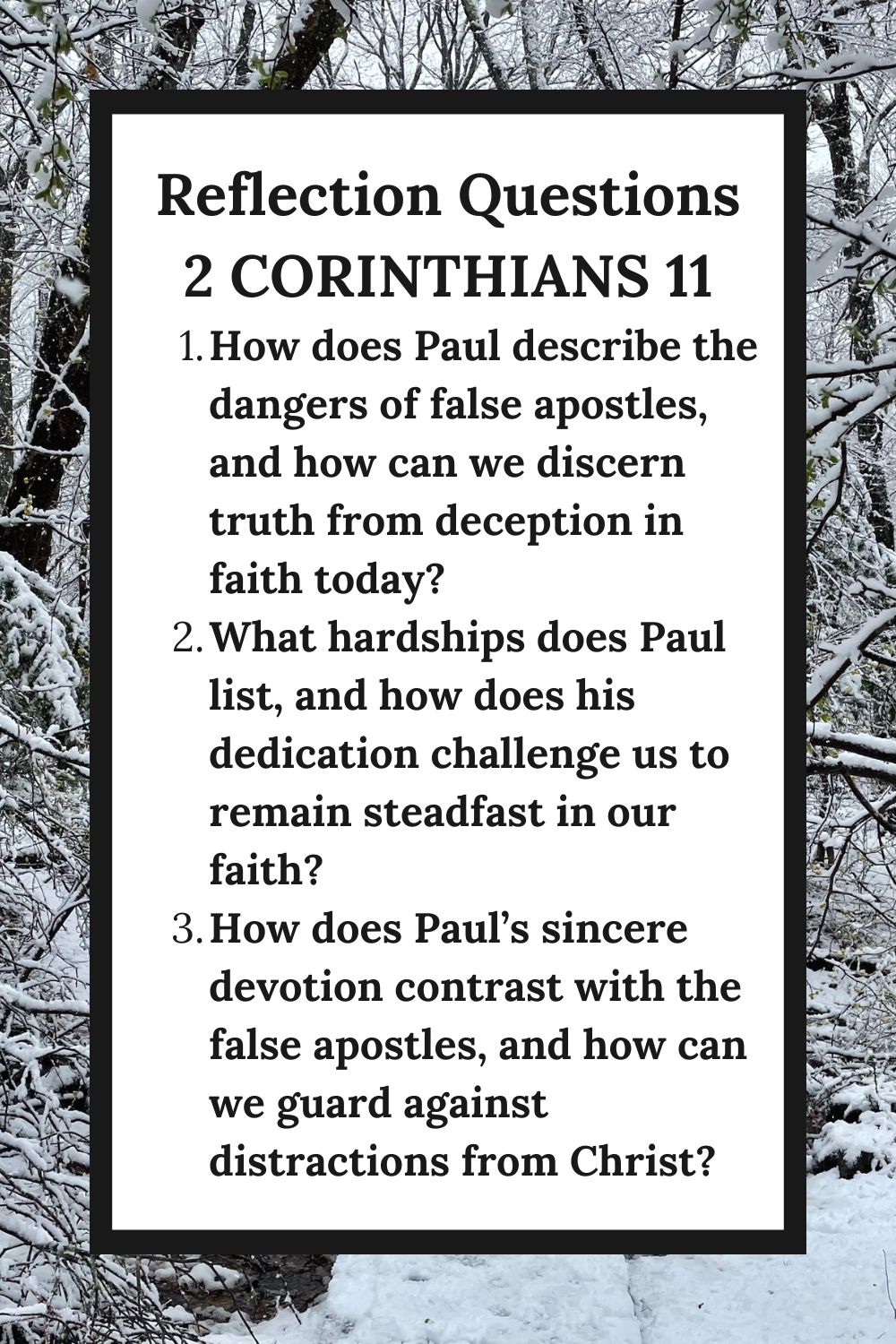
- How does Paul describe the dangers of false apostles, and how can we discern truth from deception in faith today?
- What hardships does Paul list, and how does his dedication challenge us to remain steadfast in our faith?
- How does Paul’s sincere devotion contrast with the false apostles, and how can we guard against distractions from Christ?
2 Corinthians 12: Strength in Weakness
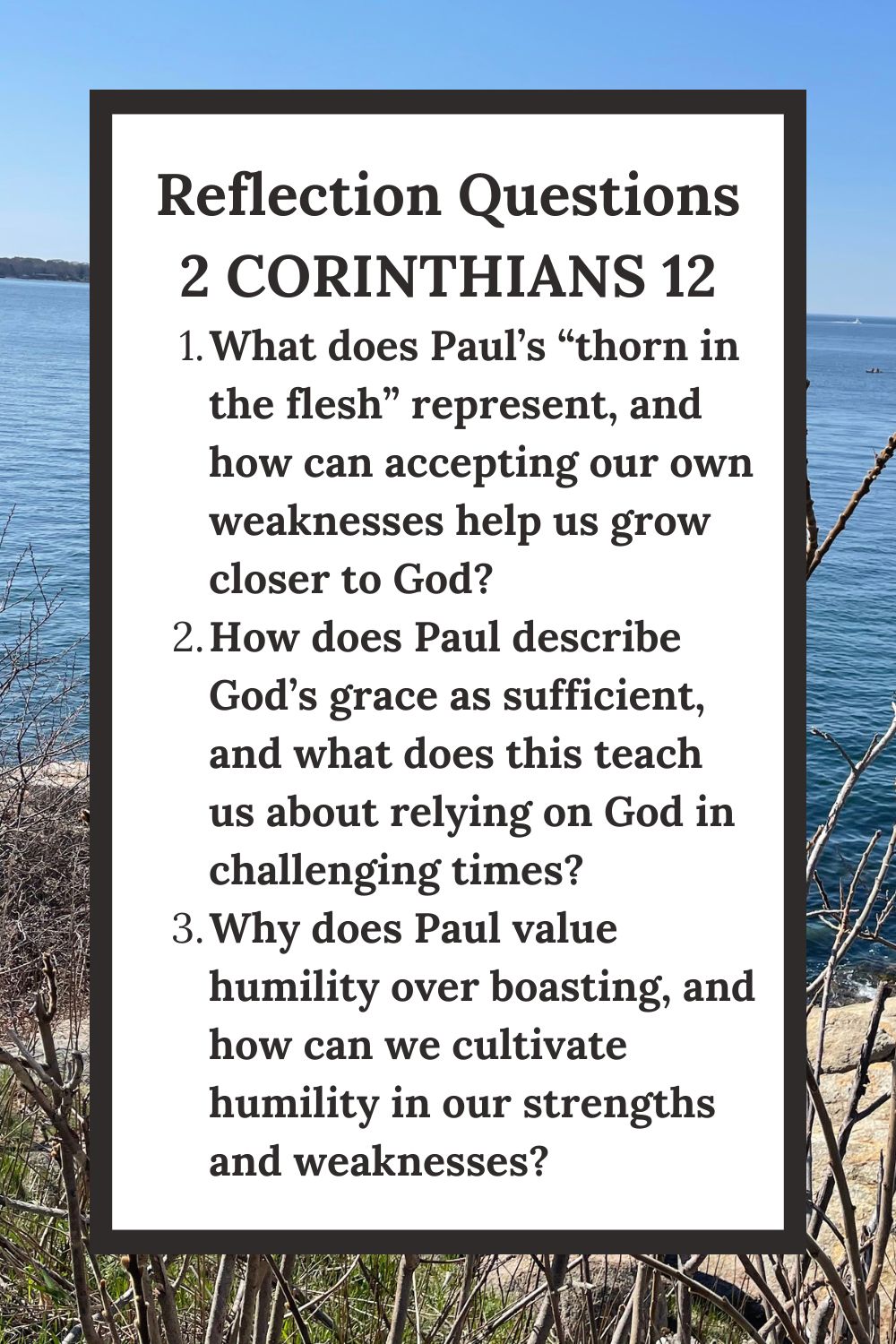
- What does Paul’s “thorn in the flesh” represent, and how can accepting our own weaknesses help us grow closer to God?
- How does Paul describe God’s grace as sufficient, and what does this teach us about relying on God in challenging times?
- Why does Paul value humility over boasting, and how can we cultivate humility in our strengths and weaknesses?
Reflective Prayer
Choose a few verses or topics from these chapters and pray over them. Consider using the ACTS method — Adoration, Confession, Thankfulness, Supplication:
- Adoration: Praise God. What specific characteristics of God do these readings bring to mind?
- Confession: Tell God that you are sorry for specific sins. What specific sins do these readings bring to mind?
- Thankfulness: Show gratitude towards God. What in these readings inspires gratitude?
- Supplication: Make requests for yourself and for others. What in these readings inspires a prayer?
If helpful, you can use a prayer journal template.
Other Reading Plans
Online Resources
Subscribe
If you enjoyed this post and wish to receive more Christian content, feel free to subscribe to my newsletters!
Related Resources
Visit the Joyful Moments in Christ homepage for all posts, or scroll through other blog posts related to reading the New Testament in a year:




English Standard Version (ESV): Unless otherwise noted, scripture quotations are from the ESV® Bible (The Holy Bible, English Standard Version®), © 2001 by Crossway, a publishing ministry of Good News Publishers. Used by permission. All rights reserved. The ESV text may not be quoted in any publication made available to the public by a Creative Commons license. The ESV may not be translated in whole or in part into any other language.


 Joyful Moments in Christ