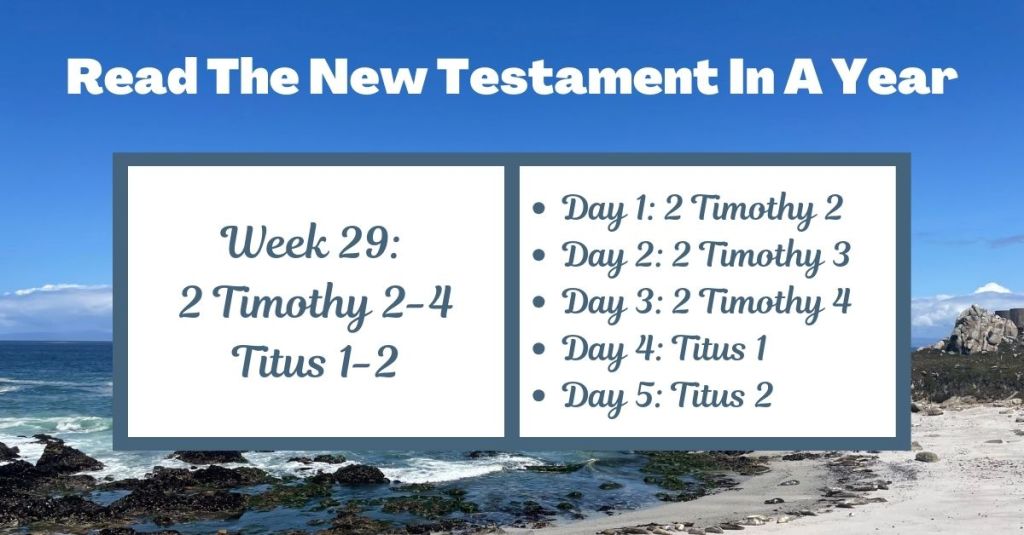
Week 29: Exploring 2 Timothy 2-4 and Titus 1-2
In Week 29 of our journey through the New Testament, we turn our attention to Paul’s final letters in 2 Timothy 2-4 and Titus 1-2, where he provides powerful guidance on perseverance, the importance of Scripture, and the qualities of godly leadership. Paul encourages Timothy to stay strong amid challenges, reminding him of the essential role Scripture plays in equipping believers. Meanwhile, in Titus, he lays out qualities for leaders and instructs on teaching a life that reflects God’s grace. This week’s passages are a profound call to live out faith with resilience, wisdom, and integrity.
2 Timothy 2
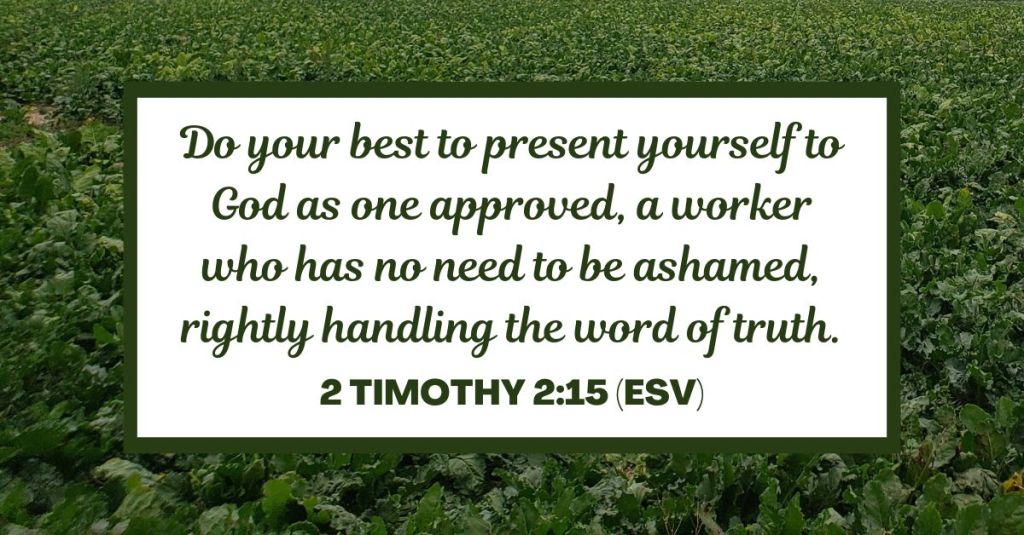
In 2 Timothy 2, Paul urges Timothy to be disciplined, patient, and strong in his ministry. He uses metaphors like a soldier, athlete, and farmer to illustrate perseverance and dedication, emphasizing the importance of faithfulness and hard work.
2 Timothy 3
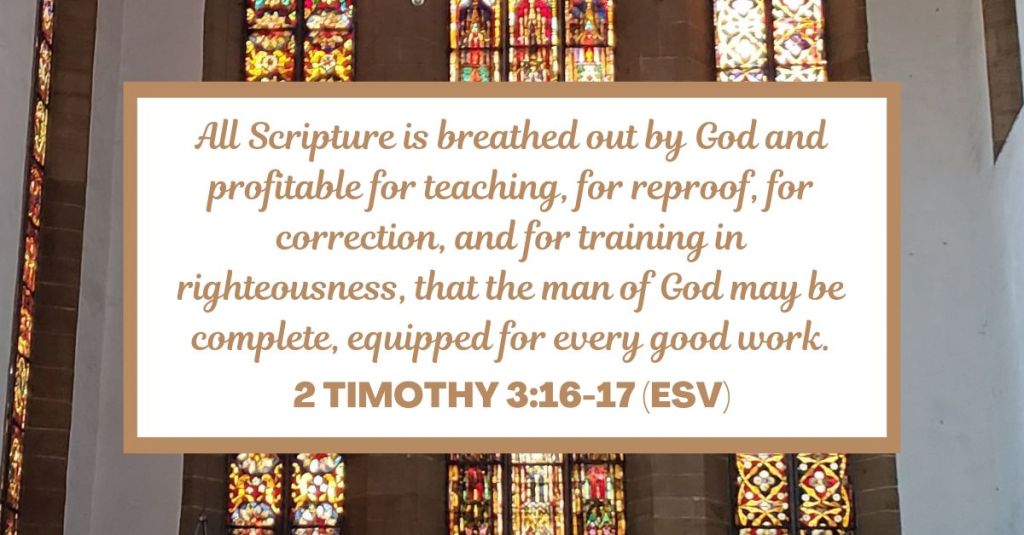
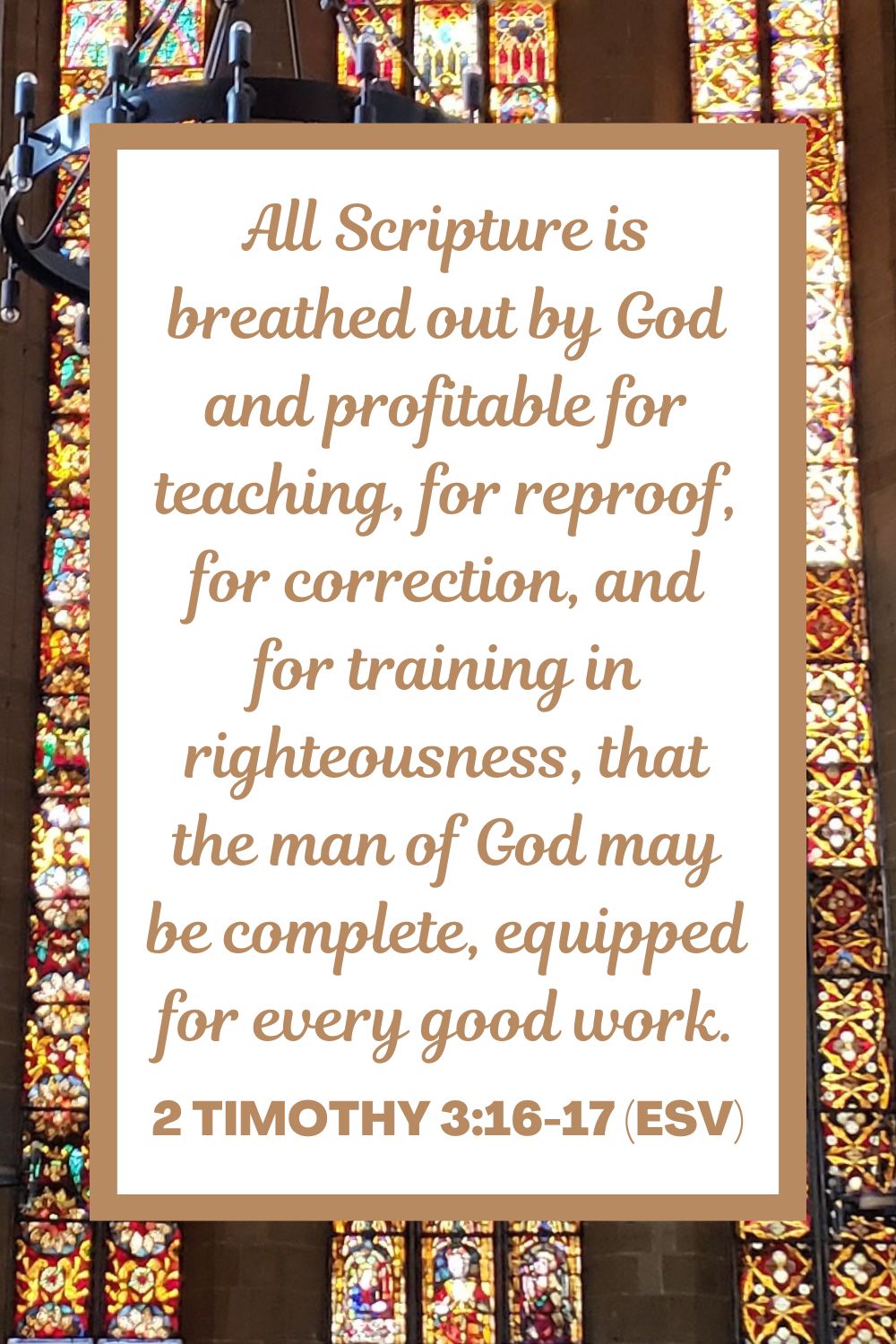
In 2 Timothy 3, Paul warns about difficult times and ungodly behaviors, urging Timothy to remain steadfast in his faith. He highlights the importance of Scripture for teaching, correcting, and training, emphasizing its role in equipping believers for every good work.
2 Timothy 4

In 2 Timothy 4, Paul encourages Timothy to be prepared to preach the Word at all times, to endure hardship, and to carry out his ministry faithfully. Paul reflects on his own journey, expressing confidence in the crown of righteousness awaiting him, and urges Timothy to finish well.
Titus 1
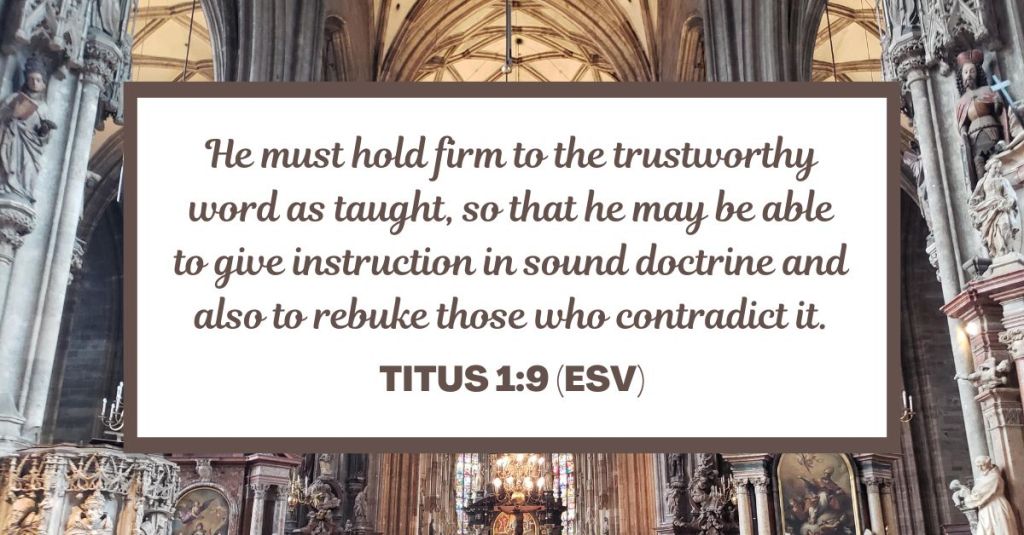
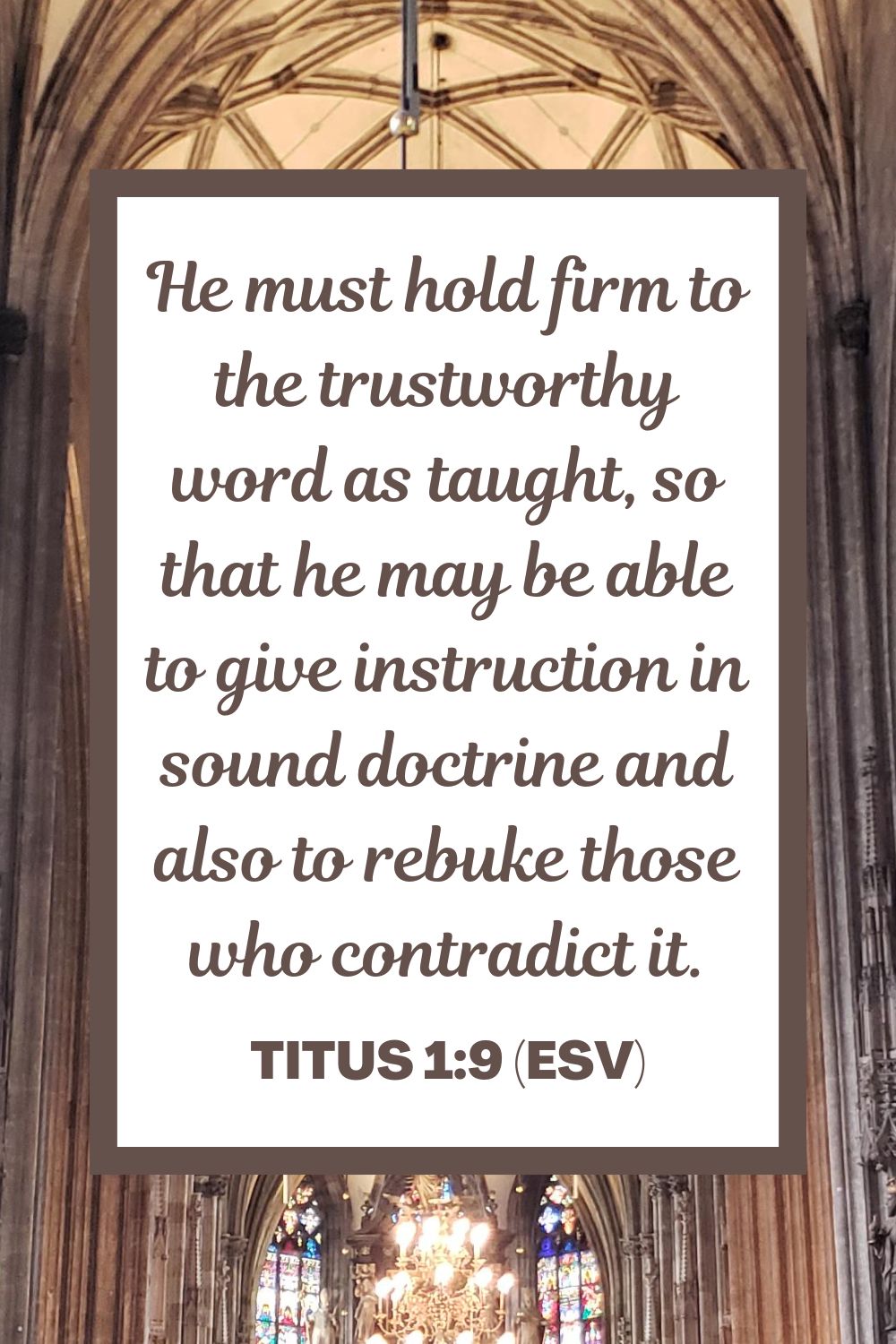
In Titus 1, Paul instructs Titus to appoint elders in Crete and outlines qualifications for church leaders, emphasizing integrity, self-control, and faithfulness to sound doctrine. He warns against false teachers who lead believers astray and calls for leaders who uphold the truth. This foundation aims to strengthen the church and guide believers in godliness.
Titus 2
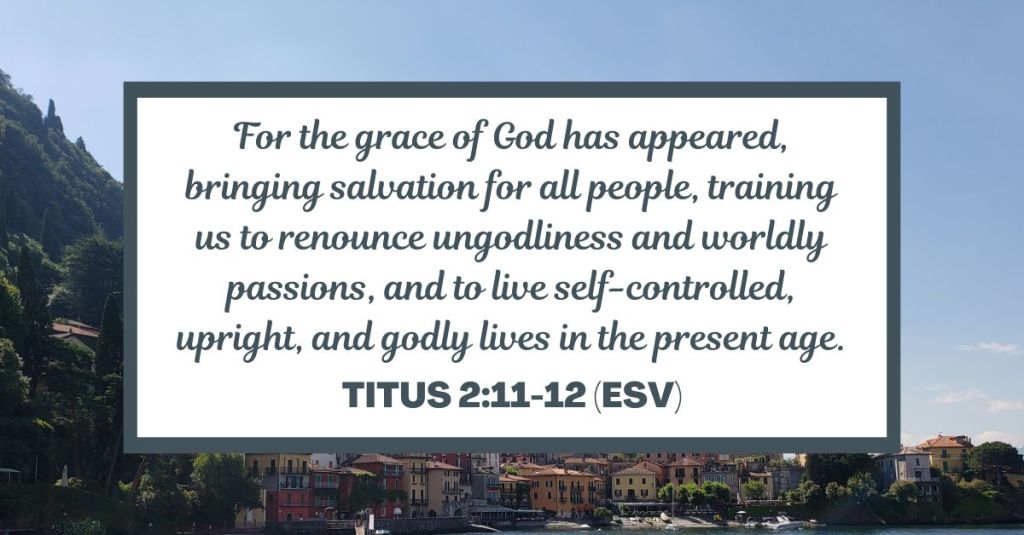
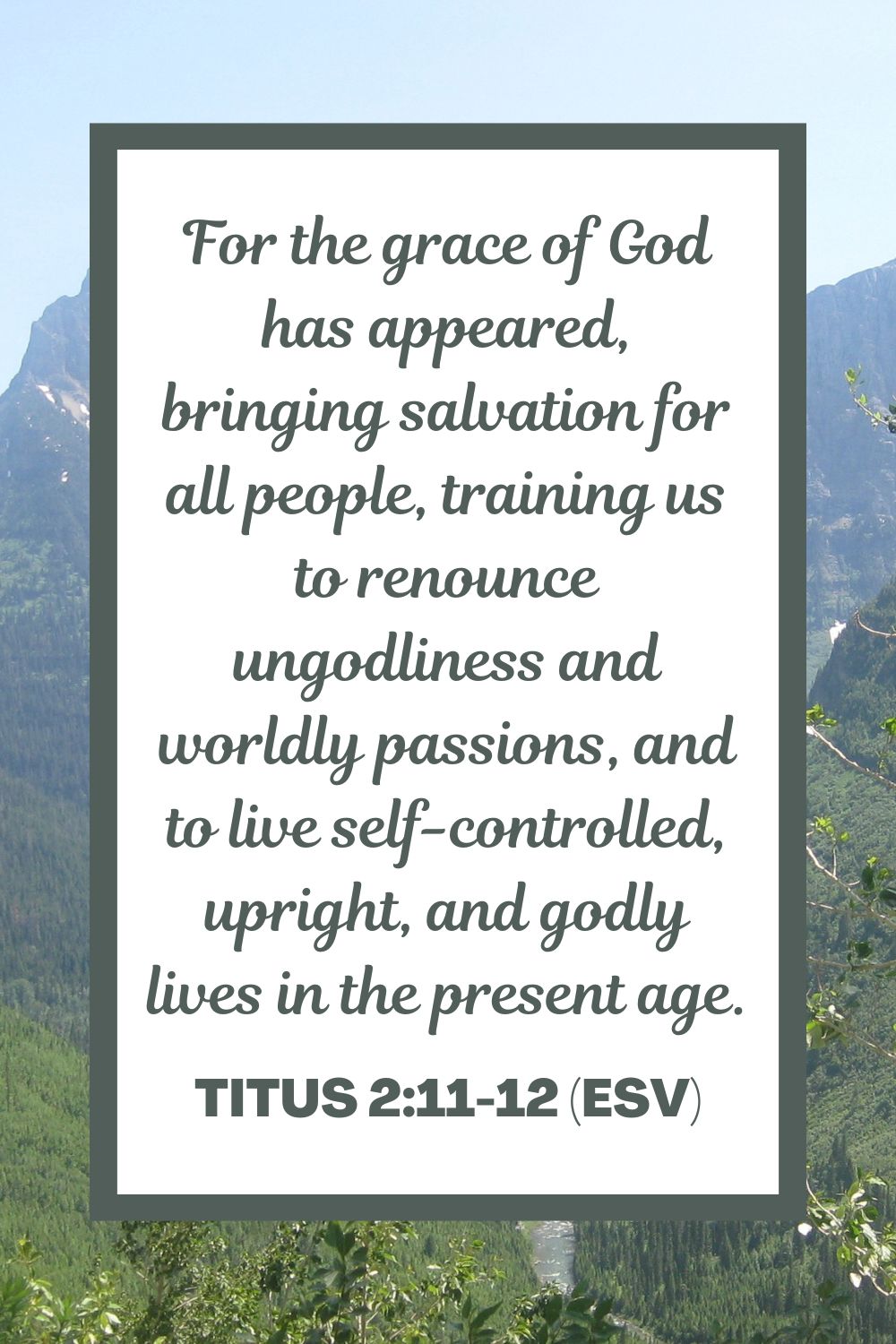
In Titus 2, Paul advises Titus on teaching different groups within the church, emphasizing qualities like self-control, reverence, and purity for all. He urges believers to live uprightly, showing others the power of God’s grace to transform lives and to model good works as a witness to their faith.
Week 29: New Testament Reading Assignment
Each week, we will read 5 chapters of the New Testament. Some people may prefer to read during the weekdays, while others might enjoy doing most of their reading on the weekends. Choose the method that works best for you!
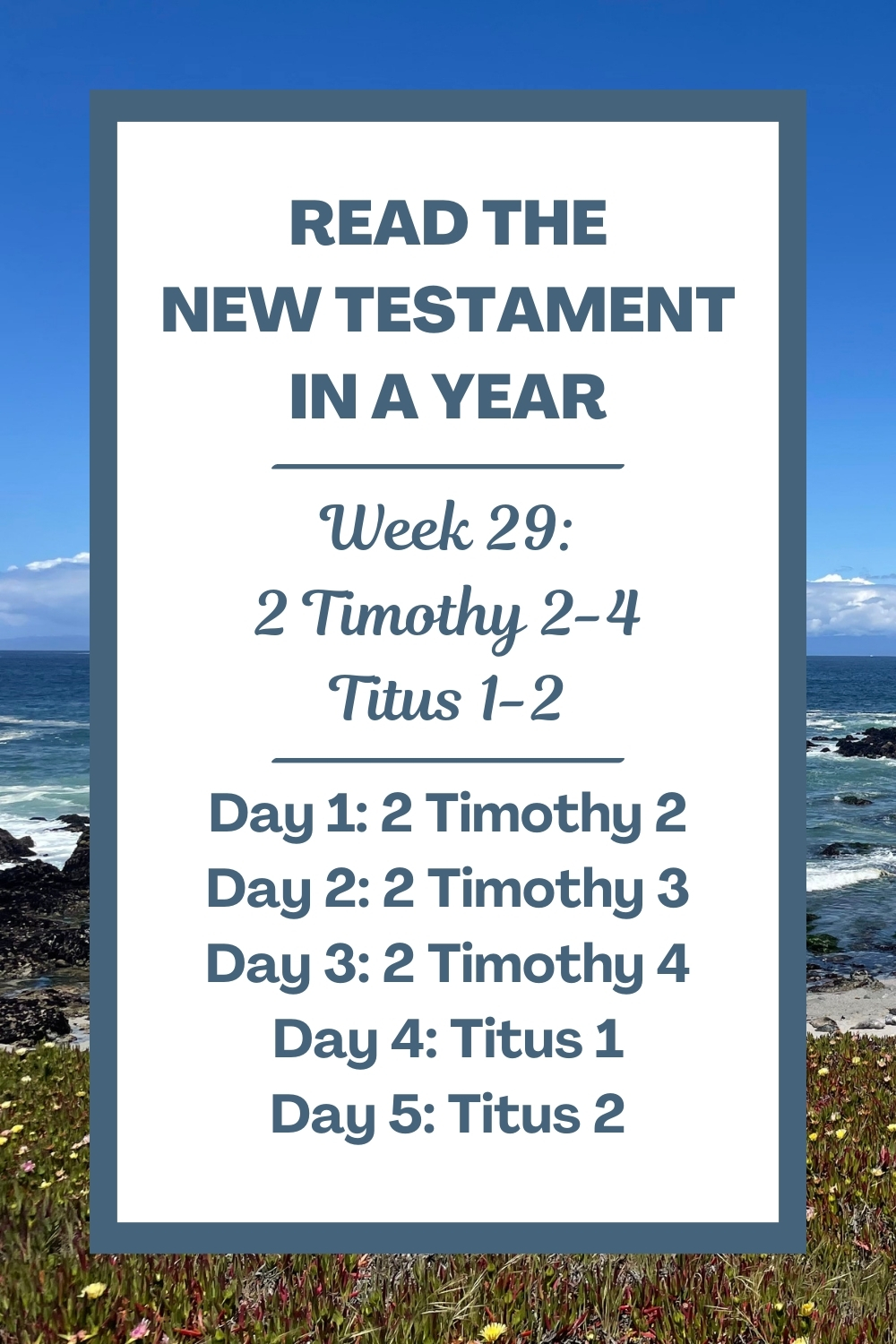
- Day 1: 2 Timothy 2
- Day 2: 2 Timothy 3
- Day 3: 2 Timothy 4
- Day 4: Titus 1
- Day 5: Titus 2
Printable Resource:
Week 29: Reflection Questions for 2 Timothy 2-4 and Titus 1-2
Consider the following reflection questions:
2 Timothy 2: Strength and Perseverance
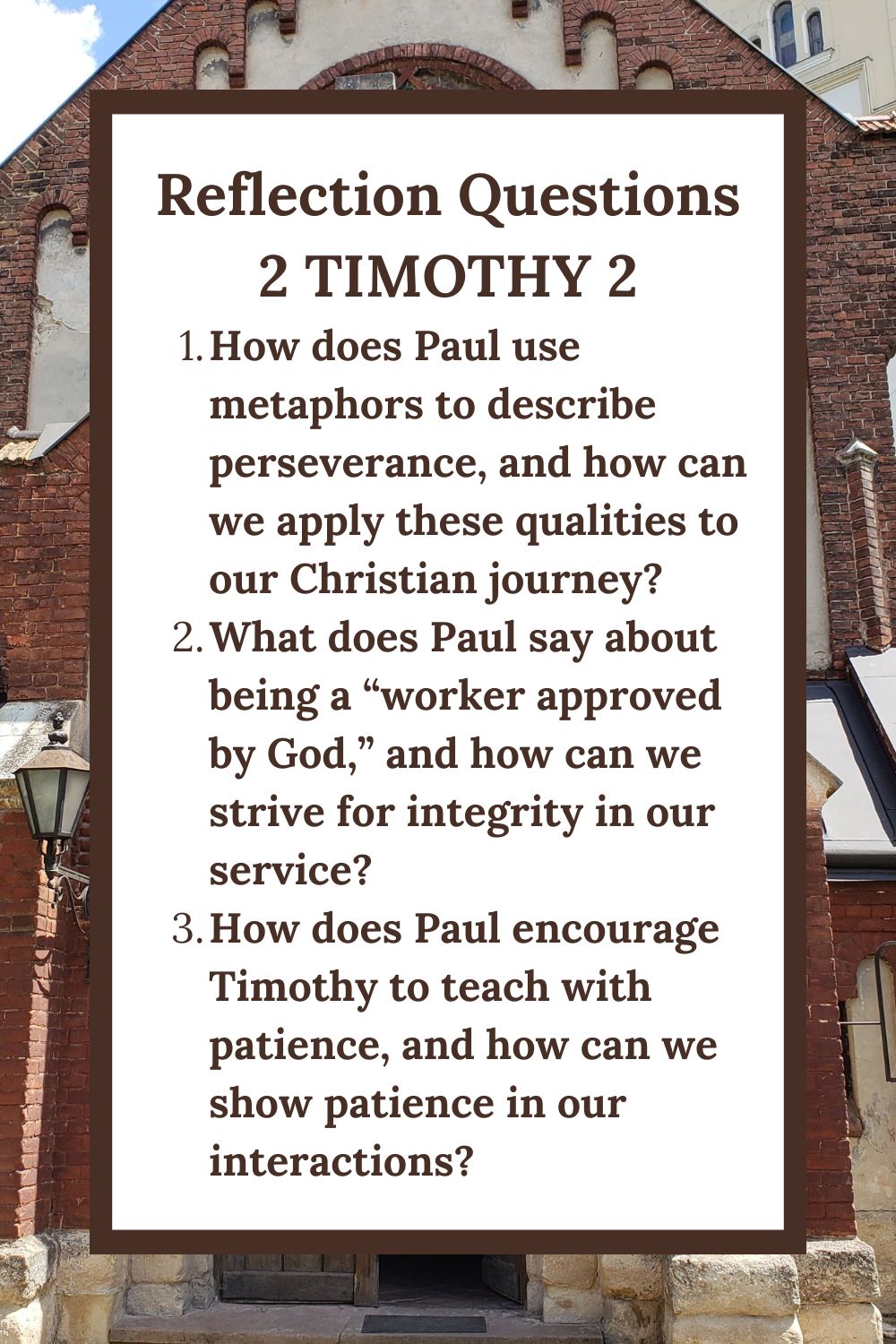
- How does Paul use metaphors to describe perseverance, and how can we apply these qualities to our Christian journey?
- What does Paul say about being a “worker approved by God,” and how can we strive for integrity in our service?
- How does Paul encourage Timothy to teach with patience, and how can we show patience in our interactions?
2 Timothy 3: The Power of Scripture
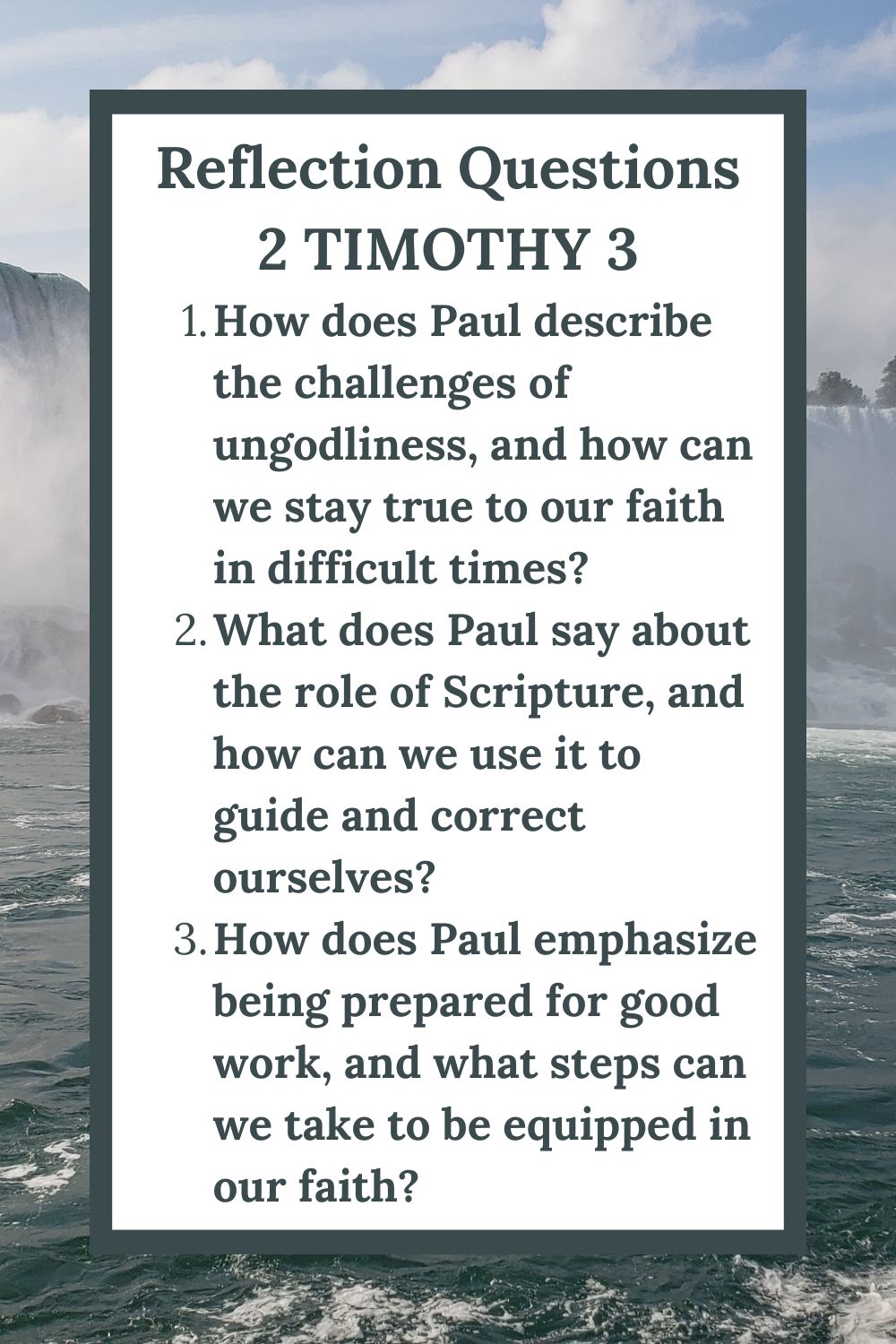
- How does Paul describe the challenges of ungodliness, and how can we stay true to our faith in difficult times?
- What does Paul say about the role of Scripture, and how can we use it to guide and correct ourselves?
- How does Paul emphasize being prepared for good work, and what steps can we take to be equipped in our faith?
2 Timothy 4: Faithful Ministry
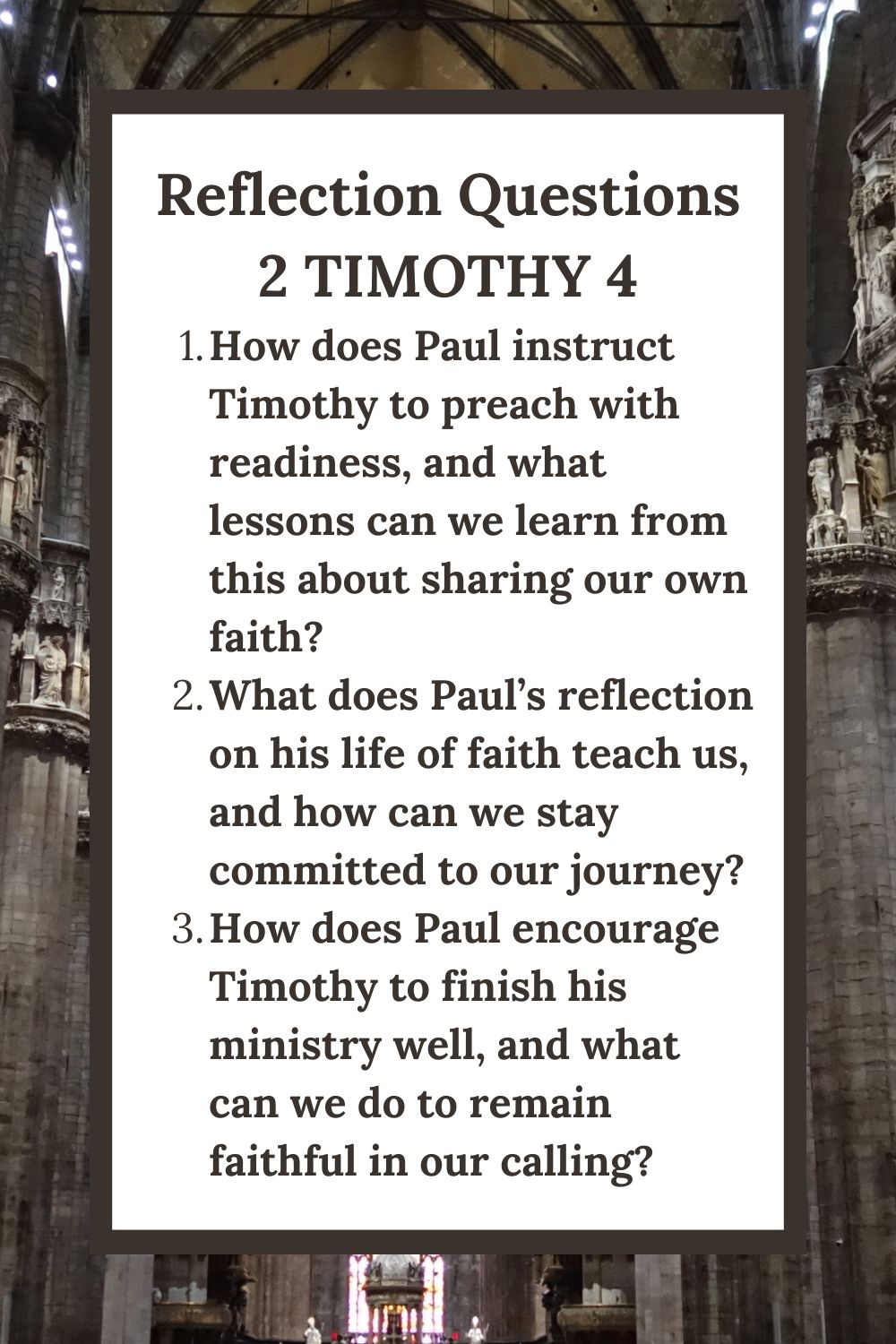
- How does Paul instruct Timothy to preach with readiness, and what lessons can we learn from this about sharing our own faith?
- What does Paul’s reflection on his life of faith teach us, and how can we stay committed to our journey?
- How does Paul encourage Timothy to finish his ministry well, and what can we do to remain faithful in our calling?
Titus 1: Leadership and Sound Doctrine
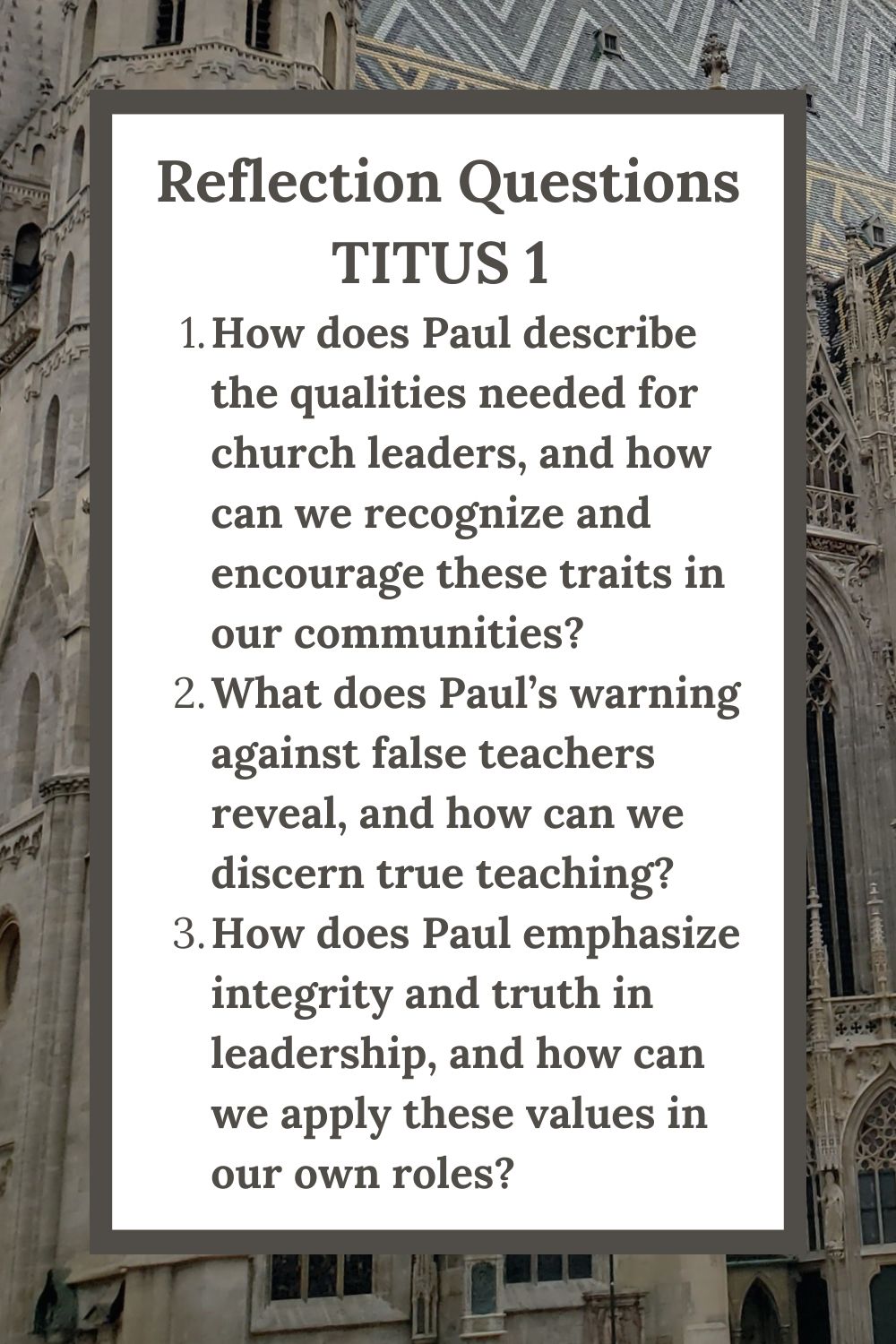
- How does Paul describe the qualities needed for church leaders, and how can we recognize and encourage these traits in our communities?
- What does Paul’s warning against false teachers reveal, and how can we discern true teaching?
- How does Paul emphasize integrity and truth in leadership, and how can we apply these values in our own roles?
Titus 2: Teaching and Godly Living
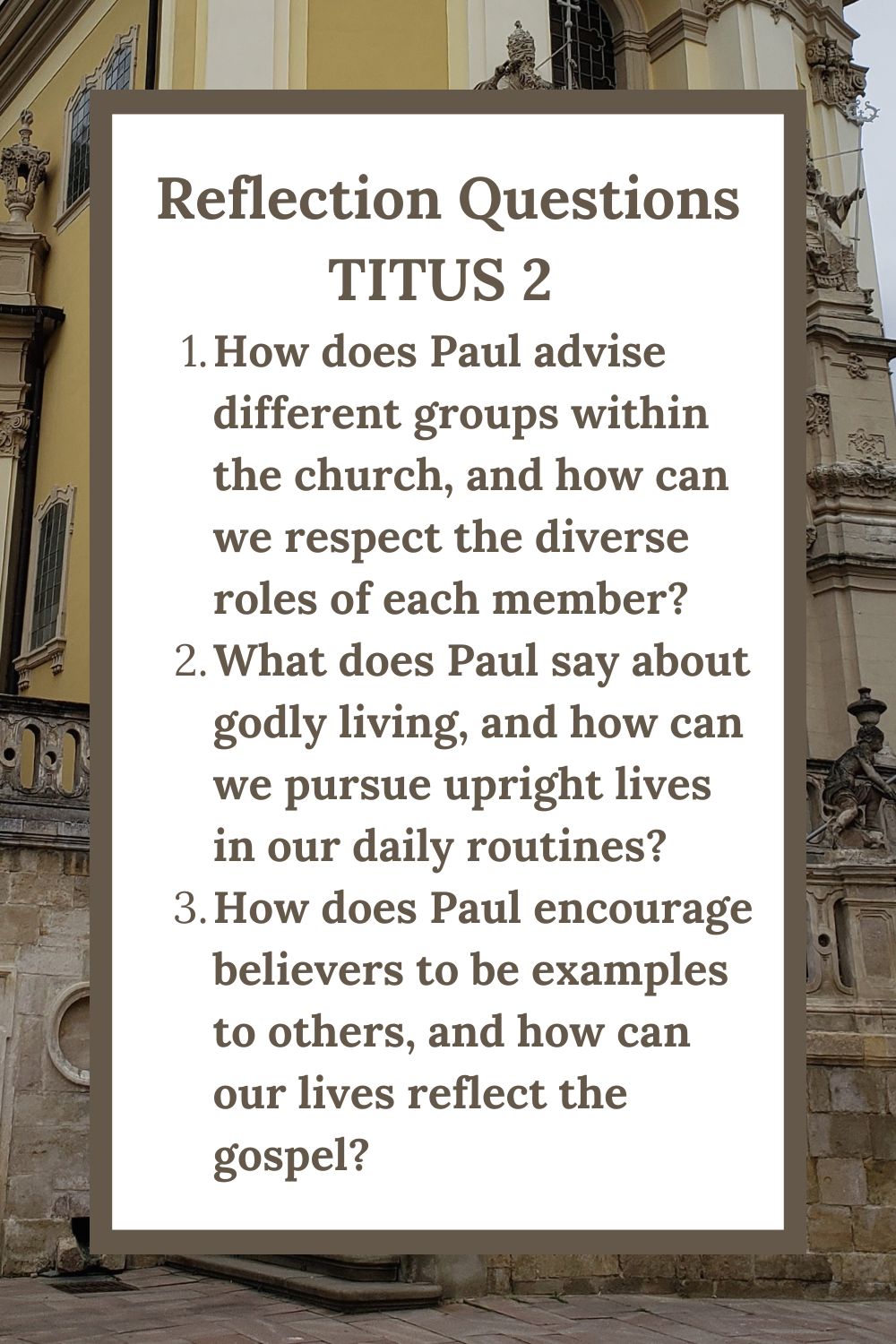
- How does Paul advise different groups within the church, and how can we respect the diverse roles of each member?
- What does Paul say about godly living, and how can we pursue upright lives in our daily routines?
- How does Paul encourage believers to be examples to others, and how can our lives reflect the gospel?
Reflective Prayer
Choose a few verses or topics from these chapters and pray over them. Consider using the ACTS method — Adoration, Confession, Thankfulness, Supplication:
- Adoration: Praise God. What specific characteristics of God do these readings bring to mind?
- Confession: Tell God that you are sorry for specific sins. What specific sins do these readings bring to mind?
- Thankfulness: Show gratitude towards God. What in these readings inspires gratitude?
- Supplication: Make requests for yourself and for others. What in these readings inspires a prayer?
If helpful, you can use a prayer journal template.


Other Reading Plans
Online Resources
Subscribe
If you enjoyed this post and wish to receive more Christian content, feel free to subscribe to my newsletters!
Related Resources
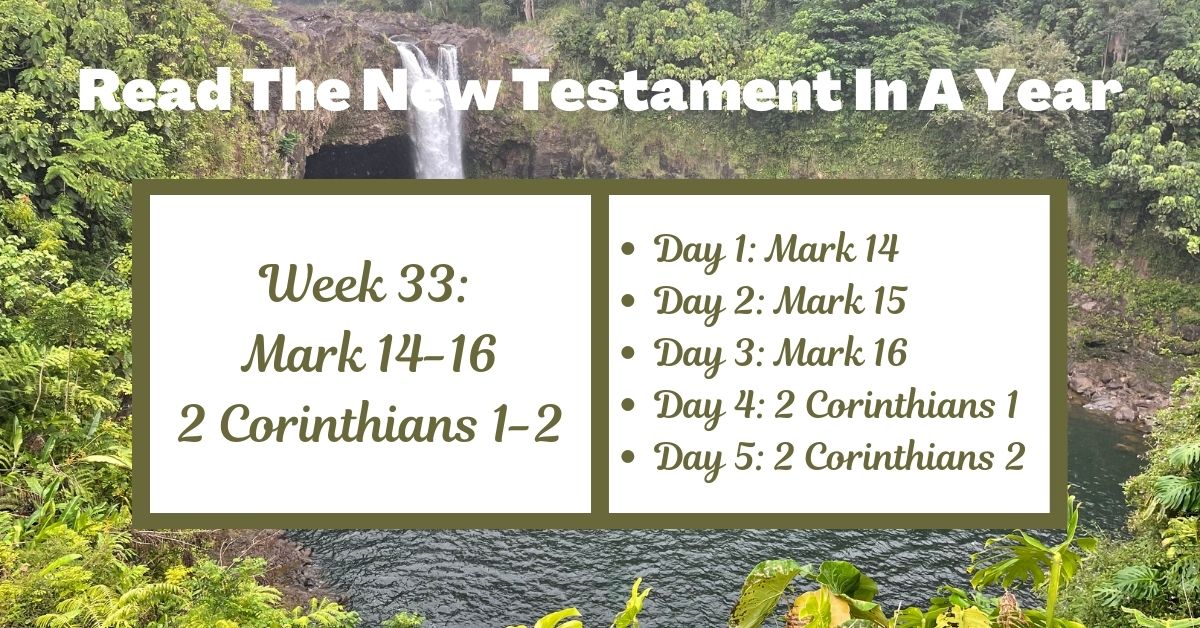
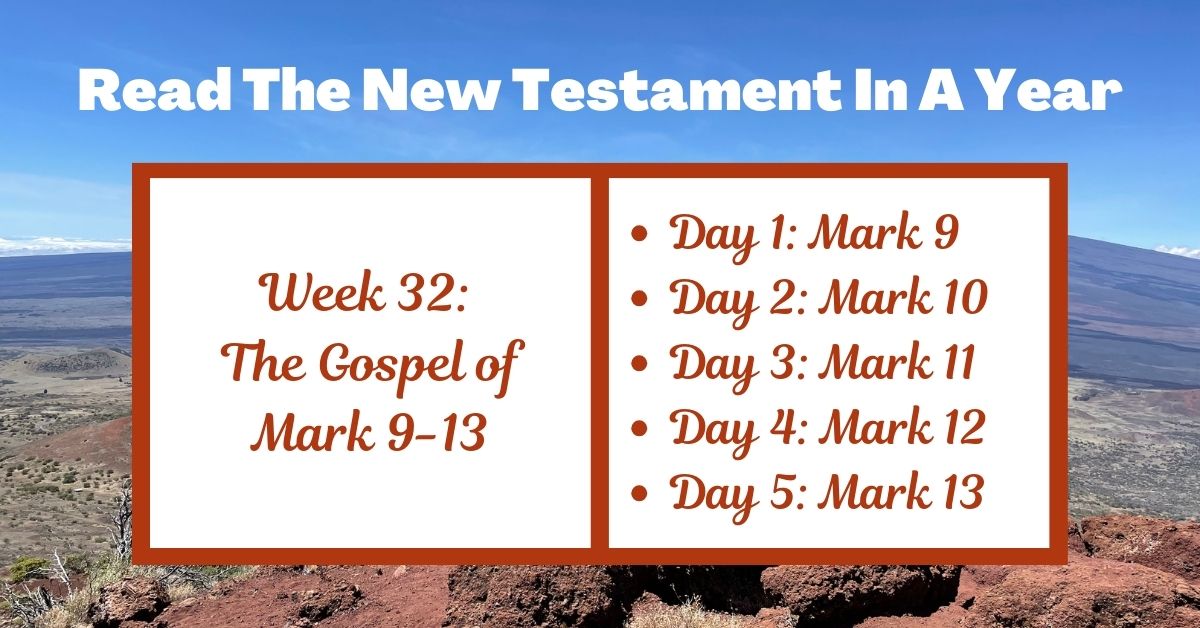
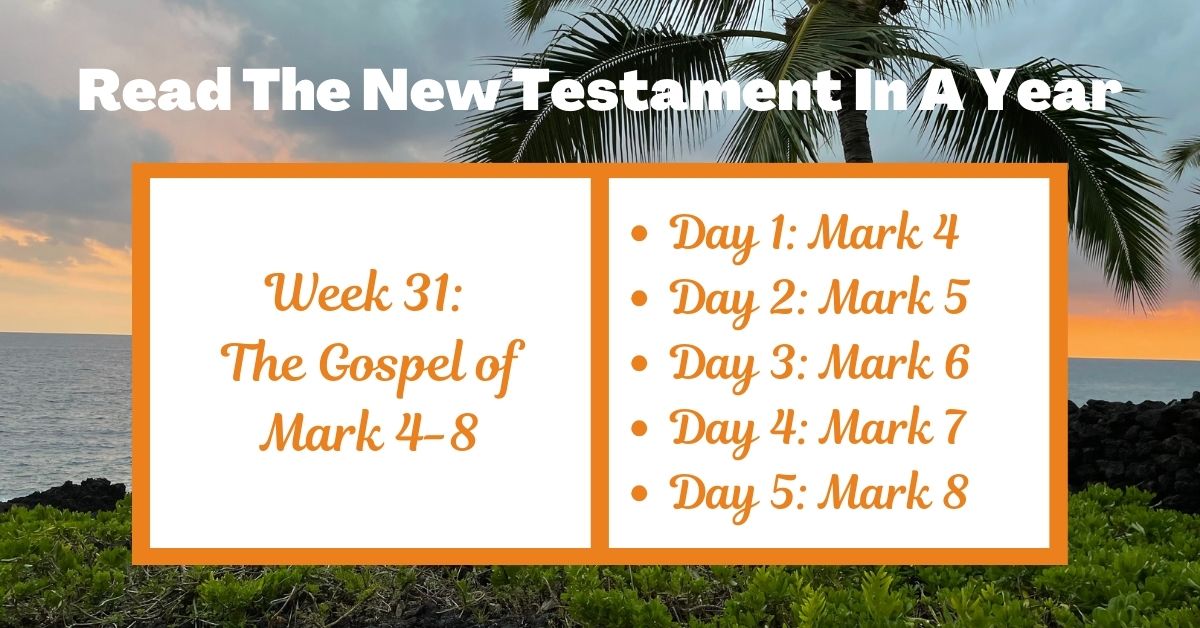
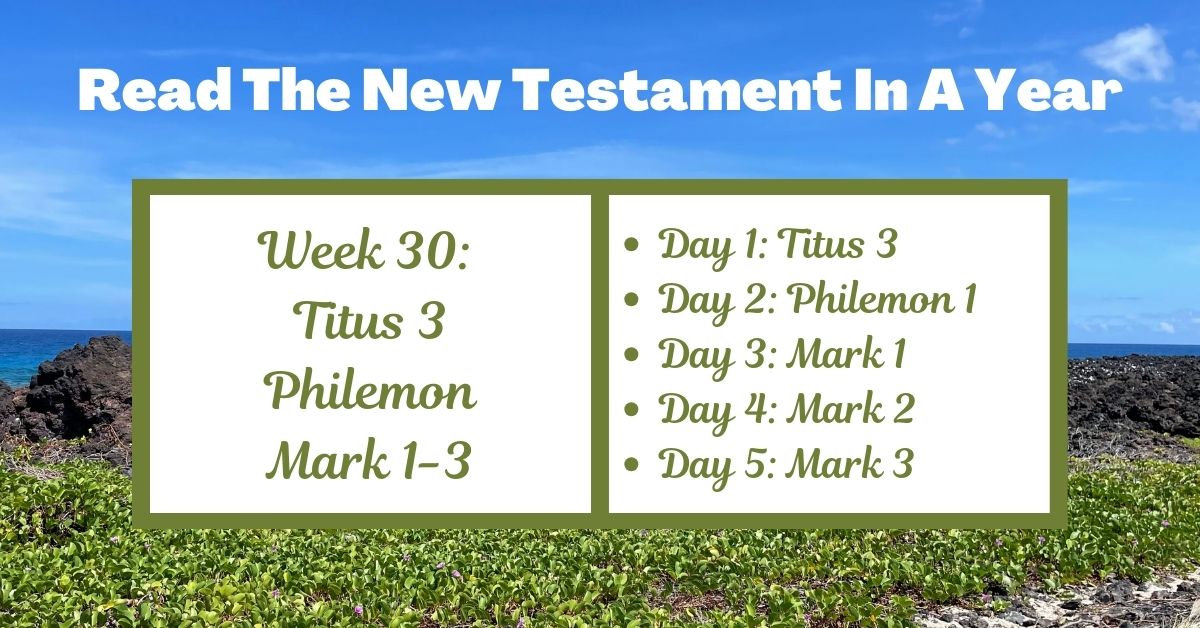
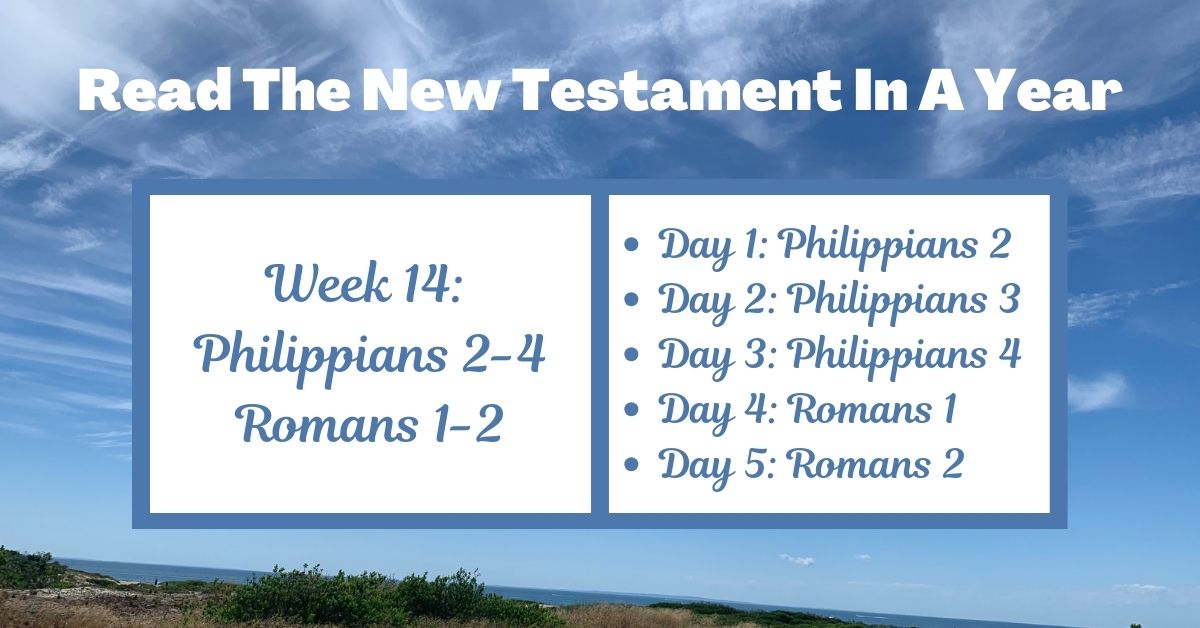
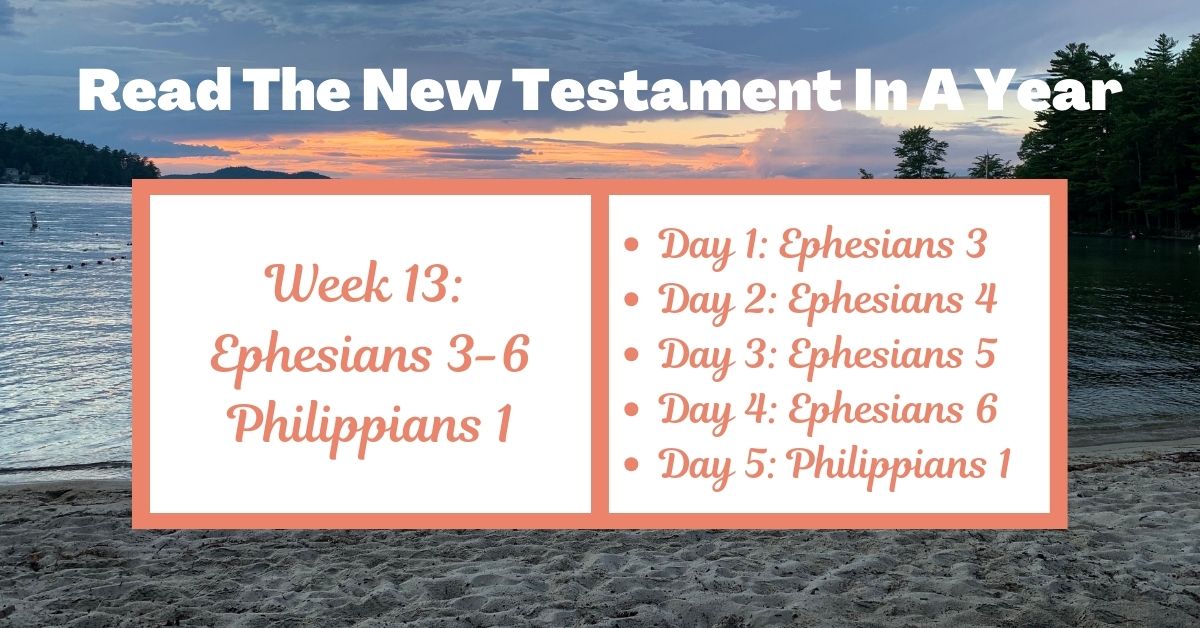
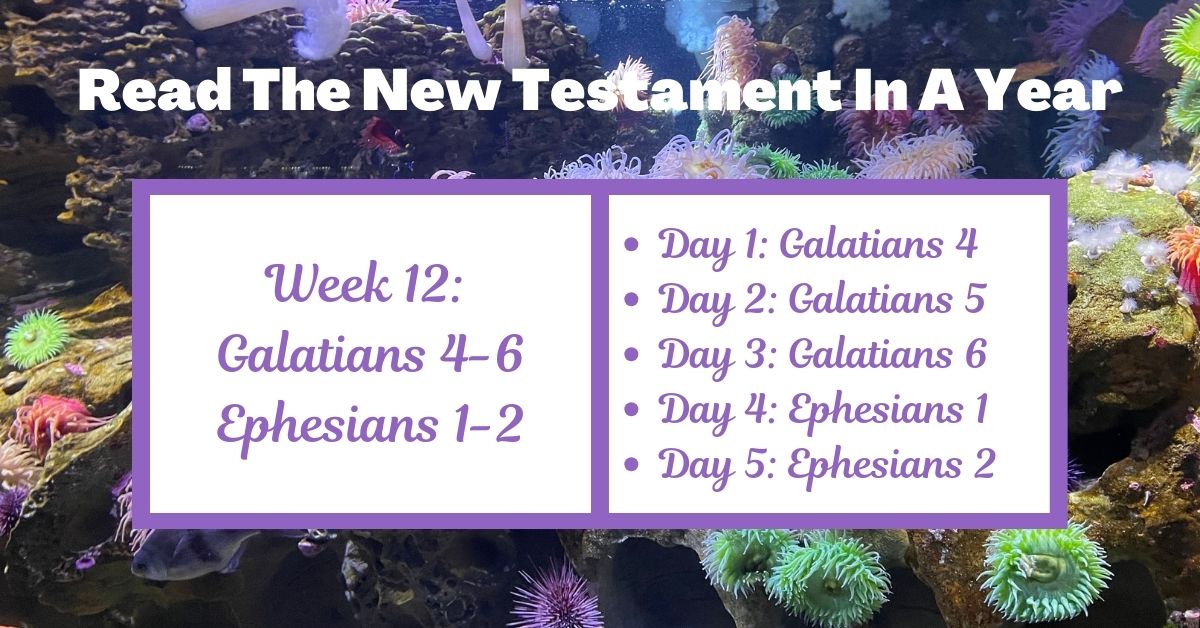
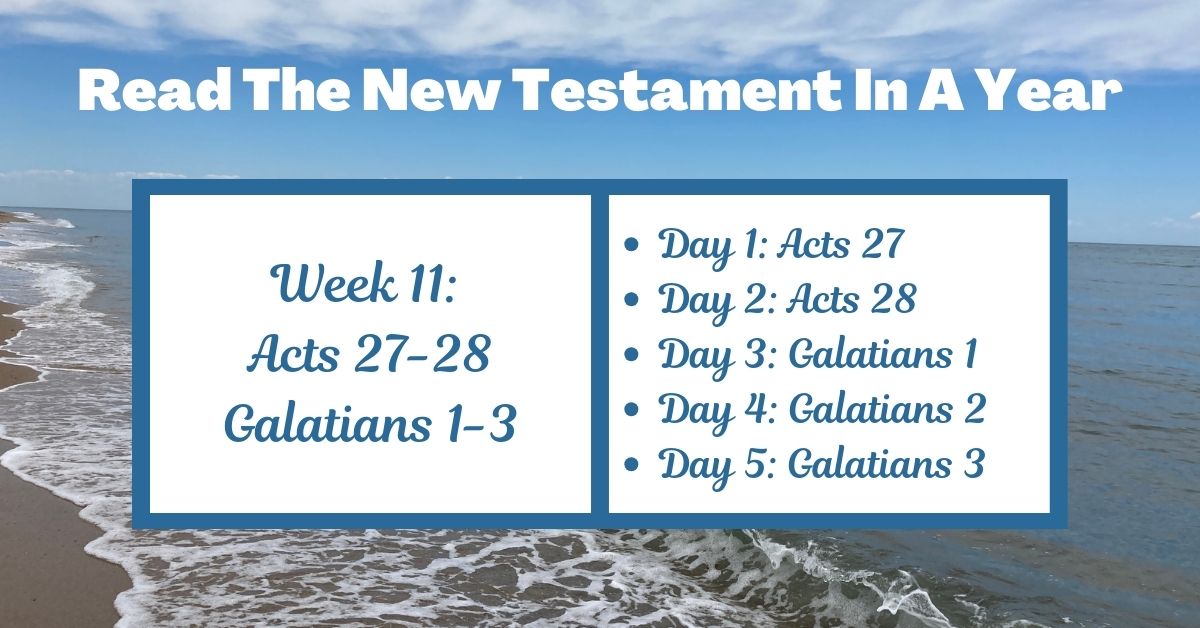
Visit the Joyful Moments in Christ homepage for all posts, or scroll through other blog posts related to reading the New Testament in a year:




English Standard Version (ESV): Unless otherwise noted, scripture quotations are from the ESV® Bible (The Holy Bible, English Standard Version®), © 2001 by Crossway, a publishing ministry of Good News Publishers. Used by permission. All rights reserved. The ESV text may not be quoted in any publication made available to the public by a Creative Commons license. The ESV may not be translated in whole or in part into any other language.



 Joyful Moments in Christ