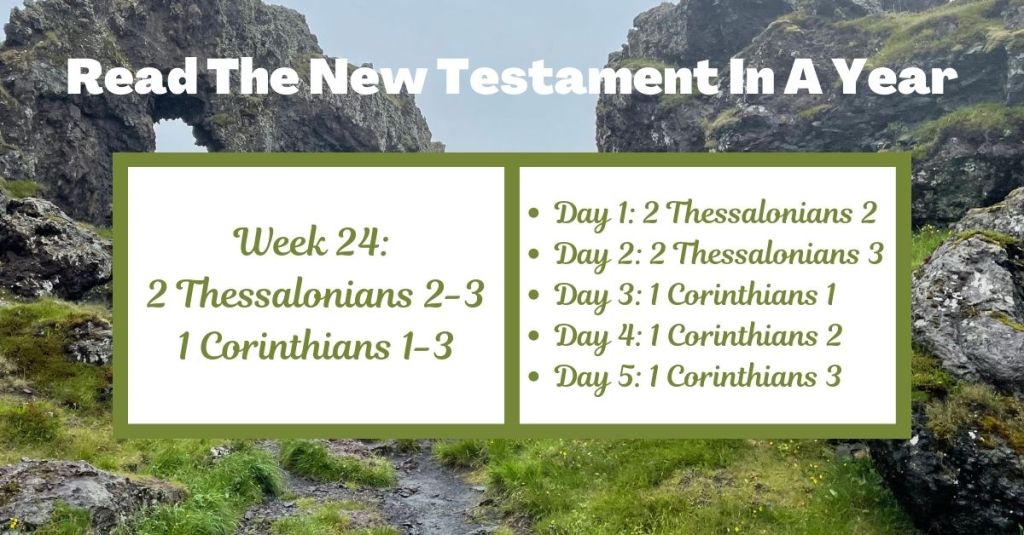
Week 24: Exploring 2 Thessalonians 2-3 and 1 Corinthians 1-3
In week 24 of our quest to read the New Testament in a year, we will explore Paul’s letters in 2 Thessalonians 2-3 and 1 Corinthians 1-3. This week’s readings guide us through Paul’s encouragement to the Thessalonian church to stand firm in the truth and work diligently while awaiting Christ’s return. He then addresses the Corinthian church, urging them to unite around Christ rather than dividing over human leaders and reminding them to rely on the wisdom of God and the Spirit. As we delve into these passages, we will see the importance of unity, spiritual wisdom, and building our faith on Christ as our true foundation.
2 Thessalonians 2
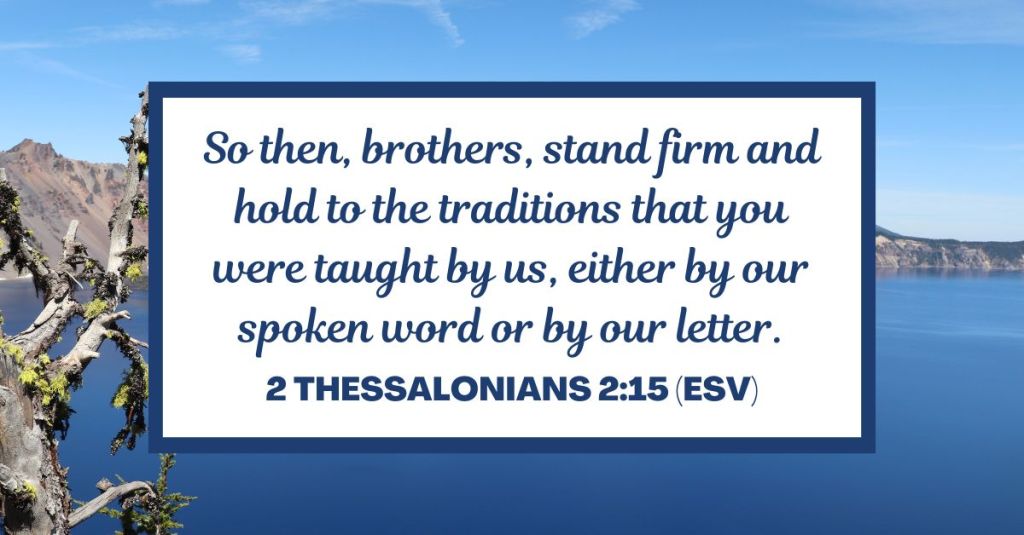
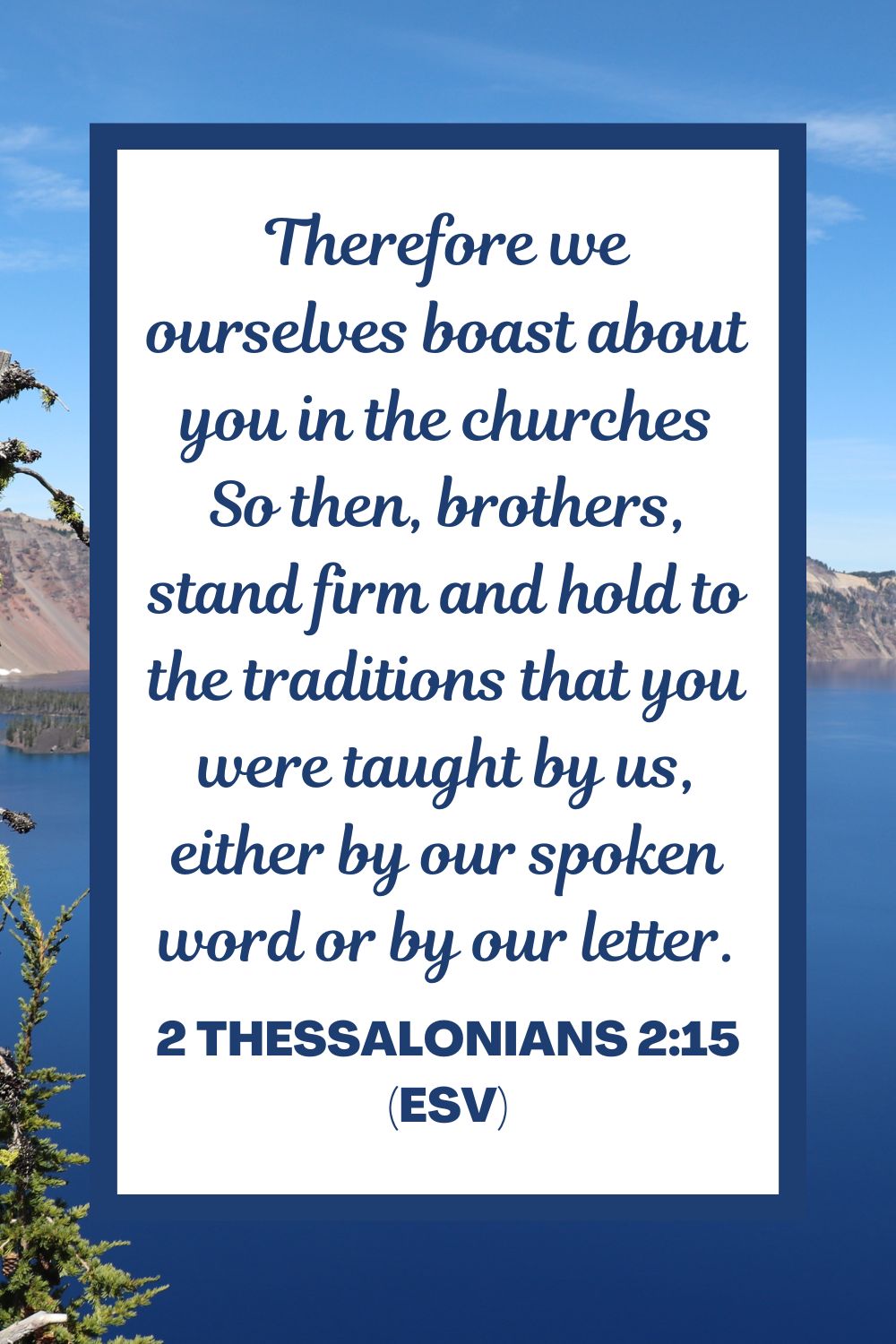
In 2 Thessalonians 2, Paul addresses concerns about the timing of Christ’s return, explaining that certain events must occur first. He encourages the Thessalonians to hold firmly to his teachings and avoid being deceived by false claims.
2 Thessalonians 3
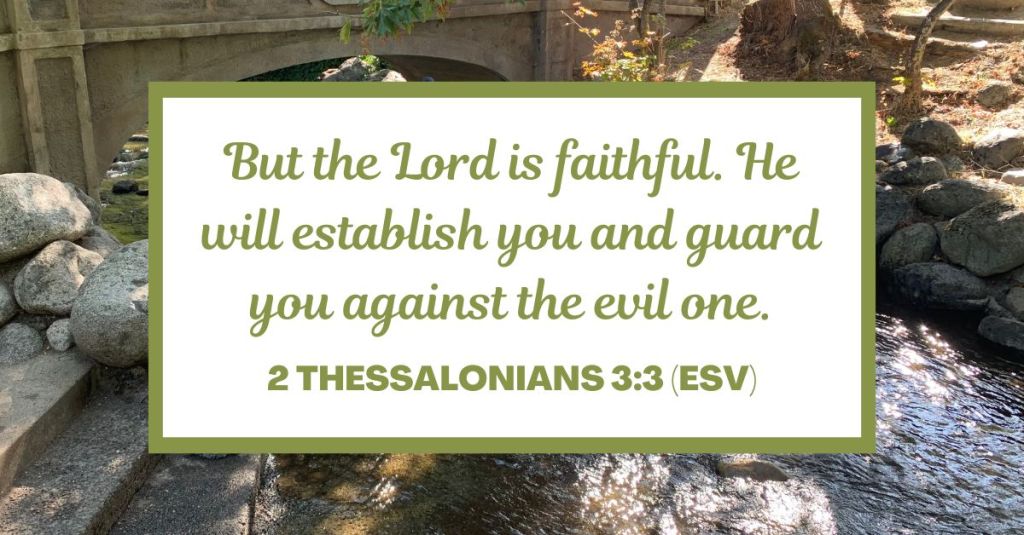
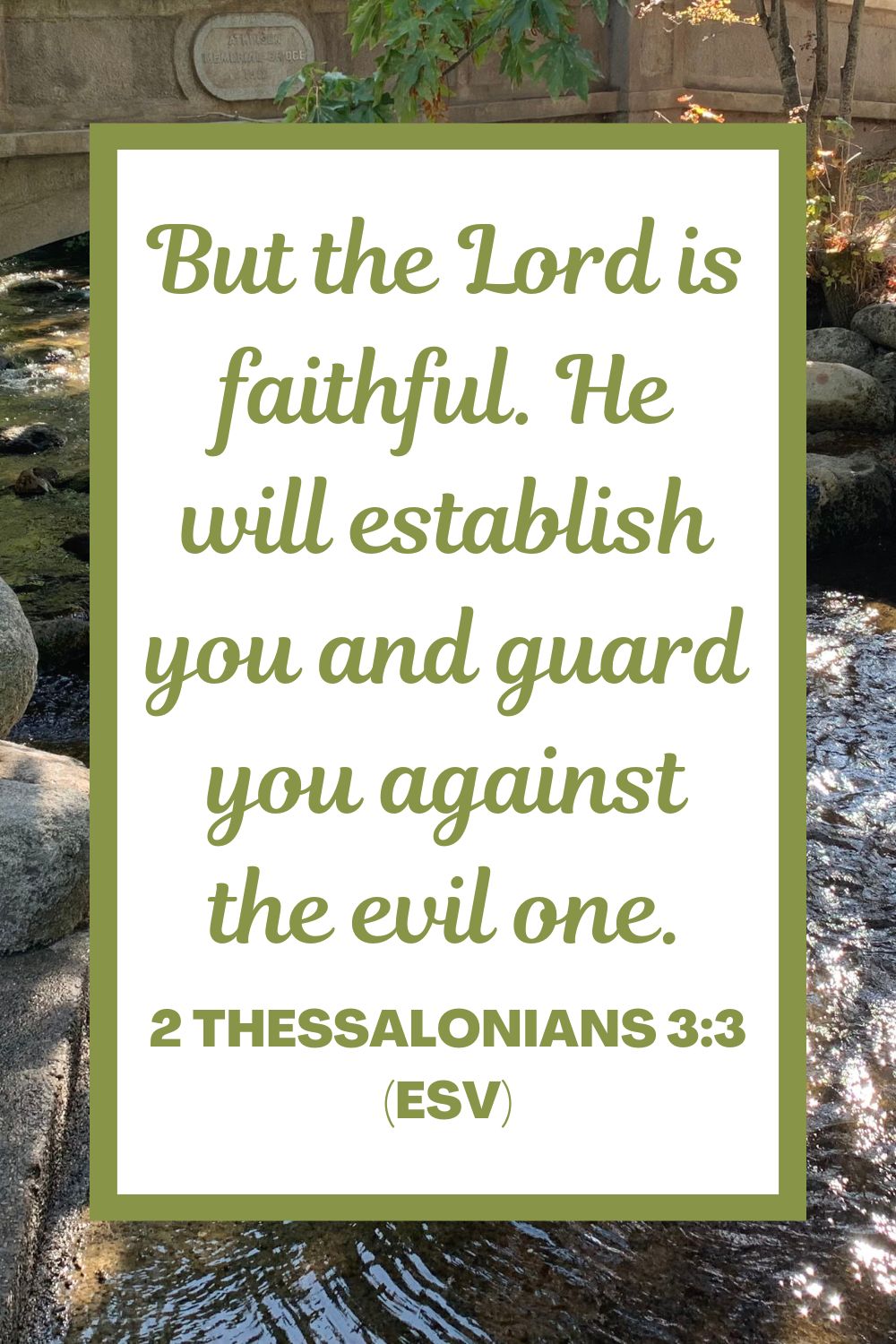
In 2 Thessalonians 3, Paul urges the Thessalonians to pray, avoid idleness, and work diligently to avoid burdening others. He advises against associating with those who refuse to follow these instructions, and he offers a final blessing of peace.
1 Corinthians 1
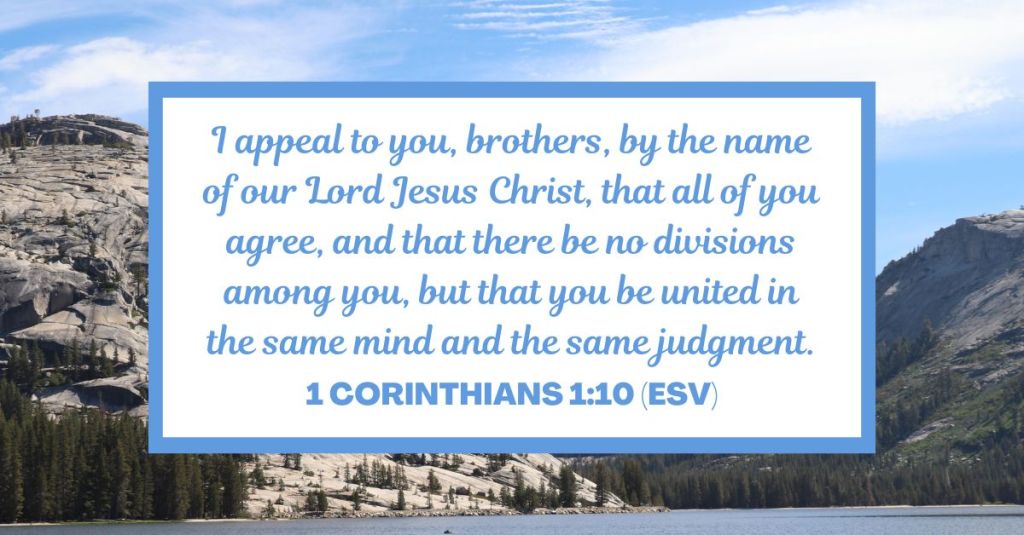
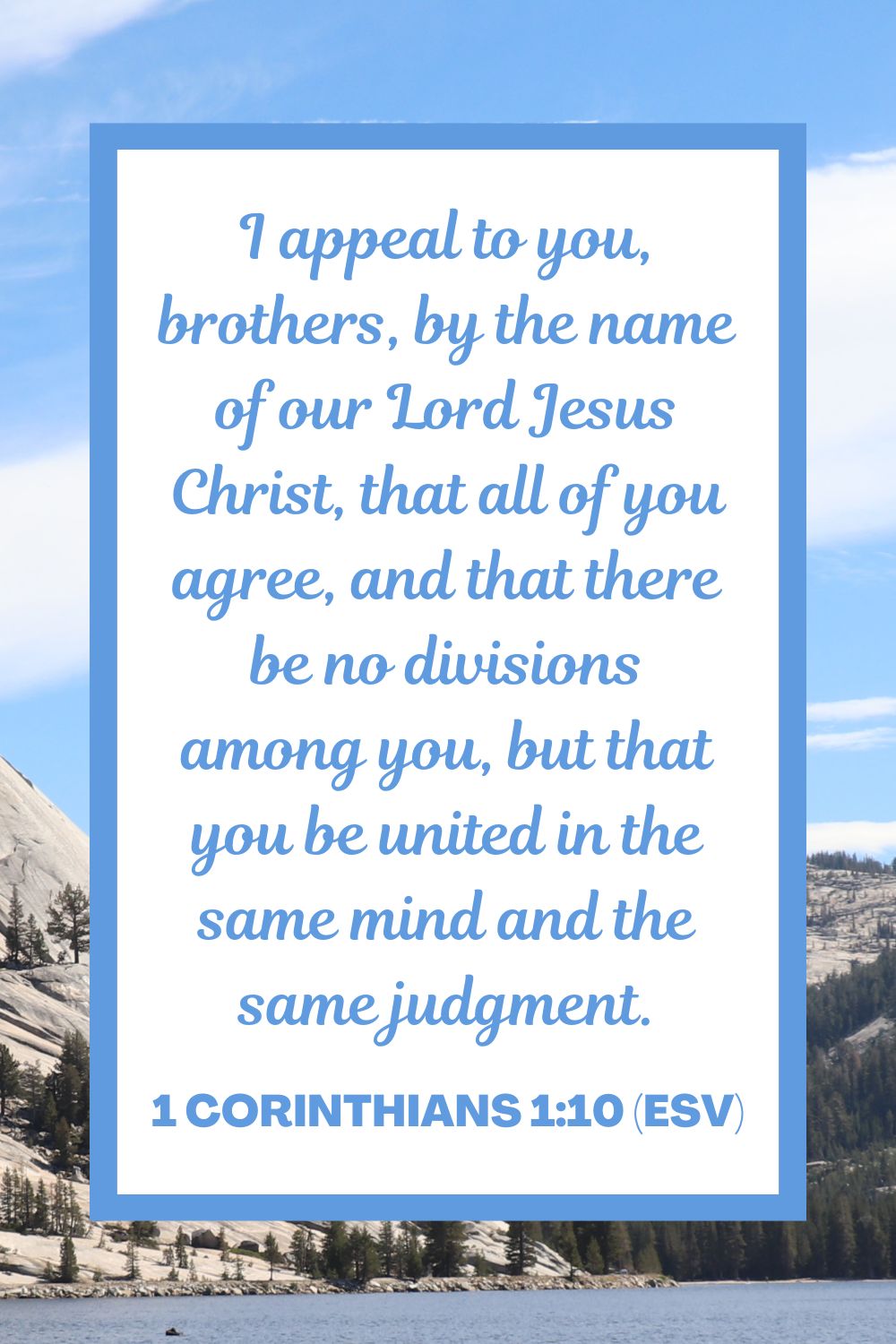
In 1 Corinthians 1, Paul opens his letter by addressing divisions within the Corinthian church, urging unity among believers and emphasizing the wisdom of Christ over human wisdom. He reminds them that God often uses what seems foolish to the world to reveal His wisdom and power.
1 Corinthians 2
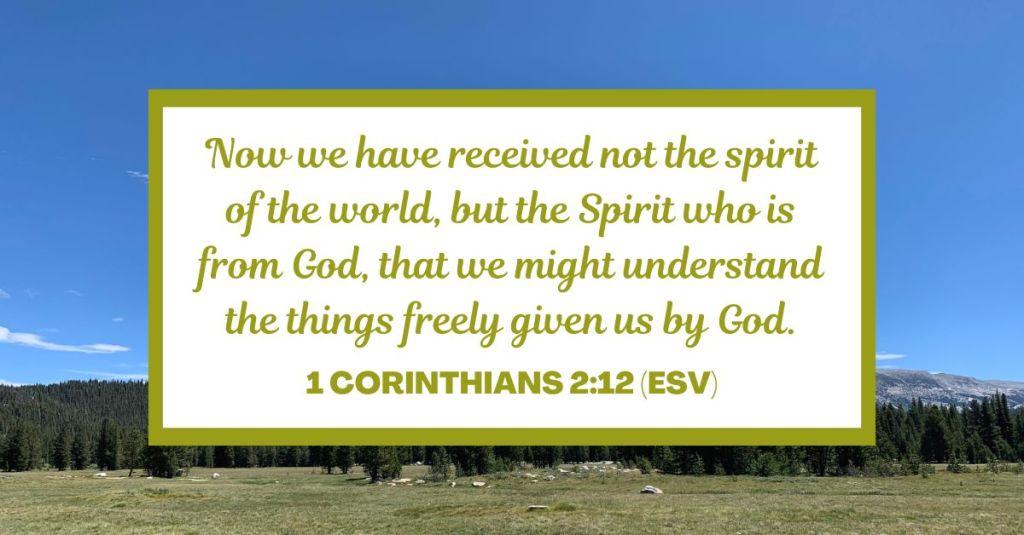
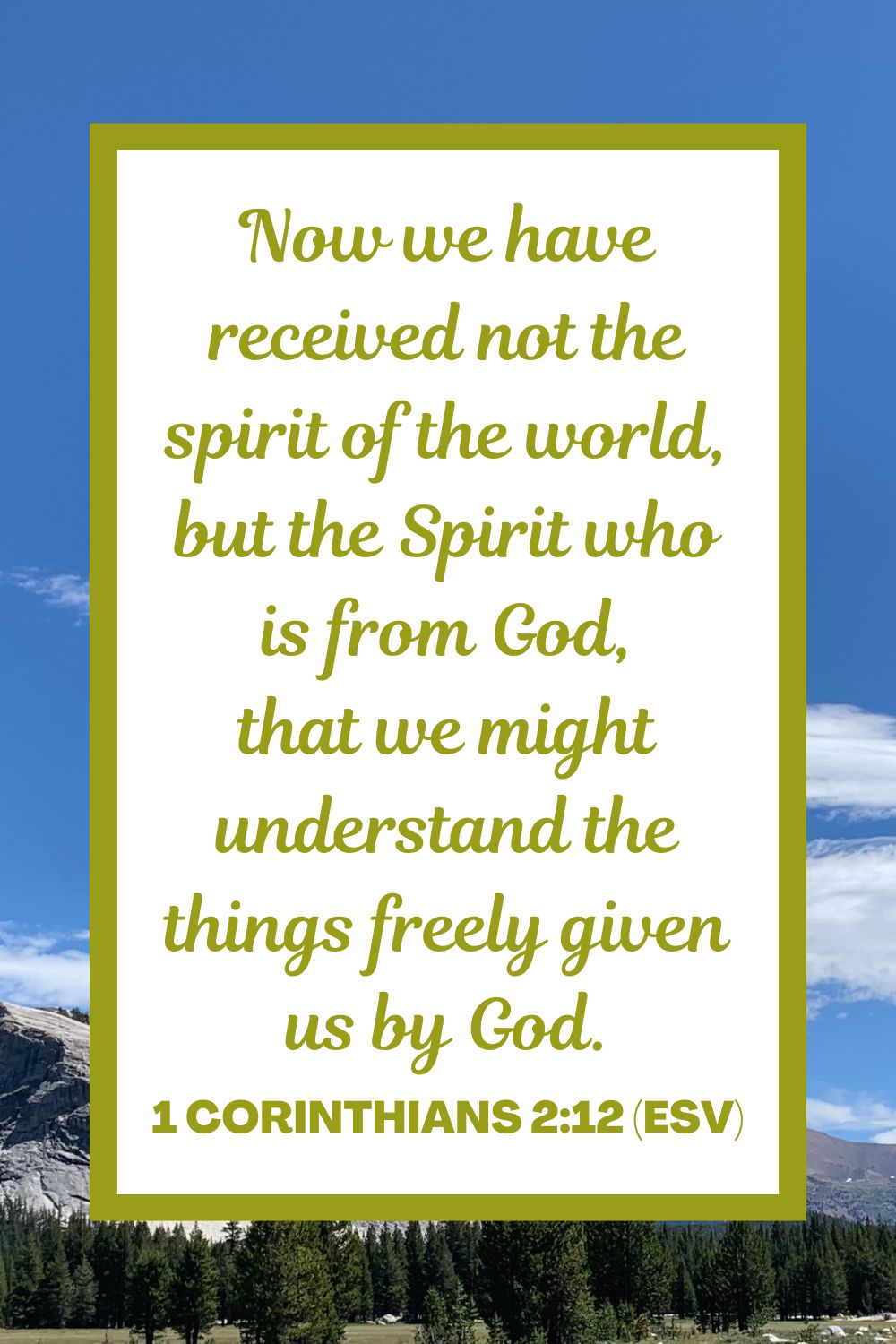
In 1 Corinthians 2, Paul emphasizes that his teaching relies not on human wisdom but on the Spirit’s power, which reveals God’s wisdom. He contrasts spiritual wisdom with worldly knowledge, showing that only through the Spirit can believers understand God’s truth.
1 Corinthians 3
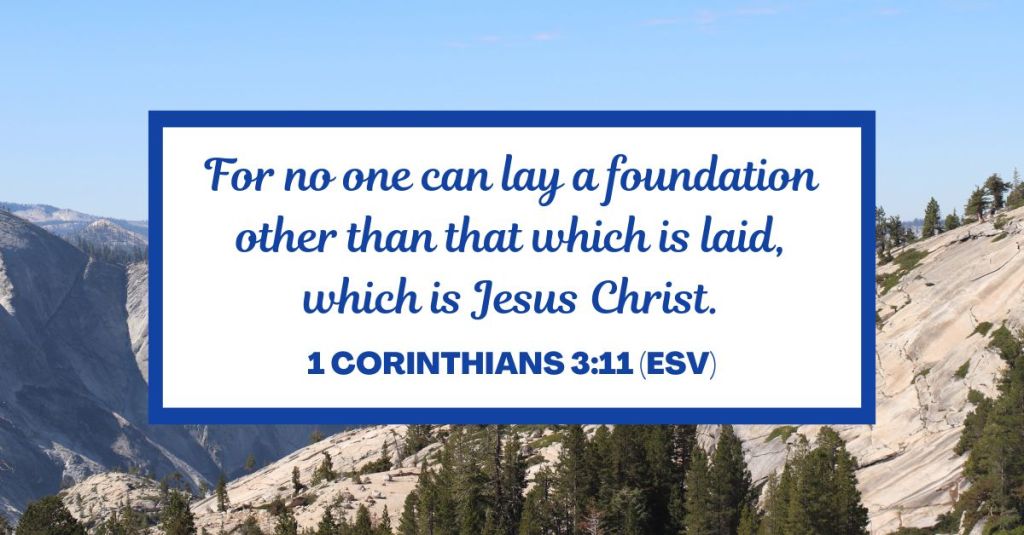
In 1 Corinthians 3, Paul addresses the immaturity of the Corinthians, who are divided over church leaders. He teaches that both leaders and believers are part of God’s work and should focus on Christ as the foundation of the church, rather than glorifying individual leaders.
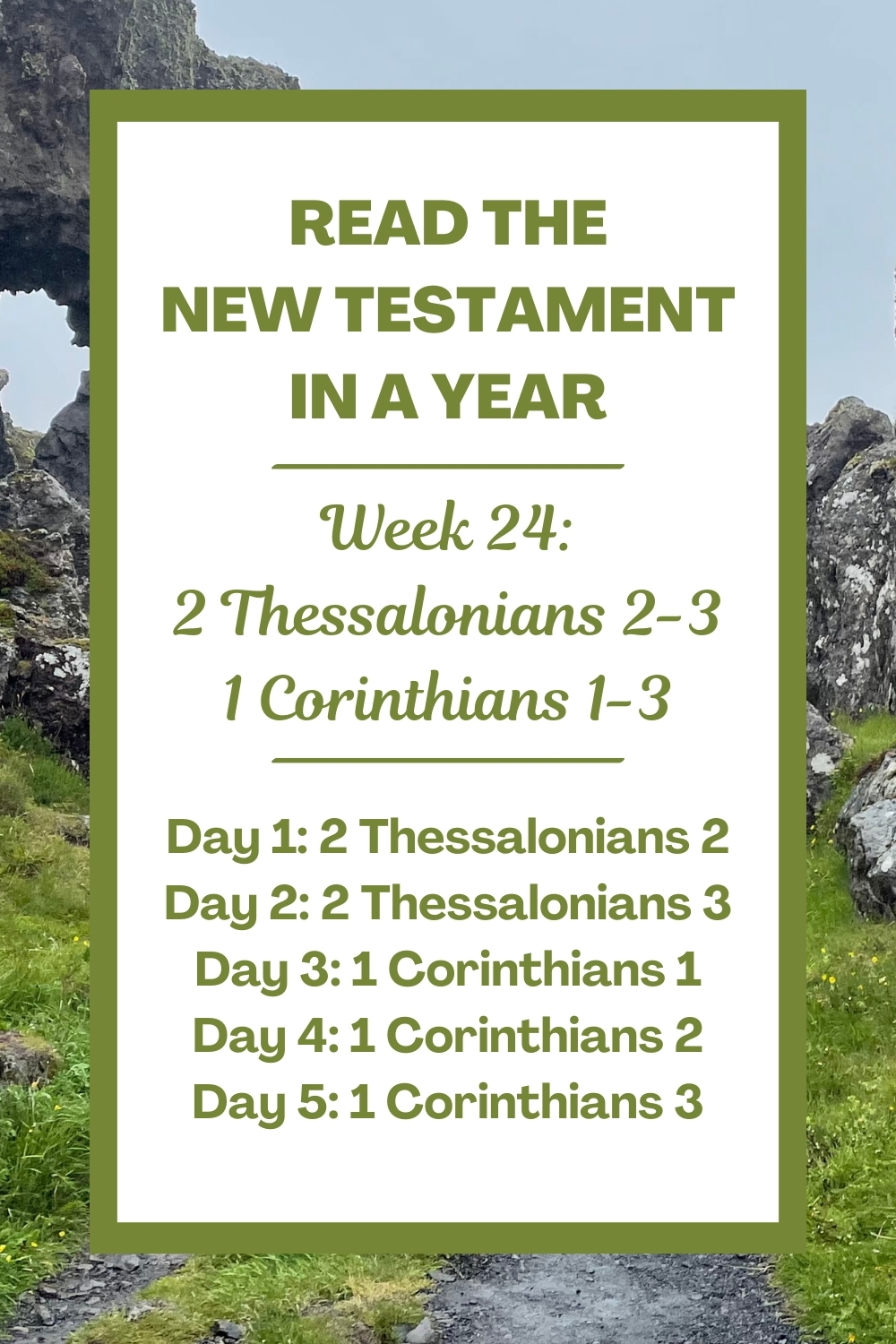
Week 24: New Testament Reading Assignment
Each week, we will read 5 chapters of the New Testament. Some people may prefer to read during the weekdays, while others might enjoy doing most of their reading on the weekends. Choose the method that works best for you!
- Day 1: 2 Thessalonians 2
- Day 2: 2 Thessalonians 3
- Day 3: 1 Corinthians 1
- Day 4: 1 Corinthians 2
- Day 5: 1 Corinthians 3
Printable Resource:
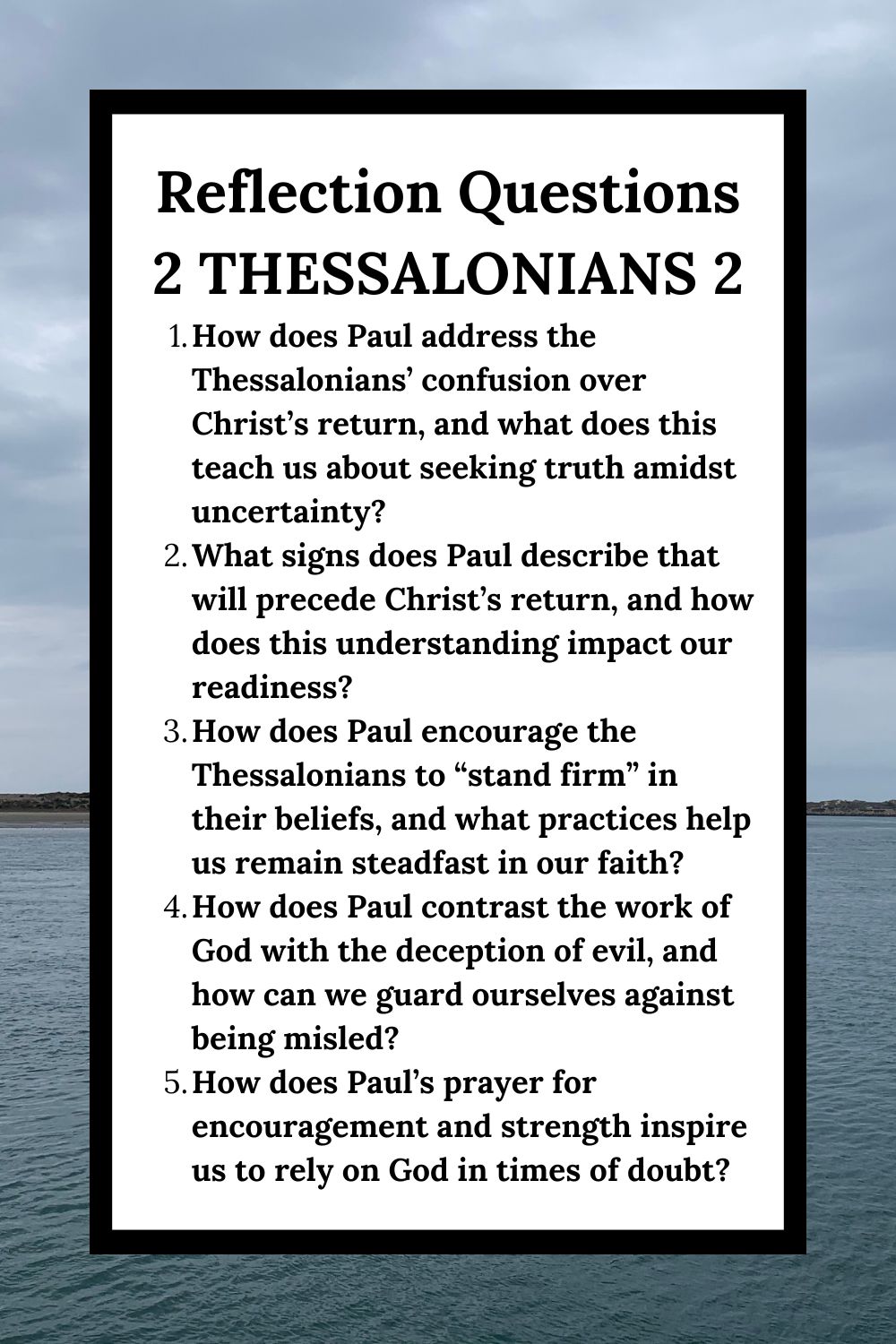
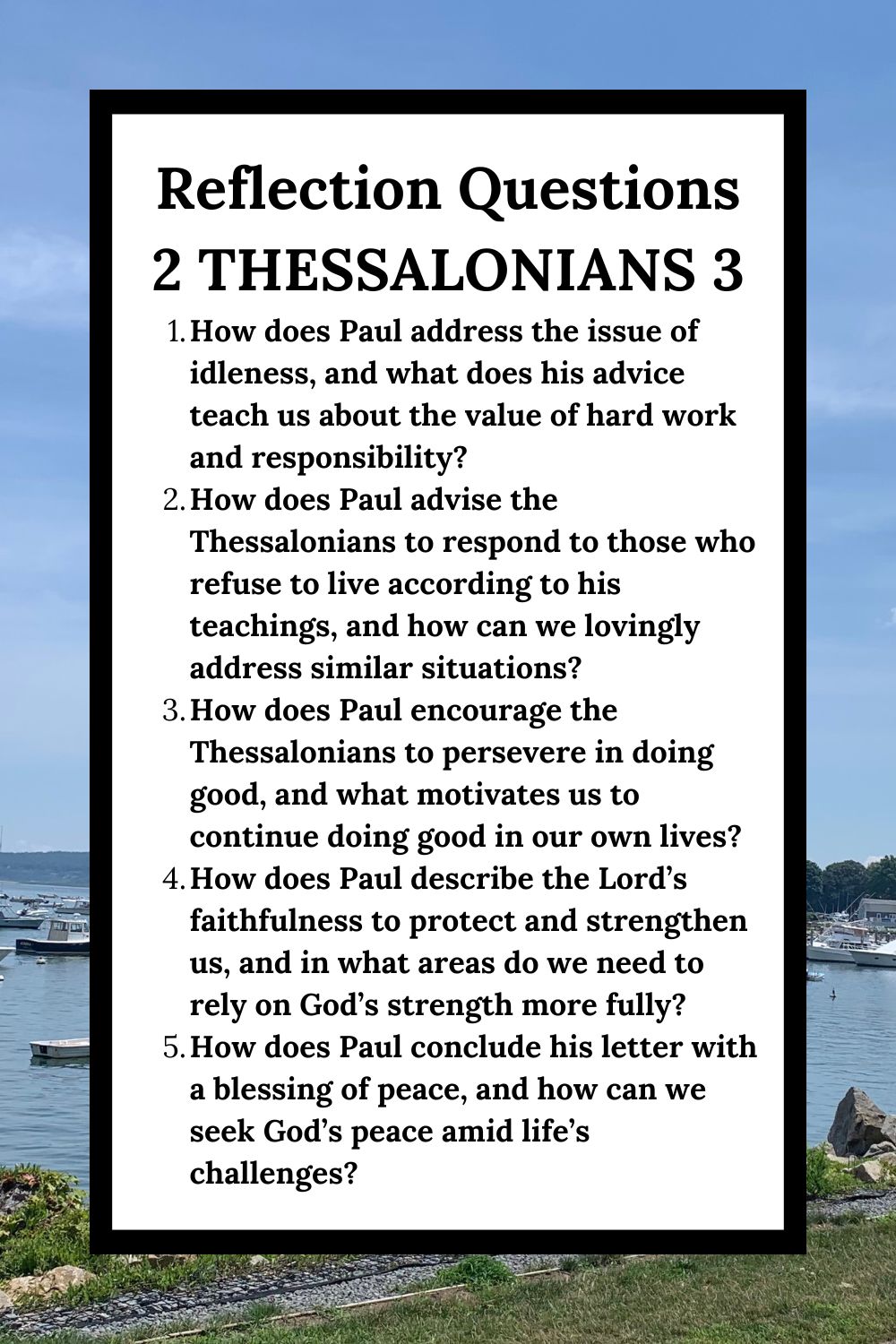
Week 24: Reflection Questions for 2 Thessalonians 2-3 and 1 Corinthians 1-3
Consider the following reflection questions:
2 Thessalonians 2: Standing Firm in Truth
- How does Paul address the Thessalonians’ confusion over Christ’s return, and what does this teach us about seeking truth amidst uncertainty?
- What signs does Paul describe that will precede Christ’s return, and how does this understanding impact our readiness?
- How does Paul encourage the Thessalonians to “stand firm” in their beliefs, and what practices help us remain steadfast in our faith?
- How does Paul contrast the work of God with the deception of evil, and how can we guard ourselves against being misled?
- How does Paul’s prayer for encouragement and strength inspire us to rely on God in times of doubt?
2 Thessalonians 3: Working Diligently and Living Faithfully
- How does Paul address the issue of idleness, and what does his advice teach us about the value of hard work and responsibility?
- How does Paul advise the Thessalonians to respond to those who refuse to live according to his teachings, and how can we lovingly address similar situations?
- How does Paul encourage the Thessalonians to persevere in doing good, and what motivates us to continue doing good in our own lives?
- How does Paul describe the Lord’s faithfulness to protect and strengthen us, and in what areas do we need to rely on God’s strength more fully?
- How does Paul conclude his letter with a blessing of peace, and how can we seek God’s peace amid life’s challenges?
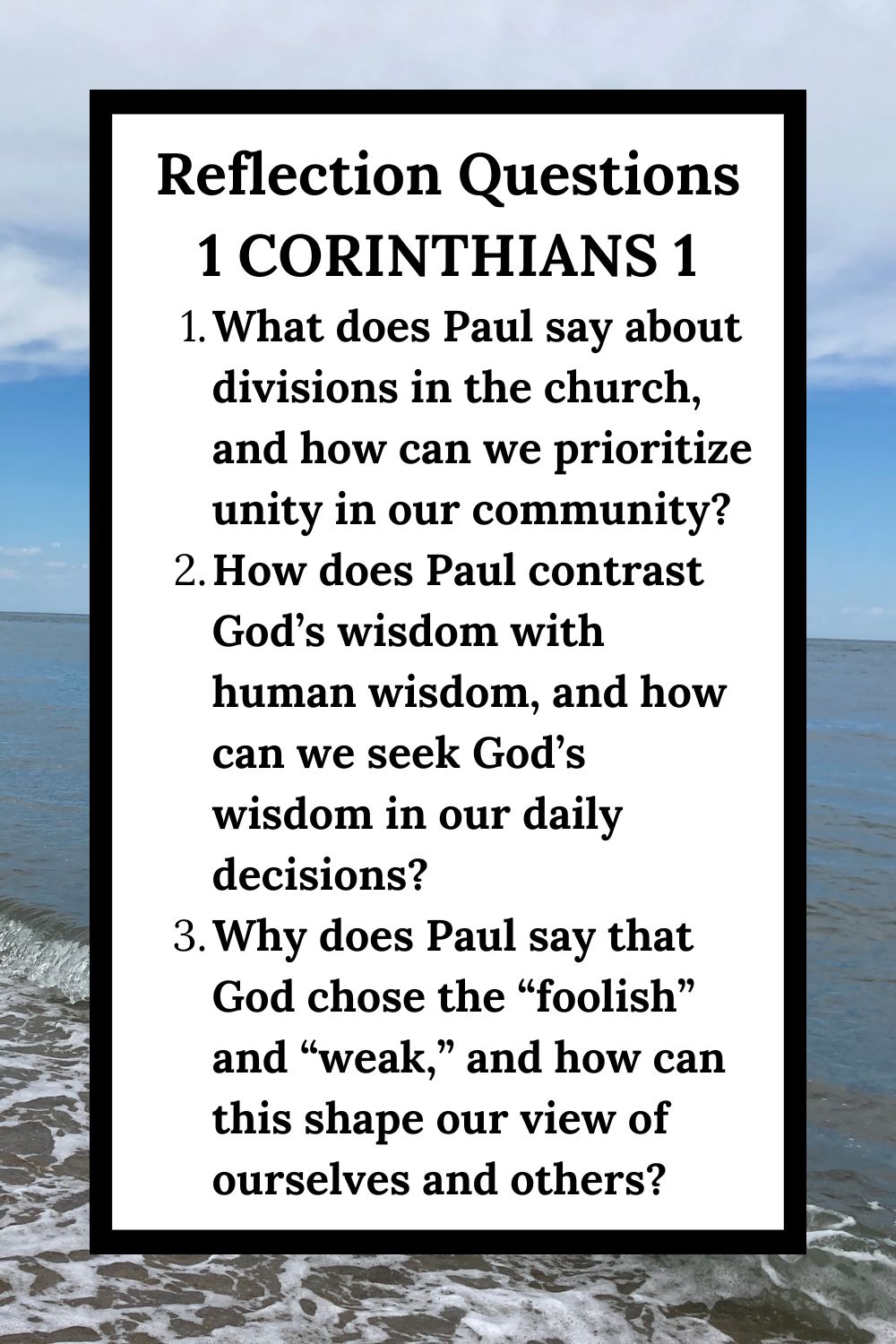
1 Corinthians 1: Divisions and the Wisdom of God
- What does Paul say about divisions in the church, and how can we prioritize unity in our community?
- How does Paul contrast God’s wisdom with human wisdom, and how can we seek God’s wisdom in our daily decisions?
- Why does Paul say that God chose the “foolish” and “weak,” and how can this shape our view of ourselves and others?
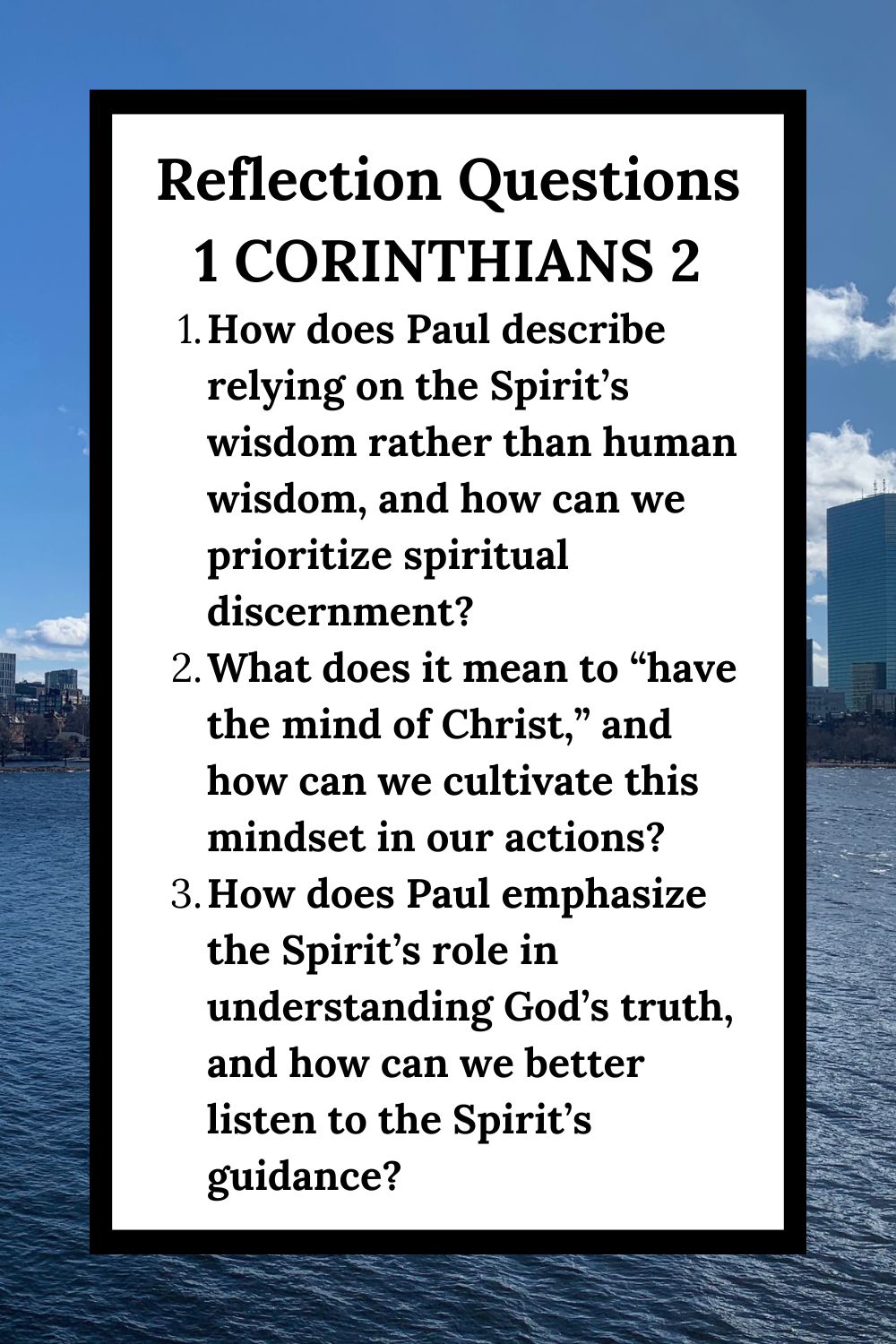
1 Corinthians 2: Wisdom from the Spirit
- How does Paul describe relying on the Spirit’s wisdom rather than human wisdom, and how can we prioritize spiritual discernment?
- What does it mean to “have the mind of Christ,” and how can we cultivate this mindset in our actions?
- How does Paul emphasize the Spirit’s role in understanding God’s truth, and how can we better listen to the Spirit’s guidance?
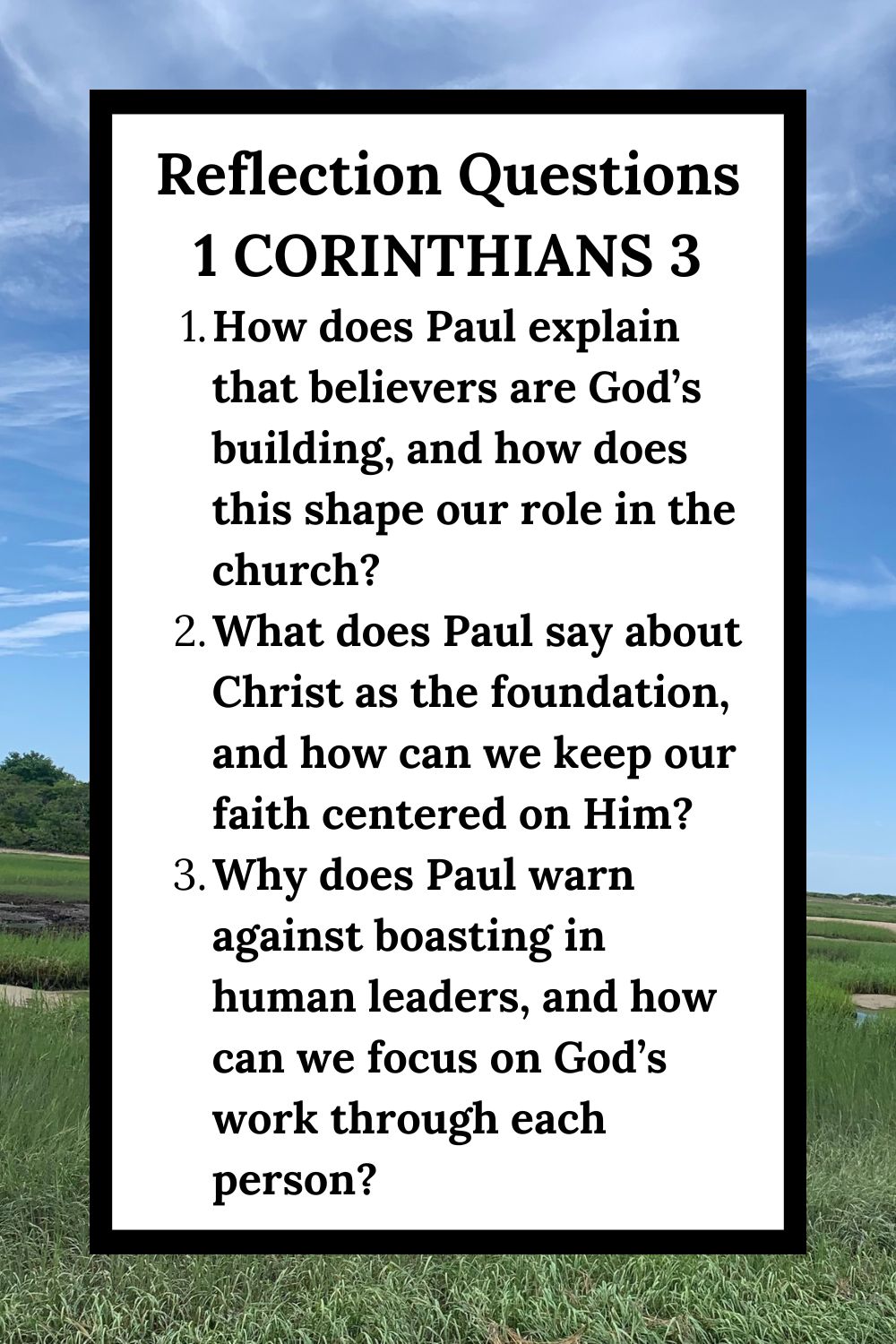
1 Corinthians 3: Building on the Foundation of Christ
- How does Paul explain that believers are God’s building, and how does this shape our role in the church?
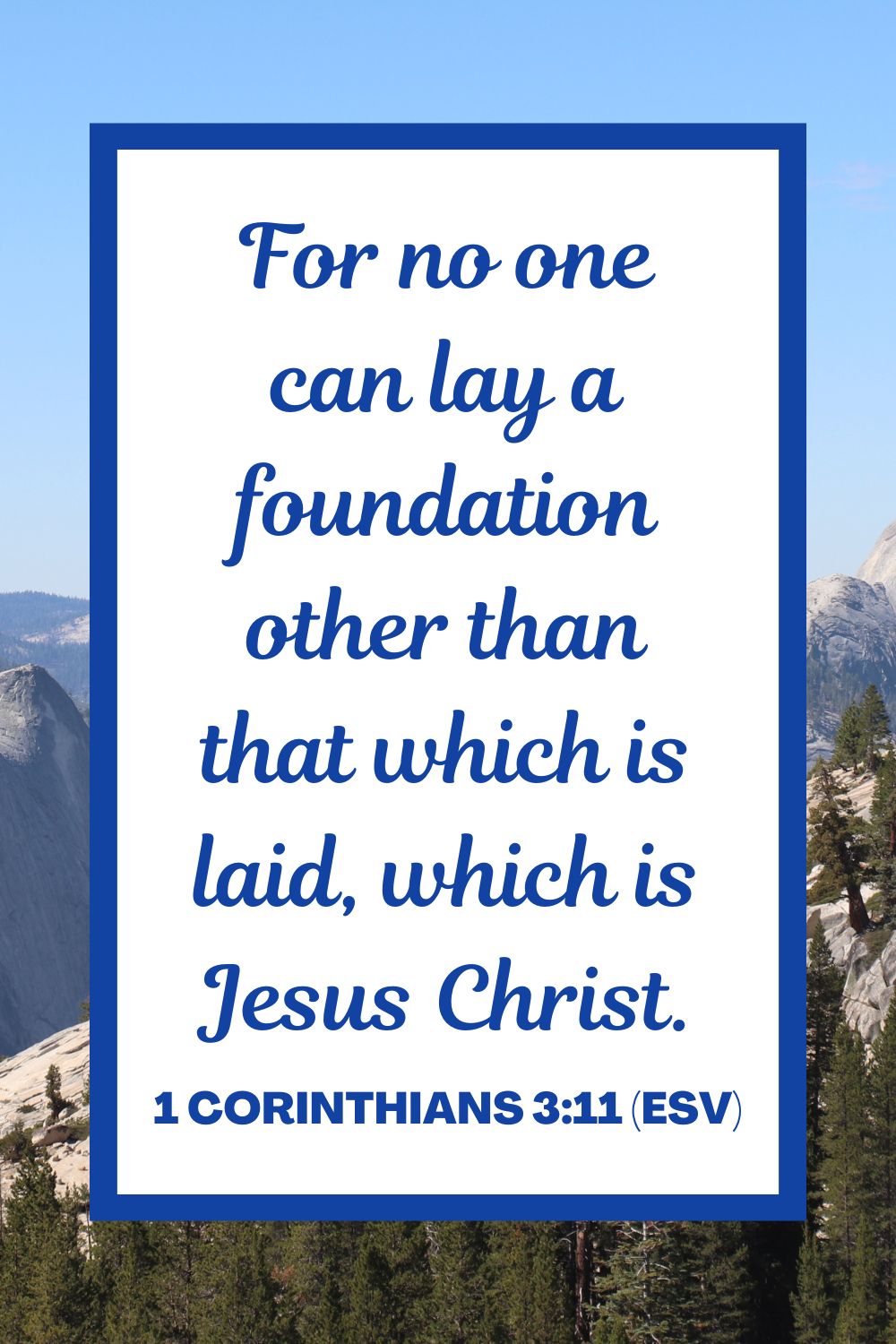
- What does Paul say about Christ as the foundation, and how can we keep our faith centered on Him?
- Why does Paul warn against boasting in human leaders, and how can we focus on God’s work through each person?
Reflective Prayer
Choose a few verses or topics from these chapters and pray over them. Consider using the ACTS method — Adoration, Confession, Thankfulness, Supplication:
- Adoration: Praise God. What specific characteristics of God do these readings bring to mind?
- Confession: Tell God that you are sorry for specific sins. What specific sins do these readings bring to mind?
- Thankfulness: Show gratitude towards God. What in these readings inspires gratitude?
- Supplication: Make requests for yourself and for others. What in these readings inspires a prayer?
If helpful, you can use a prayer journal template.
Other Reading Plans
Online Resources
Subscribe
If you enjoyed this post and wish to receive more Christian content, feel free to subscribe to my newsletters!
Related Resources
Visit the Joyful Moments in Christ homepage for all posts, or scroll through other blog posts related to reading the New Testament in a year:




English Standard Version (ESV): Unless otherwise noted, scripture quotations are from the ESV® Bible (The Holy Bible, English Standard Version®), © 2001 by Crossway, a publishing ministry of Good News Publishers. Used by permission. All rights reserved. The ESV text may not be quoted in any publication made available to the public by a Creative Commons license. The ESV may not be translated in whole or in part into any other language.
 Joyful Moments in Christ