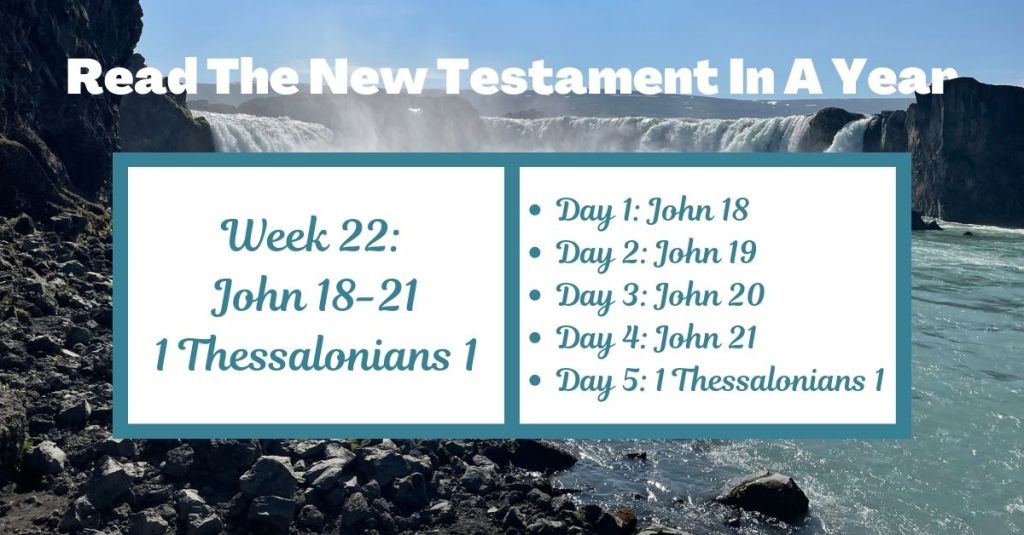
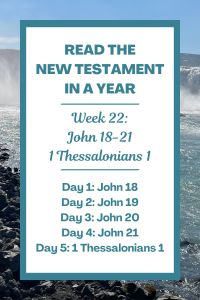
Week 22: Exploring John 18-21 and 1 Thessalonians 1
In week 22 of our 1-year New Testament reading adventure, we will explore the climactic events of John’s Gospel, including the arrest, crucifixion, and resurrection of Jesus, as well as His post-resurrection appearances and the reinstatement of Peter. These chapters underscore the profound sacrifice of Jesus, the reality of His resurrection, and His continued mission for His followers.
Additionally, we will begin our study of 1 Thessalonians, which offers insights into the early church’s faith and practices. This week’s readings invite us to reflect on the transformative power of Jesus’ sacrifice and resurrection, as well as the implications of living a life of faith and dedication.
John 18
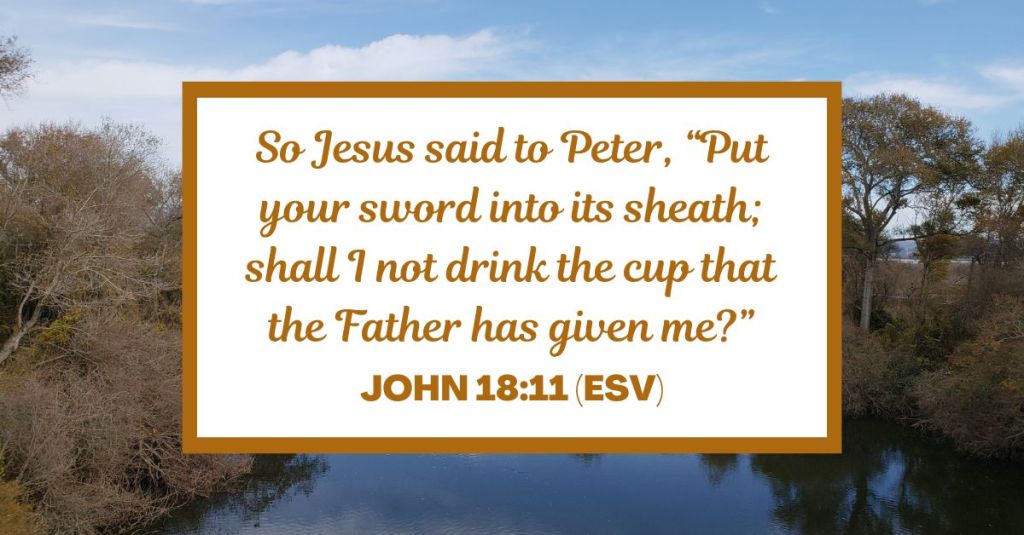
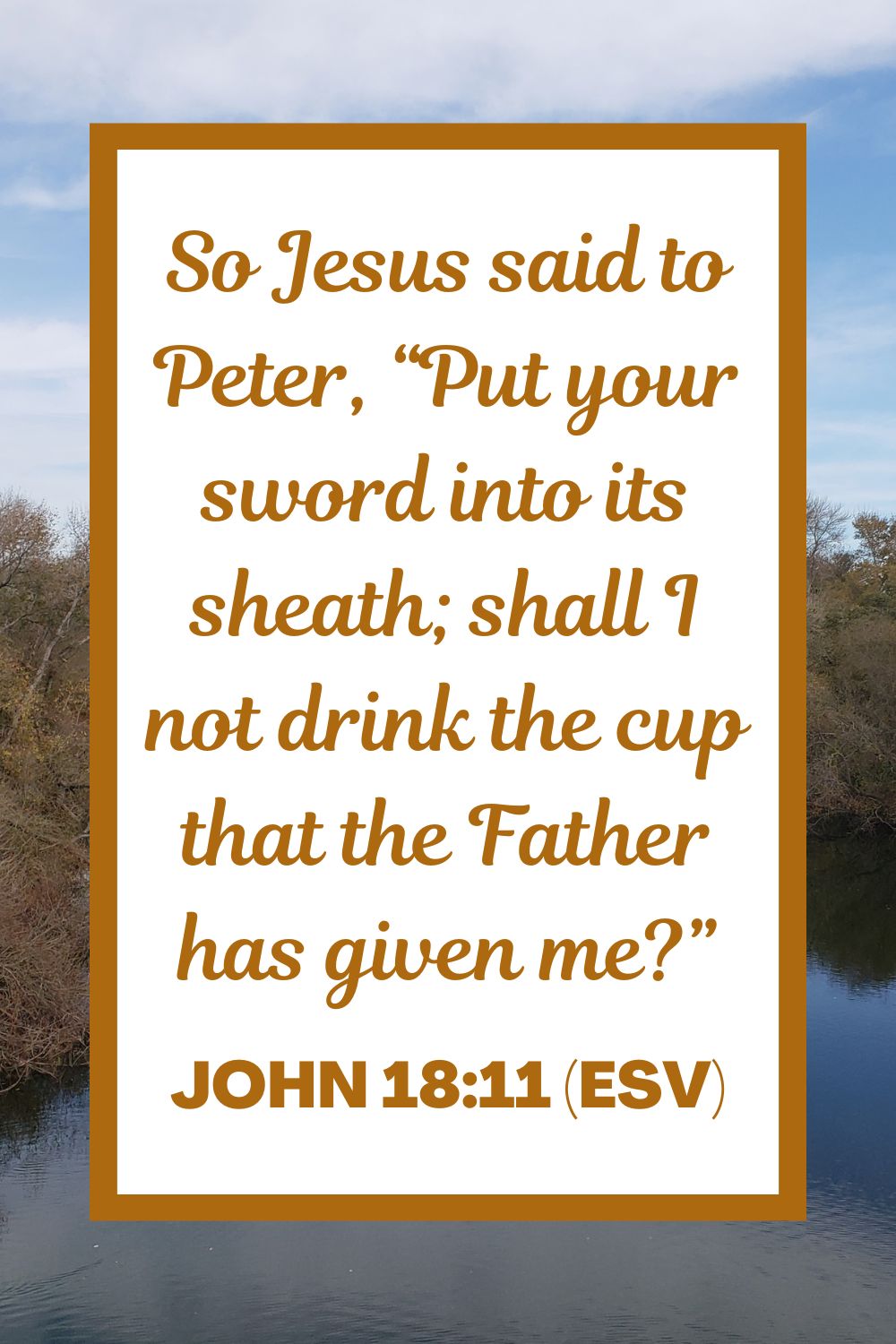
In John 18, Jesus is arrested in the Garden of Gethsemane, undergoes a series of trials before Jewish and Roman authorities, and Peter denies Him three times. The chapter highlights the fulfillment of Jesus’ predictions and the beginning of His suffering.
John 19
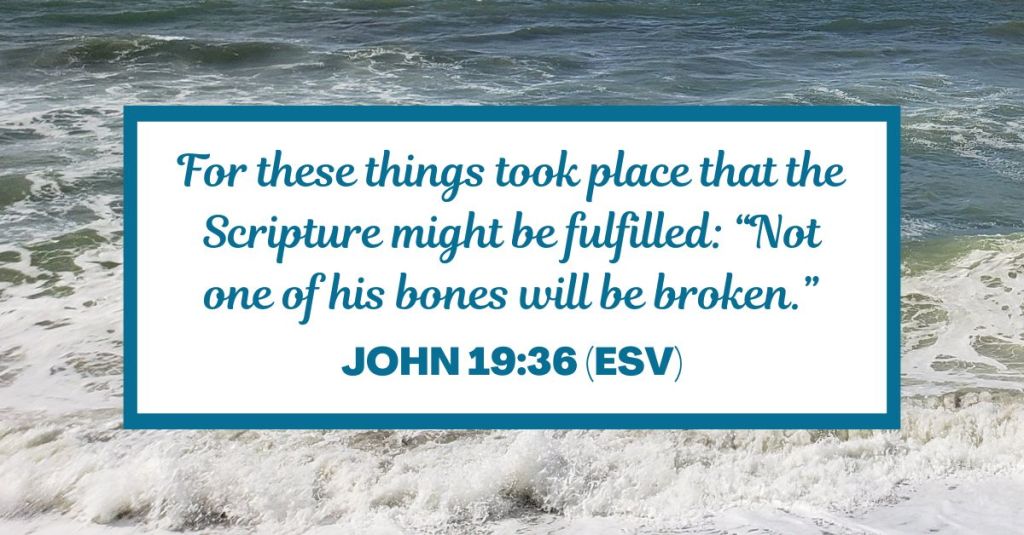
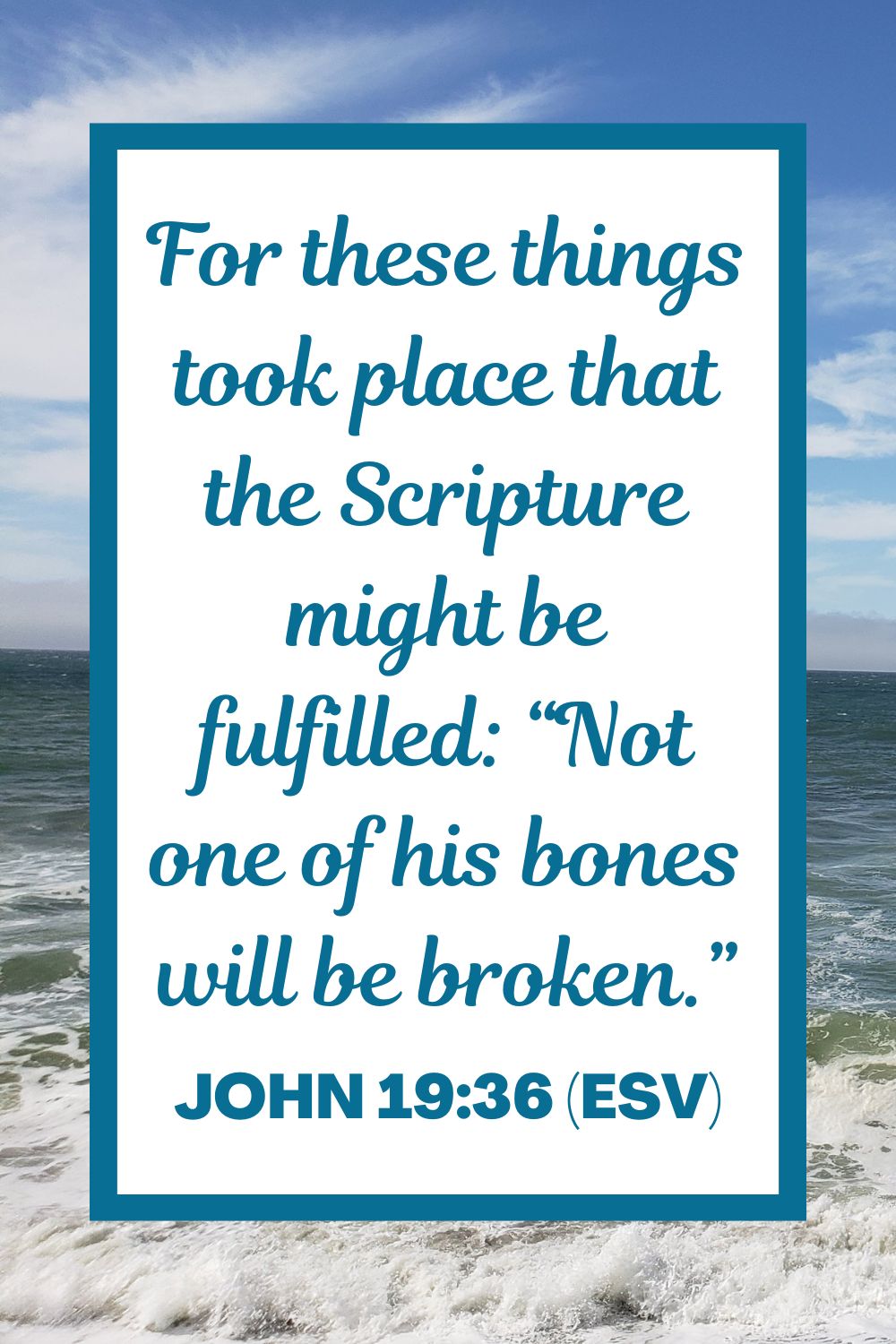
In John 19, Jesus is crucified, and His death is marked by the fulfillment of Old Testament prophecies. His side is pierced to confirm His death, and He is buried in a tomb provided by Joseph of Arimathea.
John 20
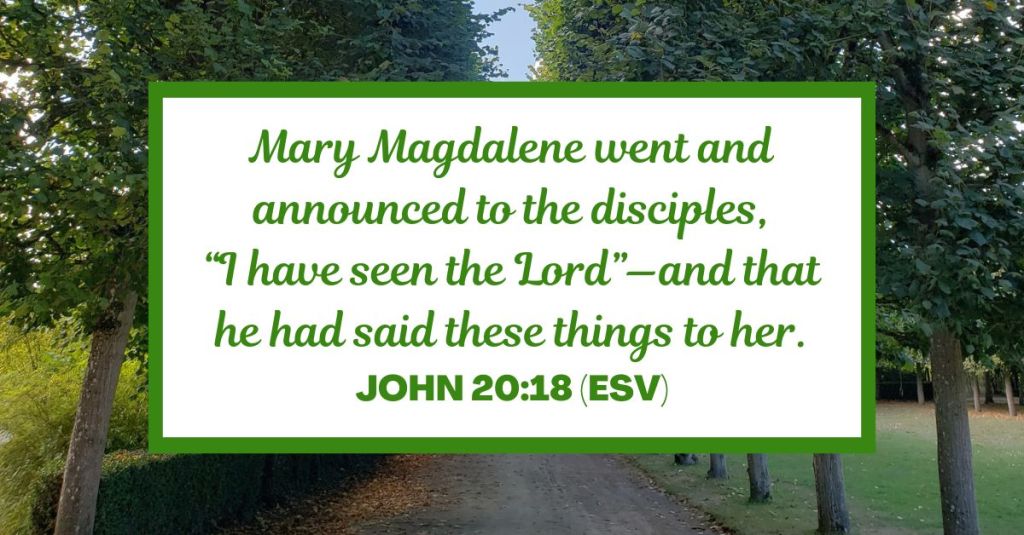
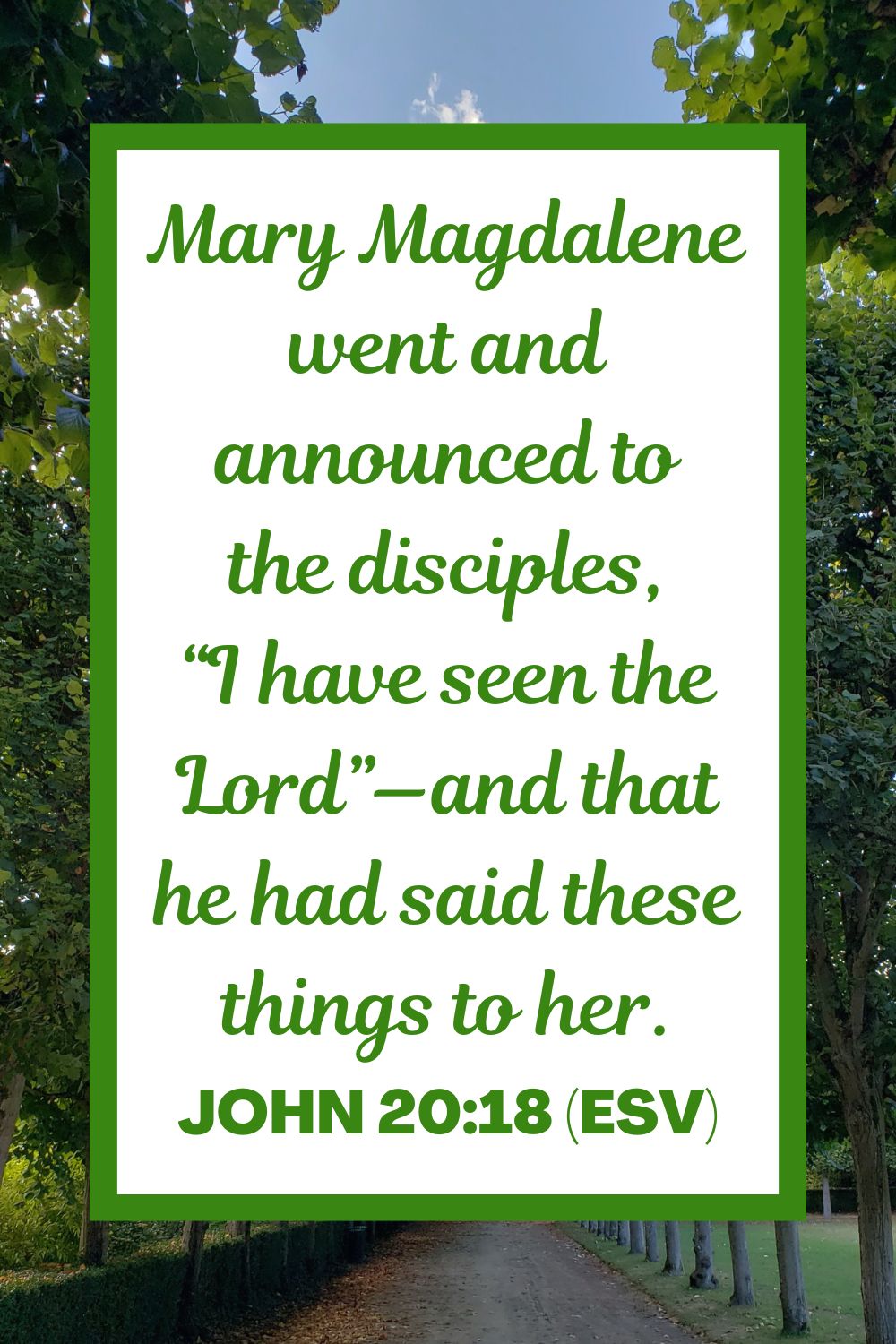
John 20 recounts Jesus’ resurrection from the dead, His appearance to Mary Magdalene, and His encounters with the disciples, including Thomas. It concludes with Jesus’ blessing of those who have not seen but have believed.
John 21
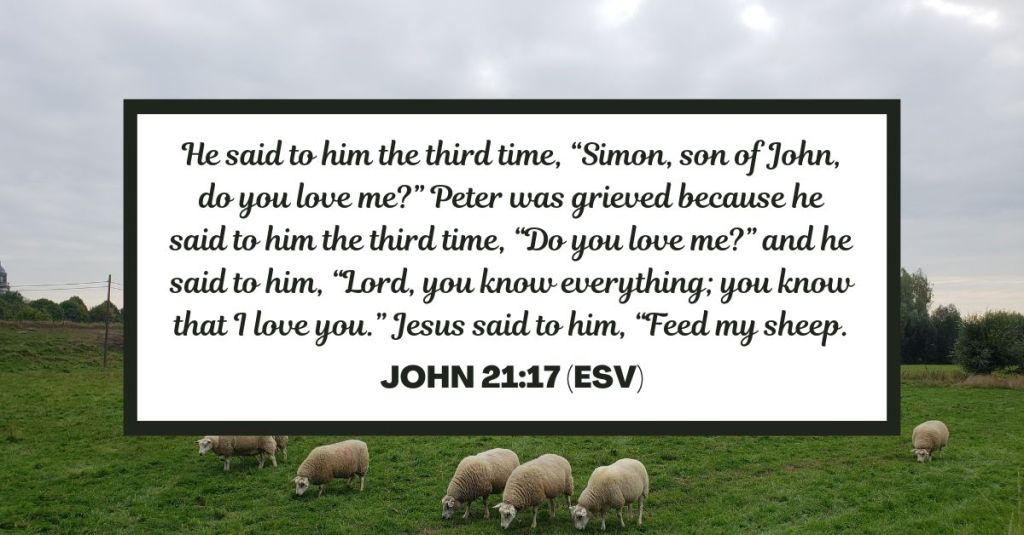
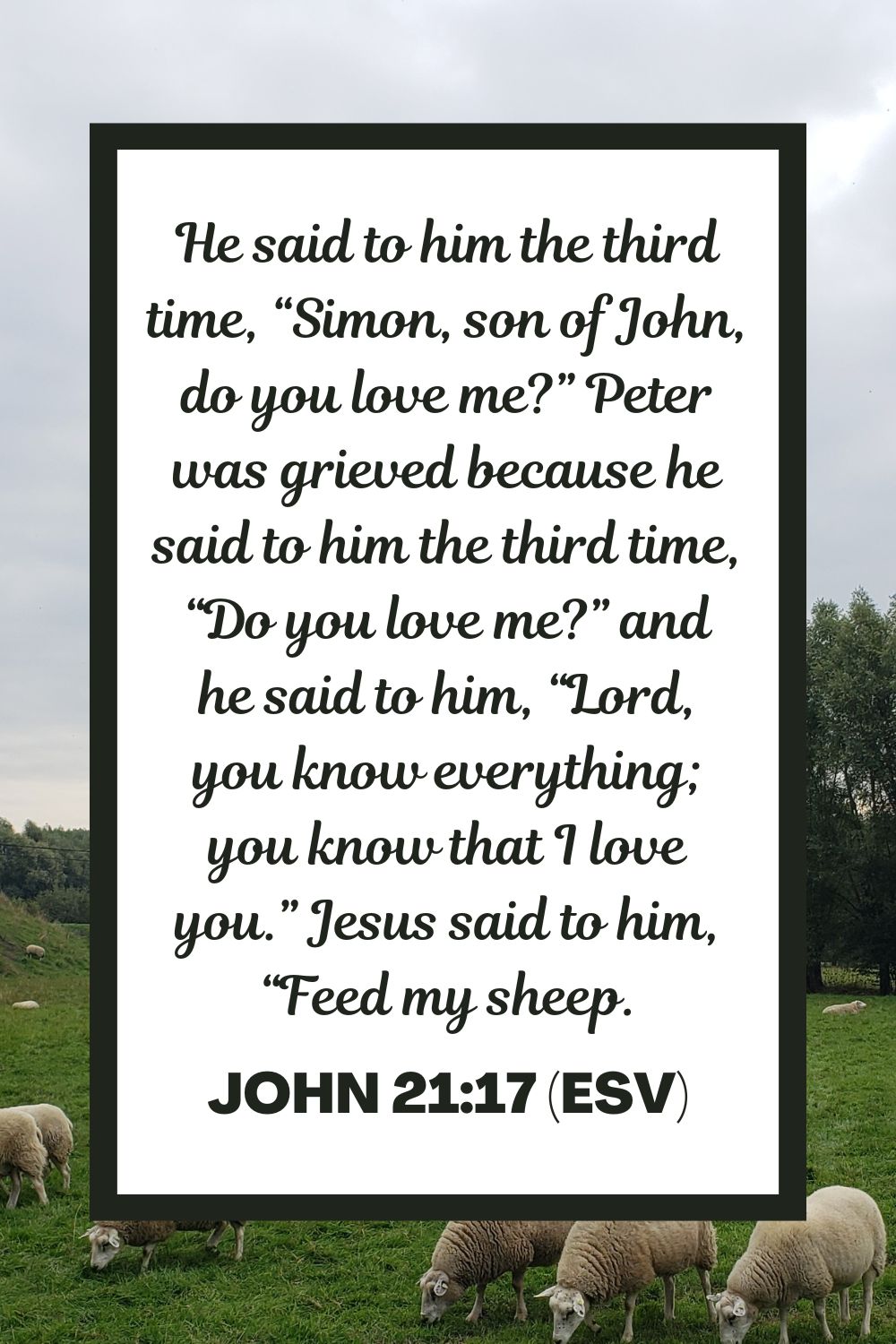
In John 21, Jesus appears to His disciples at the Sea of Tiberias, reinstates Peter after his denial, and provides further instructions for his future ministry. The chapter ends with a summary of Jesus’ miraculous works and a focus on the ongoing mission of His followers.
1 Thessalonians 1
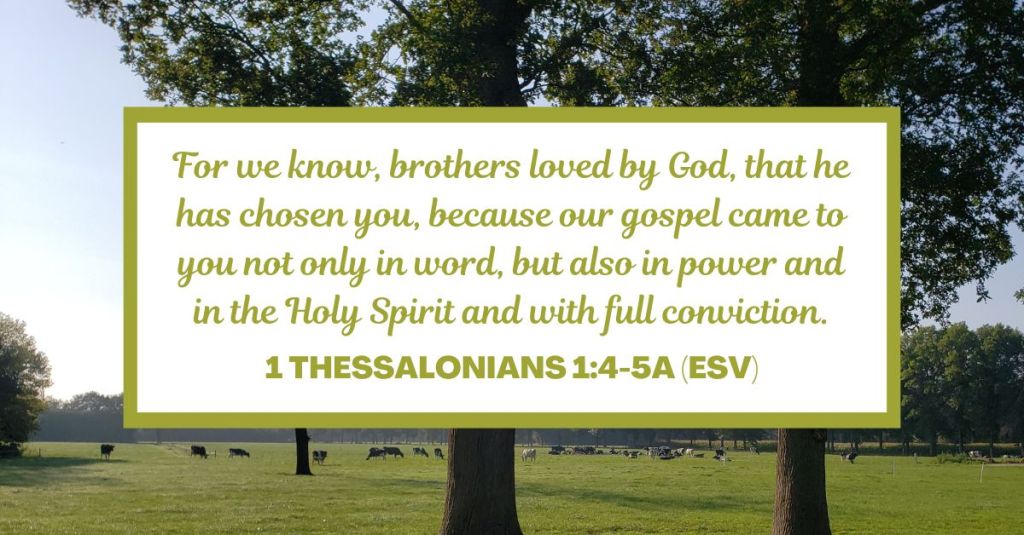
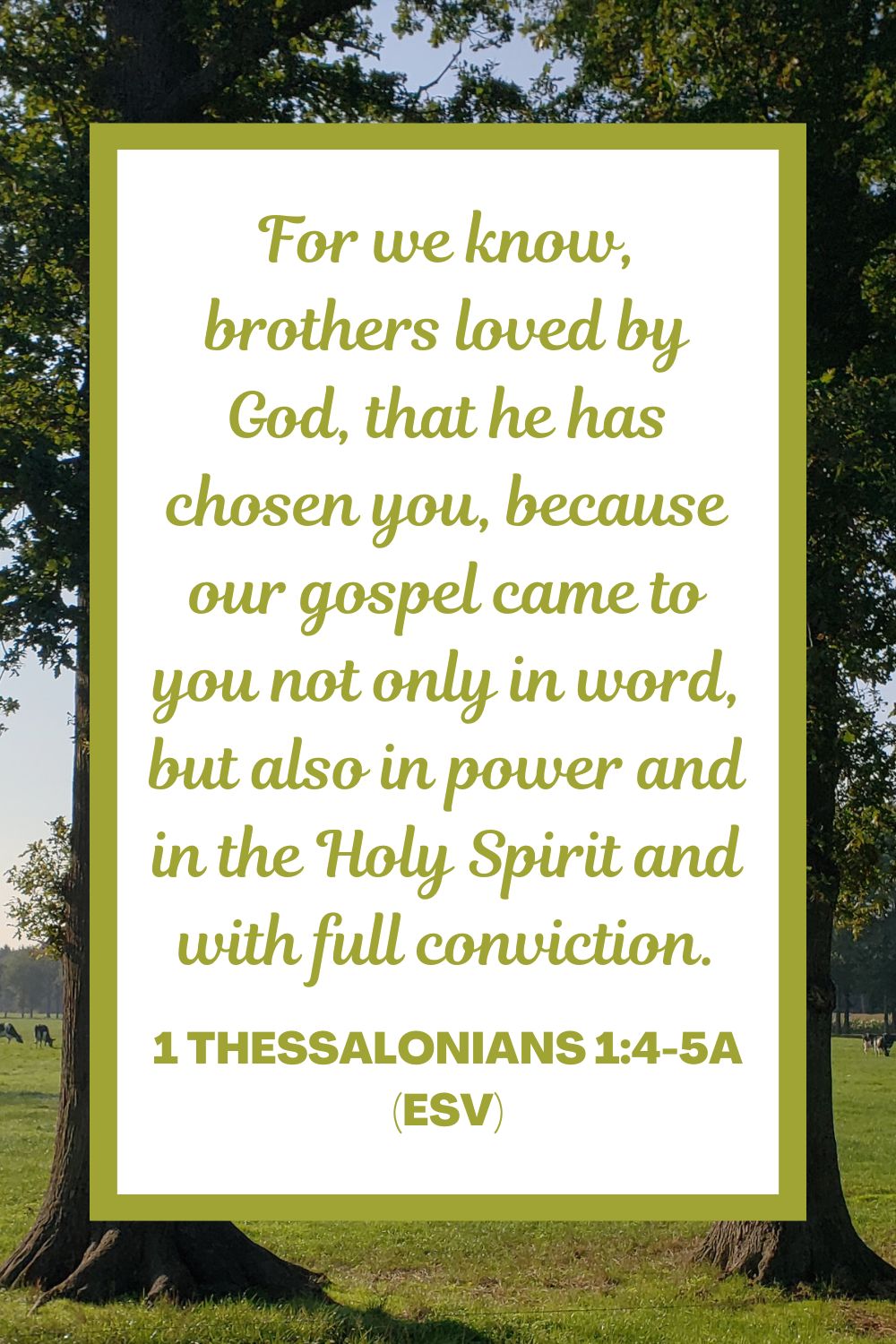
Paul opens 1 Thessalonians by commending the Thessalonians for their steadfast faith, love, and hope, which have become well-known across the region. He celebrates their conversion, noting that they turned from idols to serve God and await Christ’s return.
Week 22: New Testament Reading Assignment
Each week, we will read 5 chapters of the New Testament. Some people may prefer to read during the weekdays, while others might enjoy doing most of their reading on the weekends. Choose the method that works best for you!
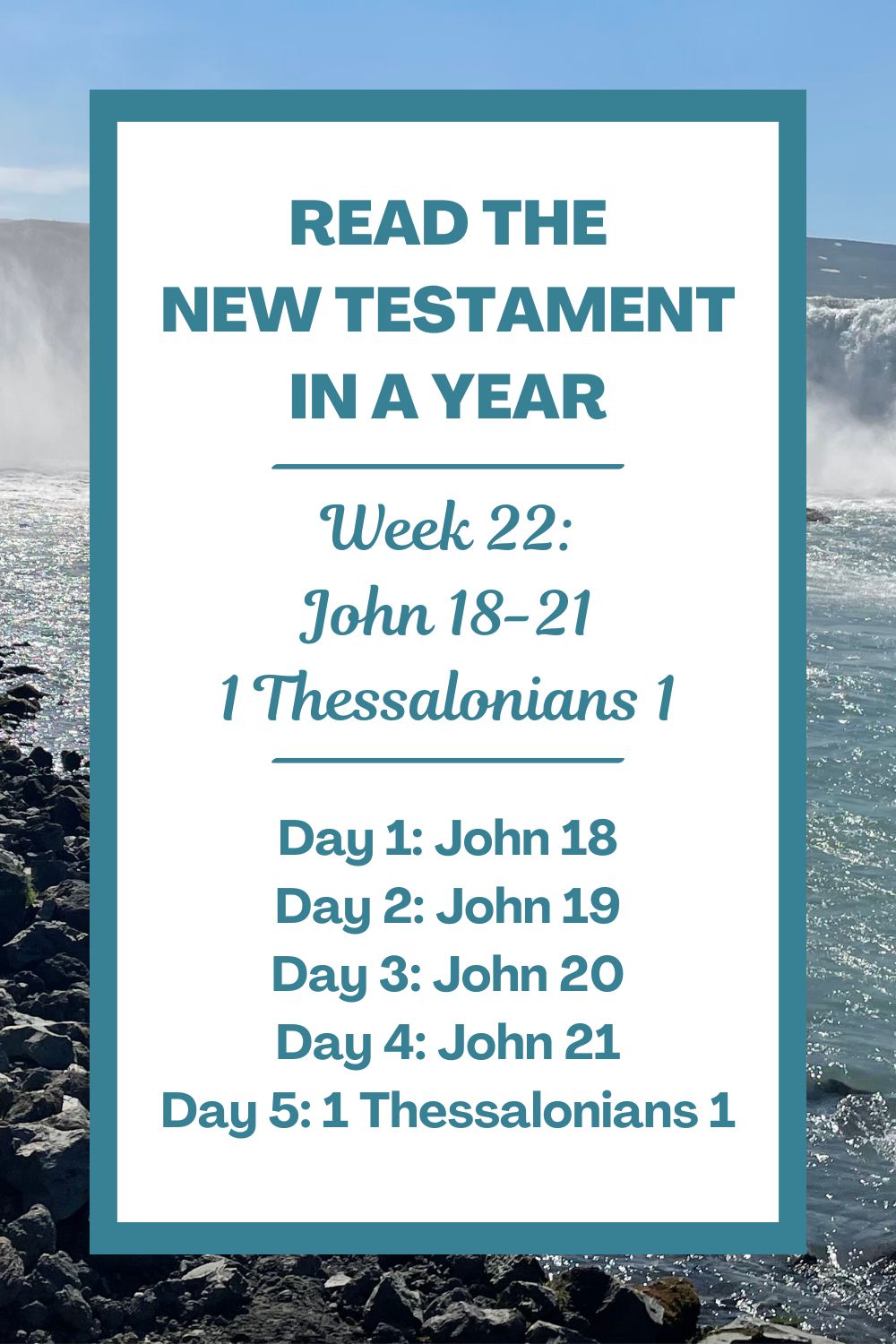
- Day 1: John 18
- Day 2: John 19
- Day 3: John 20
- Day 4: John 21
- Day 5: 1 Thessalonians 1
Printable Resource:
Week 22: Reflection Questions for John 18-21 and 1 Thessalonians 1
Consider the following reflection questions:
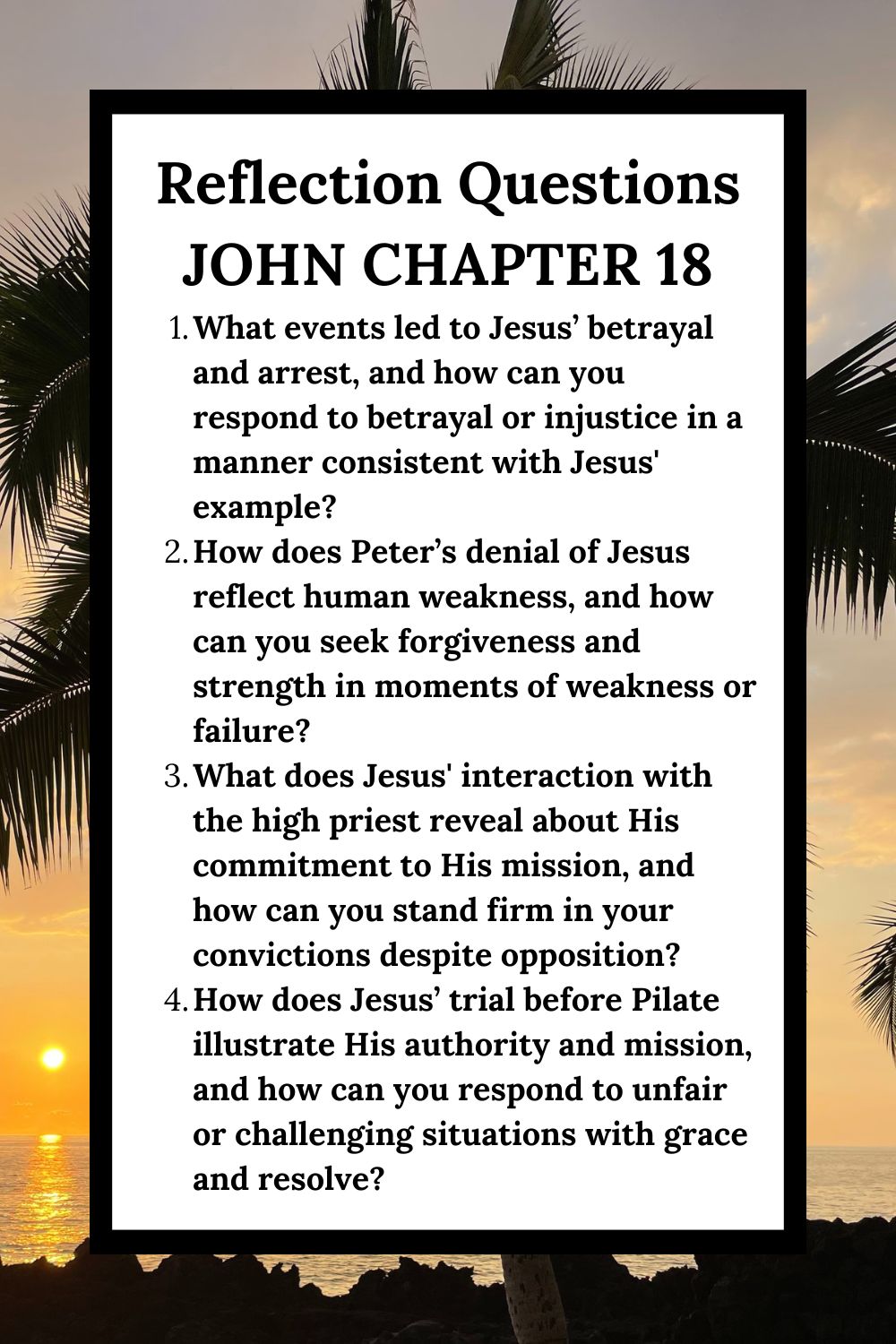
John 18: The Arrest and Trial of Jesus
- What events led to Jesus’ betrayal and arrest, and how can you respond to betrayal or injustice in a manner consistent with Jesus’ example?
- How does Peter’s denial of Jesus reflect human weakness, and how can you seek forgiveness and strength in moments of weakness or failure?
- What does Jesus’ interaction with the high priest reveal about His commitment to His mission, and how can you stand firm in your convictions despite opposition?
- How does Jesus’ trial before Pilate illustrate His authority and mission, and how can you respond to unfair or challenging situations with grace and resolve?
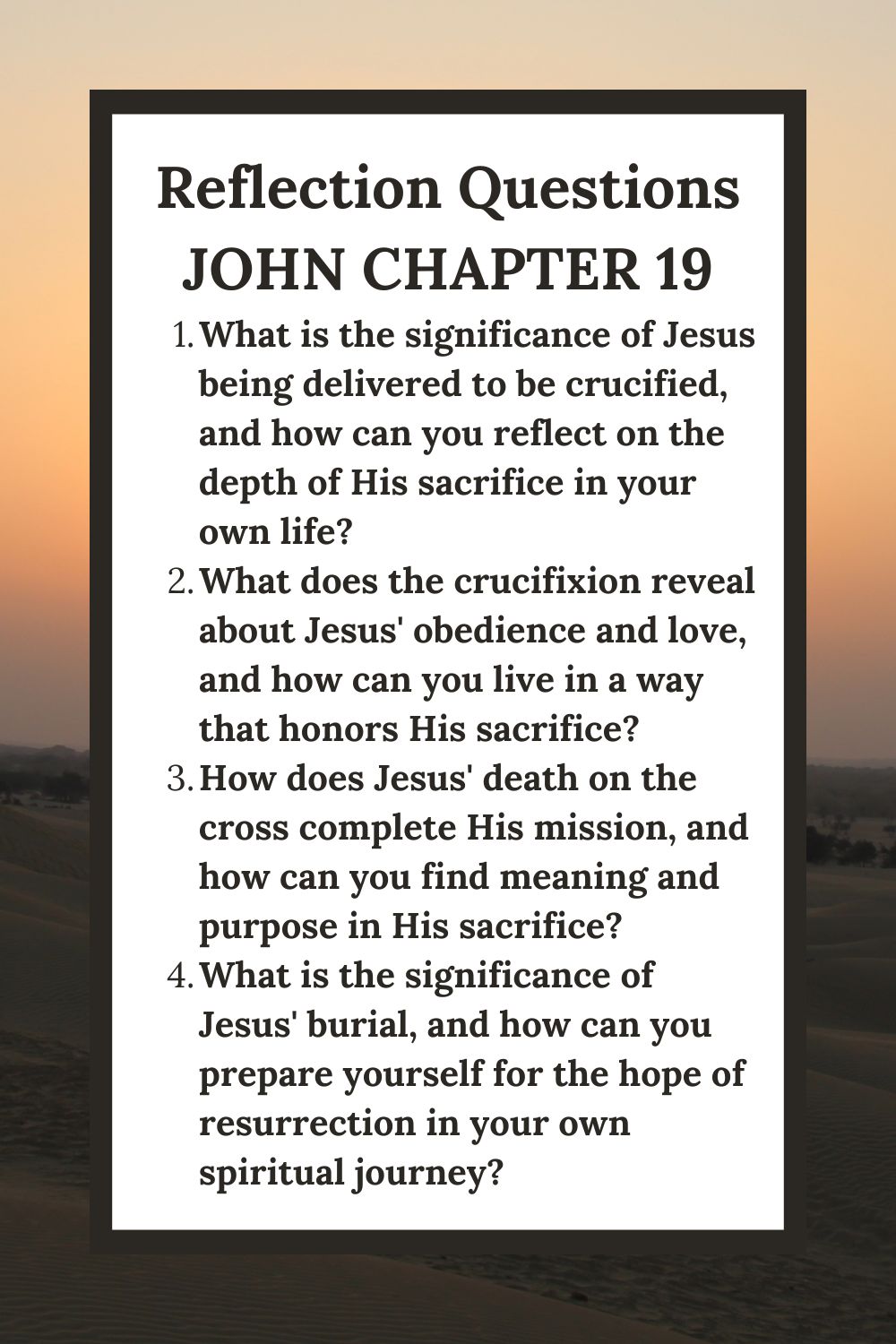
John 19: The Crucifixion and Death of Jesus
- What is the significance of Jesus being delivered to be crucified, and how can you reflect on the depth of His sacrifice in your own life?
- What does the crucifixion reveal about Jesus’ obedience and love, and how can you live in a way that honors His sacrifice?
- How does Jesus’ death on the cross complete His mission, and how can you find meaning and purpose in His sacrifice?
- What is the significance of Jesus’ burial, and how can you prepare yourself for the hope of resurrection in your own spiritual journey?
John 20: The Resurrection of Jesus
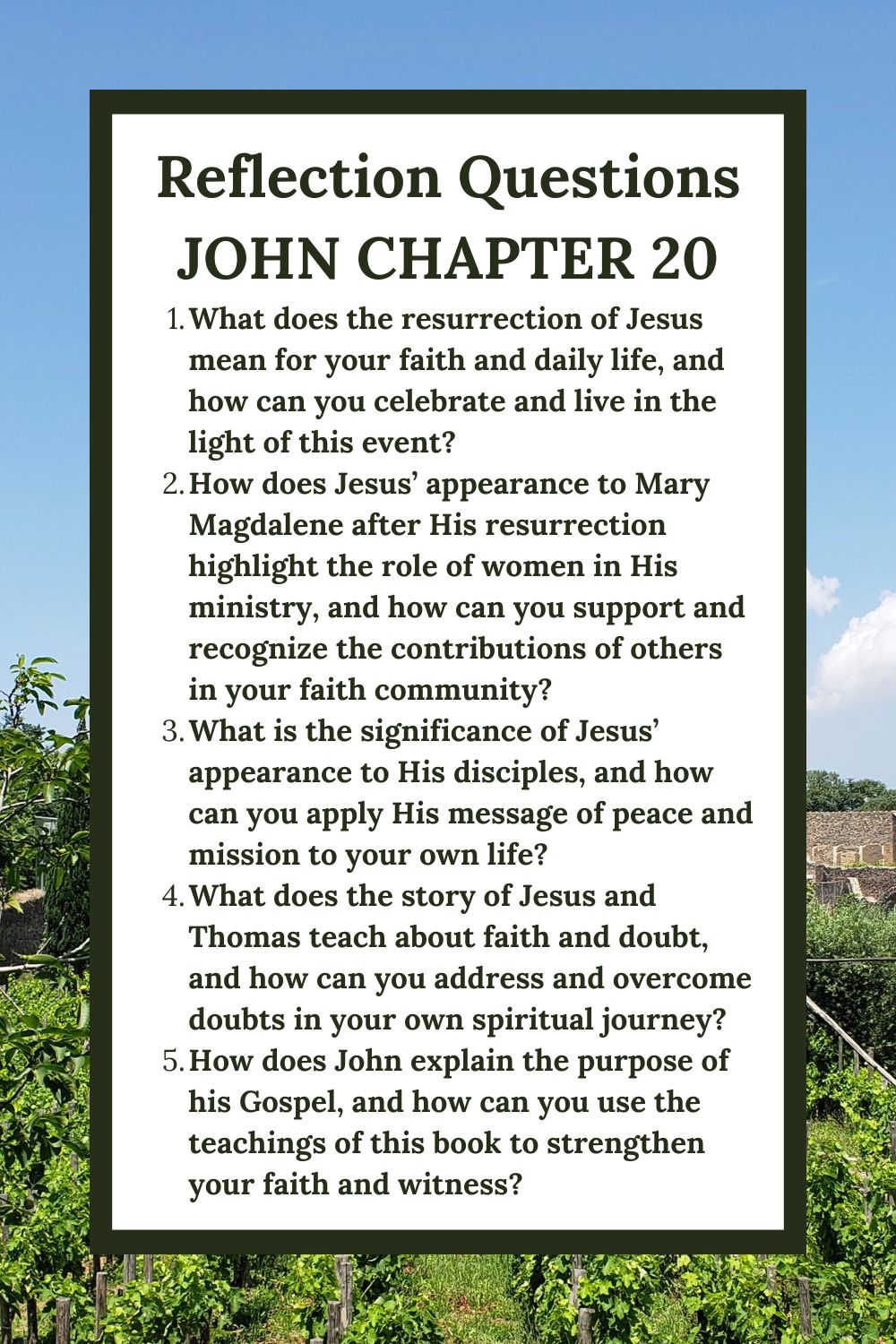
- What does the resurrection of Jesus mean for your faith and daily life, and how can you celebrate and live in the light of this event?
- How does Jesus’ appearance to Mary Magdalene after His resurrection highlight the role of women in His ministry, and how can you support and recognize the contributions of others in your faith community?
- What is the significance of Jesus’ appearance to His disciples, and how can you apply His message of peace and mission to your own life?
- What does the story of Jesus and Thomas teach about faith and doubt, and how can you address and overcome doubts in your own spiritual journey?
- How does John explain the purpose of his Gospel, and how can you use the teachings of this book to strengthen your faith and witness?
John 21: Jesus Appears to His Disciples
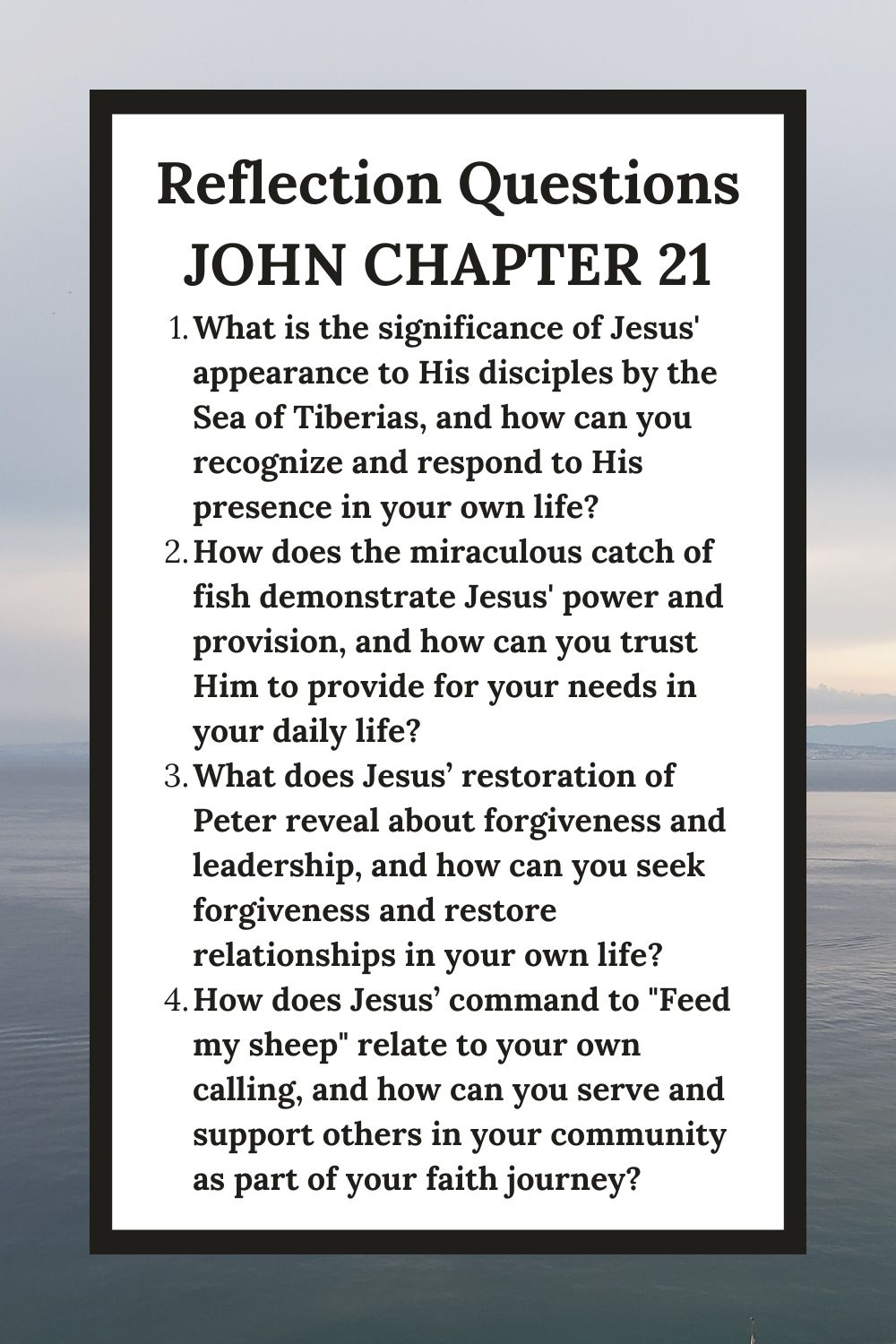
- What is the significance of Jesus’ appearance to His disciples by the Sea of Tiberias, and how can you recognize and respond to His presence in your own life?
- How does the miraculous catch of fish demonstrate Jesus’ power and provision, and how can you trust Him to provide for your needs in your daily life?
- What does Jesus’ restoration of Peter reveal about forgiveness and leadership, and how can you seek forgiveness and restore relationships in your own life?
- How does Jesus’ command to “Feed my sheep” relate to your own calling, and how can you serve and support others in your community as part of your faith journey?
1 Thessalonians 1: Thanksgiving and Faith
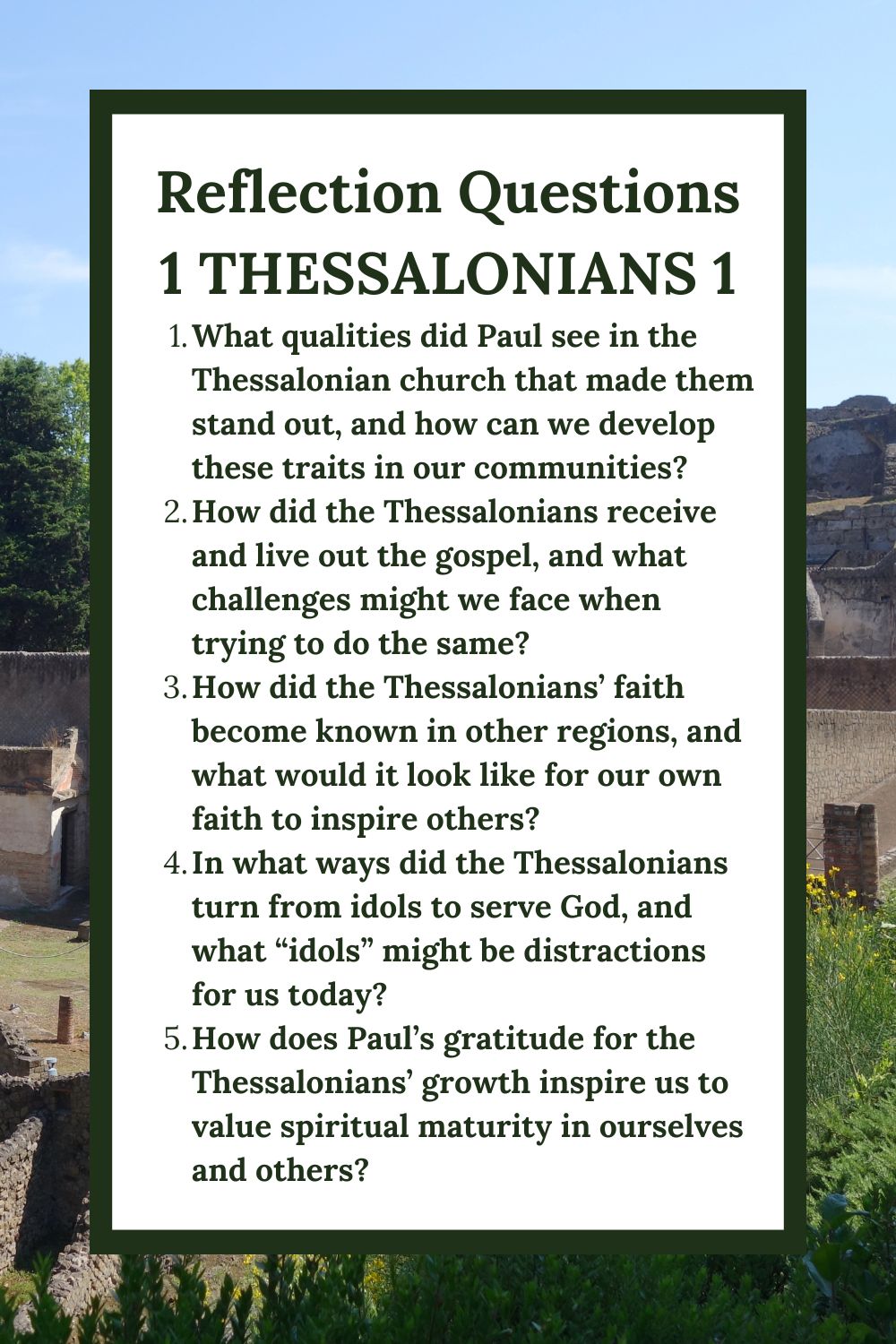
- What qualities did Paul see in the Thessalonian church that made them stand out, and how can we develop these traits in our communities?
- How did the Thessalonians receive and live out the gospel, and what challenges might we face when trying to do the same?
- How did the Thessalonians’ faith become known in other regions, and what would it look like for our own faith to inspire others?
- In what ways did the Thessalonians turn from idols to serve God, and what “idols” might be distractions for us today?
- How does Paul’s gratitude for the Thessalonians’ growth inspire us to value spiritual maturity in ourselves and others?
Reflective Prayer
Choose a few verses or topics from these chapters and pray over them. Consider using the ACTS method — Adoration, Confession, Thankfulness, Supplication:
- Adoration: Praise God. What specific characteristics of God do these readings bring to mind?
- Confession: Tell God that you are sorry for specific sins. What specific sins do these readings bring to mind?
- Thankfulness: Show gratitude towards God. What in these readings inspires gratitude?
- Supplication: Make requests for yourself and for others. What in these readings inspires a prayer?
If helpful, you can use a prayer journal template.
Other Reading Plans
Online Resources
Subscribe
If you enjoyed this post and wish to receive more Christian content, feel free to subscribe to my newsletters!
Related Resources
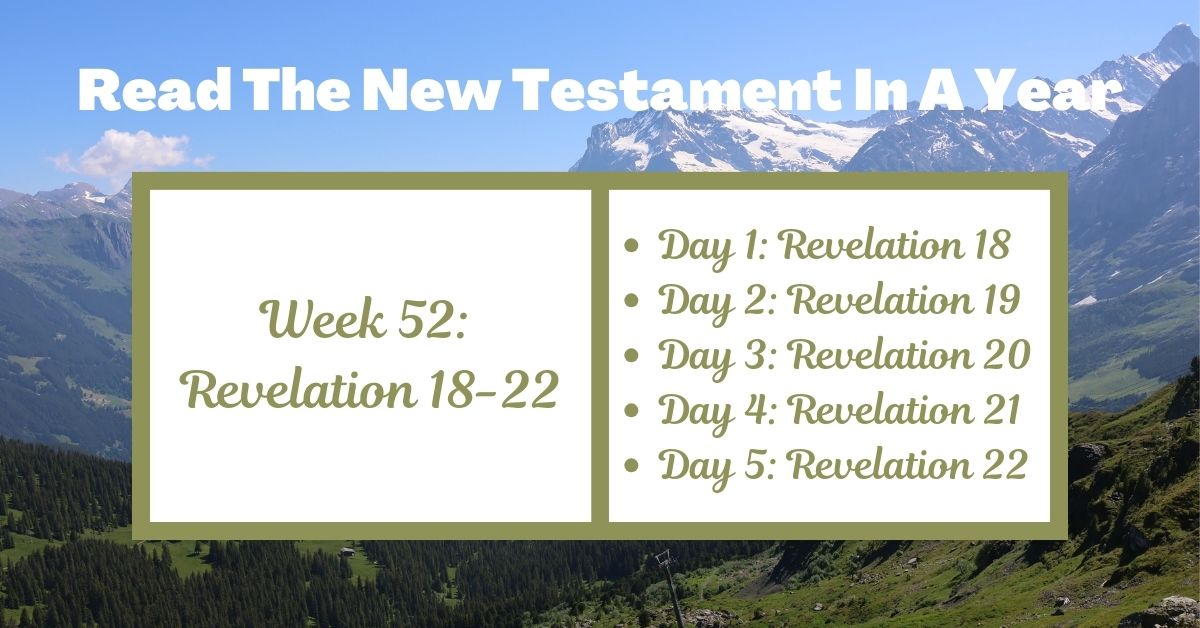
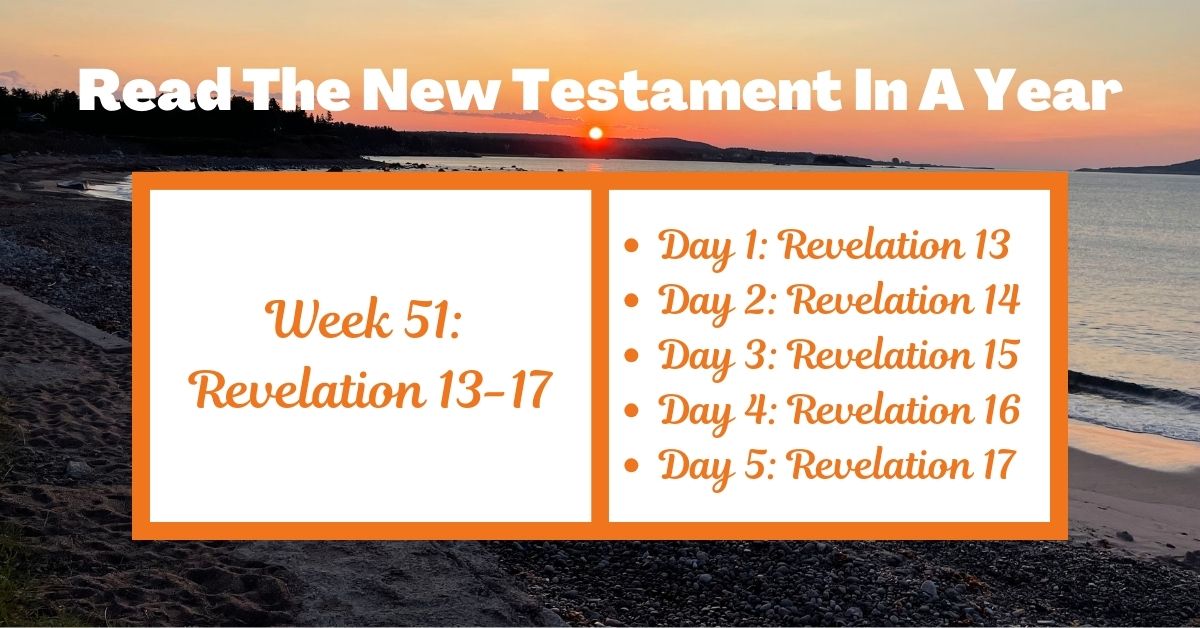
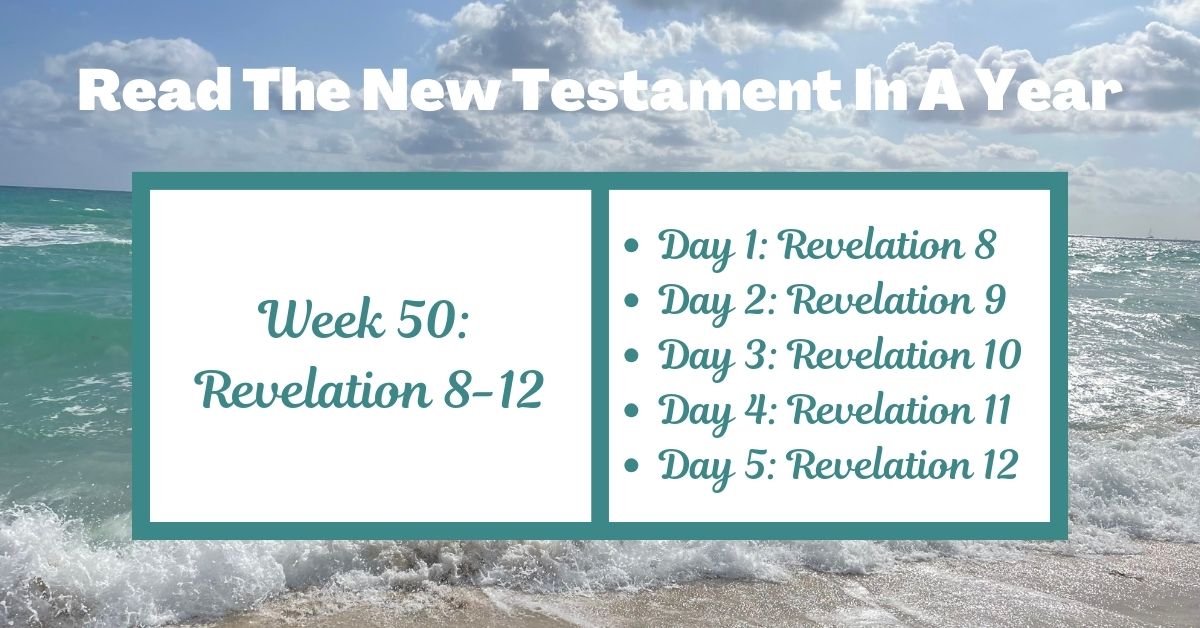
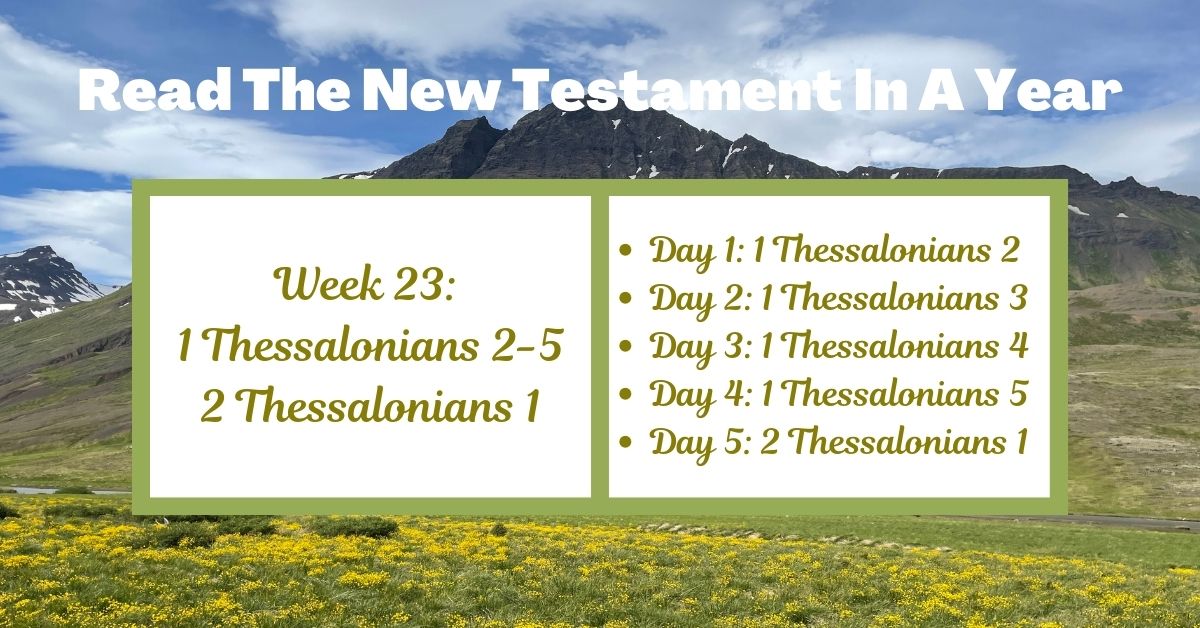
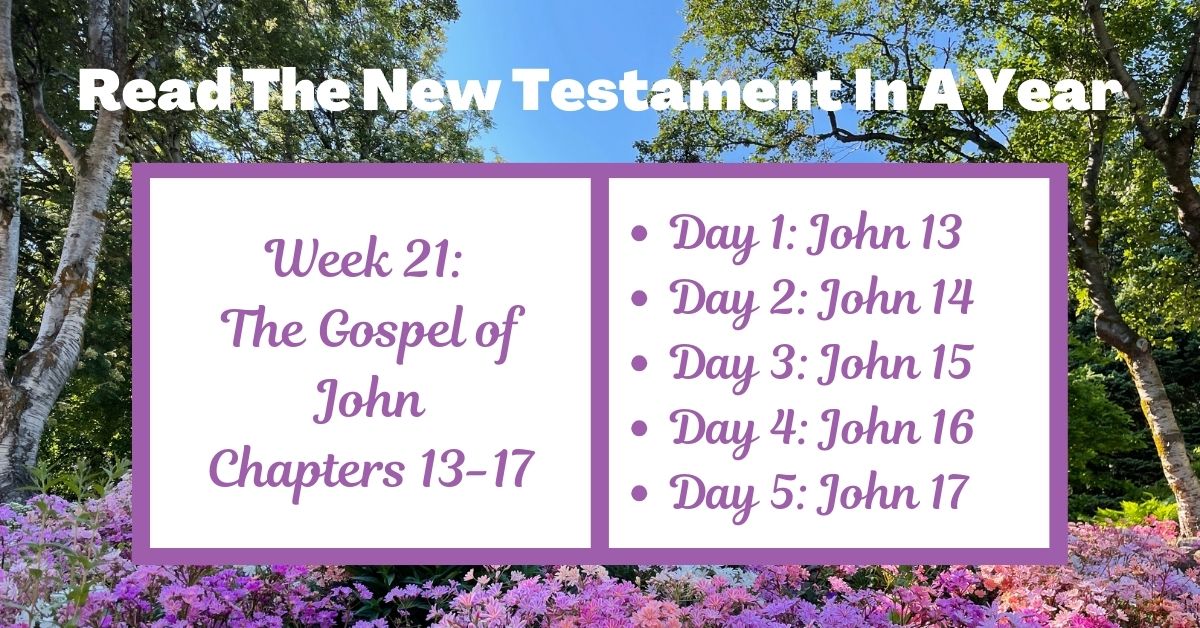
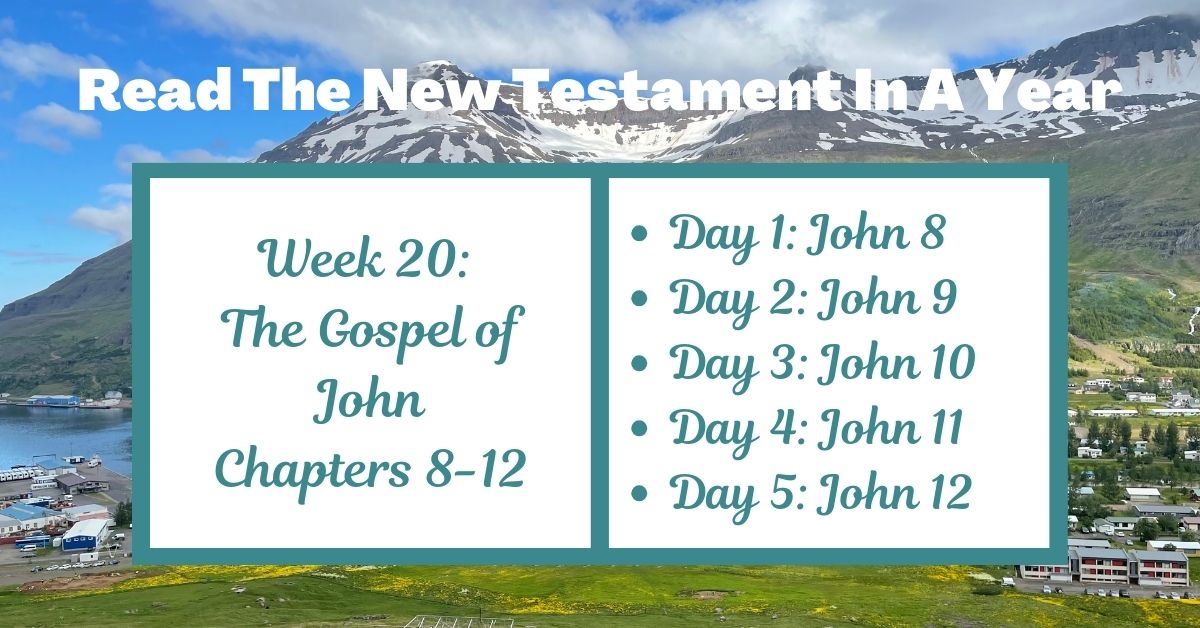
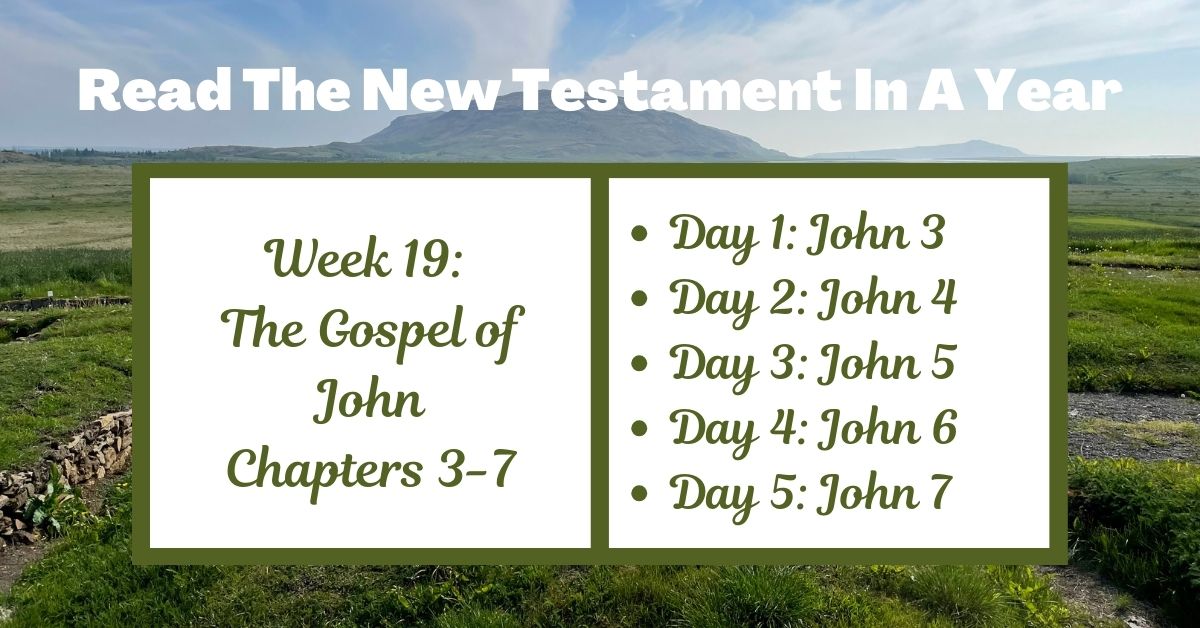
Visit the Joyful Moments in Christ homepage for all posts, or scroll through other blog posts related to reading the New Testament in a year:




English Standard Version (ESV): Unless otherwise noted, scripture quotations are from the ESV® Bible (The Holy Bible, English Standard Version®), © 2001 by Crossway, a publishing ministry of Good News Publishers. Used by permission. All rights reserved. The ESV text may not be quoted in any publication made available to the public by a Creative Commons license. The ESV may not be translated in whole or in part into any other language.

 Joyful Moments in Christ