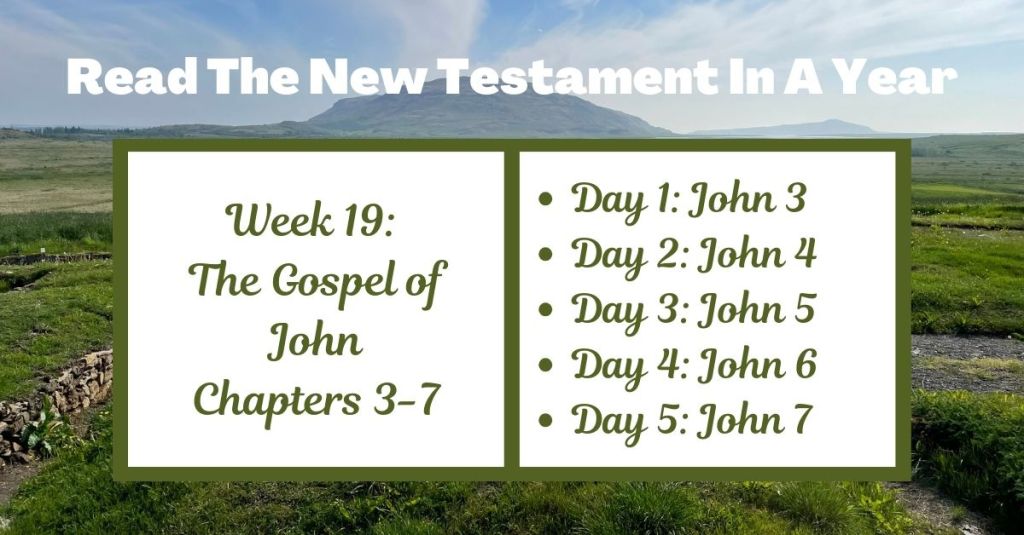
Week 19: Exploring the Gospel of John Chapters 3-7
In week 19 of our 1 year New Testament reading plan, we will explore John chapters 3 through 7, diving deeper into the early ministry of Jesus and His teachings. These chapters reveal profound aspects of Jesus’ identity and mission, including His conversation with Nicodemus about spiritual rebirth, His interaction with the Samaritan woman at the well, and the miracles He performed such as healing the disabled man and feeding the 5,000. We also see the increasing controversy surrounding Jesus during the Feast of Tabernacles as He teaches about the living water and His divine authority. This week’s readings offer rich insights into how Jesus fulfills His mission and how His teachings challenge and inspire us to live out our faith.
John 3
In John 3, Jesus explains spiritual rebirth to Nicodemus, highlighting the need to be born again through the Spirit and proclaiming God’s love for the world through the promise of eternal life. John the Baptist reaffirms Jesus’ identity and the superiority of His ministry.

John 4
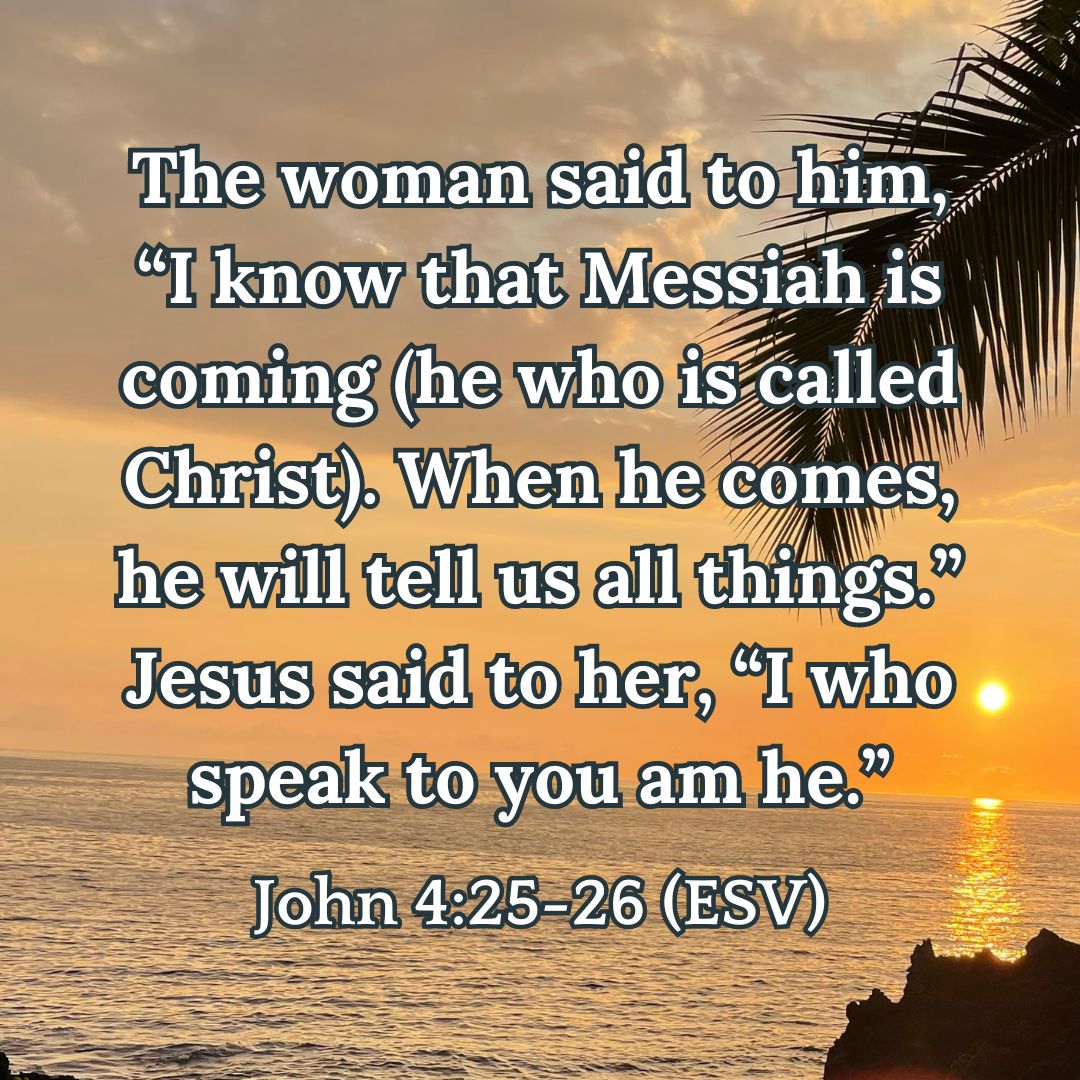
In John 4, Jesus converses with a Samaritan woman at the well, revealing His identity as the Messiah and offering her living water that leads to eternal life. His message spreads to the Samaritans, who come to believe in Him.
John 5
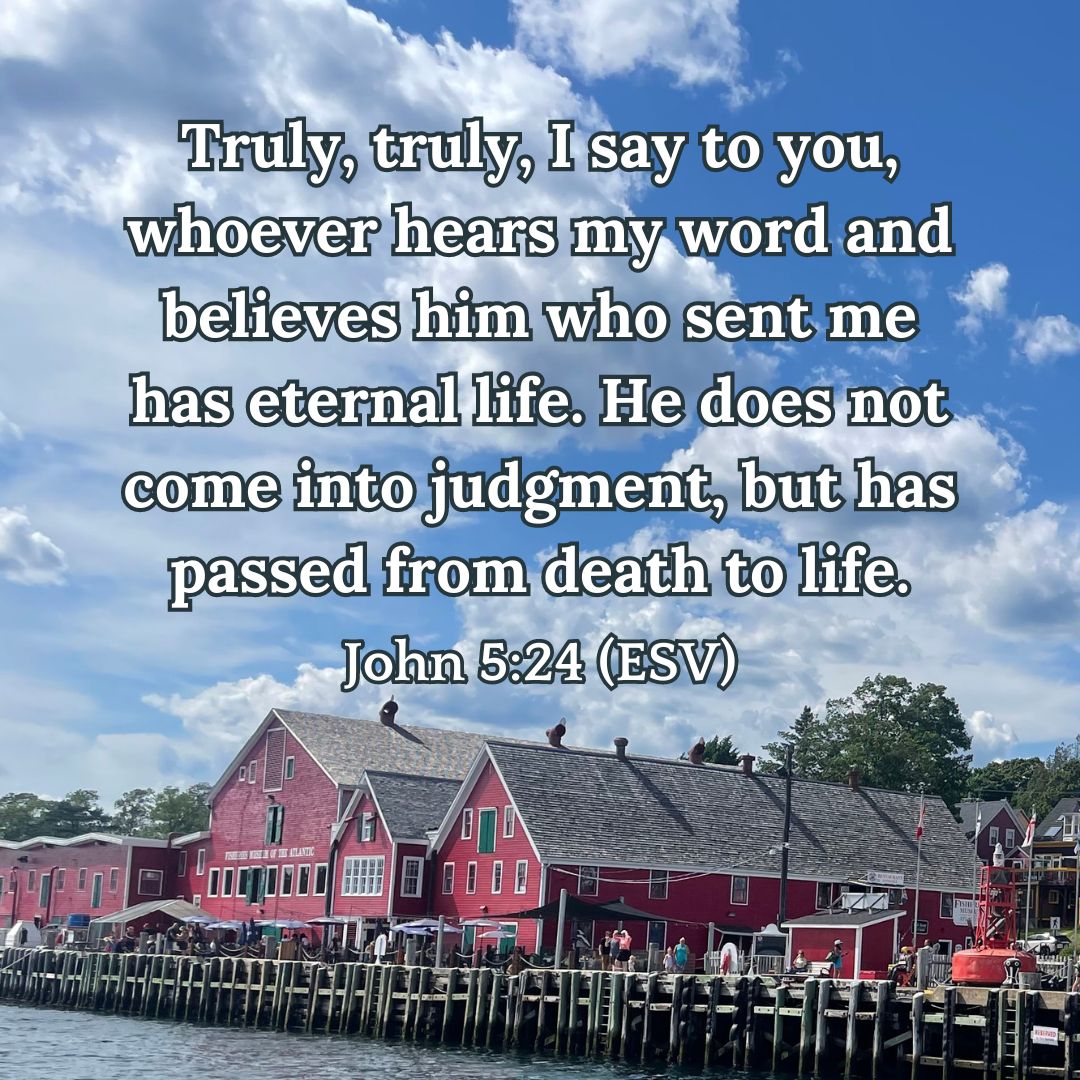
In John 5, Jesus heals a disabled man at the pool of Bethesda on the Sabbath, prompting conflict with Jewish leaders over the authority and implications of His actions. He defends His actions by affirming His divine relationship with the Father and His role in judgment and eternal life.
John 6
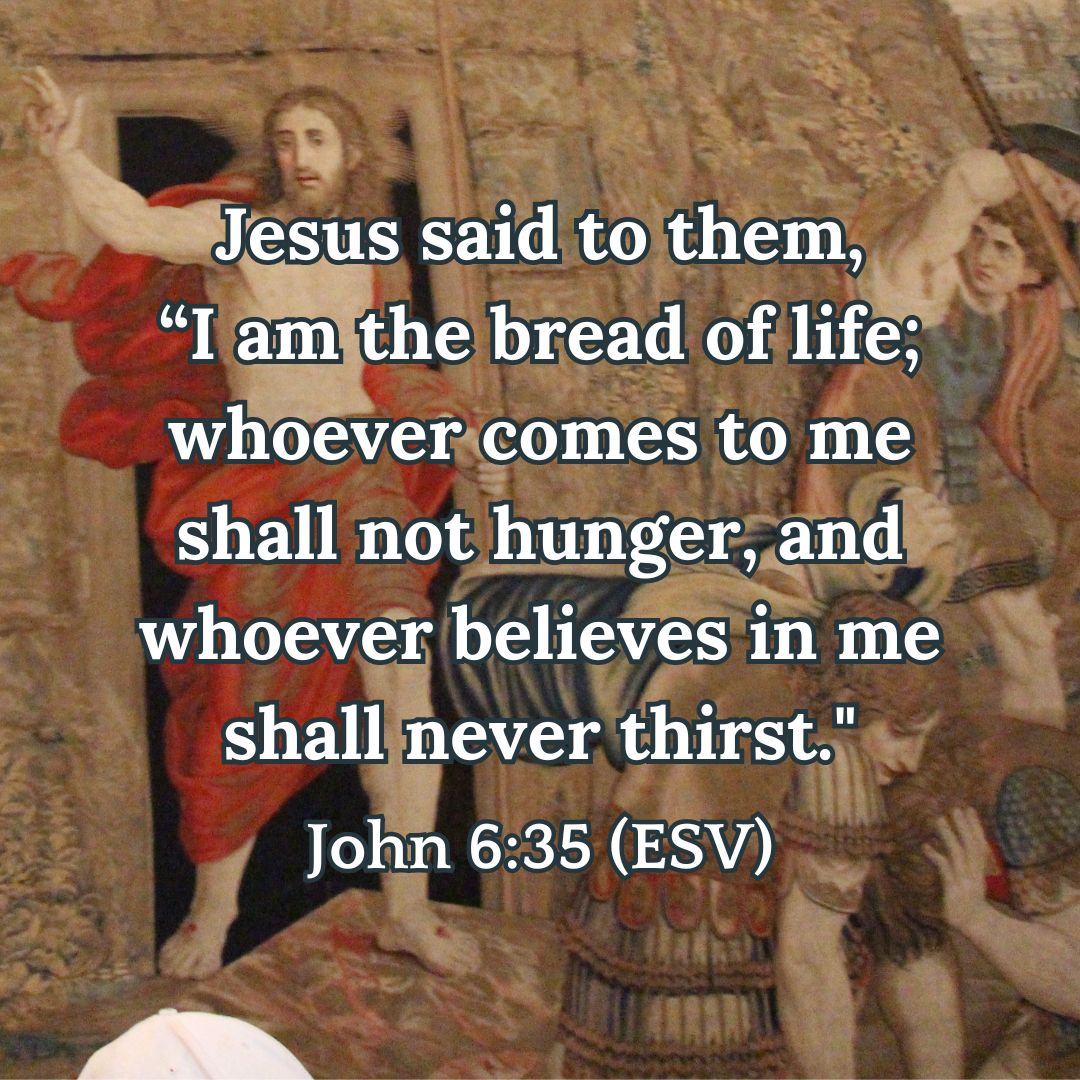
In John 6, Jesus performs the miracle of feeding 5,000 with five loaves and two fish and later walks on water. He teaches that He is the Bread of Life, offering spiritual sustenance and eternal life, which leads to many disciples abandoning Him due to the difficulty of His teachings.
John 7
In John 7, during the Feast of Tabernacles, Jesus teaches in the temple and faces growing controversy and division among the people and authorities about His identity and origins. Despite the mixed reactions, He continues to proclaim His divine mission and promise of the Holy Spirit.
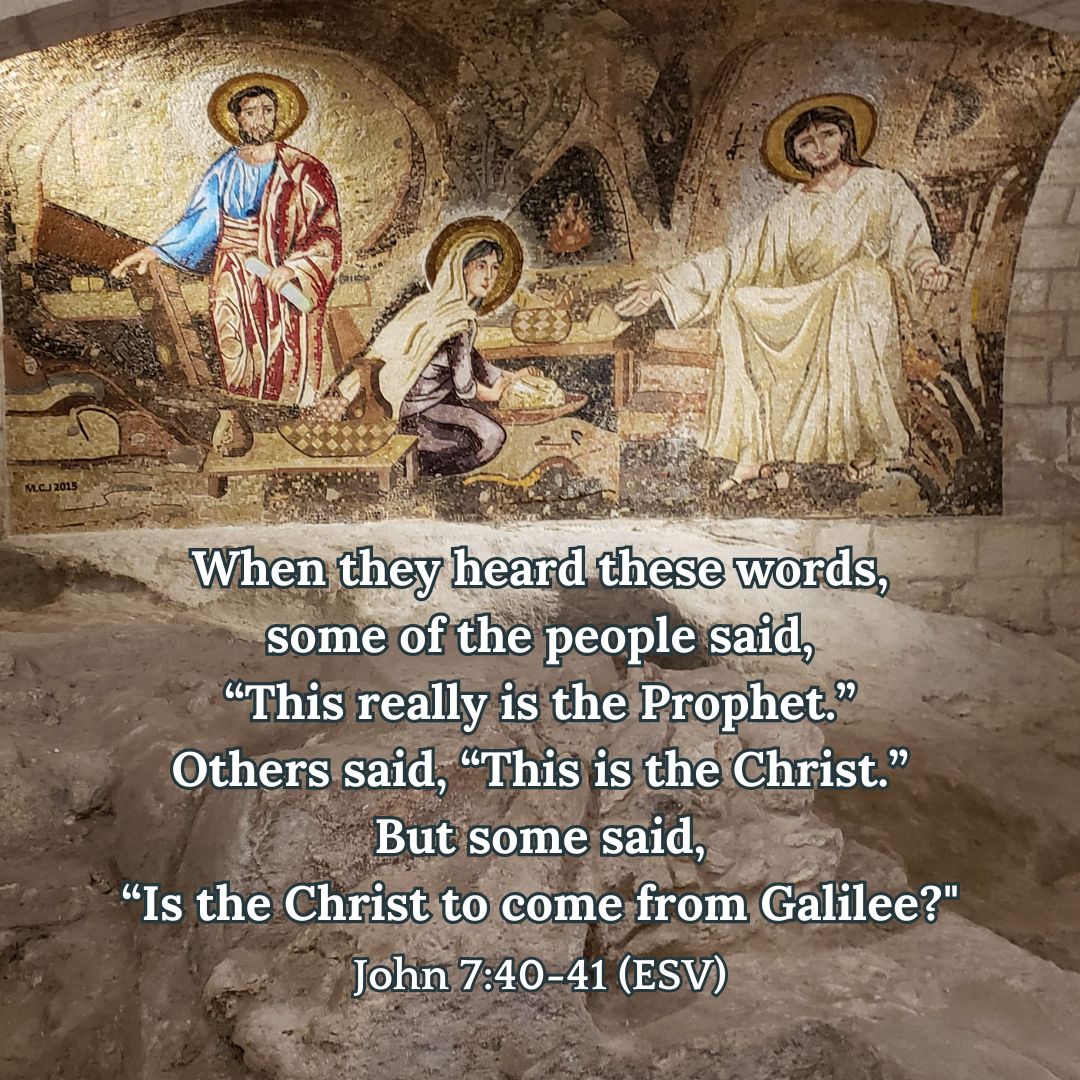
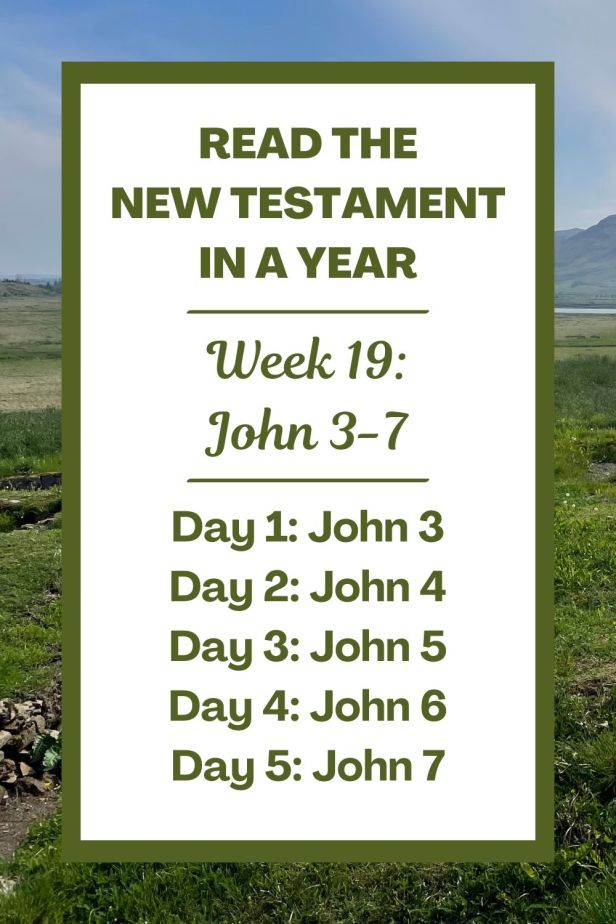
Week 19: New Testament Reading Assignment
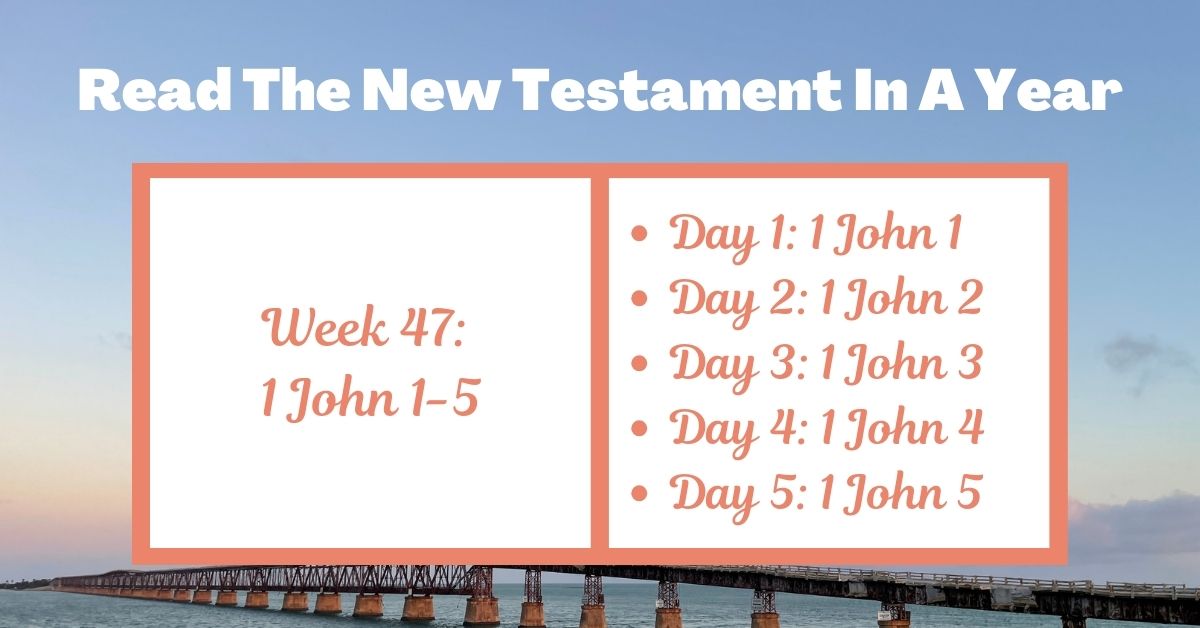
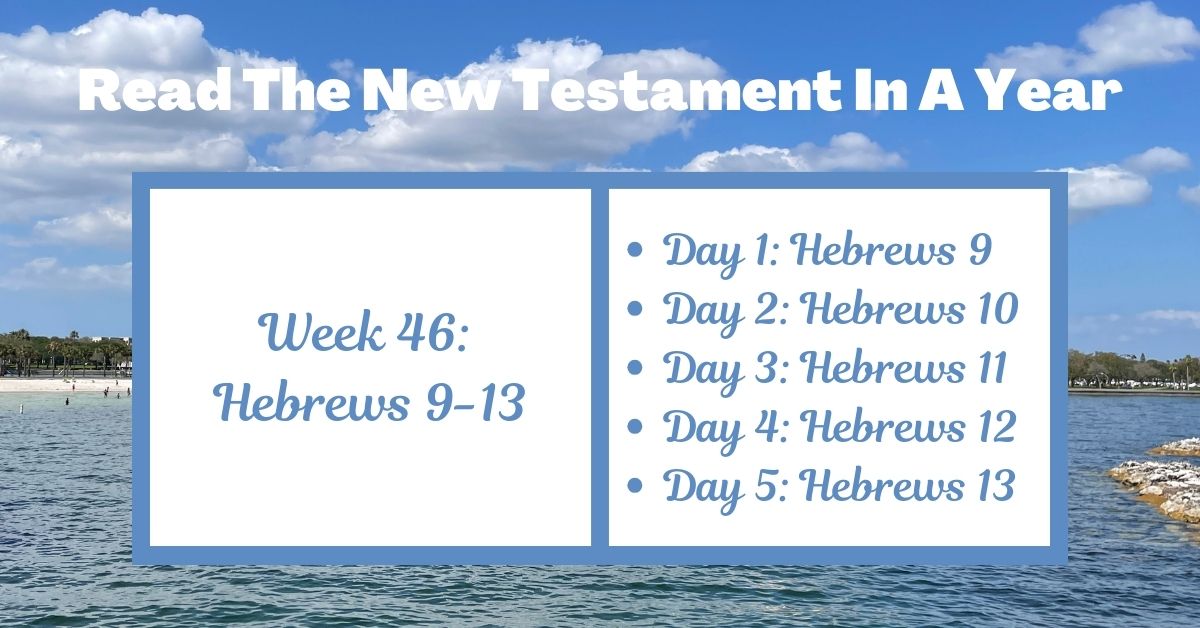
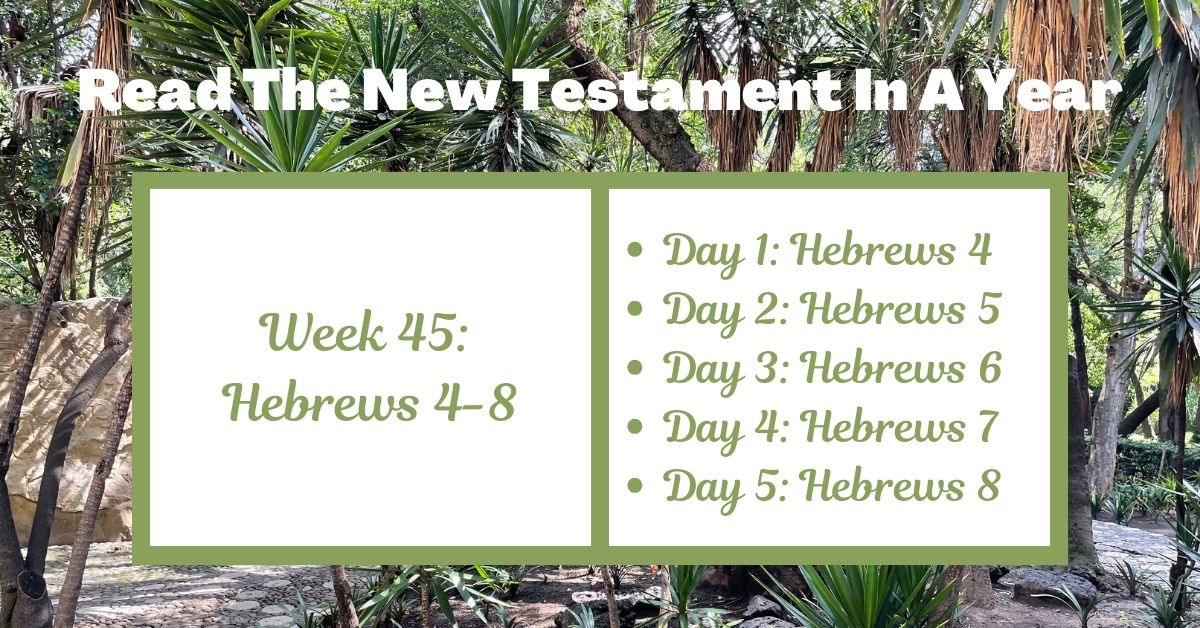
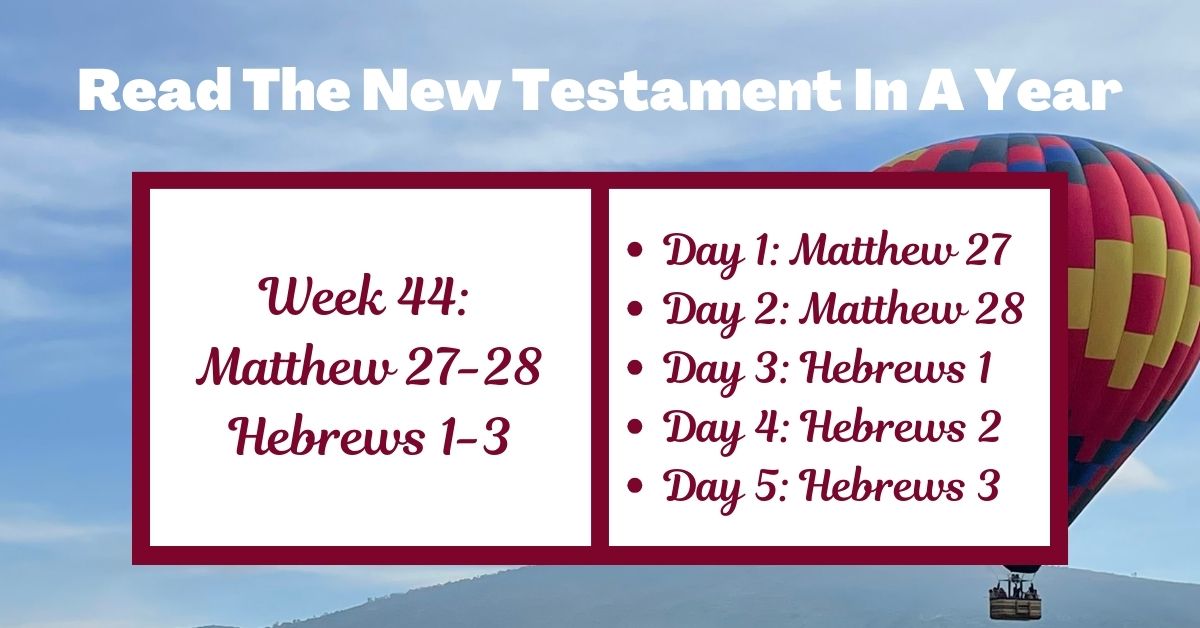
Each week, we will read 5 chapters of the New Testament. Some people may prefer to read during the weekdays, while others might enjoy doing most of their reading on the weekends. Choose the method that works best for you!
Printable Resource:
Week 19: Reflection Questions for the Gospel of John Chapters 3-7
Consider the following reflection questions:
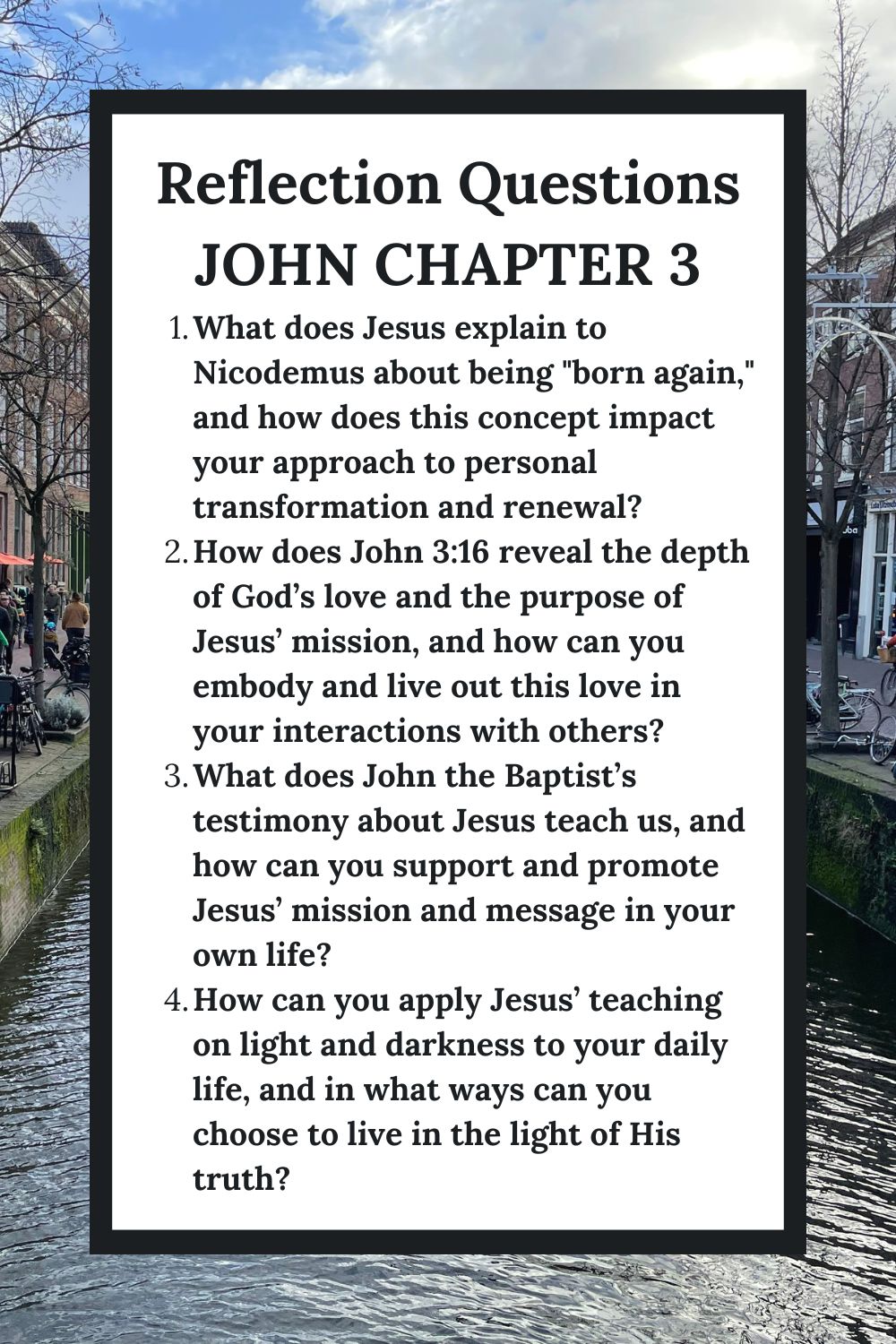
John 3: The New Birth and God’s Love
- What does Jesus explain to Nicodemus about being “born again,” and how does this concept impact your approach to personal transformation and renewal?
- How does John 3:16 reveal the depth of God’s love and the purpose of Jesus’ mission, and how can you embody and live out this love in your interactions with others?
- What does John the Baptist’s testimony about Jesus teach us, and how can you support and promote Jesus’ mission and message in your own life?
- How can you apply Jesus’ teaching on light and darkness to your daily life, and in what ways can you choose to live in the light of His truth?
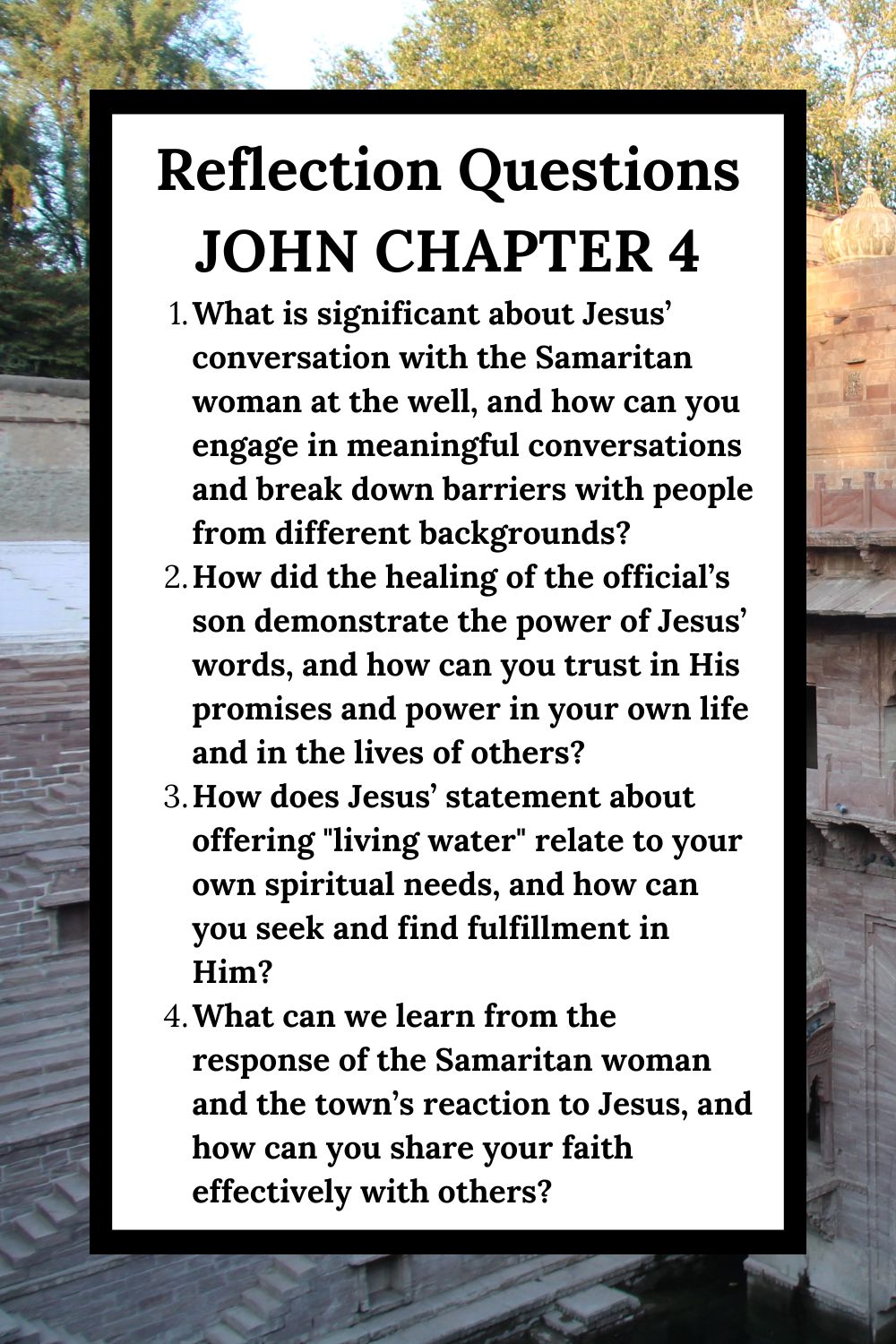
John 4: The Samaritan Woman and Healing the Official’s Son
- What is significant about Jesus’ conversation with the Samaritan woman at the well, and how can you engage in meaningful conversations and break down barriers with people from different backgrounds?
- How did the healing of the official’s son demonstrate the power of Jesus’ words, and how can you trust in His promises and power in your own life and in the lives of others?
- How does Jesus’ statement about offering “living water” relate to your own spiritual needs, and how can you seek and find fulfillment in Him?
- What can we learn from the response of the Samaritan woman and the town’s reaction to Jesus, and how can you share your faith effectively with others?
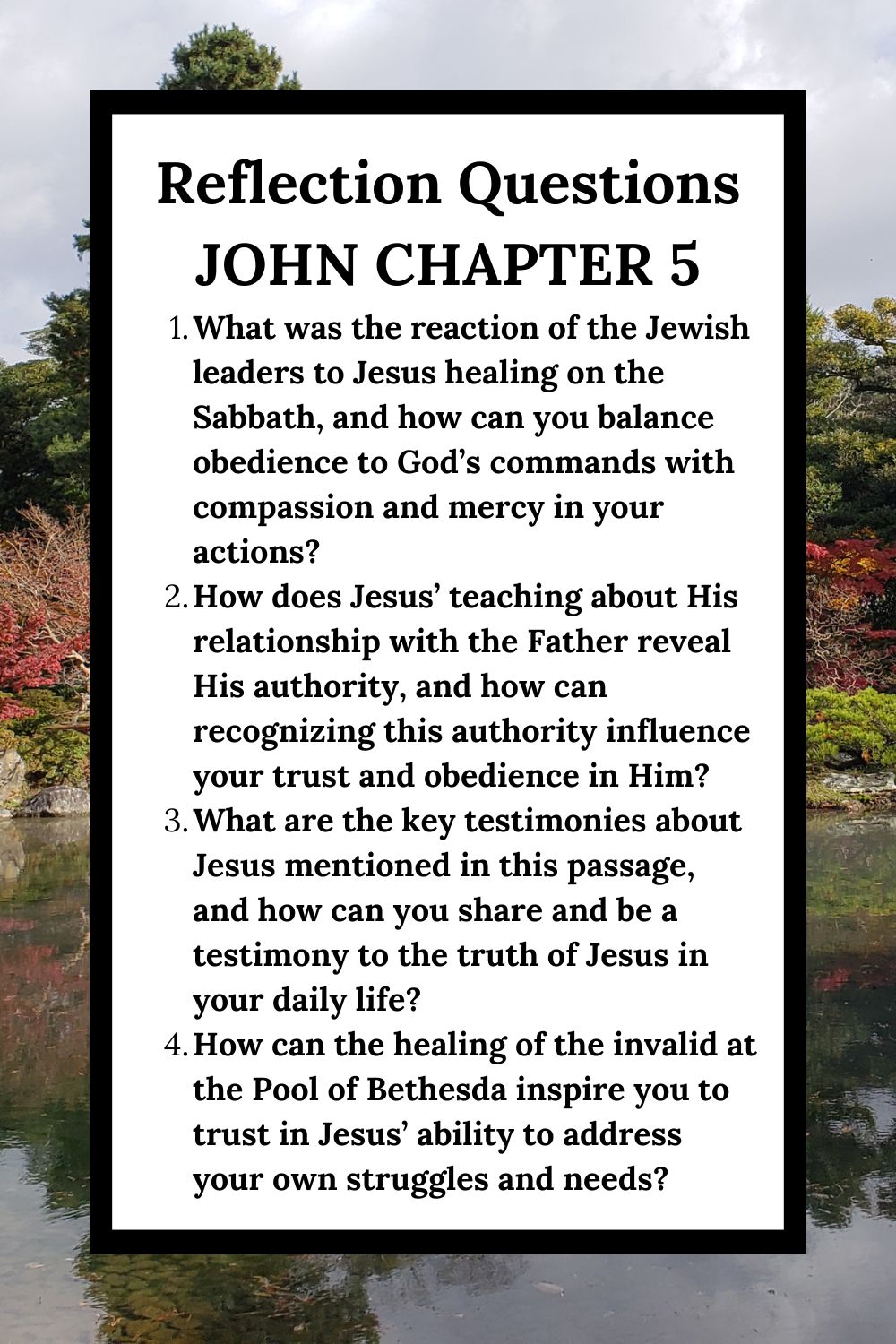
John 5: Healing at Bethesda and Jesus’ Authority
- What was the reaction of the Jewish leaders to Jesus healing on the Sabbath, and how can you balance obedience to God’s commands with compassion and mercy in your actions?
- How does Jesus’ teaching about His relationship with the Father reveal His authority, and how can recognizing this authority influence your trust and obedience in Him?
- What are the key testimonies about Jesus mentioned in this passage, and how can you share and be a testimony to the truth of Jesus in your daily life?
- How can the healing of the invalid at the Pool of Bethesda inspire you to trust in Jesus’ ability to address your own struggles and needs?
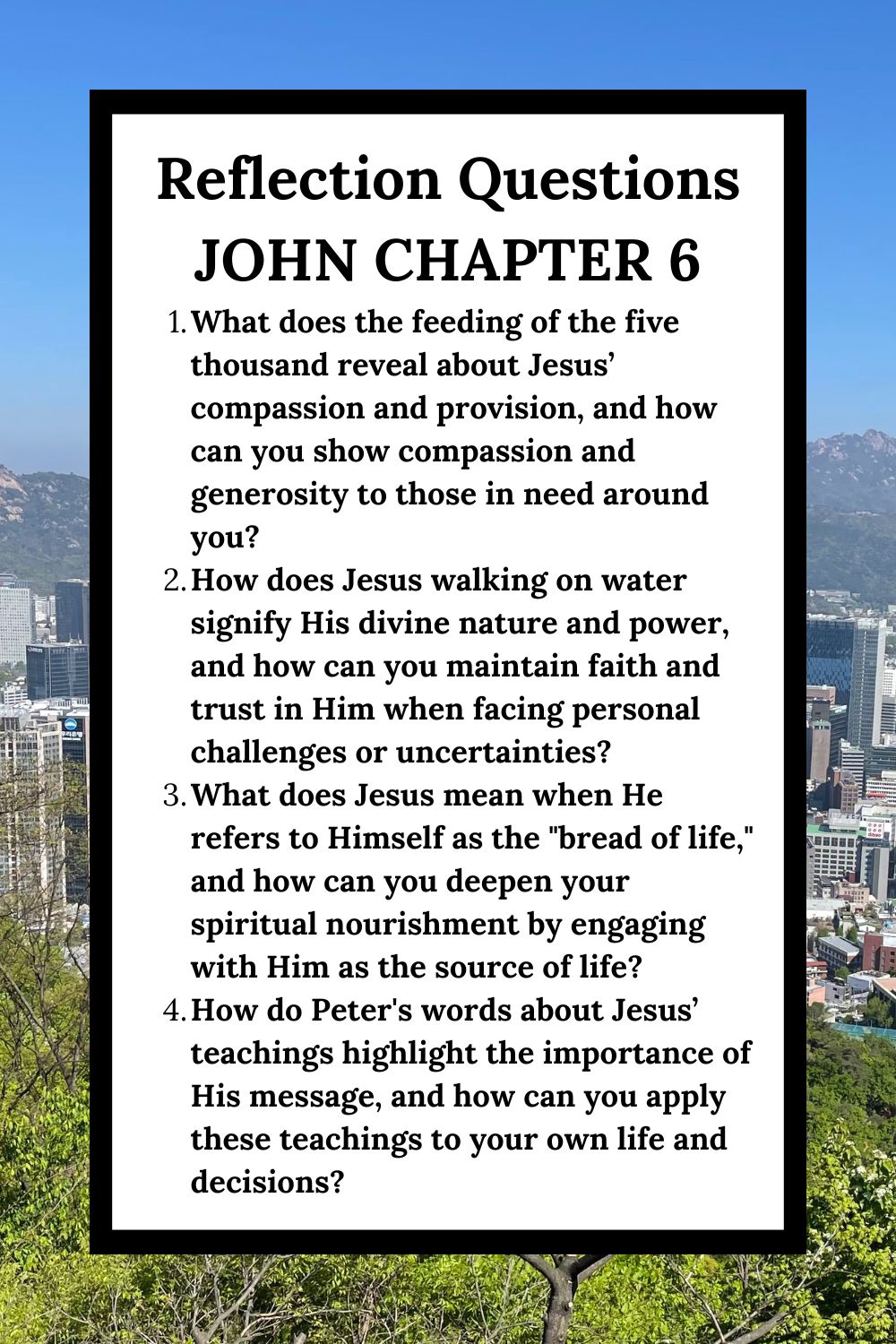
John 6: The Bread of Life and the Feeding of the 5,000
- What does the feeding of the five thousand reveal about Jesus’ compassion and provision, and how can you show compassion and generosity to those in need around you?
- How does Jesus walking on water signify His divine nature and power, and how can you maintain faith and trust in Him when facing personal challenges or uncertainties?
- What does Jesus mean when He refers to Himself as the “bread of life,” and how can you deepen your spiritual nourishment by engaging with Him as the source of life?
- How do Peter’s words about Jesus’ teachings highlight the importance of His message, and how can you apply these teachings to your own life and decisions?
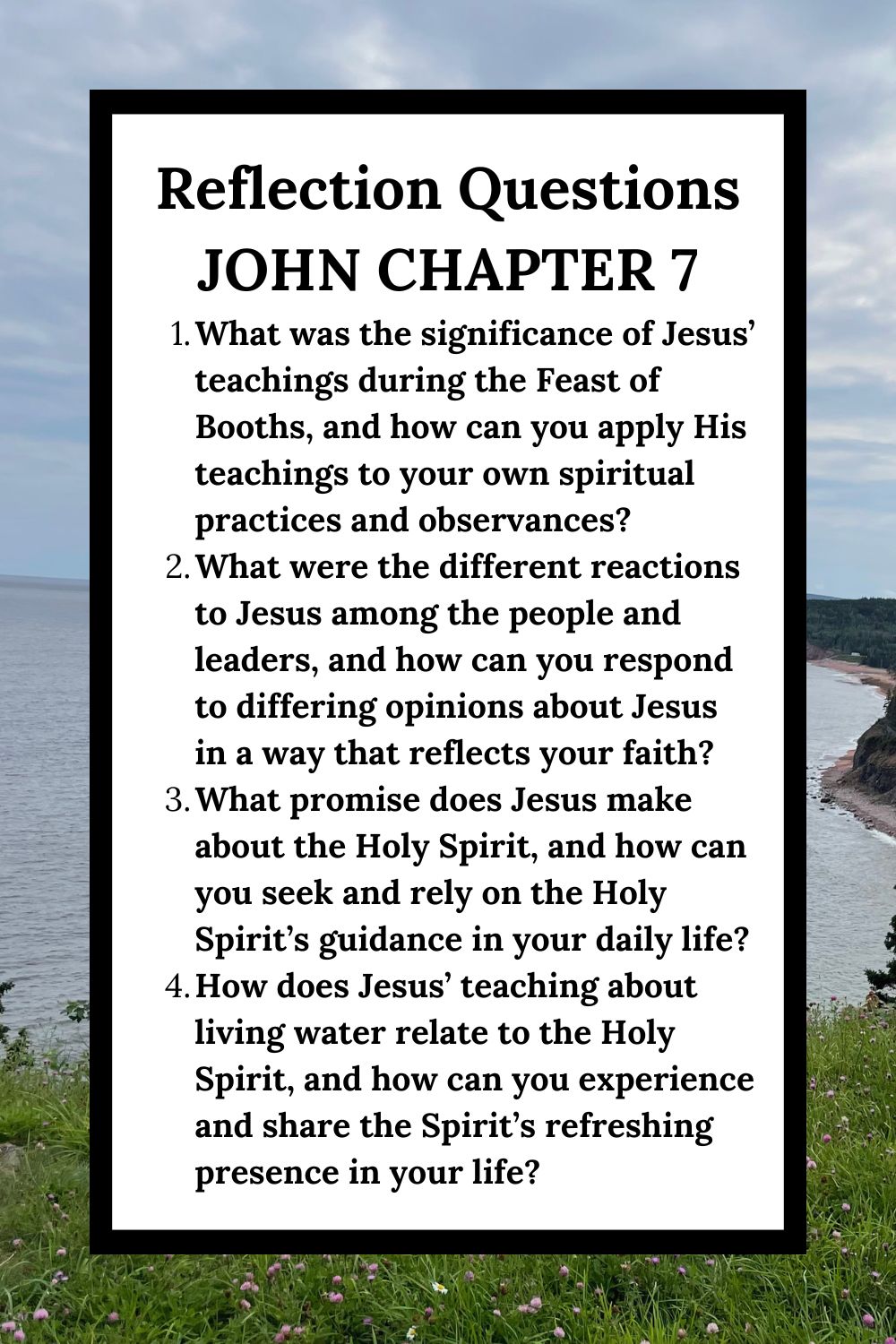
John 7: The Feast of Booths and Jesus’ Teachings
- What was the significance of Jesus’ teachings during the Feast of Booths, and how can you apply His teachings to your own spiritual practices and observances?
- What were the different reactions to Jesus among the people and leaders, and how can you respond to differing opinions about Jesus in a way that reflects your faith?
- What promise does Jesus make about the Holy Spirit, and how can you seek and rely on the Holy Spirit’s guidance in your daily life?
- How does Jesus’ teaching about living water relate to the Holy Spirit, and how can you experience and share the Spirit’s refreshing presence in your life?
Reflective Prayer
Choose a few verses or topics from these chapters and pray over them. Consider using the ACTS method — Adoration, Confession, Thankfulness, Supplication:
- Adoration: Praise God. What specific characteristics of God do these readings bring to mind?
- Confession: Tell God that you are sorry for specific sins. What specific sins do these readings bring to mind?
- Thankfulness: Show gratitude towards God. What in these readings inspires gratitude?
- Supplication: Make requests for yourself and for others. What in these readings inspires a prayer?
If helpful, you can use a prayer journal template.
Other Reading Plans
Online Resources
Subscribe
If you enjoyed this post and wish to receive more Christian content, feel free to subscribe to my newsletters!
Related Resources
Visit the Joyful Moments in Christ homepage for all posts, or scroll through other blog posts related to reading the New Testament in a year:




English Standard Version (ESV): Unless otherwise noted, scripture quotations are from the ESV® Bible (The Holy Bible, English Standard Version®), © 2001 by Crossway, a publishing ministry of Good News Publishers. Used by permission. All rights reserved. The ESV text may not be quoted in any publication made available to the public by a Creative Commons license. The ESV may not be translated in whole or in part into any other language.

 Joyful Moments in Christ