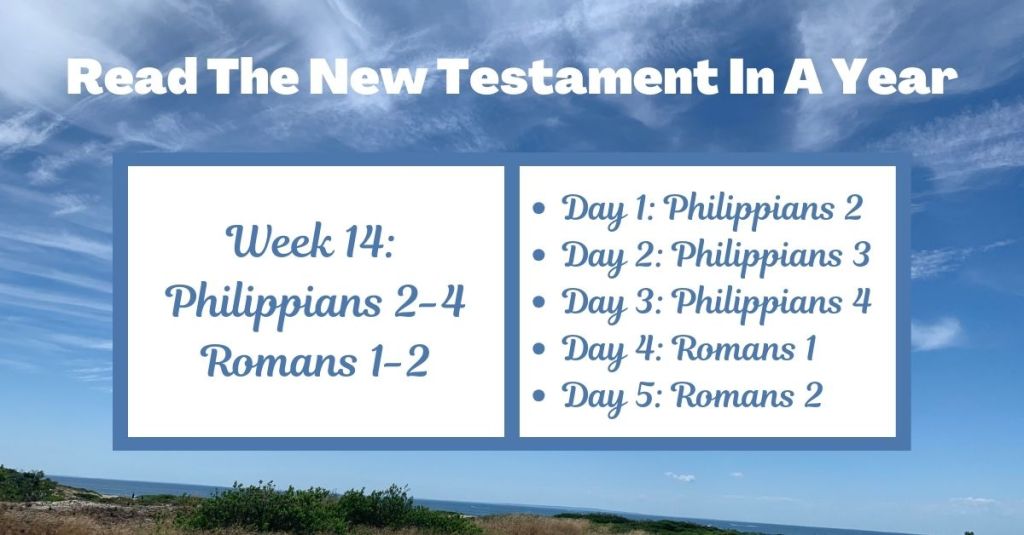
Week 14: Exploring Philippians 2-4 and Romans 1-2
In week 14 of our 1-year New Testament reading adventure, we will read Philippians 2-4 and Romans 1-2.
Philippians 2-4
As we finish the book of Philippians, we will explore themes of following Jesus’ example, shining as lights in the world, and pursuing righteousness. Paul emphasizes the importance of embodying Christ’s humility and selflessness, encouraging believers to live in a manner that reflects their divine calling.
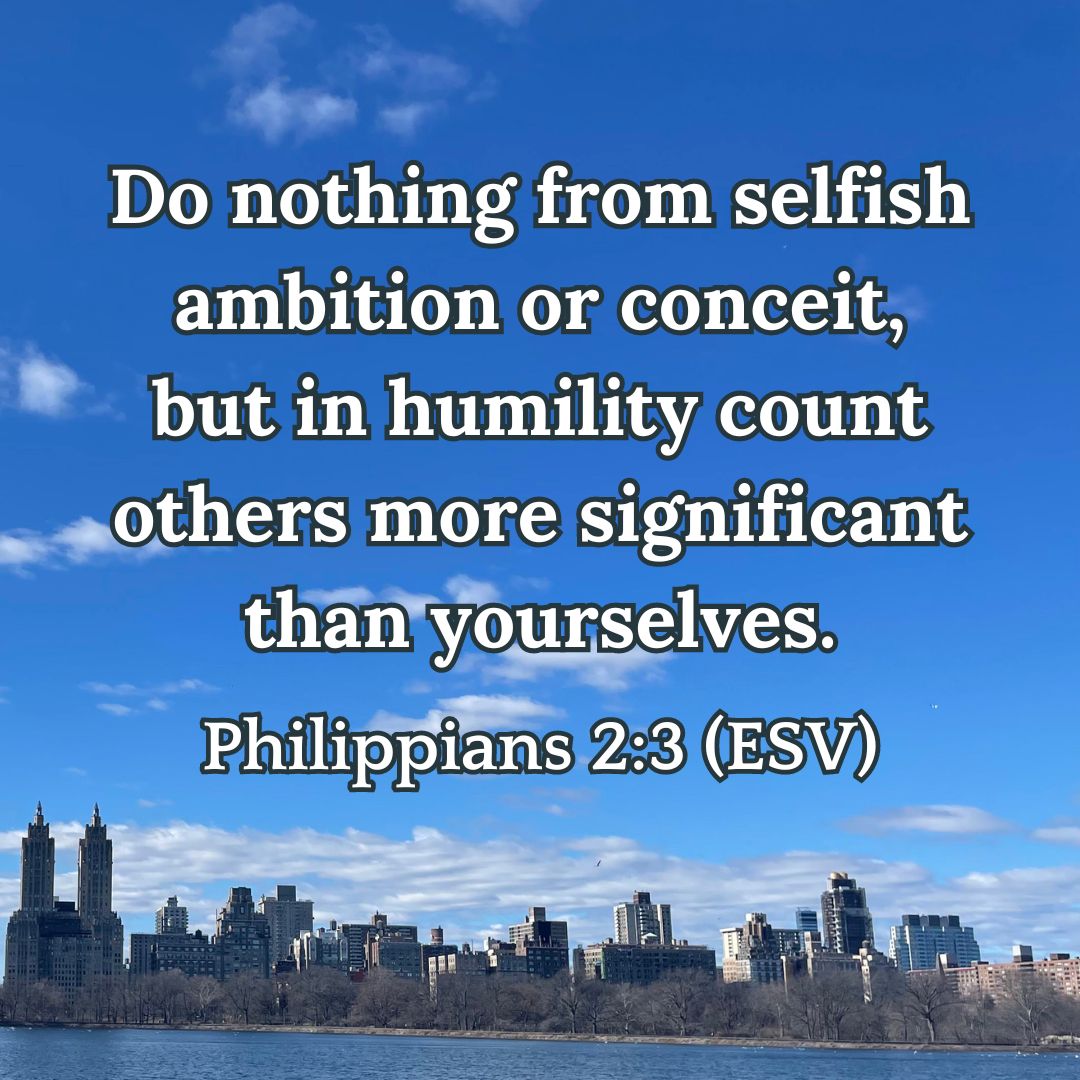
Paul urges the Philippians to focus their gaze on Jesus, imitate His example, and pursue the goal of their heavenly citizenship. He reminds them that their ultimate home is with Christ, and the temporary struggles they face on earth pale in comparison to the eternal joy and rewards that await them in heaven.
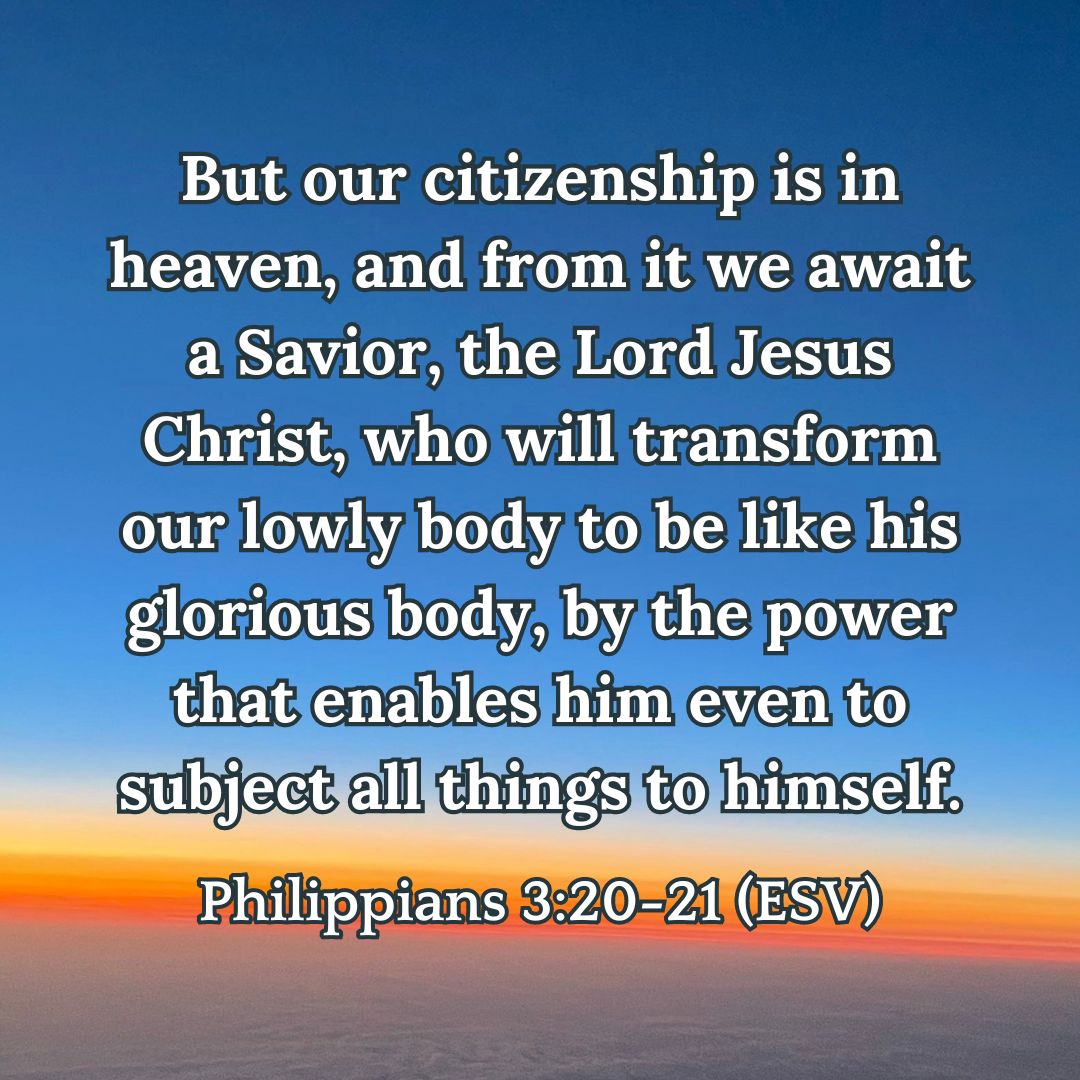
Despite the challenges they encounter, Paul calls them to rejoice. While this may seem daunting, Paul’s own trials illustrate that God can provide the strength needed to endure and triumph. Just as God empowered Paul to find joy amidst adversity, He offers the same strength to us in our own difficulties.
Romans 1-2
We will then turn our attention to Paul’s letter to the Romans, which presents profound Christian theology. This epistle lays a foundational understanding of salvation and the nature of God’s righteousness.
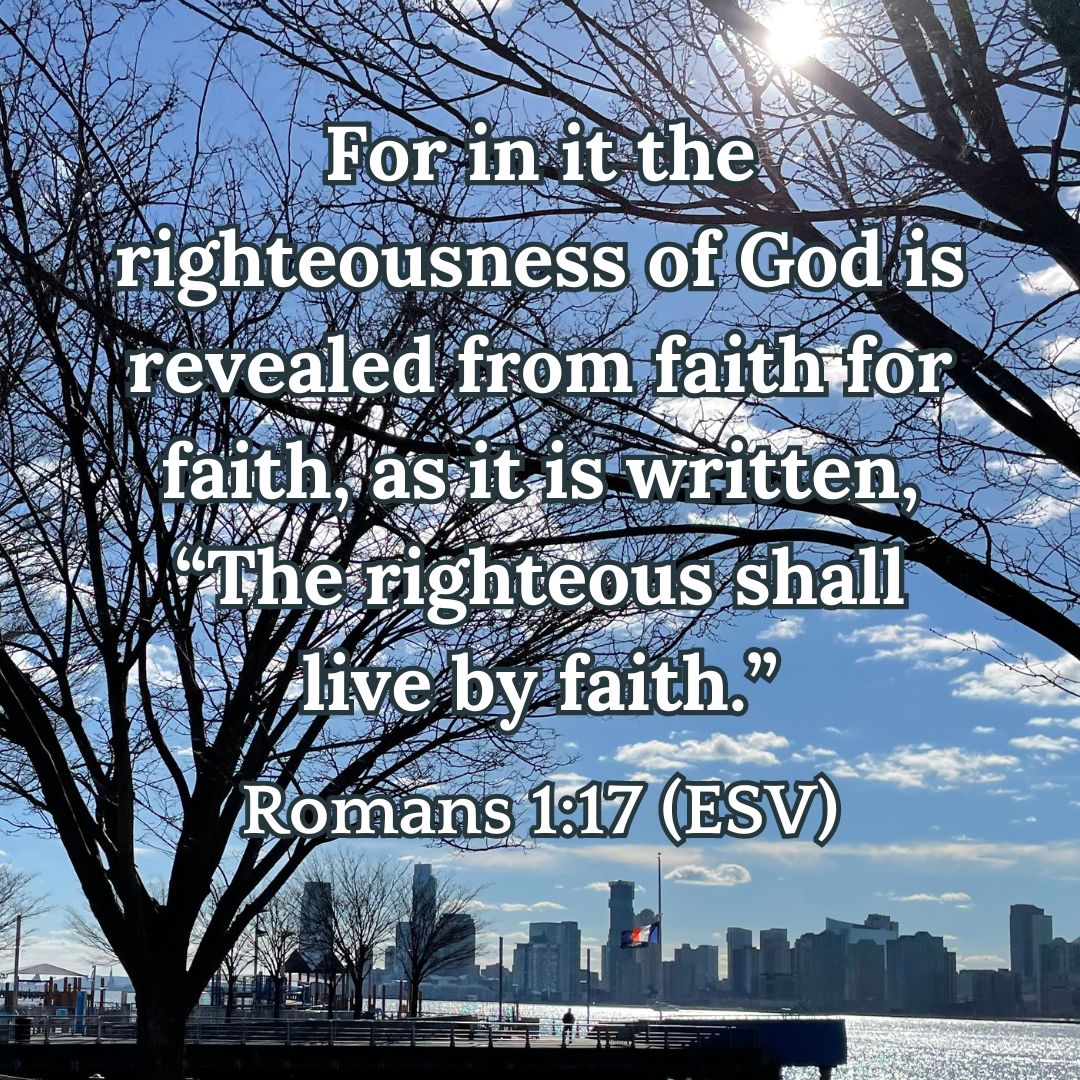
In Romans 1, Paul begins with a greeting and highlights the concept of righteousness, primarily by contrasting it with examples of unrighteousness. By painting a stark picture of human depravity, Paul underscores the urgent need for divine intervention and the righteousness that comes through faith.

Romans 2 continues by addressing the theme of judgment, laying the groundwork for the letter’s subsequent teachings. Paul begins to unravel the principles of divine justice and moral accountability, setting up a framework for understanding the transformative message of the New Covenant.
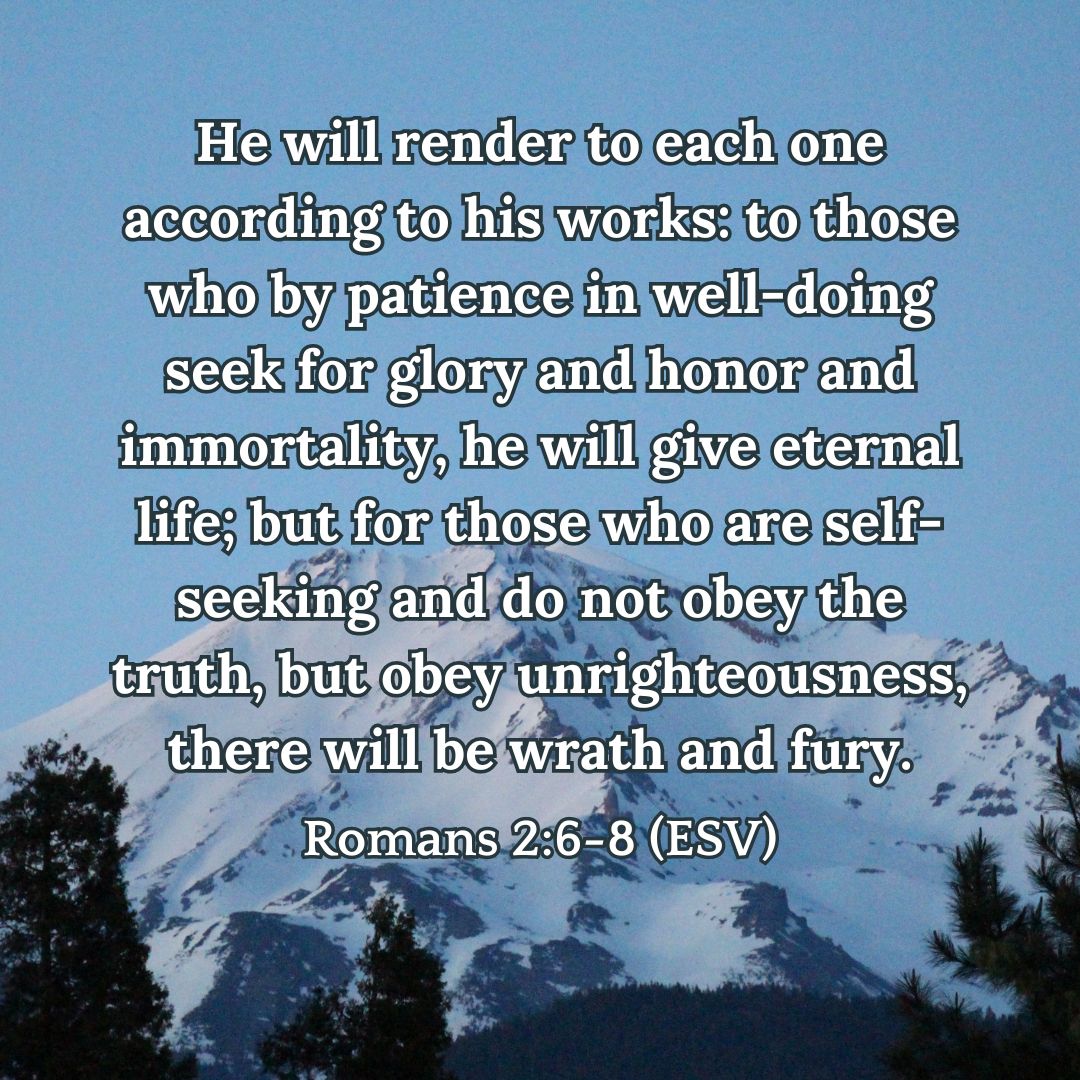
Next week, Paul will move beyond judgment to introduce the foundational principles of the New Covenant, which offers freedom from judgment under the law and promises a new path to righteousness. What good news!
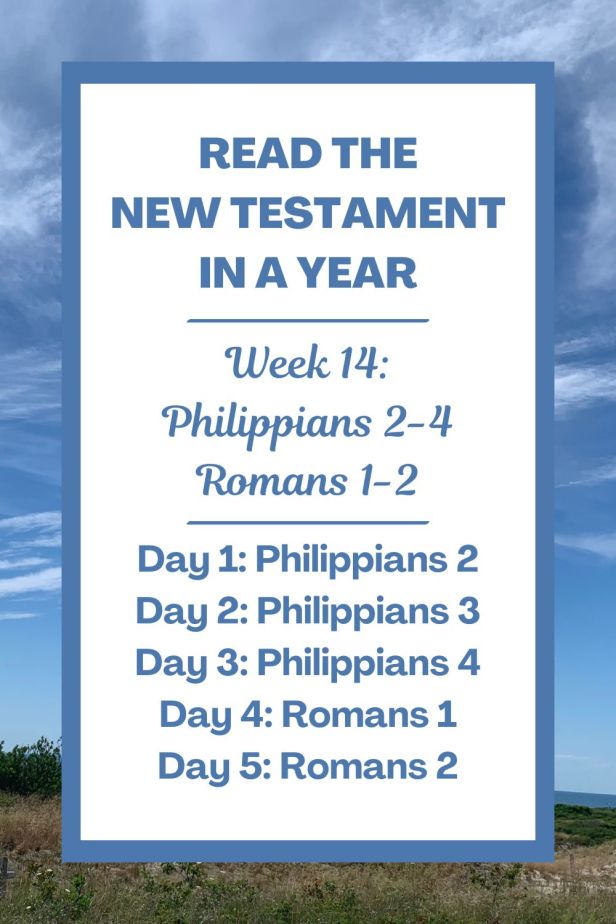
Week 14: New Testament Reading Assignment
Each week, we will read 5 chapters of the New Testament. Some people may prefer to read during the weekdays, while others might enjoy doing most of their reading on the weekends. Choose the method that works best for you!
- Day 1: Philippians 2
- Day 2: Philippians 3
- Day 3: Philippians 4
- Day 4: Romans 1
- Day 5: Romans 2
Printable Resource:
Week 14: Reflection Questions for Philippians 2-4 and Romans 1-2
Consider the following reflection questions:
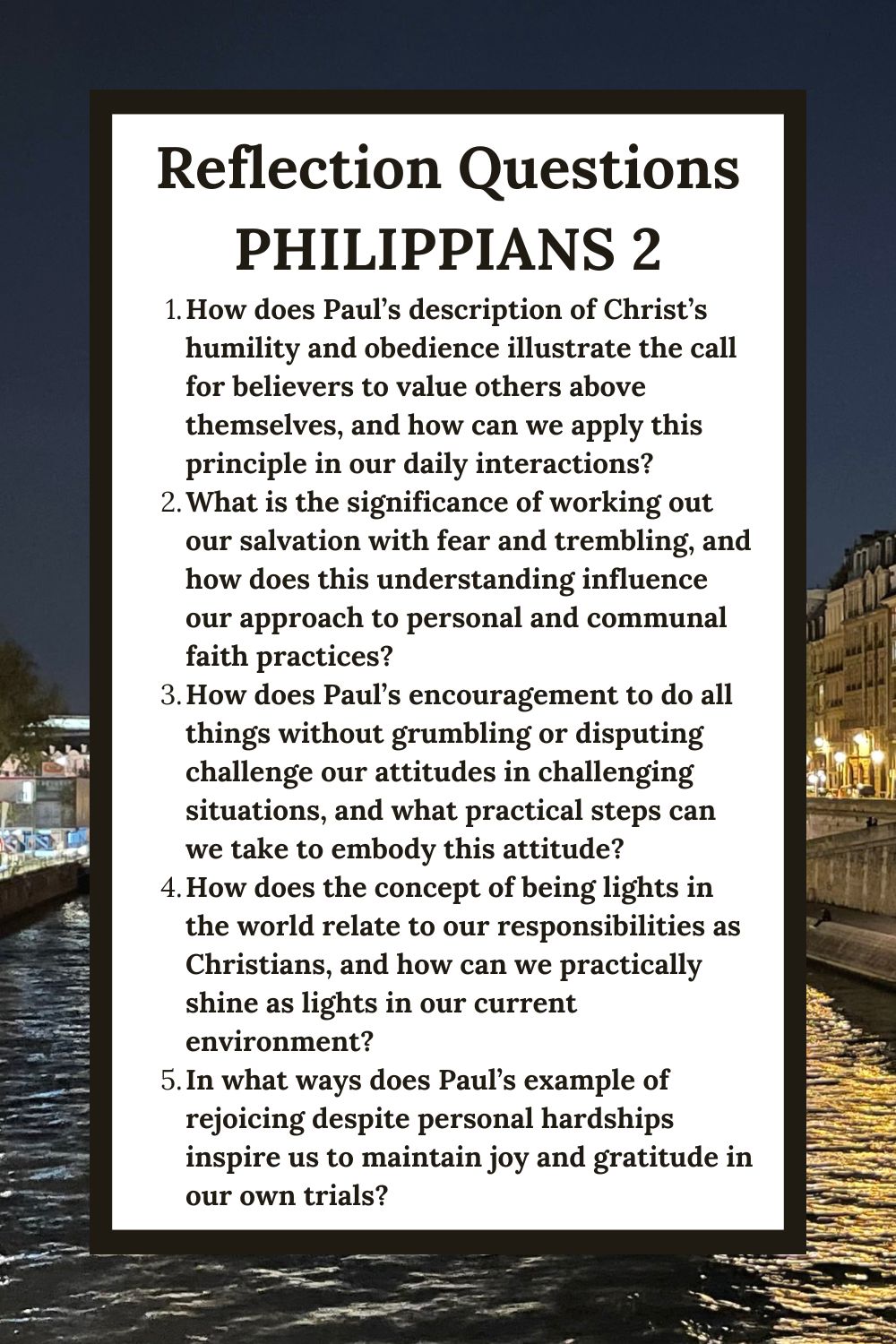
Philippians 2: Christ’s Example of Humility and Lights in the World
- How does Paul’s description of Christ’s humility and obedience illustrate the call for believers to value others above themselves, and how can we apply this principle in our daily interactions?
- What is the significance of working out our salvation with fear and trembling, and how does this understanding influence our approach to personal and communal faith practices?
- How does Paul’s encouragement to do all things without grumbling or disputing challenge our attitudes in challenging situations, and what practical steps can we take to embody this attitude?
- How does the concept of being lights in the world relate to our responsibilities as Christians, and how can we practically shine as lights in our current environment?
- In what ways does Paul’s example of rejoicing despite personal hardships inspire us to maintain joy and gratitude in our own trials?
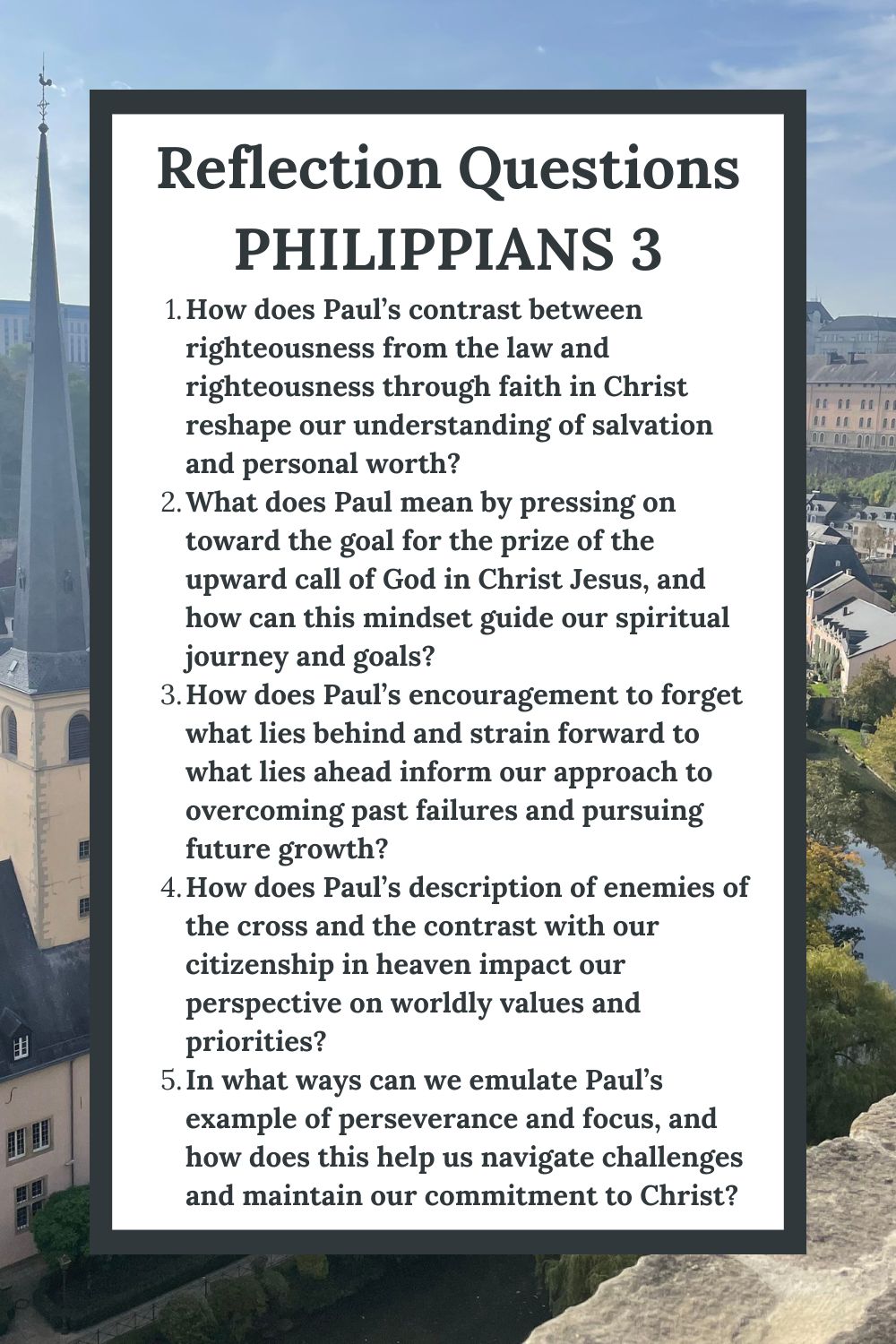
Philippians 3: Righteousness Through Faith in Christ and Straining Toward the Goal
- How does Paul’s contrast between righteousness from the law and righteousness through faith in Christ reshape our understanding of salvation and personal worth?
- What does Paul mean by pressing on toward the goal for the prize of the upward call of God in Christ Jesus, and how can this mindset guide our spiritual journey and goals?
- How does Paul’s encouragement to forget what lies behind and strain forward to what lies ahead inform our approach to overcoming past failures and pursuing future growth?
- How does Paul’s description of enemies of the cross and the contrast with our citizenship in heaven impact our perspective on worldly values and priorities?
- In what ways can we emulate Paul’s example of perseverance and focus, and how does this help us navigate challenges and maintain our commitment to Christ?
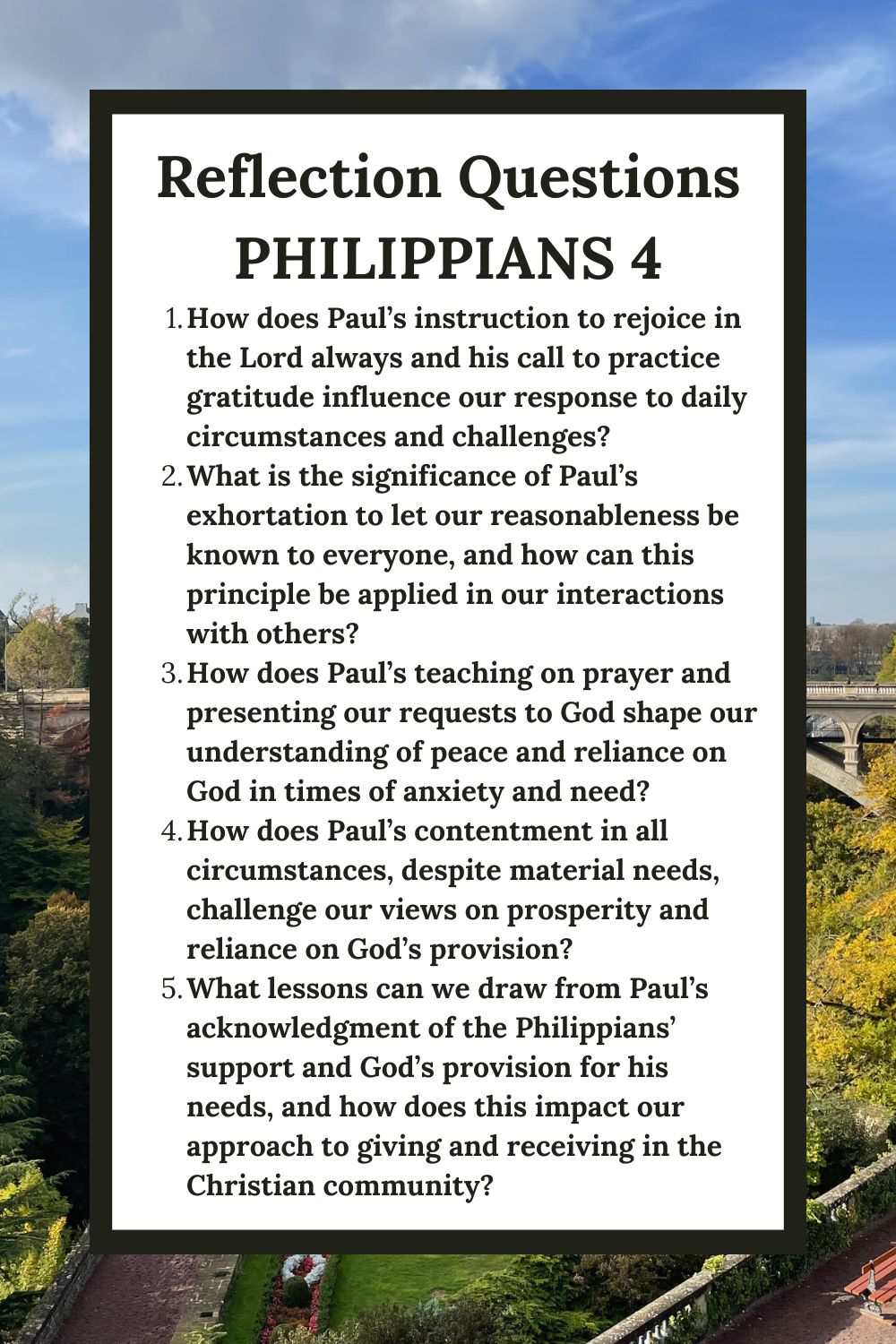
Philippians 4: Exhortation, Encouragement, and God’s Provision
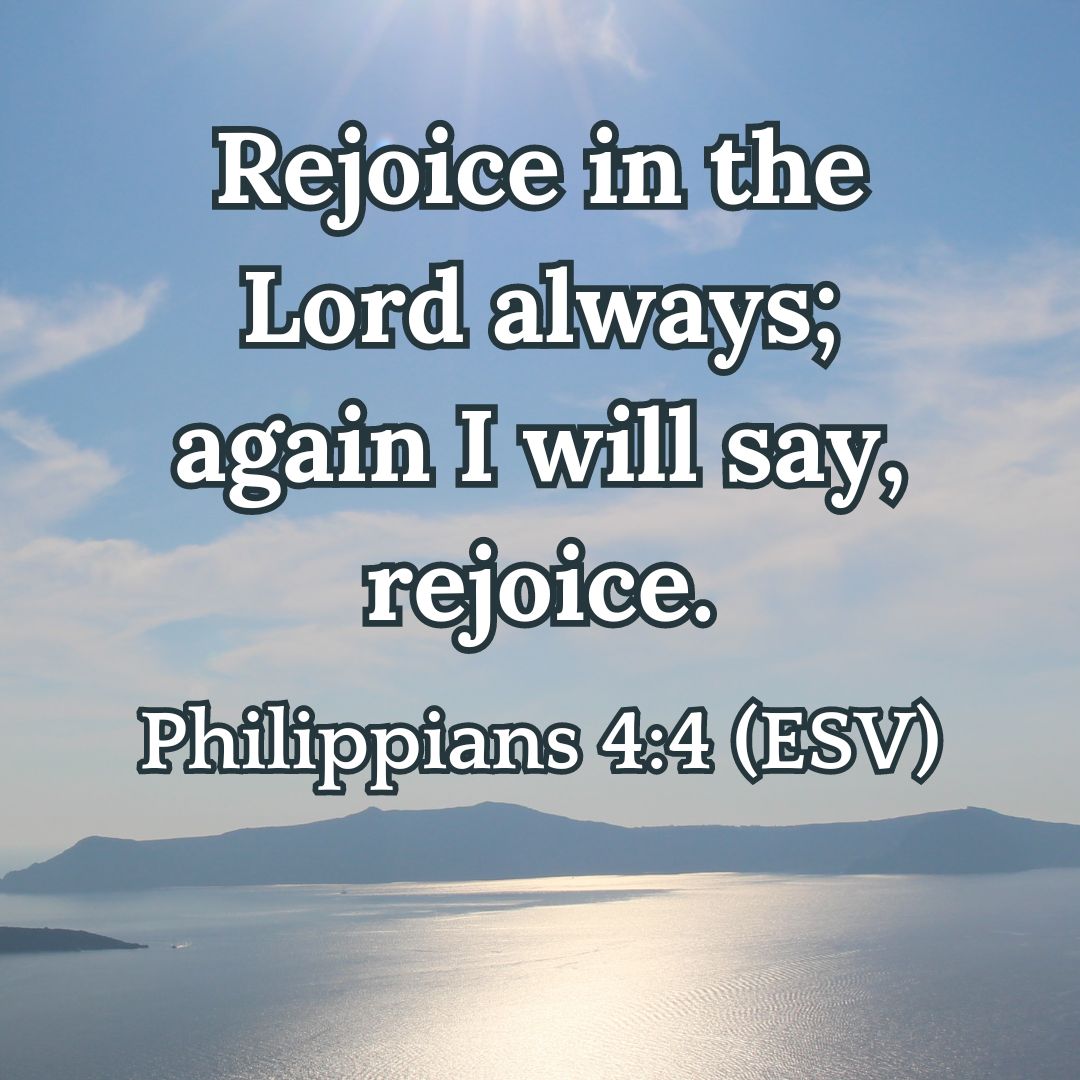
- How does Paul’s instruction to rejoice in the Lord always and his call to practice gratitude influence our response to daily circumstances and challenges?
- What is the significance of Paul’s exhortation to let our reasonableness be known to everyone, and how can this principle be applied in our interactions with others?
- How does Paul’s teaching on prayer and presenting our requests to God shape our understanding of peace and reliance on God in times of anxiety and need?
- How does Paul’s contentment in all circumstances, despite material needs, challenge our views on prosperity and reliance on God’s provision?
- What lessons can we draw from Paul’s acknowledgment of the Philippians’ support and God’s provision for his needs, and how does this impact our approach to giving and receiving in the Christian community?
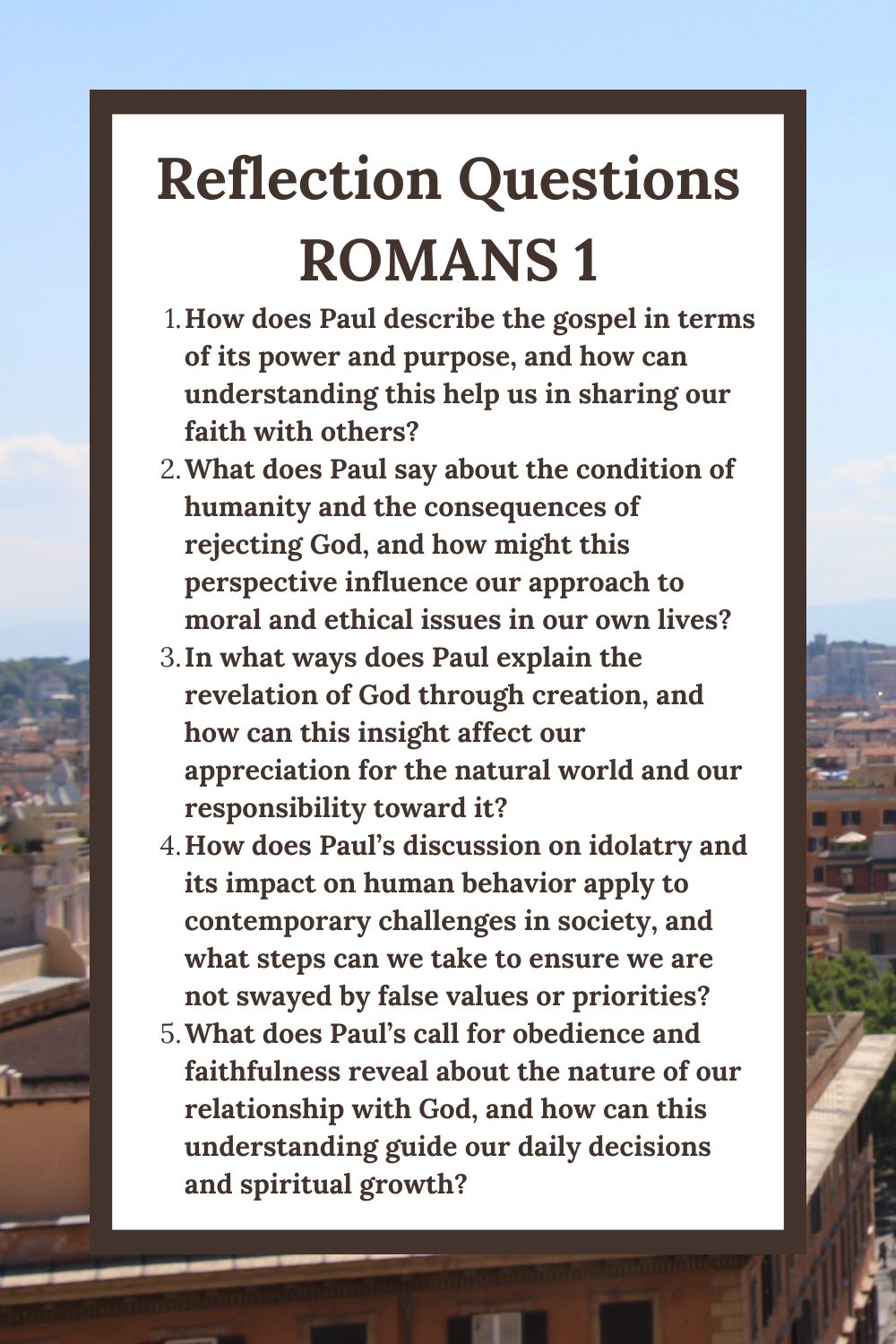
Romans 1: The Righteousness of God Revealed
- How does Paul describe the gospel in terms of its power and purpose, and how can understanding this help us in sharing our faith with others?
- What does Paul say about the condition of humanity and the consequences of rejecting God, and how might this perspective influence our approach to moral and ethical issues in our own lives?
- In what ways does Paul explain the revelation of God through creation, and how can this insight affect our appreciation for the natural world and our responsibility toward it?
- How does Paul’s discussion on idolatry and its impact on human behavior apply to contemporary challenges in society, and what steps can we take to ensure we are not swayed by false values or priorities?
- What does Paul’s call for obedience and faithfulness reveal about the nature of our relationship with God, and how can this understanding guide our daily decisions and spiritual growth?
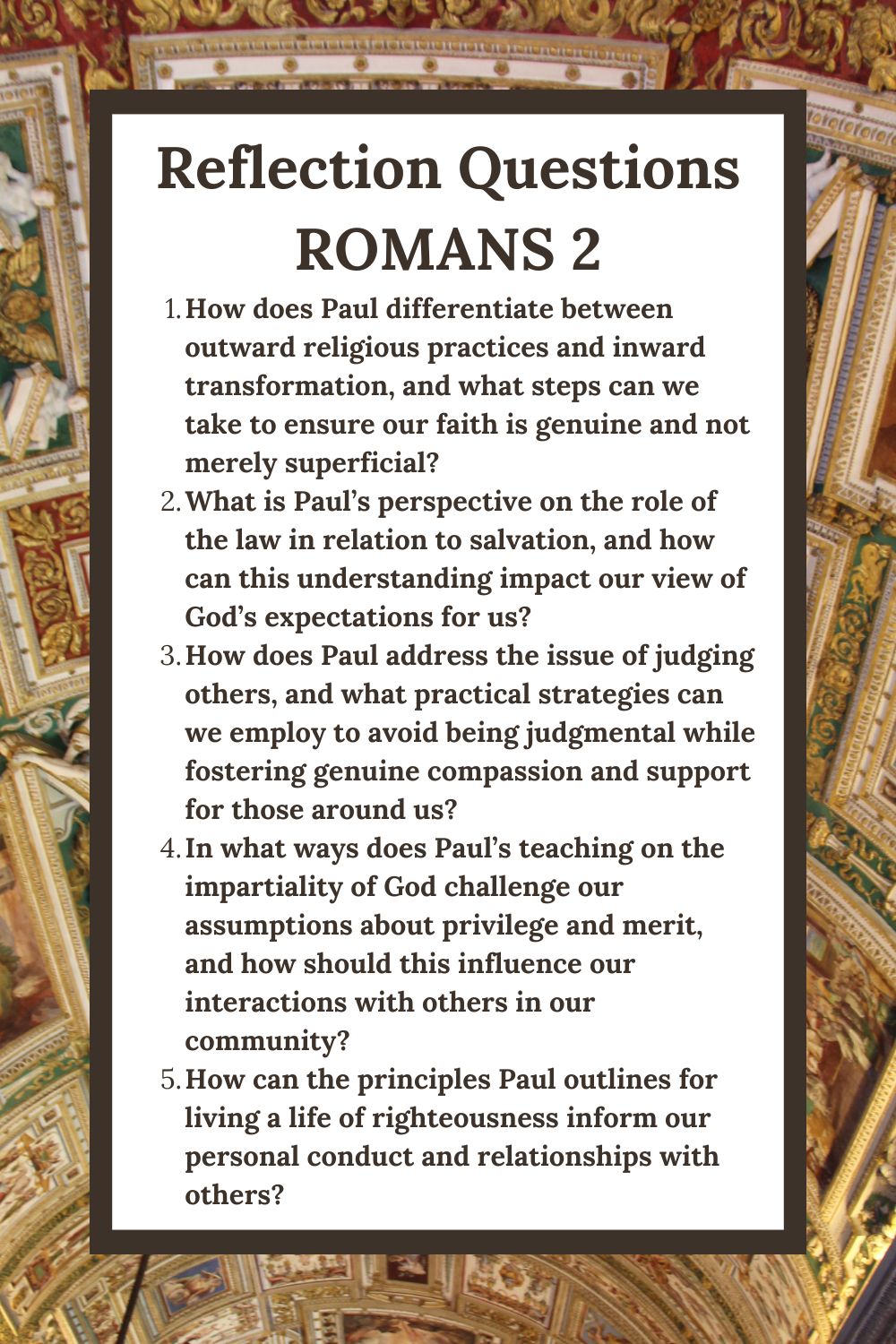
Romans 2: God’s Righteous Judgment
- How does Paul differentiate between outward religious practices and inward transformation, and what steps can we take to ensure our faith is genuine and not merely superficial?
- What is Paul’s perspective on the role of the law in relation to salvation, and how can this understanding impact our view of God’s expectations for us?
- How does Paul address the issue of judging others, and what practical strategies can we employ to avoid being judgmental while fostering genuine compassion and support for those around us?
- In what ways does Paul’s teaching on the impartiality of God challenge our assumptions about privilege and merit, and how should this influence our interactions with others in our community?
- How can the principles Paul outlines for living a life of righteousness inform our personal conduct and relationships with others?
Reflective Prayer
Choose a few verses or topics from these chapters and pray over them. Consider using the ACTS method — Adoration, Confession, Thankfulness, Supplication:
- Adoration: Praise God. What specific characteristics of God do these readings bring to mind?
- Confession: Tell God that you are sorry for specific sins. What specific sins do these readings bring to mind?
- Thankfulness: Show gratitude towards God. What in these readings inspires gratitude?
- Supplication: Make requests for yourself and for others. What in these readings inspires a prayer?
If helpful, you can use a prayer journal template.
Other Reading Plans
Online Resources
Subscribe
If you enjoyed this post and wish to receive more Christian content, feel free to subscribe to my newsletters!
Related Resources
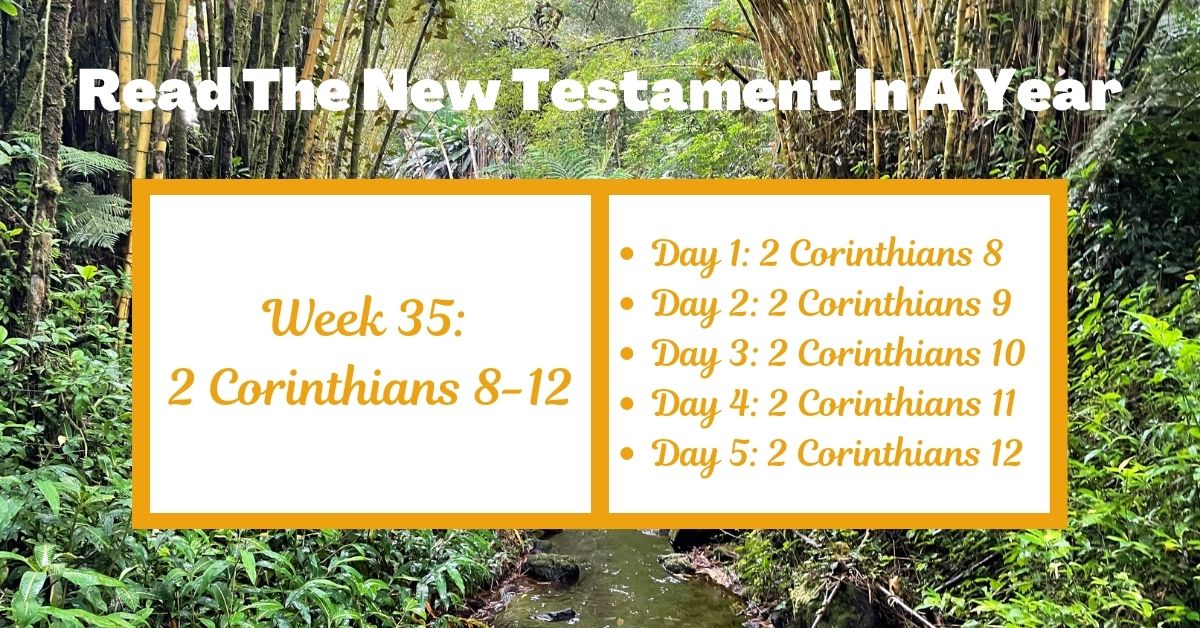
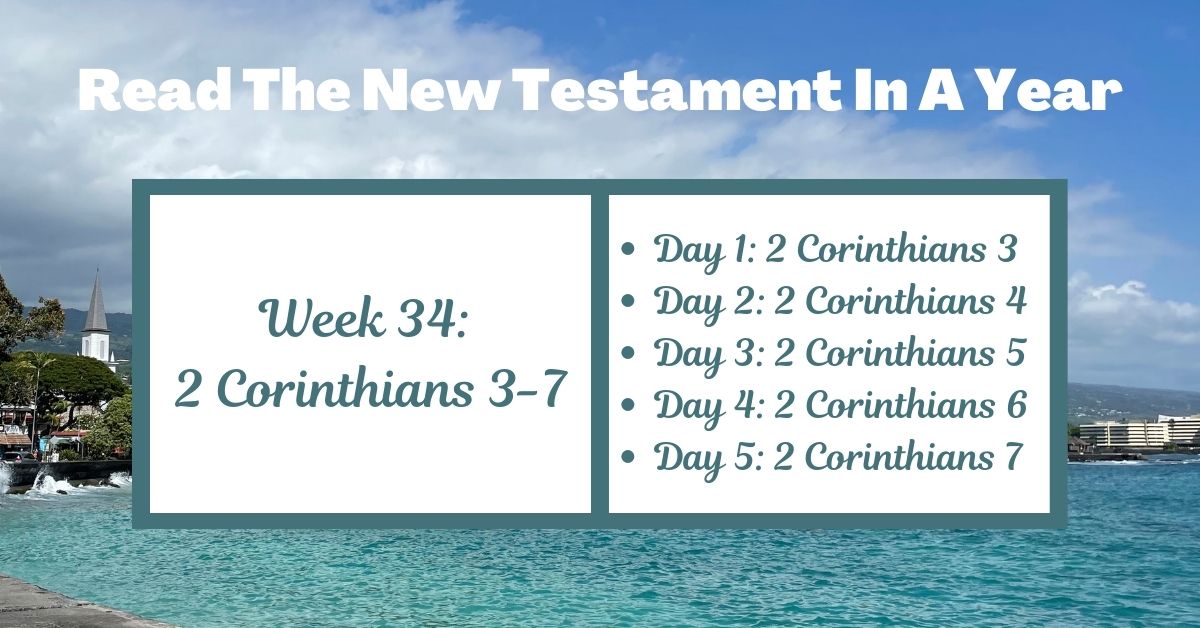
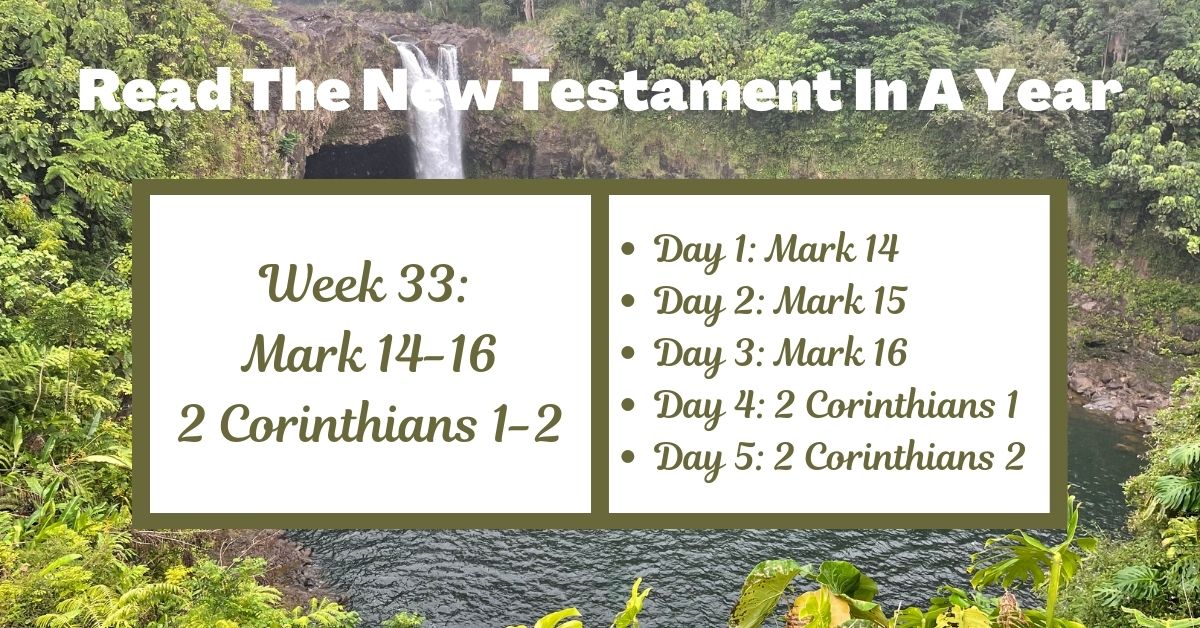
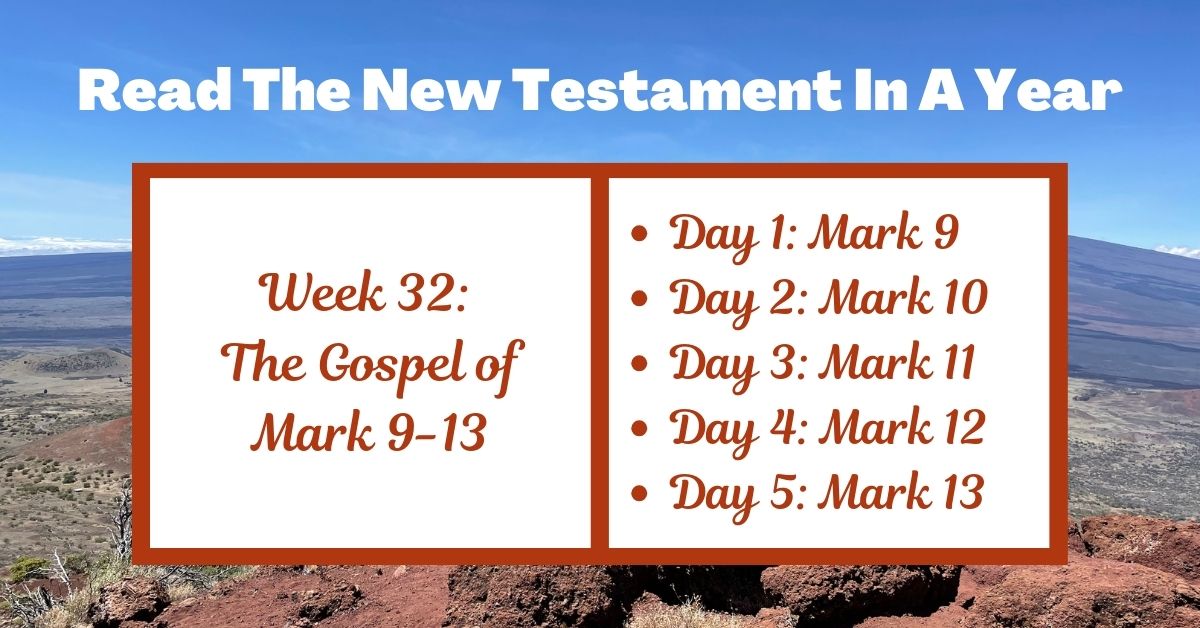
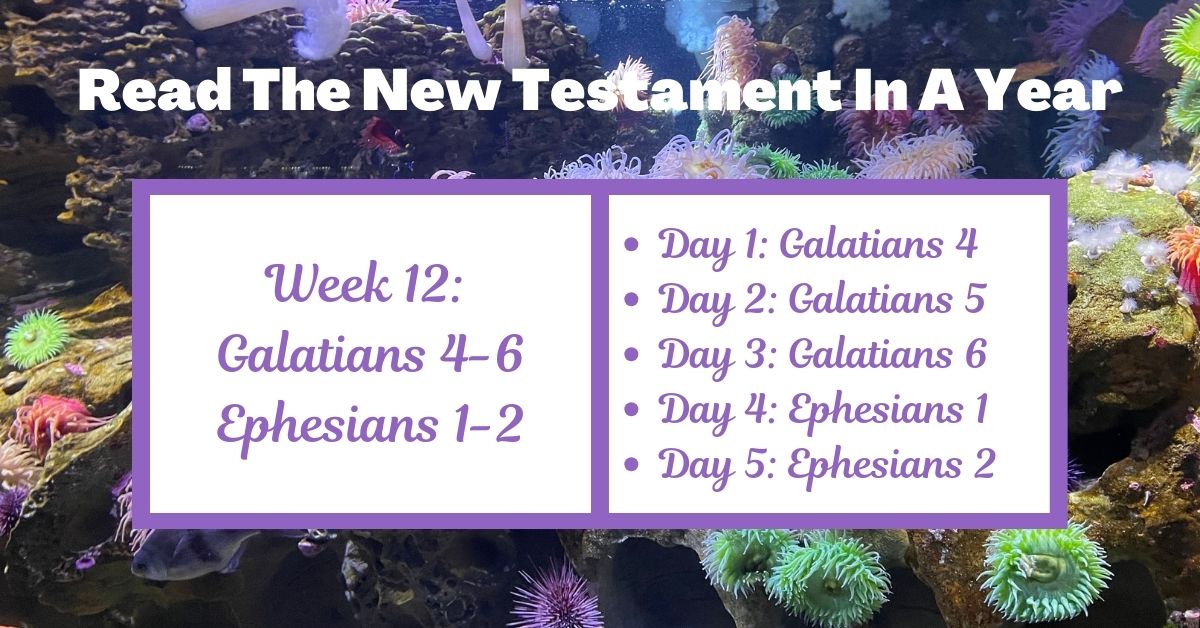
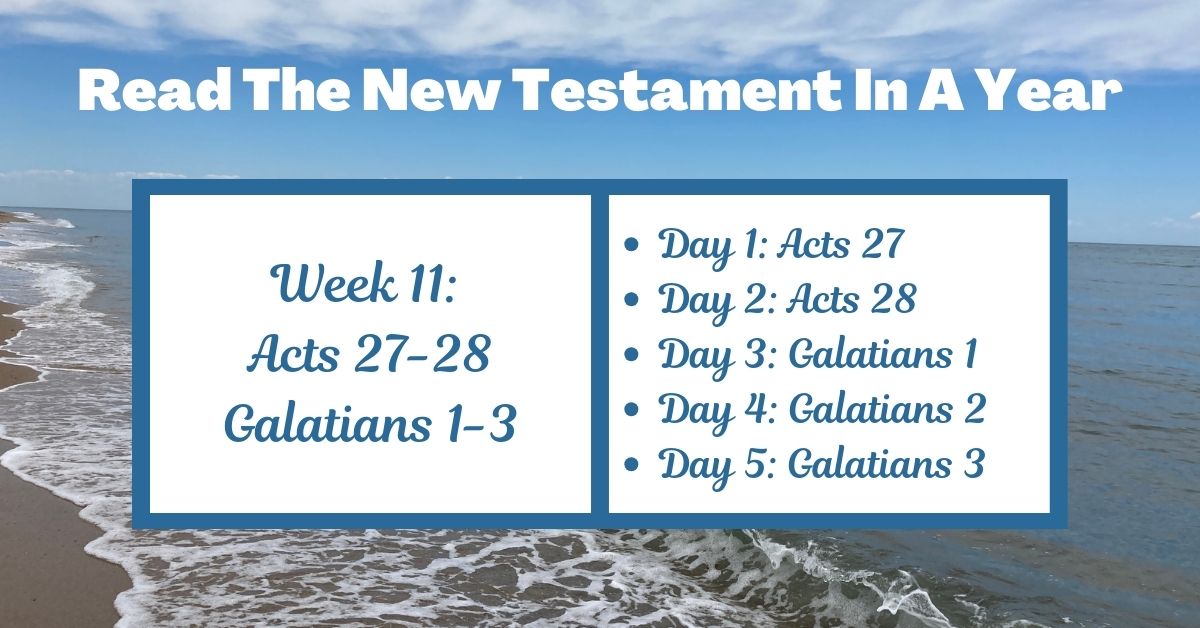
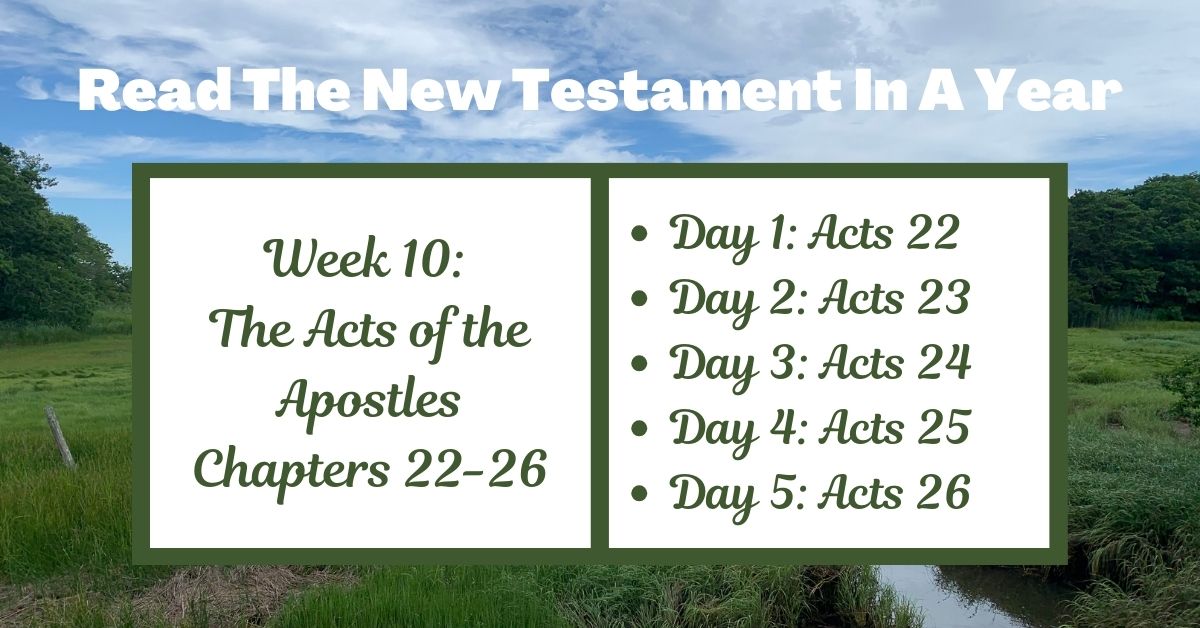
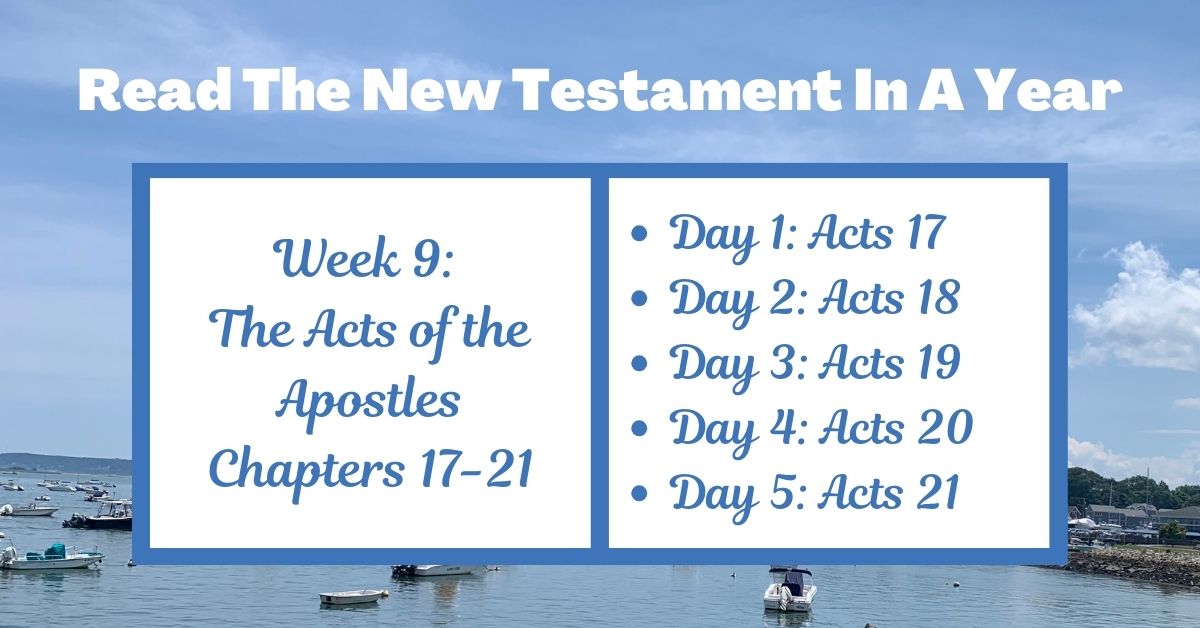
Visit the Joyful Moments in Christ homepage for all posts, or scroll through other blog posts related to reading the New Testament in a year:




English Standard Version (ESV): Unless otherwise noted, scripture quotations are from the ESV® Bible (The Holy Bible, English Standard Version®), © 2001 by Crossway, a publishing ministry of Good News Publishers. Used by permission. All rights reserved. The ESV text may not be quoted in any publication made available to the public by a Creative Commons license. The ESV may not be translated in whole or in part into any other language.


 Joyful Moments in Christ