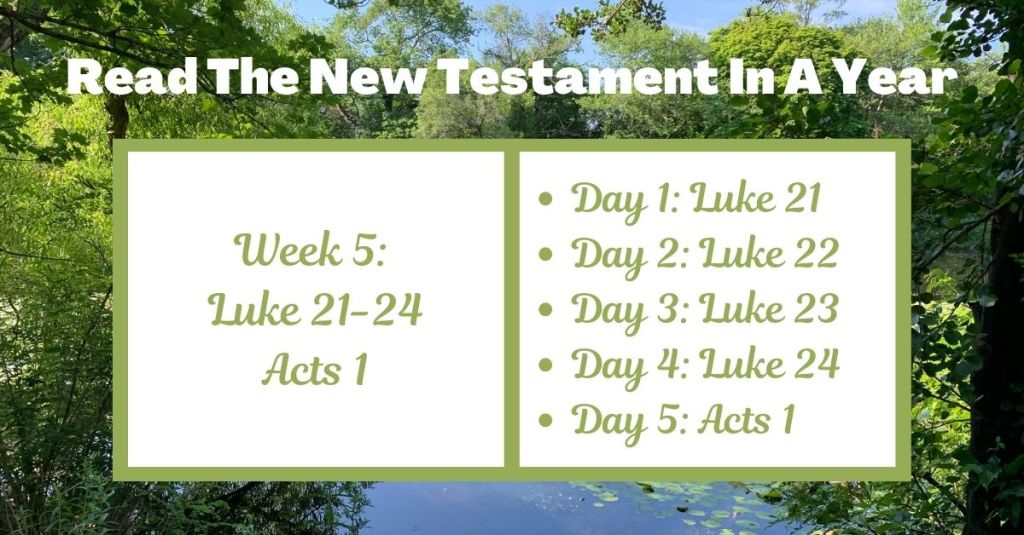
Week 5: Exploring Luke 21-24 and Acts 1
In the fifth week of our journey through the New Testament, we will explore the final chapters of the Gospel of Luke, which recount the last days of Jesus before His crucifixion and the events following His resurrection. After concluding this transformative book, we will read the first chapter of Acts, also written by Luke, which picks up right where the Gospel of Luke left off.
Luke 21-24
In Chapter 21, Jesus shares prophecies and warnings interspersed with teachings. He speaks about the signs of the end times, the destruction of Jerusalem, and the importance of remaining watchful and faithful.
And he said, “Truly, I tell you, this poor widow has put in more than all of them. For they all contributed out of their abundance, but she out of her poverty put in all she had to live on.” – Luke 21:3-4 (ESV)
Chapters 22 and 23 narrate the solemn and pivotal moments of the Last Supper, Jesus’ betrayal and arrest, and the agonizing events of His trial, crucifixion, and burial. These chapters capture the deep sorrow and darkness of these days, reflecting the immense suffering Jesus endured.
And he said, “Jesus, remember me when you come into your kingdom.” And he said to him, “Truly, I say to you, today you will be with me in paradise.” – Luke 23:42-43 (ESV)
However, Chapter 24 brings a complete change of tone and concludes the Gospel with a message of hope and triumph. It describes Jesus’ glorious resurrection, His interactions with His disciples, and His ascension into heaven. This chapter highlights the victory of life over death and the fulfillment of God’s redemptive plan, leaving us with a powerful and uplifting ending that reminds us of His love and the hope found in His resurrection.
Then he opened their minds to understand the Scriptures, and said to them, “Thus it is written, that the Christ should suffer and on the third day rise from the dead, and that repentance for the forgiveness of sins should be proclaimed in his name to all nations, beginning from Jerusalem. – Luke 24:45-47 (ESV)
Acts 1
Moving on to the book of Acts, we will read about Jesus’ promise to send the Holy Spirit, an expanded version of the ascension, and the selection of Matthias to replace Judas. In the coming weeks, we will delve into the story of the early church, missionary journeys, and more!
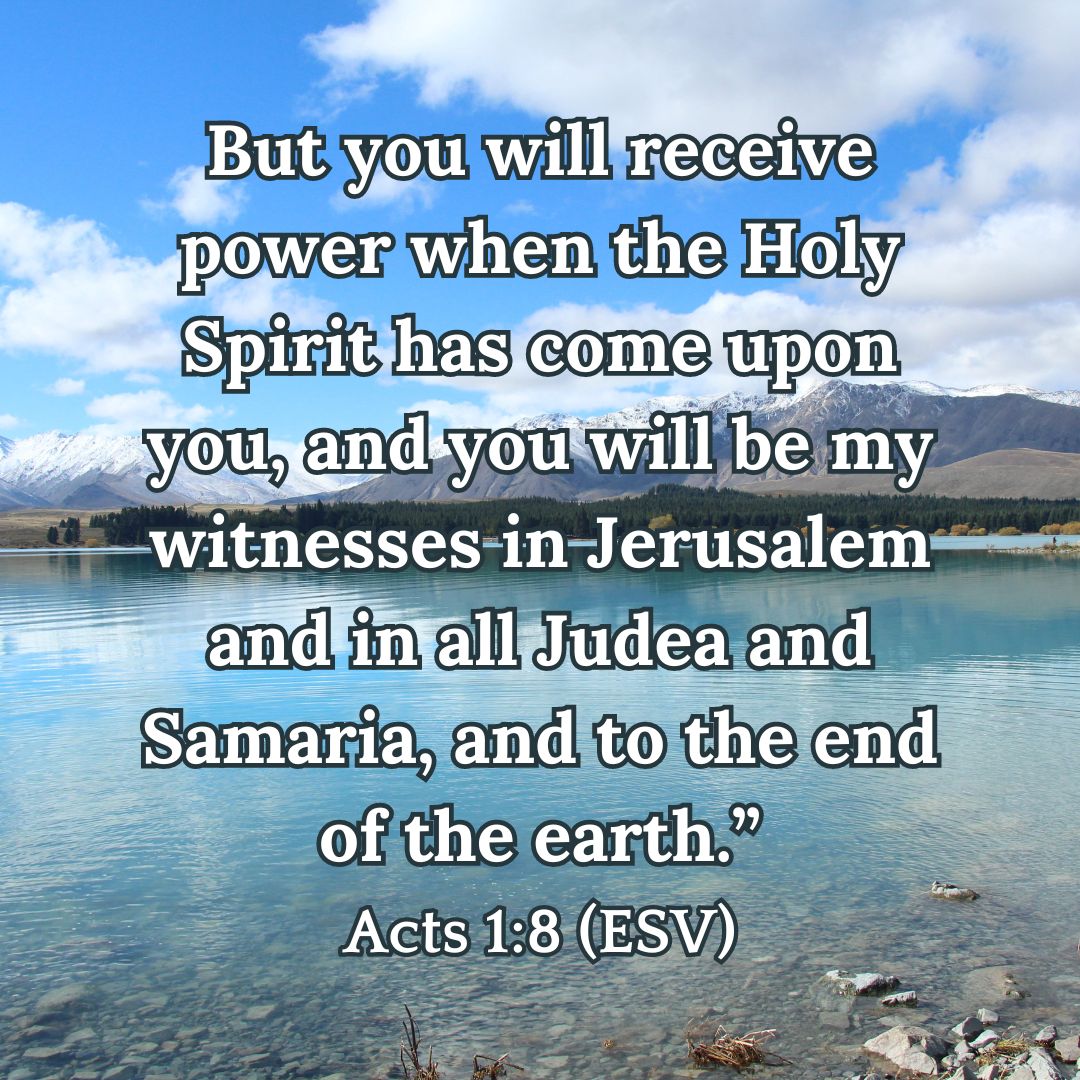
But you will receive power when the Holy Spirit has come upon you, and you will be my witnesses in Jerusalem and in all Judea and Samaria, and to the end of the earth.” – Acts 1:8 (ESV)
Additional Reading: More blog posts from Acts 1.
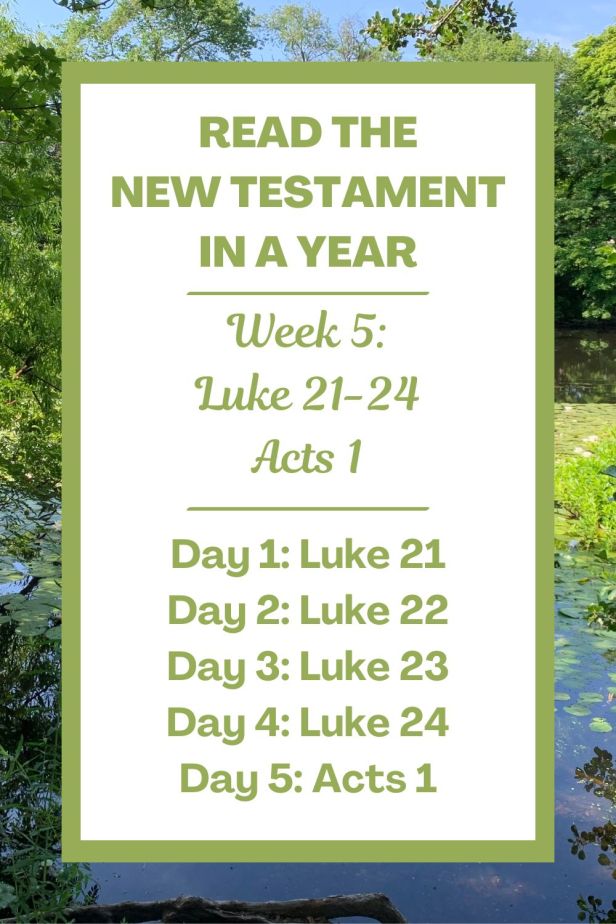
Week 5: New Testament Reading Assignment
Each week, we will read 5 chapters of the New Testament. Some people may prefer to read during the weekdays, while others might enjoy doing most of their reading on the weekends. Choose the method that works best for you!
Printable Resource:
Week 5: Reflection Questions for Luke 21-24 and Acts 1
Consider the following reflection questions:
Luke 21: Prophecy and Warnings
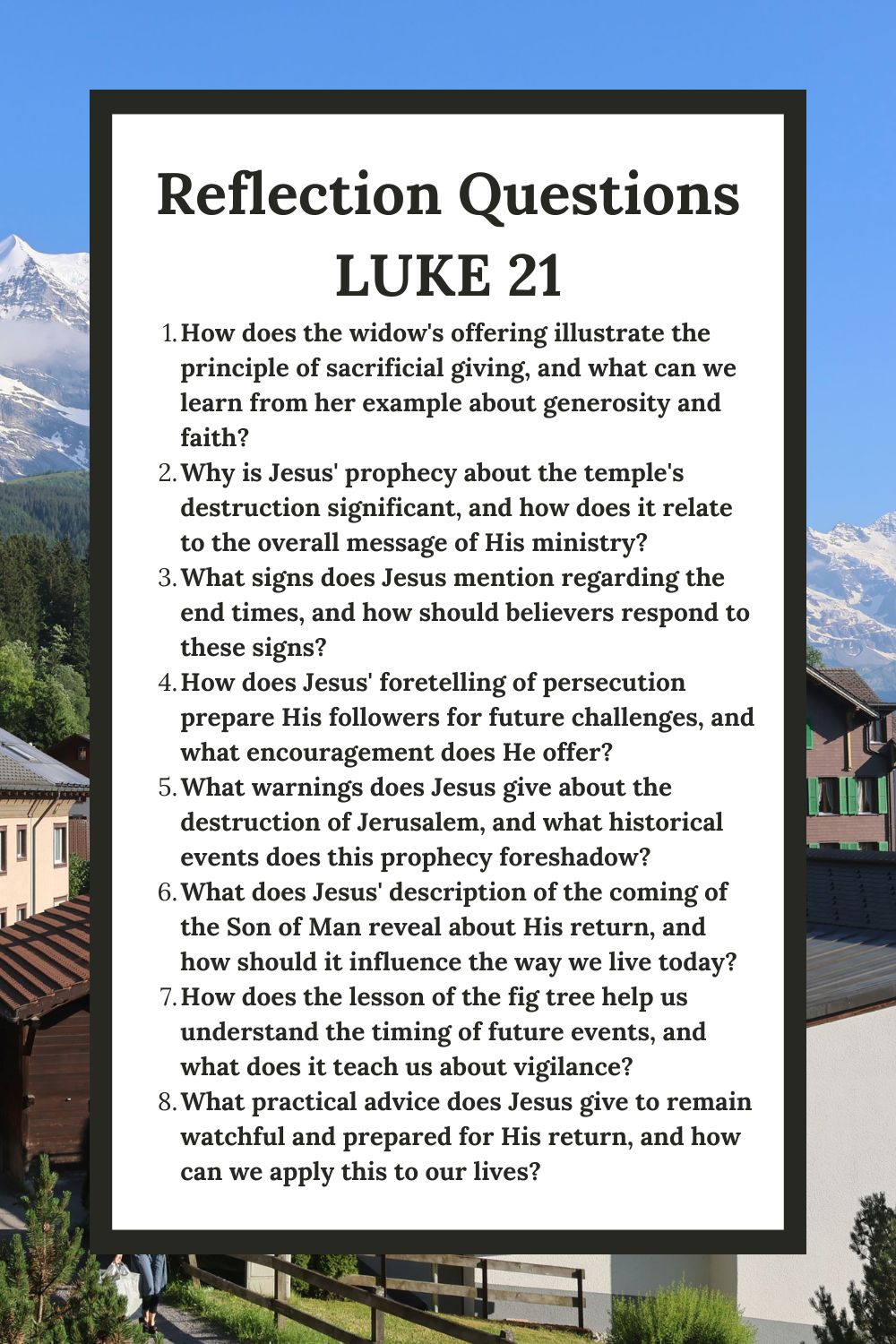
- How does the widow’s offering illustrate the principle of sacrificial giving, and what can we learn from her example about generosity and faith?
- Why is Jesus’ prophecy about the temple’s destruction significant, and how does it relate to the overall message of His ministry?
- What signs does Jesus mention regarding the end times, and how should believers respond to these signs?
- How does Jesus’ foretelling of persecution prepare His followers for future challenges, and what encouragement does He offer?
- What warnings does Jesus give about the destruction of Jerusalem, and what historical events does this prophecy foreshadow?
- What does Jesus’ description of the coming of the Son of Man reveal about His return, and how should it influence the way we live today?
- How does the lesson of the fig tree help us understand the timing of future events, and what does it teach us about vigilance?
- What practical advice does Jesus give to remain watchful and prepared for His return, and how can we apply this to our lives?
Luke 22: The Last Supper and Betrayal
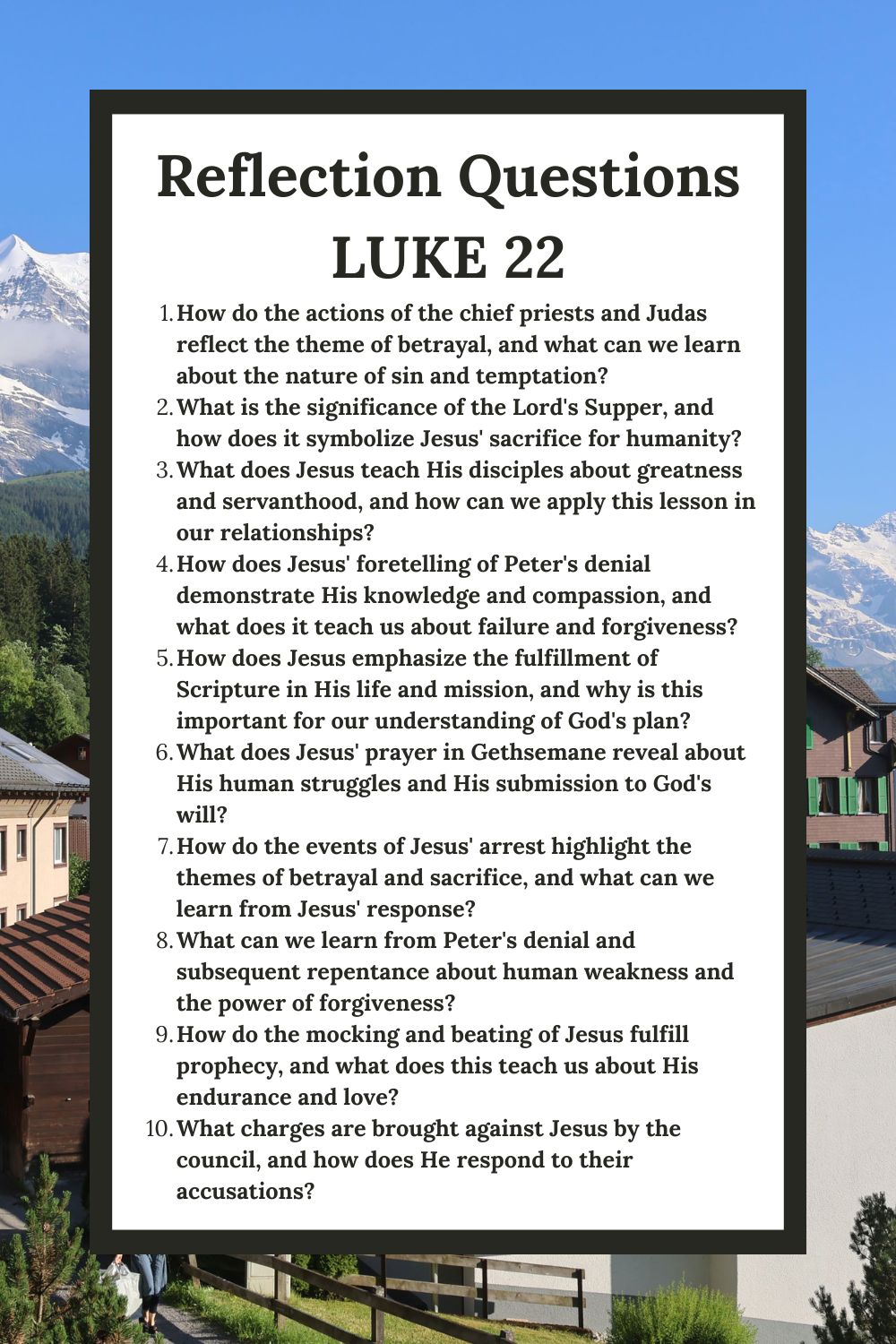
- How do the actions of the chief priests and Judas reflect the theme of betrayal, and what can we learn about the nature of sin and temptation?
- What is the significance of the Lord’s Supper, and how does it symbolize Jesus’ sacrifice for humanity?
- What does Jesus teach His disciples about greatness and servanthood, and how can we apply this lesson in our relationships?
- How does Jesus’ foretelling of Peter’s denial demonstrate His knowledge and compassion, and what does it teach us about failure and forgiveness?
- How does Jesus emphasize the fulfillment of Scripture in His life and mission, and why is this important for our understanding of God’s plan?
- What does Jesus’ prayer in Gethsemane reveal about His human struggles and His submission to God’s will?
- How do the events of Jesus’ arrest highlight the themes of betrayal and sacrifice, and what can we learn from Jesus’ response?
- What can we learn from Peter’s denial and subsequent repentance about human weakness and the power of forgiveness?
- How do the mocking and beating of Jesus fulfill prophecy, and what does this teach us about His endurance and love?
- What charges are brought against Jesus by the council, and how does He respond to their accusations?
Luke 23: Trial, Crucifixion, and Burial
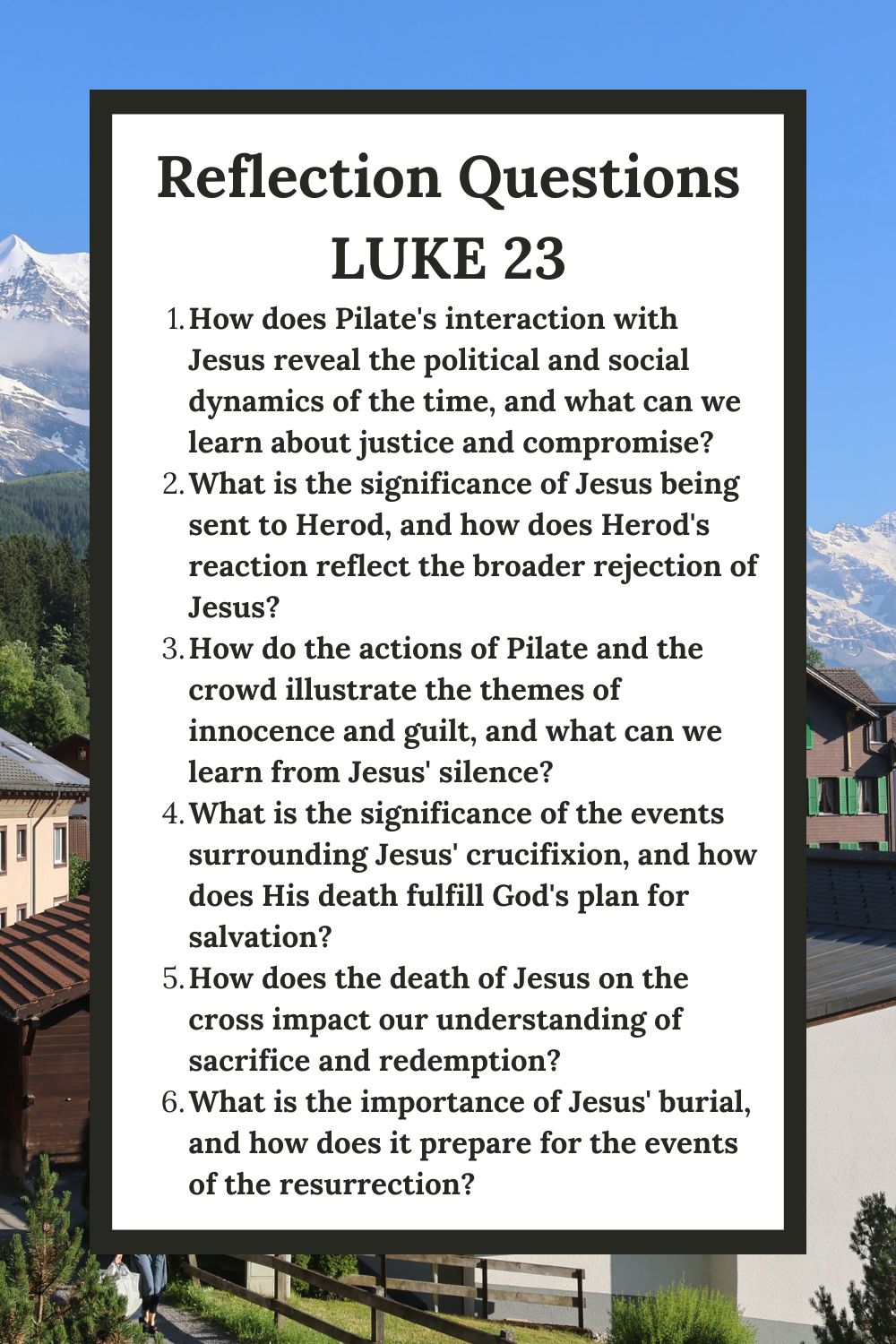
- How does Pilate’s interaction with Jesus reveal the political and social dynamics of the time, and what can we learn about justice and compromise?
- What is the significance of Jesus being sent to Herod, and how does Herod’s reaction reflect the broader rejection of Jesus?
- How do the actions of Pilate and the crowd illustrate the themes of innocence and guilt, and what can we learn from Jesus’ silence?
- What is the significance of the events surrounding Jesus’ crucifixion, and how does His death fulfill God’s plan for salvation?
- How does the death of Jesus on the cross impact our understanding of sacrifice and redemption?
- What is the importance of Jesus’ burial, and how does it prepare for the events of the resurrection?
Luke 24: Resurrection and Ascension
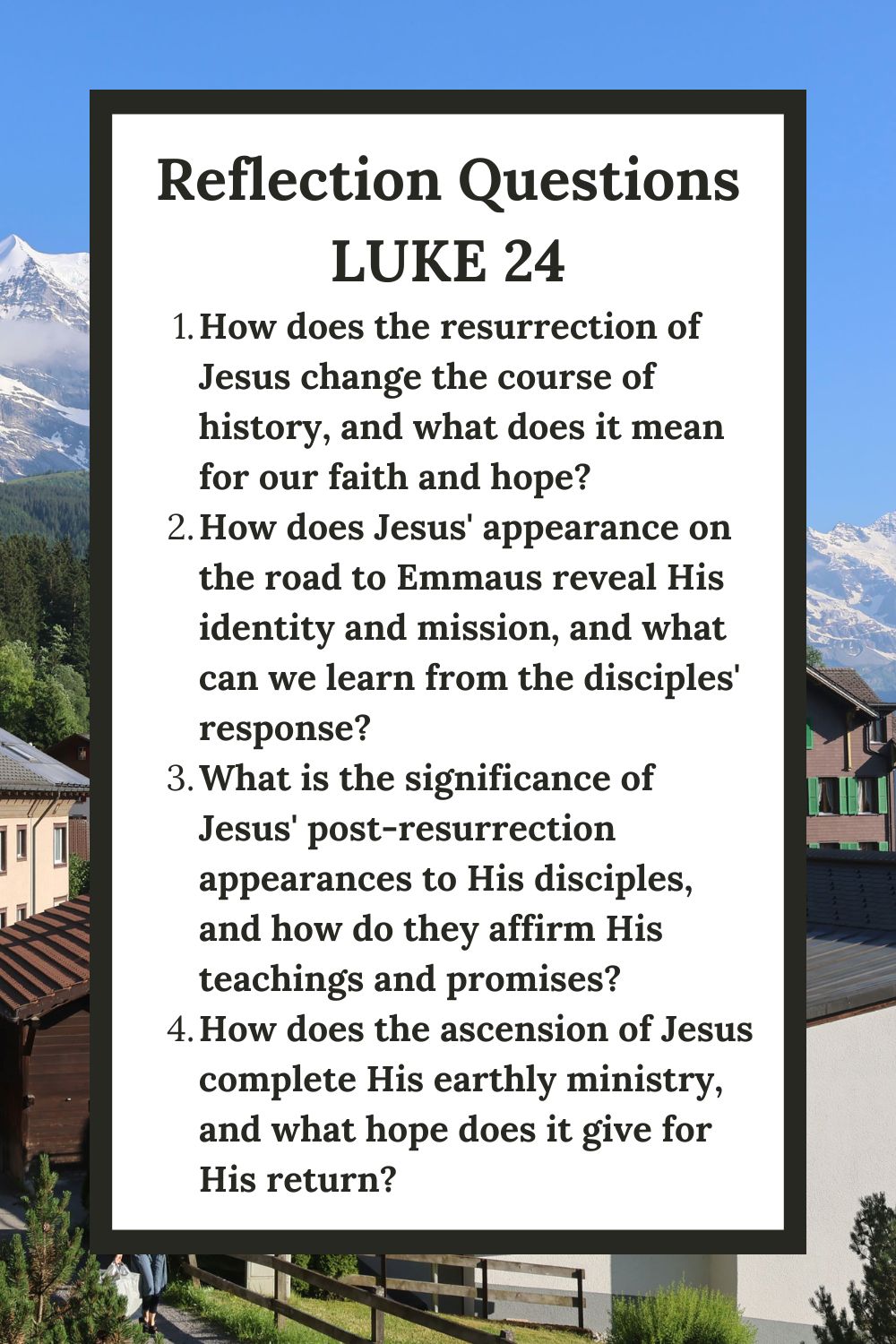
- How does the resurrection of Jesus change the course of history, and what does it mean for our faith and hope?
- How does Jesus’ appearance on the road to Emmaus reveal His identity and mission, and what can we learn from the disciples’ response?
- What is the significance of Jesus’ post-resurrection appearances to His disciples, and how do they affirm His teachings and promises?
- How does the ascension of Jesus complete His earthly ministry, and what hope does it give for His return?
Acts 1: The Early Church Begins
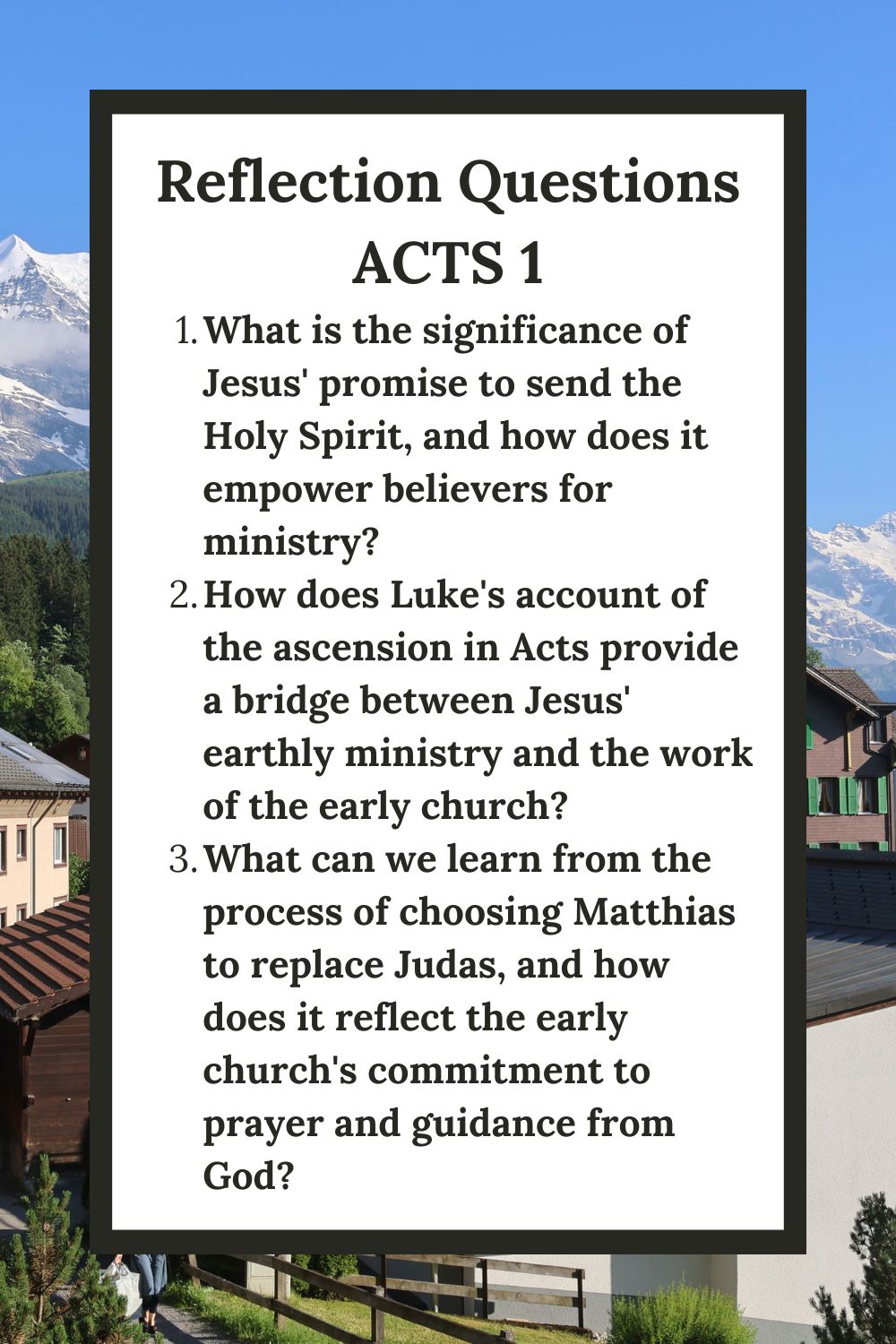
- What is the significance of Jesus’ promise to send the Holy Spirit, and how does it empower believers for ministry?
- How does Luke’s account of the ascension in Acts provide a bridge between Jesus’ earthly ministry and the work of the early church?
- What can we learn from the process of choosing Matthias to replace Judas, and how does it reflect the early church’s commitment to prayer and guidance from God?
Reflective Prayer
Choose a few verses or topics from these chapters and pray over them. Consider using the ACTS method — Adoration, Confession, Thankfulness, Supplication:
- Adoration: Praise God. What specific characteristics of God do these readings bring to mind?
- Confession: Tell God that you are sorry for specific sins. What specific sins do these readings bring to mind?
- Thankfulness: Show gratitude towards God. What in these readings inspires gratitude?
- Supplication: Make requests for yourself and for others. What in these readings inspires a prayer?
If helpful, you can use a prayer journal template.
Other Reading Plans
Online Resources
Subscribe
If you enjoyed this post and wish to receive more Christian content, feel free to subscribe to my newsletters!
Related Resources
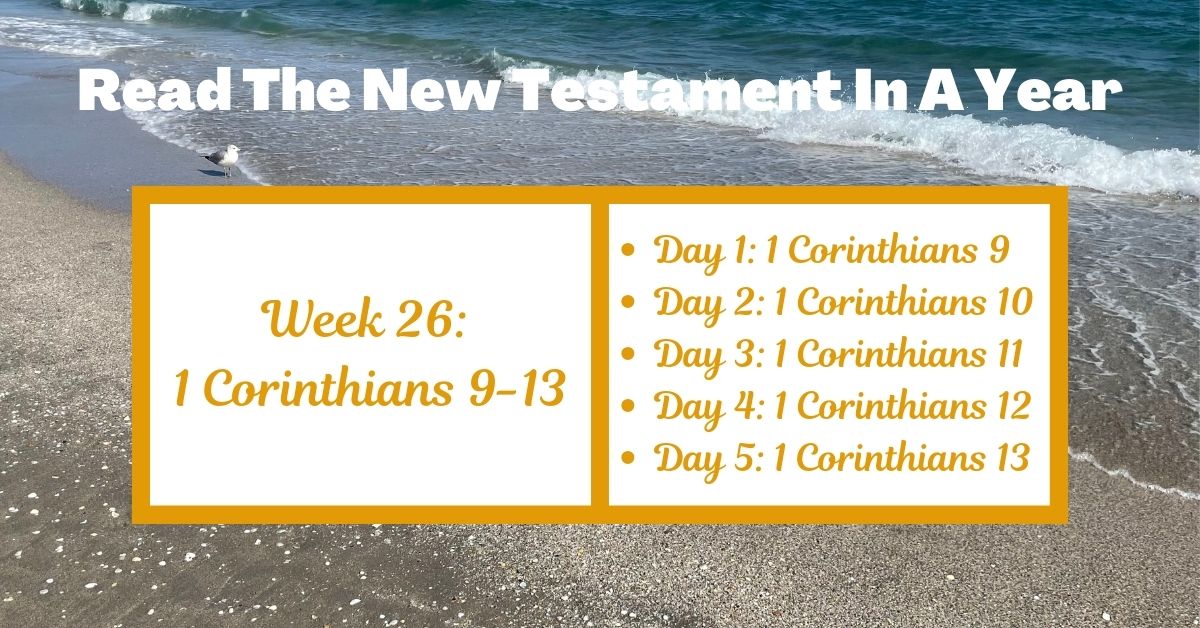
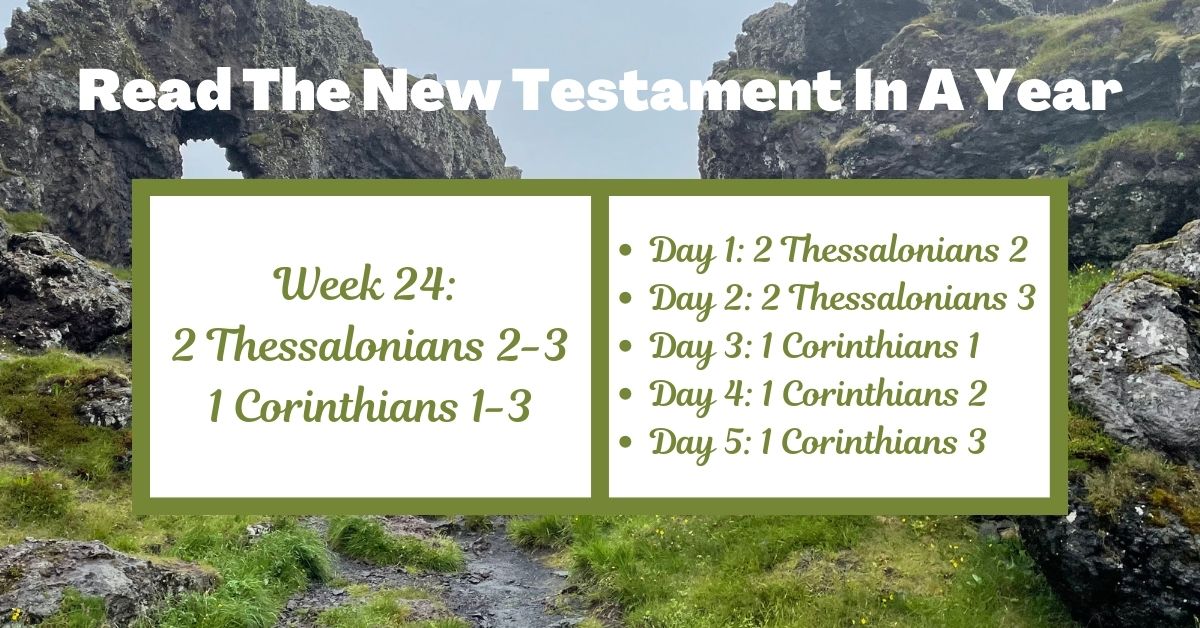
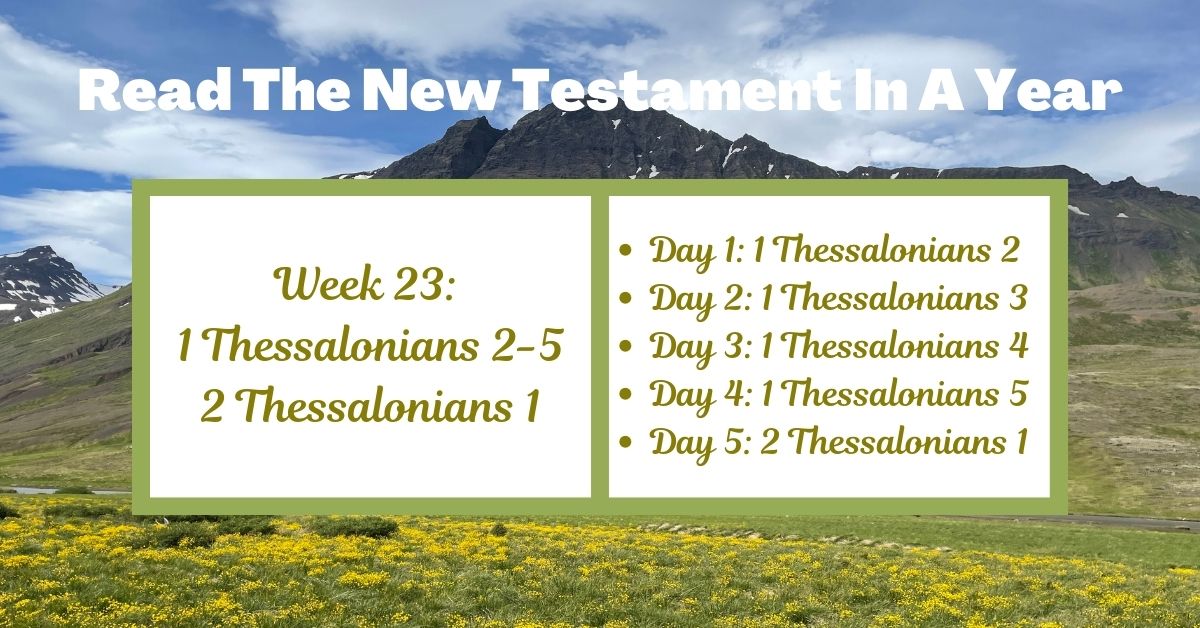
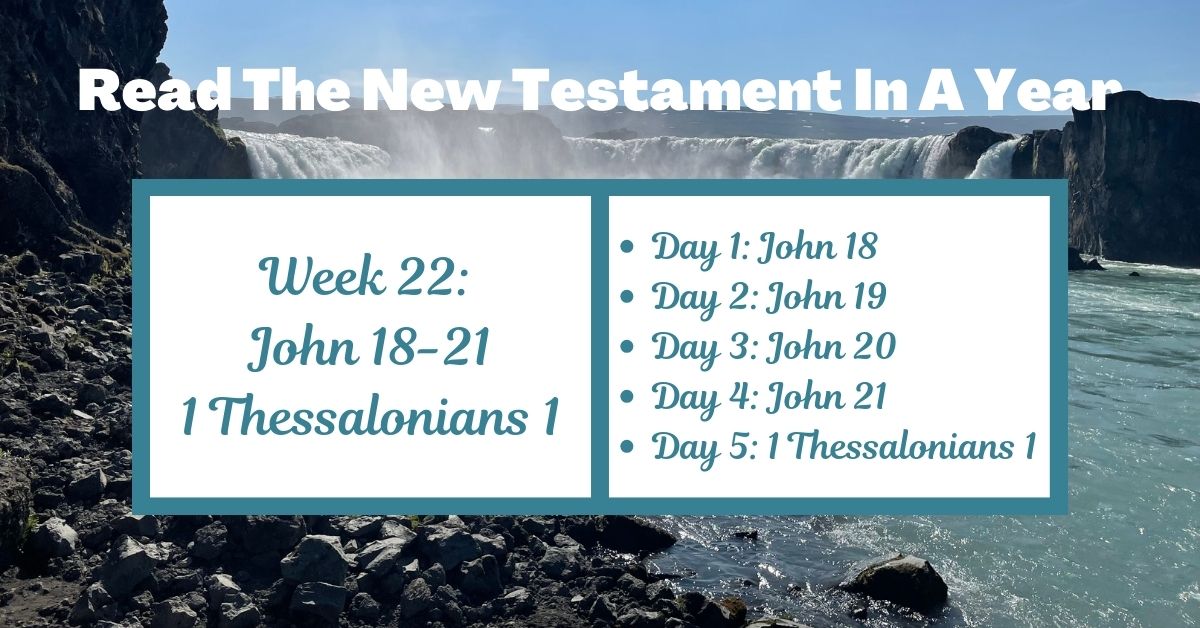
Visit the Joyful Moments in Christ homepage for all posts, or scroll through other blog posts related to reading the New Testament in a year:




English Standard Version (ESV): Unless otherwise noted, scripture quotations are from the ESV® Bible (The Holy Bible, English Standard Version®), © 2001 by Crossway, a publishing ministry of Good News Publishers. Used by permission. All rights reserved. The ESV text may not be quoted in any publication made available to the public by a Creative Commons license. The ESV may not be translated in whole or in part into any other language.


 Joyful Moments in Christ