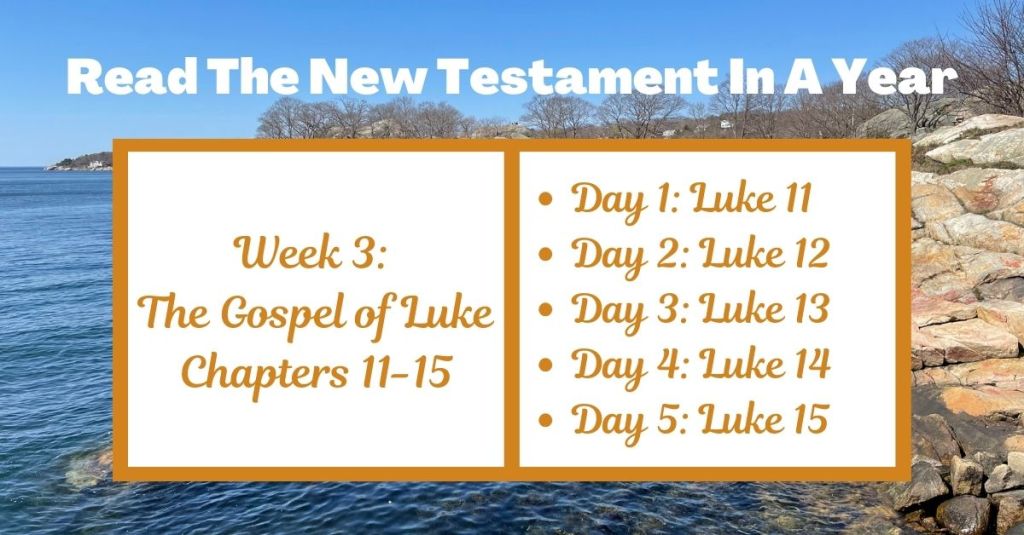
Week 3: Exploring Luke 11-15
In week 3 of reading through the New Testament in a year, we will explore the Gospel of Luke, chapters 11-15.
Chapter 11 begins with the most famous Christian prayer, the Lord’s Prayer. Consider saying this prayer out loud, then use it as a model to pray through some essentials: glorify God, ask for His return, request your needs and the needs of others, seek personal forgiveness, ask for help in forgiving others, and seek strength to resist temptation.
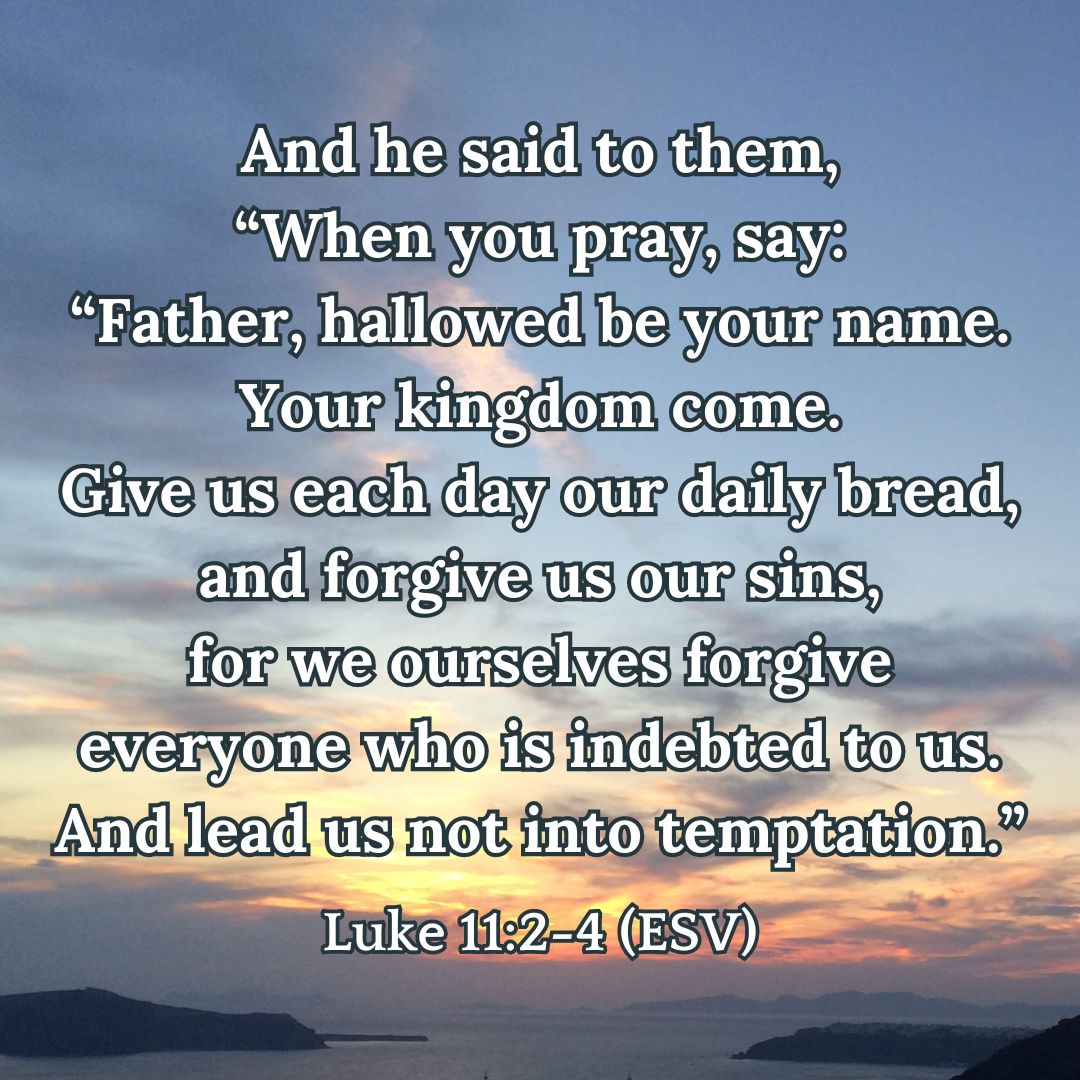
And he said to them, “When you pray, say: “Father, hallowed be your name. Your kingdom come. Give us each day our daily bread, and forgive us our sins, for we ourselves forgive everyone who is indebted to us. And lead us not into temptation.” – Luke 11:2-4 (ESV)
In the rest of this week’s readings, we will witness Jesus casting out demons, performing healings, giving warnings to the Pharisees and the people, sharing numerous parables, and teaching on various topics.
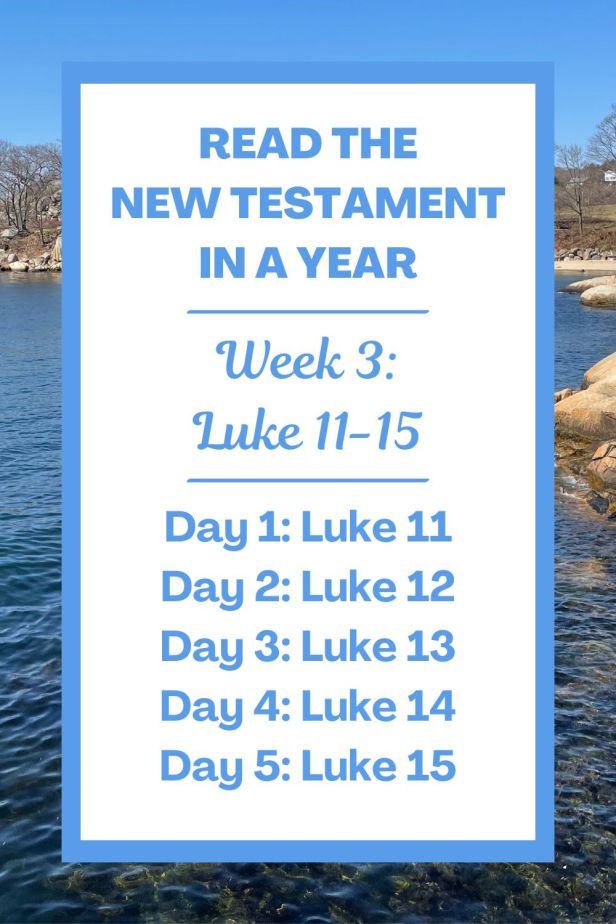
Week 3: New Testament Reading Assignment
Each week, we will read 5 chapters of the New Testament. Some people may prefer to read during the weekdays, while others might enjoy doing most of their reading on the weekends. Choose the method that works best for you!
Printable Resource:
Week 3: Reflection Questions for Luke 11-15
Consider the following reflection questions:
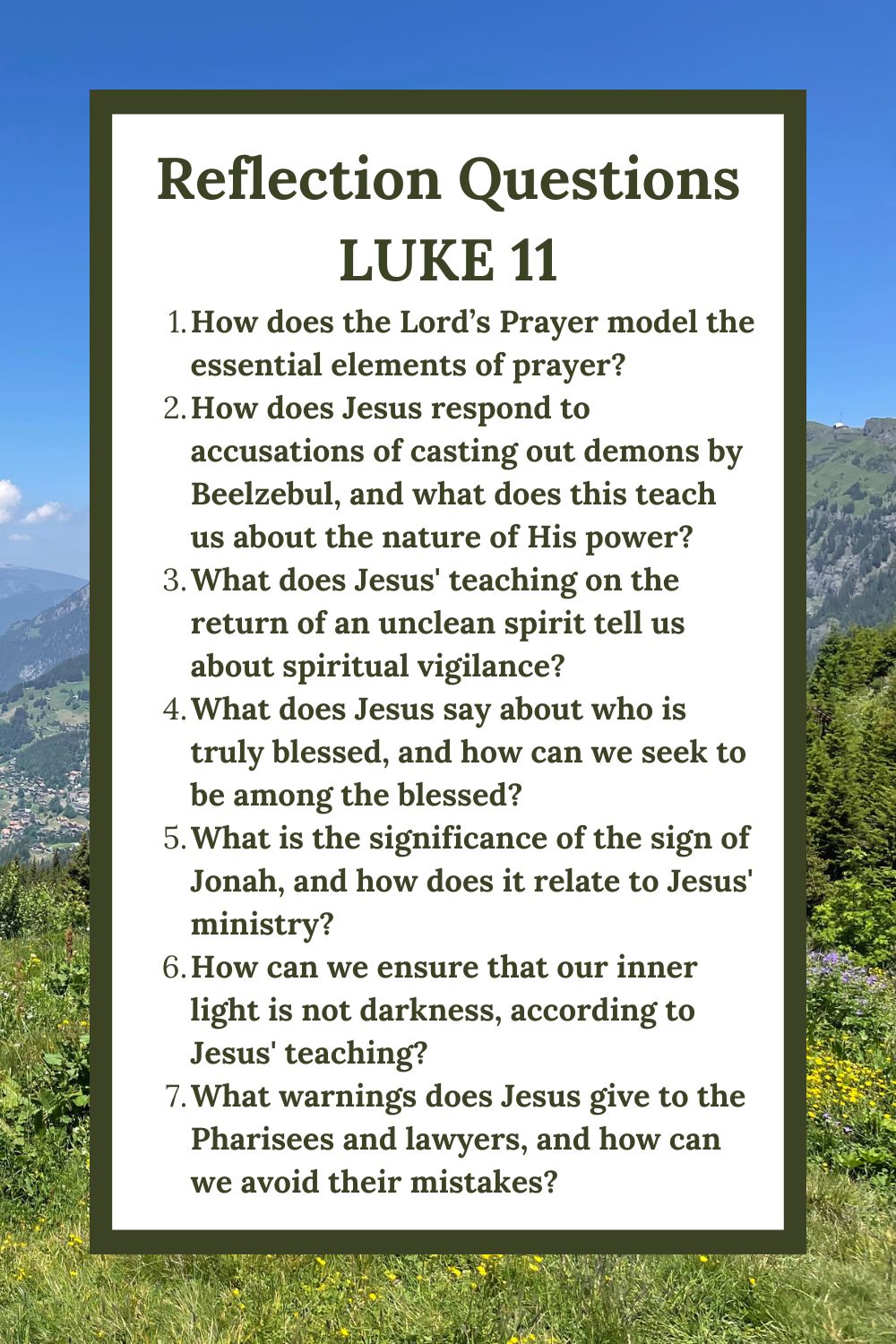
Luke 11: The Lord’s Prayer and Jesus’ Teachings
- How does the Lord’s Prayer model the essential elements of prayer?
- How does Jesus respond to accusations of casting out demons by Beelzebul, and what does this teach us about the nature of His power?
- What does Jesus’ teaching on the return of an unclean spirit tell us about spiritual vigilance?
- What does Jesus say about who is truly blessed, and how can we seek to be among the blessed?
- What is the significance of the sign of Jonah, and how does it relate to Jesus’ ministry?
- How can we ensure that our inner light is not darkness, according to Jesus’ teaching?
- What warnings does Jesus give to the Pharisees and lawyers, and how can we avoid their mistakes?
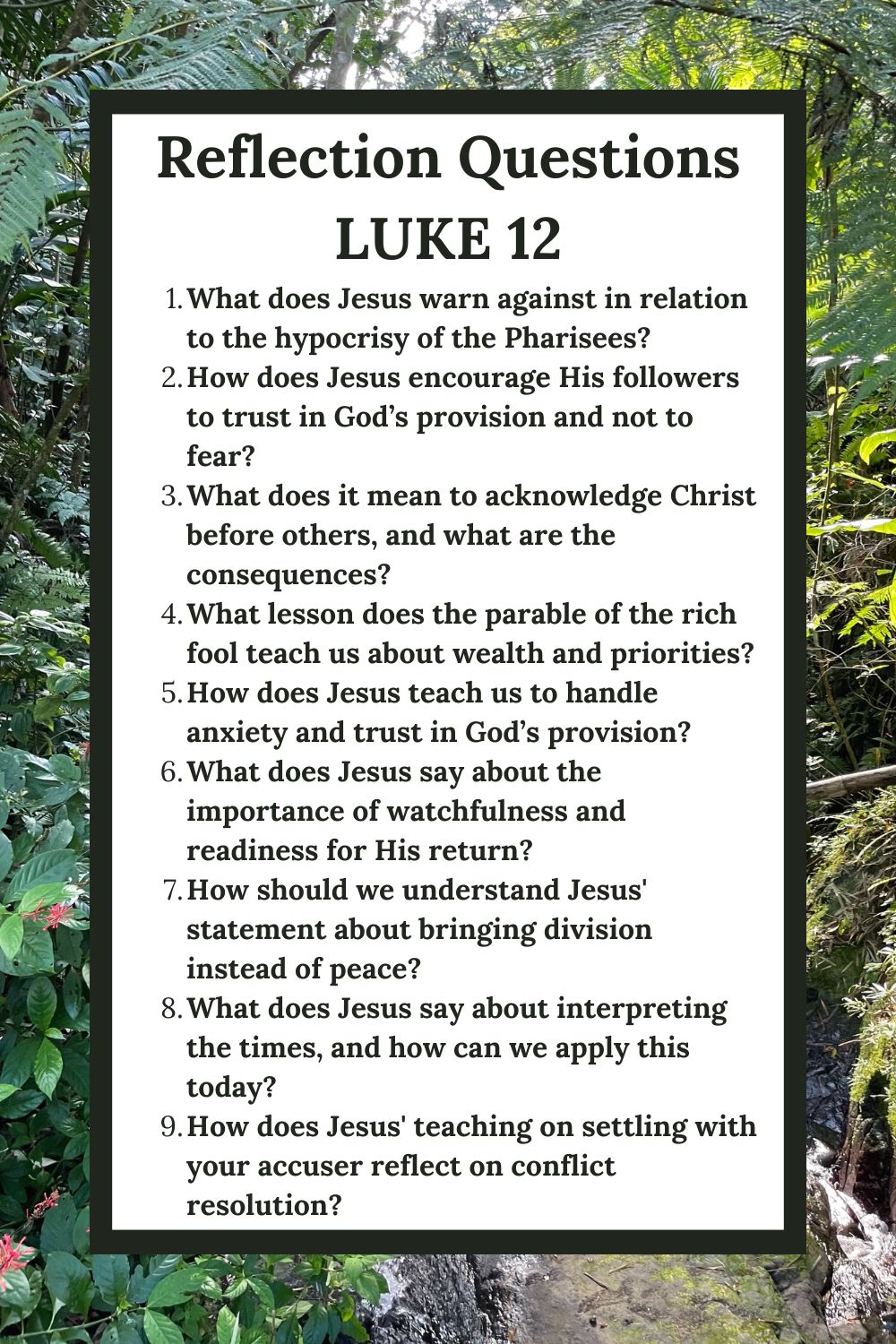
Luke 12: Warnings and Encouragements
- What does Jesus warn against in relation to the hypocrisy of the Pharisees?
- How does Jesus encourage His followers to trust in God’s provision and not to fear?
- What does it mean to acknowledge Christ before others, and what are the consequences?
- What lesson does the parable of the rich fool teach us about wealth and priorities?
- How does Jesus teach us to handle anxiety and trust in God’s provision?
- What does Jesus say about the importance of watchfulness and readiness for His return?
- How should we understand Jesus’ statement about bringing division instead of peace?
- What does Jesus say about interpreting the times, and how can we apply this today?
- How does Jesus’ teaching on settling with your accuser reflect on conflict resolution?
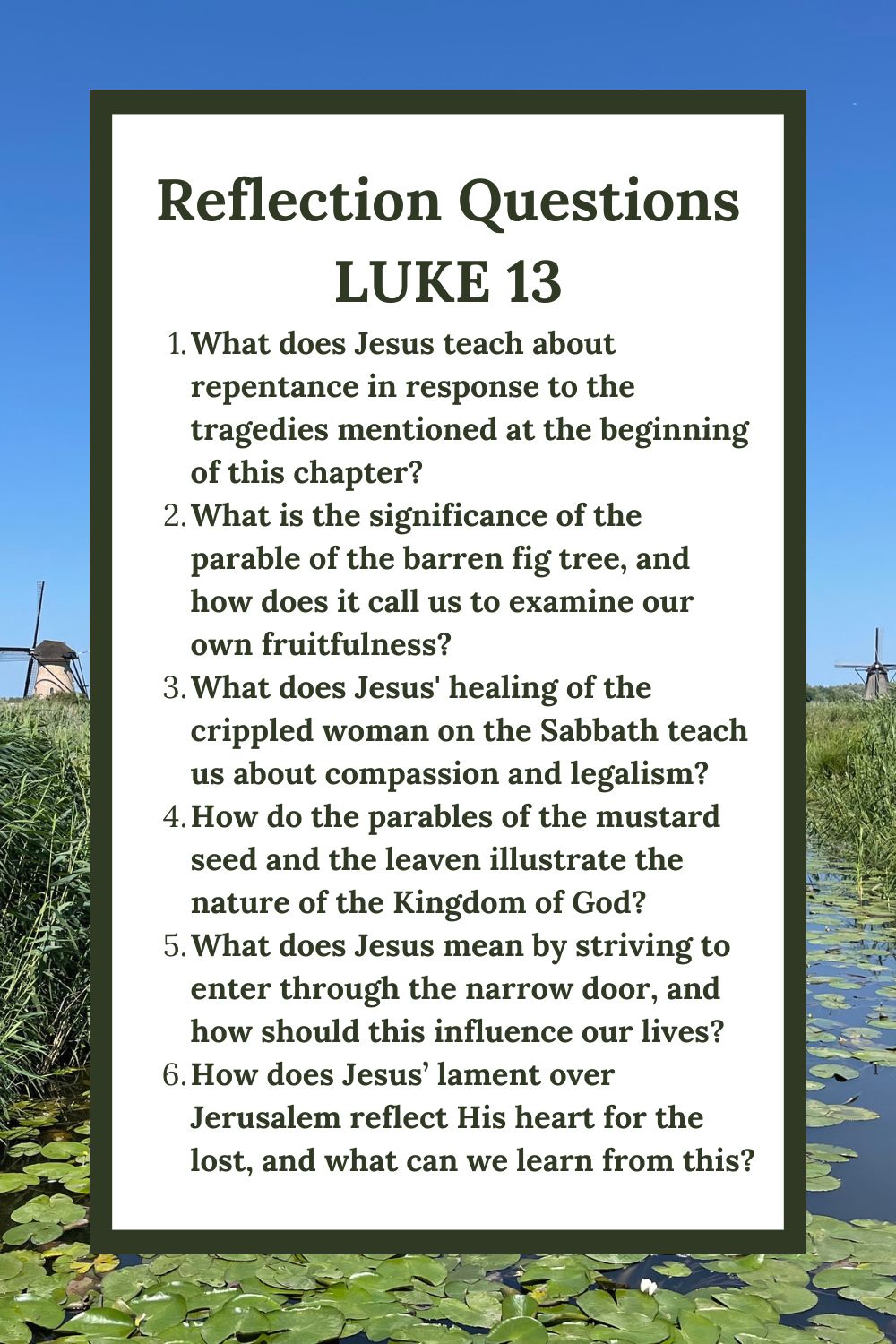
Luke 13: Repentance and the Kingdom of God
- What does Jesus teach about repentance in response to the tragedies mentioned at the beginning of this chapter?
- What is the significance of the parable of the barren fig tree, and how does it call us to examine our own fruitfulness?
- What does Jesus’ healing of the crippled woman on the Sabbath teach us about compassion and legalism?
- How do the parables of the mustard seed and the leaven illustrate the nature of the Kingdom of God?
- What does Jesus mean by striving to enter through the narrow door, and how should this influence our lives?
- How does Jesus’ lament over Jerusalem reflect His heart for the lost, and what can we learn from this?
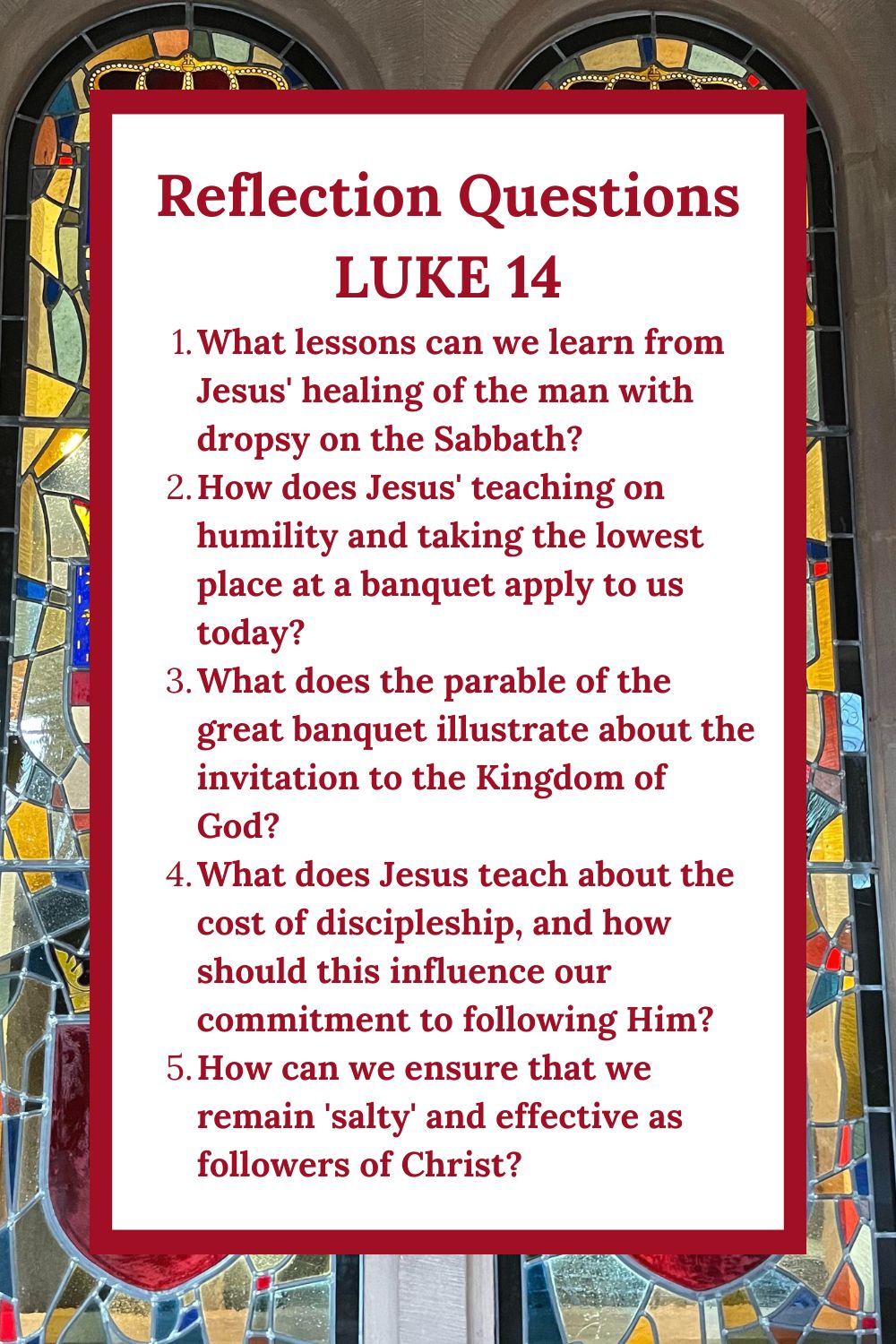
Luke 14: Humility and the Cost of Discipleship
- What lessons can we learn from Jesus’ healing of the man with dropsy on the Sabbath?
- How does Jesus’ teaching on humility and taking the lowest place at a banquet apply to us today?
- What does the parable of the great banquet illustrate about the invitation to the Kingdom of God?
- What does Jesus teach about the cost of discipleship, and how should this influence our commitment to following Him?
- How can we ensure that we remain ‘salty’ and effective as followers of Christ?
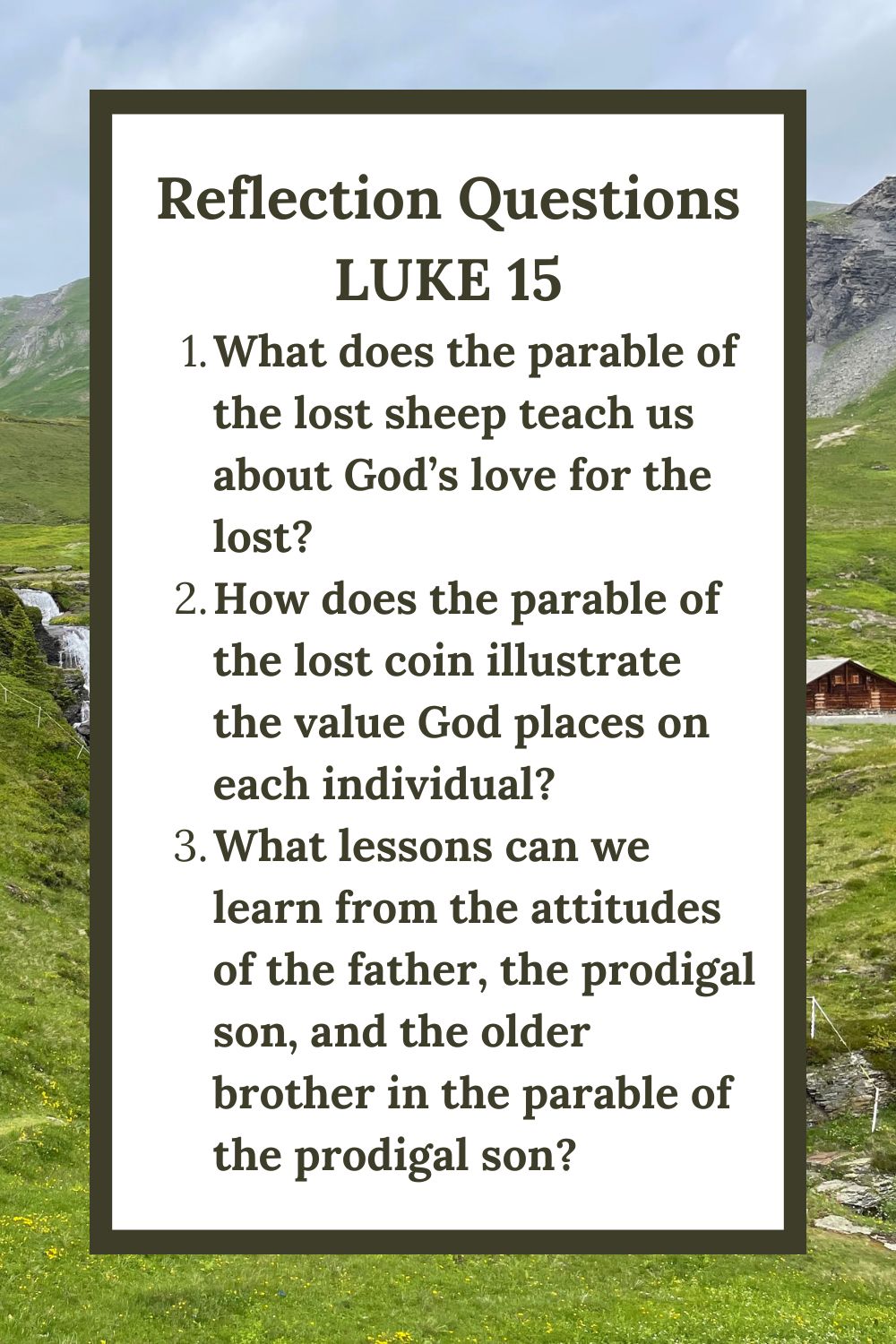
Luke 15: Parables of the Lost
- What does the parable of the lost sheep teach us about God’s love for the lost?
- How does the parable of the lost coin illustrate the value God places on each individual?
- What lessons can we learn from the attitudes of the father, the prodigal son, and the older brother in the parable of the prodigal son?
Reflective Prayer
Choose a few verses or topics from these chapters and pray over them. Consider using the ACTS method — Adoration, Confession, Thankfulness, Supplication:
- Adoration: Praise God. What specific characteristics of God do these readings bring to mind?
- Confession: Tell God that you are sorry for specific sins. What specific sins do these readings bring to mind?
- Thankfulness: Show gratitude towards God. What in these readings inspires gratitude?
- Supplication: Make requests for yourself and for others. What in these readings inspires a prayer?
If helpful, you can use a prayer journal template.
Other Reading Plans
Online Resources
Subscribe
If you enjoyed this post and wish to receive more Christian content, feel free to subscribe to my newsletters!
Related Resources
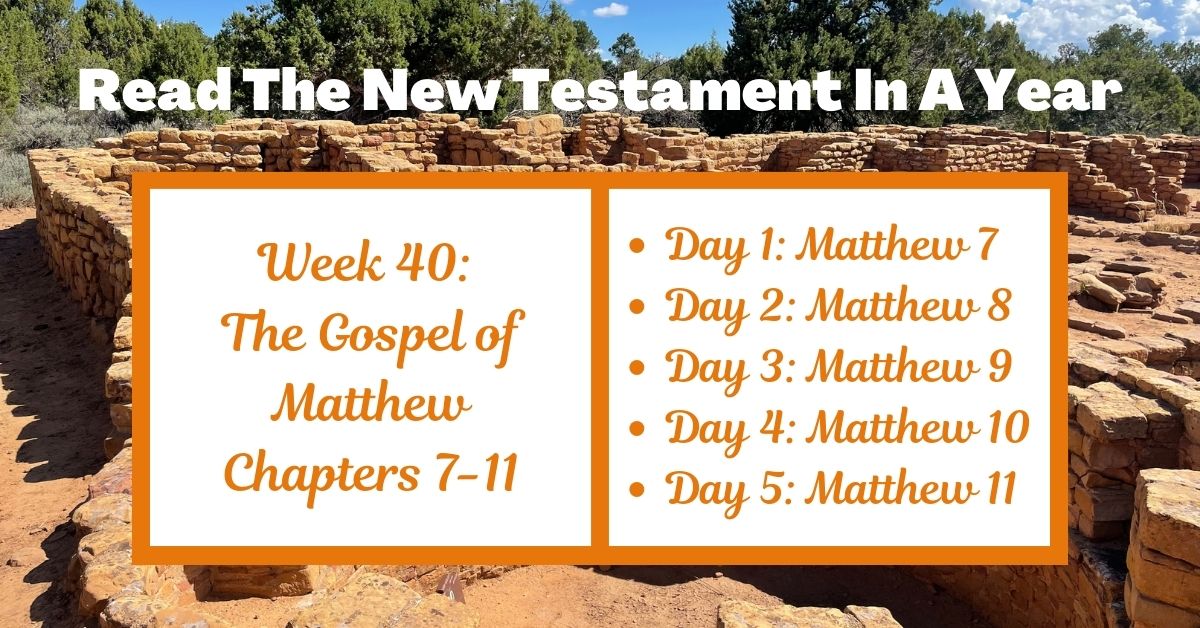
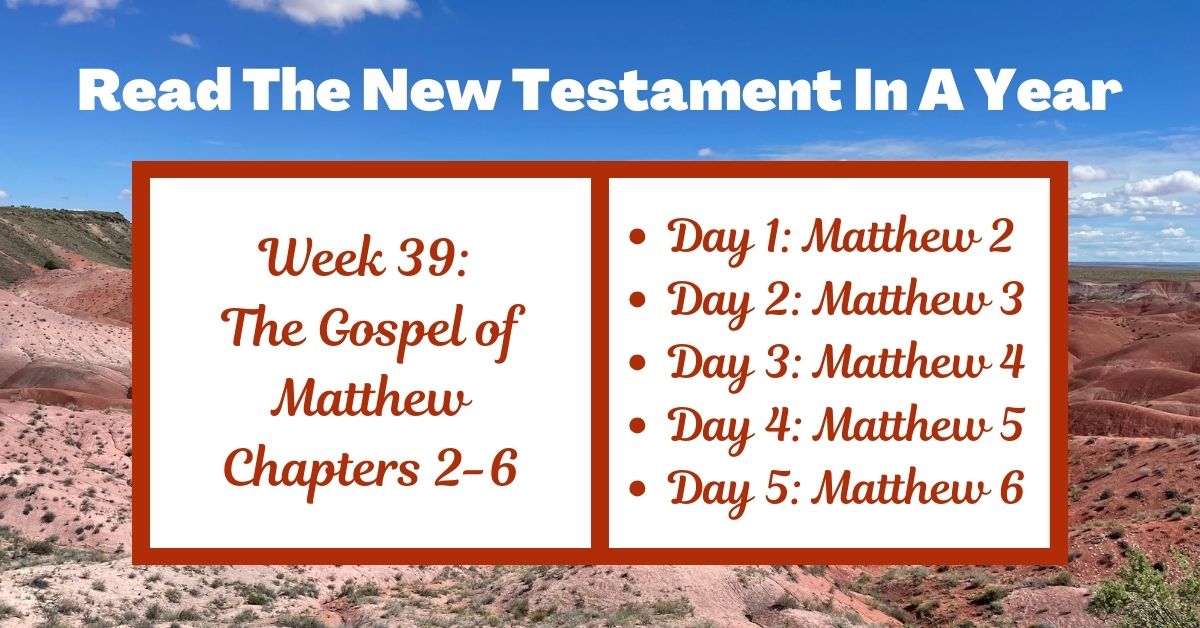
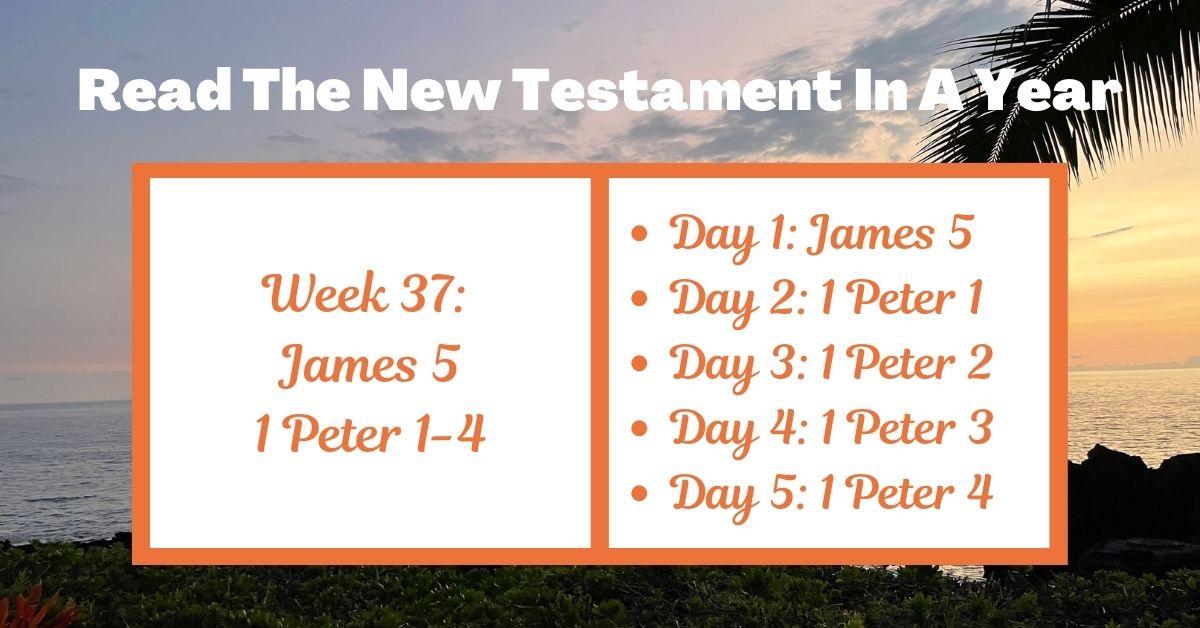
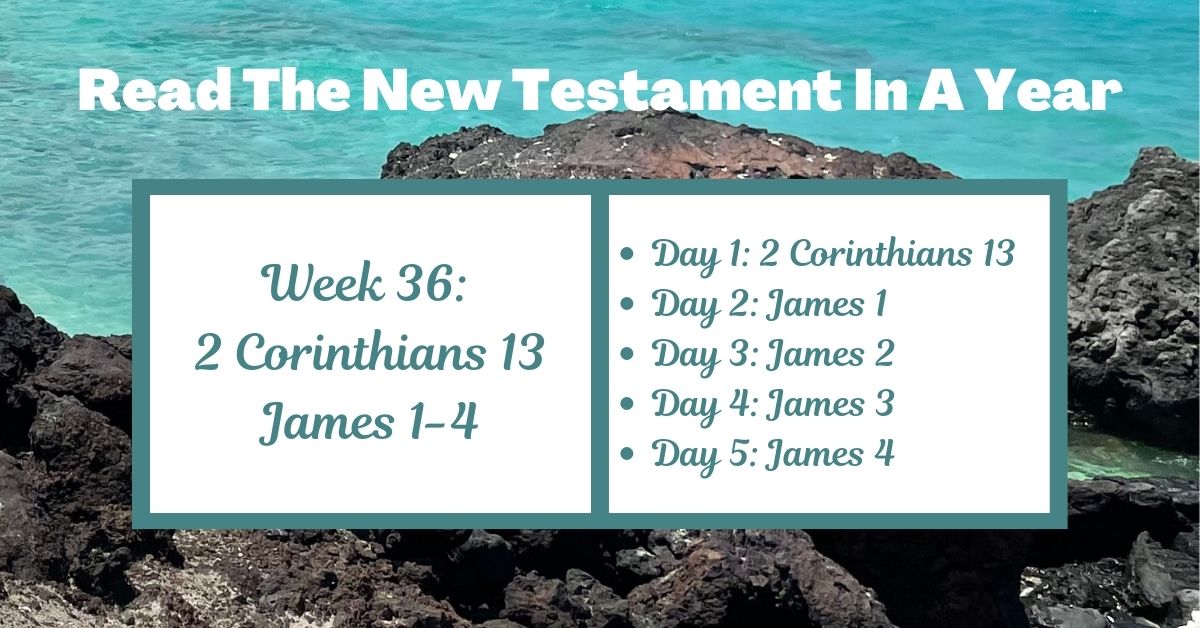
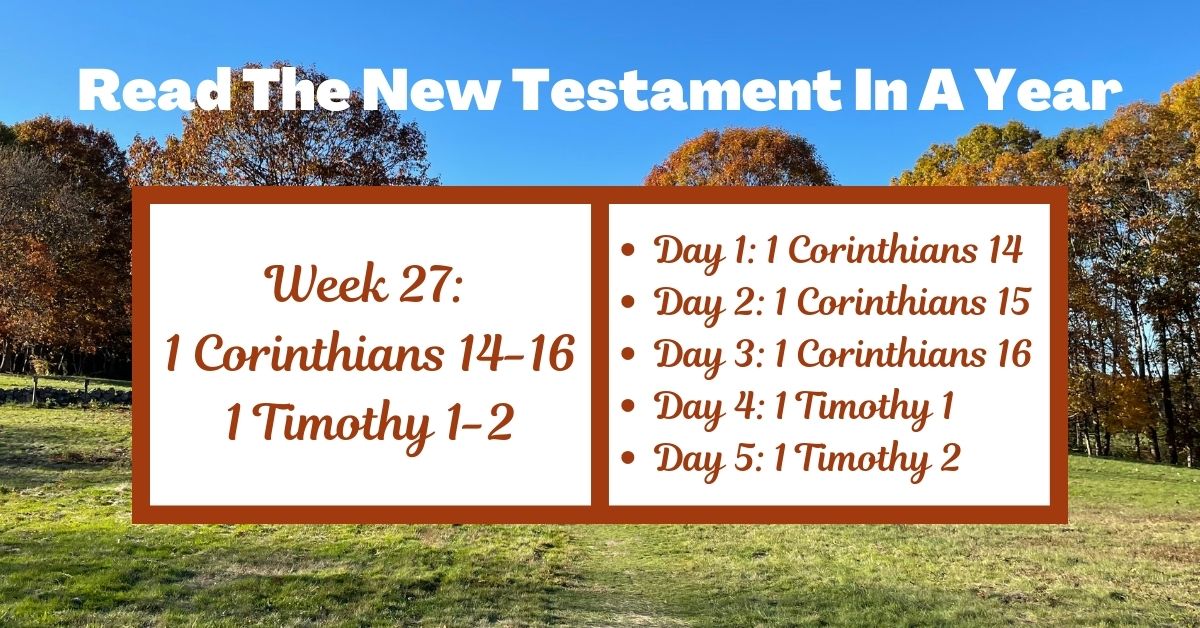
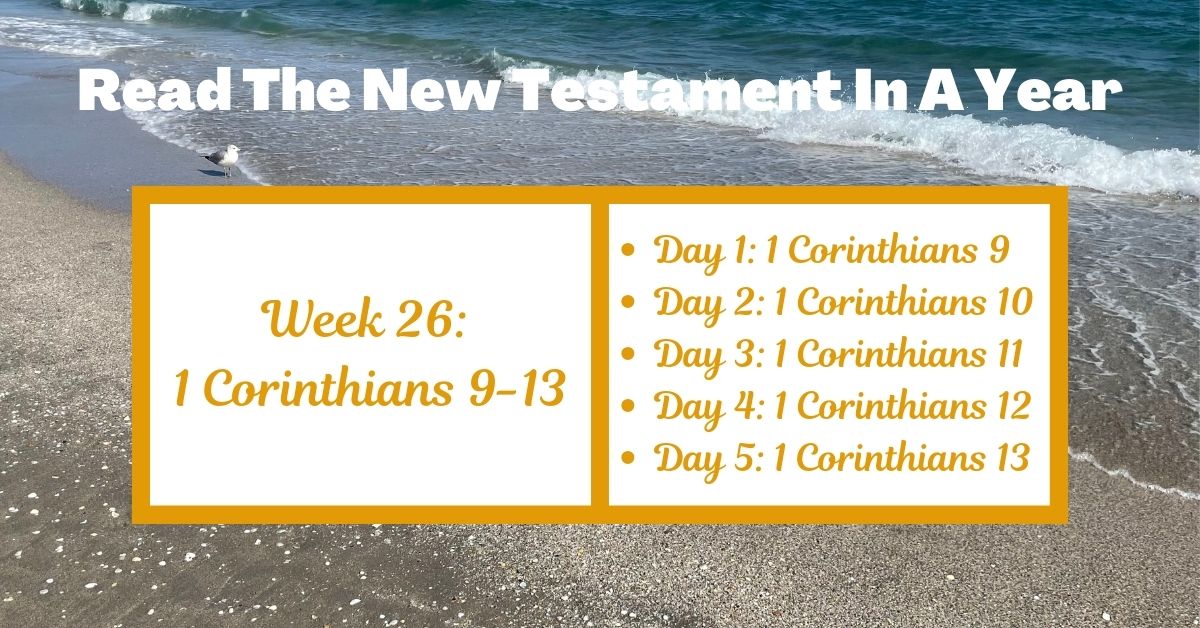
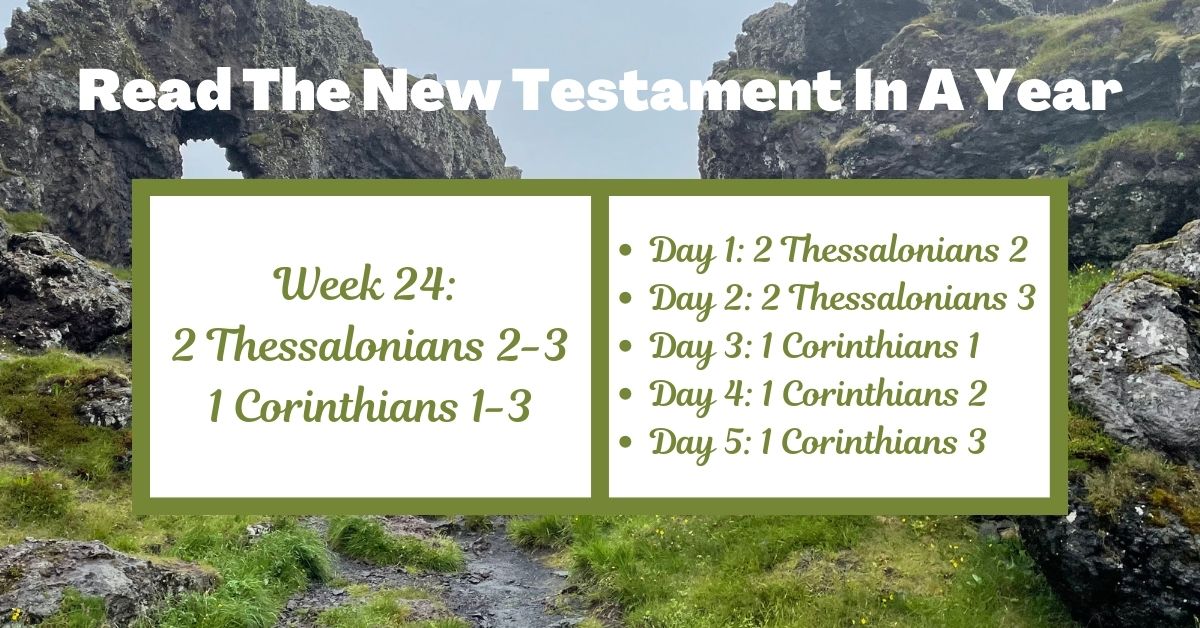
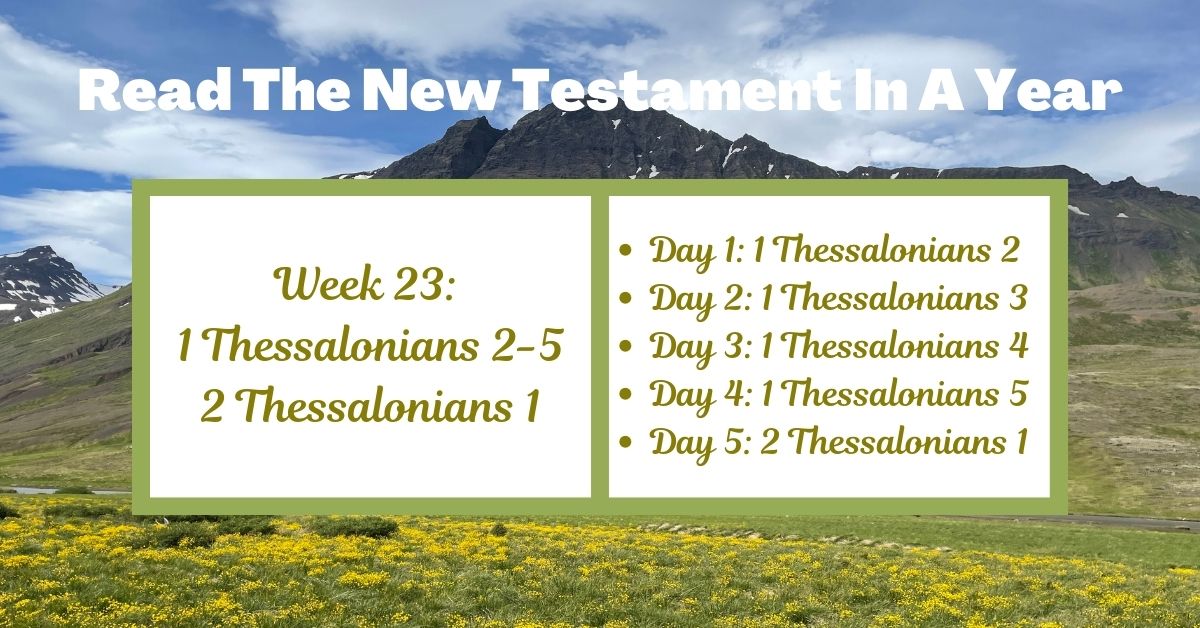
Visit the Joyful Moments in Christ homepage for all posts, or scroll through other blog posts related to reading the New Testament in a year:




English Standard Version (ESV): Unless otherwise noted, scripture quotations are from the ESV® Bible (The Holy Bible, English Standard Version®), © 2001 by Crossway, a publishing ministry of Good News Publishers. Used by permission. All rights reserved. The ESV text may not be quoted in any publication made available to the public by a Creative Commons license. The ESV may not be translated in whole or in part into any other language.


 Joyful Moments in Christ