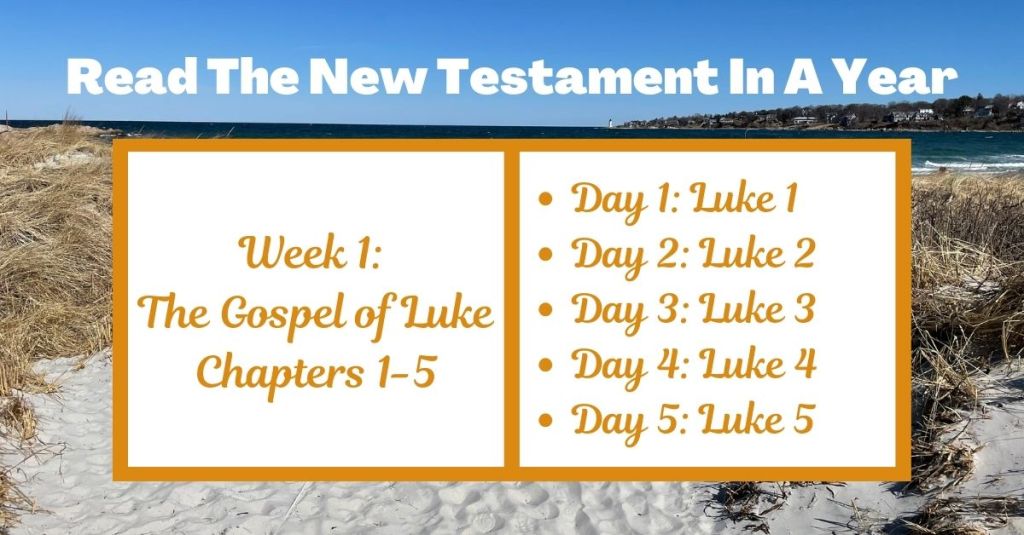
Week 1: Exploring Luke 1-5
After completing a blog series titled “Read the Bible in a Year,” I am now starting a new series titled “Read the New Testament in a Year.” While I believe it is beneficial to spend some time each day reading the Bible as you would a good novel, it can sometimes feel daunting to commit to this. Reading the entire New Testament takes the average reader about 18 hours. Assuming you read 5 days per week for 52 weeks, this amounts to just over 4 minutes per day, leaving plenty of time for Bible studies, prayer, meditation, or any other spiritual practices that are calling your name!
Who Was Luke?
For this series, we will begin with my favorite of the four Gospels: Luke! If you have some basic biblical knowledge, you may wonder why he has a Gospel when he wasn’t even one of the 12 disciples.

The answer lies in his close companionship with Paul, who had a direct encounter with Jesus. Paul’s experience launched the spread of the gospel message, forever changing the world. As one of Paul’s closest companions, Luke traveled the world as a missionary, providing him ample opportunity to interview the disciples and other eyewitnesses to Jesus’s life. Moreover, Luke’s background as a doctor gave him a unique education that greatly aided in his writing. The result is one of the most beautiful books in the entire Bible!
The Gospel of Luke: Chapters 1-5
The first two chapters of Luke are among the most significant in the entire Bible. These chapters contain the traditional Christmas story—the birth of Jesus.
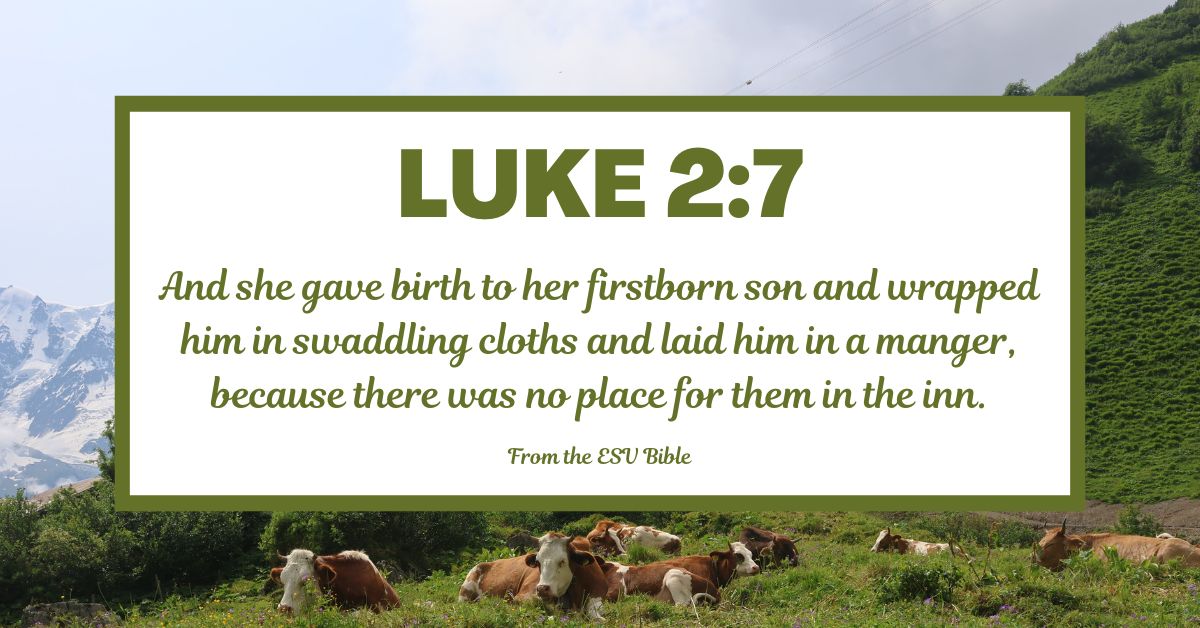
And she gave birth to her firstborn son and wrapped him in swaddling cloths and laid him in a manger, because there was no place for them in the inn. – Luke 2:7 (ESV)
In the first chapter, we read about the angel Gabriel visiting both Zechariah and Mary, foretelling the births of John the Baptist and Jesus, and we witness the birth of John the Baptist. The second chapter provides a detailed account of Jesus’s birth and includes a fascinating story from his tween years. Chapter three describes John the Baptist’s fruitful ministry and Jesus’s awe-inspiring baptism. In chapter four, we see Jesus being ruthlessly tempted by Satan and beginning his early ministry. Despite his efforts, the people of Nazareth, his hometown, consider him an upstart wannabe teacher and reject him. In chapter five, Jesus calls his first disciples, performs miracles, and teaches. What a fantastic start to our series!
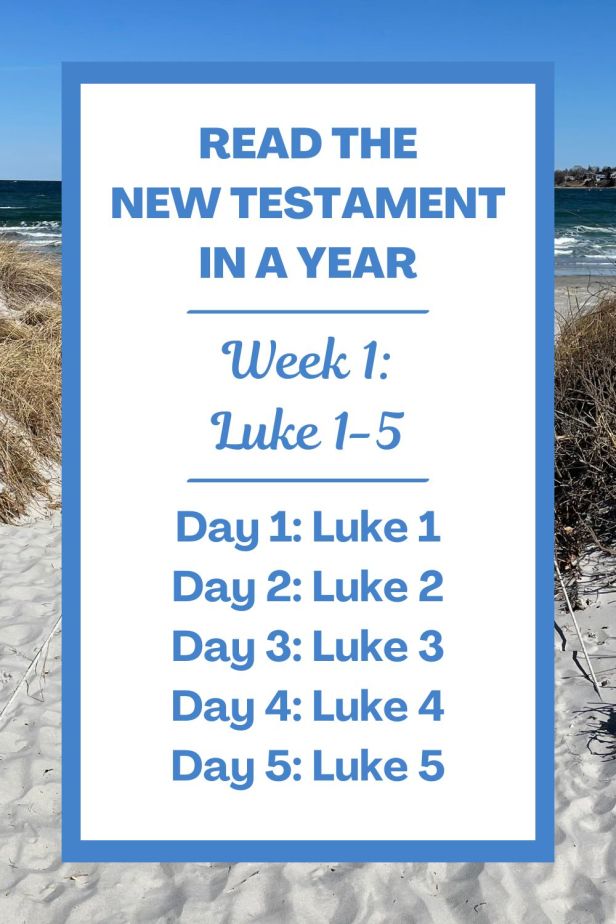
Week 1: New Testament Reading Assignment
Each week, we will read 5 chapters of the New Testament. Some people may prefer to read during the weekdays, while others might enjoy doing most of their reading on the weekends. Choose the method that works best for you!
Printable Resource:
Week 1: Reflection Questions for Luke 1-5
Consider the following reflection questions:
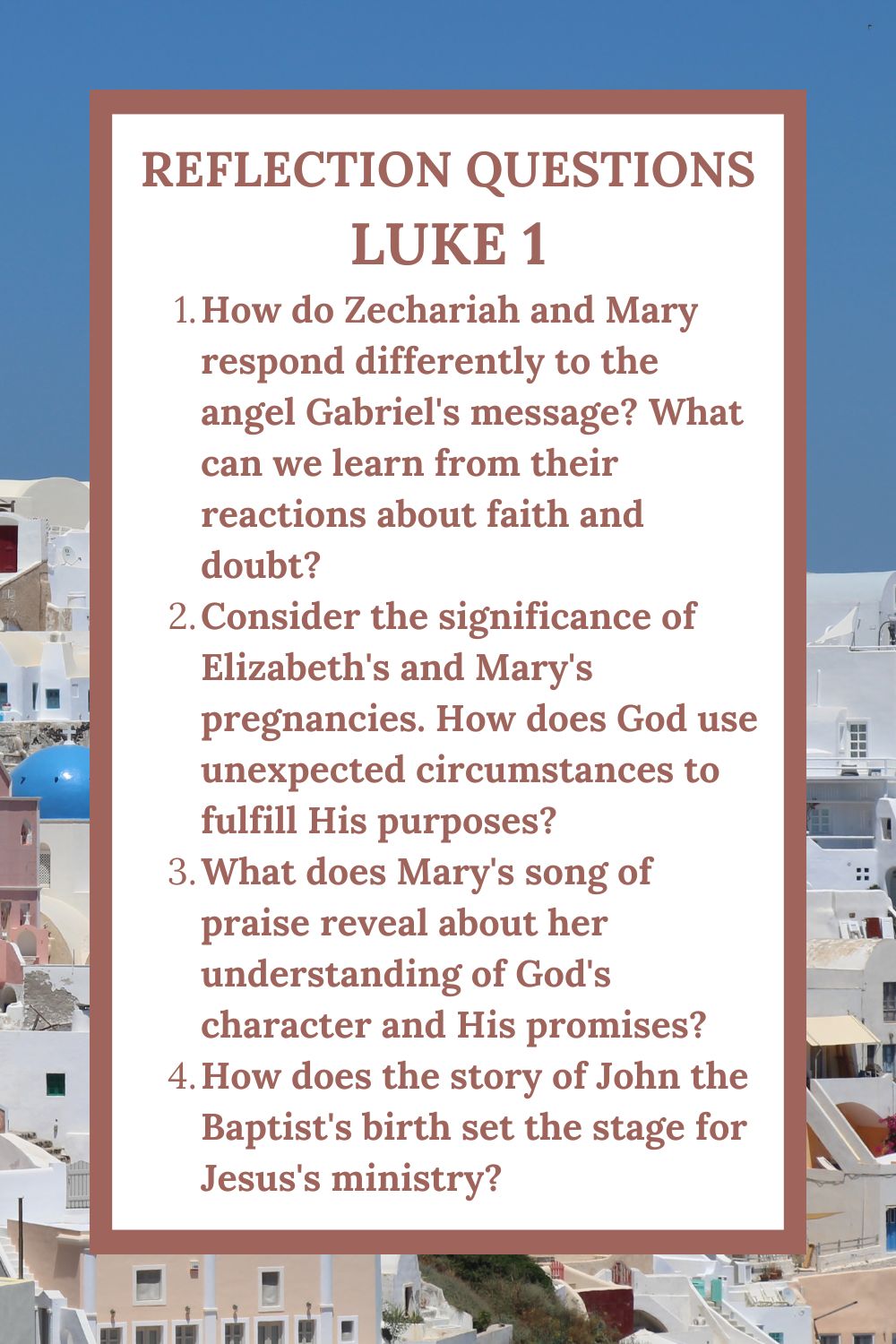
Luke 1
- How do Zechariah and Mary respond differently to the angel Gabriel’s message? What can we learn from their reactions about faith and doubt?
- Consider the significance of Elizabeth’s and Mary’s pregnancies. How does God use unexpected circumstances to fulfill His purposes?
- What does Mary’s song of praise reveal about her understanding of God’s character and His promises?
- How does the story of John the Baptist’s birth set the stage for Jesus’s ministry?
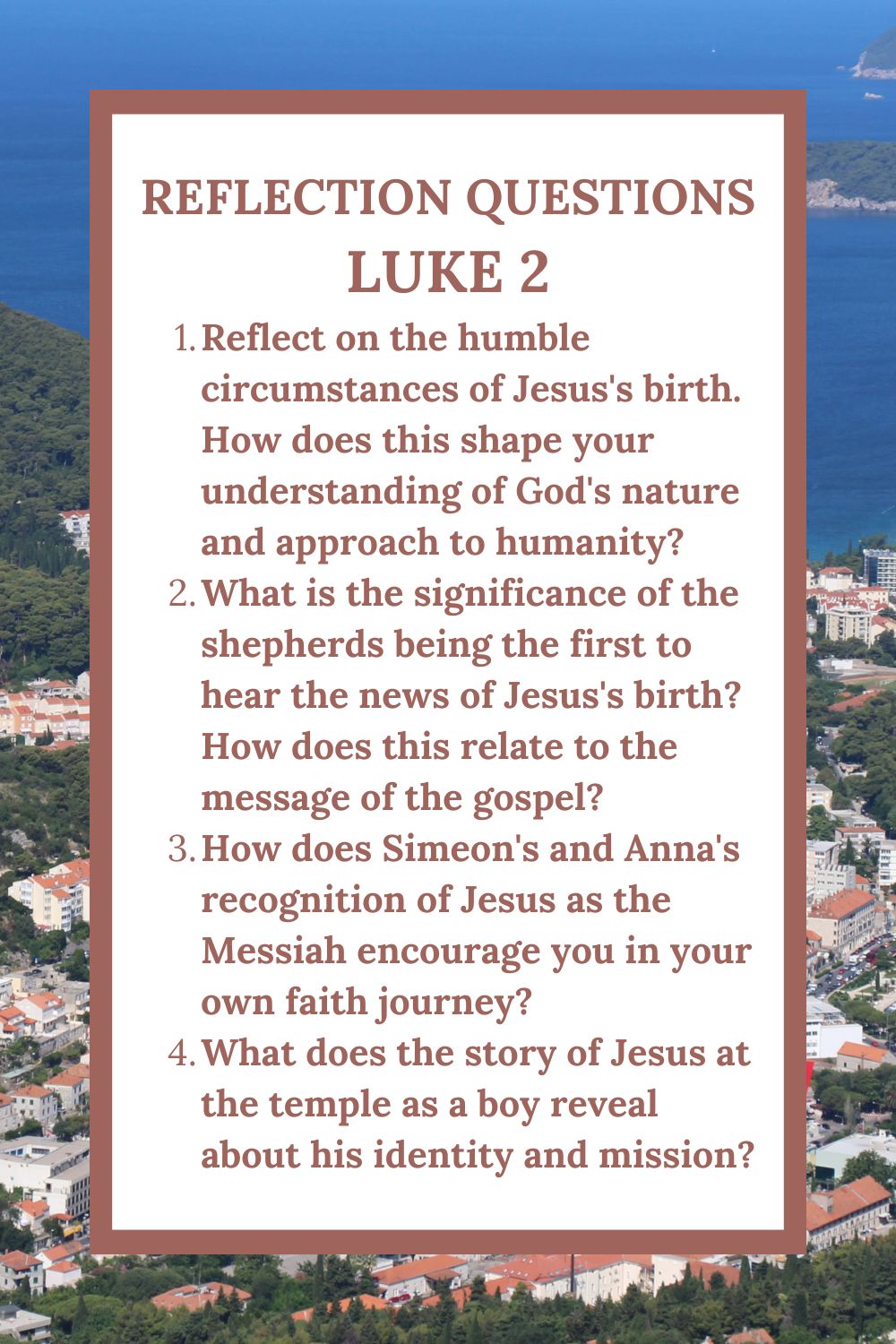
Luke 2
- Reflect on the humble circumstances of Jesus’s birth. How does this shape your understanding of God’s nature and approach to humanity?
- What is the significance of the shepherds being the first to hear the news of Jesus’s birth? How does this relate to the message of the gospel?
- How does Simeon’s and Anna’s recognition of Jesus as the Messiah encourage you in your own faith journey?
- What does the story of Jesus at the temple as a boy reveal about his identity and mission?
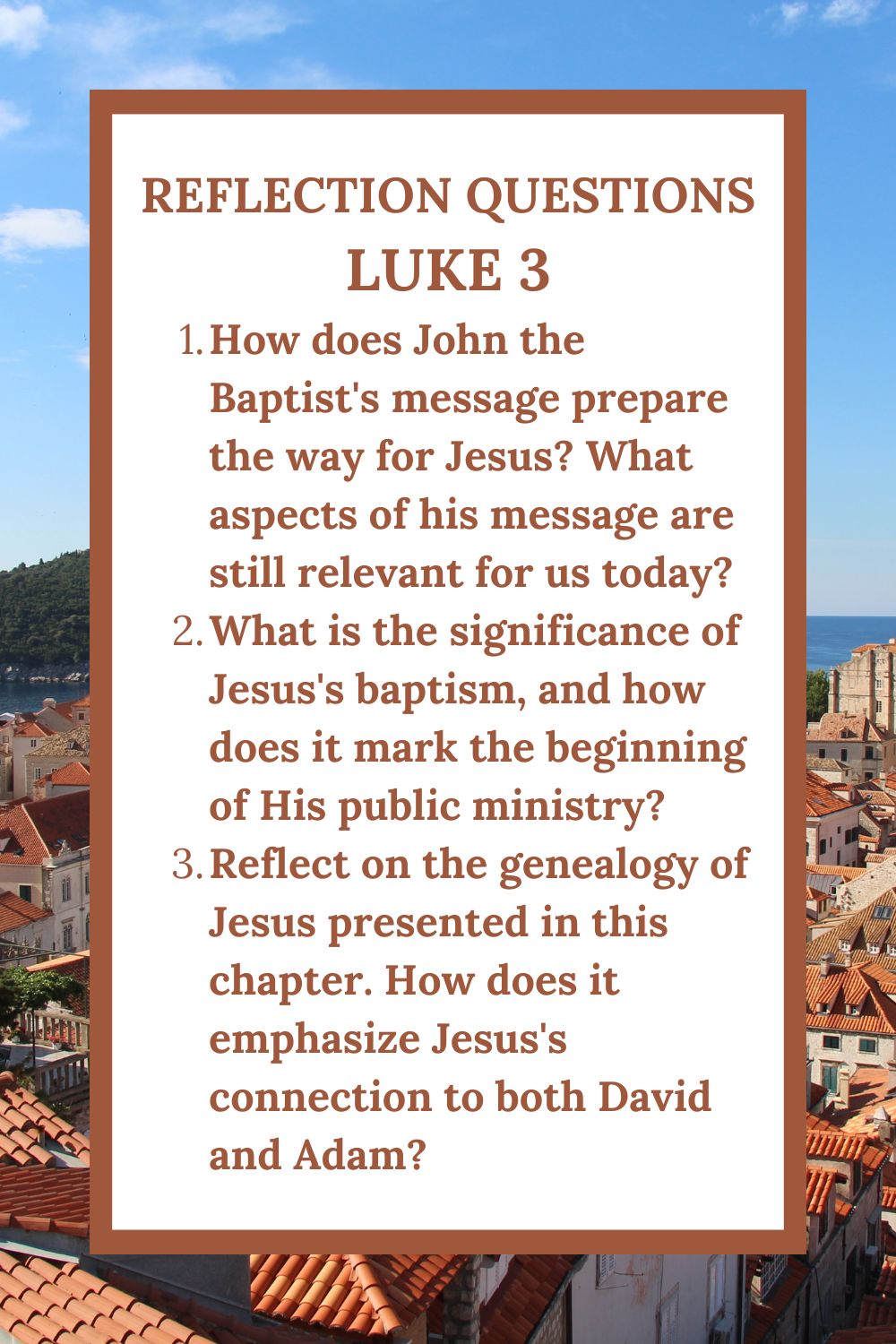
Luke 3
- How does John the Baptist’s message prepare the way for Jesus? What aspects of his message are still relevant for us today?
- What is the significance of Jesus’s baptism, and how does it mark the beginning of His public ministry?
- Reflect on the genealogy of Jesus presented in this chapter. How does it emphasize Jesus’s connection to both David and Adam?
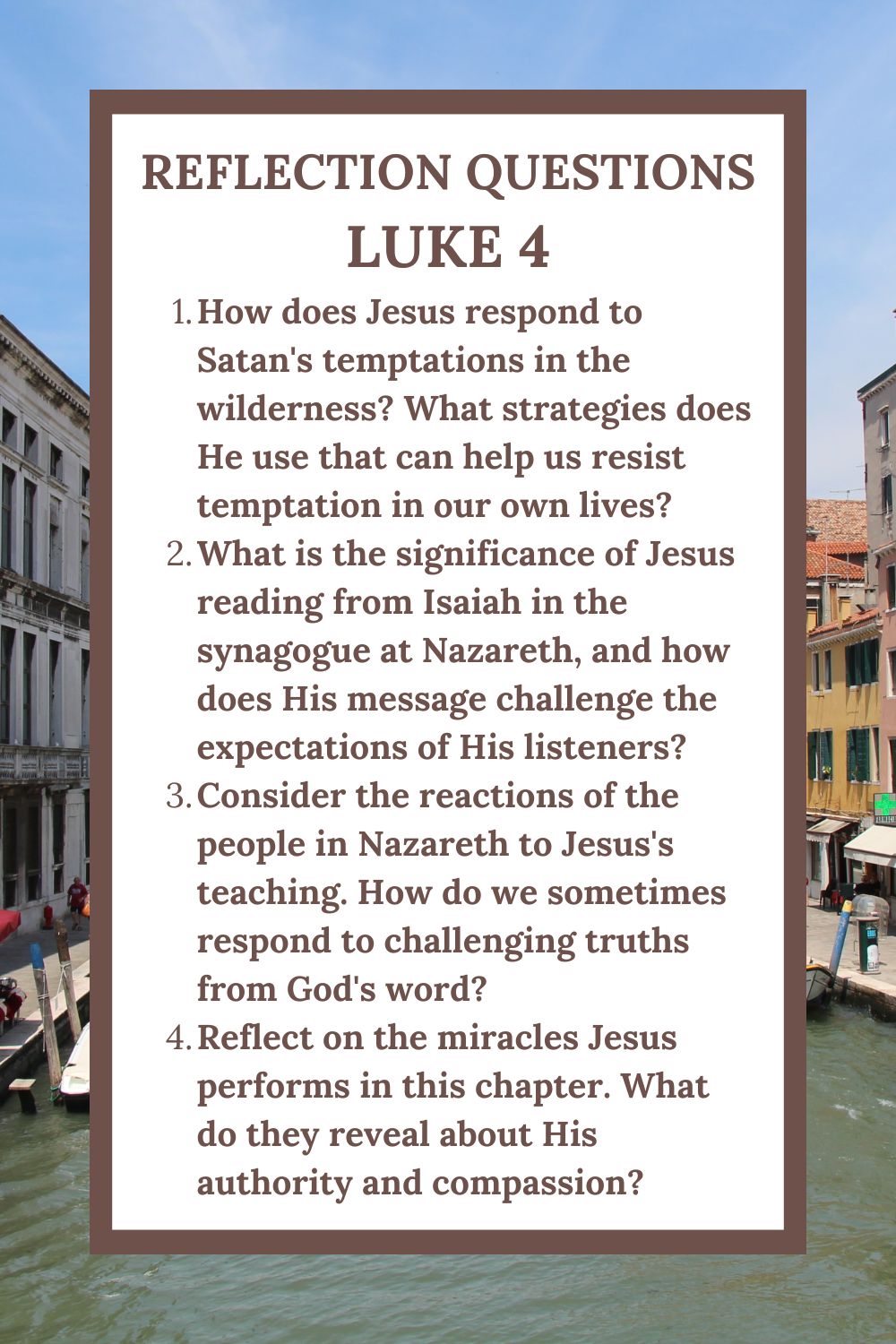
Luke 4
- How does Jesus respond to Satan’s temptations in the wilderness? What strategies does He use that can help us resist temptation in our own lives?
- What is the significance of Jesus reading from Isaiah in the synagogue at Nazareth, and how does His message challenge the expectations of His listeners?
- Consider the reactions of the people in Nazareth to Jesus’s teaching. How do we sometimes respond to challenging truths from God’s word?
- Reflect on the miracles Jesus performs in this chapter. What do they reveal about His authority and compassion?
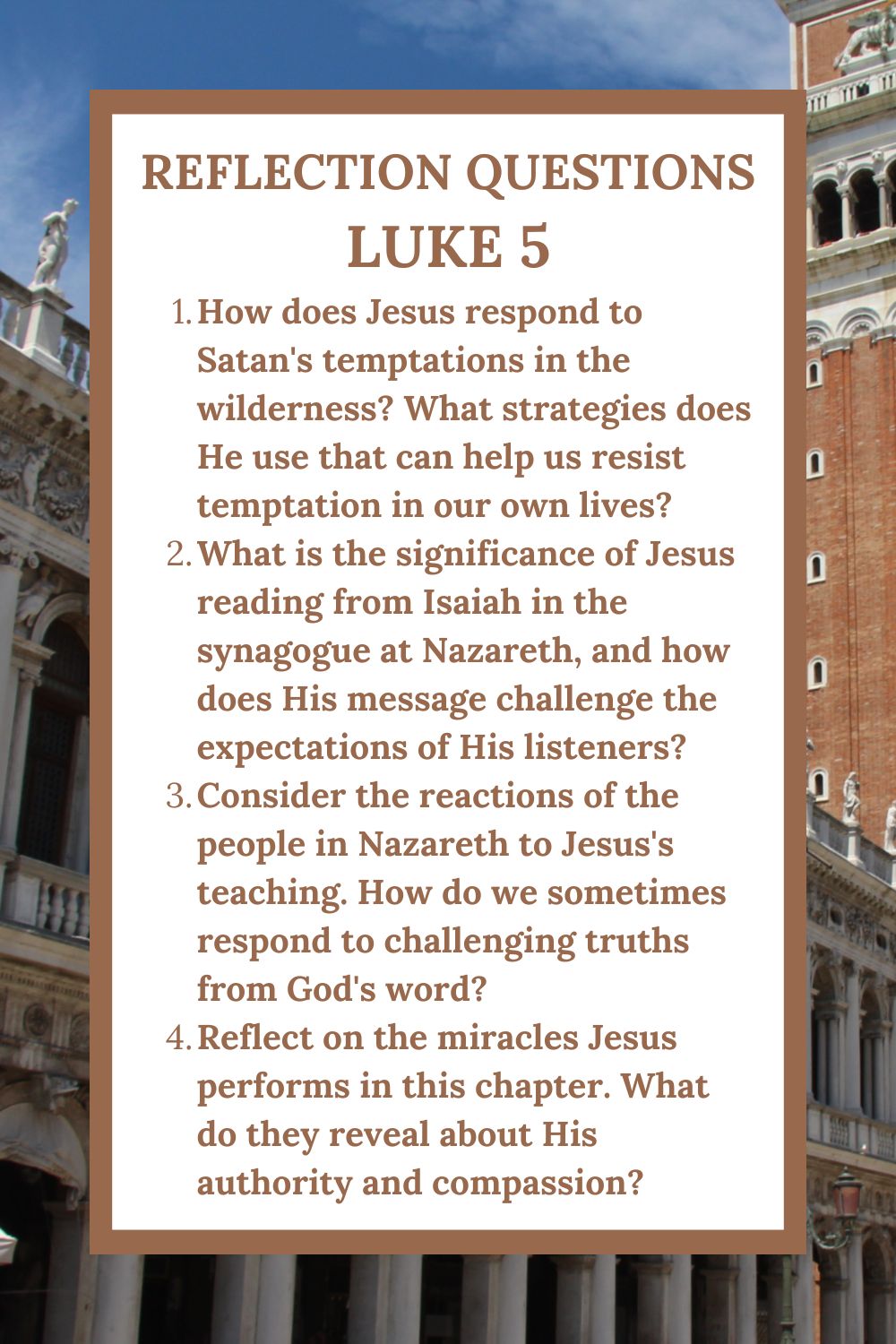
Luke 5
- How do the fishermen (Peter, James, and John) respond to Jesus’s call to follow Him? What does their response teach us about obedience and discipleship?
- Reflect on the healing of the leper and the paralytic. What do these miracles reveal about Jesus’s power and willingness to heal?
- What can we learn from the story of Levi (Matthew) about Jesus’s call to those considered outcasts or sinners?
- How does Jesus address the questions about fasting and Sabbath observance? What do His responses teach us about the purpose and spirit of these practices?
Reflective Prayer
Choose a few verses or topics from these chapters and pray over them. Consider using the ACTS method — Adoration, Confession, Thankfulness, Supplication:
- Adoration: Praise God. What specific characteristics of God do these readings bring to mind?
- Confession: Tell God that you are sorry for specific sins. What specific sins do these readings bring to mind?
- Thankfulness: Show gratitude towards God. What in these readings inspires gratitude?
- Supplication: Make requests for yourself and for others. What in these readings inspires a prayer?
If helpful, you can use a prayer journal template.
Other Reading Plans
Online Resources
Subscribe
If you enjoyed this post and wish to receive more Christian content, feel free to subscribe to my newsletters!
Related Resources
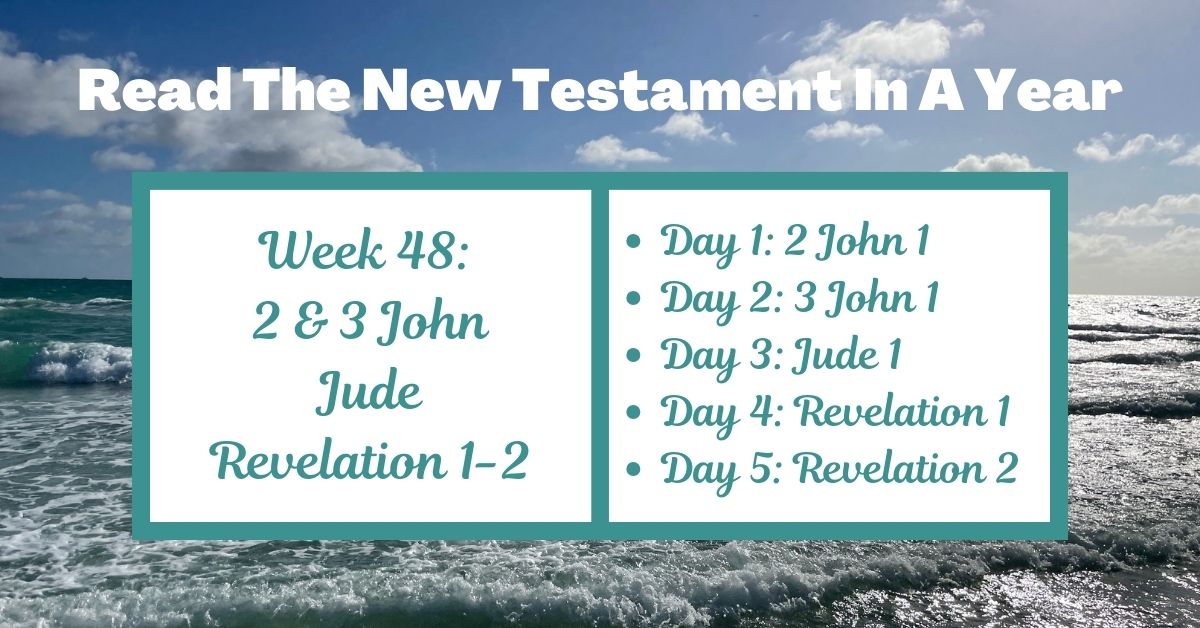
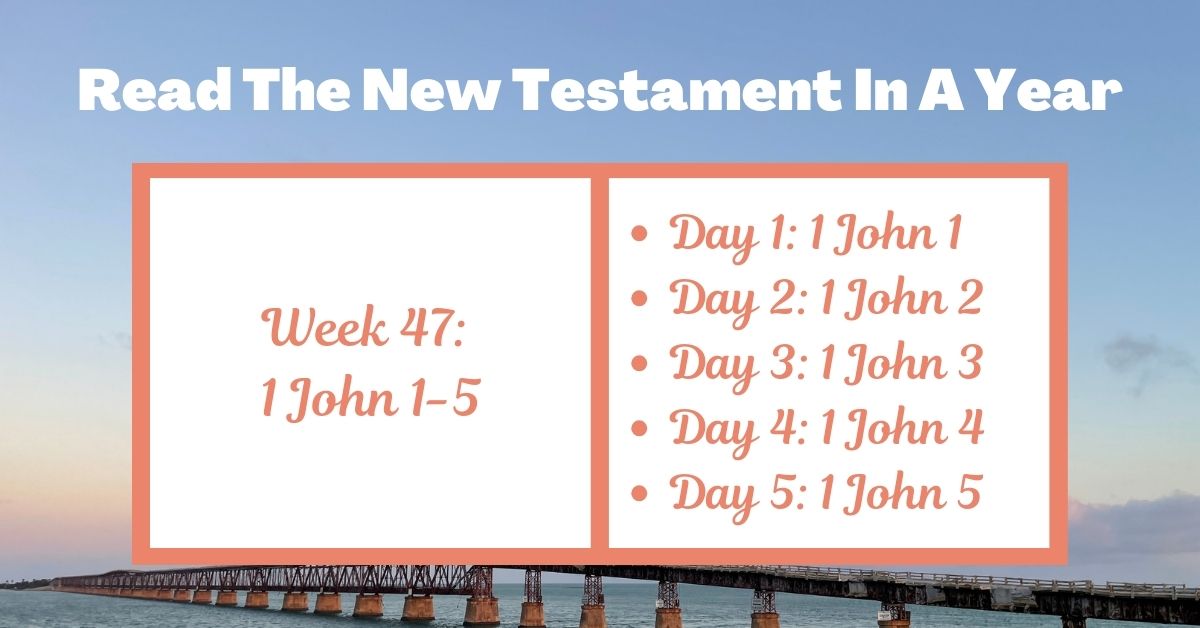
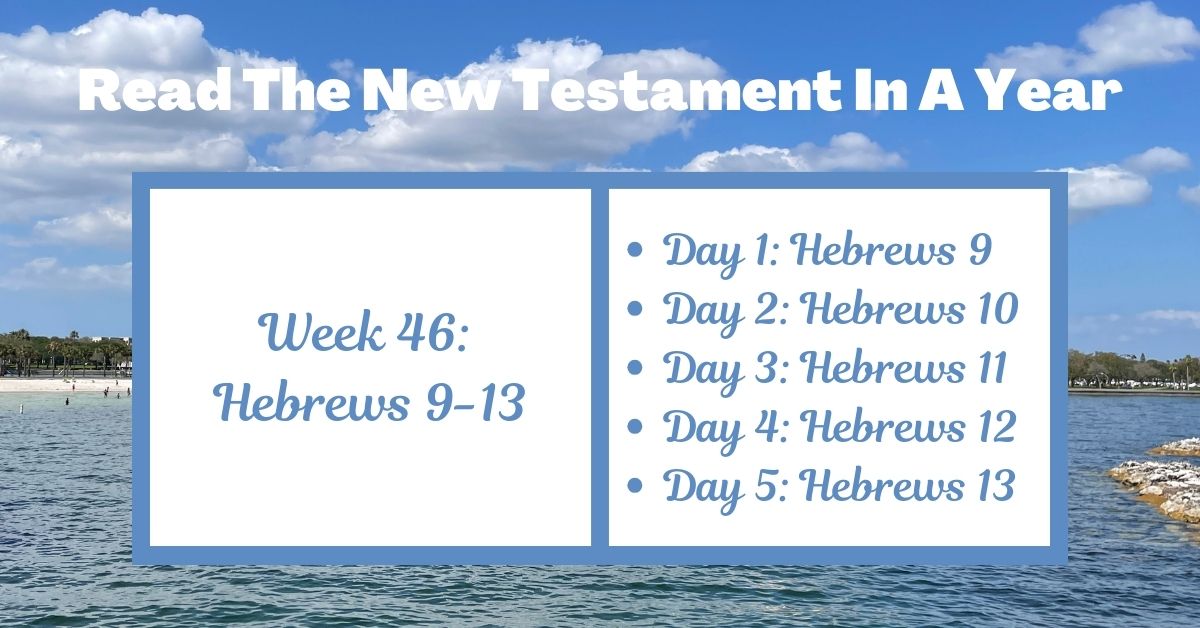
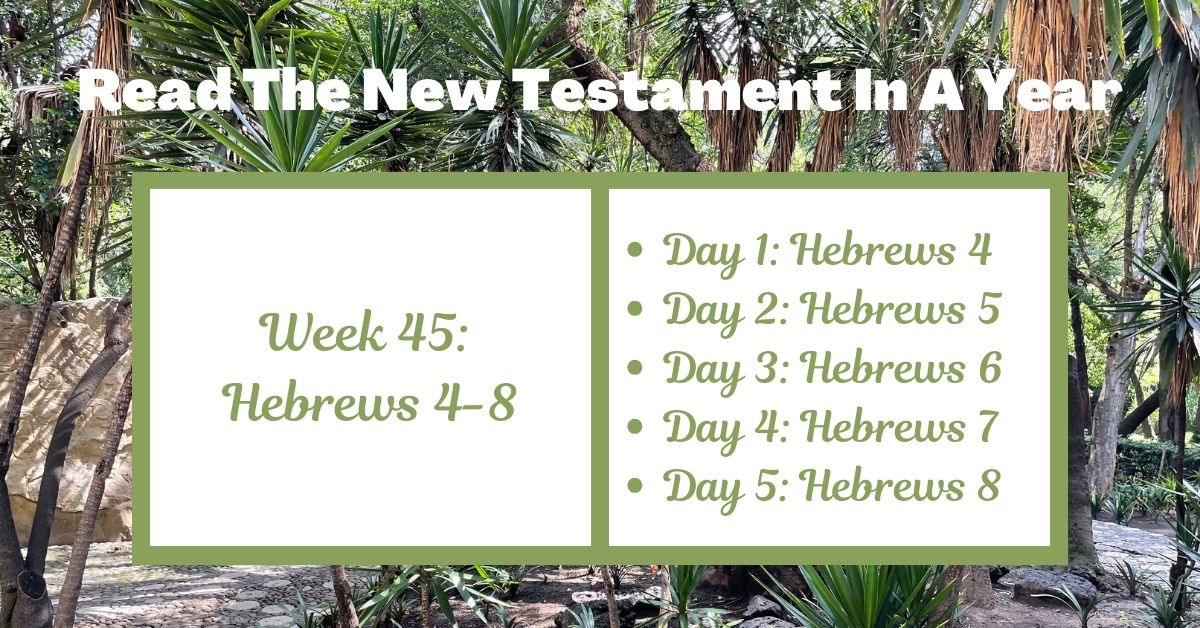
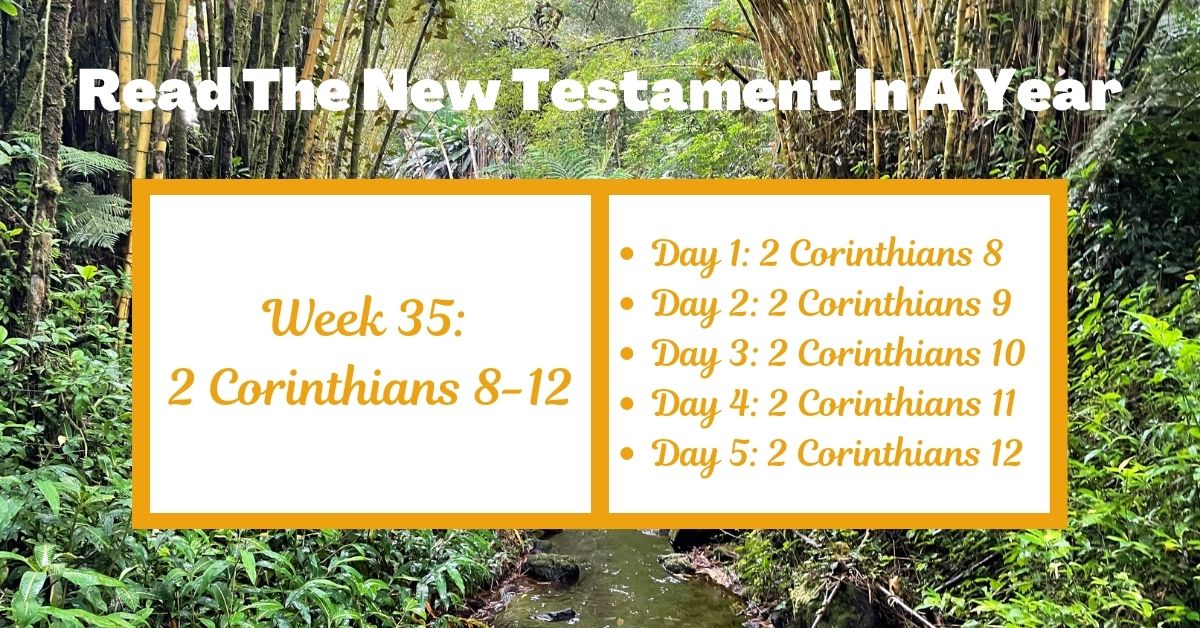
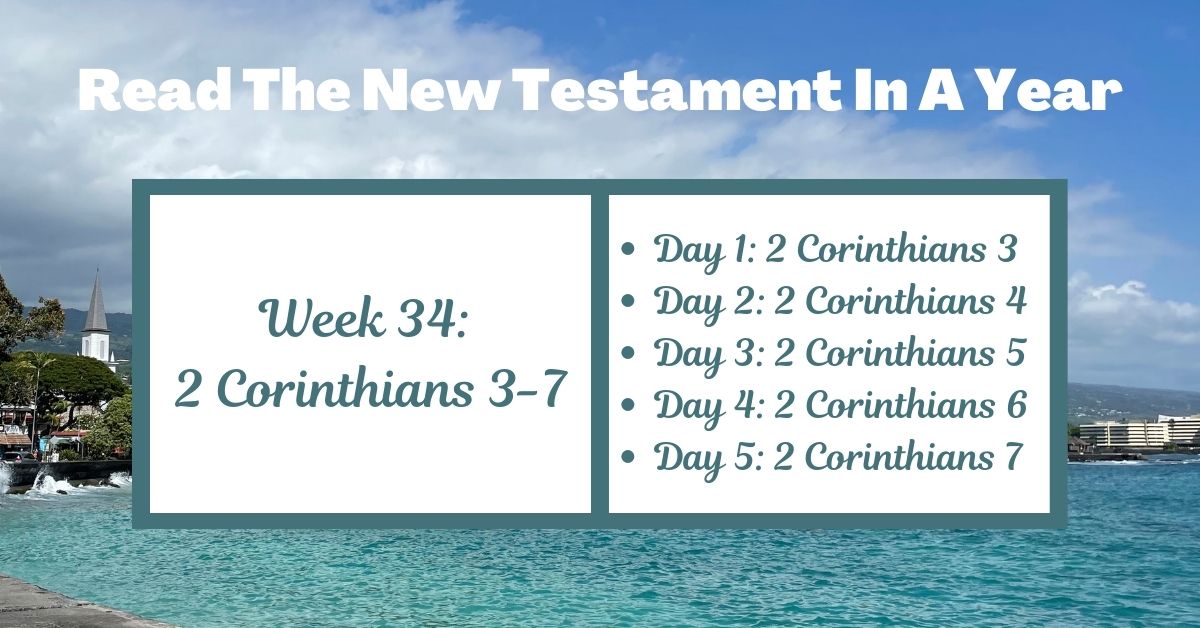
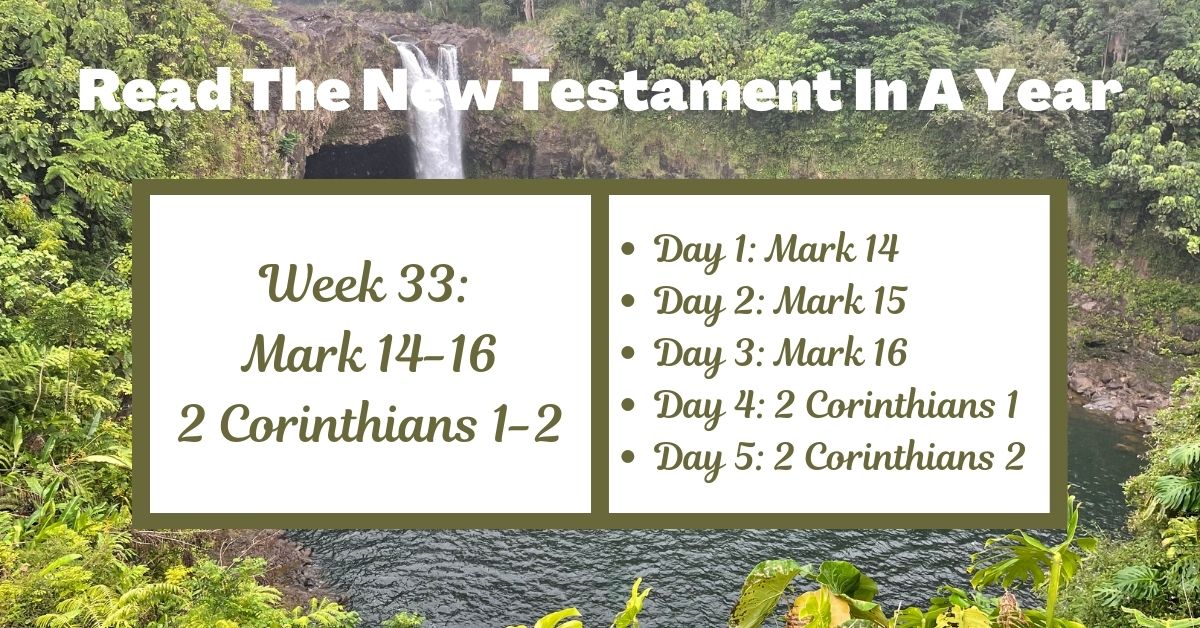
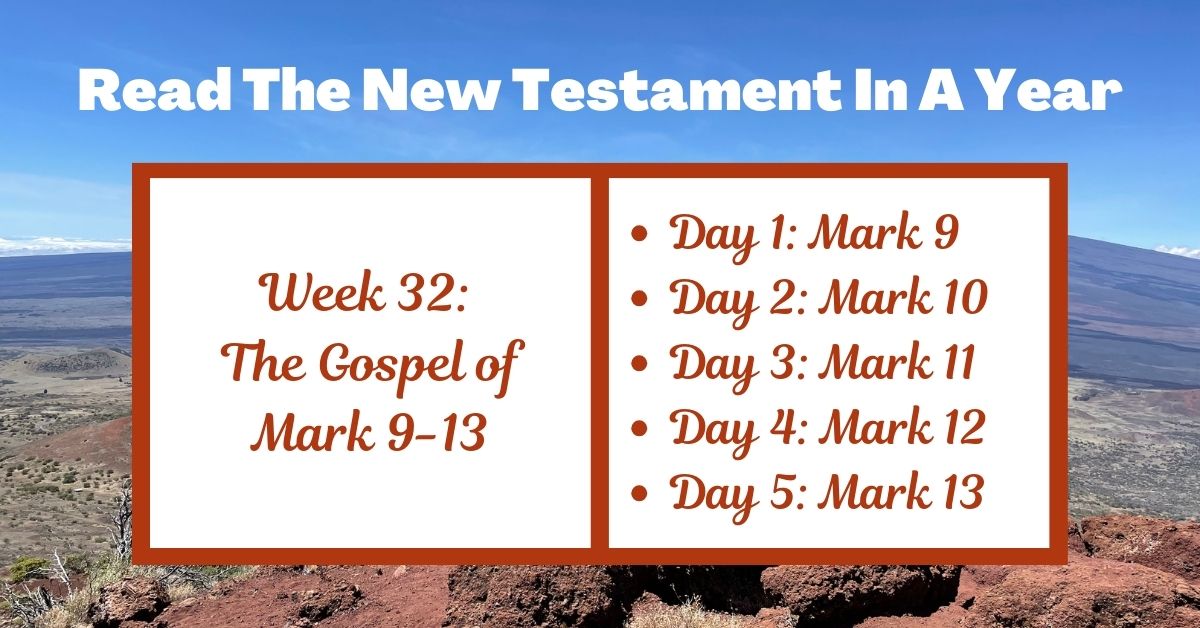
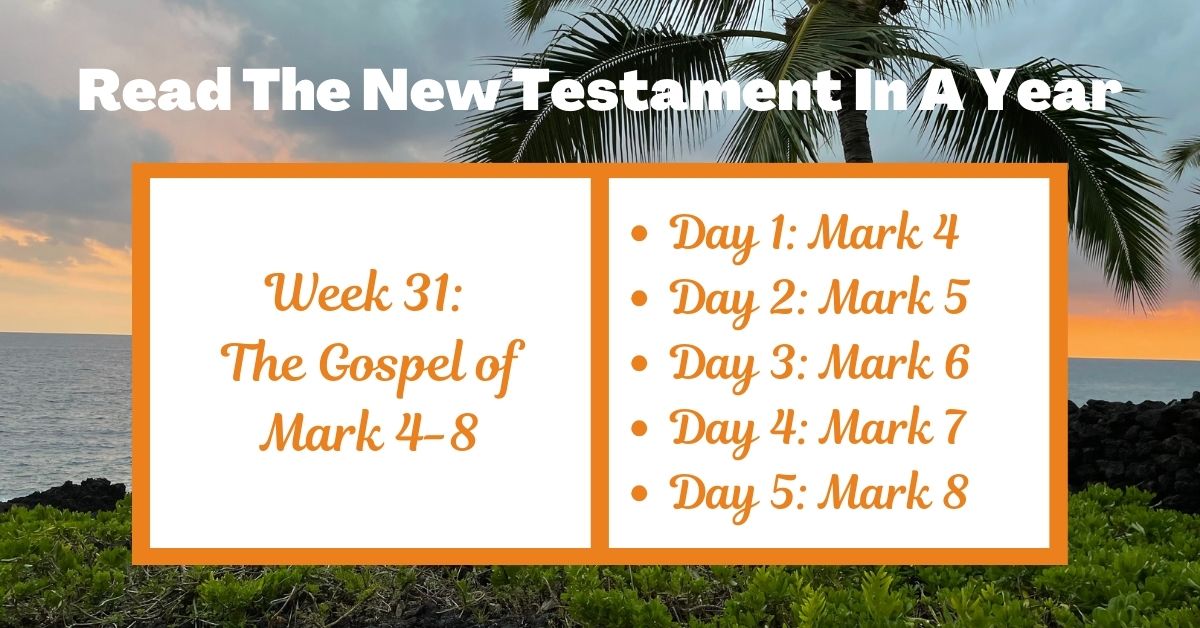
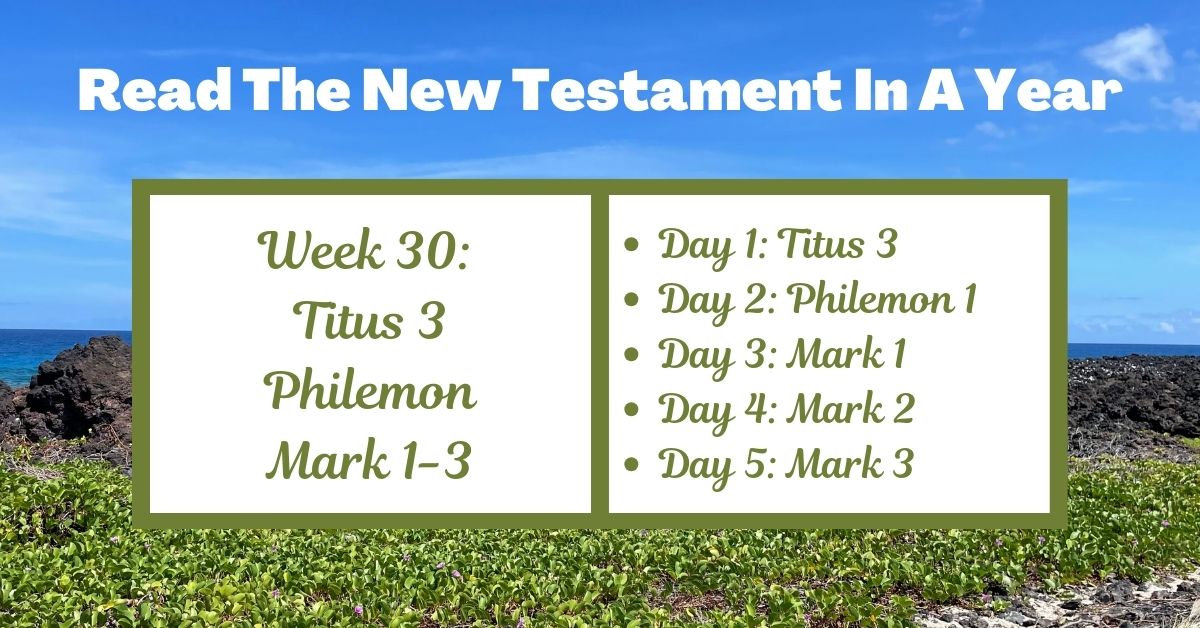
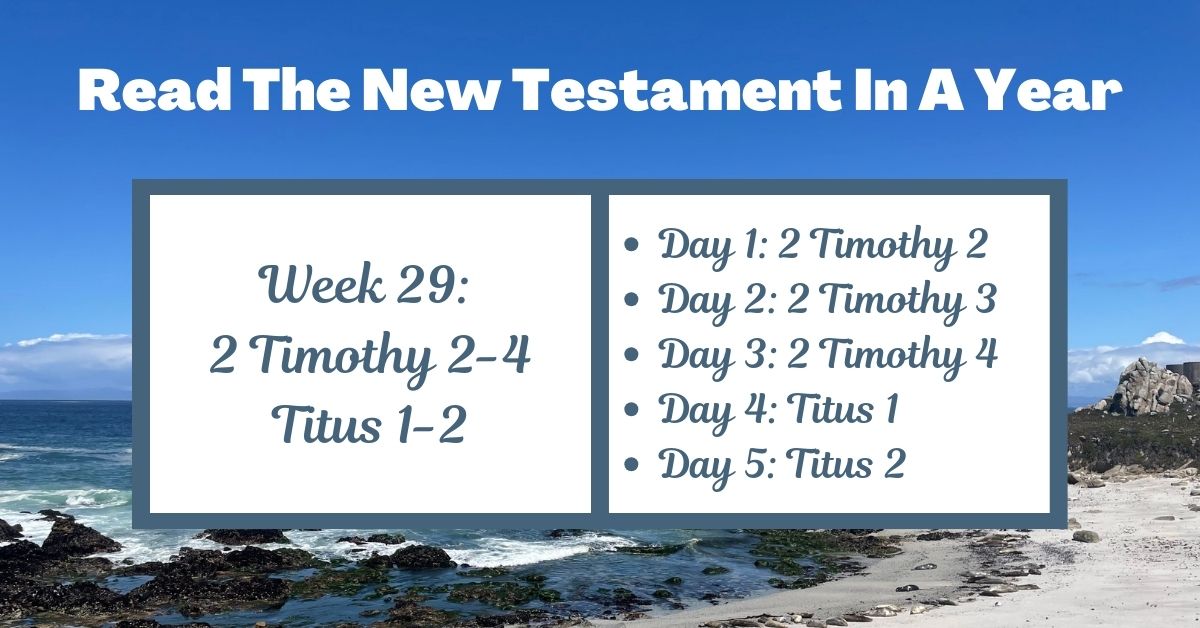
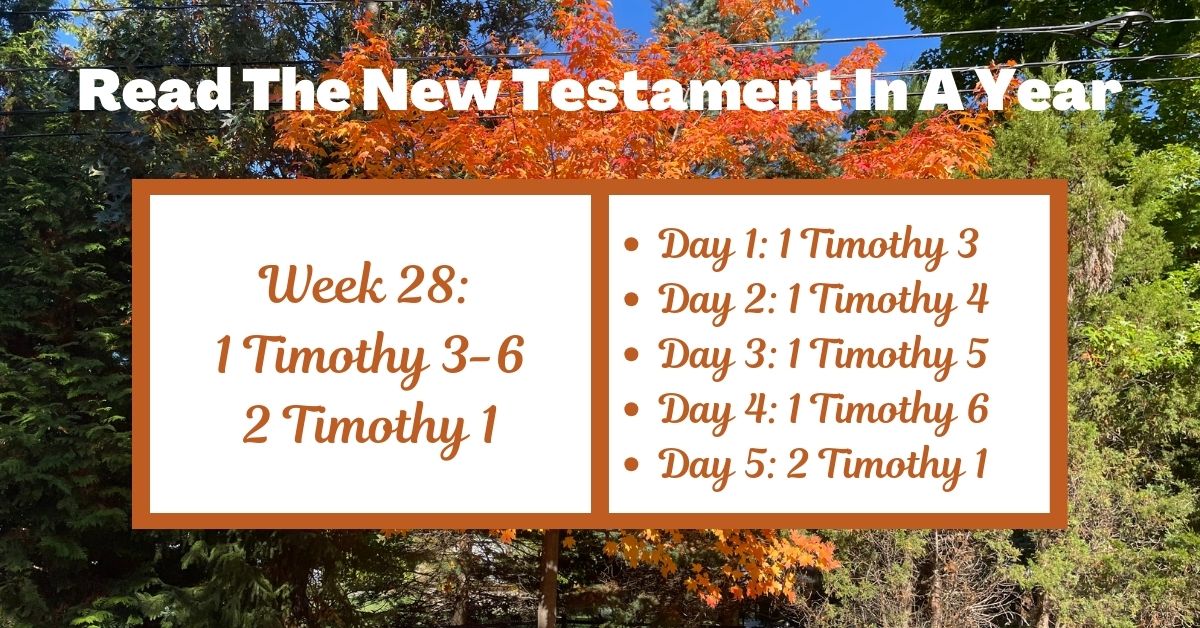
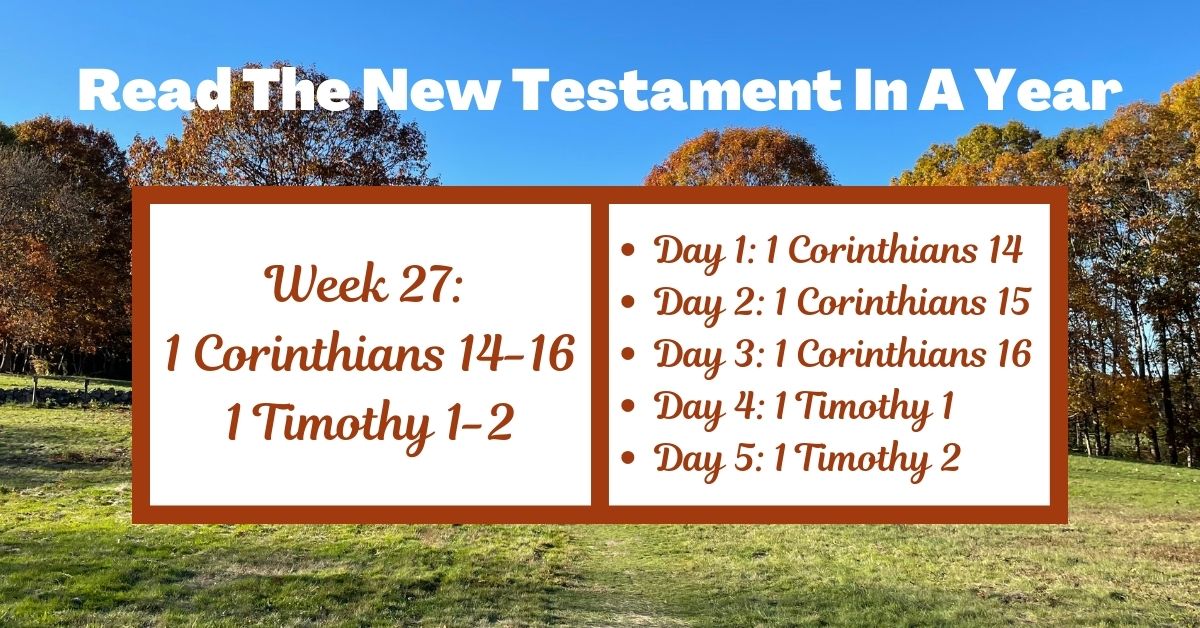
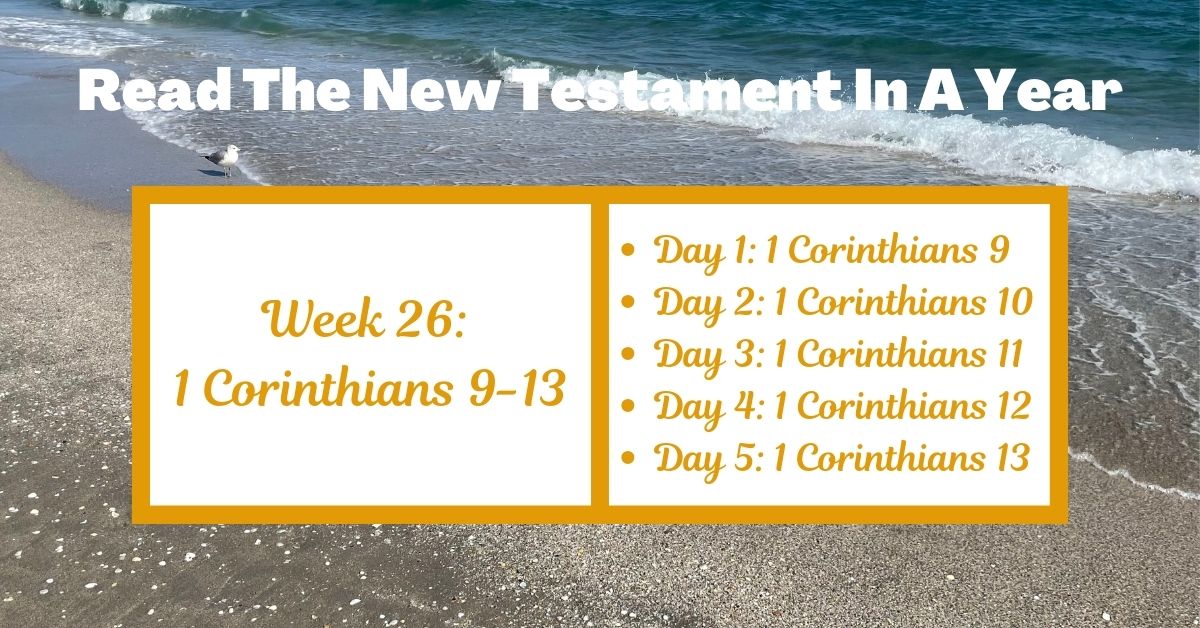
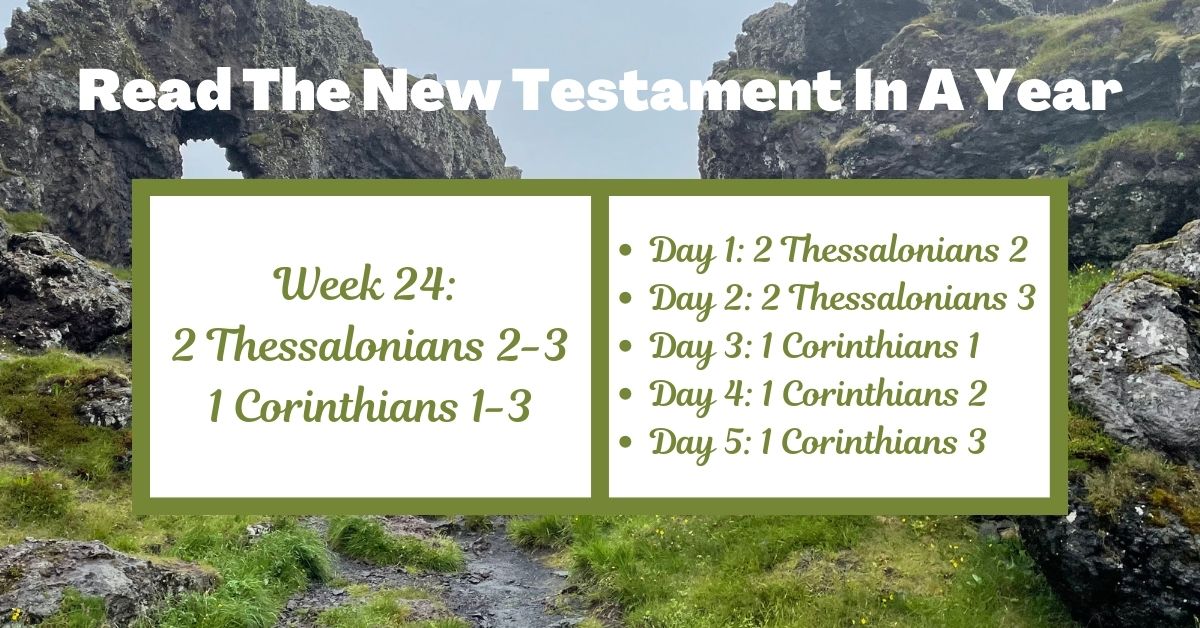
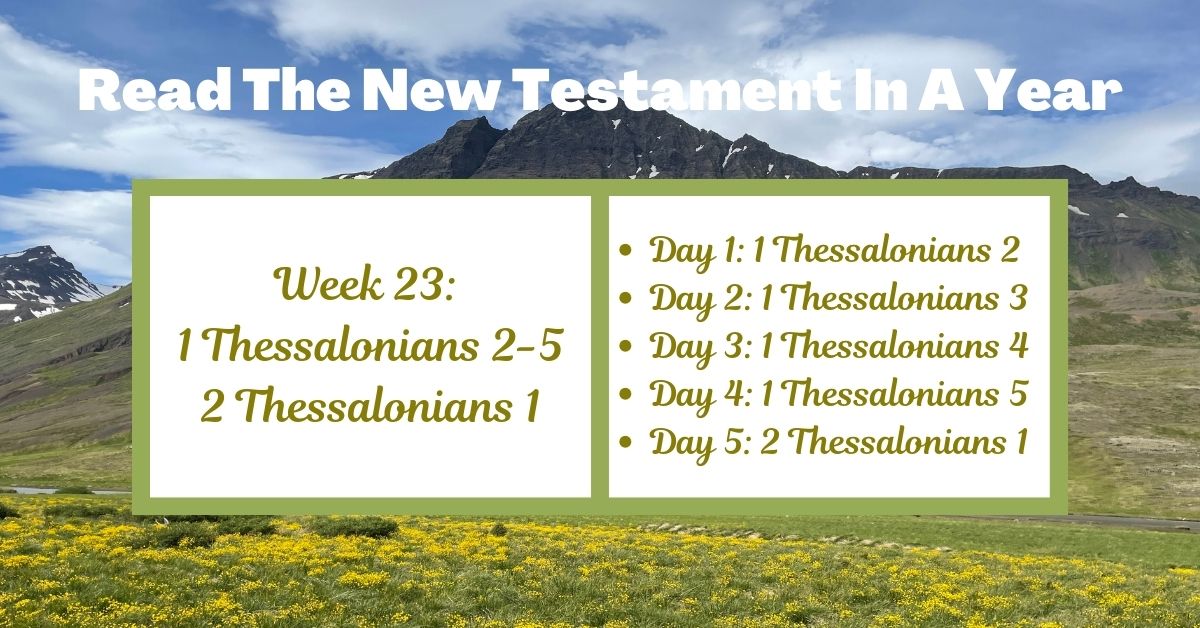
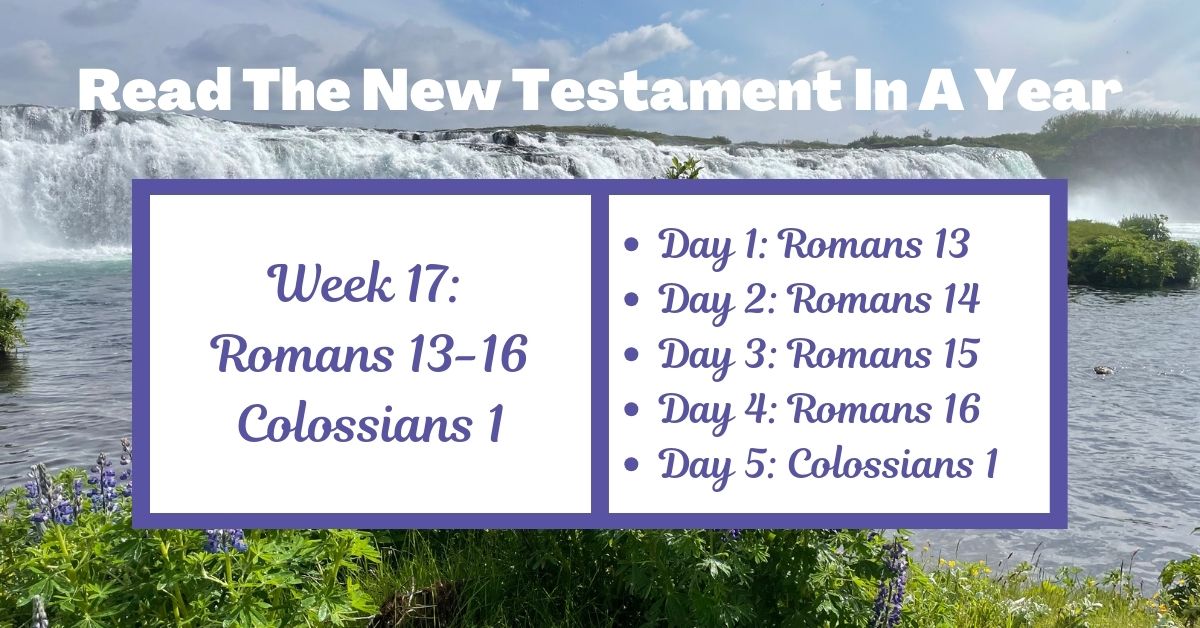
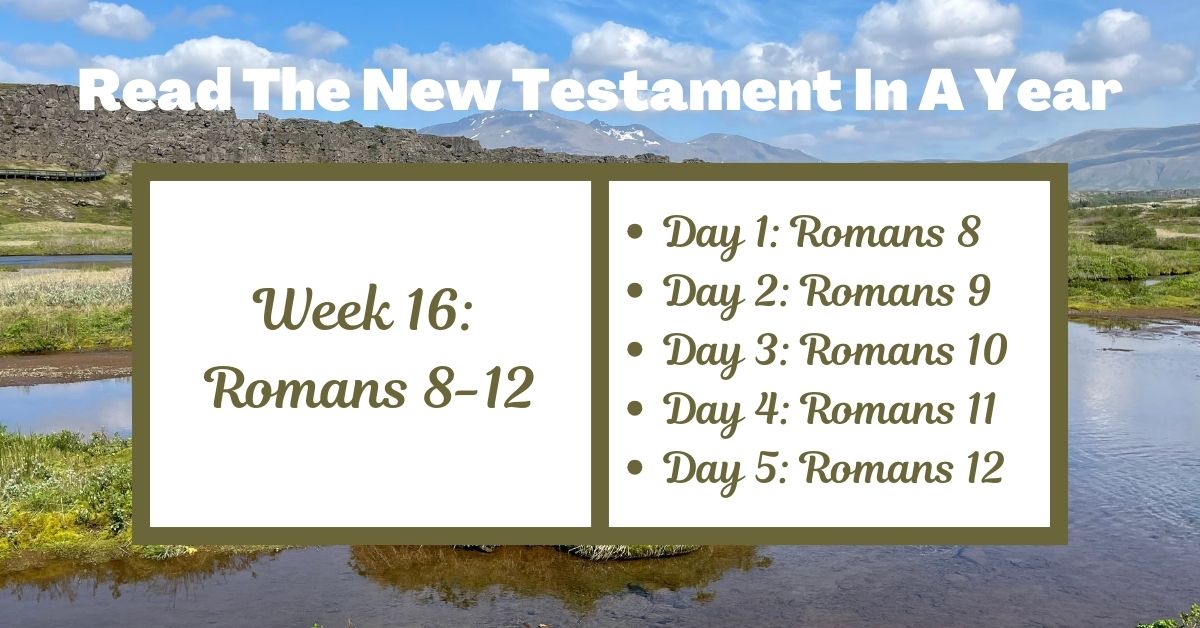
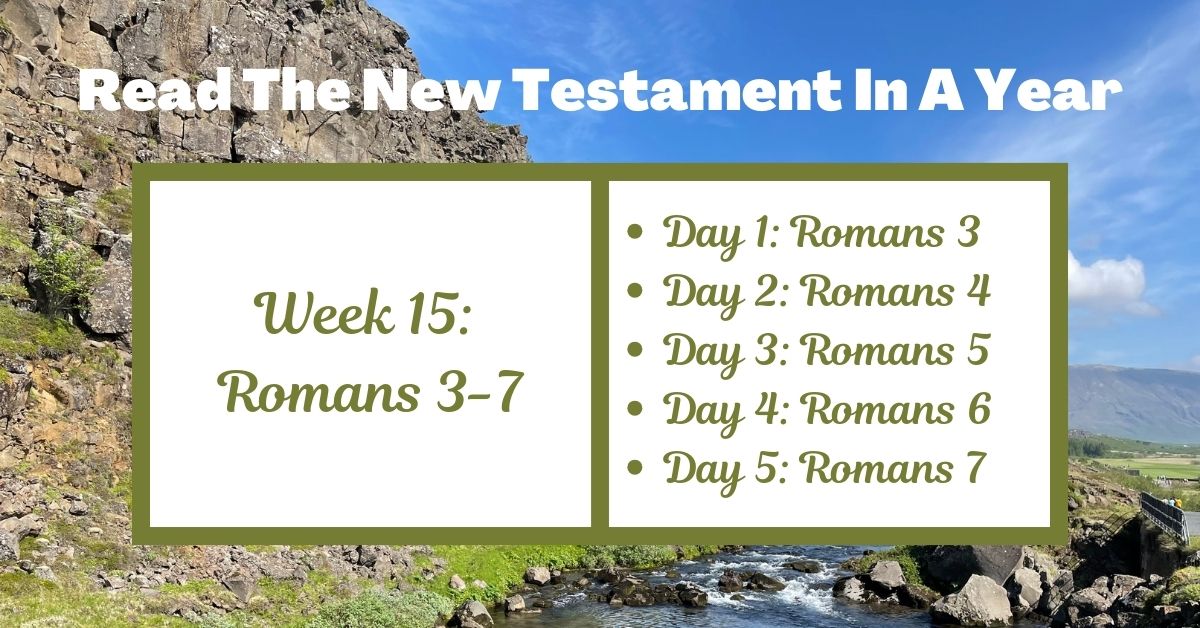
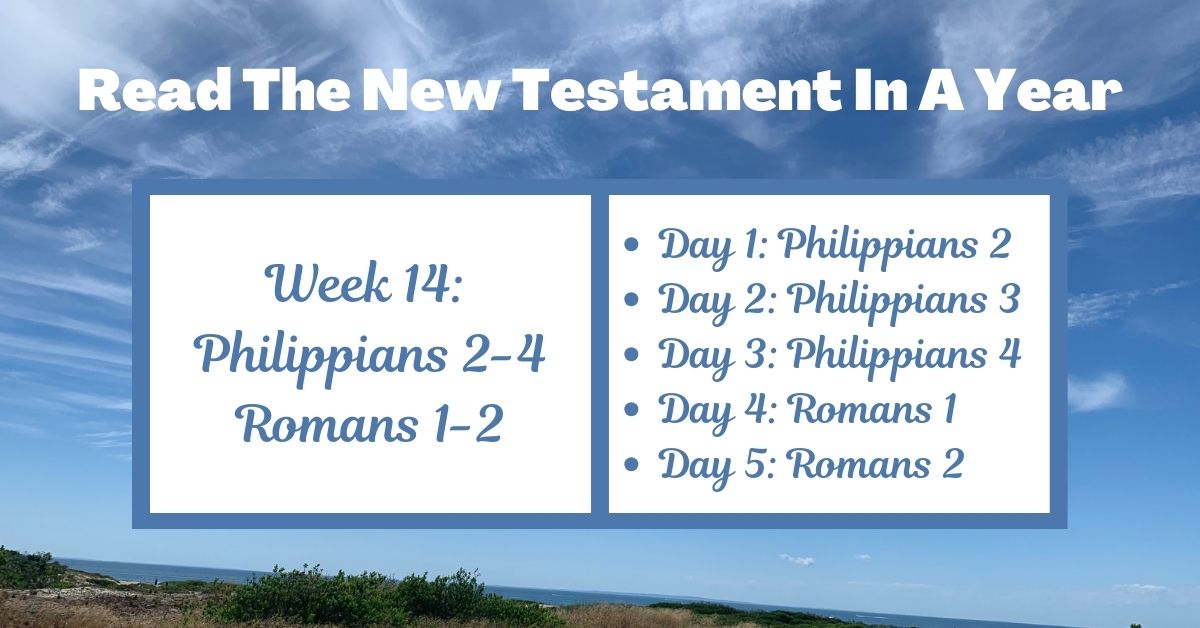
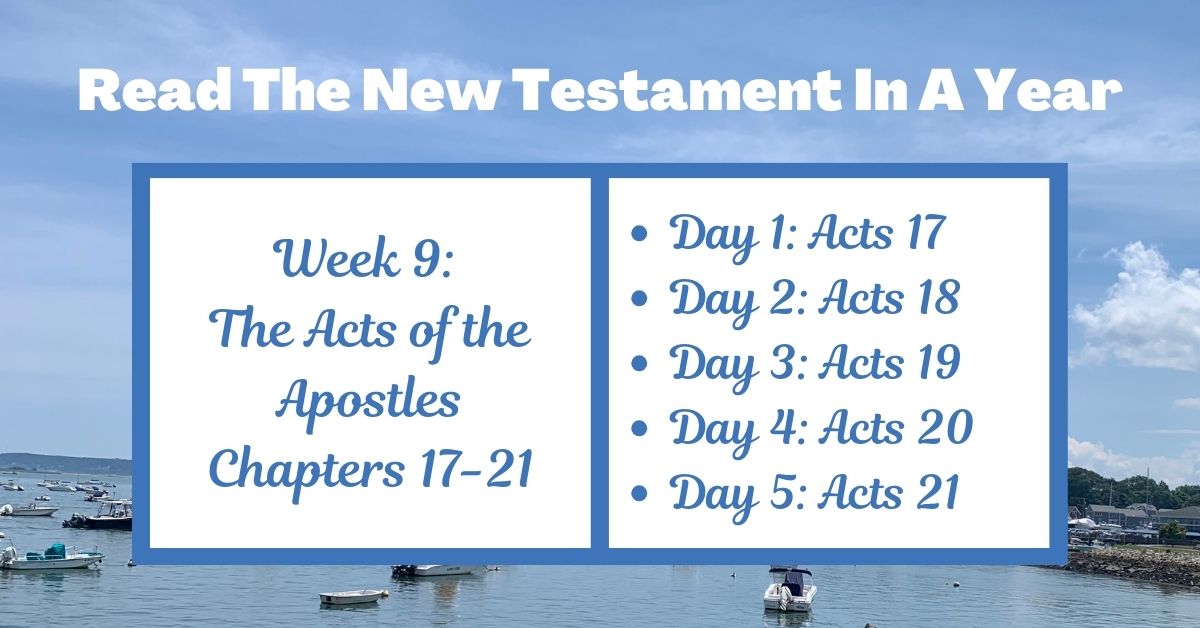
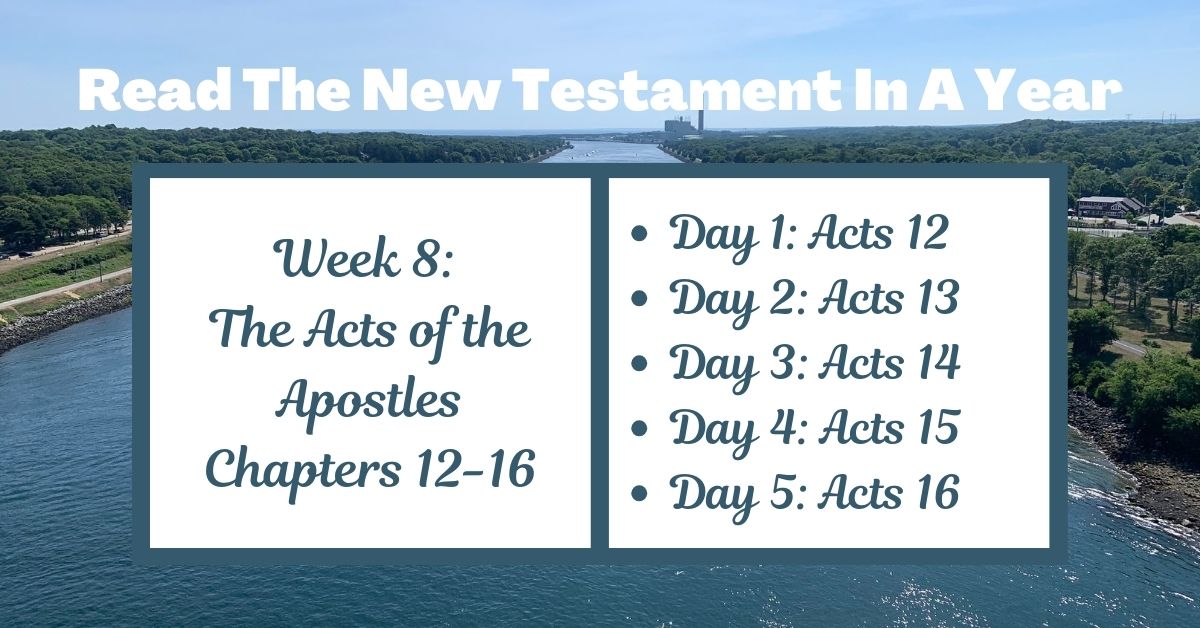
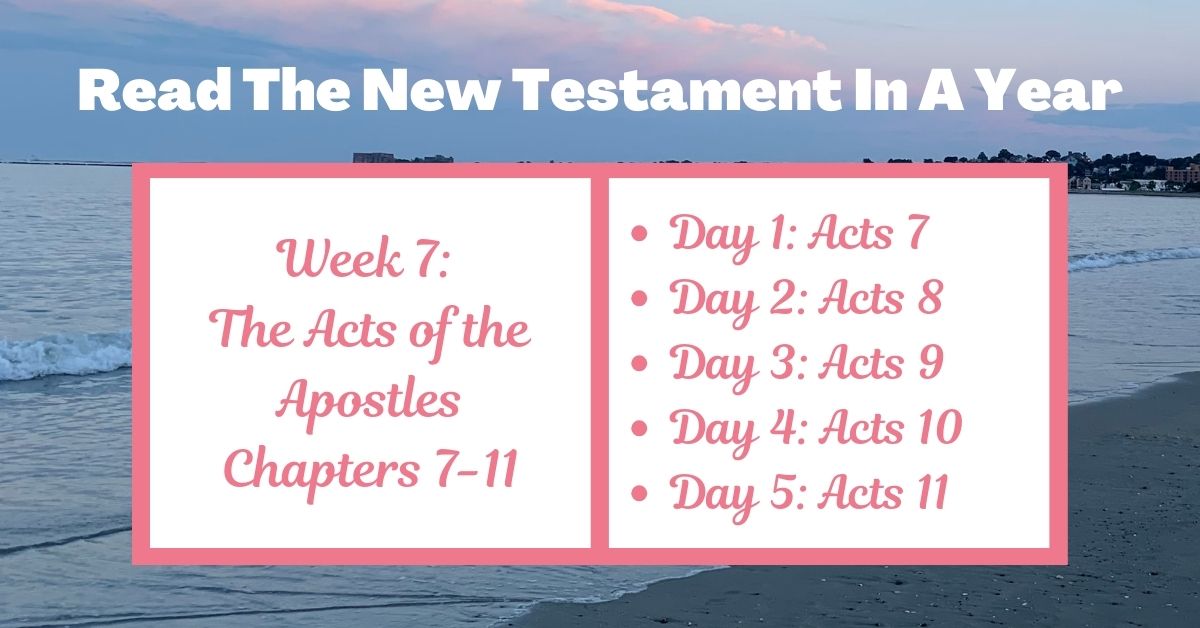
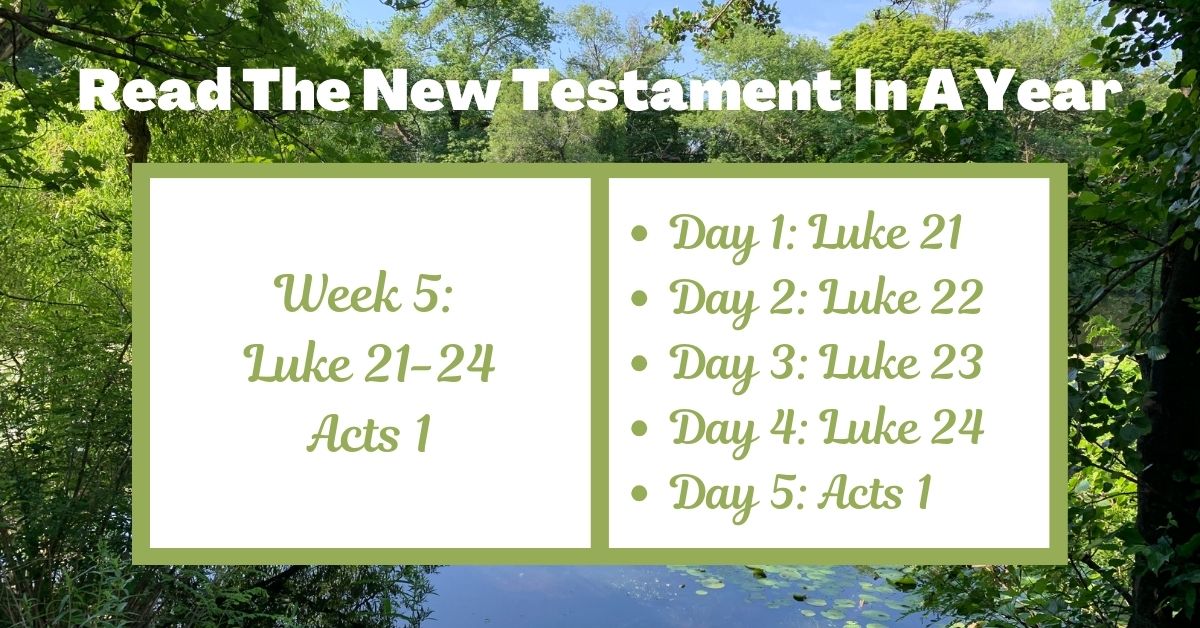
Visit the Joyful Moments in Christ homepage for all posts, or scroll through other blog posts related to reading the New Testament in a year:




English Standard Version (ESV): Unless otherwise noted, scripture quotations are from the ESV® Bible (The Holy Bible, English Standard Version®), © 2001 by Crossway, a publishing ministry of Good News Publishers. Used by permission. All rights reserved. The ESV text may not be quoted in any publication made available to the public by a Creative Commons license. The ESV may not be translated in whole or in part into any other language.
 Joyful Moments in Christ