A Patient God and the Call to Change
This Sunday School lesson is intended for upper elementary students. All lessons on this website are protected by copyright, but you can use them for free in small groups or Sunday School classes. You may share a link to this page, but please do not copy these pages and put them on other websites.
The Big Idea
Jesus teaches us that all people need to turn away from sin and that God is patient with us as he looks for good fruit in our lives.
Lesson Objectives
- Students will learn that bad things happening to people does not mean they are worse sinners than anyone else.
- Students will understand that repentance means changing our hearts and lives to follow God.
- Students will recognize that God is patient like the gardener, giving us time and help to grow in our faith.
Class Setting Notes
- Recommended for upper elementary Sunday School.
- Lesson length: 45 to 60 minutes. Can be shortened or extended based on activities selected.
Opening Activity: The Thirsty Plant
- Bring in two small potted plants: one that looks healthy and one that looks wilted or sad.
- Ask the students what they think happened to the wilted plant and if it should be thrown away immediately.
- Discuss what a gardener might do to save it, such as giving it water, better soil, or fertilizer.
- Explain that Jesus told a story about a tree that was not growing well and how the gardener wanted to give it a special chance.
This activity helps introduce the idea of God’s patience and the care he gives us to help us grow.
Bible Reading
Ask the class to read Luke 13:1-9 aloud together or have one person read it.
- Very Easy: Easy-to-Read Version: Luke 13:1-9 (ERV)
- Very Easy: New International Reader’s Version: Luke 13:1-9 (NIRV)
- Easy: Good News Translation: Luke 13:1-9 (GNT)
- Medium: New Living Translation: Luke 13:1-9 (NLT)
- Hard: New International Version: Luke 13:1-9 (NIV)
- Very Hard: English Standard Version: Luke 13:1-9 (ESV)
Additional Reading: Choosing the Right Bible Translation
Suggested prompts:
As the class reads aloud, consider asking some of these prompts:
- Notice how the people brought news of a sad event to Jesus.
- Listen for the way Jesus answers the idea that some people are worse sinners than others.
- Think about what it means when Jesus says we must change our lives or perish.
- Watch what happens in the story when the owner of the garden finds no fruit for three years.
- Pay attention to the gardener’s plan to help the tree instead of cutting it down.
Teacher Background Notes
- The Galileans killed by Pilate and the people killed by the falling tower were two current events that people in that time were talking about.
- Many people in the ancient world wrongly believed that if something bad happened to you, it was a direct punishment for a specific secret sin.
- Repentance is more than just feeling sorry; it is a gift from God that involves a turning of the whole person toward him.
- Fig trees were common in Israel and were often used in the Bible to represent the spiritual health of God’s people.
- In the parable, the gardener’s extra care represents the mercy of God, who provides us with the means of grace to grow and bear fruit.
Theological Insights
- All people are born in sin and need the grace of God to be saved and changed.
- God is the sovereign judge of the world, but he is also slow to anger and abounding in steadfast love.
- Fruit in the life of a believer refers to the work of the Holy Spirit, such as love, joy, peace, and patience.
- The presence of suffering in the world is a reminder to everyone of the need to be ready to meet God.
- God uses his word and his care to dig around our hearts and help us produce the fruit he desires.
Discussion Questions
Understanding the Text
- What was the common mistake people made about the people who died in the tower accident?
- What was the main warning Jesus gave to the people in verses 3 and 5?
- How many years did the owner wait for fruit before he decided to cut the tree down?
- What two things did the gardener say he would do to help the tree grow?
Personal Reflection and Application
- Why is it comforting to know that God is patient with us when we make mistakes?
- What are some of the good fruits God might be looking for in your life right now?
- How can we help our friends understand that God wants them to turn toward him?
- What is one area of your life where you want to ask God to help you grow more this week?
Suggested Activities
Fruit of the Spirit Tree
- Give each student a drawing of a bare tree.
- Provide leaf-shaped stickers or paper cutouts.
- Have the students write a different fruit of the Spirit on each leaf and glue them to the tree.
This activity helps students visualize the positive changes God works in our lives when we follow him.
Soil and Fertilizer Science
- Show the students a small container of plain sand and a container of rich, dark potting soil.
- Discuss which one is better for a tree to grow in.
- Talk about how reading the Bible and praying are like the fertilizer the gardener used to help the tree.
This activity teaches that we need the right environment and spiritual habits to grow well for God.
The Second Chance Skit
- Have students act out a scene where someone breaks a rule or fails at a task.
- Have another student play the role of a helper who offers a second chance and helps them fix the mistake.
- Discuss how this reflects the gardener’s heart in the parable.
This activity helps students understand the mercy and patience of God toward us.
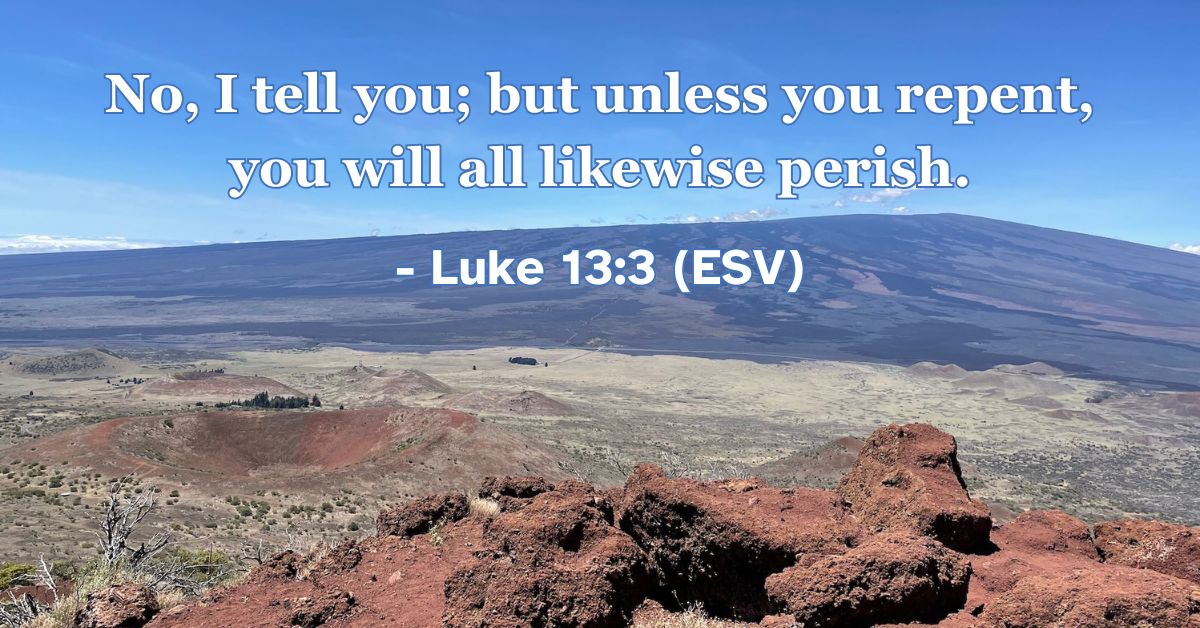
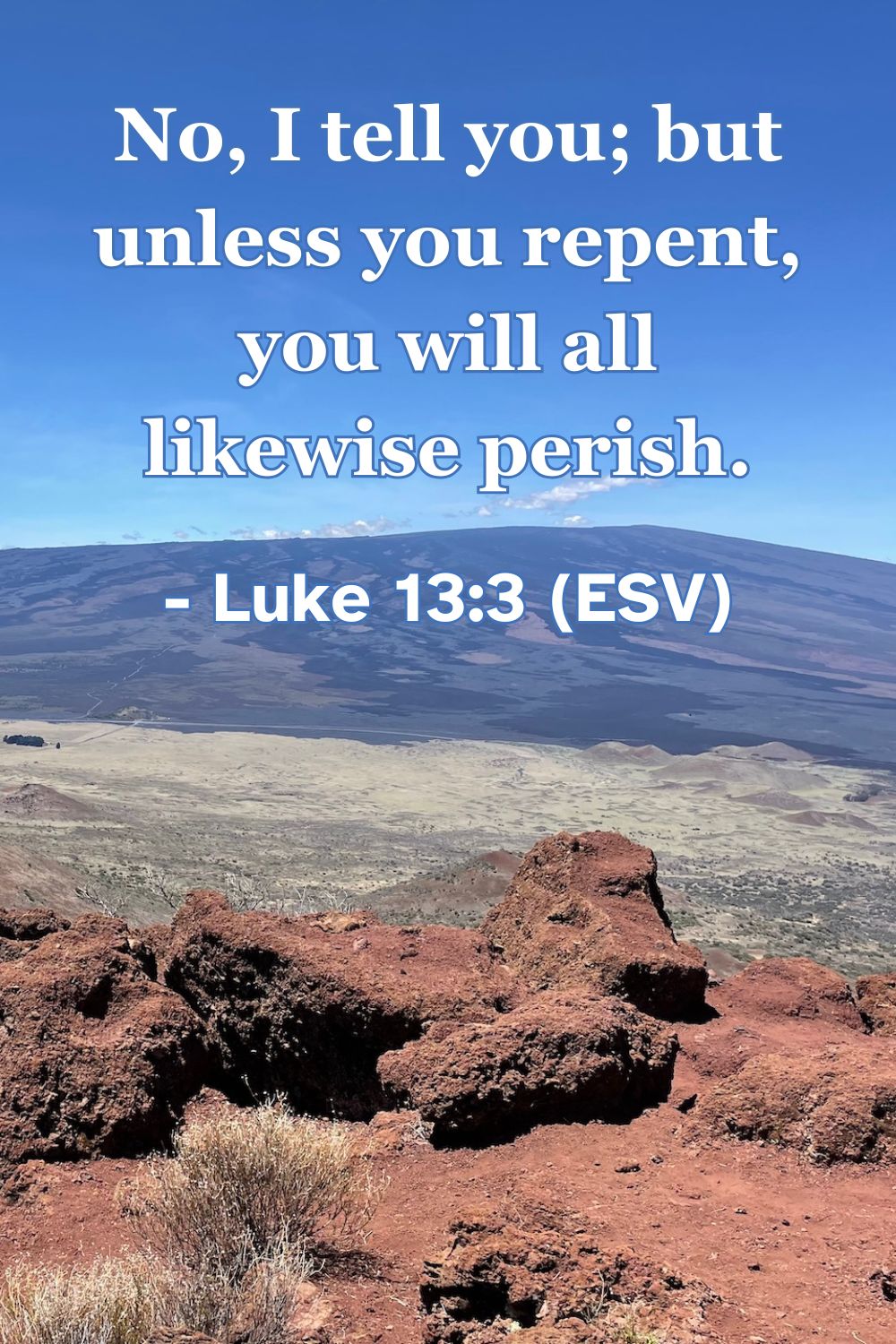
Memory Verse
Closing Prayer
Father,
Thank you for being patient and kind to us even when we do not show good fruit. Help us to turn away from our sins and use your word to help our hearts grow in love and obedience to you.
In Jesus’ name we pray. Amen.
The ESL Version
I also create materials for adult English Language Learners (ELLs) and ESL students. You can find my ELL Bible Study based on Luke 13:1-9 here:
Subscribe
If you enjoyed this post and wish to receive more Christian content, consider subscribing to my newsletters!
Related Resources
Visit the Joyful Moments in Christ homepage for all posts, or scroll through other blog posts related to Sunday School:

Something went wrong. Please refresh the page and/or try again.
English Standard Version (ESV): Unless otherwise noted, scripture quotations are from the ESV® Bible (The Holy Bible, English Standard Version®), © 2001 by Crossway, a publishing ministry of Good News Publishers. Used by permission. All rights reserved. The ESV text may not be quoted in any publication made available to the public by a Creative Commons license. The ESV may not be translated in whole or in part into any other language.