
Understanding Purity and Grace in Christian Virtues
How can purity and grace coexist? One demands perfection, while the other embraces forgiven failure. This paradox can be perplexing, but by looking to Jesus, we can begin to unravel this mystery and strive for both virtues in our lives.
Consider the apparent innocence of a toddler throwing a tantrum. This small, seemingly inconsequential act reveals our innate sinfulness and propensity to defile ourselves and others. As we grow, our sins become more deliberate and troubling, especially when we profess a commitment to Christ. Yet, the good news is that Jesus continually holds us accountable and forgives us! The question we must ask ourselves is whether we can use these essential Christian virtues of purity and grace to extend that same forgiveness to ourselves and others, while still balancing truth with love.
Rather, speaking the truth in love, we are to grow up in every way into him who is the head, into Christ, from whom the whole body, joined and held together by every joint with which it is equipped, when each part is working properly, makes the body grow so that it builds itself up in love.
Ephesians 4:15-16 (ESV)
Balancing high standards with ready forgiveness is no easy task. Jesus exemplified both characteristics flawlessly, and while we may only dream of achieving such a balance, we must continually strive towards it.
Consider the story of the adulterous woman in the Gospel of John. The scribes and Pharisees brought her to Jesus, reminding Him that the Law of Moses commanded her to be stoned. But Jesus, demonstrating unparalleled grace and wisdom, responded:
And Jesus said, “Neither do I condemn you; go, and from now on sin no more.”
John 8:11 (ESV)
Major vs. Minor Issues in the Christian Faith
A quote that has guided me is “major on the majors and minor on the minors.” This principle invites us to focus on what is truly important in the Christian faith. Misplacing this focus can lead to issues, particularly when we assign greater importance to minor details over major principles. In the story above, Jesus prioritized repentance—a major—over the legalistic fulfillment of a specific law—a minor. This distinction is crucial for our spiritual health. Jesus criticized the Pharisees many times about this exact topic!
They tie up heavy burdens, hard to bear, and lay them on people’s shoulders, but they themselves are not willing to move them with their finger.
Matthew 23:4 (ESV)
Disagreements will inevitably arise about what constitutes a major or minor issue in the Christian faith. Personally, I believe the core tenets of the Apostle’s Creed are major, while other topics, like evolution and gender roles, are significantly more minor. Unfortunately, some Christians treat these topics as a major issues, using inflammatory language that divides rather than unites.
The effort to define “days” as “geologic ages” results from an erroneous approach to Scripture—reinterpreting the Word of God on the basis of the fallible theories of sinful people.
From an Answers in Genesis Article “Could God Really Have Created Everything in Six Days?”
My opinion is that this type of language is a mistake and that there is no need to label other Christians as sinful because they believe that there is no contradiction between the Bible and scientific discoveries! One of us is obviously wrong, but is there really a need to call it sin?
Additional Reading: Articles that show an alternative view to Answers in Genesis
Interesting Facebook Group: Answers to Answers in Genesis
Romans 14 and Fostering Unity in Disputable Matters
Romans 14 is a profound chapter that addresses how to handle differing opinions within the Christian community. The central message is to avoid quarrels over disputable matters and extend grace to those with different viewpoints. For example, I firmly believe in my understanding of creation, but I also strive to interact peacefully with those who disagree. Calling someone sinful for their views on minor issues only creates unnecessary conflict!
As for the one who is weak in faith, welcome him, but not to quarrel over opinions. One person believes he may eat anything, while the weak person eats only vegetables. Let not the one who eats despise the one who abstains, and let not the one who abstains pass judgment on the one who eats, for God has welcomed him. Who are you to pass judgment on the servant of another? It is before his own master that he stands or falls. And he will be upheld, for the Lord is able to make him stand.
Romans 14:1-4
The Golden Rule as Applied to Differing Opinions in the Christian Faith
In the early days of Christianity, debates over food and the Sabbath were common. Today, we face controversies over creation and gender roles. Imagine asking for opinions on evolution and women pastors in any church; the diverse responses would quickly highlight these debates. Observing such discussions can reveal whether the responses align with the “Golden Rule”:
So whatever you wish that others would do to you, do also to them, for this is the Law and the Prophets.
Matthew 7:12 (ESV)
In recent months, I have reflected on the poor way that Christians often treat one another. Despite Jesus’ teachings on the Golden Rule, many Christians so often fail to embody kindness, hope, and joy. I have personally struggled as I witnessed Christians tearing each other apart. Where is the forgiveness? Where is the love? Where is the grace? Where is the joy? Why do we keep putting stumbling blocks in the path of our brothers and sisters in Christ?
So then each of us will give an account of himself to God. Therefore let us not pass judgment on one another any longer, but rather decide never to put a stumbling block or hindrance in the way of a brother.
Romans 14:12-13
Jesus called for repentance and transformation, but He did so in a way that drew people to Him. Can we say the same about ourselves? Often, the news and even our churches reflect a different reality, leading to perceptions of hypocrisy.
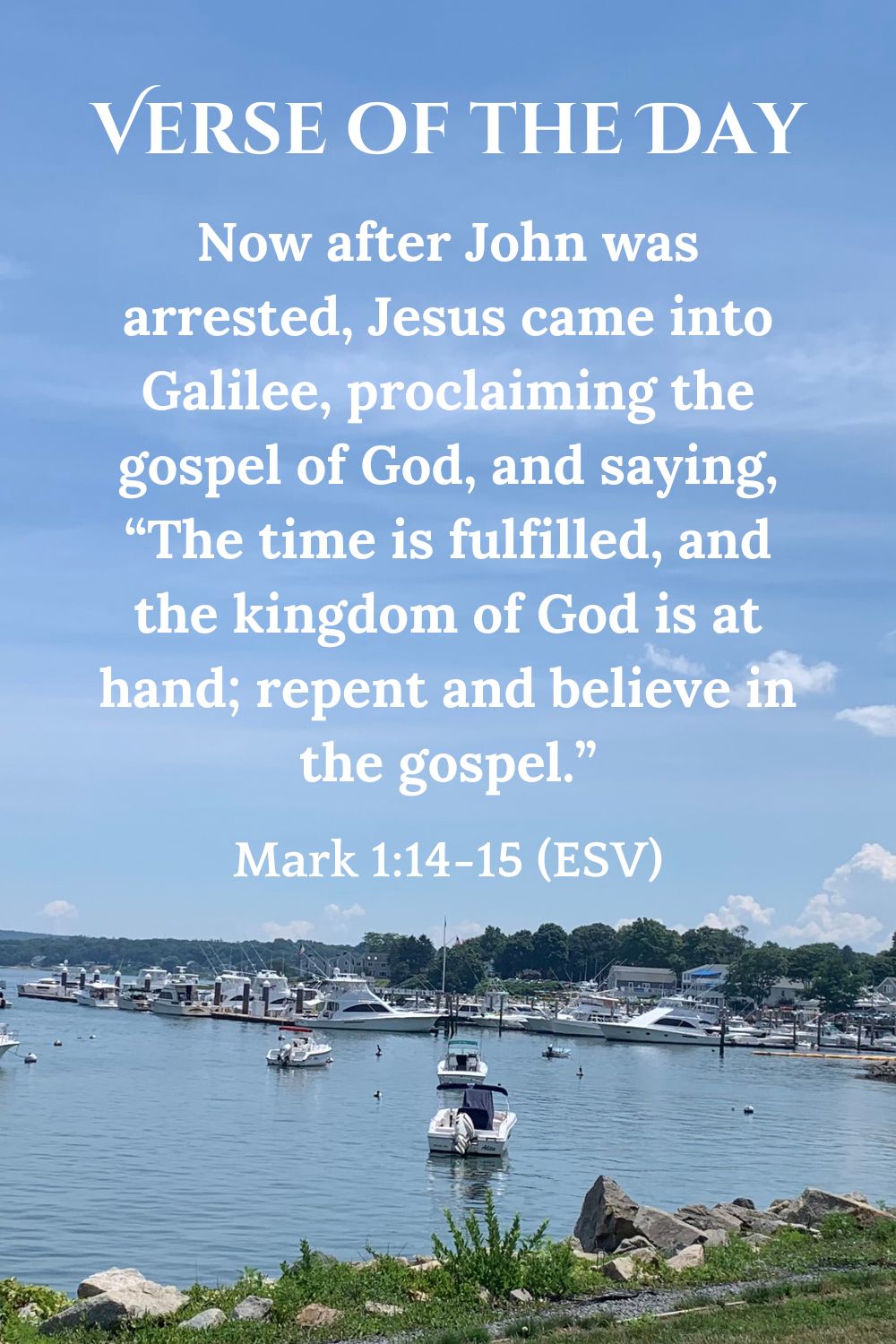
Now after John was arrested, Jesus came into Galilee, proclaiming the gospel of God, and saying, “The time is fulfilled, and the kingdom of God is at hand; repent and believe in the gospel.”
Mark 1:14-15 (ESV)
Despite my struggles in this area, in my quest to find joy in all circumstances, I will continue to turn to Romans 14. This chapter reminds us to focus on major issues and extend grace on minor ones, fostering unity and love towards all of our brothers and sisters in Christ.
Reflection Questions
Understanding Purity and Grace
- How do you personally balance the Christian virtues of purity and grace in your daily life?
- Can you think of examples from your own life where you’ve struggled to balance the Biblical teachings on purity and grace? How did you handle those situations?
Application of Jesus’ and Paul’s Teachings
- How can you apply the example of Jesus’ forgiveness of the adulterous woman in your interactions with others?
- What steps can you take to ensure you are “speaking the truth in love” as instructed in Ephesians 4:15-16?
Major vs. Minor Issues
- What do you consider to be the major and minor issues in your faith? How do you differentiate between the two?
- How do you handle disagreements with other Christians on what you consider minor issues?
Forgiveness and Judgment
- Reflect on a time when you had to forgive someone for a transgression. Was it easy or difficult for you? Why?
- How do you respond when you feel judged by others within your faith community? How can you improve your reaction to such situations?
Living Out the Golden Rule
- In what ways can you better practice the Golden Rule in your daily interactions, especially with fellow Christians?
- Have you ever been a stumbling block to others in their faith journey? How can you work to prevent this in the future?
Personal Reflection on Romans 14
- After reading Romans 14, how do you feel it can help you in dealing with differing opinions within the Christian community?
- What practical steps can you take to ensure you are not passing judgment on others over debatable issues?
Joy and Hypocrisy
- How do you maintain your joy and faith in circumstances where you witness hypocrisy or unkindness among Christians?
- What changes can you make in your behavior to be a more consistent reflection of kindness, hope, and joy in your community?
Subscribe
If you enjoyed this post and wish to receive more Christian content, feel free to subscribe to my newsletters!




Related Resources
Visit the Joyful Moments in Christ homepage for all posts, or scroll through other blog posts related to purity, grace, and science:








Something went wrong. Please refresh the page and/or try again.
English Standard Version (ESV): Scripture quotations marked (ESV) are taken from the ESV® Bible (The Holy Bible, English Standard Version®), © 2001 by Crossway, a publishing ministry of Good News Publishers. Used by permission. All rights reserved. The ESV text may not be quoted in any publication made available to the public by a Creative Commons license. The ESV may not be translated in whole or in part into any other language.

 Joyful Moments in Christ