Proverbs 6 continues with more instructions from a father to a son, weaving together practical warnings with deep spiritual truths. As we read these verses, we should remember that our heavenly Father is not merely giving us a list of chores or a set of financial tips, but is inviting us into a way of life that reflects his own character. When we follow his wisdom, we will find a sense of security and joy that the world cannot offer. This joy is not a fleeting emotion, but a steady confidence that we are walking in the light of his favor. By paying close attention to these instructions, we are protected from the traps that we often set for ourselves through our own lack of discipline or our desire for the approval of others.
The Danger of Ill-Advised Pledges
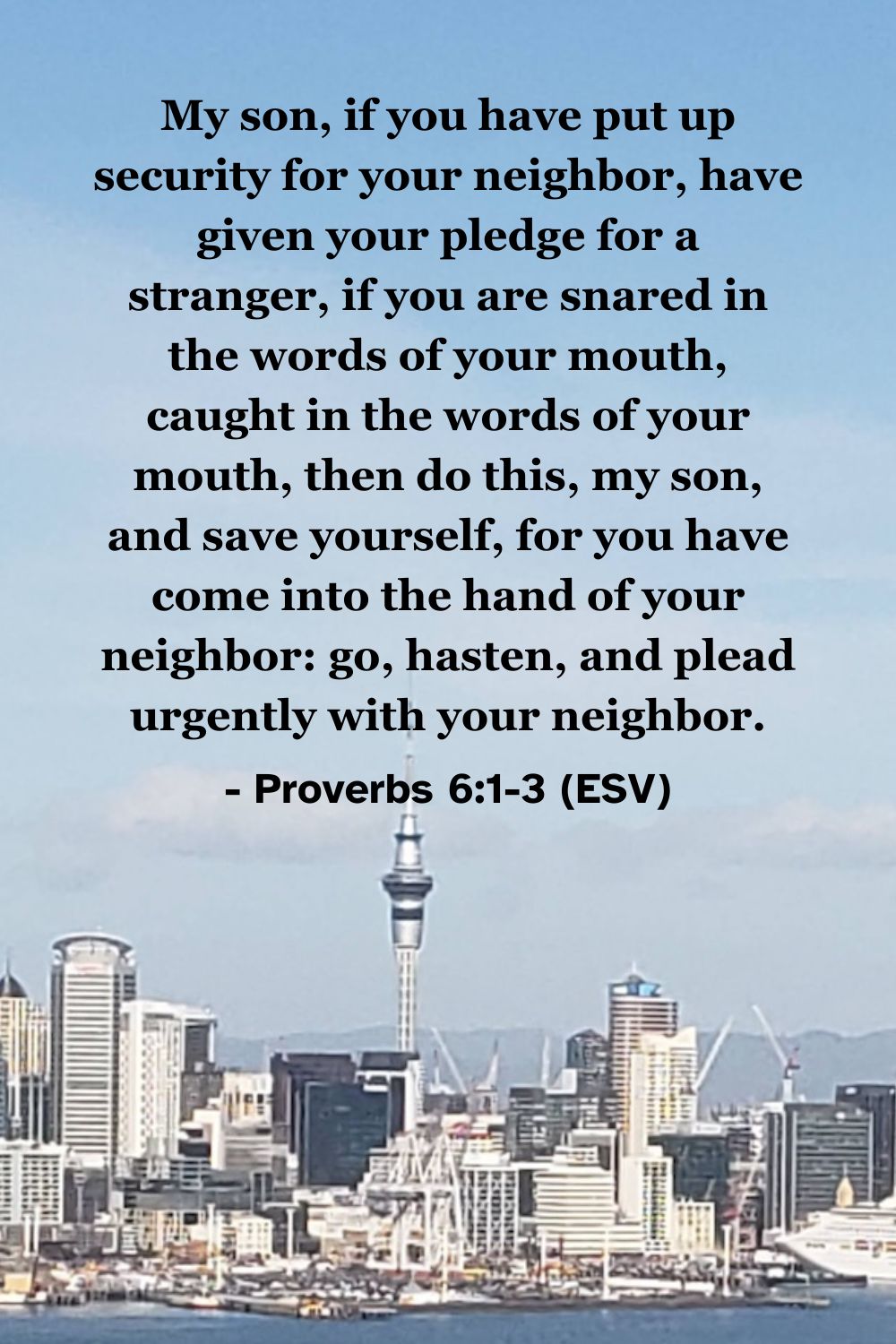
The first warning is in regards to putting up security for a neighbor. This deals with the way we handle our commitments and our resources, reminding us that we are stewards of what God has provided.
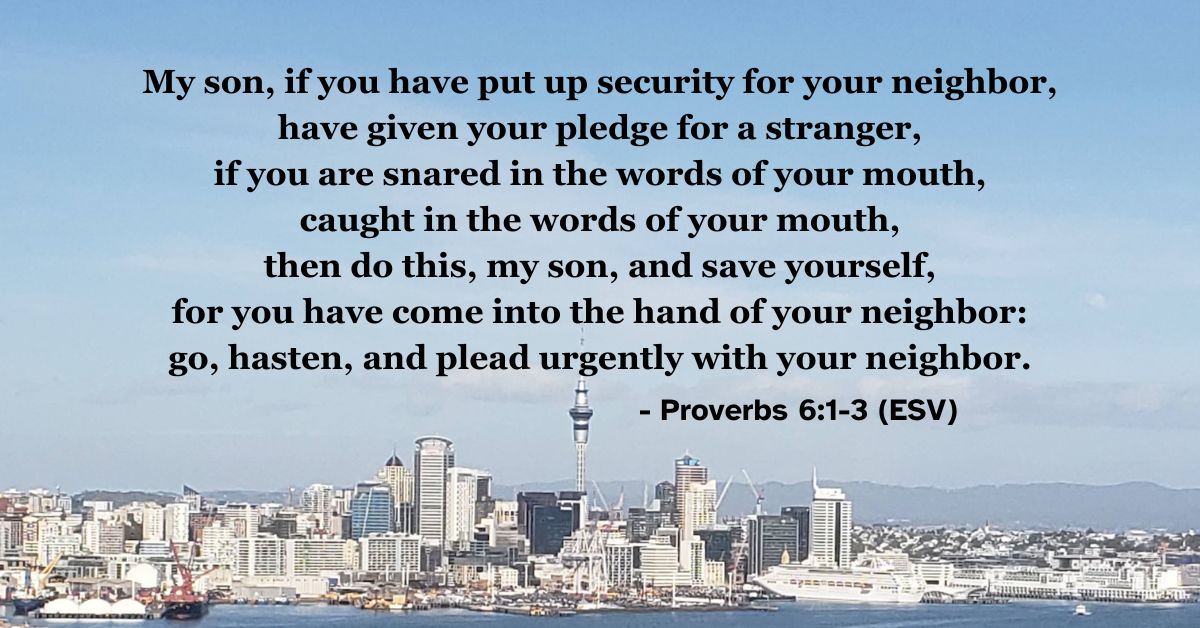
Have you ever been asked to co-sign a loan? This verse says that you should tread very carefully. In the end you may be on the hook for the whole loan. The advice is to go to the person and plead for them to do the right thing. It is a sobering thought to realize that we can be “snared” by our own words. Often, we enter into these agreements out of a misplaced sense of social obligation or a desire to seem more generous than we actually are. However, God values truth and clarity in our dealings. When we overextend ourselves or make promises we cannot keep, we forfeit the peace that comes from a simple, honest life. To be in the “hand of your neighbor” is to lose the freedom that God intends for his children. If you find yourself in this position, the call is to humility. You must go and plead urgently, admitting your mistake and seeking a way out before the snare tightens.
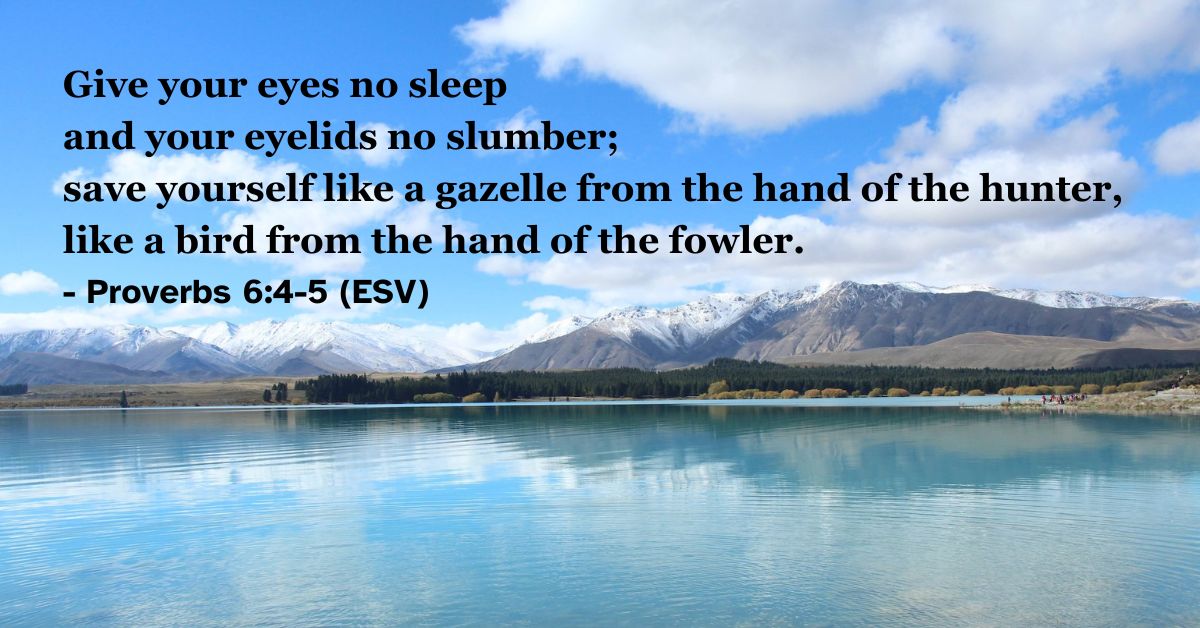
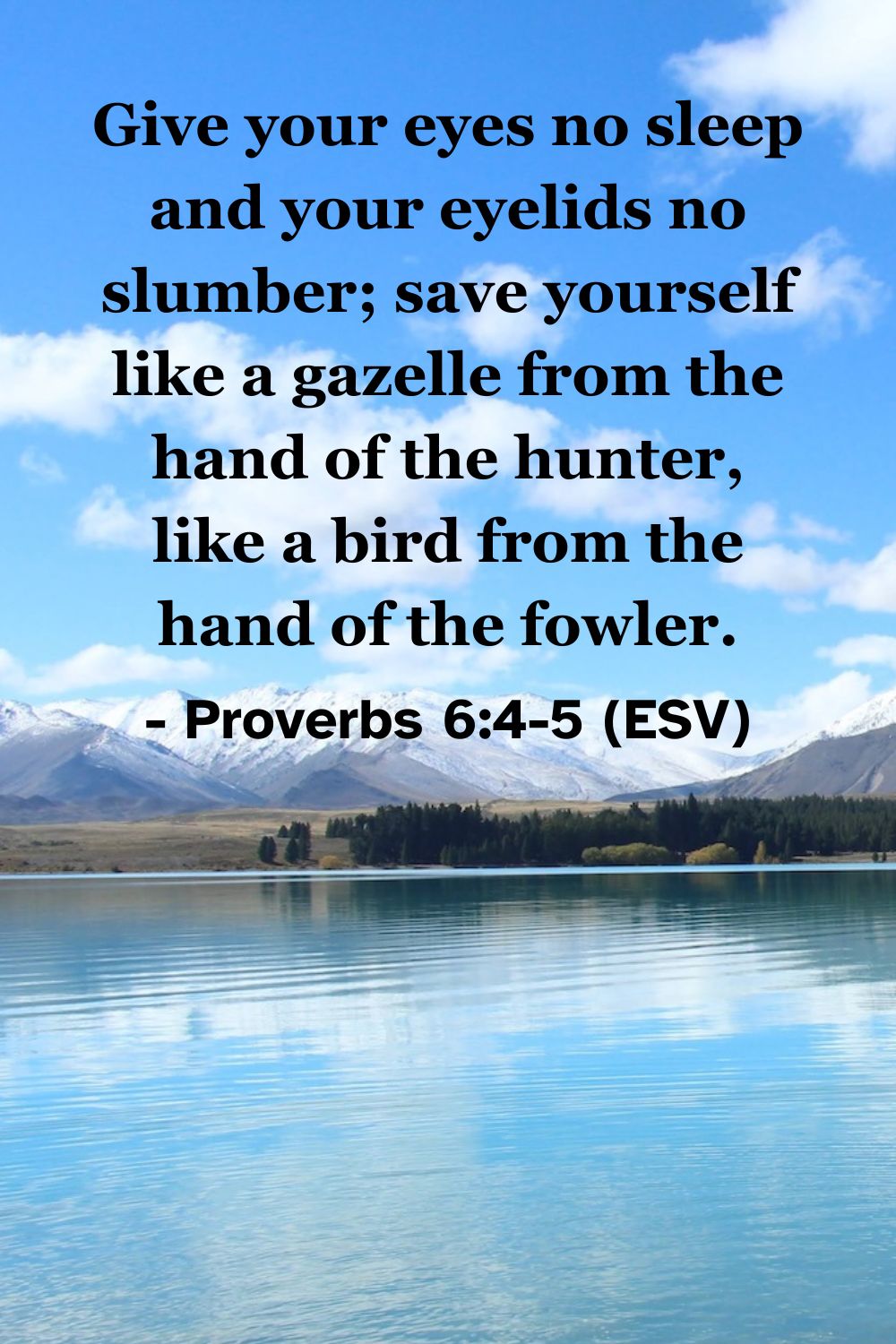
You may have to go many times, but you should do what it takes, even if you get no sleep. In the end, this will be the way to save yourself from ruin. The imagery of the gazelle and the bird emphasizes the life or death nature of these traps. Sin and unwise choices act like a hunter, waiting to catch us in a moment of inattention. The joy of the Christian life is found in being free to serve the Lord, but we cannot serve him effectively if we are tangled in unnecessary debts and foolish pledges. This urgency is a mercy. God wants us to be free from the anxiety that comes with financial ruin so that our hearts can be fully at rest in him.
Lessons from the Lowly Ant
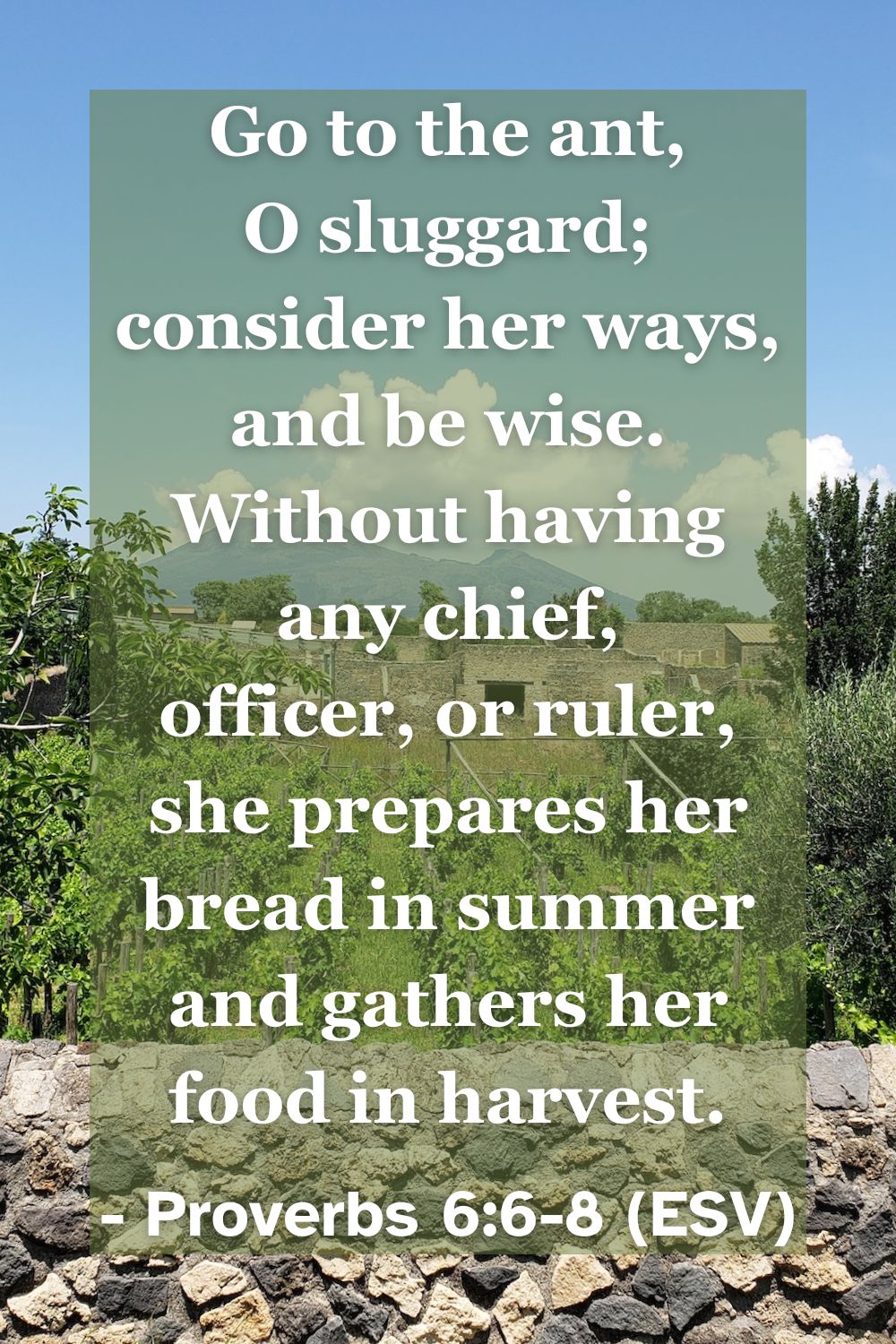
The father continues with the example of an ant who does the right thing by instinct. In the created order, we see reflections of the diligence and foresight that God desires for his people.
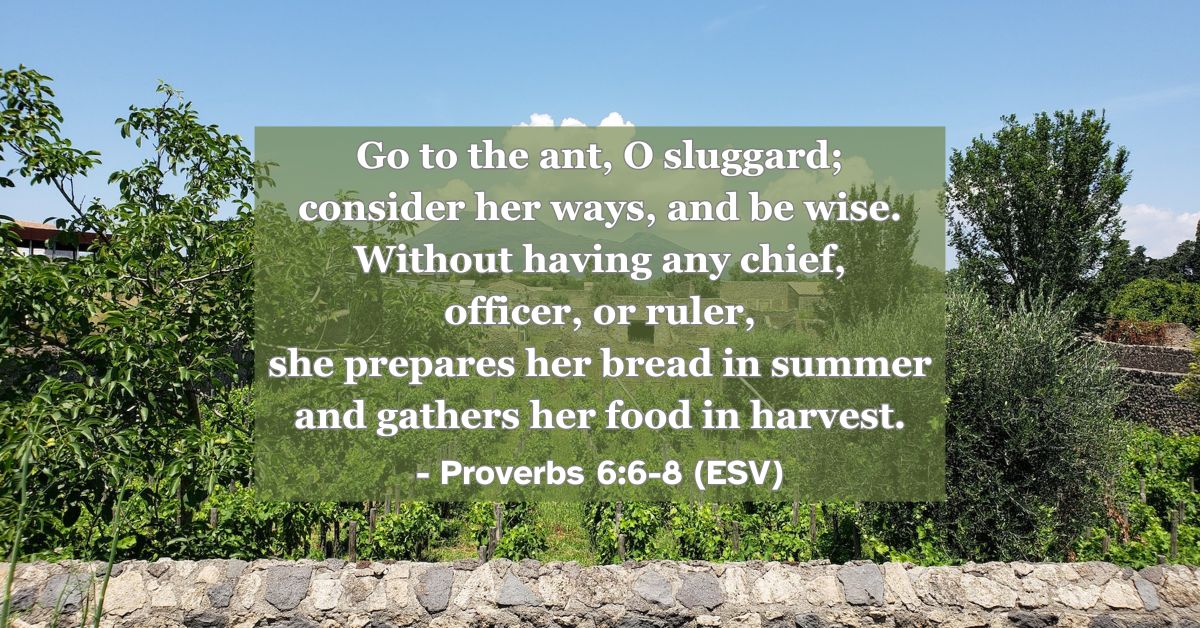
She doesn’t have a master, but still she doesn’t slack off or depend on others for her food. When winter comes, she is prepared. This is a call to personal responsibility. In the kingdom of God, we are given the Holy Spirit to guide us, but we are also called to be active participants in our own sanctification and provision. The ant does not wait for a command to do what is necessary; she simply does it. This industrious spirit is a form of worship. When we work heartily as unto the Lord, we will find a deep satisfaction that the idle can never know. There is a specific kind of joy that comes at the end of a productive day, knowing that you have used the gifts and time God has given you for his glory.
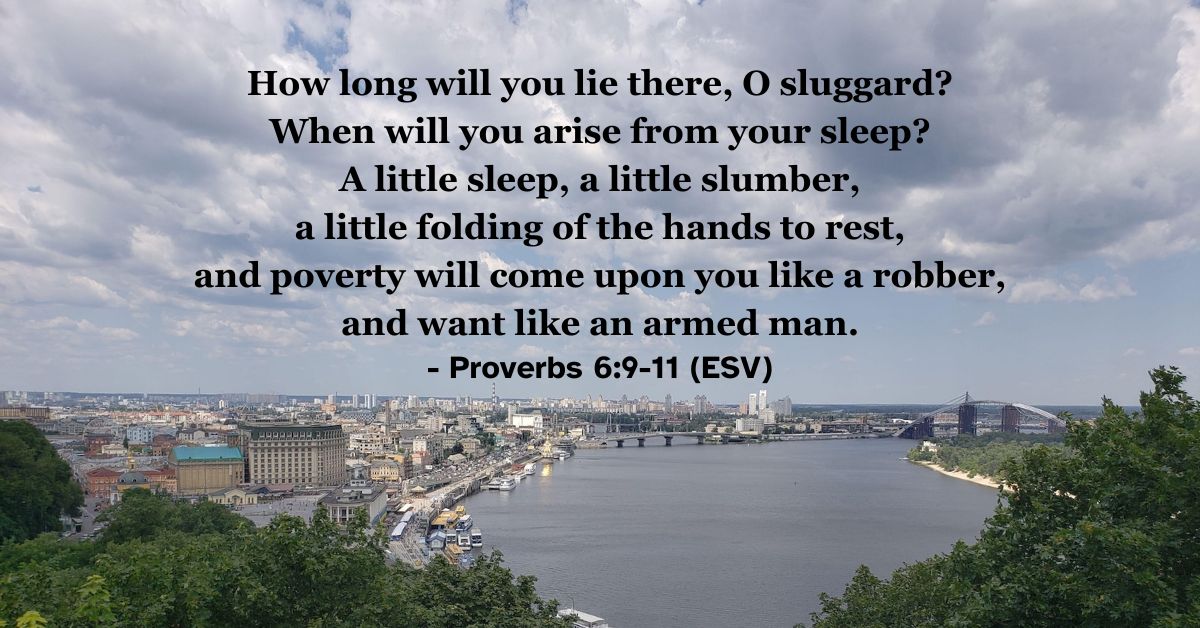
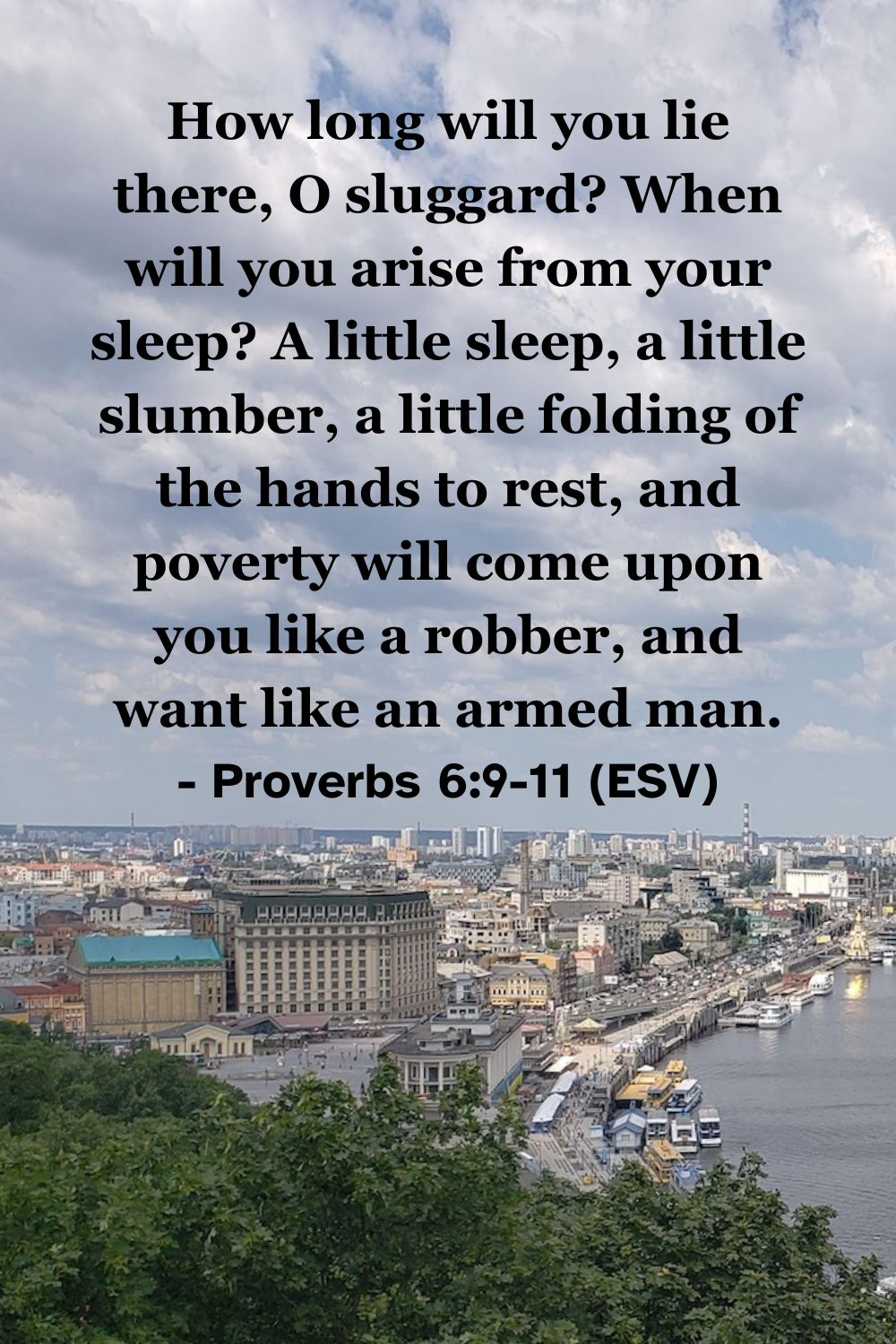
Some of us do not embrace this mentality. How many times have we stayed in bed, hoping that someone else would take care of us? How many times have we called into work as being sick, then gone off and done something fun? The sluggard does not see the danger until it is too late. Poverty and want are described as an armed man, implying that they bring a force that is difficult to resist once it arrives. The “little” rests and the “little” slumbers add up. God warns us that a lack of discipline in the small things leads to a lack of stability in the large things. Our work is a calling, and to neglect it is to neglect a primary way that God provides for us and through us for others.
The Anatomy of Wickedness
There are many ways to be wicked, and the father now turns his attention to the character of the one who actively seeks to cause harm. This is not just about being lazy; it is about being a “worthless person” who lives for chaos.
A worthless person, a wicked man,
Proverbs 6:12-15 (ESV)
goes about with crooked speech,
winks with his eyes, signals with his feet,
points with his finger,
with perverted heart devises evil,
continually sowing discord;
therefore calamity will come upon him suddenly;
in a moment he will be broken beyond healing.
He uses his words to deceive and plot evil. While an outsider may look and see him prosper, this is only temporary. Calamity and brokenness will come upon him when he least expects it. The description of the wicked man is someone who uses his whole body to manipulate others. His speech, his eyes, his feet, and his fingers are all instruments of deception. This is a perversion of the members of the body, which were created to glorify God. When we use our gifts to sow discord or to deceive, we are working against the very nature of the gospel, which seeks to bring peace and truth. The “brokenness beyond healing” is a terrifying prospect, reminding us that there is a point where the consequences of our choices become irreversible in this life.
There are six things that the Lord hates,
Proverbs 6:16-19 (ESV)
seven that are an abomination to him:
haughty eyes, a lying tongue,
and hands that shed innocent blood,
a heart that devises wicked plans,
feet that make haste to run to evil,
a false witness who breathes out lies,
and one who sows discord among brothers.
What are some of the things that define evil? Proverbs 6:17-19 tells us! Haughty eyes make us believe that we are better than others. A lying tongue may get us temporary gain, but will eventually lead to ruin. Sometimes we will take what we want through violence, which is not God’s way. Other times, we plot out evil, seek it out, and carry it out. We will give false witness either to get ourselves out of trouble or to put an enemy in trouble. We will also sow discord. How many church splits have you witnessed? They are not pretty and there is usually plenty of sin to go around on all sides. These seven things are an abomination to the Lord because they represent the opposite of his heart. God is humble, truthful, life giving, and a bringer of peace. When we engage in these sins, we are aligning ourselves with God’s enemy, the enemy of our souls.
How do we avoid the entrapment of evil? Proverbs 5:1-2 tells us to turn to the Lord and ask him for discretion and wisdom! When we have that, we can resist the evil around us. We must remember that we cannot fix ourselves by sheer willpower. We need the grace of Christ to change our hearts so that we hate what he hates and love what he loves. When the Holy Spirit works within us, we find that our “haughty eyes” are replaced with a spirit of humility, and our “lying tongue” is replaced with words of grace. True joy is found when we are no longer sowing discord, but are instead peacemakers who reflect the light of our Savior. Let us look to him, the one who never stumbled, to guide our feet and keep our hearts in his love.
Reflection Questions
- Are there any “snares” in your life right now where your words have outpaced your ability to follow through?
- How does the example of the ant convict or encourage you in your daily work?
- Why do you think God identifies “one who sows discord among brothers” as an abomination?
- In what ways have you seen “haughty eyes” interfere with your relationship with others or with God?
- How can you actively seek the Lord’s discretion today to avoid the “little slumbers” that lead to spiritual drift?
Reflective Prayer
Consider using these verses to pray using the ACTS method: Adoration, Confession, Thankfulness, and Supplication:
- Adoration: Praise God. Do these verses bring any specific characteristics of God to mind?
- Confession: Tell God that you are sorry for specific sins. Do these verses bring any specific sins to mind?
- Thankfulness: Show gratitude towards God. Does anything from these verses inspire gratitude?
- Supplication: Make requests for yourself and for others. Does anything from these verses inspire a prayer?
If helpful, you can use a prayer journal template.
Subscribe
If you enjoyed this post and wish to receive more Christian content, feel free to subscribe to my newsletters!
Related Resources
Visit the Joyful Moments in Christ homepage for all posts, or scroll through other blog posts related to wisdom and warnings:




Something went wrong. Please refresh the page and/or try again.
English Standard Version (ESV): Unless otherwise noted, scripture quotations are from the ESV® Bible (The Holy Bible, English Standard Version®), © 2001 by Crossway, a publishing ministry of Good News Publishers. Used by permission. All rights reserved. The ESV text may not be quoted in any publication made available to the public by a Creative Commons license. The ESV may not be translated in whole or in part into any other language.


 Joyful Moments in Christ