The book of Proverbs is one that every person, whether Christian or not, would benefit from reading. Even though it was written thousands of years ago, its practical nature speaks to daily life in a way that feels timeless. If every person on earth embraced the counsel in this book, our world would become a remarkably peaceful place. And if every person not only embraced its counsel but also trusted Jesus as their king, our world would begin to resemble the kingdom we long for, where justice, mercy, and wisdom shape every moment.
The opening lines of Proverbs set the tone for the entire book, introducing both the human author and the divine purpose behind these sayings. As we walk through Proverbs 1:1-7, we will discover not only the foundation of biblical wisdom, but also an invitation to examine our own hearts, desires, and understanding.
These verses will offer both comfort and challenge, reminding us that wisdom does not begin with our own intellect or life experience, but with a right view of God. We will be called us to walk humbly, listen carefully, and avoid the proud spirit that insists on standing alone. Proverbs will become far more than a collection of wise sayings, but will become a guide for living under the loving reign of a God who delights to give wisdom to all who seek him.
Solomon the Wise King
The proverbs of Solomon, son of David, king of Israel:
Proverbs 1:1 (ESV)
The book of Proverbs is attributed to King Solomon, the son of David. In 1 Kings 3:3 (ESV) we learn that “Solomon loved the Lord, walking in the statutes of David his father, only he sacrificed and made offerings at the high places.” Solomon genuinely desired to worship God. His choice to offer sacrifices at the high places was not ideal, since those places were tied to pagan practices, but the text makes it clear that he directed his worship to the true God rather than to false gods.
God responded to Solomon’s early devotion with remarkable generosity. In 1 Kings 3:5 (ESV), God said to him, “Ask what I shall give you.” Many people in Solomon’s position would have asked for wealth, long life, or military strength, but Solomon asked for something deeper. He asked for wisdom, understanding that wisdom would help him navigate every other challenge. Wisdom would allow him to honor God, rule well, and make decisions that would bless the nation. It was a request shaped by humility and a clear understanding of human limitations.
God honored this request with joy! In 1 Kings 3:12-13 (ESV), God said, “Behold, I give you a wise and discerning mind…I give you also what you have not asked, both riches and honor.” In other words, wisdom was the root, and the blessings were the fruit. Solomon’s request was proof that he already possessed some measure of wisdom. He understood that a heart guided by God would have everything needed for life in this world.
This helps us understand why Solomon’s words matter so much. Proverbs is not a random collection of witty sayings, but is the work of a man who asked God for the very thing this book is designed to impart. When we read these words, we are not merely absorbing human advice. We are hearing the gift God gave Solomon poured out for the good of all who will listen.
The Purpose of Proverbs
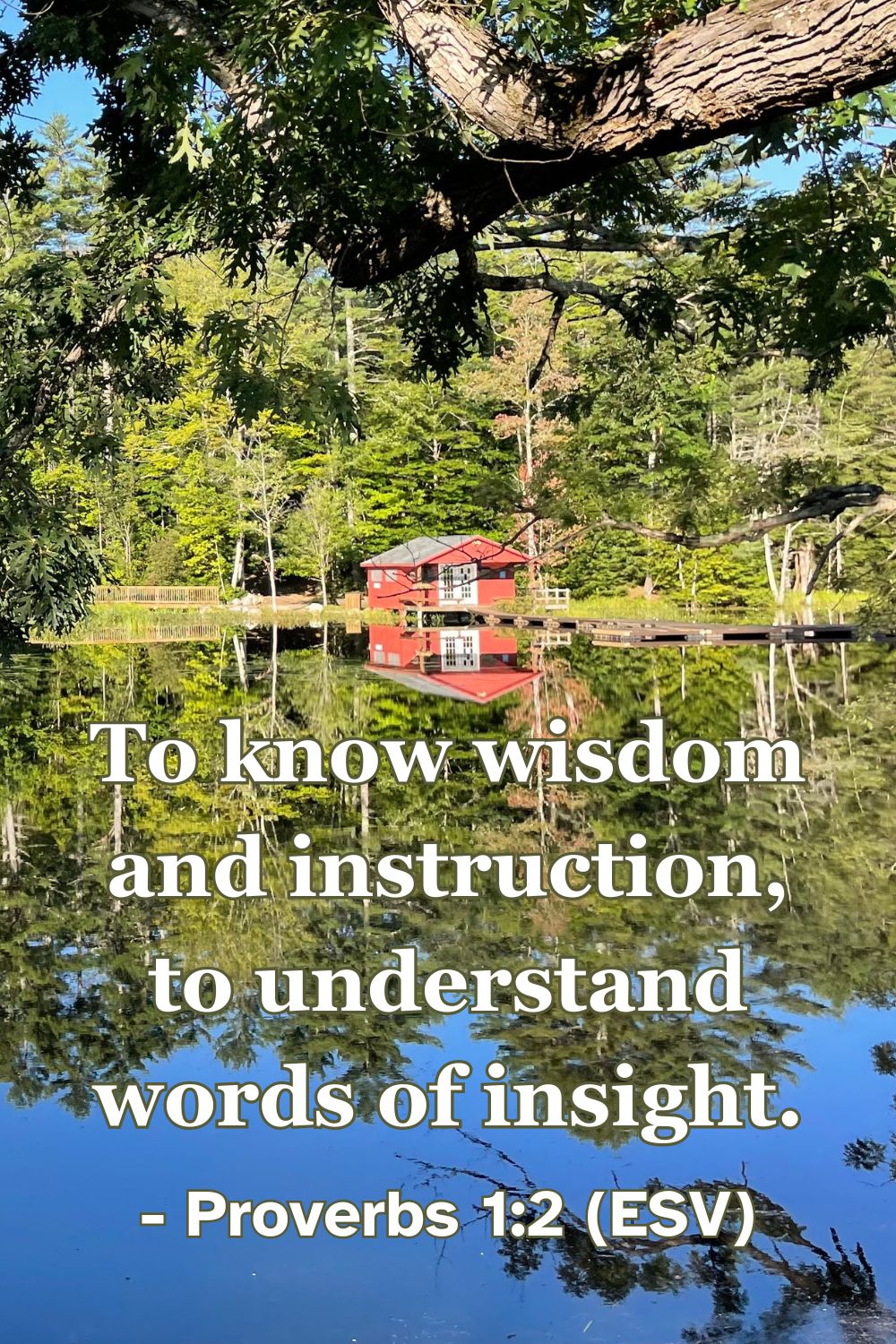
Proverbs 1:2 tells us exactly why Proverbs exists. Since wisdom does not come naturally, Proverbs is designed to bring wisdom and instruction into our lives. How many of us have confused impulsiveness with courage, stubbornness with strength, and personal opinion with truth? We all need instruction, because we all arrive in this world with blind spots and weaknesses.
Solomon tells us that wisdom requires understanding, not just exposure. We can hear wise words all day long, but if we do not understand them, they will never take root in our hearts. The purpose of Proverbs is to cultivate genuine understanding, not a shallow familiarity.
This means we must approach the book with a teachable spirit. There is no shame in not knowing! The only real danger is in believing we already know everything and refusing to listen. Proverbs reminds us to slow down, think carefully, and welcome the instruction that God provides.
Learning to Live With Integrity
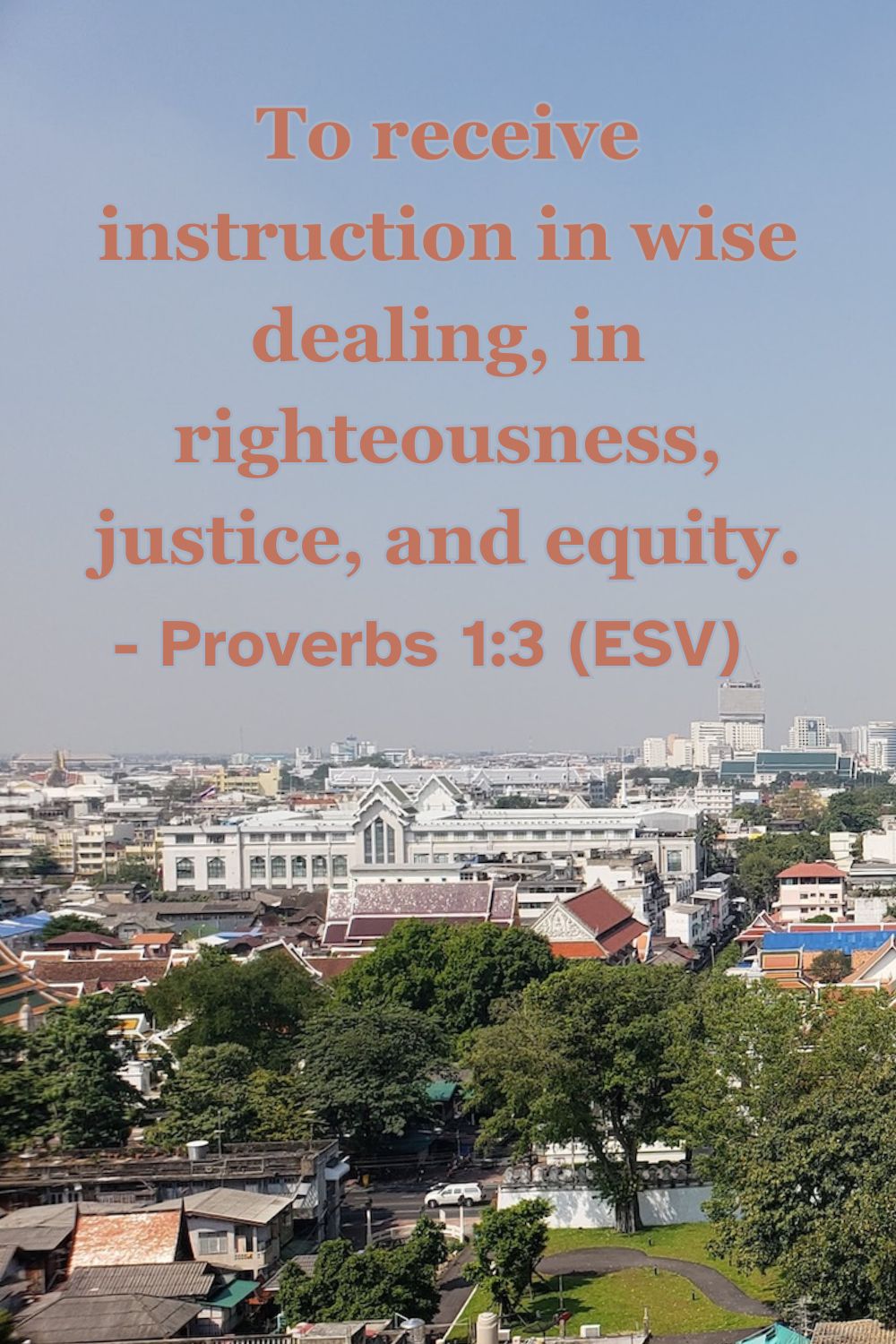
Proverbs 1:3 expands the purpose of wisdom. Wisdom is not only about internal growth, but is also about learning how to live with integrity in a world filled with complexity. Solomon highlights four key areas: wise dealing, righteousness, justice, and equity.
Wise dealing means acting thoughtfully, not rashly. It means weighing our choices, considering the consequences, and seeking what is good rather than what is convenient. If wisdom stops there, though, it becomes easy to twist it in selfish directions. Some people use worldly wisdom to manipulate, deceive, or take advantage of others. That is why Solomon immediately adds righteousness, justice, and equity.
Righteousness concerns our relationship with God. Justice concerns our relationship with other people. Equity concerns the fair treatment of everyone, especially the vulnerable. When wisdom is paired with these qualities, it becomes a tool for blessing, rather than harm.
It is not wrong to desire good things for ourselves. The Bible rarely demands that we neglect our own needs, but what it does forbid is gaining good things through unrighteousness. Taking advantage of others, cutting moral corners, or choosing shortcuts that harm someone else may bring short-term gain, but it always harms our souls. Wisdom calls us to choose what is right even when it feels inconvenient. Proverbs trains us to live as children of God, not as people scrambling for advantage. It helps us align our decisions with God’s heart, which is always marked by righteousness, justice, and fairness.
Wisdom for the Simple and the Young
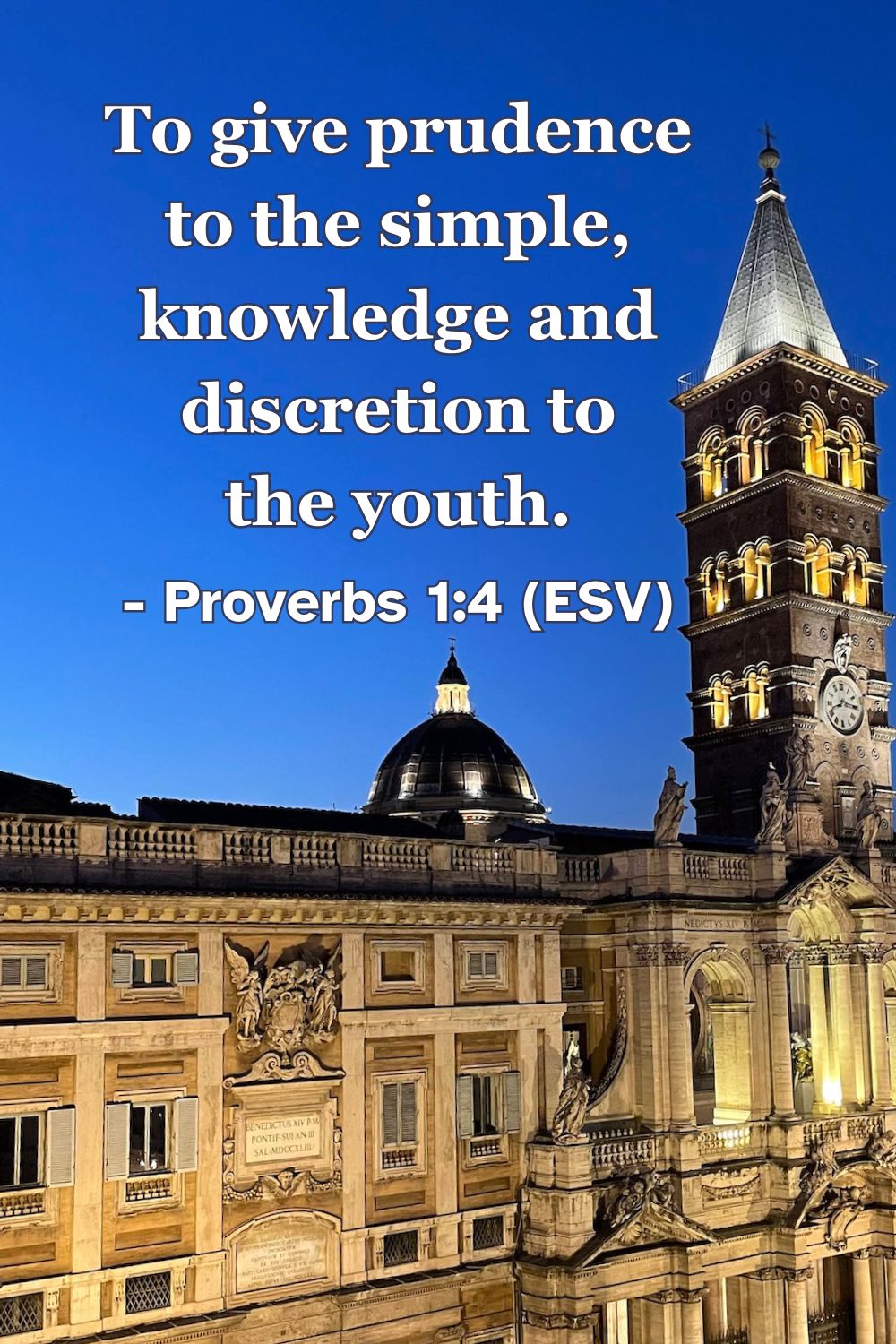
The Bible is wonderfully realistic about human nature and Proverbs 1:4 gives us some wisdom here. Some people are inexperienced or unprepared for the challenges of life. The simple are those who lack discernment. This could include people with intellectual disabilities as well as those who simply have not yet developed the ability to evaluate ideas. The youth, on the other hand, often possess energy and enthusiasm, but lack the life experience needed for stable decision-making.
God does not overlook these individuals. Instead, he shows special care for them by offering guidance, structure, and clarity. When considering the youth, we should remember that the human brain continues developing until around age twenty-five. This does not excuse poor choices, but it does help us understand why young people sometimes struggle with discretion. Proverbs becomes a gift not only to them but also to the adults called to guide them.
God’s design is not for the simple to stay simple or for the young to remain unsteady. His design is for them to grow. Wisdom is the very tool that shapes this growth. When we pour Scripture, counsel, and encouragement into the minds of the young or inexperienced, we equip them for a lifetime of faithful living.
This is one of the reasons Christian community matters so much. Older believers have the privilege of passing on their wisdom, while younger believers have the calling to listen and learn. When done well, this creates a cycle of growth that strengthens families, churches, and entire communities.
The Wise Keep Learning
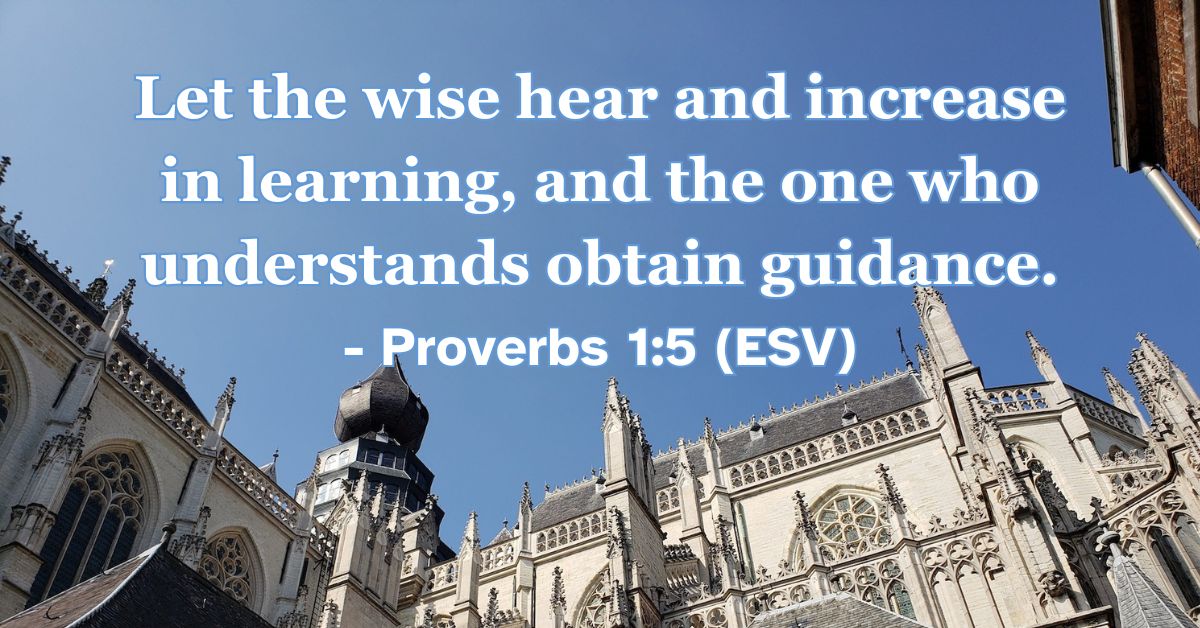
One of the clearest signs of true wisdom is a desire to keep learning; Proverbs makes this clear. The wise do not graduate from the school of wisdom. They never reach a point where they say, “I have learned enough.” Instead, they welcome opportunities to grow, even when those opportunities challenge their assumptions or stretch their understanding.
Socrates once observed that the more he learned, the more he recognized his own limitations. Many wise believers have echoed the same sentiment throughout history. The person who believes he has arrived has already begun to drift into folly.
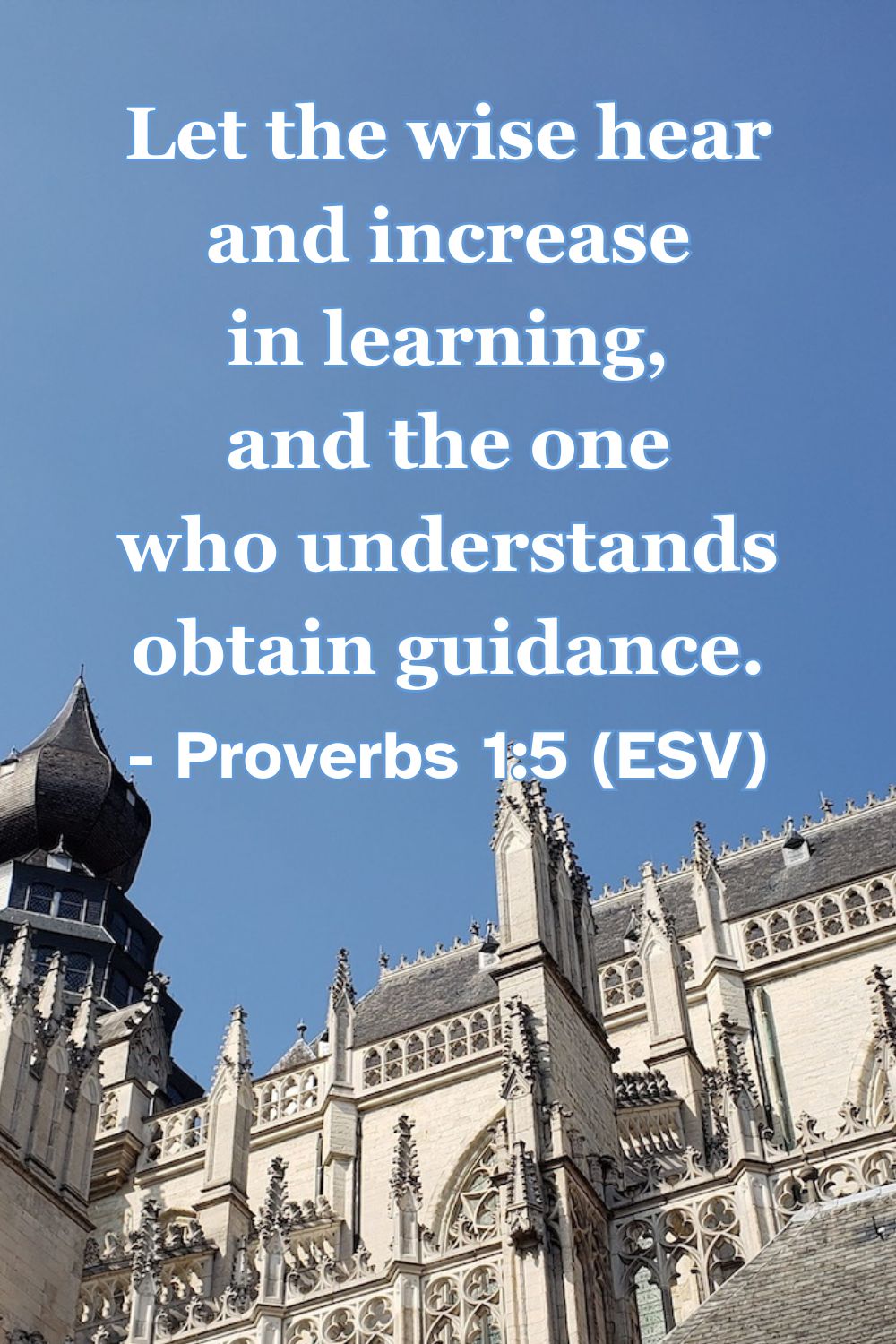
Proverbs 1:5 levels the playing field. Whether we are young or old, new to the faith or seasoned in it, God invites us to keep listening. The mature believer never stops gaining guidance, because there is always more of God’s character to understand and more of his wisdom to apply. Growth is not a sign of weakness, but evidence of spiritual health.
After the moment of salvation, sanctification continues throughout the Christian life. God shapes us through Bible reading, prayer, worship, and the fellowship of believers. A teachable heart is one of the most valuable gifts we can offer to God. When we listen well, we place ourselves in the path of blessing.
Understanding the Words of the Wise
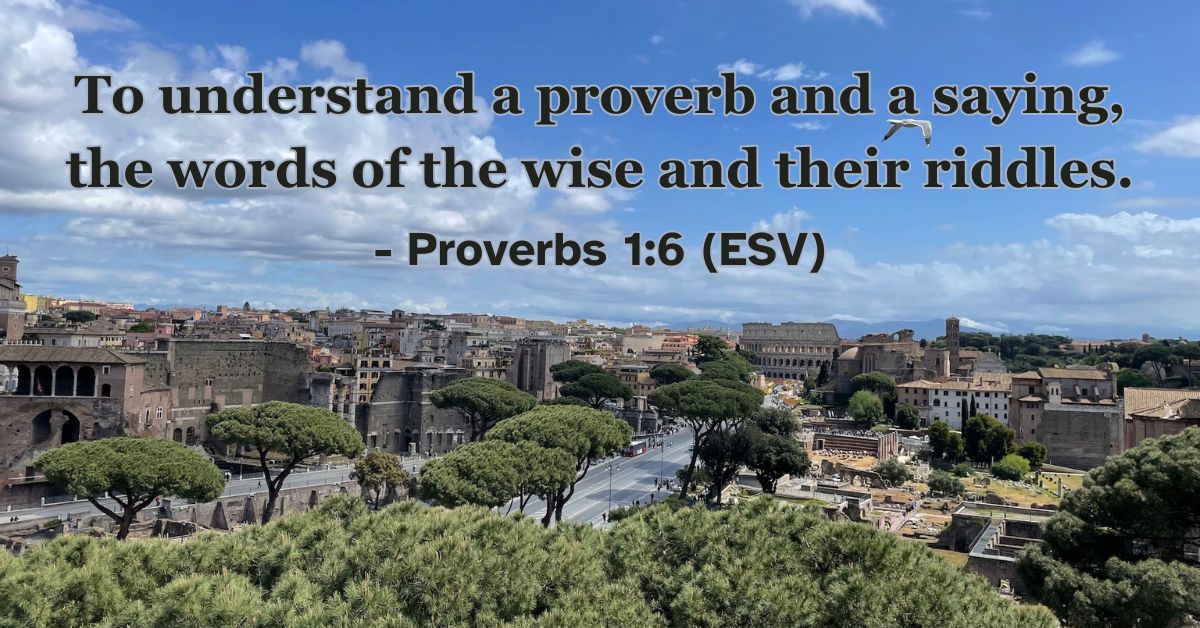
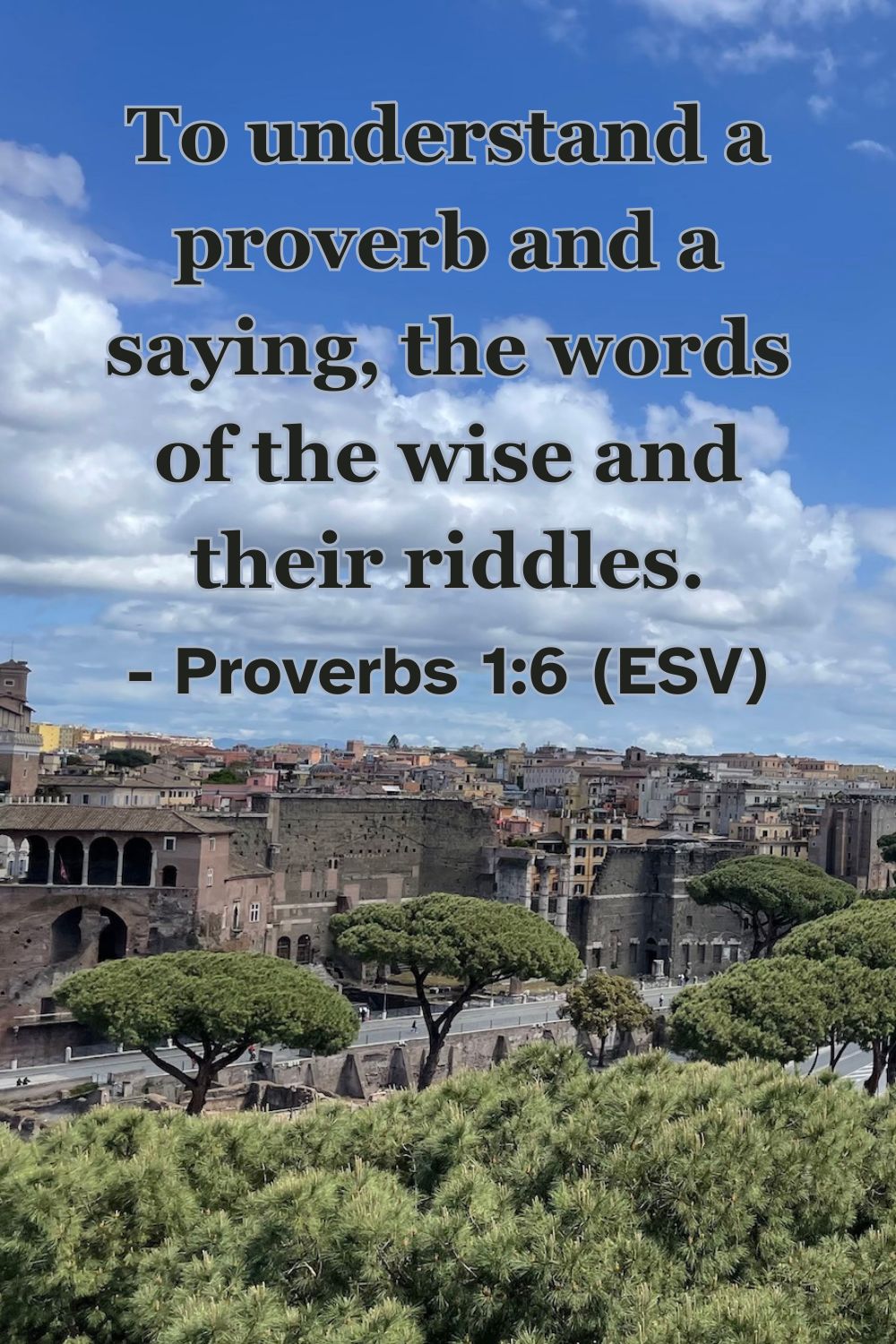
Proverbs 1:6 recognizes that wisdom often comes in forms that require effort. Proverbs, sayings, and riddles are not meant to be skimmed, but must be pondered. Sometimes they need prayer, reflection, or the help of godly mentors.
Many of the teachings in Proverbs are short and memorable, and yet they contain layers of meaning. If we rush past them, we may miss the truth hidden beneath the surface. This is part of God’s design! He wants us to meditate on his Word, not simply glance at it.
When we slow down and seek understanding, the Bible becomes far more powerful. We begin to see how its truths apply to our relationships, emotions, decisions, and temptations. Proverbs trains us to think carefully, examine our motives, and approach life with the humility of a student. God never rebukes those who sincerely seek understanding. Indeed, he delights in it!
The Foundation of True Knowledge
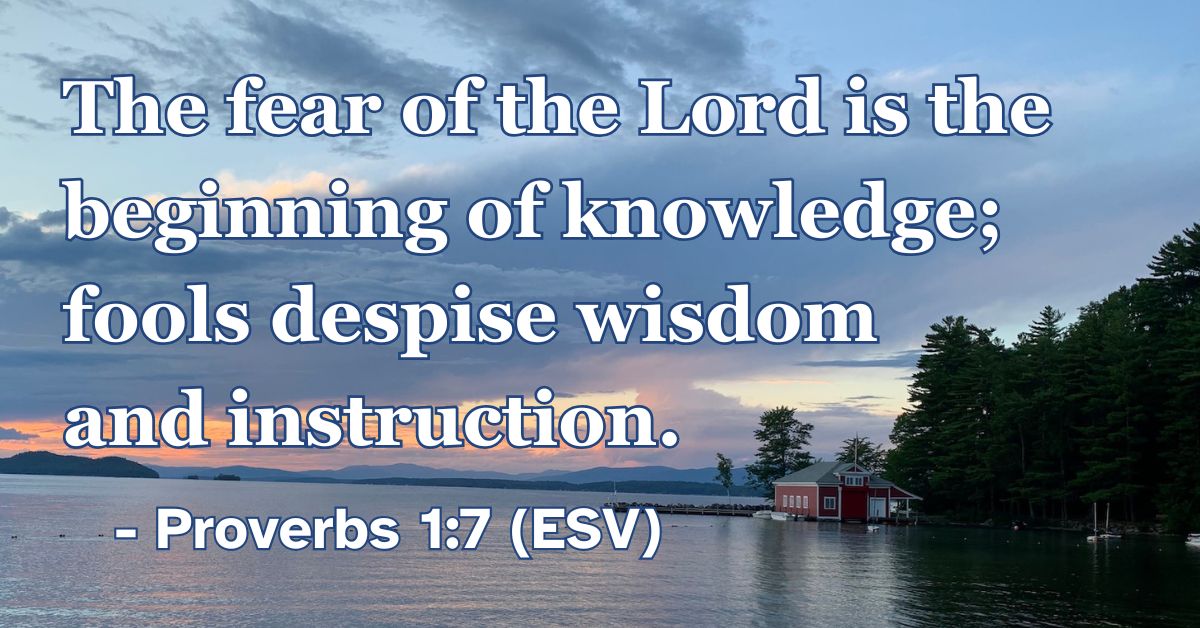
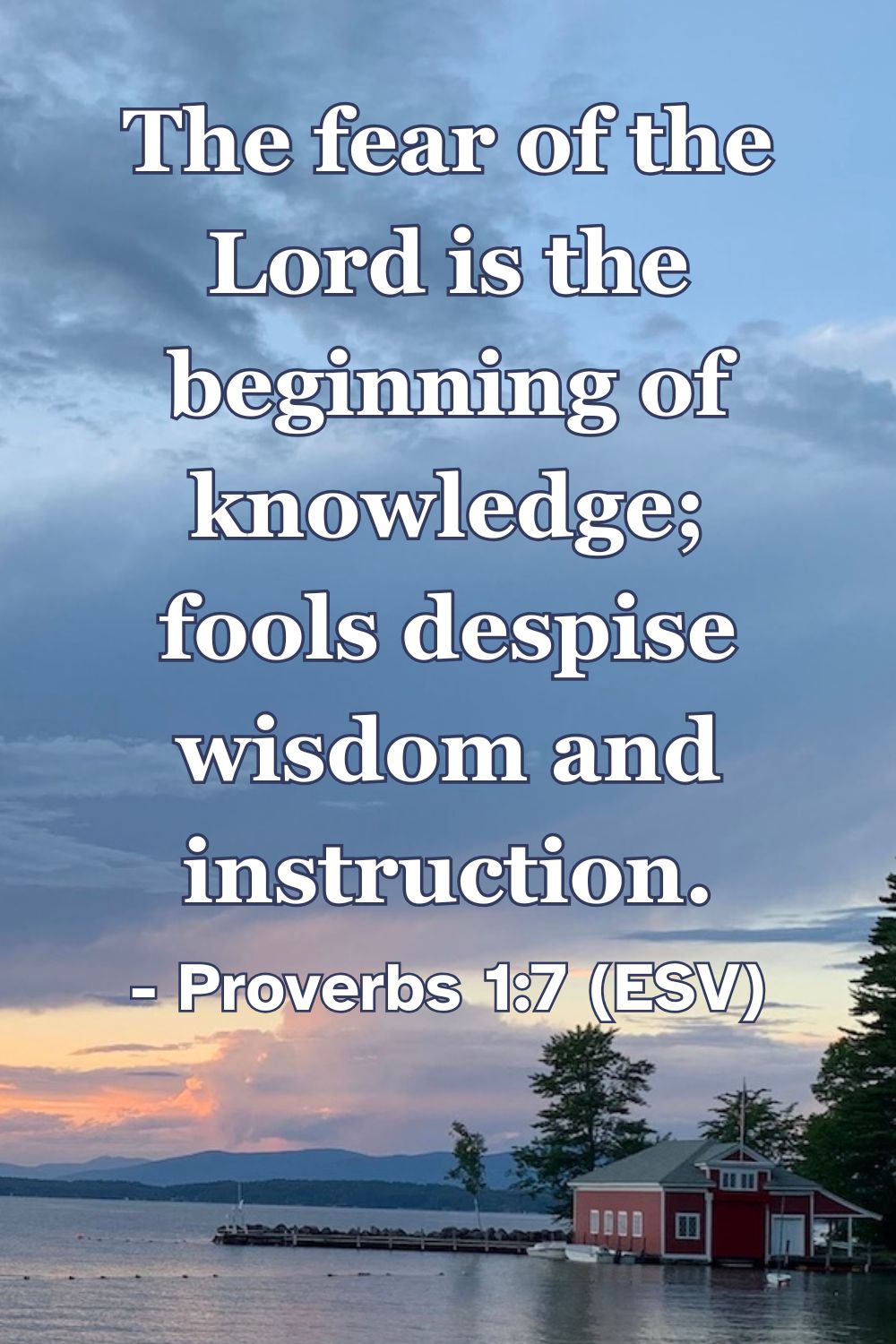
Proverbs 1:7 is the heart of this passage. Wisdom does not begin with intelligence, experience, or cultural insight, but with the fear of the Lord. This fear is not a cringing terror, but a reverent awe. It is an awareness of God’s holiness, majesty, authority, and goodness. It is the recognition that God knows more, sees more, and loves better than we ever will.
This kind of fear produces humility. It leads us to submit our opinions, habits, and decisions to the wisdom of God and helps us understand that we are not the center of the universe, despite how loudly our culture may tell us otherwise.
The opposite of this posture is foolishness. The fool is not necessarily unintelligent, but the fool is almost always prideful. The fool refuses correction, rejects instruction, and trusts his own understanding above God’s. The Bible warns us that this path always leads to harm.
God invites us to a different way. When we receive wisdom with a humble heart, we place ourselves under the care of the one who knows us best. True knowledge begins with honoring God and everything else flows from that starting point.
Reflection Questions
- How does the example of Solomon shape your understanding of what true wisdom looks like?
- In what areas of your life do you most need instruction in righteousness, justice, or equity?
- How have you experienced the blessing of learning from older or wiser believers?
- What habits help you approach God with a humble, teachable heart?
- Which verse in Proverbs 1:1-7 speaks most clearly to your present season of life, and why?
Reflective Prayer
Consider using these verses to pray using the ACTS method: Adoration, Confession, Thankfulness, and Supplication:
- Adoration: Praise God. Do these verses bring any specific characteristics of God to mind?
- Confession: Tell God that you are sorry for specific sins. Do these verses bring any specific sins to mind?
- Thankfulness: Show gratitude towards God. Does anything from these verses inspire gratitude?
- Supplication: Make requests for yourself and for others. Does anything from these verses inspire a prayer?
If helpful, you can use a prayer journal template.
Subscribe
If you enjoyed this post and wish to receive more Christian content, feel free to subscribe to my newsletters!
Related Resources
Visit the Joyful Moments in Christ homepage for all posts, or scroll through other blog posts related to wisdom and knowledge:



Something went wrong. Please refresh the page and/or try again.
English Standard Version (ESV): Unless otherwise noted, scripture quotations are from the ESV® Bible (The Holy Bible, English Standard Version®), © 2001 by Crossway, a publishing ministry of Good News Publishers. Used by permission. All rights reserved. The ESV text may not be quoted in any publication made available to the public by a Creative Commons license. The ESV may not be translated in whole or in part into any other language.
 Joyful Moments in Christ