There are moments in Scripture that surprise us, not because of God’s power, but because of his mercy. Jonah chapter 3 is one of those moments. After all the running, the storm, the near drowning, and the three long days in the belly of a fish, Jonah finally delivers God’s message. It is short. It is sharp. It is not even very eloquent. Yet, in a matter of verses, we watch one of the most violent and feared cities of the ancient world bow in humility before the Lord. What begins with a reluctant prophet ends with a citywide revival. In these few lines of Scripture, we catch a glimpse of the astonishing patience of God, the power of his Word, and the joy that comes when repentance takes root.
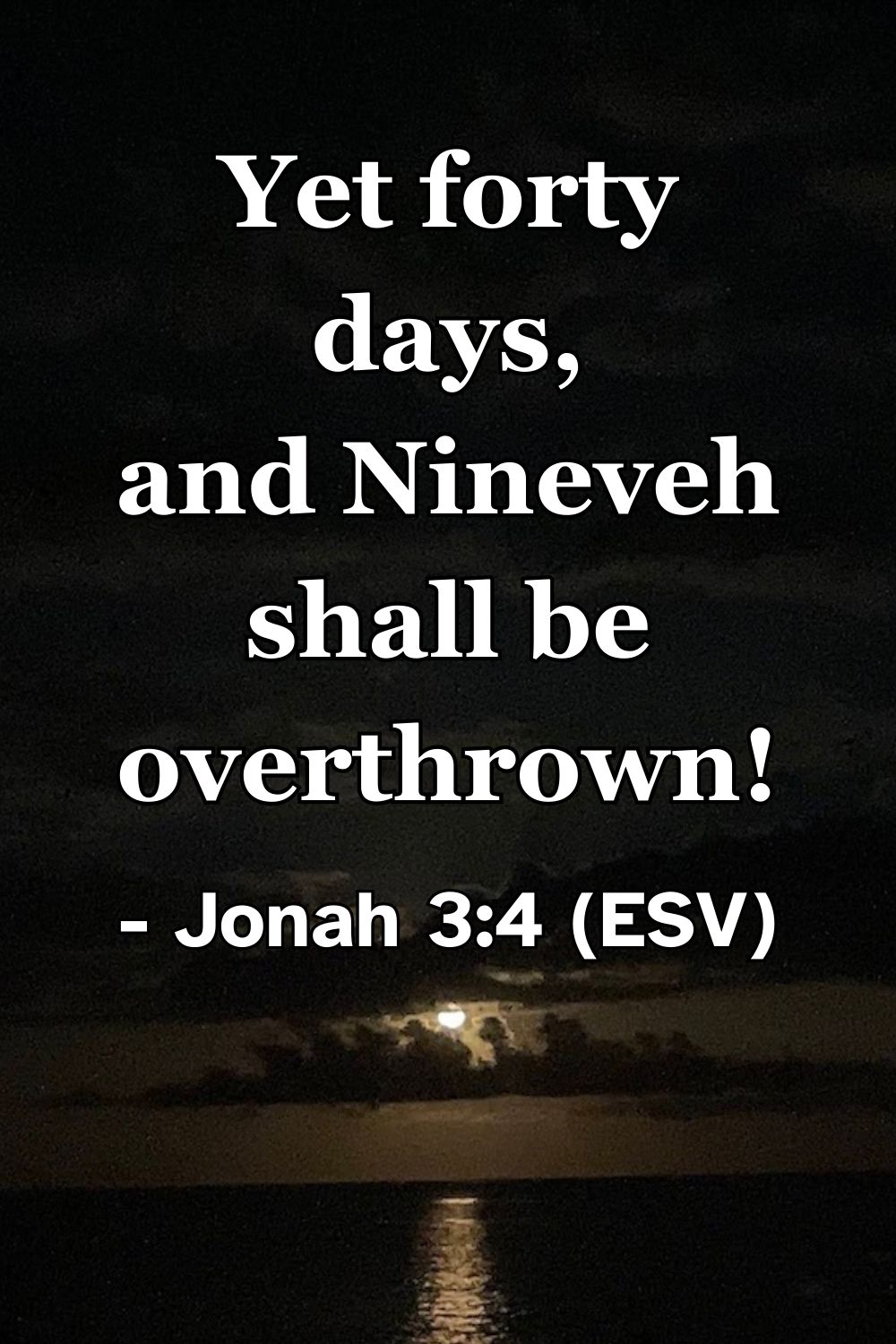
Scripture only records one sentence of Jonah’s sermon (Jonah 3:4):
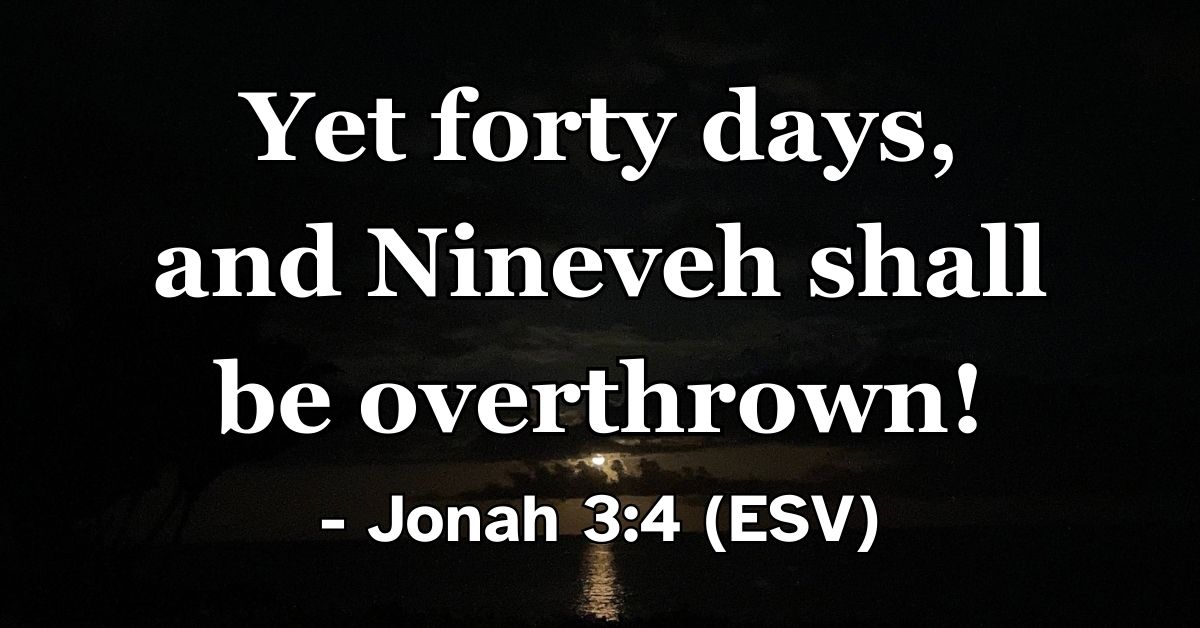
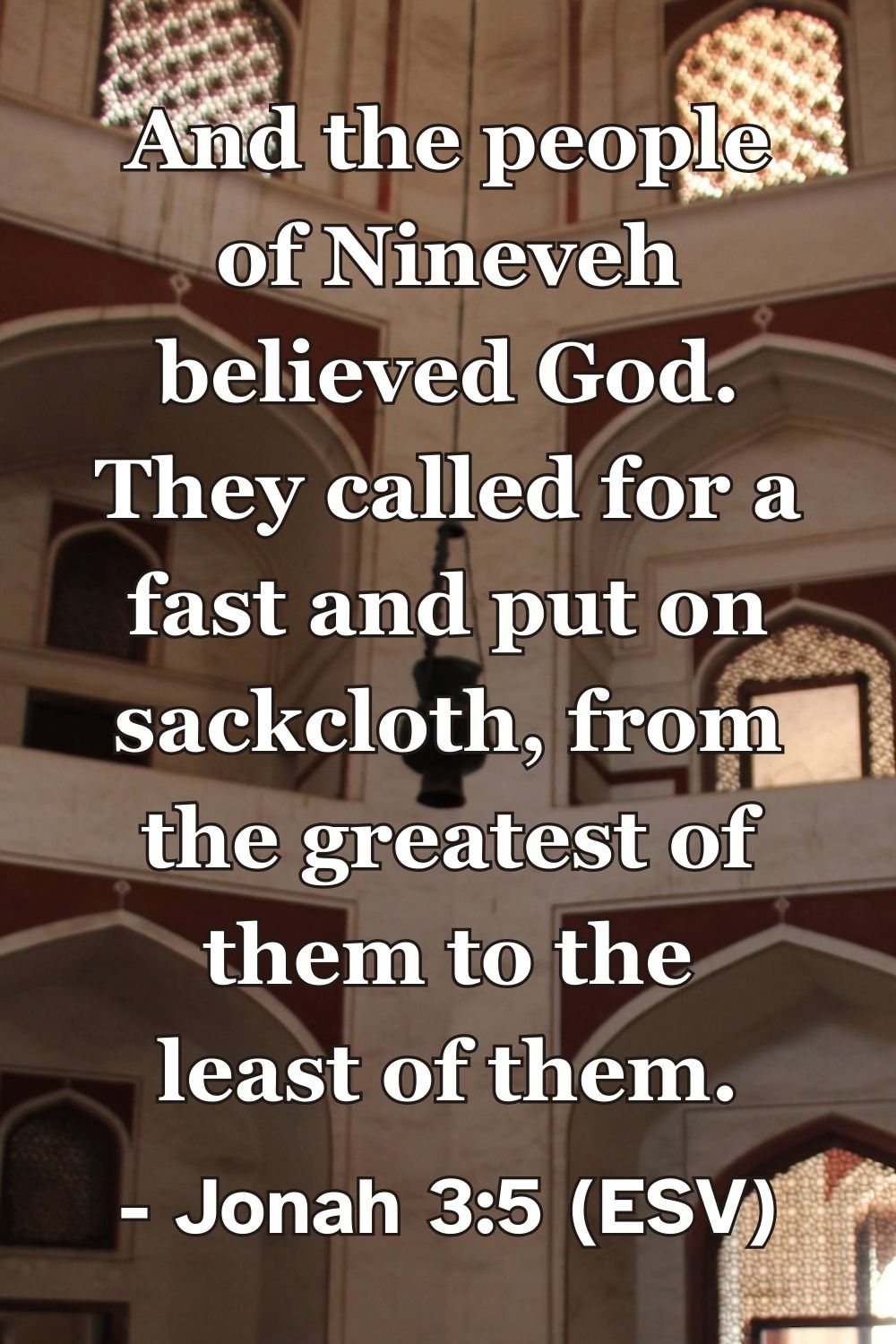
I wonder if this was the full extent of Jonah’s proclamation, or if he offered more detail along the way. Either way, what we do know is that his message carried weight. The people heard it, understood it, and responded to it. The text in Jonah 3:5 tells us:
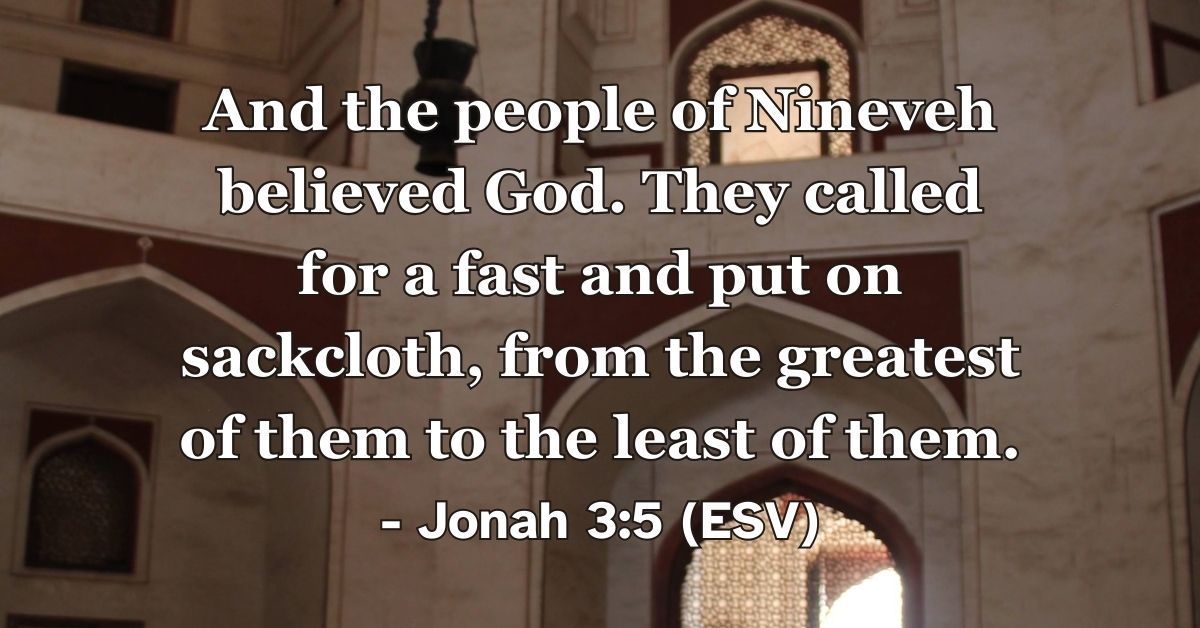
The entire city was shaken. From the poor laborer in the streets to the king himself, they humbled themselves and cried out to God.
The Ripple Effect of Obedience
Before we think about Nineveh’s response, we should pause to notice Jonah’s role. This is the same prophet who, in chapter 1, fled in the opposite direction rather than obey God’s call. He resisted, ran, and nearly drowned before God rescued him through the belly of a fish. Jonah chapter 2 records his prayer of thanksgiving, but even then we sense that his heart may not have been fully soft.
And yet, in chapter 3, Jonah goes. Perhaps reluctantly, perhaps with a half-hearted sermon, and perhaps with lingering resentment, but he obeys. Even if this is only the smallest step of obedience, Jonah’s short proclamation sets in motion one of the greatest revivals recorded in the Bible. In the end, the entire city turns to God.
This may just be encouraging news for us! We often think that our words need to be polished, persuasive, and eloquent in order to matter. We imagine that unless we have the right phrases memorized or a theological argument prepared, God cannot use us, but Jonah’s example tells a different story. God does not need eloquence. He needs obedience. Your conversation with a neighbor, your prayer with a struggling friend, and your quiet act of kindness at work might feel small, but they can ripple out further than you could ever imagine.
The Ninevites’ Reputation
To fully appreciate what happens in Nineveh, we need to understand who these people were. The Ninevites were part of the Assyrian empire, one of the most feared and brutal powers in the ancient world. Their armies swept across nations with cruelty. They were infamous for their torture tactics. Historical records even describe skinning prisoners alive. They left behind walls decorated with images of their violence, boasting in their brutality. This was not a respectable crowd who merely needed a little moral adjustment. These were enemies, oppressors, and some of the most feared people on the earth.
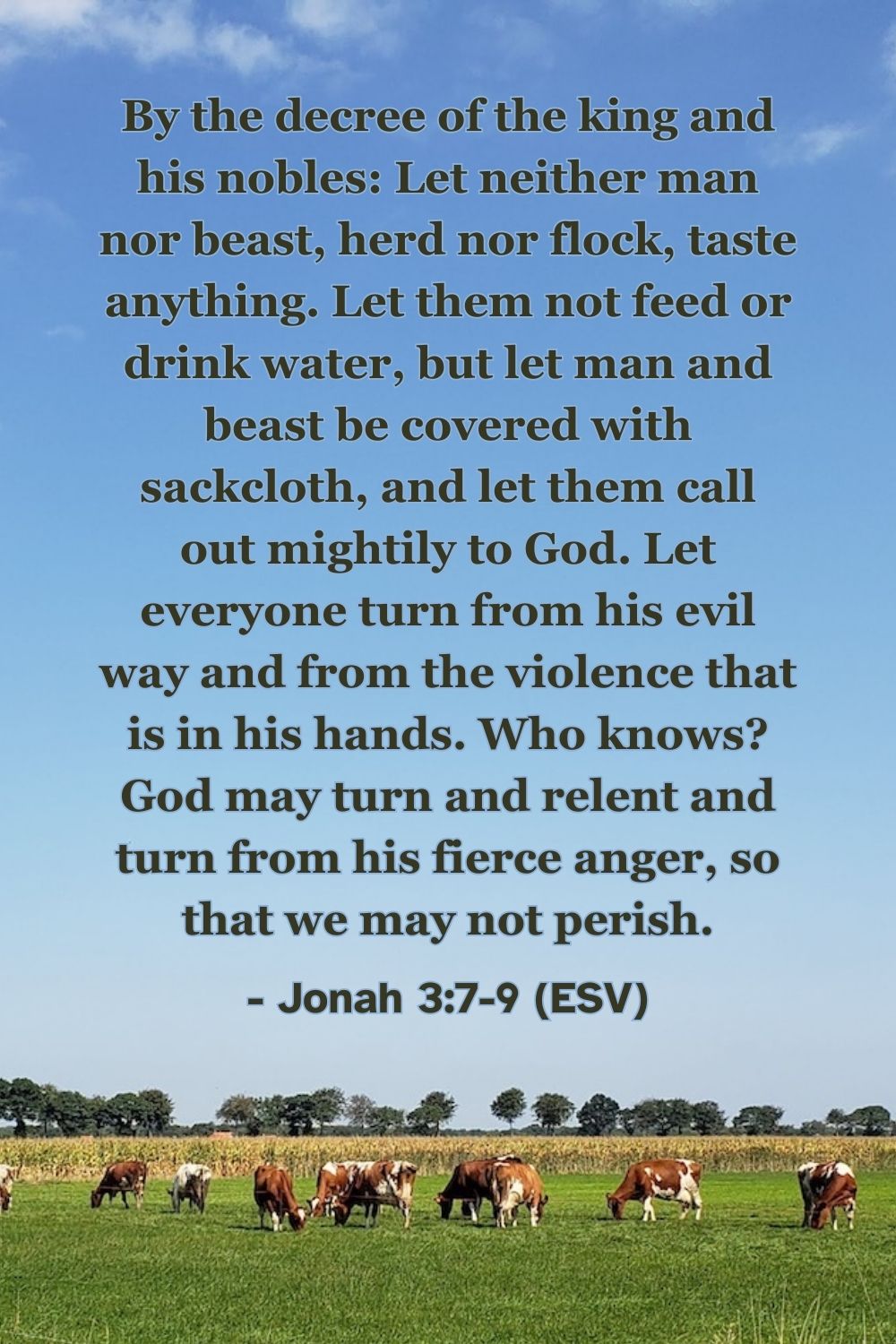
And yet, when Jonah proclaimed God’s warning, they humbled themselves. They believed God, fasted, and repented. Even the king himself stepped down from his throne, removed his royal robe, covered himself in sackcloth, and sat in ashes. Then he issued this decree in Jonah 3:7-9:
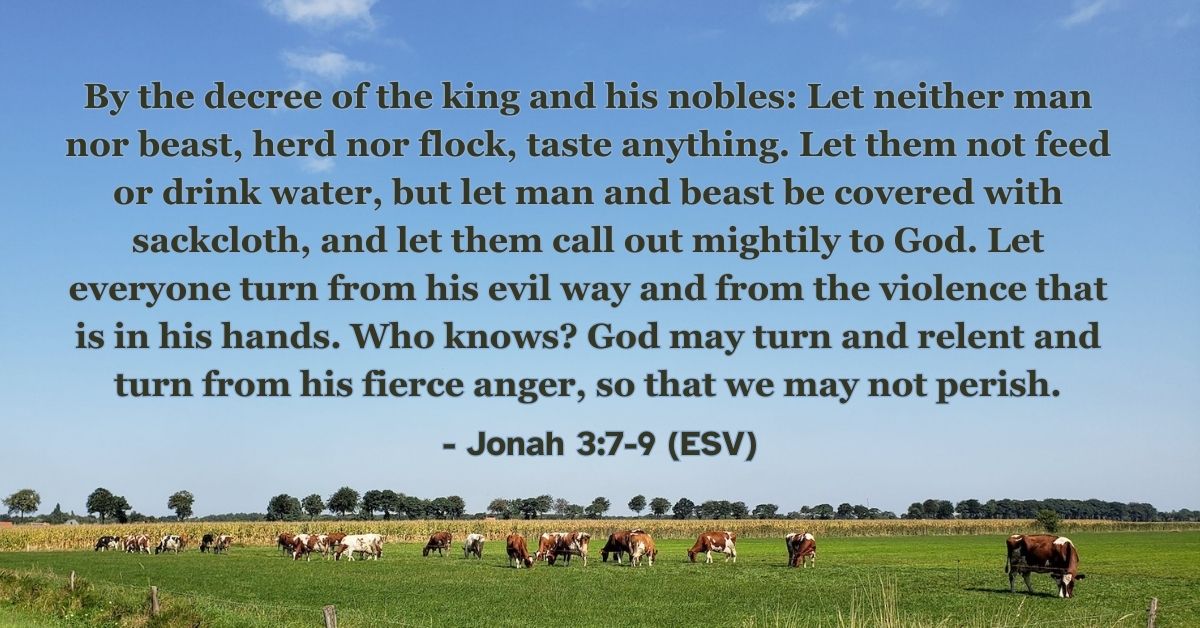
This is an extraordinary picture. The most powerful man in the city, one who benefited from Nineveh’s violence, is now calling his people to give it up. He even includes the animals in the sign of mourning, as if to emphasize that no part of life could remain untouched by repentance.
God’s Astonishing Mercy
How does God respond to such repentance? Jonah 3:10 says:
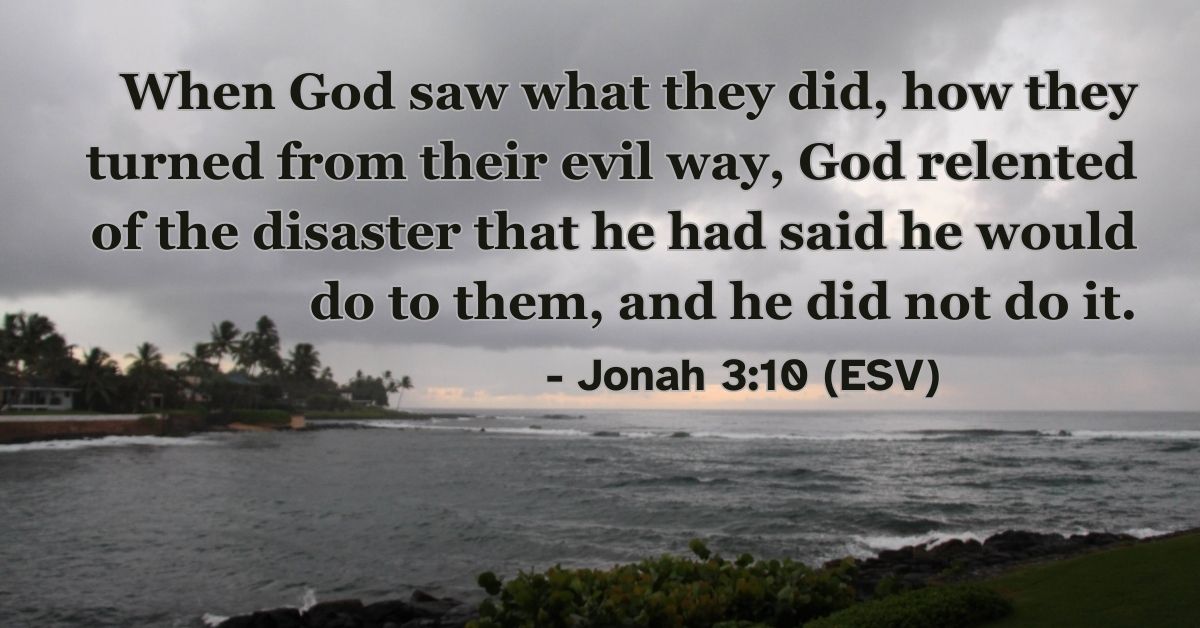
This verse may be one of the most astonishing in the entire book. The God of heaven, the one who rules the nations and judges sin, looked at Nineveh and chose to relent. He turned away from the destruction he had threatened and spared them. Here we see the heart of God. He does not delight in judgment, but in mercy. He does not relish destruction, but in repentance.
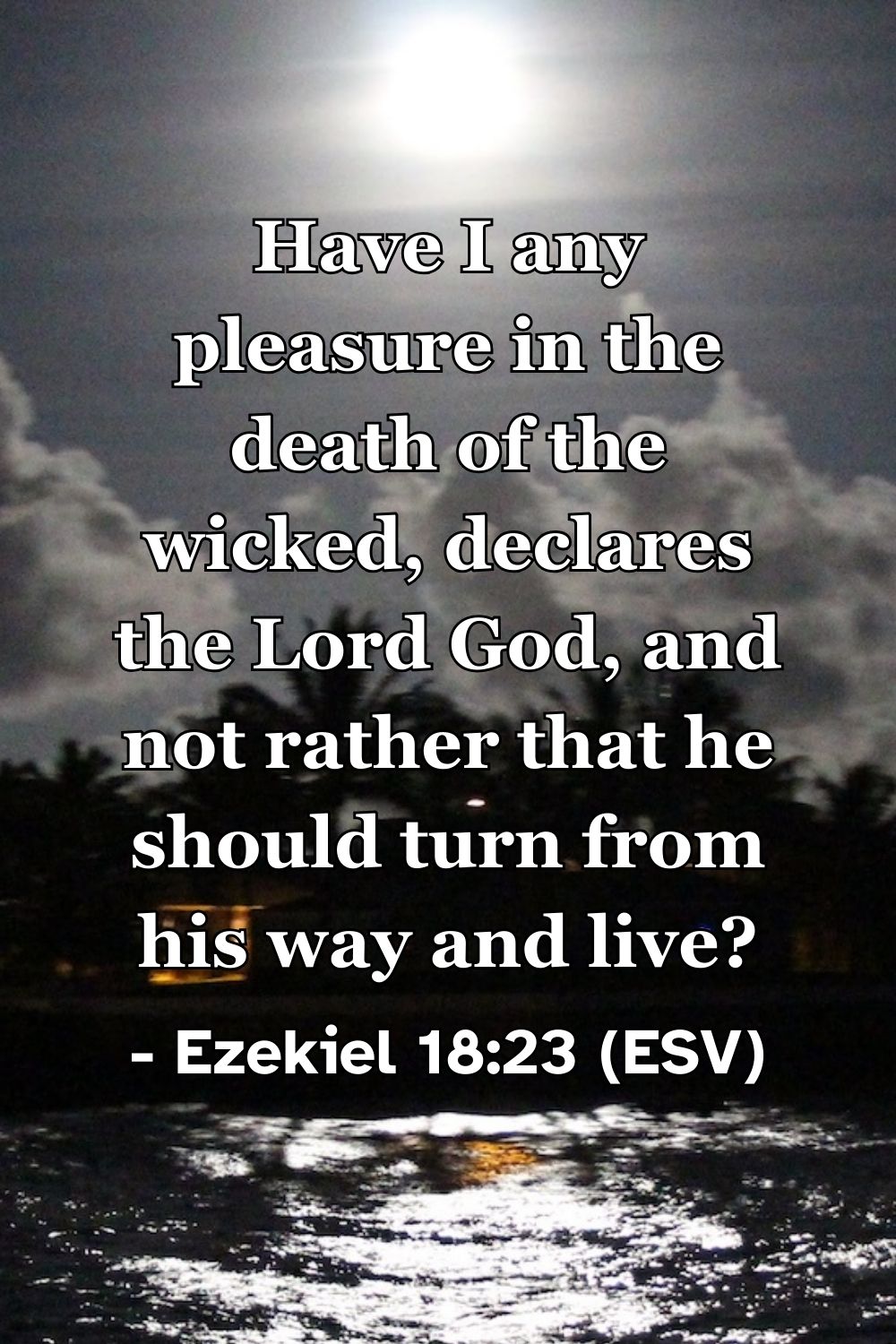
The prophet Ezekiel records God’s own words:

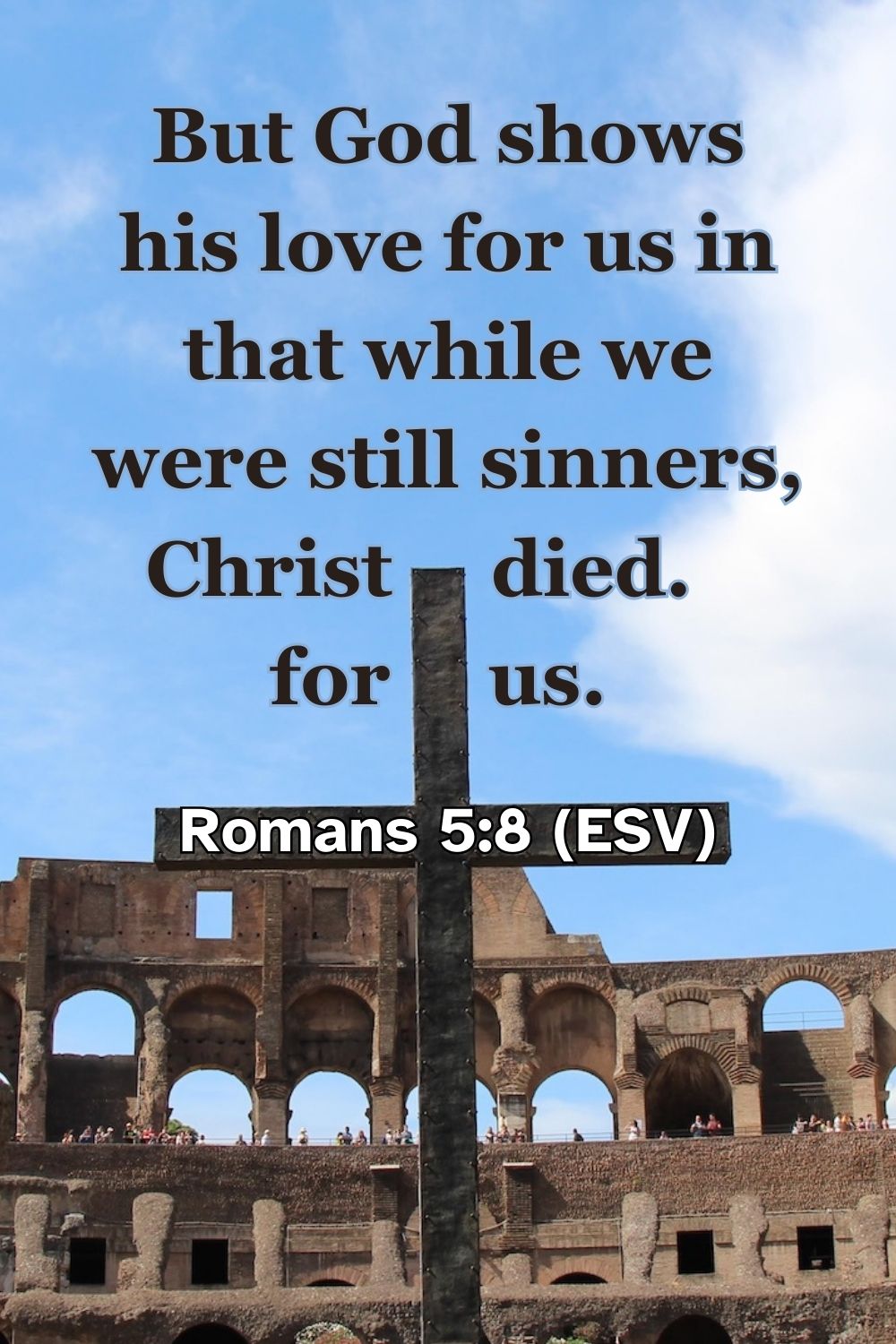
This is consistent with the gospel itself, particularly Romans 5:8:
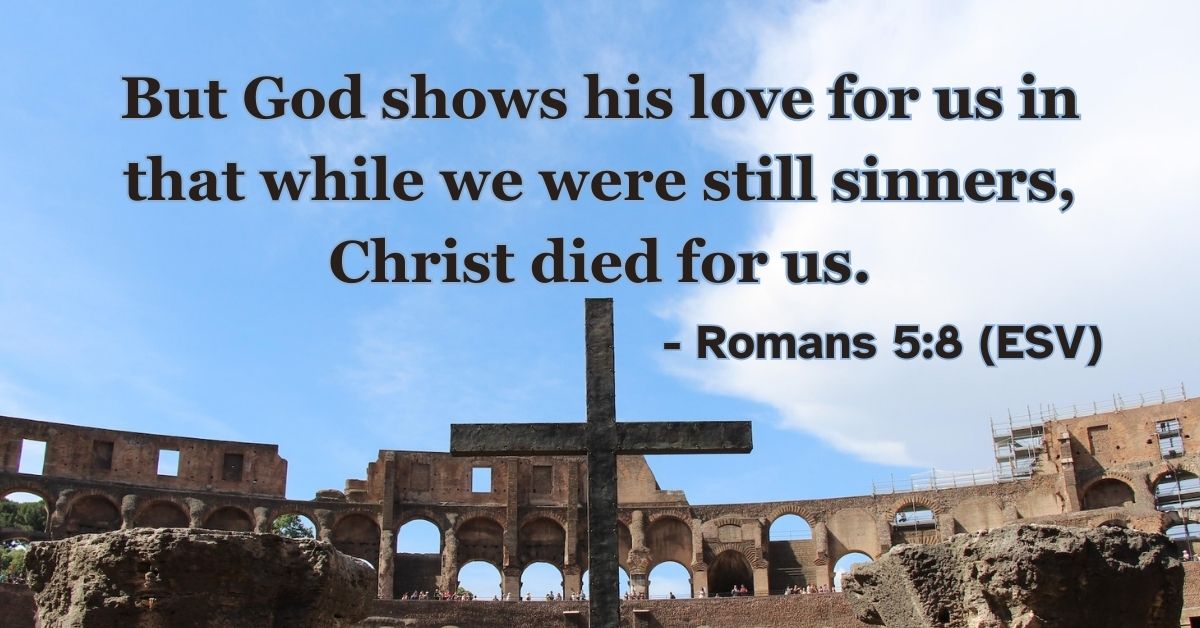
He does not wait for us to clean ourselves up. He meets us in our rebellion and offers us forgiveness when we repent and turn back to him.
A God Who Forgives the Worst
Some of us might struggle with this story. How could God forgive people who skinned others alive? How could he let such violence go unpunished? Where is justice in that? These are fair questions, but if we are honest, we must also turn the question inward. Which of our sins is unforgivable? Which of our hidden resentments, sharp words, selfish choices, or unrepentant habits should bar us from God’s grace?
If God can forgive Nineveh, he can forgive both you and me. If God can show mercy to the most violent empire, he can show mercy to the stubborn heart of one sinner who turns back to him. This is good news! In fact, this is the best news!
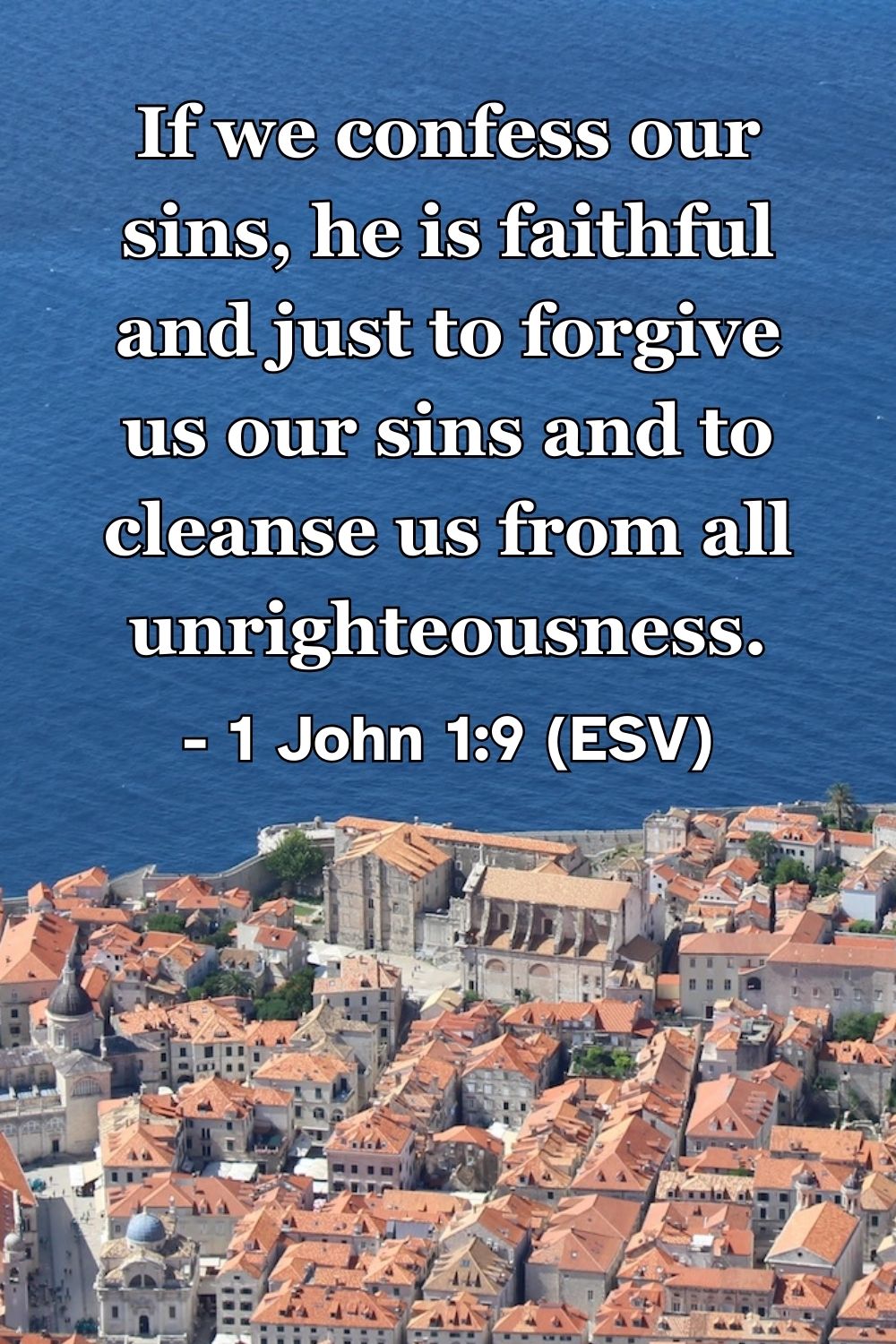
The apostle John assures us in 1 John 1:9:
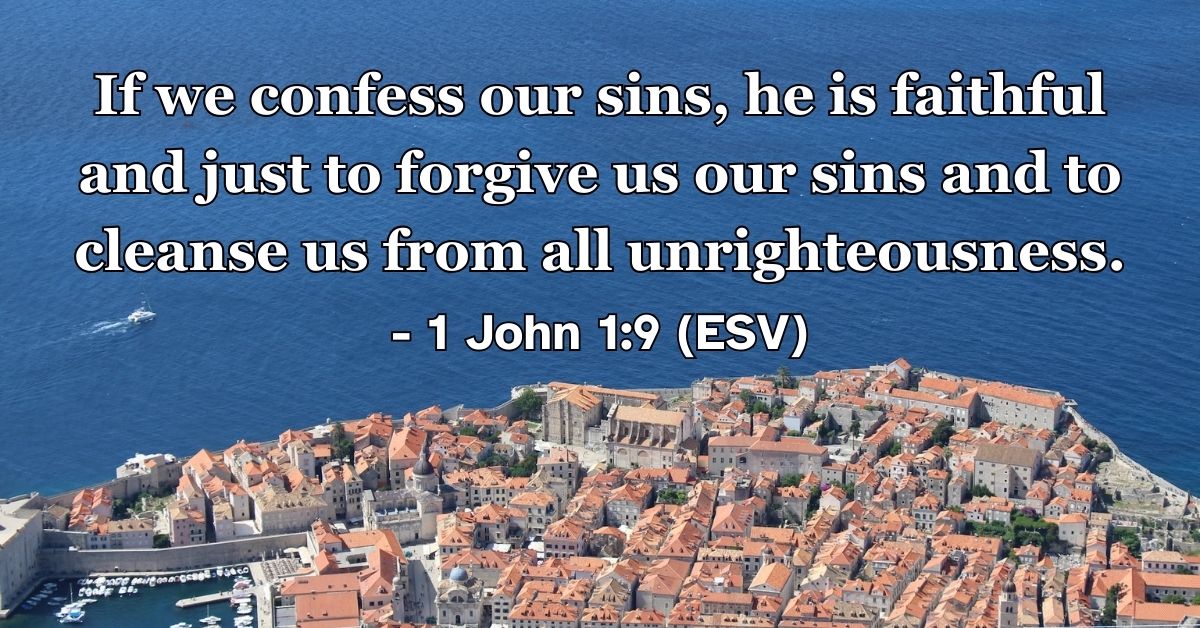
Notice that word “all.” Not some, not most, all.
Joy in Repentance
At first glance, repentance seems like a gloomy word. Sackcloth, ashes, fasting, mourning. It does not sound joyful. And yet, genuine repentance always leads to joy. Why? Because repentance is not simply about feeling sorry. It is about turning back to God.
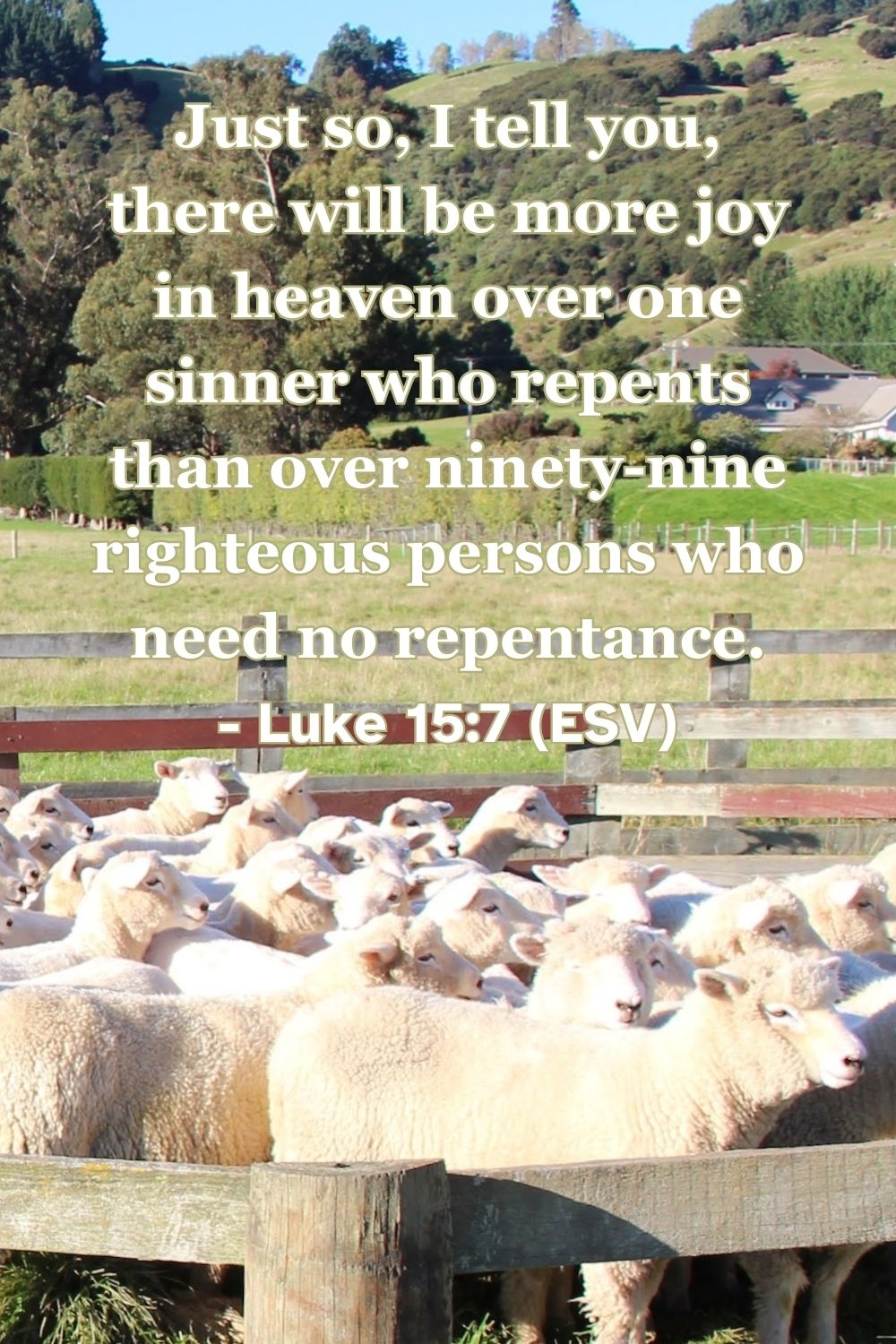
Jesus told a parable about a shepherd who left ninety-nine sheep to find the one who wandered off. When he found it, he laid it on his shoulders, rejoicing. And then he said in Luke 15:7:
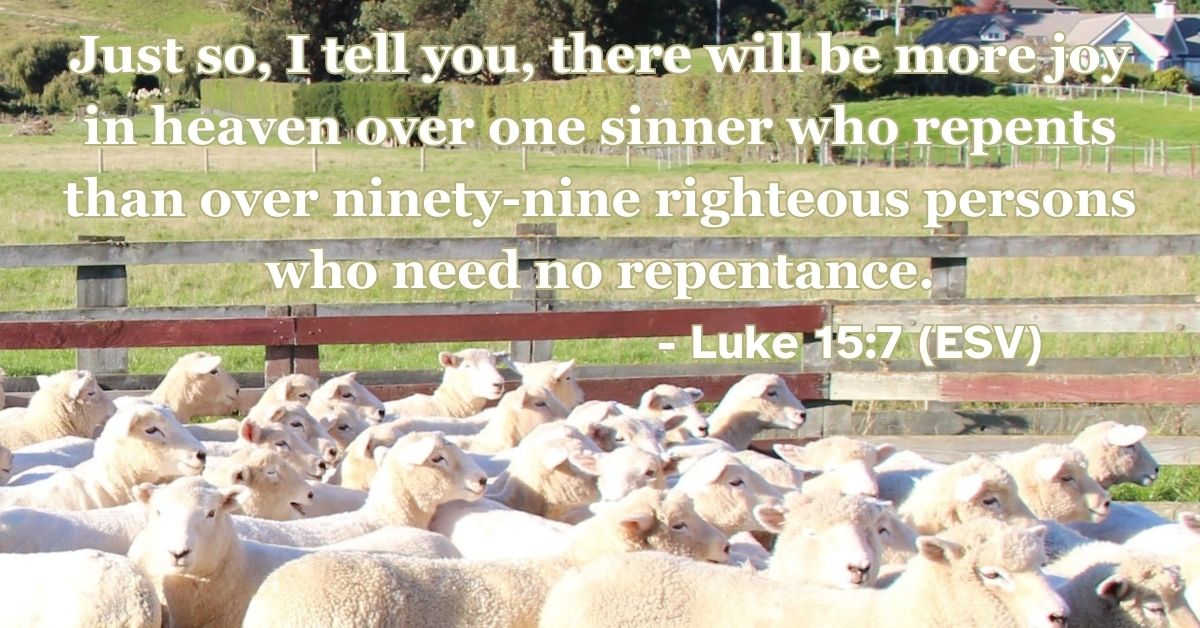
Repentance brings joy in heaven, and it brings joy to our own hearts. The burden of guilt is lifted, the distance from God is closed, and the weight of sin is replaced by the lightness of grace. Nineveh may have sat in ashes for a time, but the forgiveness of God brought a joy deeper than they had ever known. This shows us that repentance is not something to fear, but something to welcome. It is good news that on the other side of repentance is the joy of restoration.
God’s Ways and Our Ways
As we will see in Jonah 4, Jonah was not particularly happy with God’s mercy. He thought it was unfair. He resented God’s grace. He wanted Nineveh destroyed, not spared. This is where we must remember what Isaiah 55:8-9 says:

Jonah’s anger only highlights the wonder of God’s mercy. God is not like us! He does not forgive reluctantly, extending grace with gritted teeth. He does not forgive because he has no other choice, but because it is in his nature to do so. This does not minimize justice, but instead shows through the cross of Christ that God takes sin seriously, so seriously that it required the blood of his Son. God’s mercy is so much greater than our sin, demonstrated when justice and mercy were allowed to meet at Calvary.
Bringing It Home
Jonah 3 is not simply an ancient story about a prophet and a brutal empire, but is a mirror for us. When we hear God’s Word, how do we respond? Do we harden our hearts, or do we humble ourselves? Do we cling to our sin, or do we call out to God for mercy? And when we see God forgive others, perhaps people we struggle to forgive, do we rejoice in his mercy, or do we secretly wish they would get what they deserve?
The story of Nineveh challenges us to examine both our understanding of God’s grace and our willingness to extend that same grace to others.
Reflection Questions
- Jonah obeyed God after running from him. Is there an area of your life where you sense God calling you to obey, even if reluctantly?
- The Ninevites humbled themselves quickly when confronted with God’s Word. How do you typically respond when Scripture convicts you of sin?
- God showed mercy to Nineveh despite their violence. How does this truth encourage you when you think about your own sins?
- Repentance led to joy in Nineveh and brings joy in heaven. What would it look like for you to experience joy through repentance this week?
- Jonah struggled with God’s mercy toward others. Is there someone you find it difficult to forgive? How might remembering God’s mercy to you soften your heart toward them?
Reflective Prayer
Consider using these verses to pray using the ACTS method: Adoration, Confession, Thankfulness, and Supplication:
- Adoration: Praise God. Do these verses bring any specific characteristics of God to mind?
- Confession: Tell God that you are sorry for specific sins. Do these verses bring any specific sins to mind?
- Thankfulness: Show gratitude towards God. Does anything from these verses inspire gratitude?
- Supplication: Make requests for yourself and for others. Does anything from these verses inspire a prayer?
If helpful, you can use a prayer journal template.


Subscribe
If you enjoyed this post and wish to receive more Christian content, feel free to subscribe to my newsletters!
Related Resources
Visit the Joyful Moments in Christ homepage for all posts, or scroll through other blog posts related to obedience, repentance, and joy.



Something went wrong. Please refresh the page and/or try again.
English Standard Version (ESV): Unless otherwise noted, scripture quotations are from the ESV® Bible (The Holy Bible, English Standard Version®), © 2001 by Crossway, a publishing ministry of Good News Publishers. Used by permission. All rights reserved. The ESV text may not be quoted in any publication made available to the public by a Creative Commons license. The ESV may not be translated in whole or in part into any other language.

 Joyful Moments in Christ