While in our darkest moments, some of us wallow in despair, while others pray to God. Some of us complain bitterly, while others recognize our blessings. Why is this? The answer may be found in Jonah’s prayer in the second chapter of his book.
Then Jonah prayed to the Lord his God from the belly of the fish, saying,
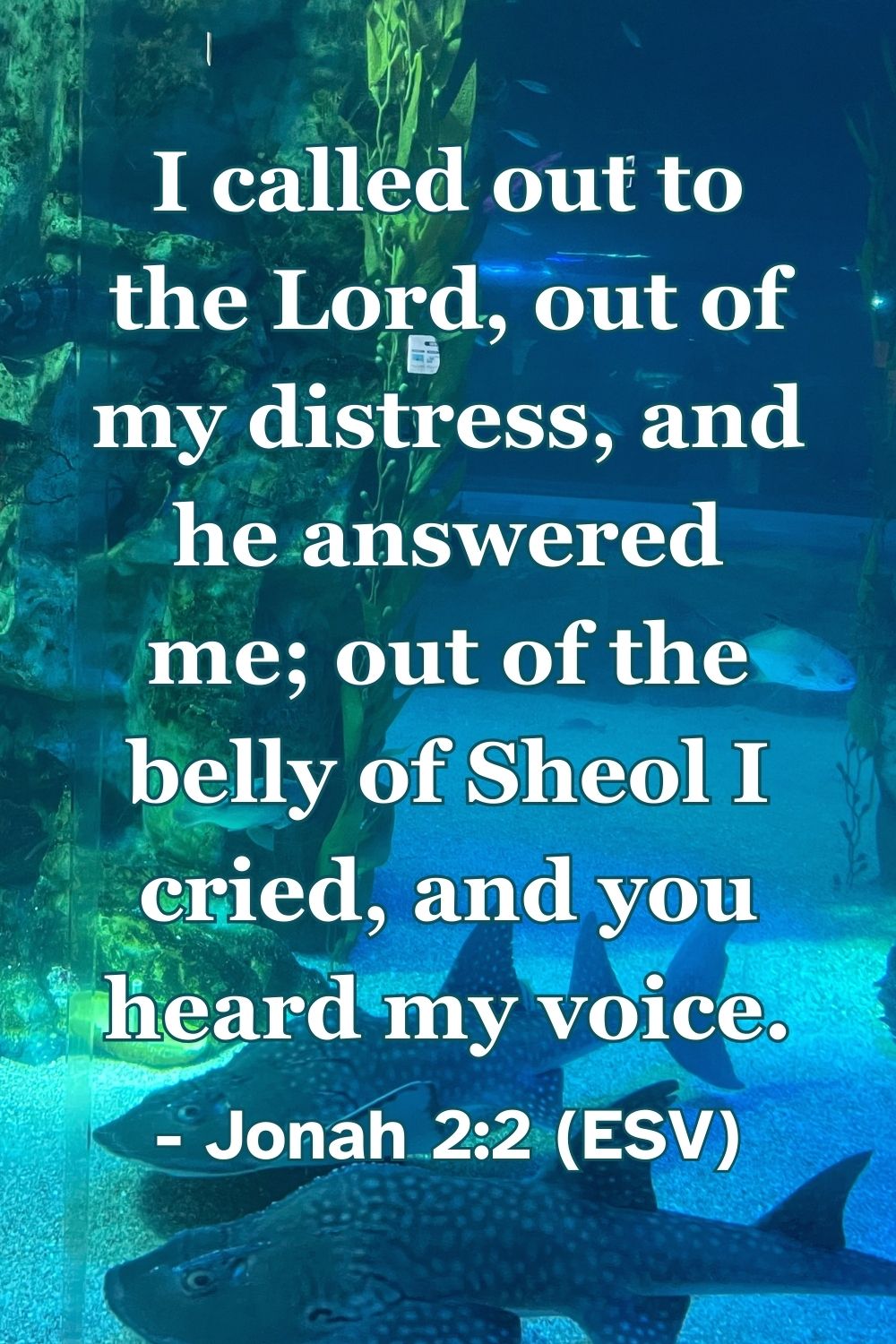
“I called out to the Lord, out of my distress,
and he answered me;
out of the belly of Sheol I cried,
and you heard my voice.
For you cast me into the deep,
into the heart of the seas,
and the flood surrounded me;
all your breakers and your waves
passed over me.
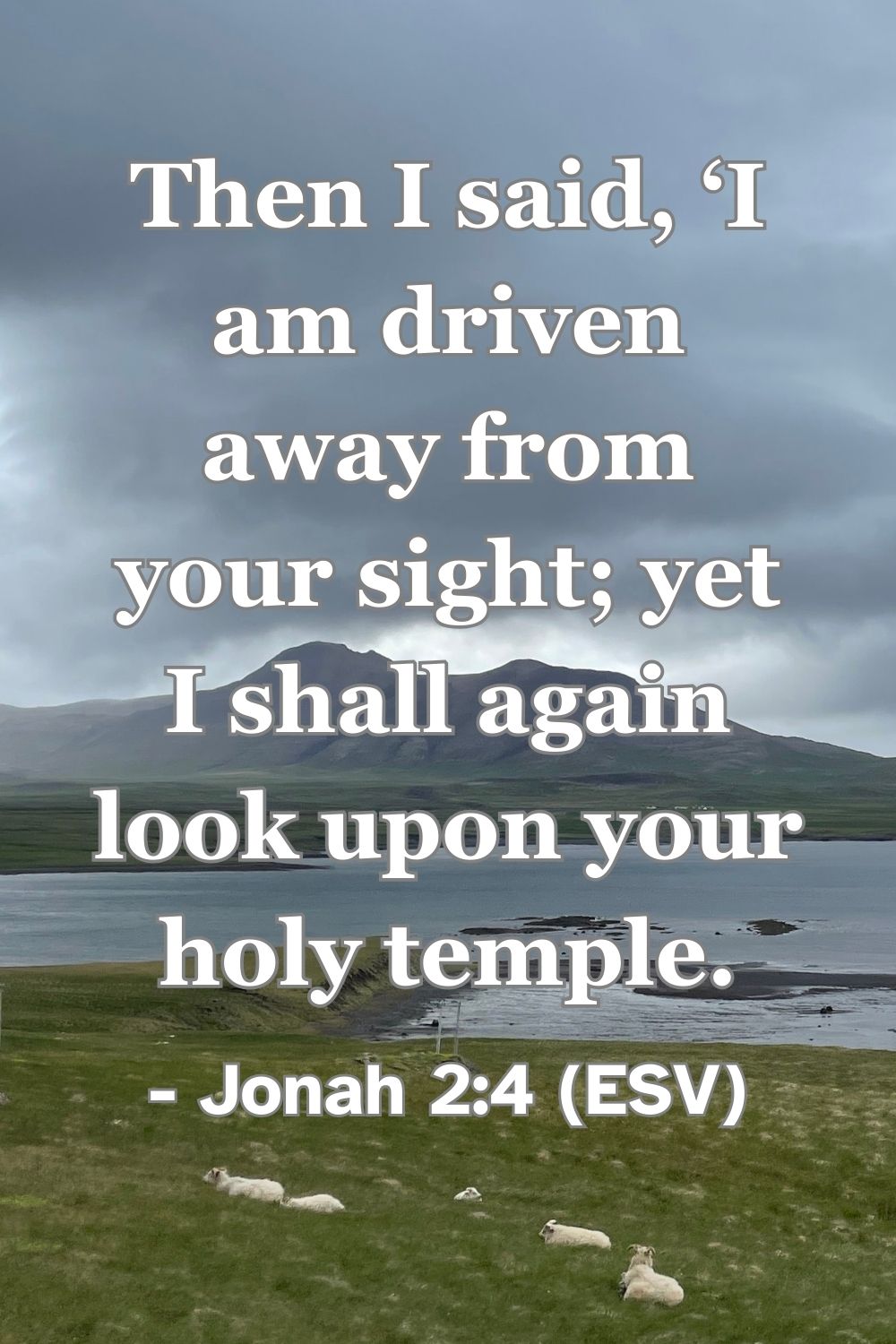
Then I said, ‘I am driven away
from your sight;
yet I shall again look
upon your holy temple.’
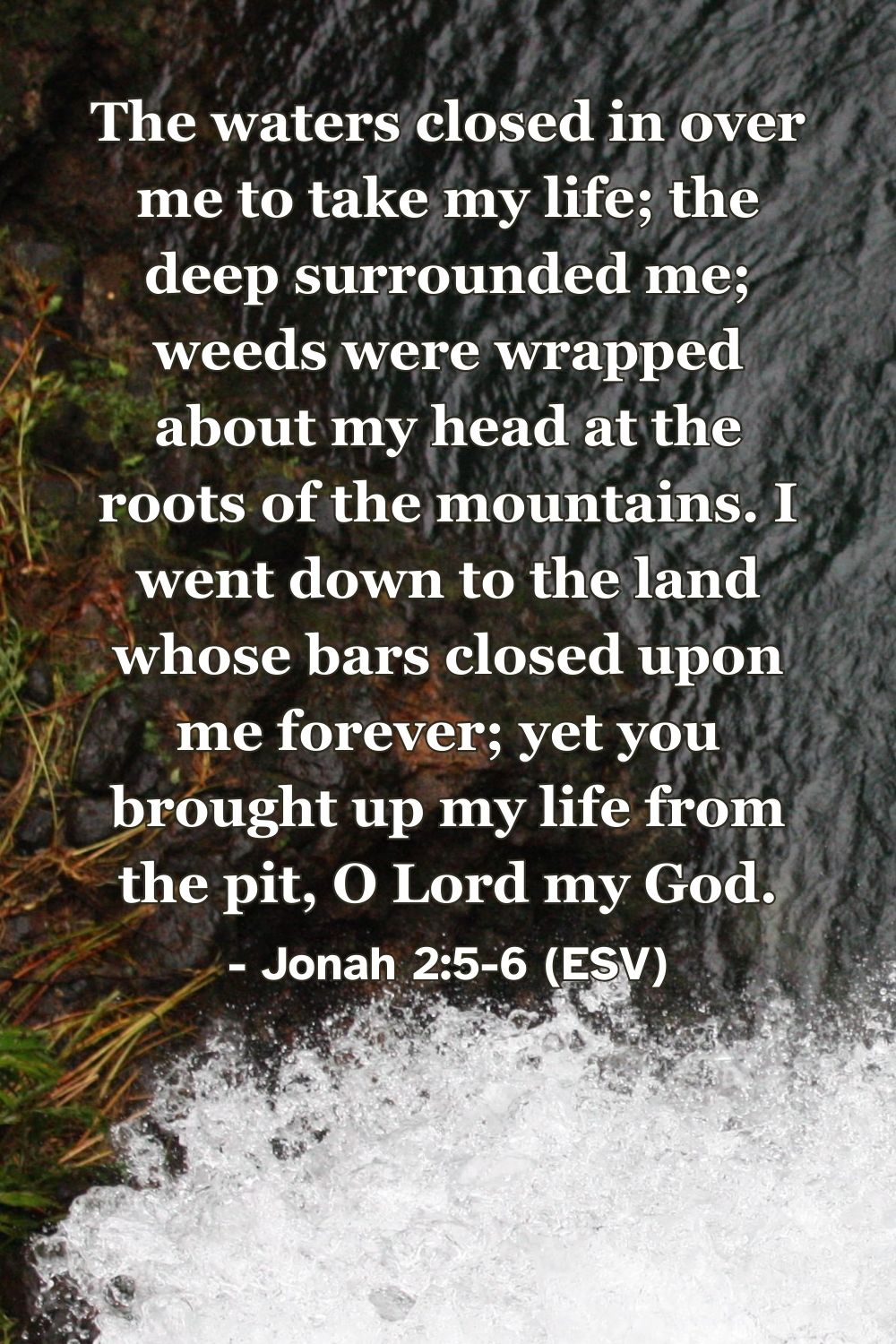
The waters closed in over me to take my life;
the deep surrounded me;
weeds were wrapped about my head.
To the roots of the mountains I went down,
to the land whose bars closed upon me forever.
Yet you brought up my life from the pit,
O Lord my God.
When my life was fainting away,
I remembered the Lord,
and my prayer came to you,
into your holy temple.
Those who pay regard to vain idols
forsake their hope of steadfast love.
But I with the voice of thanksgiving
will sacrifice to you;
what I have vowed I will pay.
Salvation belongs to the Lord!”And the Lord spoke to the fish, and it vomited Jonah out upon the dry land.
Jonah 2:1-10 (ESV)
Jonah’s Surprising Prayer
The first line of Jonah’s prayer is striking: “I called out to the Lord, out of my distress, and he answered me; out of the belly of Sheol I cried, and you heard my voice.” Notice the tense. Jonah has not yet been delivered. He is still inside the fish, wrapped in darkness, breathing stale air, probably smelling worse than any of us care to imagine. And yet he says, “he answered me.” Jonah speaks as though God has already acted, as though rescue is certain.
This is faith. Jonah believes that God will not abandon him. He is confident that the one who hurled the storm, calmed the sea, and appointed the fish will also deliver him. To Jonah, God’s saving hand is already sure.
For some of us, this might sound presumptuous. We are quick to think, “Who am I to tell God what he must do?” And yet Jonah is not bossing God around. He is remembering God’s promises, God’s character, and God’s covenant love. He knows that God called him to Nineveh, and although Jonah tried to run in the opposite direction, God has intervened to bring him back on course. Jonah is not happy about the assignment, but he is confident that God will complete his plan.
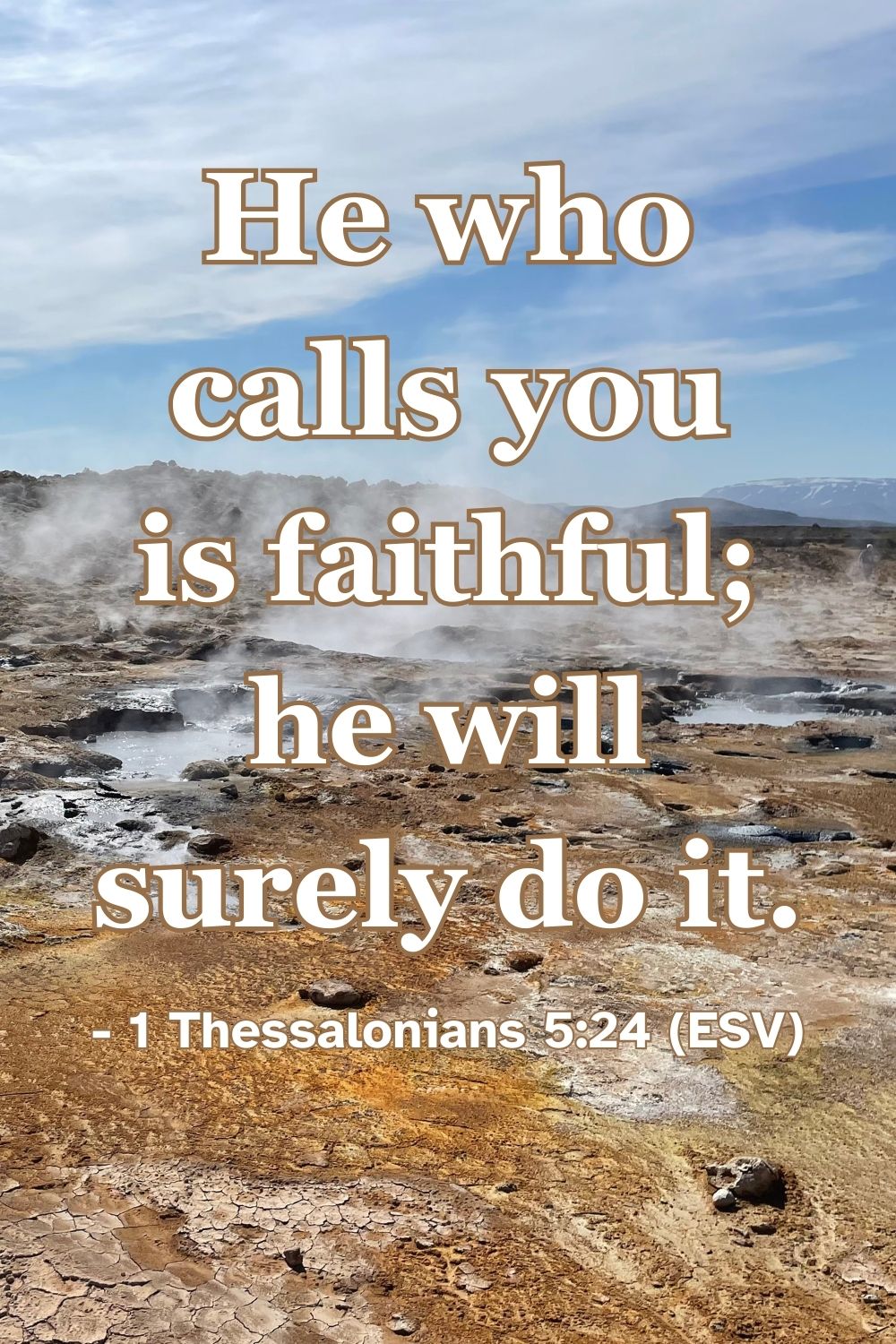
This is an important reminder for us as well. When Paul writes in 1 Thessalonians 5:24 (ESV), “He who calls you is faithful; he will surely do it,” he is saying something very similar. God does not leave his children halfway. He finishes what he begins. Jonah’s confidence rests not in his own worthiness, but in God’s faithfulness.
When You Feel Far from God
In Jonah 2:4, Jonah feels the crushing weight of separation. He knows that his rebellion put him here. He chose to run from God, and now he feels cast off. The belly of a fish may be one of the loneliest places imaginable, yet even here Jonah lifts his eyes in hope: “yet I shall again look upon your holy temple.”
This verse reminds us that even when we feel far away, even when our sin or circumstances weigh us down, we can still look to God. The temple was the place of God’s presence, the place where sacrifices were offered for sin. Today, we do not look toward a building in Jerusalem but to Christ himself. Jesus said in John 2:19 (ESV), “Destroy this temple, and in three days I will raise it up.” He was speaking about his body.
When you feel far from God, remember that Christ has brought you near. Paul writes in Ephesians 2:13 (ESV), “But now in Christ Jesus you who once were far off have been brought near by the blood of Christ” . Jonah’s faint hope of once again seeing the temple finds its ultimate fulfillment in Jesus, who is our mediator and our access to the Father.
Remembering God in the Pit
Jonah describes the suffocating depths in Jonah 2:5-6. The imagery is vivid. Seaweed clings to him. He feels himself sinking lower and lower, like descending into a prison whose doors will never open again. Yet in that place Jonah says, “you brought up my life from the pit.”
This is the language of resurrection. It anticipates the gospel itself. Jonah thought he was as good as dead, but God raised him up. Jesus would later point to Jonah as a sign of his own death and resurrection:
For just as Jonah was three days and three nights in the belly of the great fish, so will the Son of Man be three days and three nights in the heart of the earth.
Matthew 12:40 (ESV)
Jonah’s deliverance is a shadow of the greater salvation we have in Christ. Just as God brought Jonah from the pit, so he brings us from the pit of sin and death. Through Jesus, God takes what seems hopeless and breathes new life.
The Turning Point: Remembrance
The turning point in Jonah 2:7 is remembrance. Jonah had forgotten God’s mercy. He had ignored God’s command. He had chosen to run. But now, with nowhere else to turn, he remembers.
This is a theme that runs through Scripture. Over and over, God calls his people to remember. Remember the covenant. Remember the Exodus. Remember his wonders. Forgetting leads to idolatry and despair. Remembering restores faith and obedience.
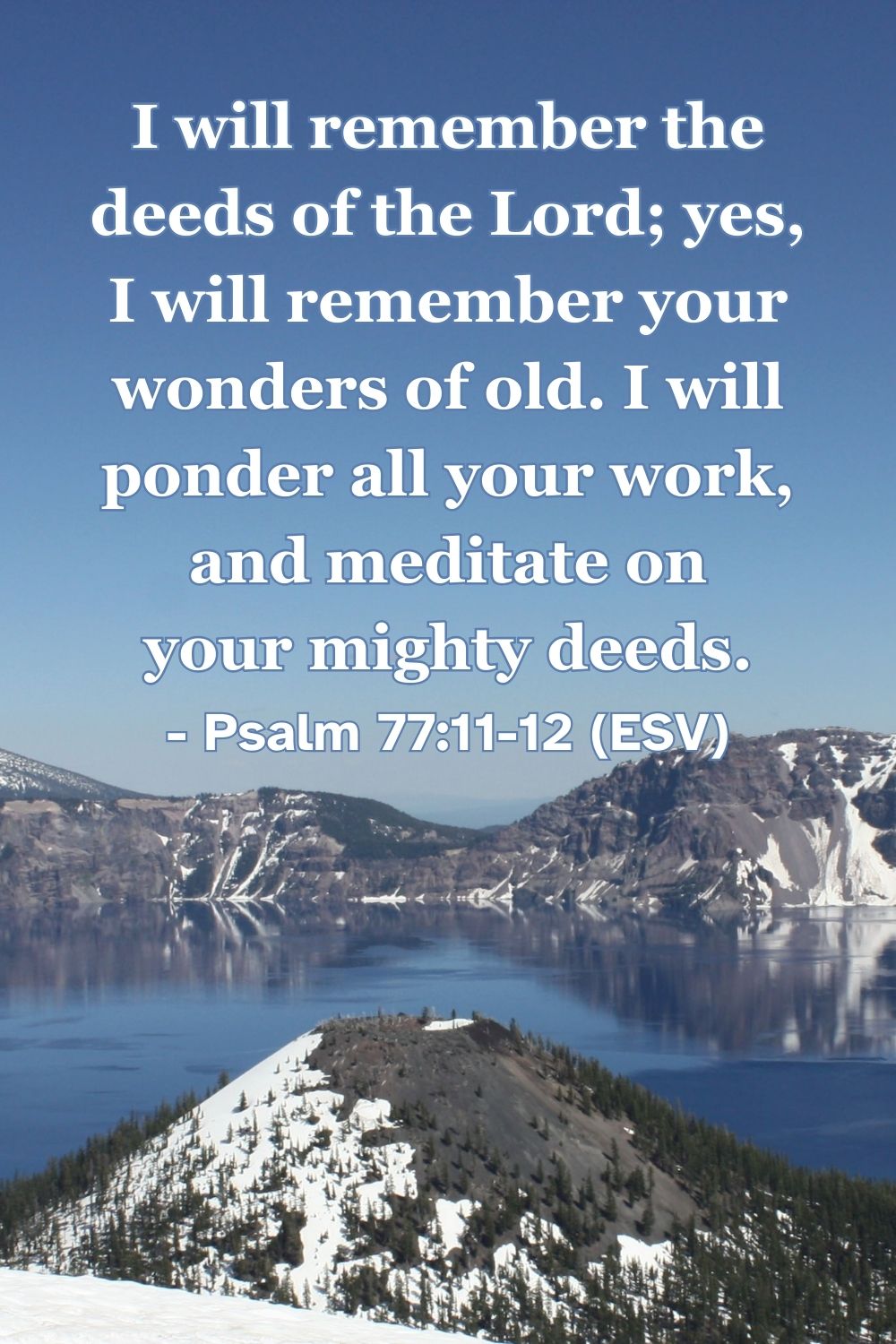
Psalm 77:11-12 shows a similar pattern. When we remember who God is and what he has done, despair begins to lift. Gratitude replaces bitterness. Prayer replaces complaint. Joy begins to break through the darkness.
Idols and Steadfast Love

In Jonah 2:8, Jonah contrasts his prayer with those who turn to false gods. The Hebrew word for “steadfast love” here is hesed, a word rich with covenant meaning. It speaks of God’s faithful, loyal, enduring love for his people. Idols can never provide that. They promise much but give nothing. To cling to idols is to abandon the only real hope we have.
Our idols today may not be carved statues, but they are just as real: money, comfort, success, approval, even our own self-reliance. These things cannot save us. They cannot hold us in the storm. Only the steadfast love of God can do that.
Jonah learned this lesson the hard way. He tried to flee from God, but he found that running leads only to despair. It is when we turn back, when we remember God’s steadfast love, that hope returns.
Thanksgiving in the Belly of the Fish

Jonah’s conclusion in Jonah 2:9 is remarkable. Jonah is still inside the fish. Nothing has changed in his circumstances, but everything has changed in his heart. He moves from despair to thanksgiving, from rebellion to obedience, from running away to readiness to go.
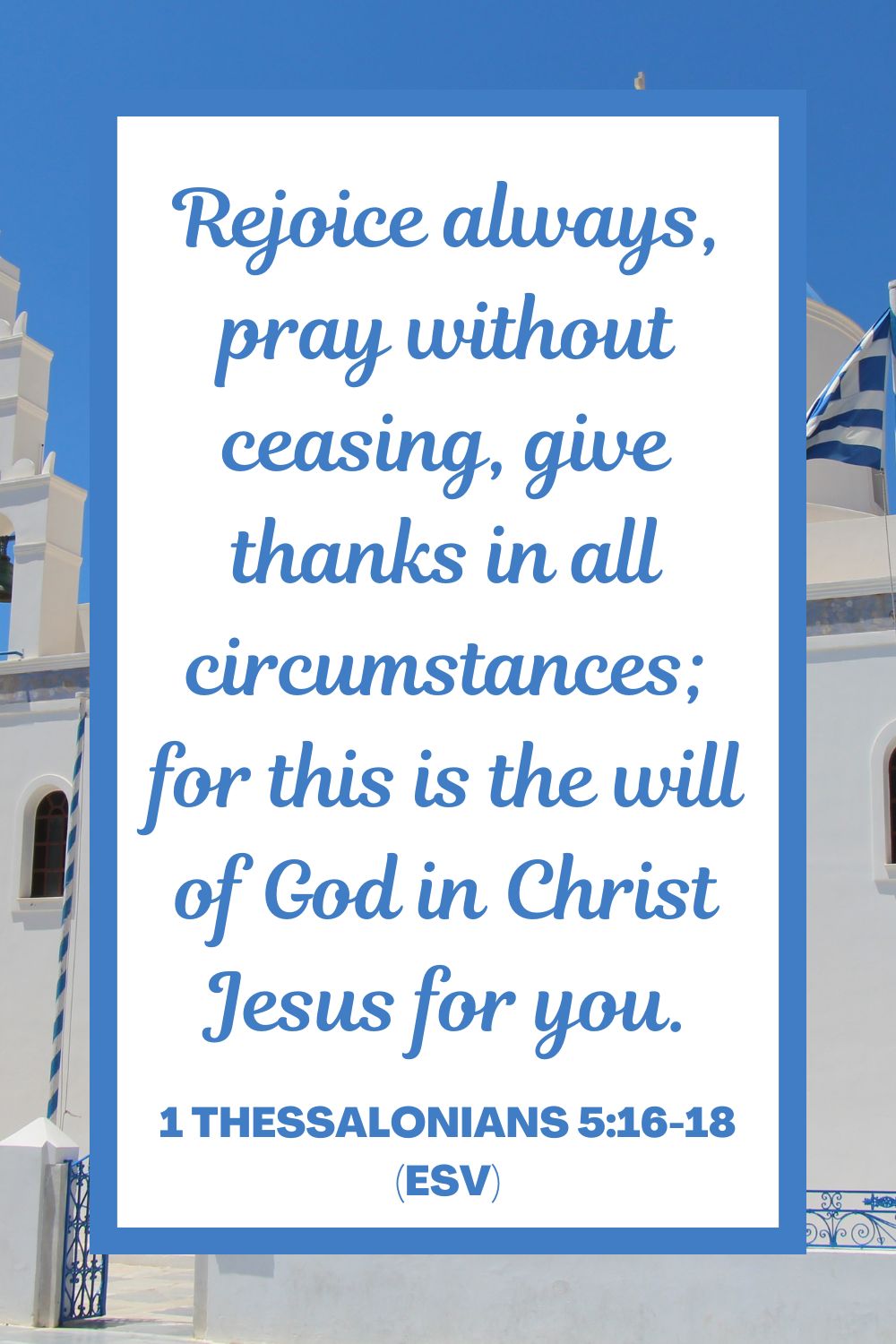
This is the mark of faith: the ability to give thanks before the deliverance comes. Paul echoes this in 1 Thessalonians 5:16-18. Thanksgiving is not reserved for when life is easy. It is a posture of trust in God’s goodness even when life feels unbearable. Jonah shows us that gratitude can bloom even in the most unlikely place, even in the belly of a fish.
What About Us?
Jonah’s story challenges us to consider how we respond in our darkest hours.
When life feels overwhelming, do we wallow in despair, or do we remember God’s steadfast love? When we feel far from God, do we complain bitterly, or do we pray with confidence in his mercy? When God’s discipline feels severe, do we resist, or do we trust that he is working for our good?
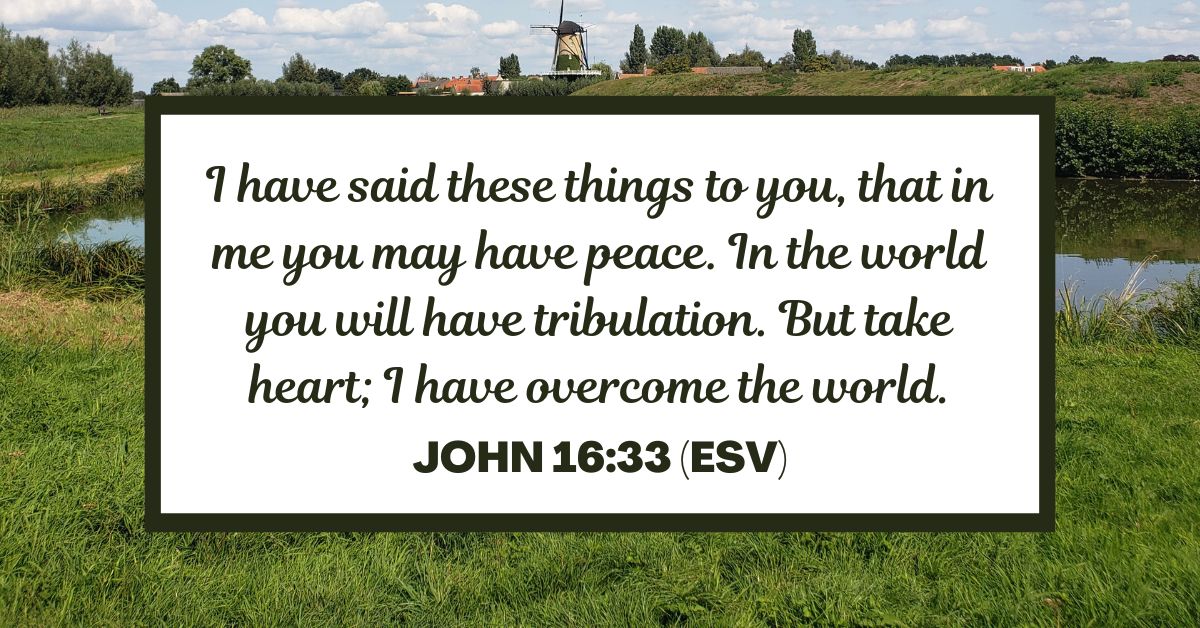
The Christian life is not free from hardship. Our comfort is not that we avoid trouble, but that Christ is with us in it. He has already conquered sin and death. He has already promised to bring us safely home.
So when God puts a “stinky, slimy fish belly” in our path, let us not recoil in horror. Instead, let us accept it with thankful and repentant hearts. Let us be ready to do his will, knowing that true joy and contentment are found not in fleeing from God but in following him.
Joy in the Midst of Darkness
Jonah’s prayer shows us that joy is not always found in pleasant circumstances. Sometimes it is discovered in the darkest places, when we remember that God is still with us, still working, still saving.
Jonah did not deserve rescue. Neither do we. Yet, God saves by his grace. Jonah’s thanksgiving from the depths points us to the greater joy we have in Christ, who brings us up from the pit and gives us life eternal.
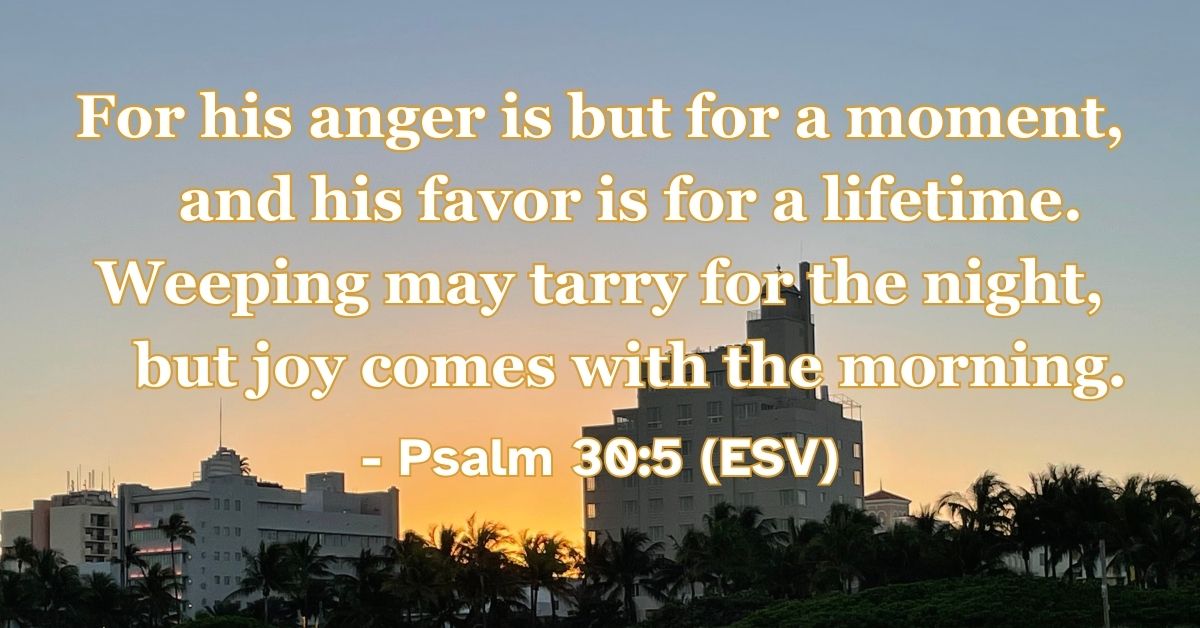
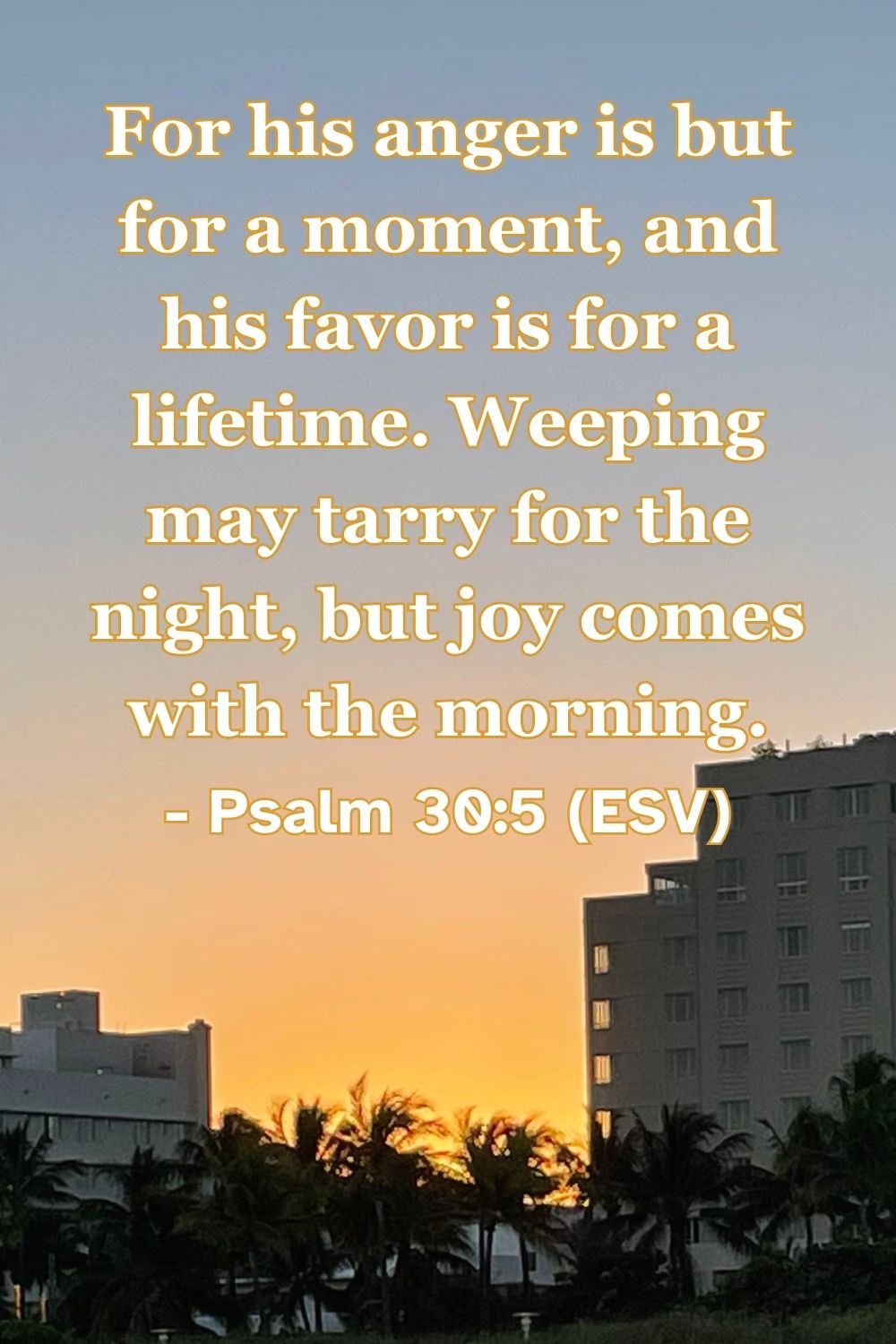
As the Psalm 30:5 says: “Weeping may tarry for the night, but joy comes with the morning.” Even in the most hopeless situations, joy is coming, because salvation belongs to the Lord.
Reflection Questions
- When you face distress, are you more likely to sink into despair or to turn to God in prayer? Why do you think that is?
- Jonah prayed with confidence even before his deliverance came. How might remembering God’s faithfulness in the past strengthen your trust in him today?
- Jonah felt far from God because of his own rebellion. Have there been times when your choices made you feel distant from God? What helped you turn back to him?
- What “idols” tempt you to place your hope in something other than God’s steadfast love?
- Jonah gave thanks while still inside the fish. What would it look like for you to give thanks to God in the middle of your own difficult circumstances?
- How does remembering Christ’s death and resurrection, our true deliverance from the pit, bring you hope in seasons of struggle?
Reflective Prayer
Consider using these verses to pray using the ACTS method: Adoration, Confession, Thankfulness, and Supplication:
- Adoration: Praise God. Do these verses bring any specific characteristics of God to mind?
- Confession: Tell God that you are sorry for specific sins. Do these verses bring any specific sins to mind?
- Thankfulness: Show gratitude towards God. Does anything from these verses inspire gratitude?
- Supplication: Make requests for yourself and for others. Does anything from these verses inspire a prayer?
If helpful, you can use a prayer journal template.


Subscribe
If you enjoyed this post and wish to receive more Christian content, feel free to subscribe to my newsletters!
Related Resources
Visit the Joyful Moments in Christ homepage for all posts, or scroll through other blog posts related to prayer and despair:






Something went wrong. Please refresh the page and/or try again.
English Standard Version (ESV): Unless otherwise noted, scripture quotations are from the ESV® Bible (The Holy Bible, English Standard Version®), © 2001 by Crossway, a publishing ministry of Good News Publishers. Used by permission. All rights reserved. The ESV text may not be quoted in any publication made available to the public by a Creative Commons license. The ESV may not be translated in whole or in part into any other language.


 Joyful Moments in Christ