
I have a confession to make: I really want some cheese. Not just any cheese, mind you. I am talking about a perfectly aged sharp cheddar, maybe a creamy brie on a crusty baguette, or a generous crumble of tangy Roquefort atop a warm bowl of pasta. Don’t even get me started on the delights of Appenzeller cheese. Cheese is delicious, and if you disagree, well, I suppose we can still be friends. But here is the thing: I have high cholesterol, and my doctor has made it very clear that if I do not watch what I eat, I will either need to take medication or face serious health risks down the road.
Like many people, I find myself caught in the tug-of-war between what I feel like doing and what I know is wise. Should I go with my feelings and indulge in my love for cheese? After all, life is short. Some would tell me to do what makes me happy, to “treat myself” and not worry too much about the consequences. But is that the right approach? More importantly, is that how God calls his children to live?
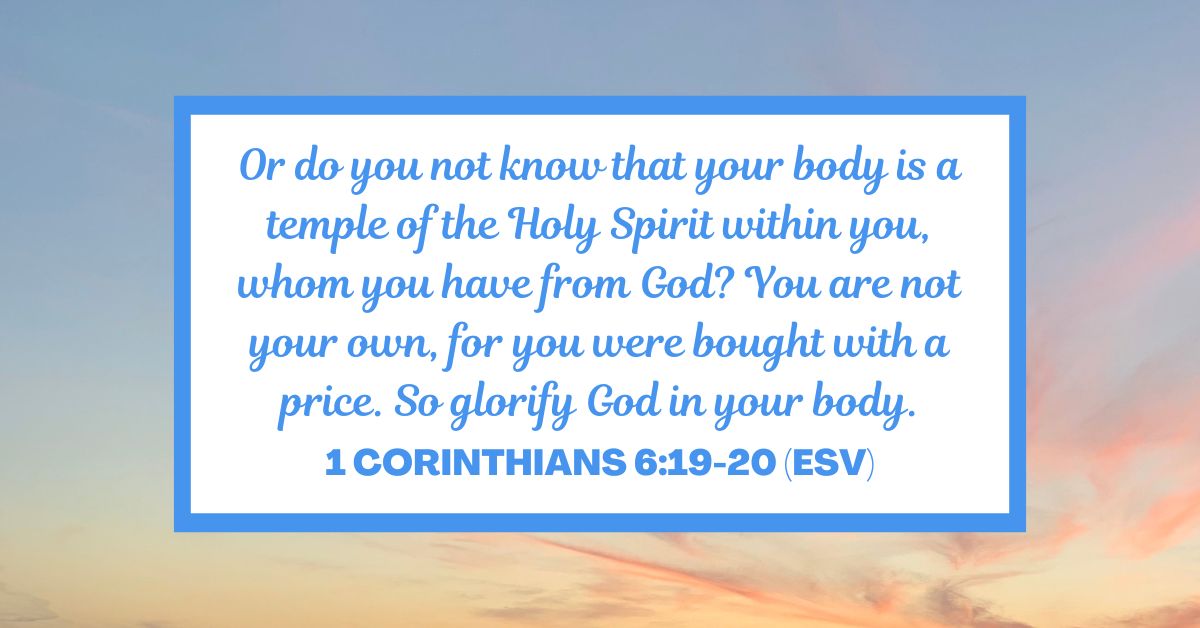
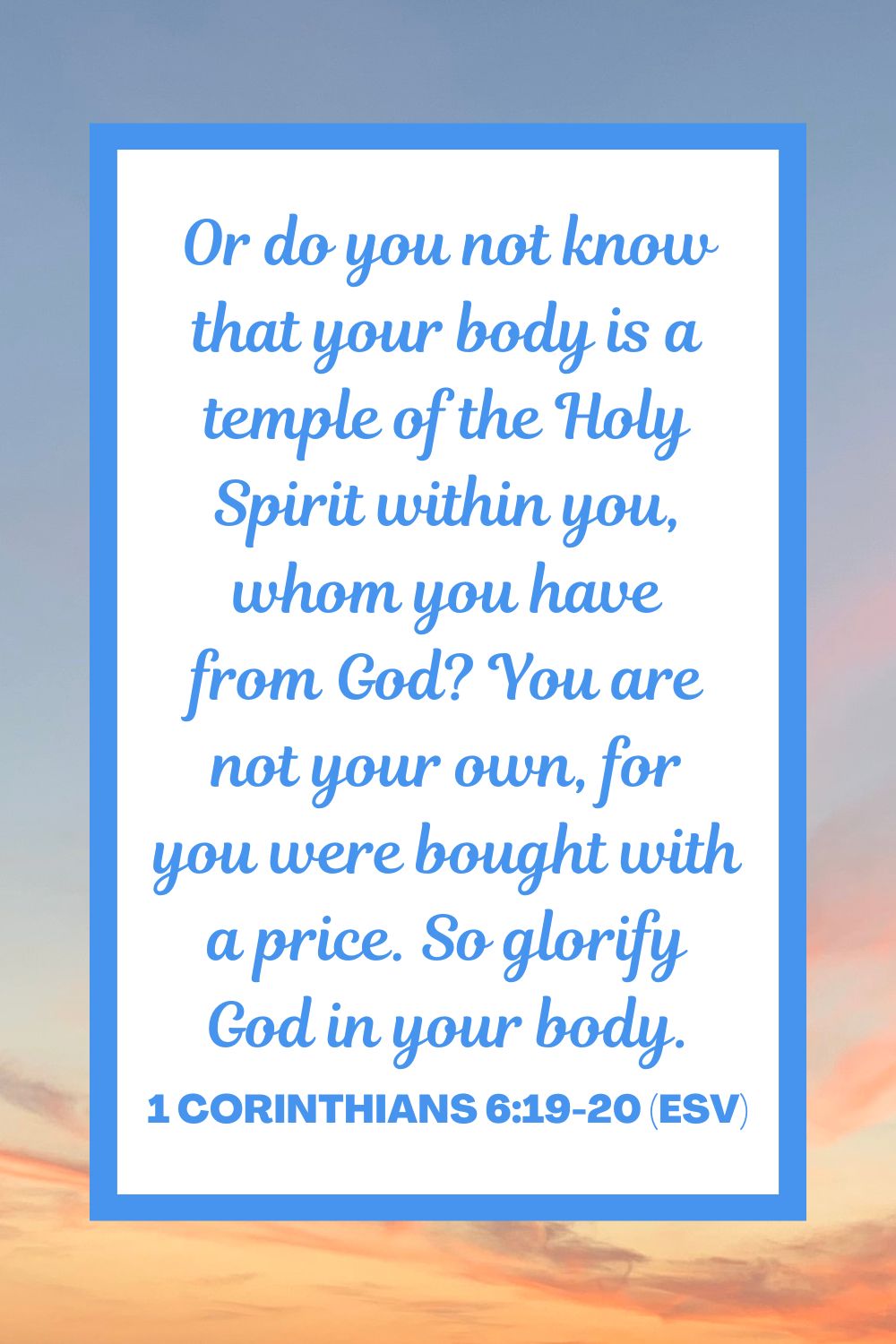
The apostle Paul reminds us in 1 Corinthians 6:19-20 (ESV), “Or do you not know that your body is a temple of the Holy Spirit within you, whom you have from God? You are not your own, for you were bought with a price. So glorify God in your body”. Our bodies matter to God. He made them, redeemed them, and calls us to steward them well. This is not just about avoiding gluttony or heart disease, but more importantly about honoring the Lord in every area of life, including our daily habits and appetites.
A Lighthearted Example with Heavy Lessons
Now, I realize that my cheese dilemma may seem lighthearted, even silly, especially in a culture like ours. Americans are not exactly known for our moderation, whether it comes to food, entertainment, or spending habits. We are a people of abundance, sometimes to our own detriment. Gluttony, though often joked about, is one of those sins we tend to downplay. We might chuckle about our overeating at holiday meals or our addiction to fast food, but God takes it seriously.
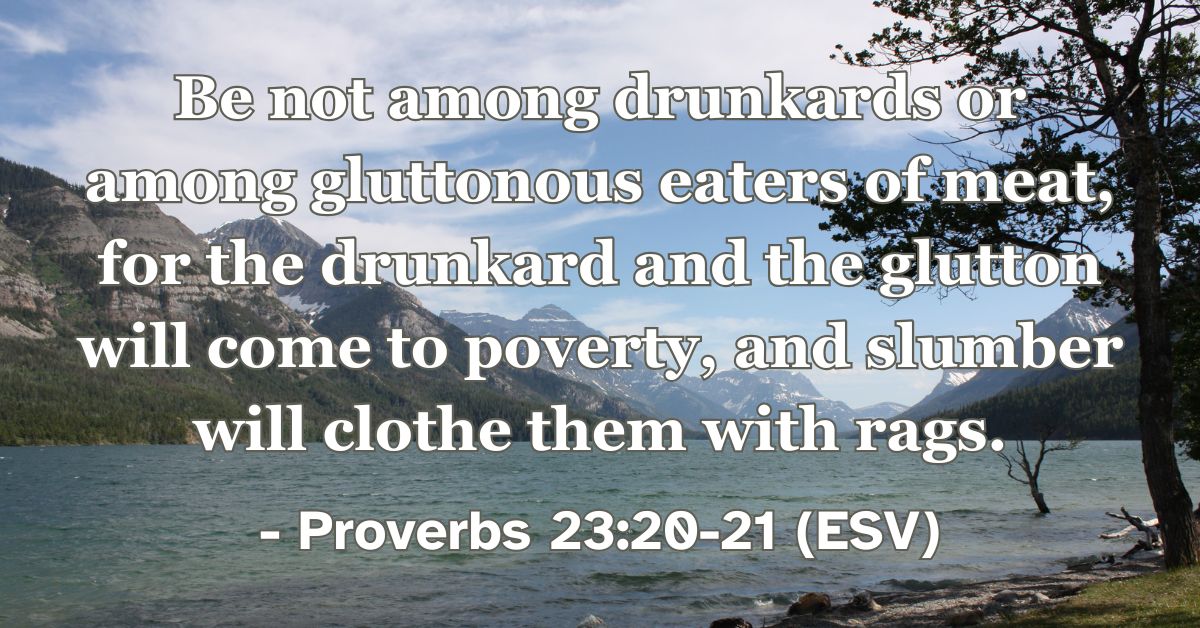
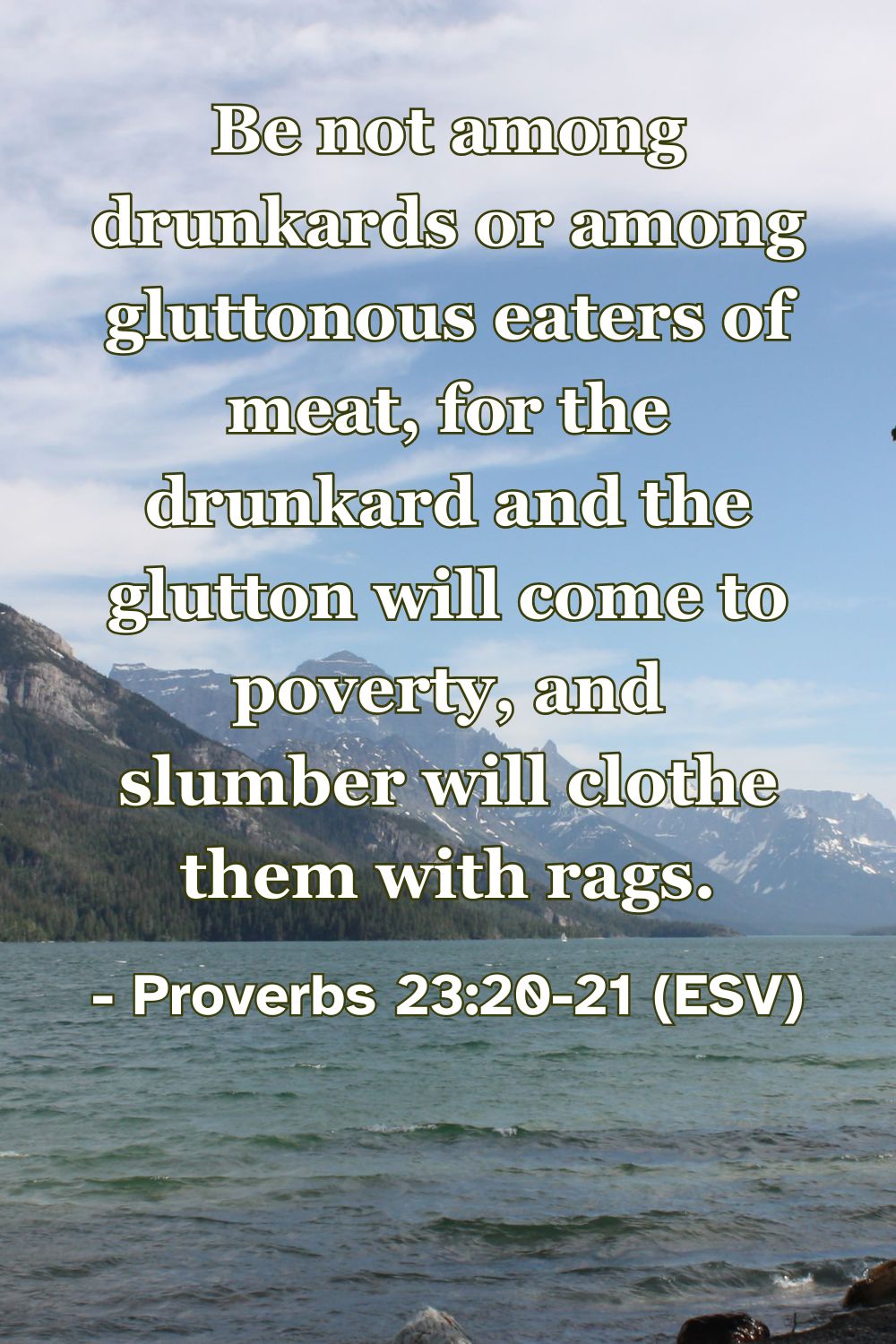
Proverbs 23:20-21 (ESV) warns us, “Be not among drunkards or among gluttonous eaters of meat, for the drunkard and the glutton will come to poverty, and slumber will clothe them with rags.” While my craving for cheese is not going to ruin my finances, it serves as a small example of a much bigger issue: the battle between our desires and God’s will.
When the Questions Are Harder
Of course, most of us face decisions far weightier than whether to sprinkle extra parmesan on our pasta. The deeper issues of life often come disguised as feelings, longings, or persistent questions we wish would go away. What happens when those feelings are not so harmless? What happens when the stakes are higher, and the consequences eternal?
What if I no longer feel in love with my spouse? Should I leave the marriage?
What if I feel a spark of attraction to someone other than my husband or wife? Is it so wrong to flirt a little, just to feel noticed again?
What if I learn I am pregnant with a child who may be born with Down syndrome? Can I choose abortion and still claim to be following Christ?
What if I experience same-sex attraction? Is it really wrong to pursue a relationship that feels so natural?
These are not hypothetical questions for many people. They are real, painful struggles that touch hearts and homes within the church as well as outside it. And if you have found yourself asking one of them, you are not alone. Scripture does not condemn people for having difficult questions or powerful emotions. But it does give us clear direction about what to do with them.
Feelings Are Real, But Not Always Reliable
Our culture preaches a steady sermon of “follow your heart.” From movies to music to social media influencers, we are encouraged to chase whatever makes us happy and to measure truth by the yardstick of personal experience. But the Bible offers a different message.
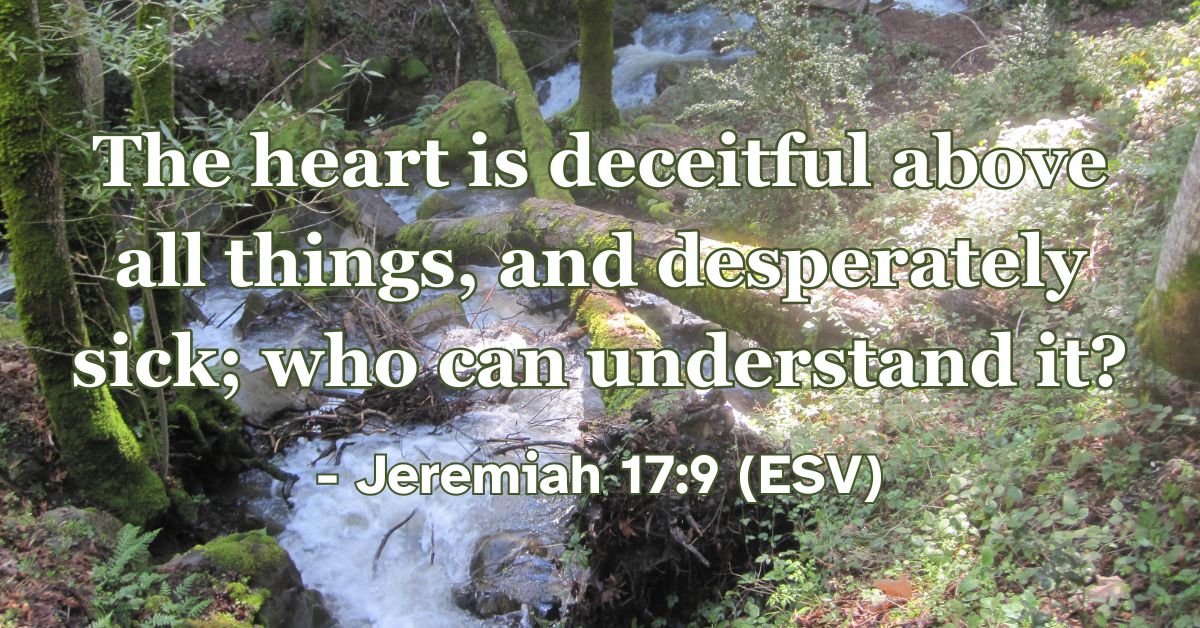
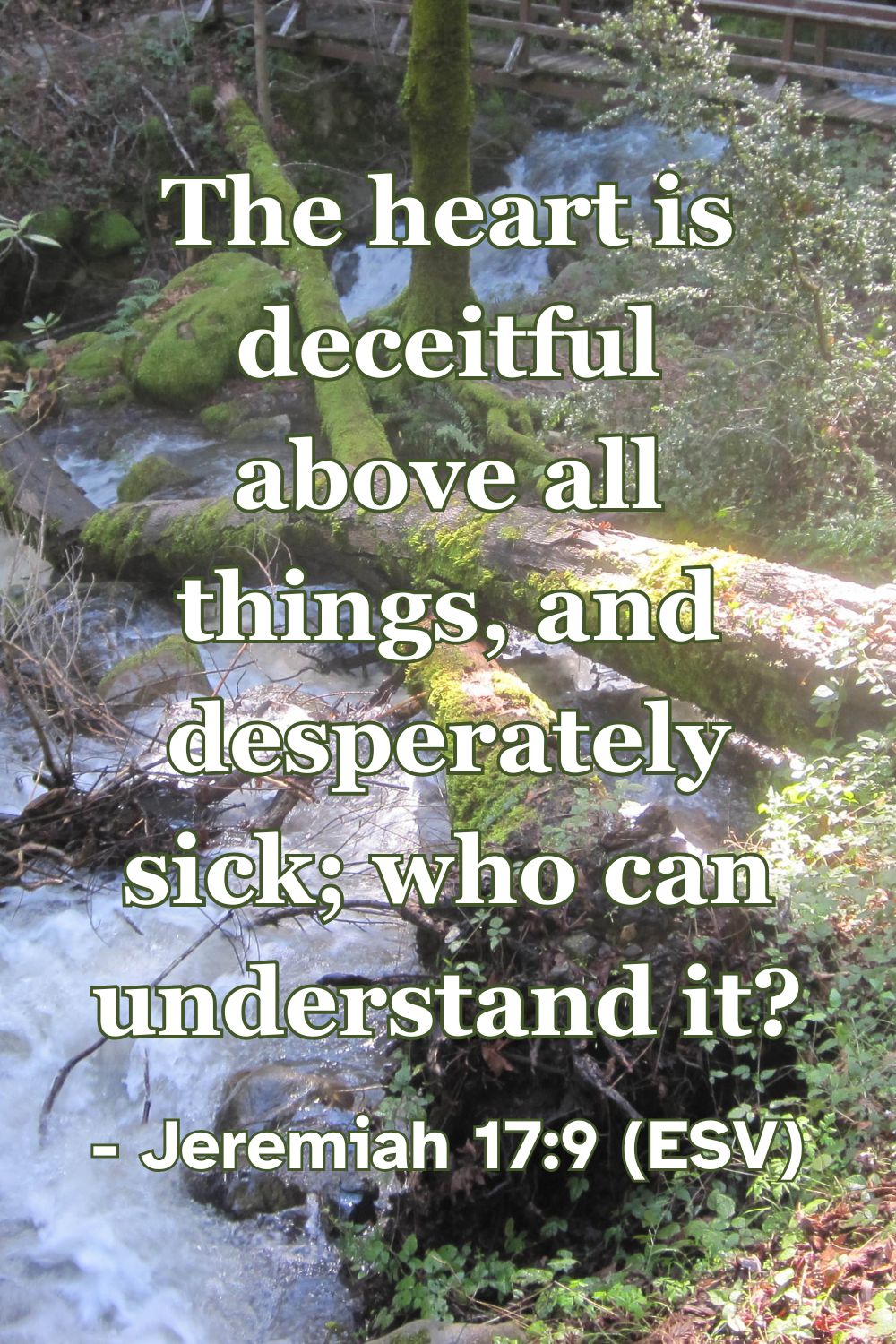
Jeremiah 17:9 (ESV) tells us plainly, “The heart is deceitful above all things, and desperately sick; who can understand it?” That is a sobering thought. If our hearts are often dishonest and disordered by sin, then blindly following our feelings will almost certainly lead us away from God’s best for us.
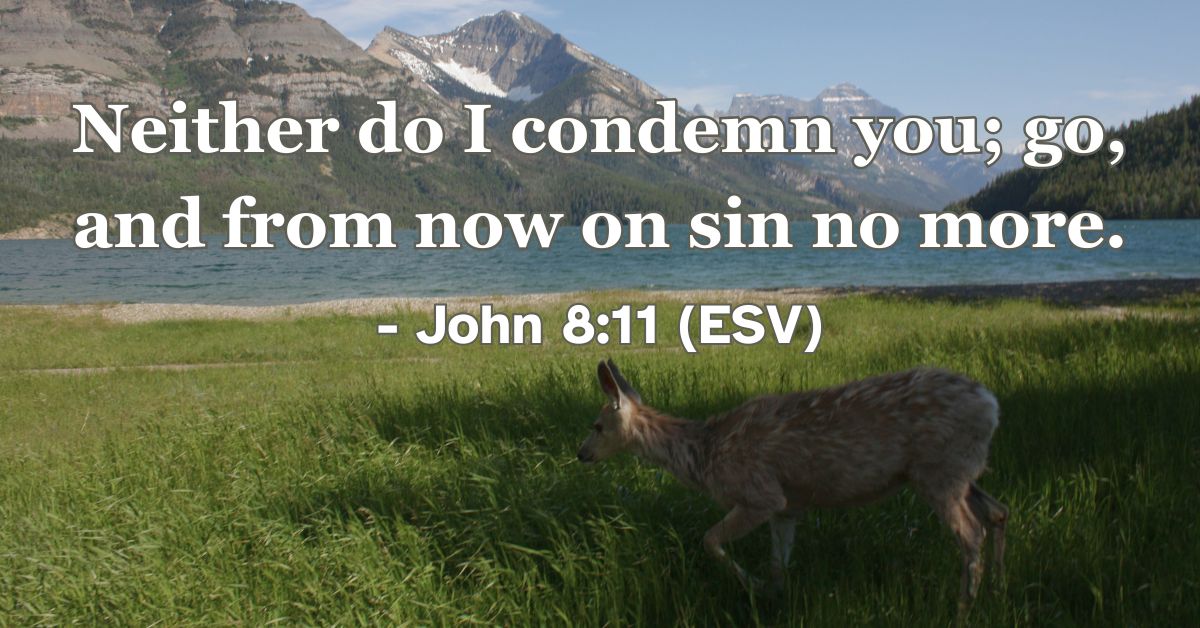
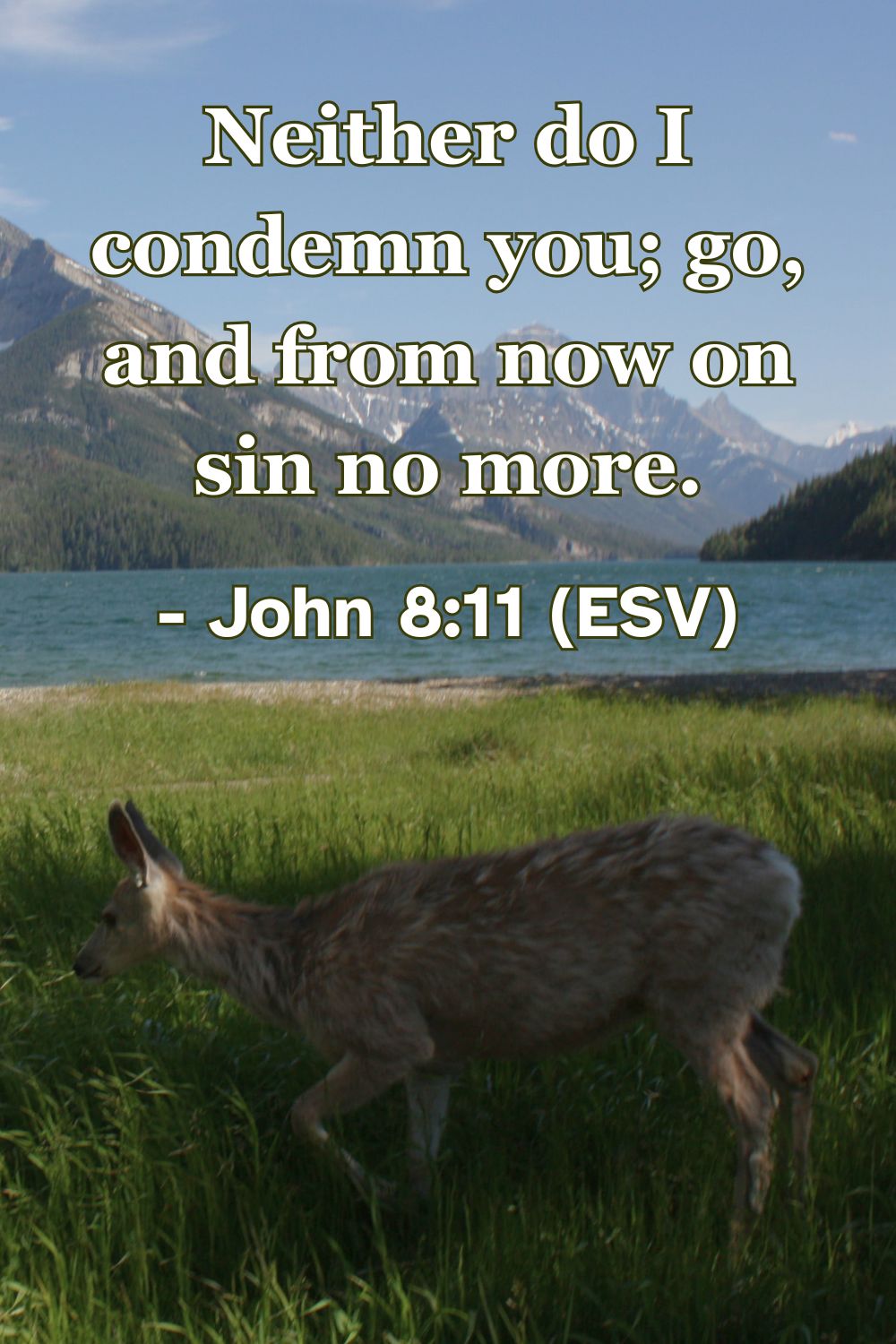
Jesus, in his great mercy, does not leave us to figure it out alone. He meets us where we are but refuses to leave us there. Consider his conversation with the woman caught in adultery in John 8. After rescuing her from public condemnation, he tells her, “Neither do I condemn you; go, and from now on sin no more” (John 8:11, ESV). Notice that Jesus does not dismiss her sin, nor does he shame her. He shows compassion and offers a better way, one marked by repentance and new life.
This is the pattern for all of us. God does not ask us to deny the reality of our feelings, but he does call us to submit them to his truth.
Freedom in Christ, But for What Purpose?
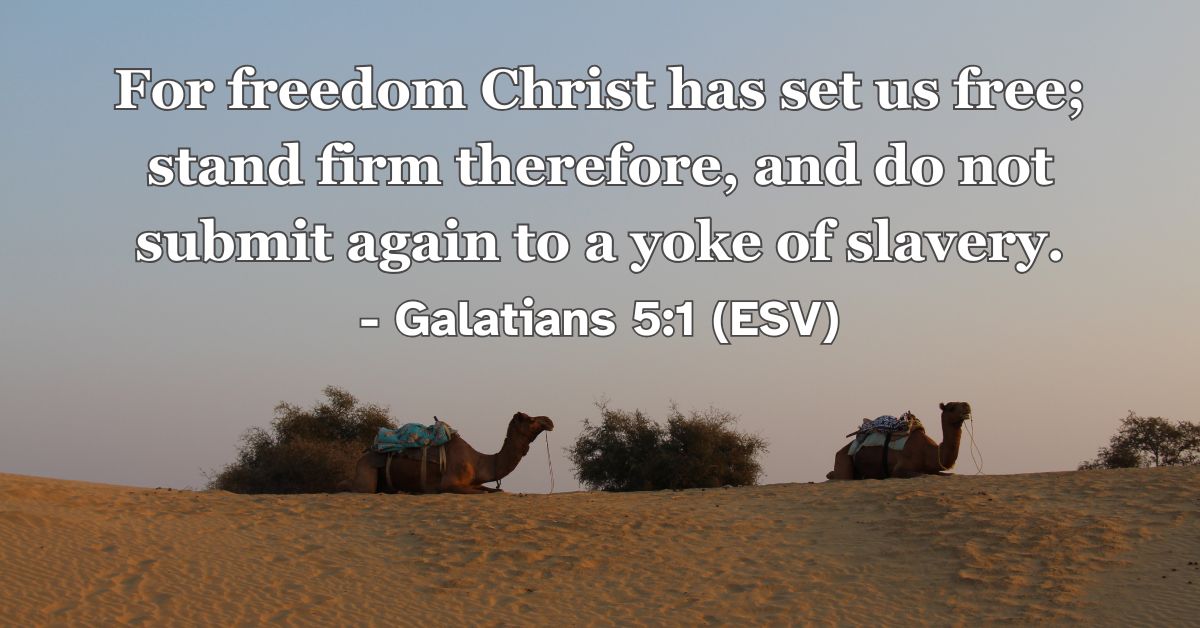
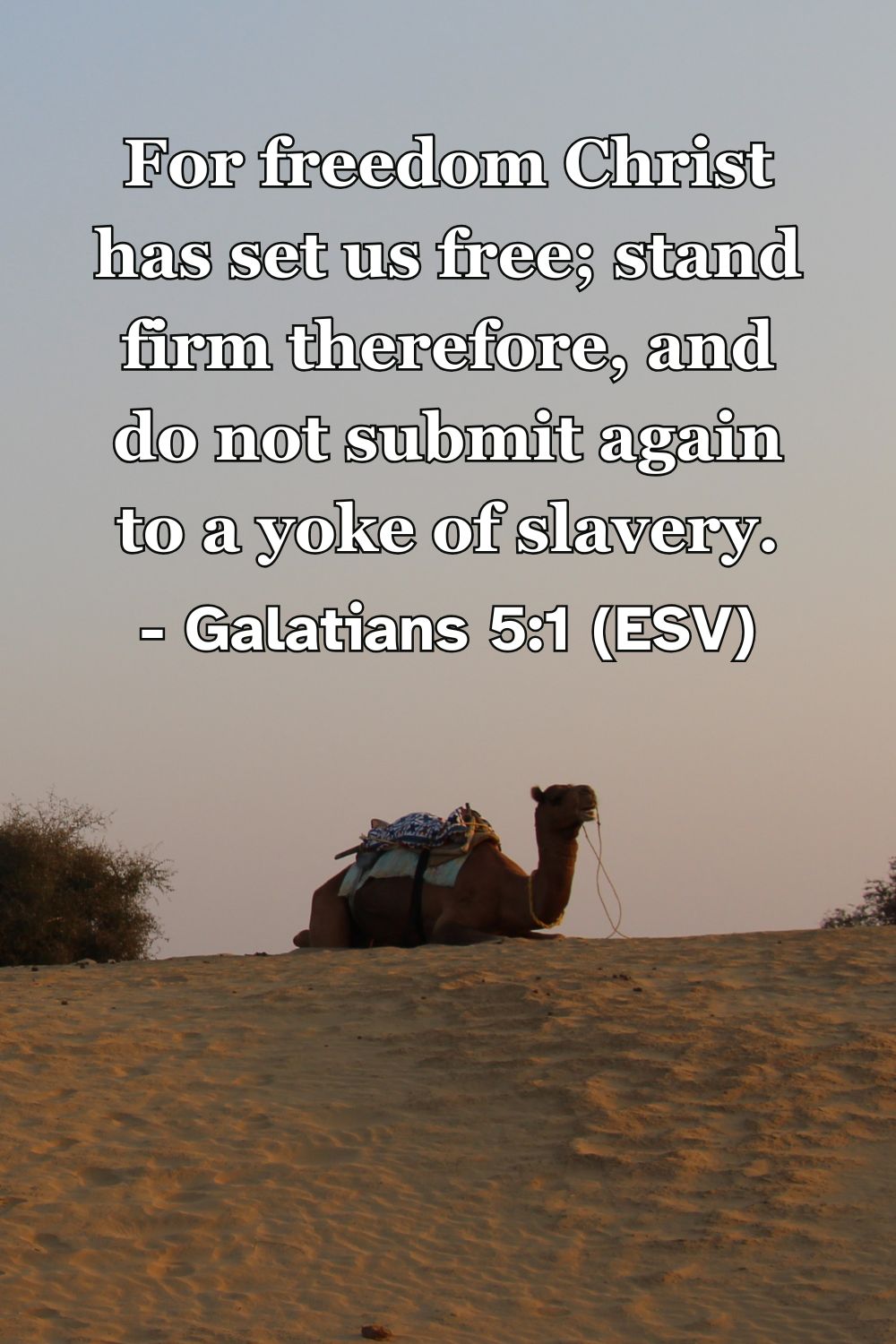
Some might argue that as Christians, we live under grace, not law, and are free to make our own choices. And in one sense, that is true. Paul celebrates this freedom in Galatians 5:1 (ESV), “For freedom Christ has set us free; stand firm therefore, and do not submit again to a yoke of slavery”. But later in that same chapter, he reminds us what that freedom is for.
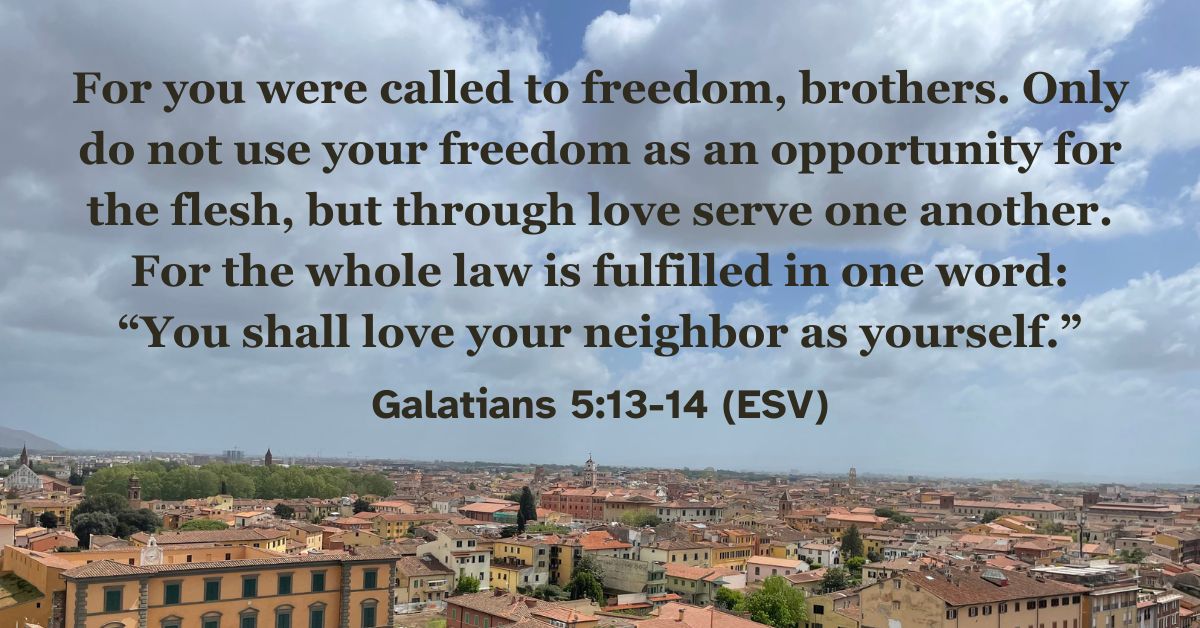
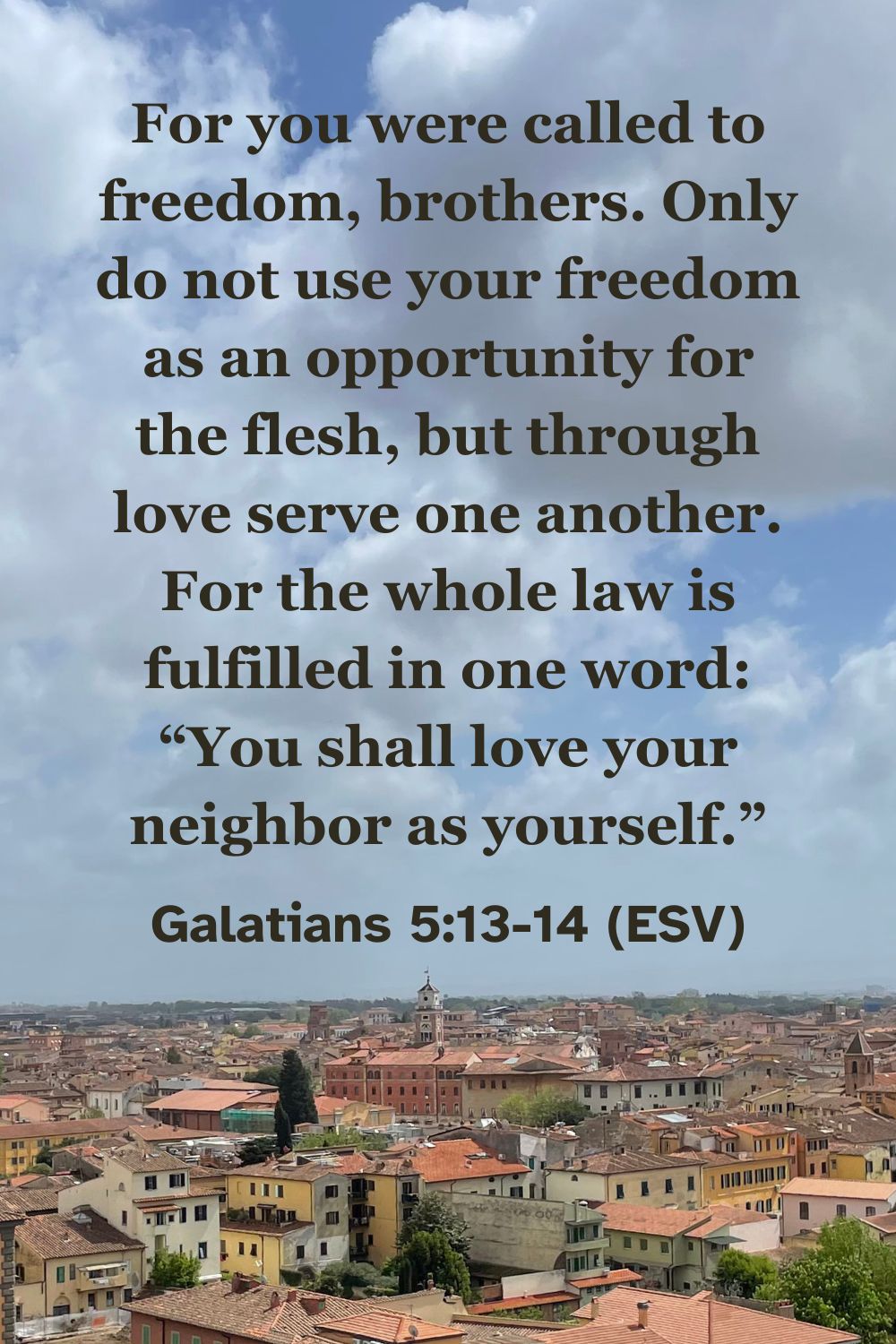
Galatians 5:13 (ESV) cautions, “For you were called to freedom, brothers. Only do not use your freedom as an opportunity for the flesh, but through love serve one another.” Christian freedom is not a license to indulge sinful desires. It is the freedom to live in obedience to Christ, empowered by the Holy Spirit.
In other words, while I have the freedom to eat cheese, wisdom, love for God, and love for my family may call me to exercise self-control. And while a person might have the legal right to divorce, flirt, or pursue relationships outside of God’s design, the Bible consistently calls us to something better, something holier, something more satisfying in the long run.
Love Demands Something of Us
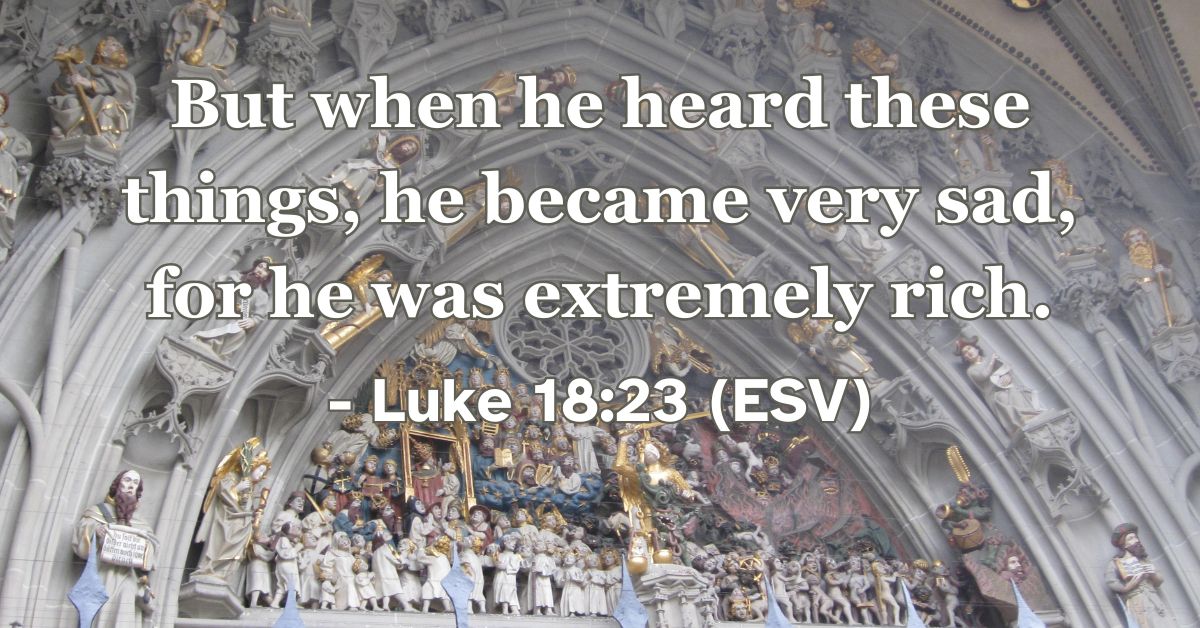
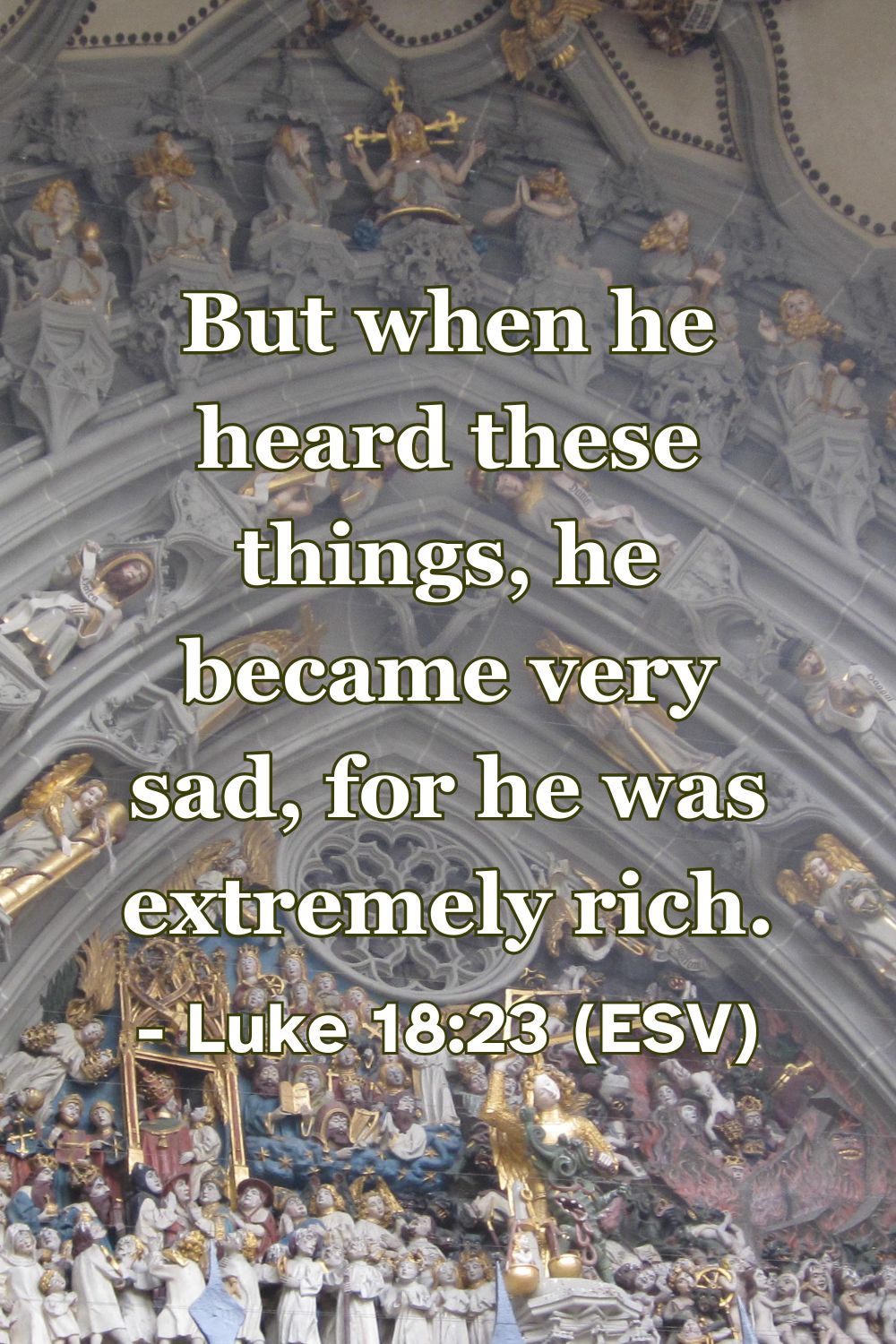
Ultimately, every hard decision comes down to love. Not merely romantic love, or even love for our families, but love for Jesus himself. In Luke 18:18-23, we meet a rich ruler who asks Jesus what he must do to inherit eternal life. When Jesus tells him to sell all he has and follow him, the man walks away sorrowful. Why? Because his love for his wealth outweighed his love for Christ.
That story has always struck me because, if I am honest, I see glimpses of myself in that rich man. Maybe you do too. All of us have something we hesitate to surrender, whether it is a favorite indulgence, a secret sin, a relationship, or a long-cherished dream. The question is not whether we have those things, but whether we are willing to lay them down when Jesus asks.
What Are You Holding Onto?
So I return to my cheese. As trivial as it seems, it represents something larger. It symbolizes all the little moments when I must decide between temporary satisfaction and lasting obedience. It reminds me that spiritual growth often begins in small, ordinary decisions.
But it also challenges me to consider the weightier matters: Am I willing to forgive when it is easier to hold a grudge? To stay faithful in my marriage when culture says love is disposable? To honor God with my body when my feelings scream otherwise? To trust in his goodness when life does not go as planned?
Choosing Jesus Every Day
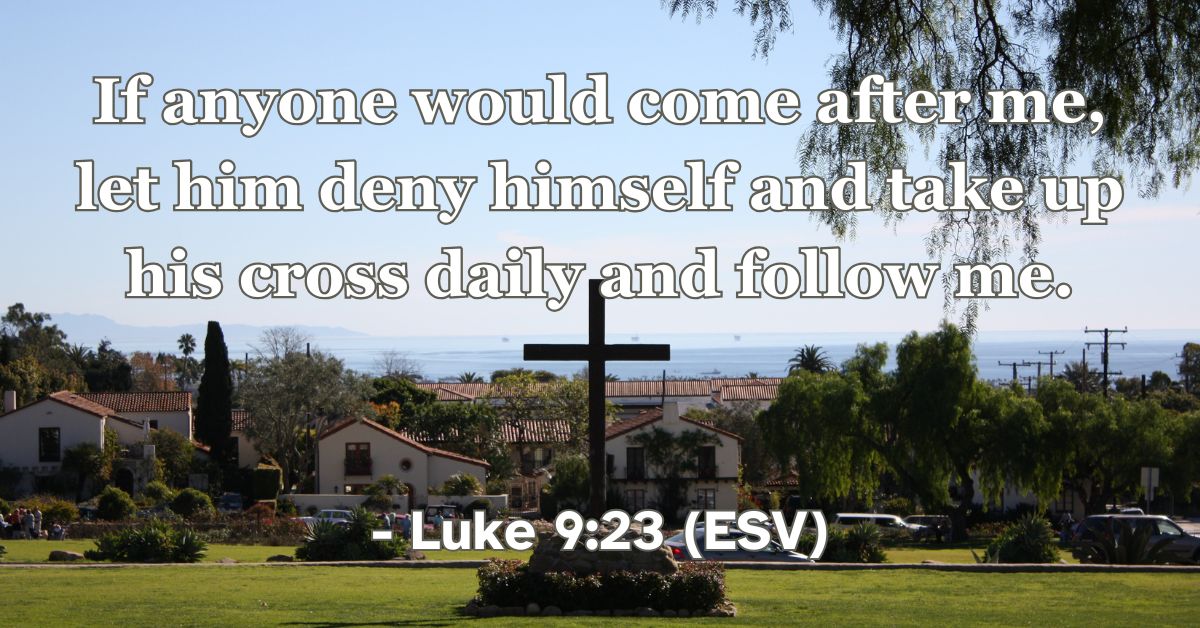
The Christian life is not a one-time decision; it is a daily choosing of Christ over ourselves. As Jesus said in Luke 9:23 (ESV), “If anyone would come after me, let him deny himself and take up his cross daily and follow me.” It is not always easy, and it is rarely popular. But it is good, and it leads to life.
I do not know what hard choices you are facing today. Perhaps it is something as small as whether to reach for the cheese or as life-altering as whether to remain faithful to your vows. Whatever it is, remember this: Jesus sees you. He loves you. And he offers something far better than whatever temporary comfort or thrill the world can give.
So let us be a people who ask, again and again, “How does Jesus want me to respond?” And then, by his grace, let us have the courage to choose him, no matter whether it is in matters of the heart, the kitchen, or the soul.
Reflection Questions
- What small desires or habits in your life might be keeping you from honoring God with your body, mind, or heart?
- When was the last time you felt pulled between your feelings and God’s will? How did you respond, and what might you do differently next time?
- Are there areas of your life where you are holding on to something tightly, like the rich ruler in Luke 18? What might Jesus be asking you to surrender?
- How do you typically determine what is “right” in difficult situations? Is it by feelings, cultural norms, or scripture? How can you better root your decisions in God’s word?
- In what ways can you daily “take up your cross” and follow Jesus, even when it is costly or uncomfortable?
Reflective Prayer
Consider using these verses to pray using the ACTS method: Adoration, Confession, Thankfulness, and Supplication:
- Adoration: Praise God. Do these verses bring any specific characteristics of God to mind?
- Confession: Tell God that you are sorry for specific sins. Do these verses bring any specific sins to mind?
- Thankfulness: Show gratitude towards God. Does anything from these verses inspire gratitude?
- Supplication: Make requests for yourself and for others. Does anything from these verses inspire a prayer?
If helpful, you can use a prayer journal template.


Subscribe
If you enjoyed this post and wish to receive more Christian content, feel free to subscribe to my newsletters!
Related Resources
Visit the Joyful Moments in Christ homepage for all posts, or scroll through other blog posts related to desire, temptation, and wisdom:

Something went wrong. Please refresh the page and/or try again.
English Standard Version (ESV): Unless otherwise noted, scripture quotations are from the ESV® Bible (The Holy Bible, English Standard Version®), © 2001 by Crossway, a publishing ministry of Good News Publishers. Used by permission. All rights reserved. The ESV text may not be quoted in any publication made available to the public by a Creative Commons license. The ESV may not be translated in whole or in part into any other language.

 Joyful Moments in Christ