
There are countless passages in scripture that offer wisdom for specific moments, verses we turn to in grief, hope, or celebration. But for me, Philippians 4:4-9 holds a special place because it offers practical, grace-filled advice for every season of life. Whether times are good or bad, whether people are easy to love or difficult to tolerate, whether life feels like smooth sailing or a raging storm, these words remain steady and true.
Paul wrote these words to a real church, filled with real people, facing real issues. And the wisdom he offers here is just as needed in our churches, homes, and communities today.
A Personal Appeal for Peace
Before Paul launches into a rich section of advice, he opens with a deeply personal appeal. He calls out two women by name, Euodia and Syntyche, who had been fellow workers in the gospel but had fallen into conflict. He urges them to reconcile, and he invites the church to help them.
Therefore, my brothers, whom I love and long for, my joy and crown, stand firm thus in the Lord, my beloved. I entreat Euodia and I entreat Syntyche to agree in the Lord. Yes, I ask you also, true companion, help these women, who have labored side by side with me in the gospel together with Clement and the rest of my fellow workers, whose names are in the book of life.
Philippians 4:1-3 (ESV)
Conflict in Christian community isn’t new. Paul’s letter reminds us that even in the earliest churches, which were led by apostles and pioneers of the faith, people struggled to get along. Whether it’s over worship styles, budget allocations, leadership decisions, or personal slights, disagreements are inevitable when fallen people gather in community.
But Paul doesn’t shame them. He acknowledges their value and their labor for the gospel. His plea isn’t just for peace but for restoration, because unity matters. The mission of the church is too important for unresolved division.
Rejoicing Always, No Matter the Circumstance
After addressing this personal situation, Paul widens his message with applications for both this situation and other situations:
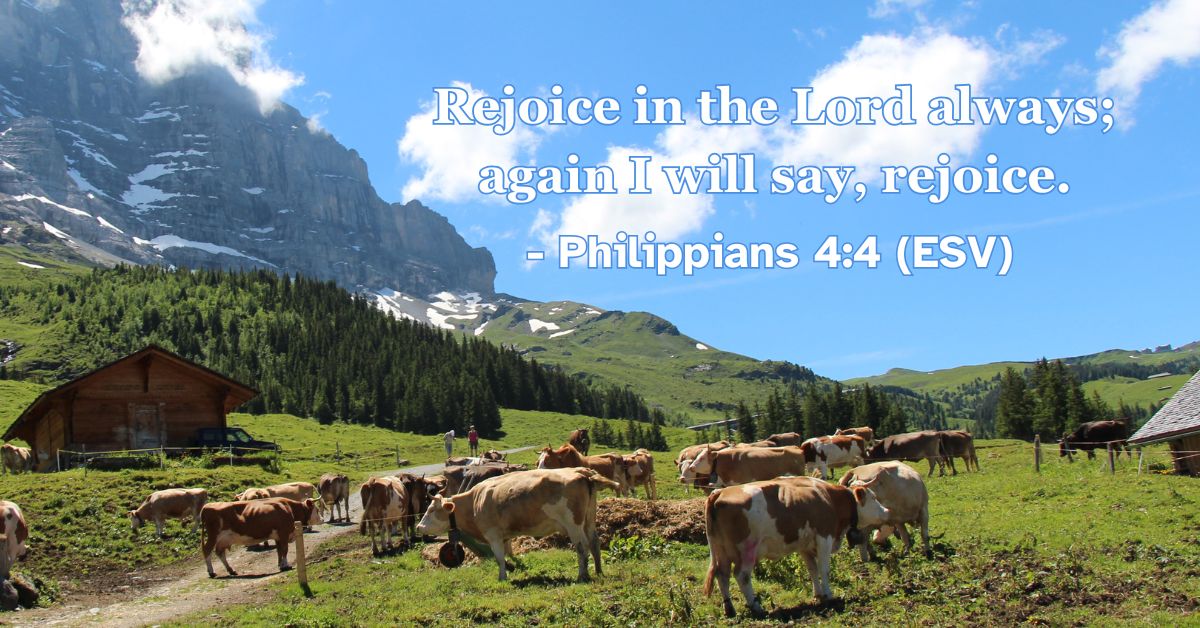
Joy in the Lord isn’t just a suggestion for when things are going well. It’s a command for every circumstance. Rejoicing is an act of faith, a declaration that God is good, sovereign, and present, no matter how our circumstances appear.
When conflicts arise in the church or in our lives, our natural instinct is to focus on the problem. Paul reminds us to lift our eyes and rejoice in the one who holds all things together.
Cultivating Reasonableness in a Divided World
Paul also has something to say about being reasonable:

What a simple yet difficult command. In a world where division is loud and relentless, reasonableness feels rare. To be reasonable means to be fair, patient, gentle, and willing to yield when appropriate. It means knowing when to stand firm and when to let minor matters go.
Paul points out that the Lord is near, both in the sense that Christ’s return is approaching and in his daily, ever-present help. We don’t have to win every argument or control every situation because we have a sovereign, active God who is at work.
Trading Anxiety for Prayer
Conflict, uncertainty, and unmet expectations inevitably stir up anxiety. Paul knew this, so he reminds us:
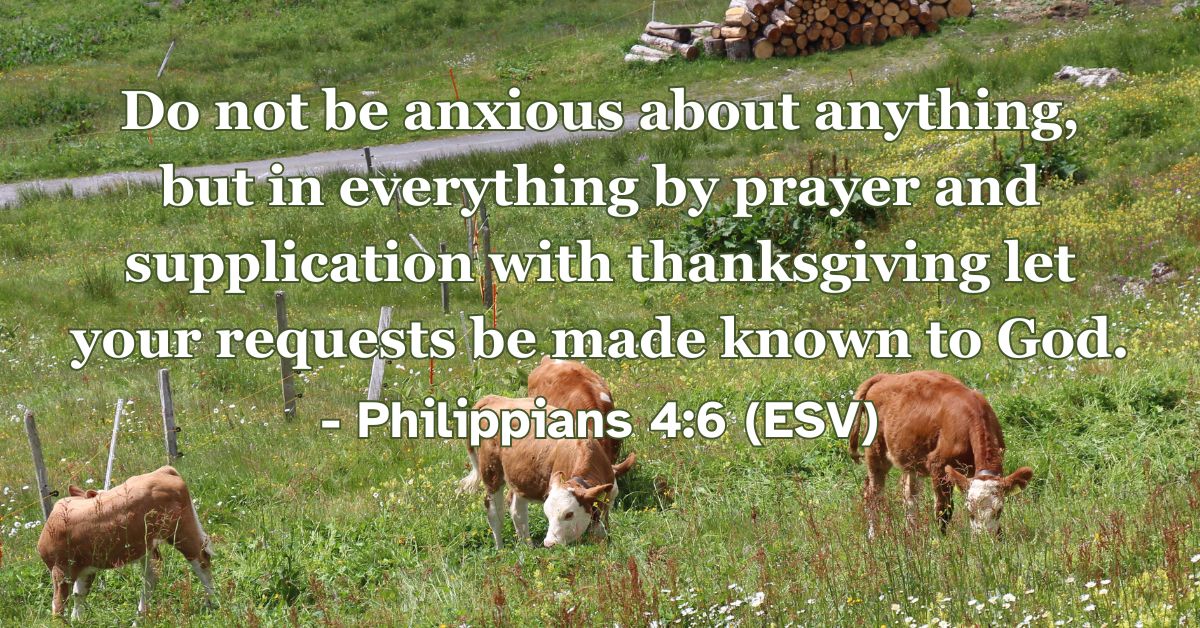
It’s not wrong to have concerns. But it is wrong to let those concerns rule us. The antidote to anxiety is prayer, a persistent, grateful, honest dialogue with God about our needs, our fears, and our desires.
Notice Paul’s inclusion of thanksgiving. Gratitude is a powerful weapon against anxiety. It reorients our hearts, reminding us of God’s past faithfulness and giving us confidence for the future.
The Promise of Peace
When we exchange our anxiety for prayer, something remarkable happens:

This isn’t the peace that comes from resolved problems or ideal circumstances. It’s a supernatural peace, unexplainable and untouchable by the storms around us. It protects our hearts from bitterness, fear, and despair, and it guards our minds against the lies that often accompany conflict and disappointment.
Choosing What to Dwell On
In moments of conflict or stress, our thoughts often spiral. Paul offers a better way:

Notice how active this command is. It’s not passive, but requires intention and discipline. We have to choose what we dwell on. The world encourages us to fixate on grievances, controversies, and fears. Paul invites us to look for what is good and praiseworthy.
It doesn’t mean ignoring problems or pretending everything is fine, but it does mean refusing to let negativity and conflict consume us.
Practicing What We’ve Learned
Paul closes this section by reminding the Philippians, and us, to put these teachings into practice:

It’s one thing to know these truths; it’s another to live them. Paul modeled this kind of peace, joy, and reasonableness even while in prison. His life was a testimony of what it looks like to rejoice always, pray about everything, and dwell on what is lovely.
The promise isn’t just peace in theory, but the presence of the God of peace himself. He walks with us in conflict and disappointment, in anxiety and fear, offering comfort and courage.
Conclusion: Living This Out in Community
What might happen if our churches, families, and friendships truly lived out Philippians 4:4-9? What if we rejoiced more and grumbled less? Prayed more and worried less? Focused on what is good instead of what is aggravating? Showed reasonableness instead of demanding our way?
The world is watching how we handle conflict, especially within the church. Our unity, peace, and joy can be some of our greatest witnesses to a weary, divided world.
And when we fail, because we will, Paul reminds us to press on, to pray, to choose joy, and to keep fixing our eyes on Jesus. The God of peace is with us, offering grace for every misstep and strength for every new day.
Philippians 4:4-9 isn’t just a favorite passage. It’s a roadmap for living well in a complicated, broken world.
Reflection Questions
- Paul tells us to “rejoice in the Lord always.” In what ways can you intentionally practice joy this week, both in good times and when circumstances are difficult?
- What does it mean to “let your reasonableness be known to everyone”? Can you think of a recent situation where responding with reasonableness could have changed the outcome?
- When anxiety creeps in, how do you typically respond? How might intentionally turning to prayer and thanksgiving reshape your experience of those moments?
- Paul promises “the peace of God, which surpasses all understanding.” When have you experienced God’s peace in a way that defied your circumstances? What did you learn from it?
- Which of the qualities listed in this verse (true, honorable, just, pure, lovely, commendable, excellent, praiseworthy) do you struggle most to focus on? How might intentionally fixing your mind on these things affect your relationships and outlook?
- Paul encourages us to put what we’ve learned and witnessed in faithful leaders into practice. Who has modeled Christlike behavior for you, and what is one thing you’ve seen in them that you could begin practicing yourself?
- When conflicts or anxieties arise within your church, home, or community, how might the guidance in Philippians 4:4-9 shape a healthier, more Christ-centered response in you?
Reflective Prayer
Consider using these verses to pray using the ACTS method: Adoration, Confession, Thankfulness, and Supplication:
- Adoration: Praise God. Do these verses bring any specific characteristics of God to mind?
- Confession: Tell God that you are sorry for specific sins. Do these verses bring any specific sins to mind?
- Thankfulness: Show gratitude towards God. Does anything from these verses inspire gratitude?
- Supplication: Make requests for yourself and for others. Does anything from these verses inspire a prayer?
If helpful, you can use a prayer journal template.





Subscribe
If you enjoyed this post and wish to receive more Christian content, feel free to subscribe to my newsletters!
Related Resources
Visit the Joyful Moments in Christ homepage for all posts, or scroll through other blog posts related to joy, peace, and reason:







Something went wrong. Please refresh the page and/or try again.
English Standard Version (ESV): Unless otherwise noted, scripture quotations are from the ESV® Bible (The Holy Bible, English Standard Version®), © 2001 by Crossway, a publishing ministry of Good News Publishers. Used by permission. All rights reserved. The ESV text may not be quoted in any publication made available to the public by a Creative Commons license. The ESV may not be translated in whole or in part into any other language.



 Joyful Moments in Christ