
Prayer is one of the great privileges of the Christian life. It is more than a religious duty or a daily habit; it is a living conversation with the God who made us, saved us, and sustains us. Through prayer, we bring our worries, hopes, failures, and thanksgivings before the Lord, knowing he listens with compassion and responds in perfect wisdom. In seasons of joy and times of sorrow, when words flow easily or when we struggle to pray at all, God remains near.
This month, we will set aside time each day to seek him through his word and prayer. The month is arranged around several key themes that reflect the breadth of the Christian life. In the first week, we focus on personal renewal and faithfulness, asking God to strengthen our spirits and steady our hearts through trials, joys, and uncertainties. The second week turns our attention to gratitude and contentment, learning to see God’s blessings in both the ordinary and extraordinary moments of life.
In the third week, we lift our eyes outward, praying for mercy, justice, and compassion in a world marked by suffering and need. The fourth week invites us to deepen our spiritual disciplines and practice daily obedience, remembering that God shapes our hearts not only in grand moments but also in quiet, faithful routines. Finally, we close the month with prayers for calling, purpose, and boldness, seeking clarity and courage as we follow Christ in the paths he sets before us.
Each day offers a Bible verse, a brief reflection to help us understand its meaning, and a simple prayer to guide our hearts. Some days will encourage us to rest; others may prompt us to act. Together, these prayers invite us to draw near to God, trust him more fully, and remember that he is always at work: within us, around us, and through us. May this month be a time of spiritual renewal and faithful hope as we lift our hearts to the Lord, day by day.
Days 1–7: Personal Renewal & Faithfulness
The start of a new month offers a quiet invitation: to pause, to reflect, and to ask the Lord to renew our hearts. In the press of daily life, it is easy to drift or grow weary. Yet, Scripture tells us that God delights to revive what is tired, restore what is broken, and refresh those who seek him. These first seven days focus on personal renewal and faithfulness. We begin with prayers for a clean heart, steadfast faith, and joy that does not depend on our circumstances. We ask God to help us trust his timing, find peace in the present, and rest in his care even when the path is hard. Sanctification is often slow and hidden, but it is always sacred. As we pray through these verses, let us remember that our faithful God is never far off. He is near, and he is at work, even now.
Day 1: Spiritual Renewal
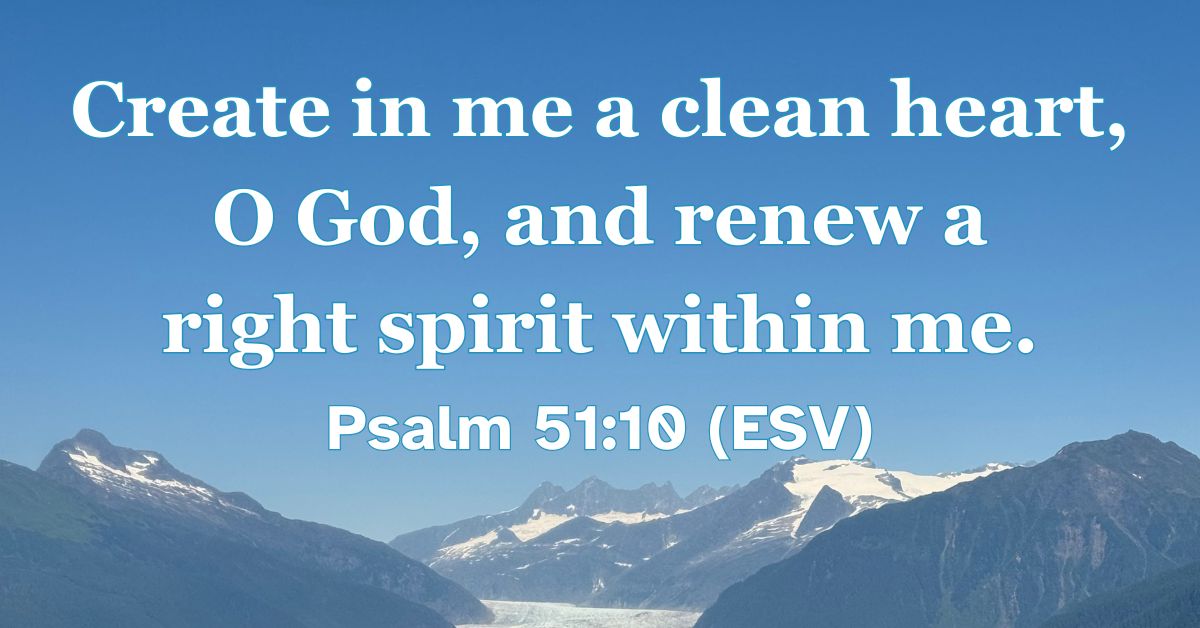
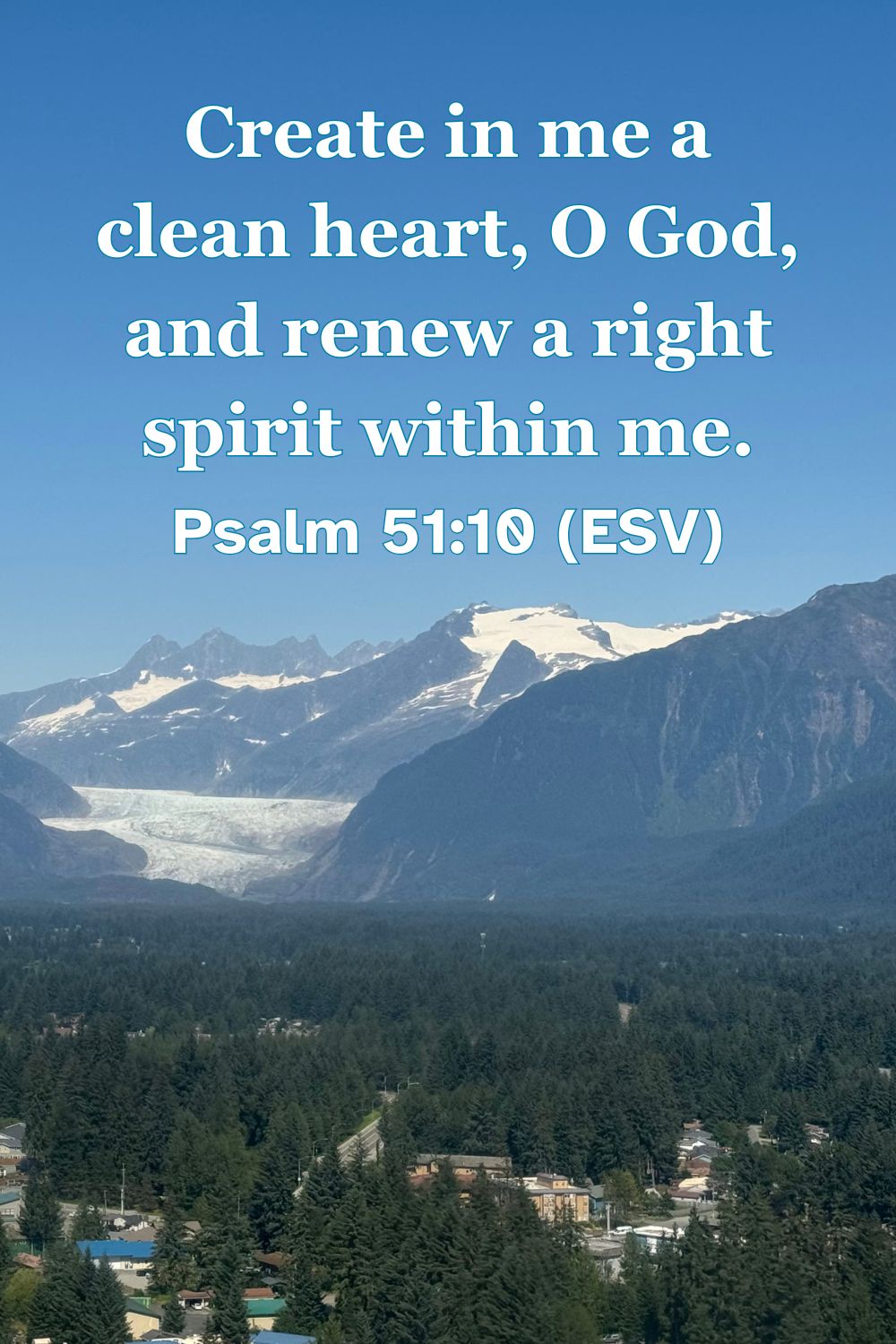
- Bible Verse: “Create in me a clean heart, O God, and renew a right spirit within me.” – Psalm 51:10 (ESV)
- Context: Psalm 51 is one of the most well-known prayers of repentance in the Bible. David wrote these words after being confronted by the prophet Nathan about his grievous sins against Bathsheba and her husband, Uriah. Rather than offering excuses or shallow regret, David comes before God with deep humility, asking not just for forgiveness, but for inward renewal. He knows his heart is the source of his sin, and he longs for God to cleanse and restore him. This verse reminds us that true spiritual renewal does not come from external changes but from a heart made clean by God’s mercy. David asks for a “right spirit,” a spirit that desires what is good, pure, and pleasing to God. As we seek spiritual renewal, we too must begin by asking God to transform us from within.
- Prayer: Lord, cleanse my heart and renew my spirit. Draw me close to you and restore the joy of your presence. Amen.
Day 2: Perseverance in Trials
- Bible Verse: “Blessed is the man who remains steadfast under trial, for when he has stood the test he will receive the crown of life, which God has promised to those who love him.” – James 1:12 (ESV)
- Context: James addresses believers who were scattered and facing suffering for their faith. Trials, whether physical, emotional, or spiritual, often tempt us to doubt God’s goodness or retreat in fear. Yet James calls Christians to perseverance, not mere stubbornness, but steadfast faith grounded in the hope of God’s promises. He reminds us that trials, while painful, are temporary and serve a refining purpose. The “crown of life” is a picture of eternal life, promised to those who remain faithful, clinging to God’s love even in hardship. This verse echoes Jesus’ teaching that those who endure will be saved (Matthew 24:13). It is not our strength that sustains us but the grace of God working within us. Endurance shaped by faith produces maturity and deepens our dependence on the one who holds us fast.
- Prayer: Father, help me remain steadfast when trials come. Strengthen my love for you and give me hope in your promises. Amen.
Day 3: Joy in Everyday Life
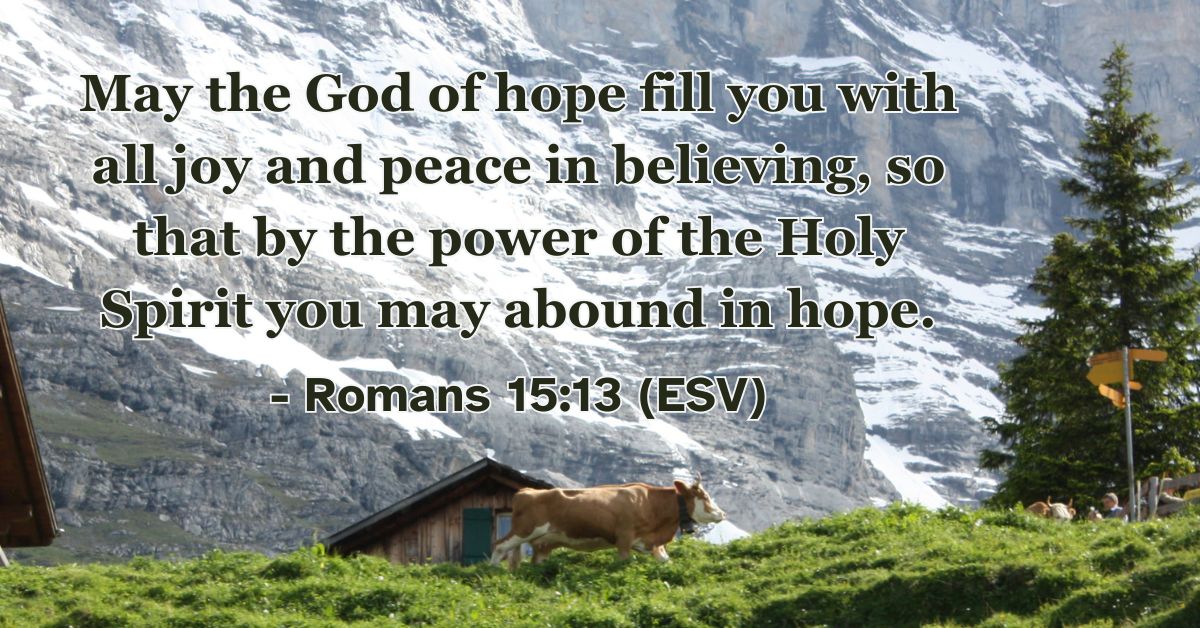
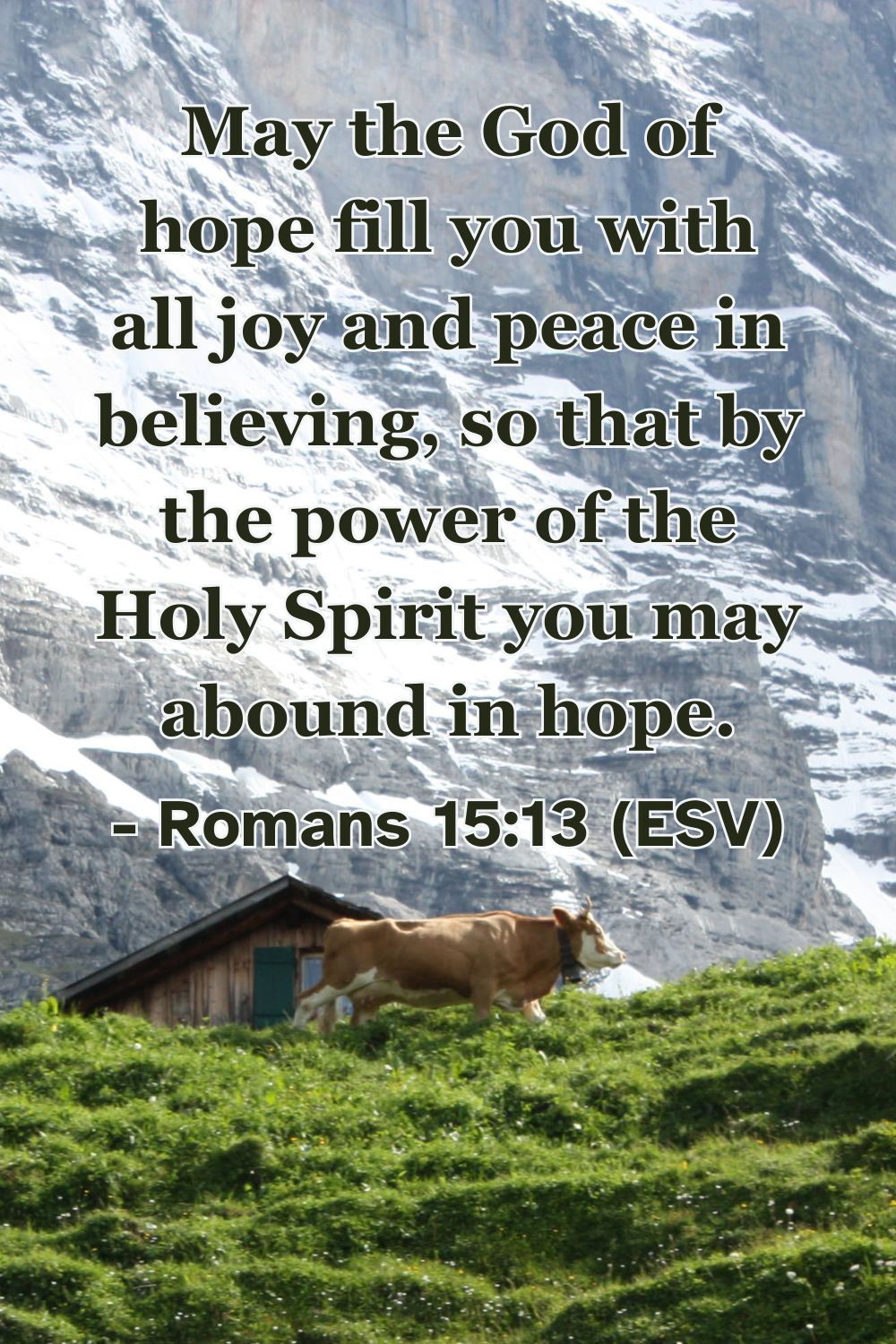
- Bible Verse: “May the God of hope fill you with all joy and peace in believing, so that by the power of the Holy Spirit you may abound in hope.” – Romans 15:13 (ESV)
- Context: Paul writes these words to the church in Rome as both an encouragement and a blessing. He desires that believers would experience joy and peace, not as fleeting emotions but as steady gifts rooted in faith. In the chapters leading up to this verse, Paul discusses the unity of Jews and Gentiles in Christ and the hope found in God’s promises. He reminds them that God is the source of lasting hope, and through believing in him, we are filled with a joy and peace that surpass circumstances. The Holy Spirit is the one who enables us to experience these gifts fully, even when life feels ordinary or difficult. Joy is not dependent on what is happening around us but flows from the unchanging goodness of God. As we trust him, our hearts are lifted, and we find hope that does not disappoint.
- Prayer: Lord, fill my heart with joy and peace as I trust in you today. Let your Spirit make me abound in hope. Amen.
Day 4: Hope in Weariness
- Bible Verse: “But they who wait for the Lord shall renew their strength; they shall mount up with wings like eagles; they shall run and not be weary; they shall walk and not faint.” – Isaiah 40:31 (ESV)
- Context: These words come at the end of Isaiah 40, a chapter meant to comfort God’s people in exile. The Israelites had grown weary, not just physically but spiritually, wondering if God had forgotten them. Isaiah reminds them, and us too, that God never grows faint or weary. His understanding is limitless, and he gives strength to those who trust in him. “Waiting for the Lord” is not passive but an active dependence that places one’s hope in God’s character and promises. This verse assures us that when we look to God in our weariness, he meets us with supernatural strength. Whether we are facing prolonged trials or simply worn down by daily burdens, God invites us to rest in him and be renewed. Like an eagle lifted by the wind, he carries those who wait on him.
- Prayer: Lord, when I am weary, lift me up. Help me wait on you with trust, and renew my strength today. Amen.
Day 5: Healing from Past Wounds
- Bible Verse: “For I will restore health to you, and your wounds I will heal, declares the Lord, because they have called you an outcast: ‘It is Zion, for whom no one cares!’” – Jeremiah 30:17 (ESV)
- Context: In Jeremiah 30, God promises to restore his people after a time of judgment and suffering. They had experienced great loss and shame, and some felt abandoned and forgotten. But God speaks tenderly to them, affirming that he sees their pain and will bring healing. His promise to restore is not only physical but spiritual and emotional. The Lord responds with compassion to those who have been cast aside or broken by life’s wounds. This verse reminds us that God does not minimize our suffering, but he meets us in it with healing grace. The wounds we carry, whether from sin, from others, or from sorrow, are not hidden from him. He is a restorer, not only of circumstances but of the heart. His healing work may take time, but it is sure and deeply personal.
- Prayer: Father, heal the wounds I carry and restore what has been broken. Thank you that you care for what others may overlook. Amen.
Day 6: Peace in the Present
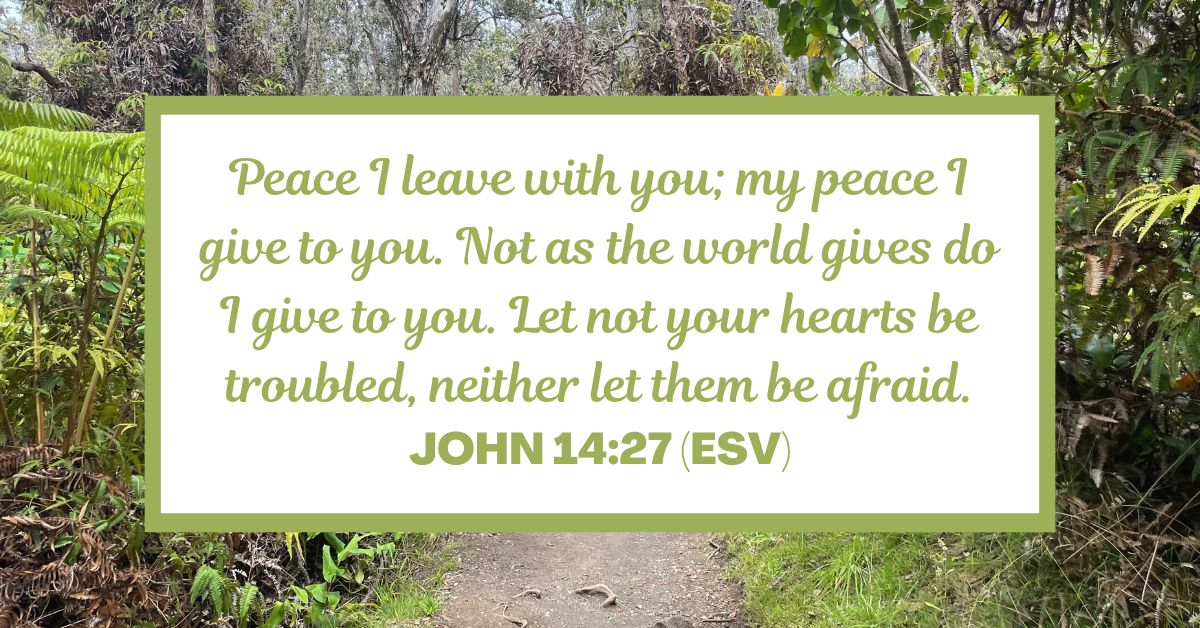
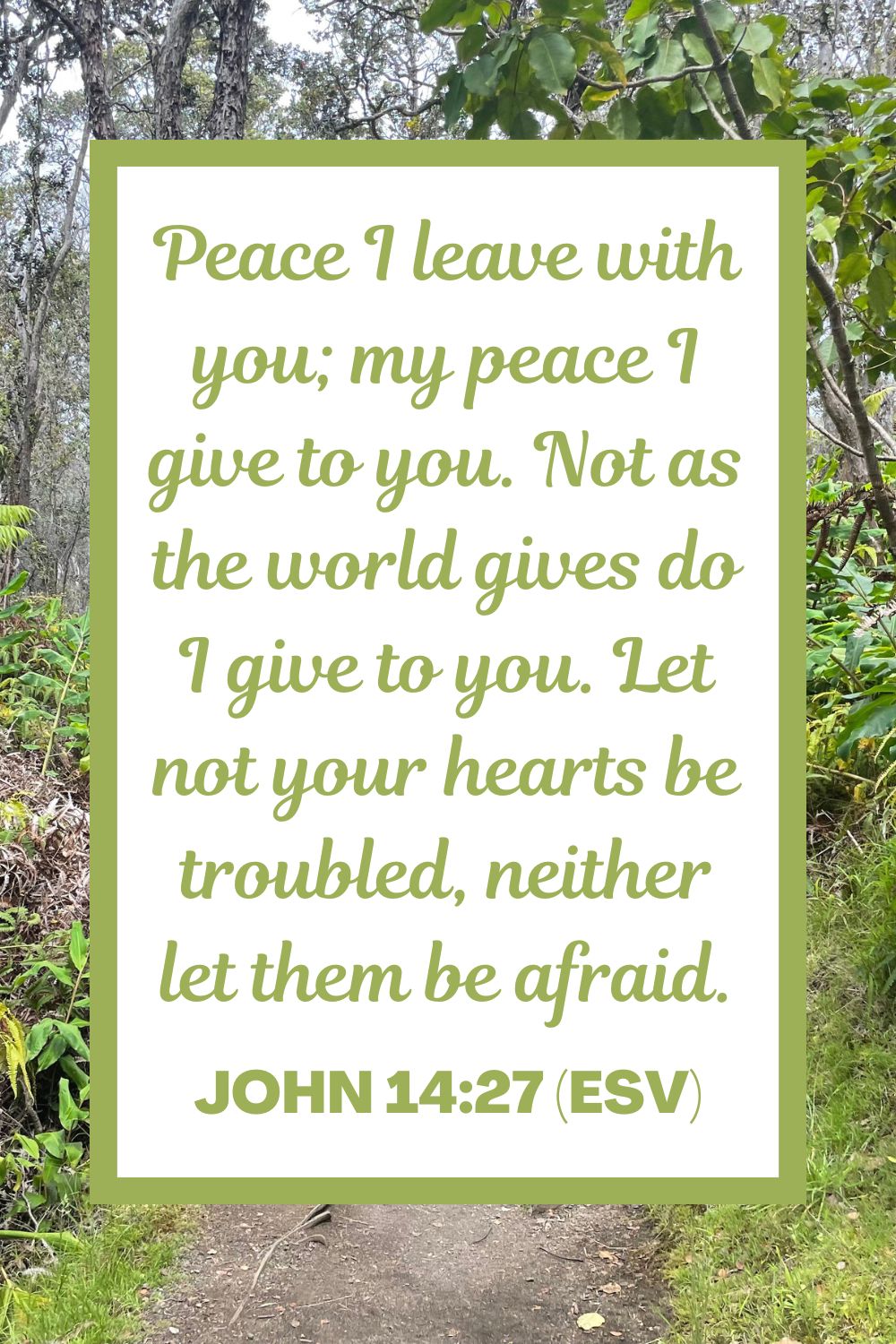
- Bible Verse: “Peace I leave with you; my peace I give to you. Not as the world gives do I give to you. Let not your hearts be troubled, neither let them be afraid.” – John 14:27 (ESV)
- Context: These words are part of Jesus’ farewell to his disciples before the cross. He knows they are troubled by what lies ahead, and he offers them a peace that surpasses understanding. The peace Jesus gives is not the fleeting calm that the world offers, dependent on comfort or control. It is a deep and abiding peace rooted in his presence and promises. Jesus tells them, and us too, not to let our hearts be ruled by fear. Even when life feels uncertain or chaotic, he gives us a peace that is anchored in his unchanging love. This peace is a gift of the Holy Spirit and grows as we learn to trust God’s purposes. When we fix our hearts on Christ, we discover that peace is not the absence of trouble but the presence of God in the midst of it.
- Prayer: Lord Jesus, fill my heart with your peace today. Help me not to be afraid but to rest in your presence. Amen.
Day 7: Trust in God’s Timing
- Bible Verse: “He has made everything beautiful in its time. Also, he has put eternity into man’s heart, yet so that he cannot find out what God has done from the beginning to the end.” – Ecclesiastes 3:11 (ESV)
- Context: Ecclesiastes reminds us that life is full of seasons, some joyful, some painful, but all under the sovereign hand of God. This verse acknowledges a tension: we long for meaning and permanence, yet we are limited in our understanding of God’s timing. “Eternity in man’s heart” means we sense that we were made for more, but we cannot grasp the full scope of God’s eternal plan. In this mystery, the writer urges us to trust that God is making everything beautiful, not necessarily easy or quick, but purposeful and right in his time. Waiting on God can be hard, especially when we face delays or disappointments. But this verse invites us to rest in the assurance that God is never late and that his work in our lives will be made beautiful according to his wisdom.
- Prayer: Father, help me trust your timing, even when I do not understand. Teach me to rest in your eternal goodness and plans. Amen.
Days 8–14: Gratitude & Contentment
Gratitude is more than polite manners or occasional thankfulness; it is a posture of the heart, grounded in the goodness of God. The Scriptures call believers to give thanks in all circumstances, recognizing that every good gift comes from above. Contentment, too, is a mark of spiritual maturity. It frees us from envy, comparison, and anxiety by rooting our peace in God’s provision rather than our possessions or circumstances. This week of prayer focuses on developing hearts of gratitude and learning to find joy in both the grand and ordinary blessings of daily life. Whether through creation, relationships, or simple acts of provision, God faithfully cares for his people. As we pray, may we learn to see his hand more clearly and to cultivate contentment that honors him.
Day 8: Thankfulness in Prayer
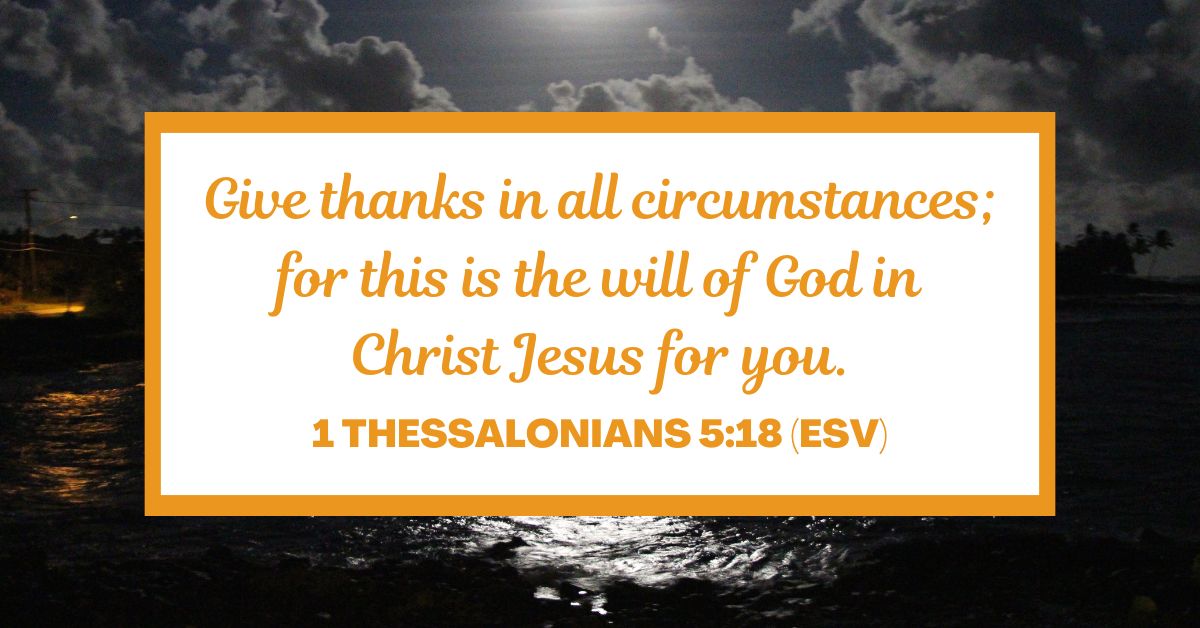
- Bible Verse: “Give thanks in all circumstances; for this is the will of God in Christ Jesus for you.” – 1 Thessalonians 5:18 (ESV)
- Context: Paul’s first letter to the Thessalonians is one of encouragement and instruction to a young church facing trials. Near the end of the letter, he offers a series of short, heartfelt commands for the Christian life: to rejoice always, pray continually, and give thanks in all circumstances. This is not a call to ignore suffering or pretend all is well, but to anchor one’s gratitude in the unchanging goodness of God. Giving thanks “in all circumstances” acknowledges that while our situations fluctuate, God’s character remains steadfast. Gratitude shapes our perspective, reminding us of God’s sovereignty and his faithful provision even in hardship. It is an act of trust, a way of declaring that God is still worthy of praise no matter the situation.
- Prayer: Lord, teach me to be thankful in every circumstance. Help me remember your goodness even when days are difficult. Amen.
Day 9: Recognizing Daily Blessings
- Bible Verse: “Bless the Lord, O my soul, and forget not all his benefits.” – Psalm 103:2 (ESV)
- Context: Psalm 103 is a beautiful psalm of praise written by David, overflowing with gratitude for God’s mercies. In verse 2, David urges his soul to remember God’s countless blessings rather than take them for granted. The psalm lists many of those blessings: forgiveness, healing, steadfast love, and compassion. In the busyness of life, it is easy to overlook daily mercies, yet the Bible calls us to deliberately recall them. Recognizing God’s benefits is not merely about counting material gifts but also rejoicing in his ongoing grace and presence. This kind of remembrance stirs humility and joy, keeping us mindful of our dependence on God and the abundant kindness he shows every day.
- Prayer: Father, open my eyes to your blessings today. Help me remember your kindness and praise you for your goodness. Amen.
Day 10: Freedom from Comparison
- Bible Verse: “But let each one test his own work, and then his reason to boast will be in himself alone and not in his neighbor.” – Galatians 6:4 (ESV)
- Context: In Galatians 6, Paul addresses how believers should live in Christian community. He encourages personal responsibility and warns against unhealthy comparison. This verse calls believers to examine their own actions before God rather than measuring their worth by the achievements or failures of others. Comparison breeds either pride or discontentment, both of which damage our relationship with God and others. Instead, Paul exhorts us to faithfully carry out our own calling, trusting that God sees and values our labors. When we focus on our own faithfulness rather than others’ outcomes, we find freedom and peace. Contentment grows when we remember that God’s plan for each person is unique and good.
- Prayer: Lord, free me from the trap of comparison. Help me find contentment in your calling on my life. Amen.
Day 11: Joy in Simple Things
- Bible Verse: “But godliness with contentment is great gain.” – 1 Timothy 6:6 (ESV)
- Context: In his letter to Timothy, Paul warns against the dangers of greed and the love of money, reminding believers that true wealth is not found in possessions but in godliness and contentment. This simple but profound verse contrasts worldly gain with spiritual gain. While the world chases after more, the Christian finds joy in a life marked by reverence for God and satisfaction with what has been given. Contentment is not passivity but a heart posture that trusts in God’s provision and timing. It is a quiet joy found in ordinary moments: a meal with family, a walk under a starlit sky, a word of encouragement from a friend. These simple graces are treasures when received with gratitude.
- Prayer: Father, help me to find joy in simple things and to be content in every season. Guard my heart from restless striving. Amen.
Day 12: Thanking God for People in Your Life
- Bible Verse: “First, I thank my God through Jesus Christ for all of you, because your faith is proclaimed in all the world.” – Romans 1:8 (ESV)
- Context: Paul opens his letter to the Romans with a word of heartfelt gratitude for the believers in Rome. Though he had not yet met them in person, he rejoices in their faith and the witness they are giving to the world. This simple expression reminds us of the importance of thanking God for the people he places in our lives: family, friends, fellow believers, mentors, and even those whose paths briefly cross ours. Relationships are a gift, and the bonds of Christian fellowship are a particular grace. Paul’s example encourages us not only to appreciate others privately but to express our gratitude to God and to those around us, strengthening the unity and encouragement within the body of Christ.
- Prayer: Lord, thank you for the people you have placed in my life. Help me to cherish them and give you praise for their presence. Amen.
Day 13: Gratitude for Creation
- Bible Verse: “The heavens declare the glory of God, and the sky above proclaims his handiwork.” – Psalm 19:1 (ESV)
- Context: Psalm 19 opens with a reflection on how creation itself testifies to the greatness of God. Without words, the skies, stars, and earth proclaim his glory and craftsmanship. Every sunrise and mountain peak is a reminder of the Creator’s power and beauty. David uses this imagery to ignite worship, teaching that nature preaches a sermon about God’s majesty. Though fallen, the created world still bears witness to its maker and invites us to praise him. Pausing to observe creation cultivates a thankful heart and renews our sense of awe. In a world of constant noise and hurry, the quiet testimony of God’s handiwork draws our hearts back to wonder and worship.
- Prayer: Creator God, thank you for the beauty of your creation. Help me to notice and give you praise for the world you have made. Amen.
Day 14: Contentment in God’s Provision
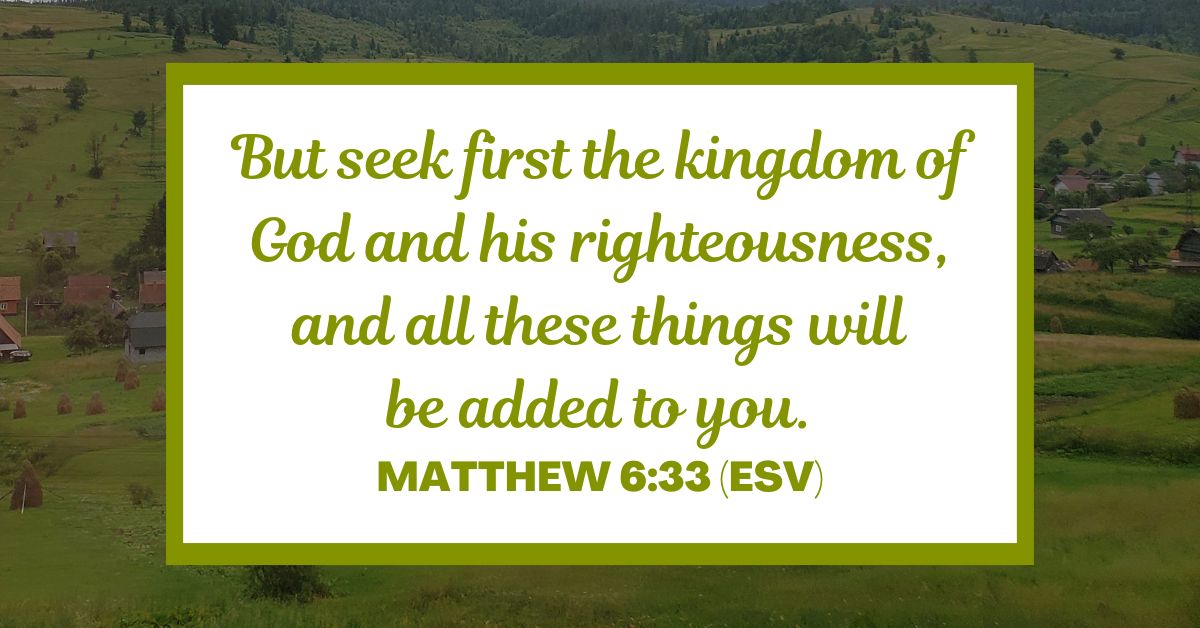
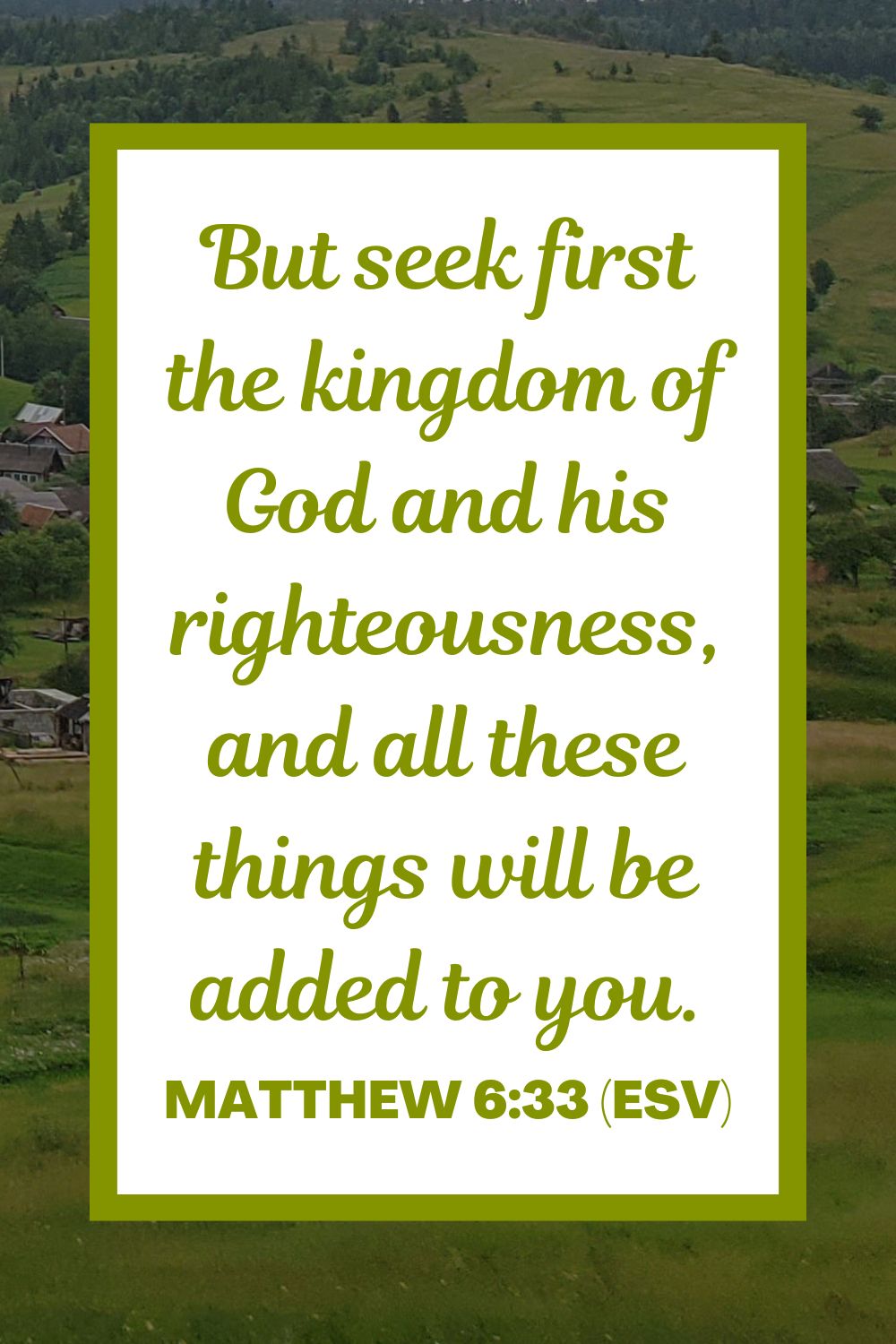
- Bible Verse: “Therefore do not be anxious, saying, ‘What shall we eat?’ or ‘What shall we drink?’ or ‘What shall we wear?’ For the Gentiles seek after all these things, and your heavenly Father knows that you need them all. But seek first the kingdom of God and his righteousness, and all these things will be added to you.” – Matthew 6:31–33 (ESV)
- Context: In the Sermon on the Mount, Jesus addresses one of humanity’s most common struggles: anxiety over daily needs. He reminds his listeners that their heavenly Father knows their needs intimately and cares for them. Jesus contrasts the restless pursuit of material provision with the peace that comes from trusting God’s provision. The key, he says, is to seek first God’s kingdom: to prioritize obedience, righteousness, and trust in his sovereign care. When our hearts are set on eternal things, earthly worries lose their grip. This passage invites us to cultivate contentment by focusing on what matters most, assured that God provides for his children according to his perfect wisdom and love.
- Prayer: Father, help me to trust your provision and seek your kingdom first. Quiet my anxious heart with your faithful care. Amen.
Days 15–21: Mercy, Justice & Compassion
Our faith is not only about personal devotion but also about how we live out God’s heart for mercy and justice in the world around us. Scripture calls us to care deeply for the vulnerable, to stand against oppression, and to embody compassion in our relationships. Mercy and justice flow from the character of God himself, who loves kindness and calls us to walk humbly with him. As we pray through these days, may we grow in empathy, seek to act justly, and extend forgiveness generously, reflecting the grace we have received in Christ. These prayers invite us to open our eyes and hearts to those in need and to commit ourselves to living out the gospel in tangible ways.
Day 15: Praying for the Vulnerable
- Bible Verse: “Open your mouth for the mute, for the rights of all who are destitute. Open your mouth, judge righteously, defend the rights of the poor and needy.” – Proverbs 31:8–9 (ESV)
- Context: These verses from Proverbs come near the end of a mother’s wise instruction to her son, a king. She urges him to use his authority and influence not for personal gain, but to defend the rights of those who cannot defend themselves. In the ancient world, and sadly in our own, the vulnerable, the poor, the voiceless, and the marginalized, often suffer in silence. God’s people are called to speak on their behalf. While we may not hold positions of earthly power, our prayers and actions matter. The Bible consistently shows that God cares deeply for the oppressed, and he invites us to join him in seeking justice. When we lift up the needy in prayer and advocacy, we reflect the heart of Christ, who came to rescue the lost and bind up the brokenhearted.
- Prayer: Lord, give me courage to speak up for those who cannot defend themselves. Help me act justly and love mercy in my daily life. Amen.
Day 16: Justice for the Oppressed
- Bible Verse: “Learn to do good; seek justice, correct oppression; bring justice to the fatherless, plead the widow’s cause.” – Isaiah 1:17 (ESV)
- Context: The prophet Isaiah addressed a people whose outward religious practices appeared faithful, but whose hearts had grown cold and indifferent to justice. God’s indictment against Judah included neglect of the oppressed: the orphan, the widow, and the poor. This verse reminds us that true faith is not just about worship gatherings or offerings but about pursuing righteousness in our relationships and communities. God’s heart is for those the world forgets, and he calls his people to reflect his character by seeking justice and showing mercy. While ultimate justice belongs to God, we are called to participate in his restorative work. Our prayers for justice should stir us toward tangible acts of kindness and advocacy for those in need, knowing that such efforts reflect the grace we ourselves have received.
- Prayer: Father, teach me to pursue justice and to stand for those who suffer oppression. Help me to live with your heart for the vulnerable. Amen.
Day 17: Mercy Toward Others
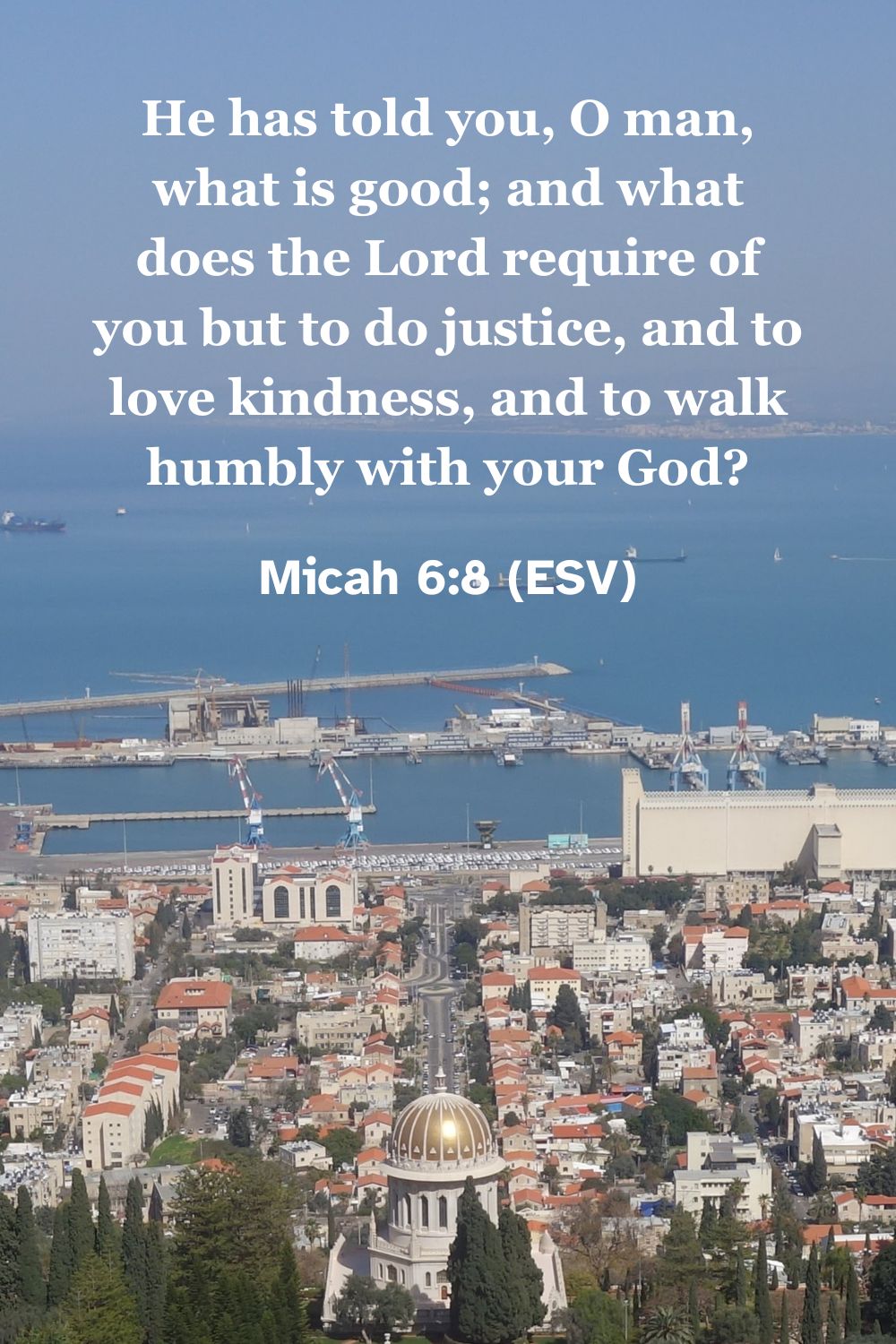
- Bible Verse: “He has told you, O man, what is good; and what does the Lord require of you but to do justice, and to love kindness, and to walk humbly with your God?” – Micah 6:8 (ESV)
- Context: This well-loved verse from Micah is part of a larger dialogue in which the prophet calls Israel to account for their rebellion against God. Rather than elaborate sacrifices or religious performance, God desires hearts shaped by justice, mercy, and humility. This triad captures the posture of a life that honors God and blesses others. “To love kindness” is not a passive attitude, but an active, steady practice of mercy toward those around us. It means bearing with others’ weaknesses, forgiving freely, and seeking the good of both friend and enemy. In a world quick to judge and slow to forgive, believers are called to embody the gracious character of Christ. Our prayers for mercy should lead us to daily acts of gentleness, patience, and compassion in our homes, churches, and communities.
- Prayer: Lord, help me to love kindness and to walk humbly with you each day. Teach me to show mercy as you have shown it to me. Amen.
Day 18: Forgiveness in Relationships
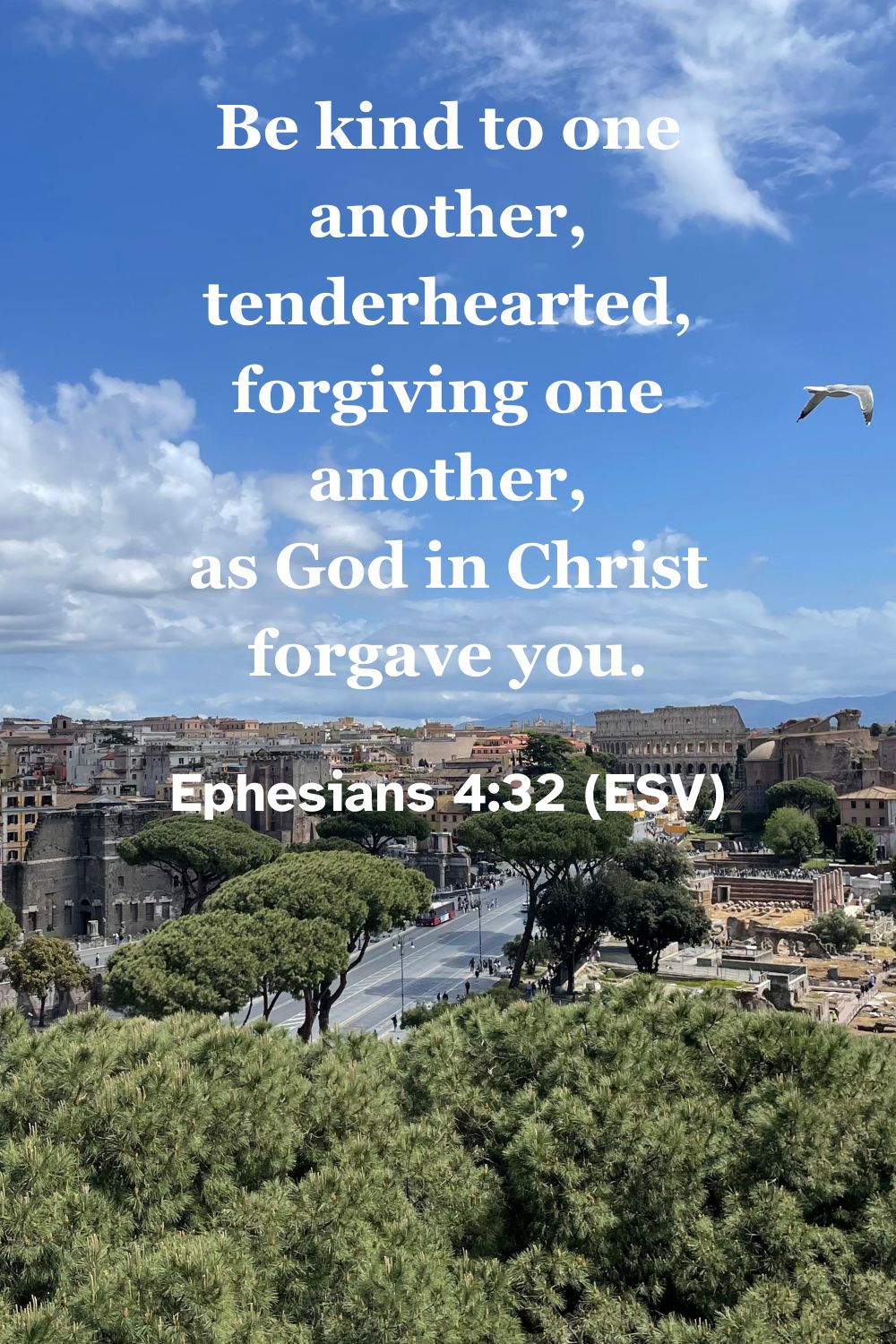
- Bible Verse: “Be kind to one another, tenderhearted, forgiving one another, as God in Christ forgave you.” – Ephesians 4:32 (ESV)
- Context: In this section of Ephesians, Paul instructs the church in how to live out the new life they have received in Christ. Believers are to cast off bitterness, wrath, and malice, replacing them with kindness, compassion, and forgiveness. Forgiving others is not optional for the Christian; it is an act rooted in the forgiveness we ourselves have received through Christ. This does not mean pretending wounds do not hurt or that reconciliation is always easy. But it does mean choosing to release resentment and entrusting justice to God. When we pray for forgiveness in our relationships, we are asking God to soften our hearts, to heal what is broken, and to empower us to reflect his grace in tangible ways. Forgiveness frees both the giver and receiver, restoring peace where hurt once lingered.
- Prayer: Father, soften my heart to forgive as you have forgiven me. Help me to show kindness and grace in all my relationships. Amen.
Day 19: Love for Enemies

- Bible Verse: “But I say to you who hear, Love your enemies, do good to those who hate you, bless those who curse you, pray for those who abuse you.” – Luke 6:27–28 (ESV)
- Context: These challenging words from Jesus come from his famous Sermon on the Plain, where he teaches his followers a radically different way of living. Love, in God’s kingdom, is not limited to friends or those who treat us well; it extends even to those who oppose and mistreat us. This command would have shocked Jesus’ original audience and continues to stretch us today. Yet Christ himself embodied this love, praying for those who crucified him. Loving our enemies does not mean excusing wrongdoing or abandoning wisdom. It means seeking their good, refusing to repay evil for evil, and entrusting judgment to God. As we pray for those who have wounded us, God often softens our hearts and transforms relationships in ways we never expected.
- Prayer: Lord, teach me to love even those who oppose me. Help me to bless, pray for, and do good to my enemies as you have commanded. Amen.
Day 20: Praying for the Poor and Hungry
- Bible Verse: “Whoever has a bountiful eye will be blessed, for he shares his bread with the poor.” – Proverbs 22:9 (ESV)
- Context: This proverb highlights the blessing that comes from generosity. A “bountiful eye” refers to a perspective that looks for opportunities to give rather than excuses to withhold. Throughout Scripture, God repeatedly calls his people to care for the poor and hungry, reminding them of their own dependence on his provision. Acts of generosity are not simply charitable gestures; they are acts of worship that acknowledge God as the true giver of every good gift. When we pray for those in need, we align our hearts with God’s compassion, and we open ourselves to be part of his provision for others. Generosity stretches our faith and reminds us that the measure of a life is not how much we gather but how freely we give in love.
- Prayer: Father, open my eyes to the needs around me and give me a generous heart. Help me to share gladly with those who lack. Amen.
Day 21: Serving with Humility
- Bible Verse: “For even the Son of Man came not to be served but to serve, and to give his life as a ransom for many.” – Mark 10:45 (ESV)
- Context: These words come from a conversation between Jesus and his disciples, who had been arguing about positions of honor in his coming kingdom. In response, Jesus redefines greatness, teaching that true leadership is marked by humble service. His own life is the ultimate example, as he willingly took the lowest place to save sinners. Serving others is not about seeking recognition or personal advantage. It is about imitating Christ, who came to lift up the weak, heal the broken, and lay down his life for the undeserving. Our prayers for humility should lead us to quietly meet needs, offer encouragement, and work for the good of others without expecting anything in return. In doing so, we reflect the heart of our Savior and find joy in his service.
- Prayer: Lord Jesus, help me to serve others with humility as you did. Teach me to put others before myself and to follow your example of sacrificial love. Amen.
Days 22–28: Spiritual Disciplines & Obedience
The Christian life is not meant to be lived by instinct or convenience, but by deliberate devotion to the Lord. Spiritual disciplines like prayer, Bible reading, confession, rest, and generosity are ordinary, faithful ways we stay rooted in Christ. These practices do not earn God’s love, but they position our hearts to receive his grace and grow in Christlikeness. Obedience is the natural outworking of a heart shaped by God’s word and presence. This week’s prayers invite us to examine how we live day by day, seeking a life shaped not by habit or pressure but by the Spirit’s leading. May we hunger for God’s word, listen well in silence, give generously, and learn to obey God’s voice in both great and small matters, finding joy in the steady, transforming work of his Spirit.
Day 22: Commitment to Prayer
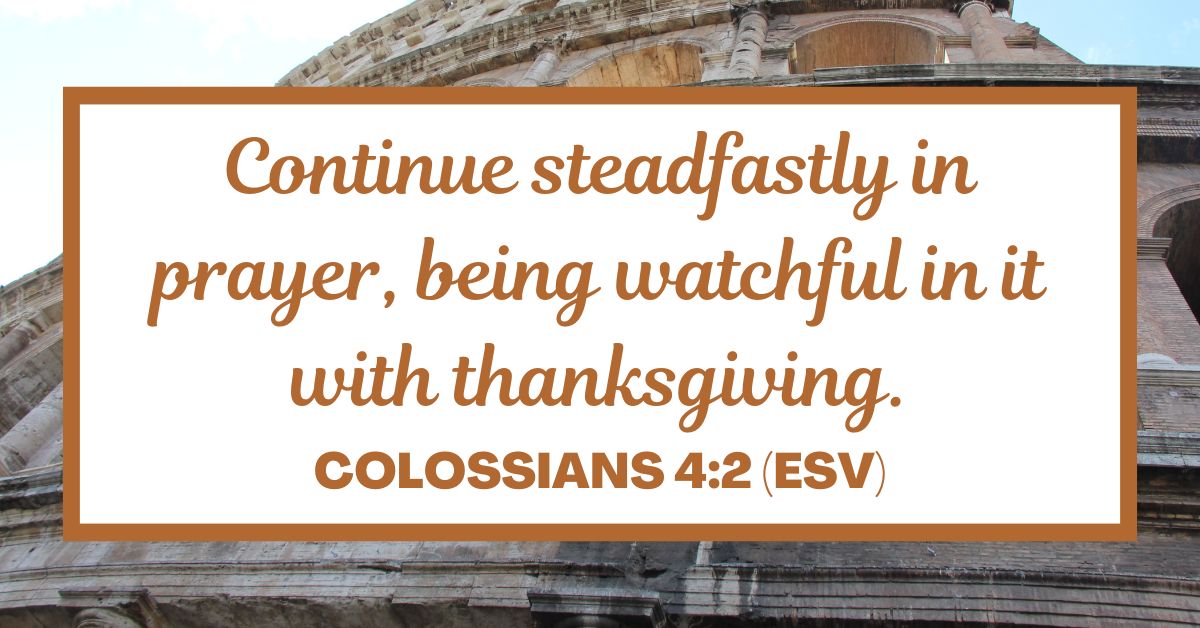
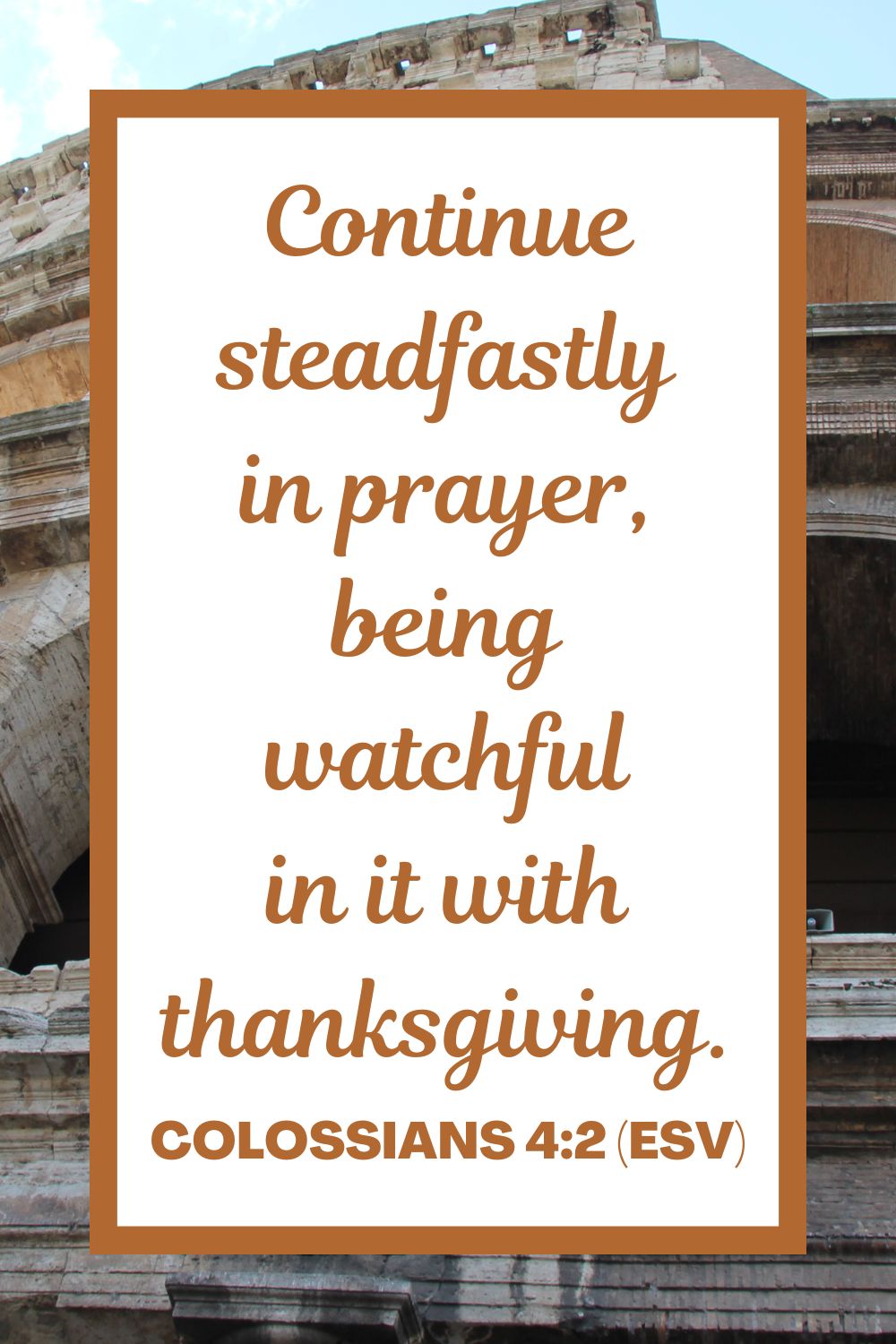
- Bible Verse: “Continue steadfastly in prayer, being watchful in it with thanksgiving.” – Colossians 4:2 (ESV)
- Context: In the final chapter of Colossians, Paul offers practical encouragement to believers living out their faith in community. Among his closing instructions is a call to persist in prayer. The word “steadfastly” suggests devotion and perseverance. Prayer is not meant to be occasional or half-hearted but a regular, committed practice. Paul also emphasizes being “watchful,” encouraging believers to stay spiritually alert, aware of God’s work and the world’s needs. Coupled with thanksgiving, this kind of prayer guards the heart against anxiety and self-centeredness. It teaches us to notice God’s blessings while bringing our concerns before him. The discipline of steadfast, watchful, and thankful prayer shapes our character and aligns our will with God’s, sustaining us through seasons of joy and trial alike.
- Prayer: Lord, help me to be faithful in prayer, staying watchful and thankful in every circumstance. Teach me to seek you daily and rely on your presence. Amen.
Day 23: Hunger for God’s Word
- Bible Verse: “This Book of the Law shall not depart from your mouth, but you shall meditate on it day and night, so that you may be careful to do according to all that is written in it. For then you will make your way prosperous, and then you will have good success.” – Joshua 1:8 (ESV)
- Context: At a pivotal moment in Israel’s history, Joshua prepares to lead God’s people into the promised land. As he takes on Moses’ mantle, God charges him with courage and obedience, rooted in a deep relationship with God’s word. This verse underscores the importance of continually meditating on Scripture, letting it shape our thoughts, conversations, and actions. The promise of prosperity and success here is not about material wealth but about walking faithfully in God’s purposes. By saturating our hearts and minds with his word, we learn to discern his will and find strength for every task. This hunger for Scripture is not an obligation but an invitation to know God deeply and walk closely with him in every season.
- Prayer: Lord, give me a hunger for your word. Help me to meditate on it daily and live according to your truth. Amen.
Day 24: Practice of Confession
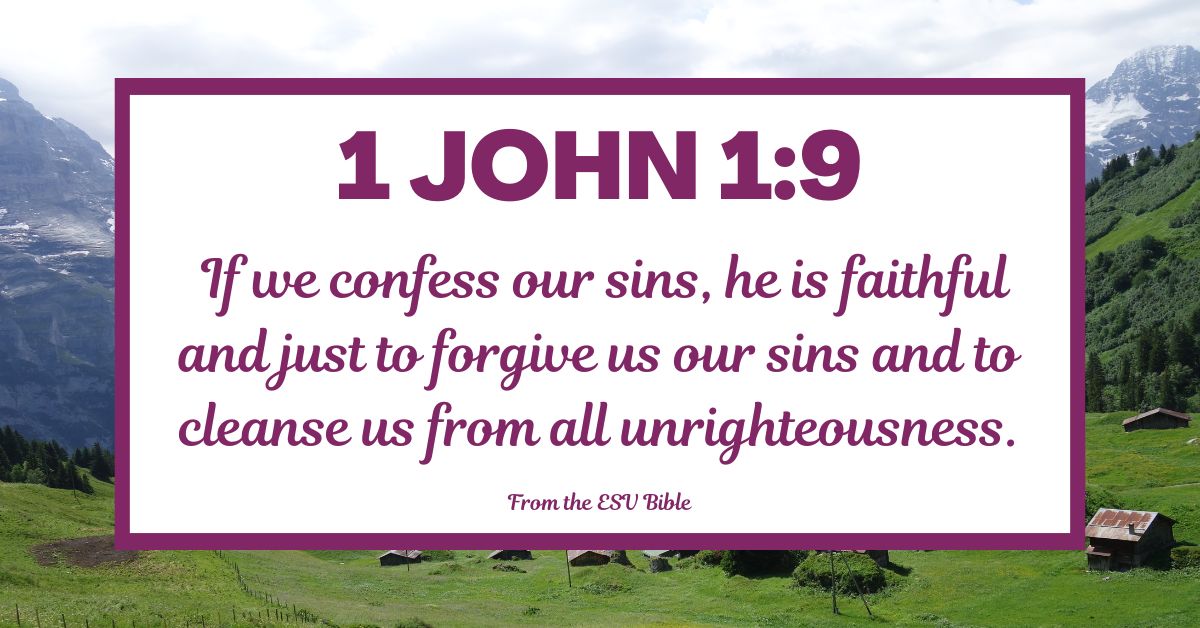
- Bible Verse: “If we confess our sins, he is faithful and just to forgive us our sins and to cleanse us from all unrighteousness.” – 1 John 1:9 (ESV)
- Context: John’s letter addresses both the assurance of salvation and the importance of walking in the light. This verse reminds believers of the central role confession plays in maintaining fellowship with God. To confess is to agree with God about our sin, acknowledging our need for his grace. John reassures us that God’s character is both faithful and just. He is faithful to his promises and just because the penalty for sin has been satisfied in Christ. Confession is not a means of earning forgiveness, but a grace-filled practice that restores our awareness of God’s mercy. It frees us from the burden of guilt and keeps our hearts soft toward God. Regular, honest confession allows the light of Christ to dispel the darkness within us and draws us into deeper fellowship with him.
- Prayer: Father, help me to confess my sins freely and trust in your faithful forgiveness. Cleanse me and draw me closer to your heart. Amen.
Day 25: Learning Silence and Solitude
- Bible Verse: “And rising very early in the morning, while it was still dark, he departed and went out to a desolate place, and there he prayed.” – Mark 1:35 (ESV)
- Context: In Mark’s Gospel, this verse comes after a day of intense ministry for Jesus: healing the sick, casting out demons, and teaching crowds. Yet, before the day began anew, Jesus sought out solitude to pray. This rhythm of withdrawal and communion with the Father was vital to his earthly ministry. It reminds us that even amid busyness, silence and solitude are not luxuries but necessities for spiritual health. These quiet spaces allow us to listen without distraction, to be still before God, and to remember that our worth is found not in productivity but in his presence. The practice of solitude re-centers our hearts, granting clarity, peace, and renewed strength to live faithfully in the world.
- Prayer: Lord, teach me to value silence and solitude. Draw me into quiet places where I can hear your voice and be refreshed. Amen.
Day 26: Living Generously
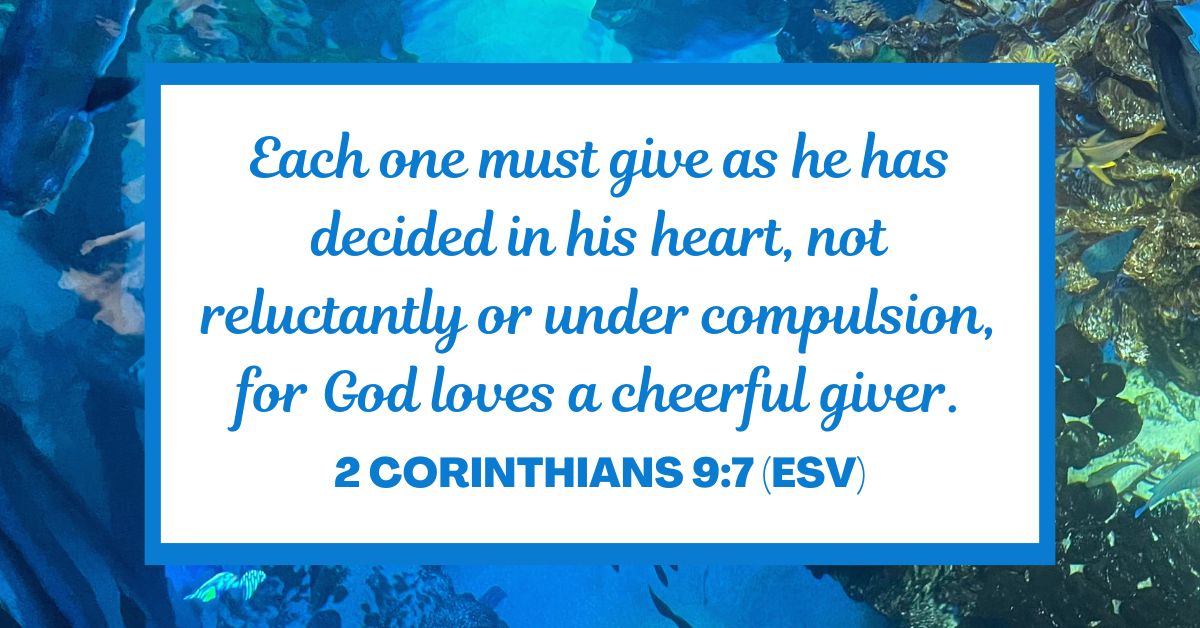
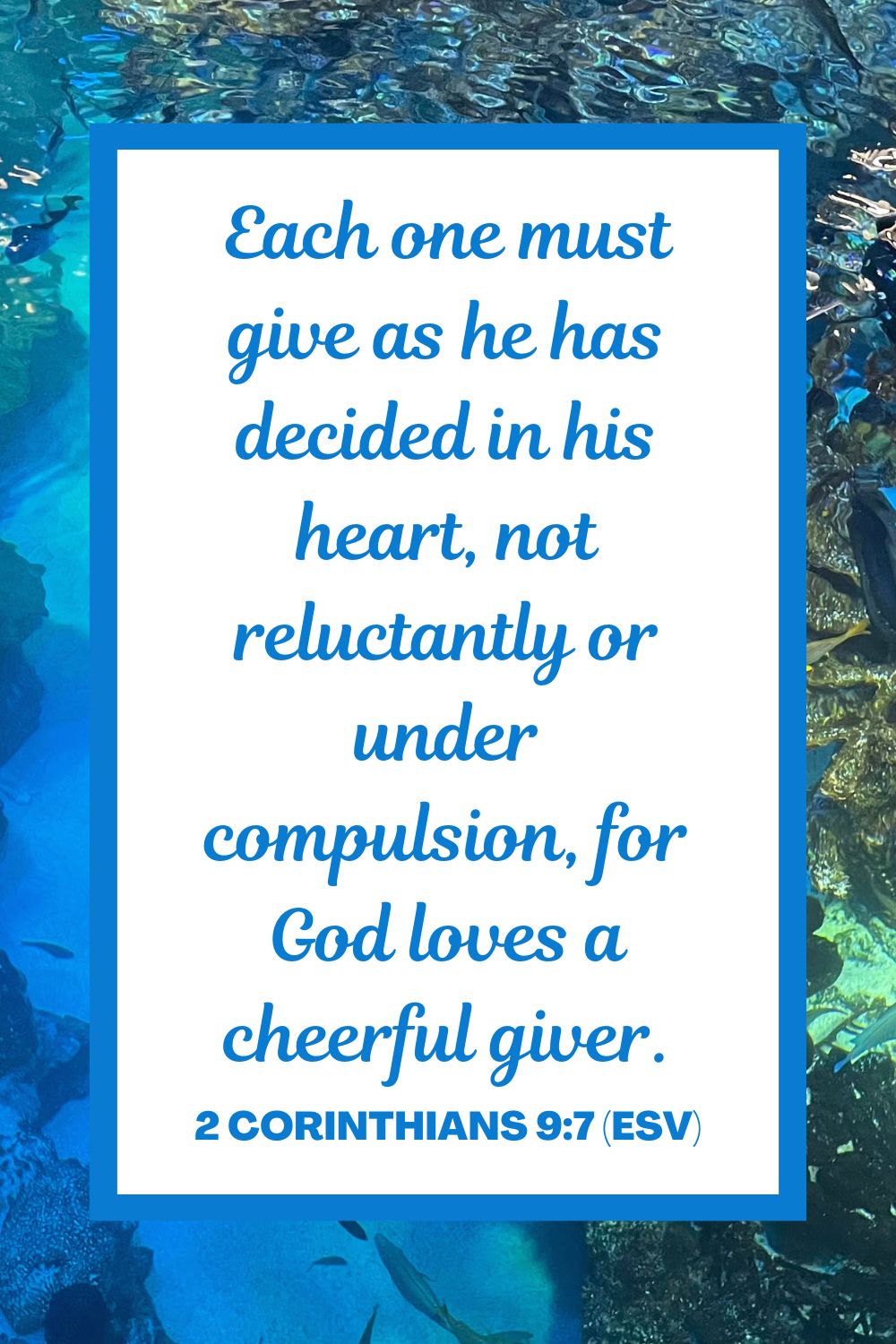
- Bible Verse: “Each one must give as he has decided in his heart, not reluctantly or under compulsion, for God loves a cheerful giver.” – 2 Corinthians 9:7 (ESV)
- Context: Paul’s words to the Corinthian church were part of his encouragement to support fellow believers in Jerusalem facing hardship. Rather than pressuring them, he emphasizes voluntary, joyful giving. This verse highlights the heart posture that pleases God: one of cheerfulness, not obligation. Biblical generosity flows from gratitude, recognizing that all we have is from God’s hand. It also reflects God’s own generous nature, seen supremely in the gift of Christ. Giving is not limited to money but includes our time, hospitality, encouragement, and service. As we give freely and cheerfully, we participate in God’s provision for others and experience the joy that generosity brings, trusting that God will supply our every need.
- Prayer: Lord, make me a generous and cheerful giver. Help me to reflect your kindness in the way I give to others. Amen.
Day 27: Sabbath and Rest
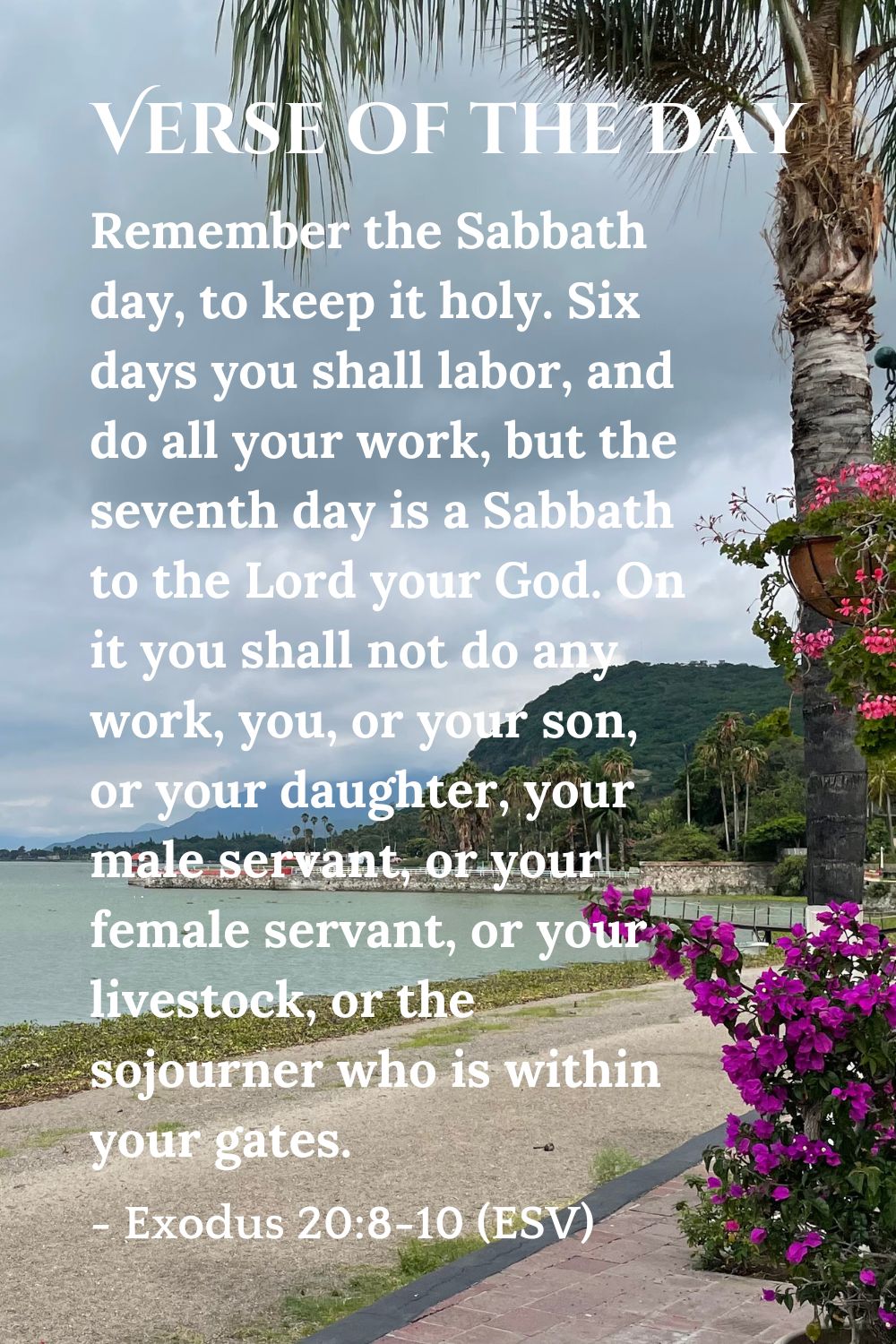
- Bible Verse: “Remember the Sabbath day, to keep it holy. Six days you shall labor, and do all your work, but the seventh day is a Sabbath to the Lord your God.” – Exodus 20:8–10a (ESV)
- Context: In the Ten Commandments, God establishes a rhythm for his people: six days for work and one for rest. The Sabbath was meant to be a day set apart, a holy pause to worship, reflect, and trust in God’s provision. More than a rule, it was a gift reminding Israel that their identity and security were not rooted in constant labor, but in their relationship with God. In a restless world, Sabbath rest invites us to step off the treadmill of productivity and remember our dependence on the Lord. It refreshes both body and soul, reorienting our hearts to God’s goodness. While the form may differ today, the principle remains vital: regular, intentional rest restores us for faithful living.
- Prayer: Father, teach me to honor the Sabbath and find rest in you. Help me to trust your provision and pause to delight in your presence. Amen.
Day 28: Daily Obedience
- Bible Verse: “But he said, ‘Blessed rather are those who hear the word of God and keep it!’” – Luke 11:28 (ESV)
- Context: In this scene, a woman in the crowd praises Jesus’ mother for bearing him, but Jesus responds by highlighting an even greater blessing: those who hear and obey God’s word. This verse shifts the focus from external associations to the inward posture of obedience. Hearing alone is not enough; faith is shown in our actions. Jesus consistently taught that obedience to God’s word brings blessing, not because it earns favor, but because it aligns us with God’s good design for life. Daily obedience in both small and significant matters shapes our character and reflects our trust in God’s wisdom. It transforms belief from mere words into a lived, vibrant faith.
- Prayer: Lord, help me to hear your word and obey it. Strengthen me to walk faithfully in the ordinary moments of each day. Amen.
Days 29–31: Calling, Purpose & Boldness
Every believer is called to live purposefully in the world, not by accident but by God’s sovereign design. While our specific vocations, roles, and seasons of life may vary, our calling to follow Christ, proclaim his gospel, and serve others remains steady. These final days of August invite us to reflect on what it means to trust God’s direction for our lives, to live with courage in a world often indifferent or hostile to the gospel, and to remain faithful in both great and ordinary tasks. Whether standing before crowds or serving quietly behind the scenes, our faithfulness matters. May we ask God for clarity, boldness, and perseverance to walk the paths he has marked out for us, confident that his grace is sufficient and his purposes for us are good.
Day 29: Clarity in Calling
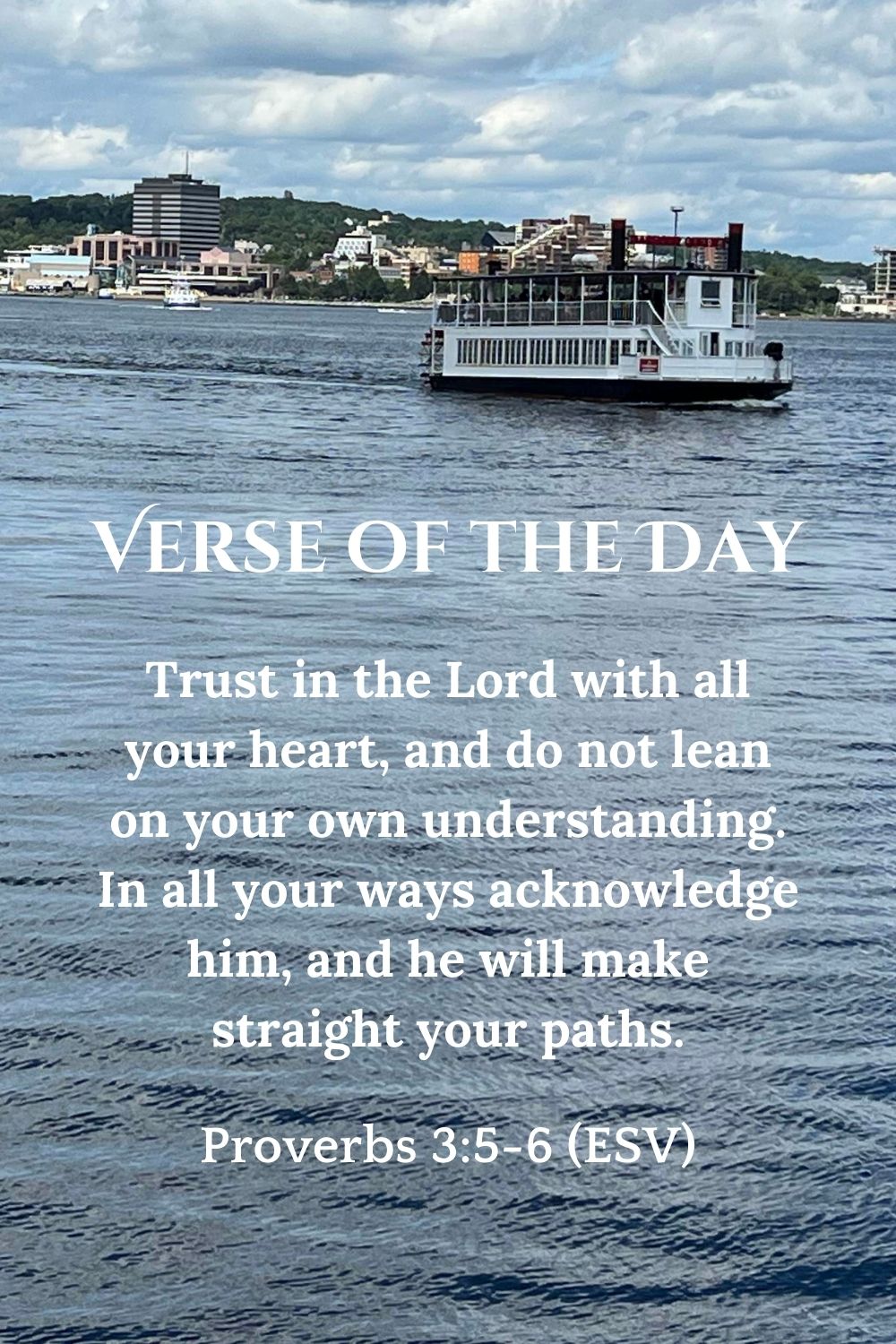
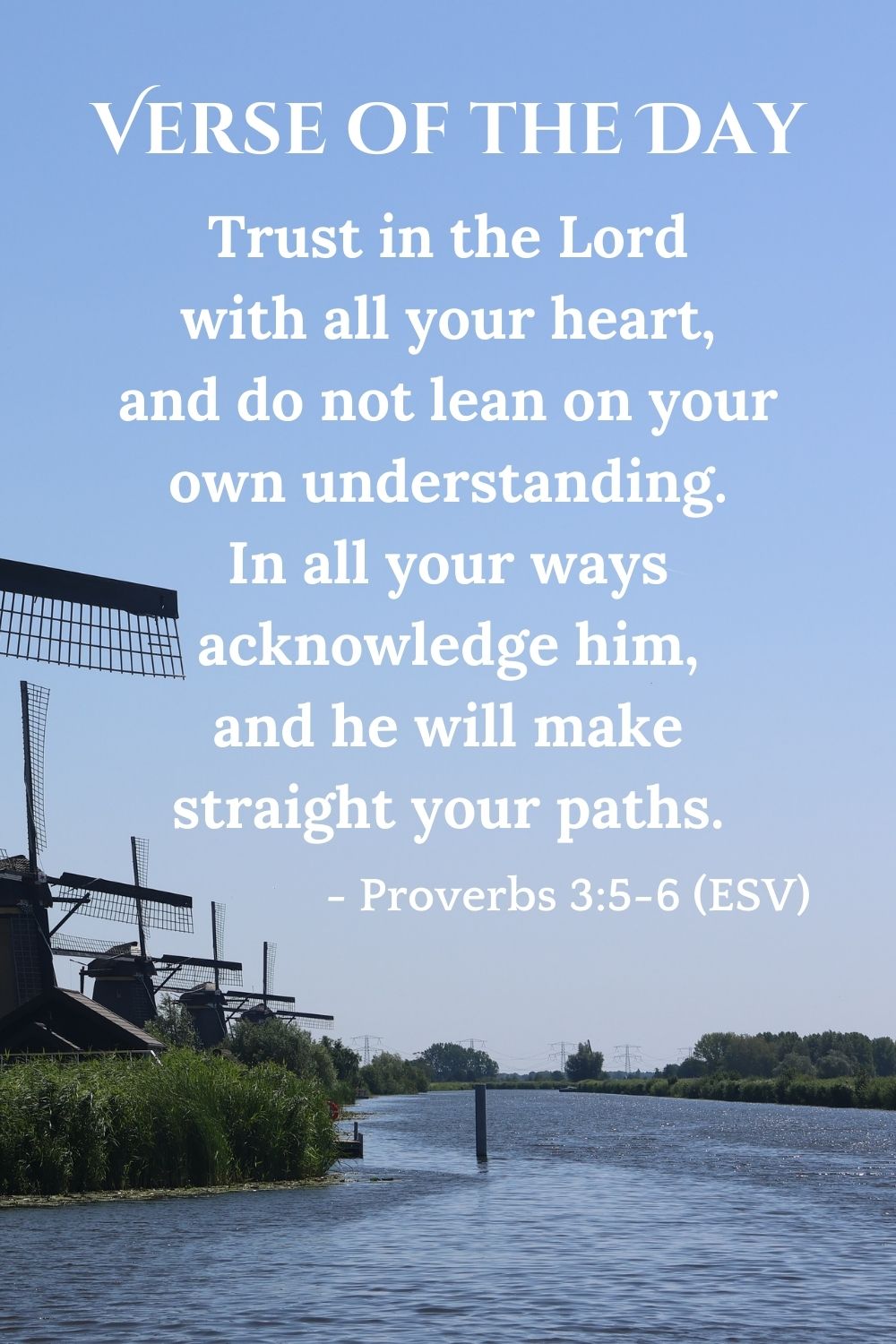
- Bible Verse: “Trust in the Lord with all your heart, and do not lean on your own understanding. In all your ways acknowledge him, and he will make straight your paths.” – Proverbs 3:5–6 (ESV)
- Context: These well-loved verses from Proverbs offer timeless wisdom about discerning God’s will. The writer reminds us that the path to clarity begins not with perfect knowledge or strategic planning but with trust, a wholehearted dependence on God. “Leaning not on our own understanding” acknowledges that human wisdom is limited and often short-sighted. God, in contrast, sees the end from the beginning. When we acknowledge him in every area of life, in work, relationships, ministry, decisions, he faithfully guides our steps. This guidance may not come all at once, but as we walk in faith, God’s direction becomes clearer over time. These words urge us to release the illusion of control and to entrust both the known and unknown parts of our journey to him.
- Prayer: Lord, teach me to trust you with all my heart and to seek your wisdom in every decision. Make my path straight as I follow you. Amen.
Day 30: Boldness in Faith
- Bible Verse: “And now, Lord, look upon their threats and grant to your servants to continue to speak your word with all boldness.” – Acts 4:29 (ESV)
- Context: After Peter and John were threatened for preaching the gospel, the early church gathered in prayer. Rather than asking for safety, they prayed for boldness. This remarkable moment highlights the courage of early believers, rooted not in personal bravery but in the power of the Holy Spirit. Their circumstances were genuinely dangerous, yet their concern was to remain faithful in proclaiming Christ. This kind of boldness is not recklessness but Spirit-empowered conviction, speaking the truth in love no matter the cost. The Lord answered their prayer, shaking the place where they met and filling them with courage. Their example reminds us to ask not merely for comfort or ease, but for the boldness to live and speak faithfully in a world that often resists the gospel.
- Prayer: Father, grant me boldness to speak your truth with grace and courage. Strengthen me to stand firm in faith, no matter the cost. Amen.
Day 31: Faithfulness in Small Things

- Bible Verse: “One who is faithful in a very little is also faithful in much, and one who is dishonest in a very little is also dishonest in much.” – Luke 16:10 (ESV)
- Context: In teaching about stewardship and integrity, Jesus highlights a principle that cuts across all areas of life. Faithfulness in small, unseen moments reveals the state of our hearts just as much as larger, public actions. The context of this verse concerns managing worldly possessions, but the principle extends to every area of responsibility God entrusts to us. Whether it is time, relationships, work, or opportunities to serve, God values quiet, consistent faithfulness. Small acts of integrity, kindness, or obedience shape our character and prepare us for greater tasks. Conversely, carelessness in small matters reveals deeper issues of the heart. Jesus reminds us that in God’s kingdom, nothing is insignificant when done in faith and love. Faithfulness, not success, is the true measure of a servant’s life.
- Prayer: Lord, help me to be faithful in the small, ordinary moments of life. May my quiet obedience bring you glory and prepare me for greater service. Amen.
ACTS Prayer Method
If you are having trouble getting started with creating your own, longer, daily prayers, consider taking the suggested topic or Bible verse and praying using the ACTS method: Adoration, Confession, Thankfulness, and Supplication:
- Adoration: Praise God. Does this topic bring any specific characteristics of God to mind?
- Confession: Tell God that you are sorry for specific sins. Does this topic bring any specific sins to mind?
- Thankfulness: Show gratitude towards God. Does this topic inspire gratitude?
- Supplication: Make requests for yourself and for others. Does this topic inspire a prayer?
If helpful, you can use a prayer journal template.


Subscribe
If you enjoyed this post and wish to receive more Christian content, feel free to subscribe to my newsletters!
Related Resources
Visit the Joyful Moments in Christ homepage for all posts, or scroll through other blog posts related to prayer:



Something went wrong. Please refresh the page and/or try again.
English Standard Version (ESV): Unless otherwise noted, scripture quotations are from the ESV® Bible (The Holy Bible, English Standard Version®), © 2001 by Crossway, a publishing ministry of Good News Publishers. Used by permission. All rights reserved. The ESV text may not be quoted in any publication made available to the public by a Creative Commons license. The ESV may not be translated in whole or in part into any other language.

 Joyful Moments in Christ