
A Reflection on Philippians 3:1-11
In the earlier chapters of Philippians, Paul offers beautiful pictures of Christian fellowship and mutual support. He celebrates faithful companions like Timothy and Epaphroditus and points to the joy that comes from life shared within the body of Christ. But in Philippians 3, Paul shifts his focus from human relationships to something even greater: a joy rooted in knowing Jesus Christ.
He begins with a simple, yet essential reminder:

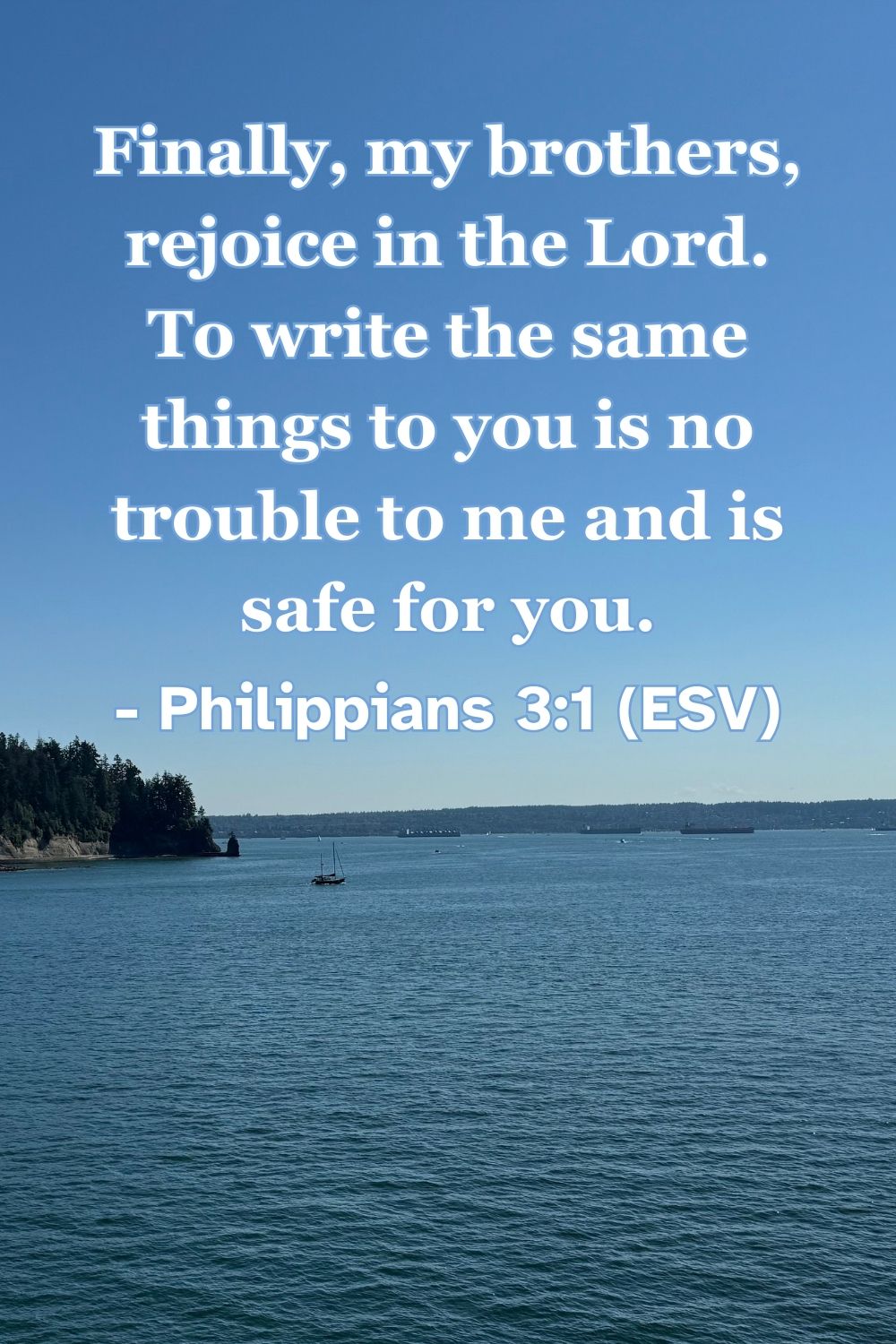
Paul understood something we too easily forget—our deepest, most secure joy can never come from our circumstances, relationships, or personal achievements. These things fluctuate. People disappoint. Status fades. Health weakens. But the Lord remains the same, and rejoicing in him provides a firm foundation in the midst of an unpredictable world.
Contrasting Confidence: Flesh vs. Spirit
Immediately after this encouragement to rejoice in the Lord, Paul warns the Philippians about placing confidence in the wrong things:

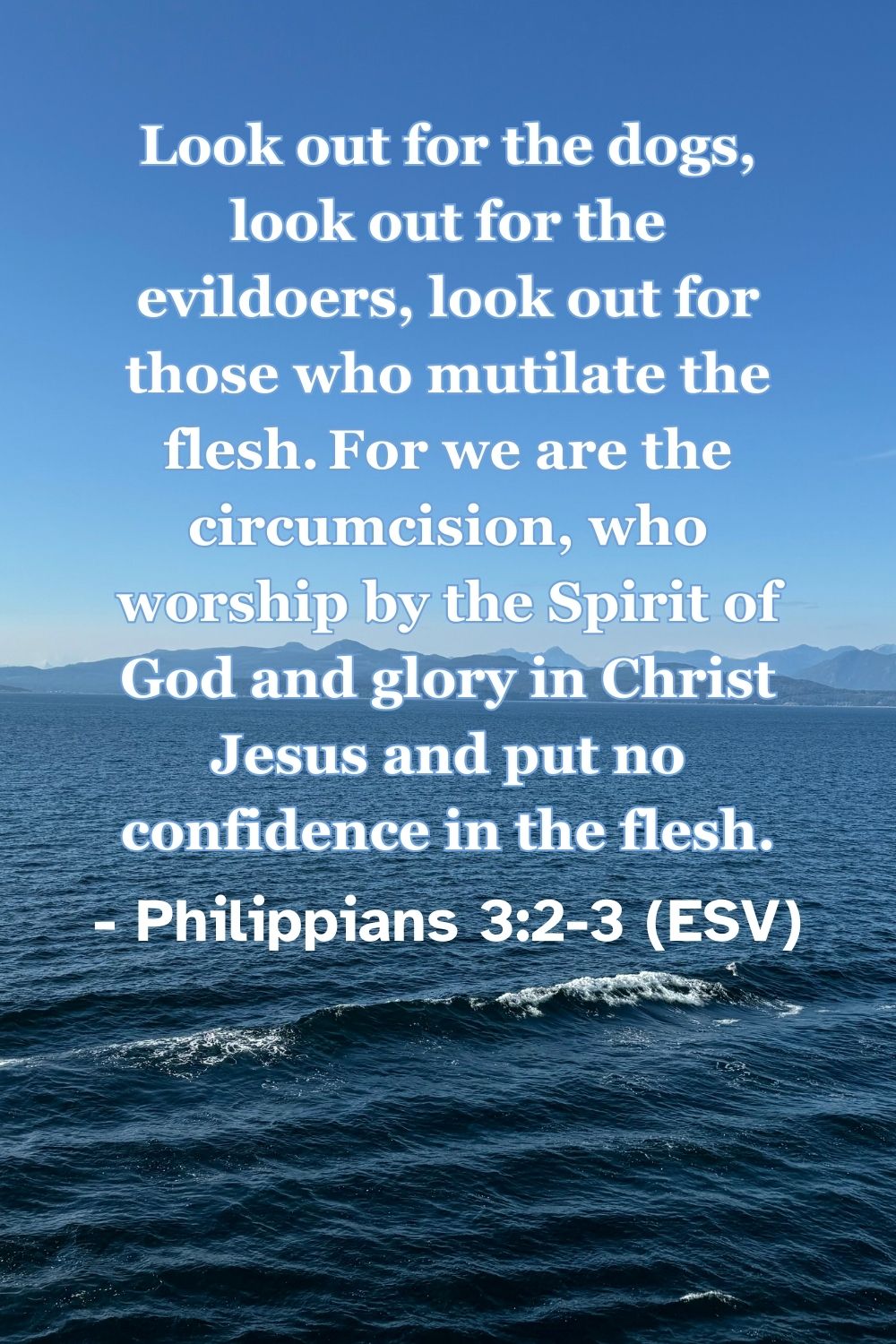
At the time, there were those who insisted that outward religious rituals—like circumcision—were necessary for salvation. Paul didn’t mince words in addressing this dangerous distortion of the gospel. He called them “dogs,” a term Jews would often reserve for Gentiles, now flipped on its head to describe those who twisted the truth and added human requirements to God’s grace.
Paul’s point is clear: salvation is not based on outward performance or human credentials, but on faith in Christ and the transforming work of the Spirit. It is a warning we still need today, because even in modern Christian circles, it’s easy to subtly slip into thinking that God’s approval hinges on how good we have been, how many Bible studies we have attended, or how much we have accomplished for the church.
Paul’s Impressive Resume—and Why It Meant Nothing
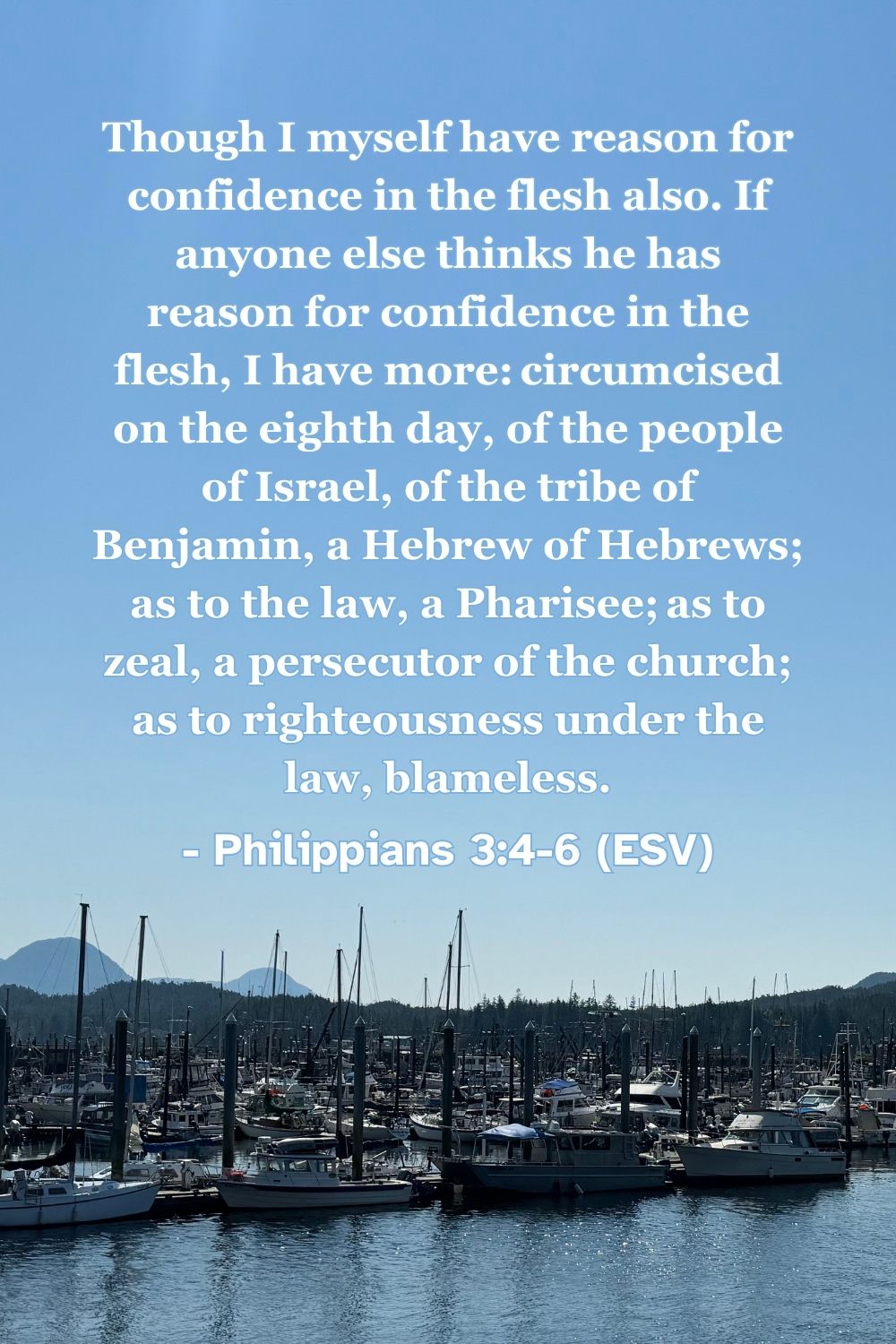
To drive the point home, Paul lays out his own impressive religious resume:

If anyone could claim spiritual credentials based on ancestry, ritual, position, or passion, it was Paul. He had checked every box and exceeded every expectation within his religious community. Yet he came to see it for what it was—empty.
Most of us may not be tempted to boast in ancient religious rites, but we have our own ladders we try to climb. We seek status in our careers, approval in our social circles, or worth through our achievements. The temptation to find identity and confidence in these things is as real today as it was for Paul.
Counting Everything as Loss
The turning point comes in verse 7:

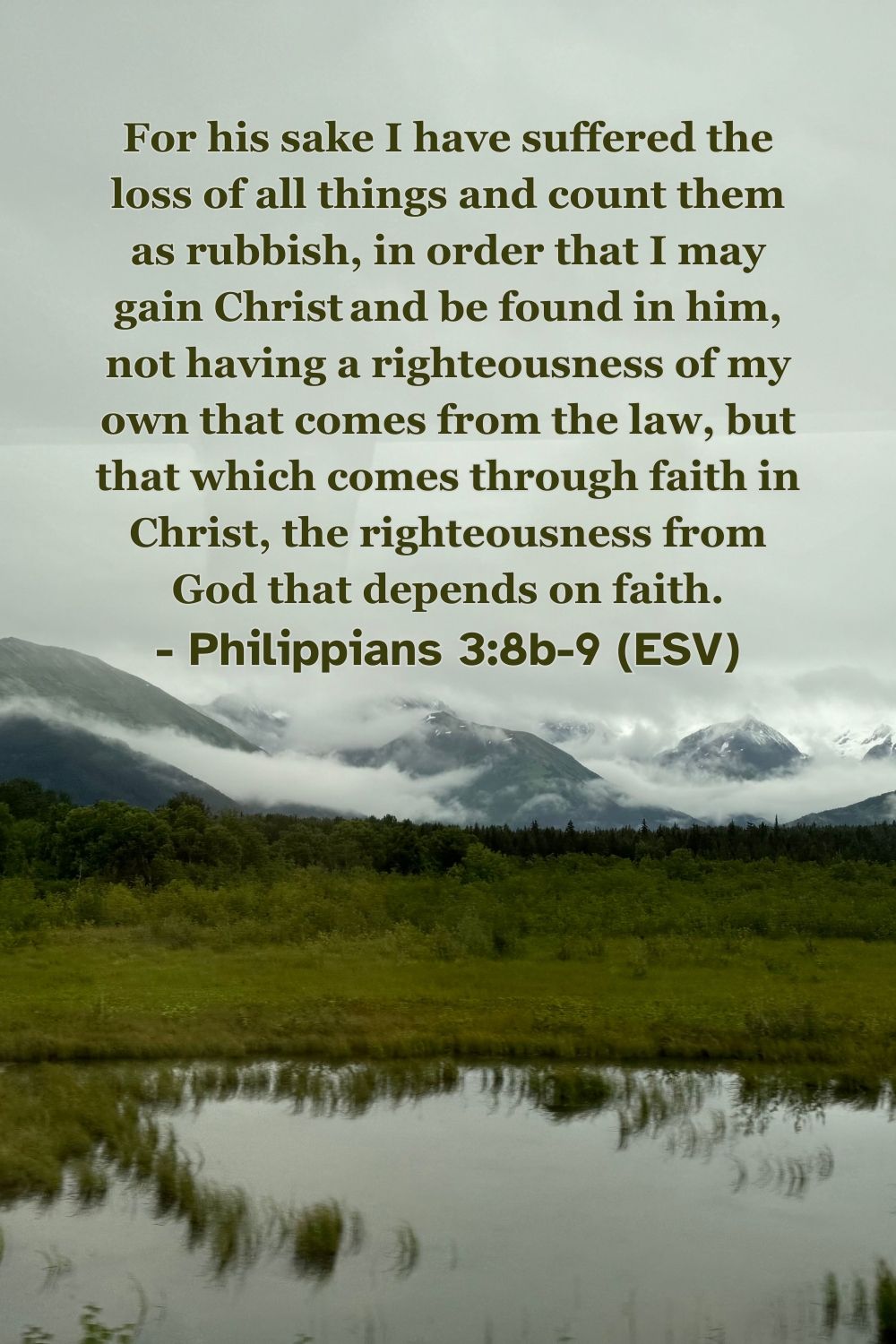
Paul considered everything he once valued—his status, success, reputation, and self-righteousness—as loss compared to knowing Christ. He even uses a strong word in verse 8: rubbish (the Greek word skubalon, which some scholars note could be translated as garbage, refuse, or even a crude word for excrement). This is how worthless Paul now considered his former achievements.
Why? Because he discovered something far better:
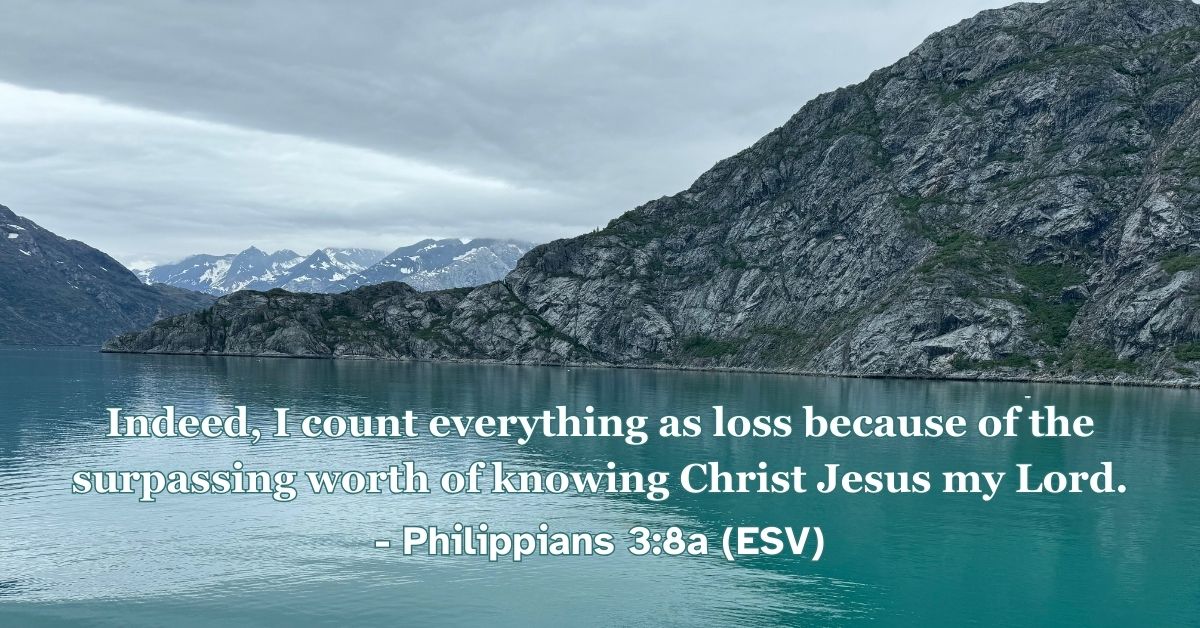
This is the heart of the Christian life. Not merely following religious rules or accumulating moral accomplishments, but knowing Christ—personally, intimately, and transformingly.
Gaining Christ and True Righteousness
Paul continues:
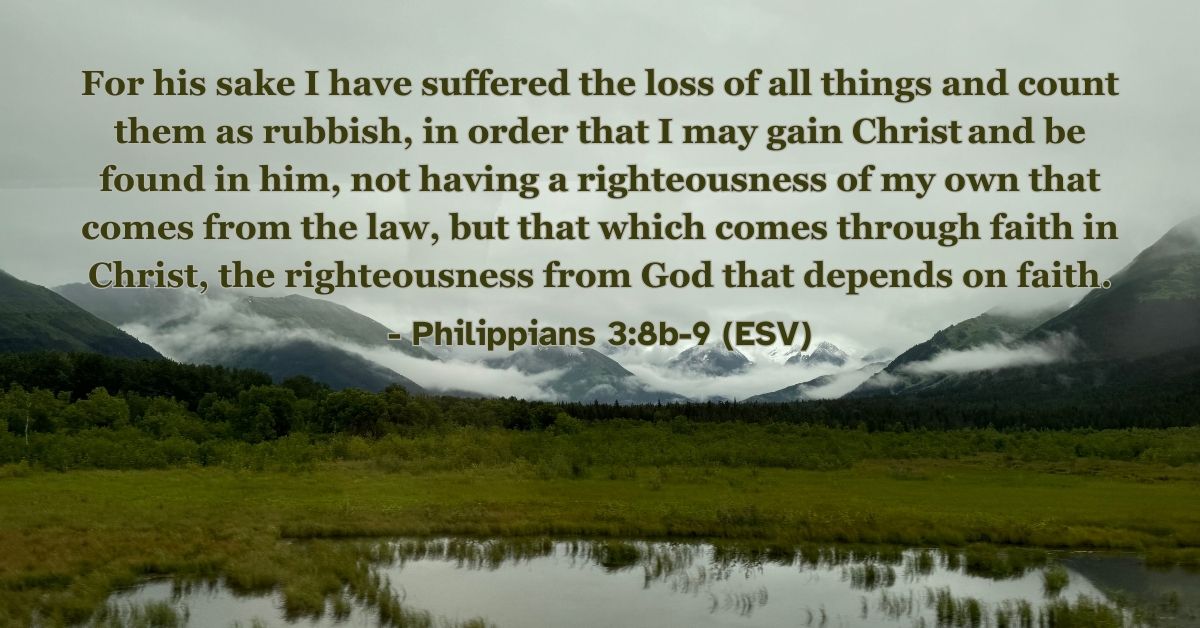
Paul knew that no amount of rule-keeping could make him righteous before God. True righteousness—right standing with God—comes only through faith in Jesus, who lived the perfect life we could never live and bore the penalty for our sins. It is given, not earned.
This is the gospel. And it frees us from the exhausting, never-ending pressure to measure up and instead invites us into a relationship where we are fully loved and fully accepted because of Christ.
The Power of His Resurrection and the Fellowship of His Sufferings
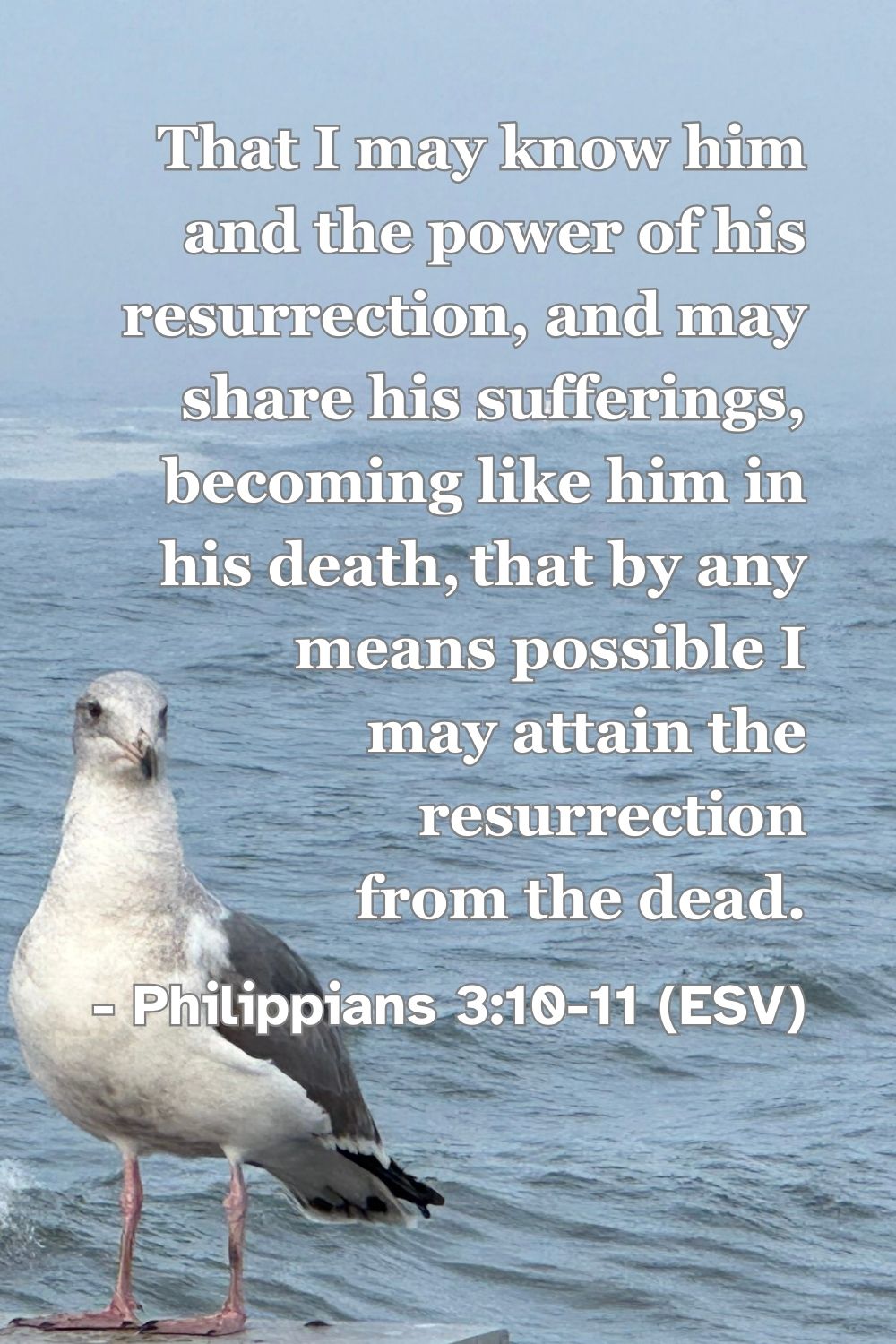
But knowing Christ isn’t just about receiving righteousness; it’s about participating in his life:

Paul longed not only to know about Christ but to experience the power that raised him from the dead—a power that breaks chains, conquers sin, and brings new life. And he recognized that to truly know Christ also meant sharing in his sufferings. This isn’t a popular message in a culture obsessed with comfort and self-preservation, but it’s a necessary one.
The Christian life involves sacrifice, and sometimes hardship, as we follow in the footsteps of our savior. Yet even suffering becomes meaningful when it draws us closer to Jesus.
The Eternal Perspective
Ultimately, Paul’s reflections point us toward eternity. Whatever temporary success or struggle we face now pales in comparison to what awaits those who belong to Christ.
Do we really want to invest all our energy in chasing worldly success, knowing it will pass away, or do we want to pursue the surpassing worth of knowing Jesus, whose kingdom will never end? Even if following him involves temporary loss or suffering, the reward will far outweigh the cost.
As Jesus himself said:

May we, like Paul, count lesser things as loss and press on to know Christ—the only treasure that lasts.
Reflection Questions
- Philippians 3:1 says, “Finally, my brothers, rejoice in the Lord.”
What does it practically look like in your life to rejoice in the Lord? In what situations do you find it easiest or hardest to do this? - In Philippians 3:3, Paul warns against putting “confidence in the flesh.”
What are some examples today of ways people might rely on their own achievements, status, or outward behavior for security or significance? Are there areas where you’ve struggled with this? - Philippians 3:4-6 details Paul’s impressive religious background.
What might be a modern equivalent to Paul’s resume in today’s world—whether in religious, social, or professional terms? How do you think our culture encourages us to build similar lists of credentials? - In Philippians 3:7-8, Paul says he counts everything as loss because of “the surpassing worth of knowing Christ Jesus my Lord.”
What does it mean to you to value knowing Christ above everything else? Is there anything in your life you find difficult to count as loss for his sake? - Philippians 3:9 speaks of receiving “righteousness from God that depends on faith.”
How does this truth free us from the pressure to earn God’s approval through our own efforts? In what ways does it reshape how we live and serve? - Paul expresses a desire in Philippians 3:10 to “know him and the power of his resurrection, and may share his sufferings.”
What does it mean to you to share in Christ’s sufferings? How do you think God might use hardship to draw us closer to himself? - Reflect on Philippians 3:11, which speaks of “attaining the resurrection from the dead.”
How does keeping an eternal perspective affect your daily decisions and priorities? Are there changes you feel led to make in light of eternity? - After reading this passage and reflecting on Paul’s example:
What is one area of your life where you feel God is calling you to loosen your grip on worldly success or approval and trust him more deeply?
Reflective Prayer
Consider using these verses to pray using the ACTS method: Adoration, Confession, Thankfulness, and Supplication:
- Adoration: Praise God. Do these verses bring any specific characteristics of God to mind?
- Confession: Tell God that you are sorry for specific sins. Do these verses bring any specific sins to mind?
- Thankfulness: Show gratitude towards God. Does anything from these verses inspire gratitude?
- Supplication: Make requests for yourself and for others. Does anything from these verses inspire a prayer?
If helpful, you can use a prayer journal template.




Subscribe
If you enjoyed this post and wish to receive more Christian content, feel free to subscribe to my newsletters!
Related Resources
Visit the Joyful Moments in Christ homepage for all posts, or scroll through other blog posts related to joy and salvation:





Something went wrong. Please refresh the page and/or try again.
English Standard Version (ESV): Unless otherwise noted, scripture quotations are from the ESV® Bible (The Holy Bible, English Standard Version®), © 2001 by Crossway, a publishing ministry of Good News Publishers. Used by permission. All rights reserved. The ESV text may not be quoted in any publication made available to the public by a Creative Commons license. The ESV may not be translated in whole or in part into any other language.


 Joyful Moments in Christ