
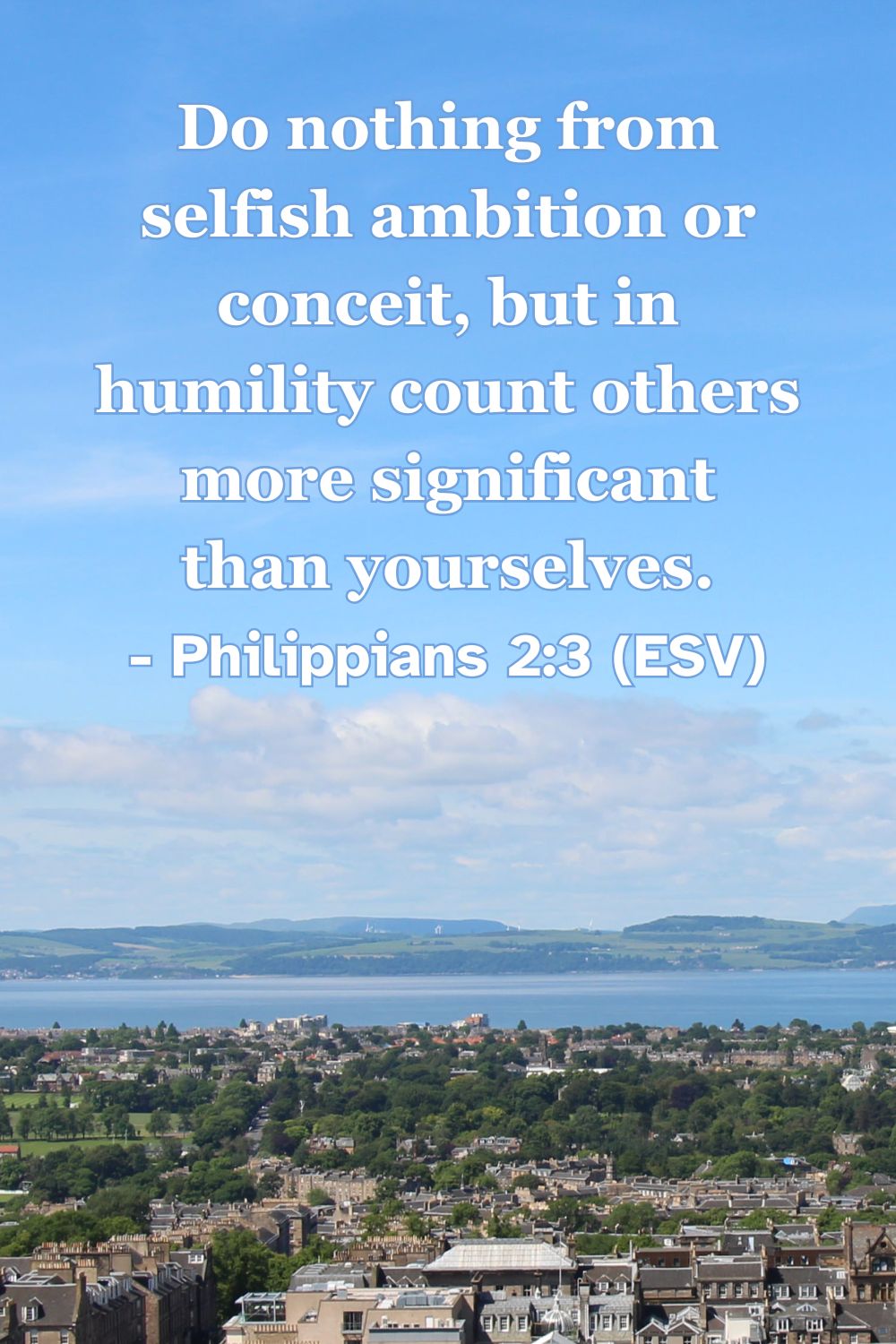
Most of us would do well to really reflect on Philippians 2:3 (ESV): “Do nothing from selfish ambition or conceit, but in humility count others more significant than yourselves.” This verse is deeply countercultural, especially in modern America, where the prevailing attitudes often reflect a mixture of individualism, capitalism, and relativism—all under the banner of personal freedom and self-expression.

We are told to pursue our dreams, fight for our rights, and define our own truths. But ironically, for a culture that claims to value personal autonomy, there is an increasingly rigid pressure to conform. If you do not fall in line with the accepted views of whichever group you happen to associate with—whether political, ideological, or religious—you may find yourself quickly judged, silenced, or dismissed. The same people who claim to celebrate individual belief are often the first to tell you that your beliefs are wrong.
We cannot control how others behave, but we can choose how we respond. Philippians 2:1–11 offers a compelling guide for how Christians are called to live and relate to others, especially within the church—but its principles extend far beyond.
Rejecting Selfish Ambition and Conceit
Paul begins with a firm warning: “Do nothing from selfish ambition or conceit.” These attitudes are poison to Christian community. Selfish ambition pits us against one another. Conceit convinces us that we are wiser, more righteous, or more deserving than others. Throughout scripture, God consistently speaks against pride and self-centeredness:
- “For where jealousy and selfish ambition exist, there will be disorder and every vile practice.” – James 3:16 (ESV)
- “Let another praise you, and not your own mouth; a stranger, and not your own lips.” – Proverbs 27:2 (ESV)
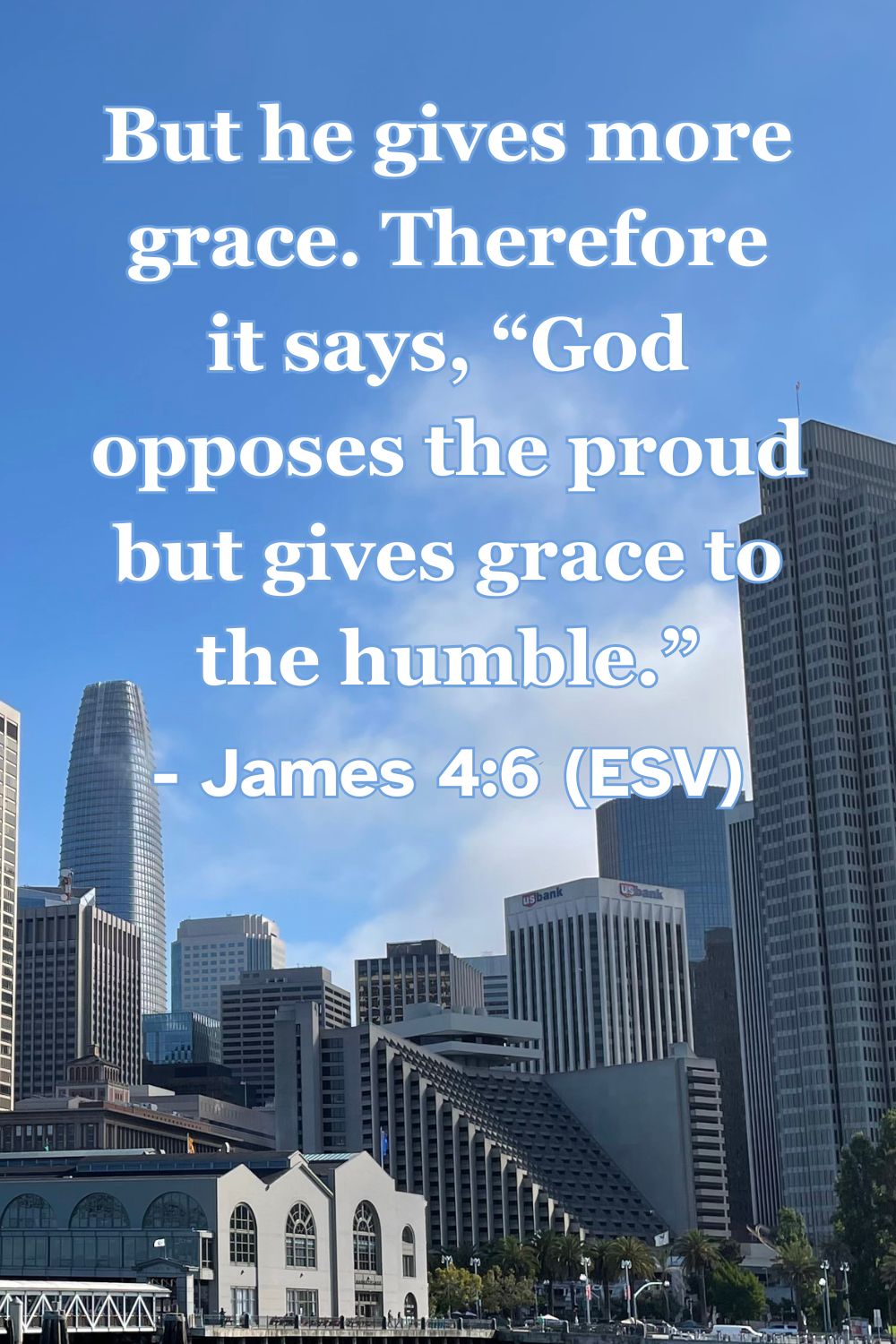
- “But he gives more grace. Therefore it says, ‘God opposes the proud but gives grace to the humble.’” – James 4:6 (ESV)
These warnings are not incidental—they are foundational. Selfish ambition fractures unity. Conceit blinds us to our own need for grace. Neither has any place in the body of Christ.


Valuing Others as More Significant
The second half of Philippians 2:3 calls us to something quite radical: “In humility count others more significant than yourselves.” This does not mean we degrade ourselves or ignore our own needs, but it does mean we intentionally choose a posture of humility. Imagine if everyone in the church genuinely treated others as if they were wiser, more important, and more worthy of honor. We would see a community marked by mutual encouragement, deep wisdom, and godly unity.
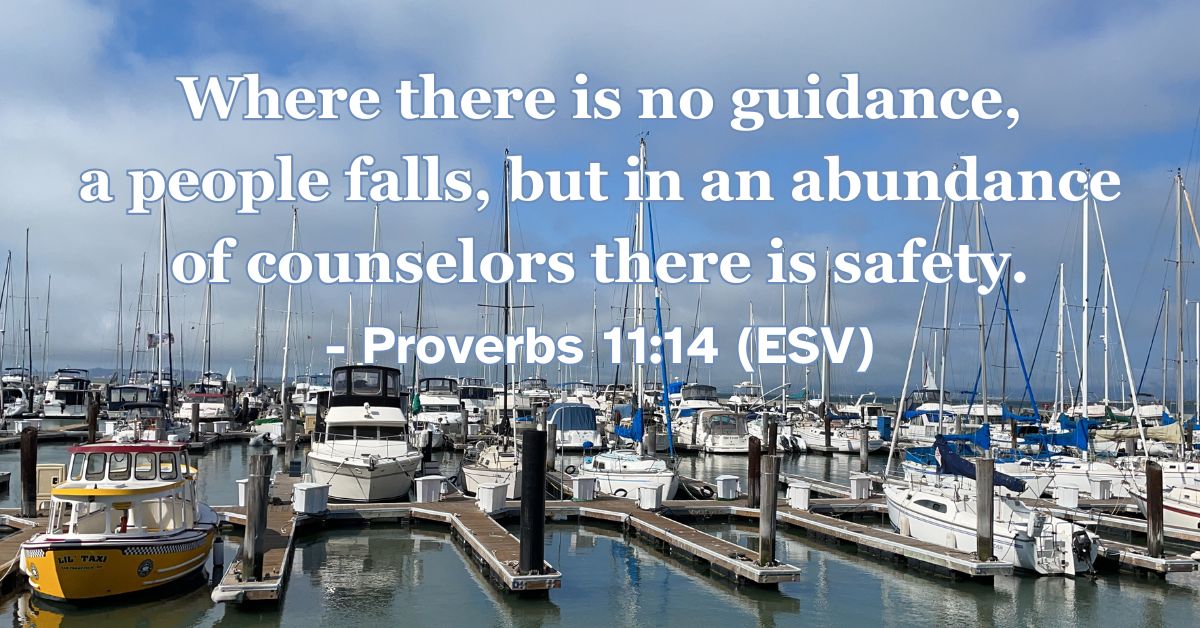
Proverbs 11:14 (ESV) reminds us that “in an abundance of counselors there is safety.” If we approached one another with this kind of respect, seeking to learn rather than to prove ourselves right, we would become far more receptive to hearing God’s voice together.
But when we force our opinions, when we demand our way, we often drown out whatever God may be trying to speak—not only to others, but to ourselves. Paul continues in verse 4, “Let each of you look not only to his own interests, but also to the interests of others.” It is not wrong to look out for our needs. However, when we do so by ignoring, dismissing, or trampling others, we step out of alignment with the heart of Christ.

God is certainly capable of correcting both us and the trajectory we find ourselves on. He can bring good even from our sin, but sometimes he permits us to go our own way, allowing our pride to muffle his voice until we are ready to listen. This should sober us.
Christ: The Ultimate Example of Humility
Paul does not merely give us a command—he gives us a picture. In verses 5–11, he paints one of the clearest portraits of Jesus’ humility and obedience:
Have this mind among yourselves, which is yours in Christ Jesus, who, though he was in the form of God, did not count equality with God a thing to be grasped, but emptied himself, by taking the form of a servant, being born in the likeness of men. And being found in human form, he humbled himself by becoming obedient to the point of death, even death on a cross.
Philippians 2:5–8 (ESV)
Jesus had every right to assert his power and status. Yet he laid it aside—not because he was weak, but because he was loving. He chose the path of humility, service, and surrender. And in doing so, he accomplished the greatest act of redemption in history. His example is not just admirable—it is the model we are called to follow.
Even his crucifixion was marked by the world’s sinful arrogance. The crowd cried “Away with him!” and “Crucify him!” Their voices drowned out the voice of God’s love. Yet through it all, God was at work. Jesus’ death brought about our salvation. But it is quite sobering to realize that it came at the hands of human pride.
Applying This Humility Beyond the Church
Though Paul is speaking primarily about relationships within the church, the call to humility does not stop there. What would it look like to treat coworkers, neighbors, and even strangers, as more significant than ourselves? How would it change our posture online, in conversations about politics or ethics, or in daily interactions with those who frustrate us?
It is tempting to justify harshness by saying we are “standing for truth.” But truth without humility becomes a weapon. Jesus, full of truth, also came full of grace (John 1:14). We are called to the same balance.
As we interact with the world, we must ask: are we using our sin to push forward God’s will—as if the ends justify the means—or are we slowing down enough to actually hear his voice? The first path may look effective in the moment, but it is the second that leads to peace.
Living in the Way of Christ
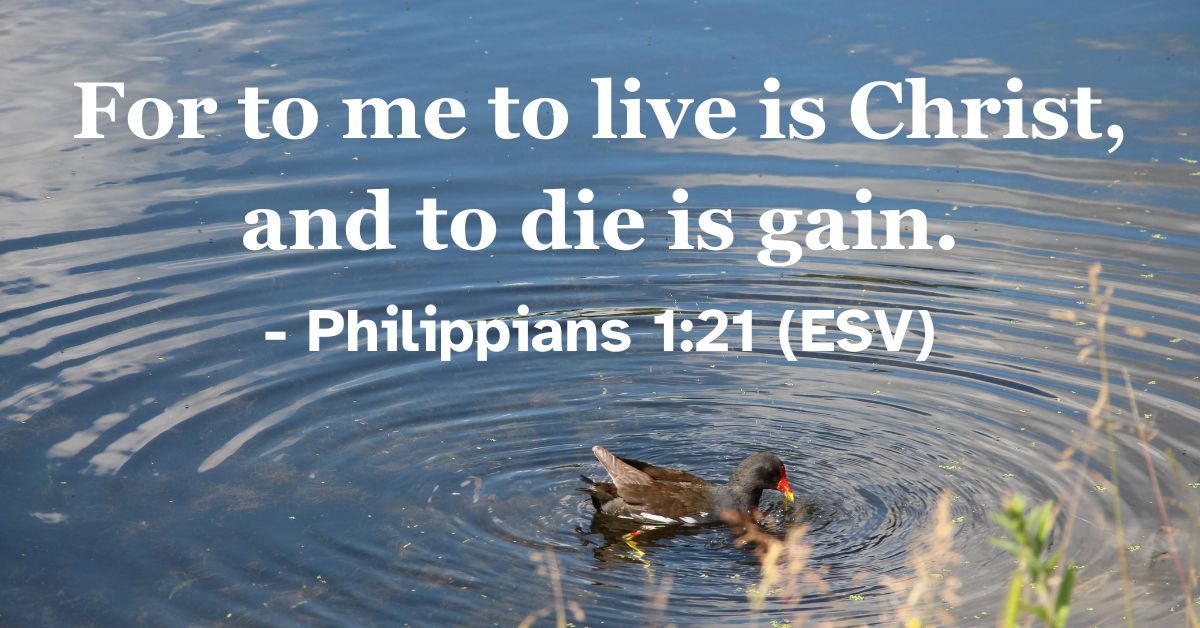
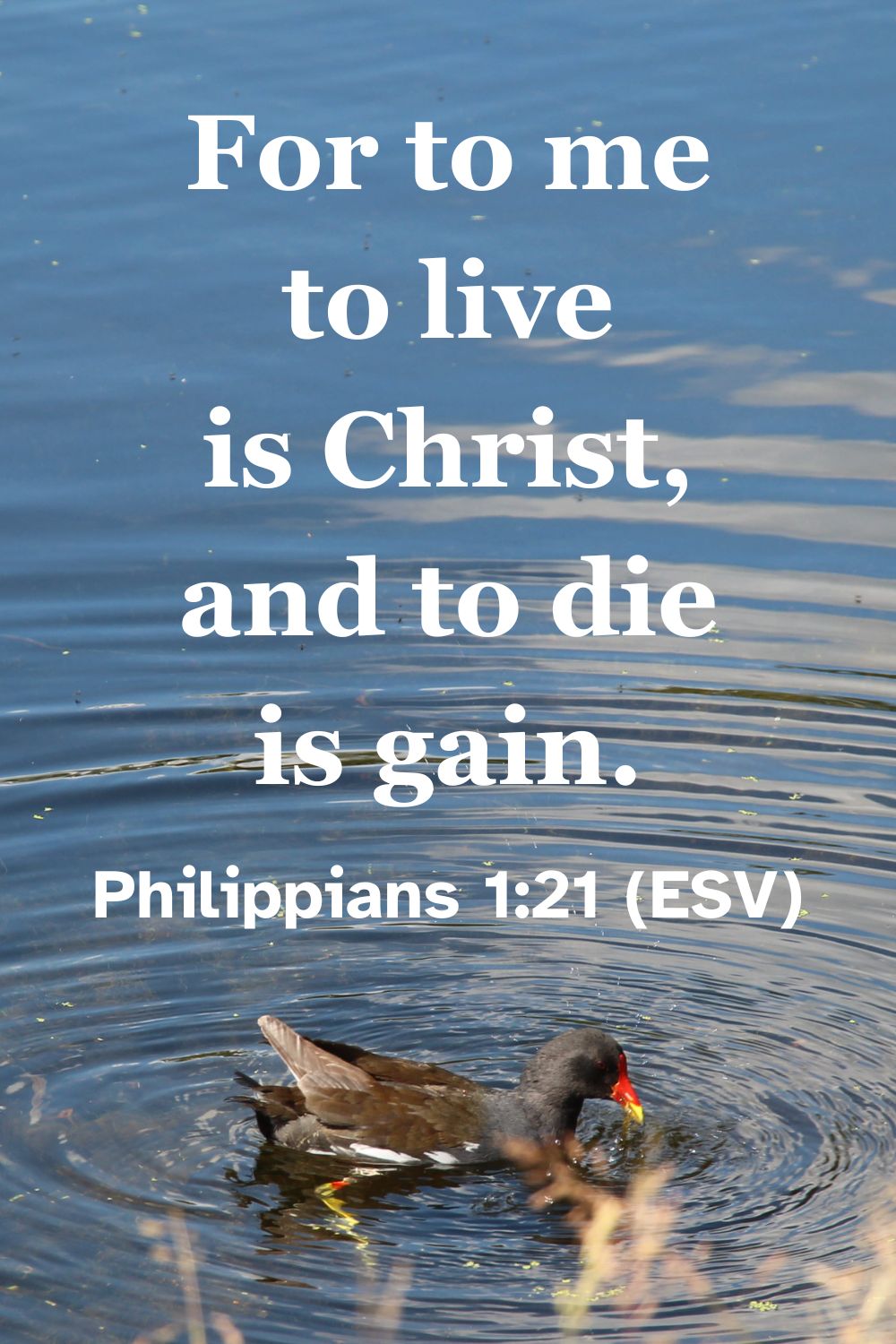
“To live is Christ” (Philippians 1:21) means more than believing in him. It means becoming like him. It means setting aside selfish ambition. It means learning to see others with new eyes. It means walking in humility, even when we feel justified in pride.
This kind of living is not easy, but it is transformative. And it starts with a simple choice: Will I value others more than myself? Will I look to their interests, not just my own? Will I follow the path of humility, even when no one else does?
This is the way of Christ. And it is the only path to true life.
Reflection Questions
- Where do I see selfish ambition or conceit creeping into my thoughts, actions, or relationships?
- How can I intentionally count others as more significant than myself this week—in my family, church, workplace, or community?
- When was the last time I paused to truly consider someone else’s perspective before responding?
- Am I more focused on being right or being like Christ?
- In what ways is God calling me to walk in humility today?
Reflective Prayer
Consider using these verses to pray using the ACTS method: Adoration, Confession, Thankfulness, and Supplication:
- Adoration: Praise God. Do these verses bring any specific characteristics of God to mind?
- Confession: Tell God that you are sorry for specific sins. Do these verses bring any specific sins to mind?
- Thankfulness: Show gratitude towards God. Does anything from these verses inspire gratitude?
- Supplication: Make requests for yourself and for others. Does anything from these verses inspire a prayer?
If helpful, you can use a prayer journal template.




Subscribe
If you enjoyed this post and wish to receive more Christian content, feel free to subscribe to my newsletters!
Related Resources
Visit the Joyful Moments in Christ homepage for all posts, or scroll through other blog posts related to humility and humbleness:





Something went wrong. Please refresh the page and/or try again.
English Standard Version (ESV): Unless otherwise noted, scripture quotations are from the ESV® Bible (The Holy Bible, English Standard Version®), © 2001 by Crossway, a publishing ministry of Good News Publishers. Used by permission. All rights reserved. The ESV text may not be quoted in any publication made available to the public by a Creative Commons license. The ESV may not be translated in whole or in part into any other language.



 Joyful Moments in Christ