
It is interesting to ponder the idea that our personal difficulties can lead to the salvation of others. While in the midst of suffering, we often call out, “Why God?” However when we look back many years later, we see all of the good that came from it. Paul knew this intimately and spent time in many of his letters encouraging others to embrace and welcome this concept.
Advance of the Gospel Message
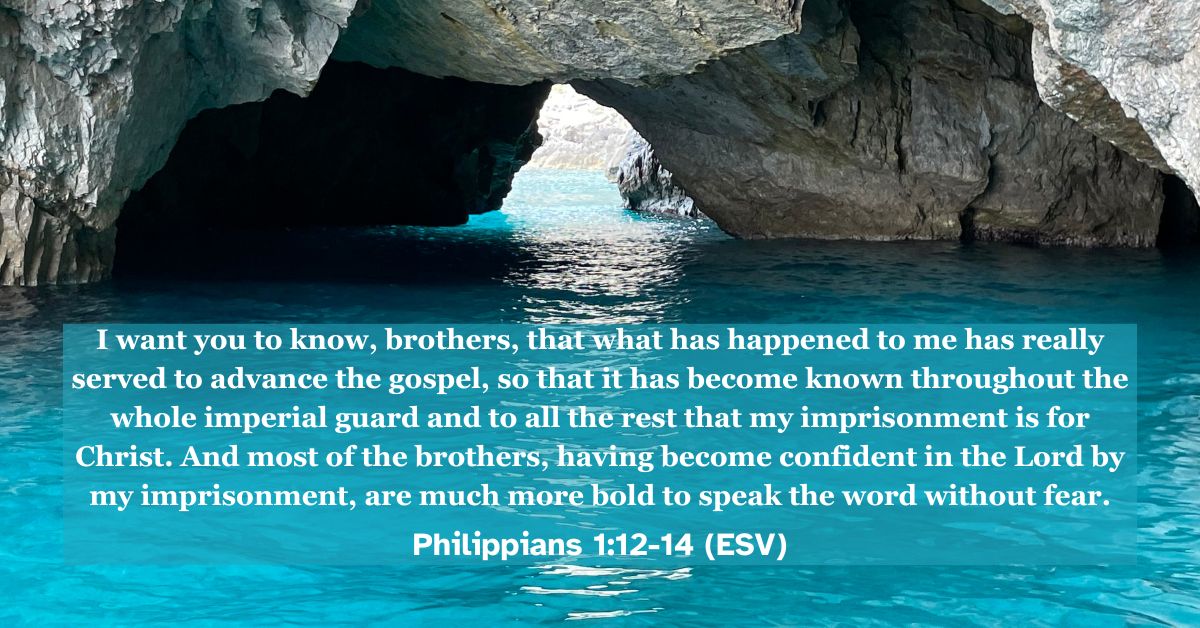
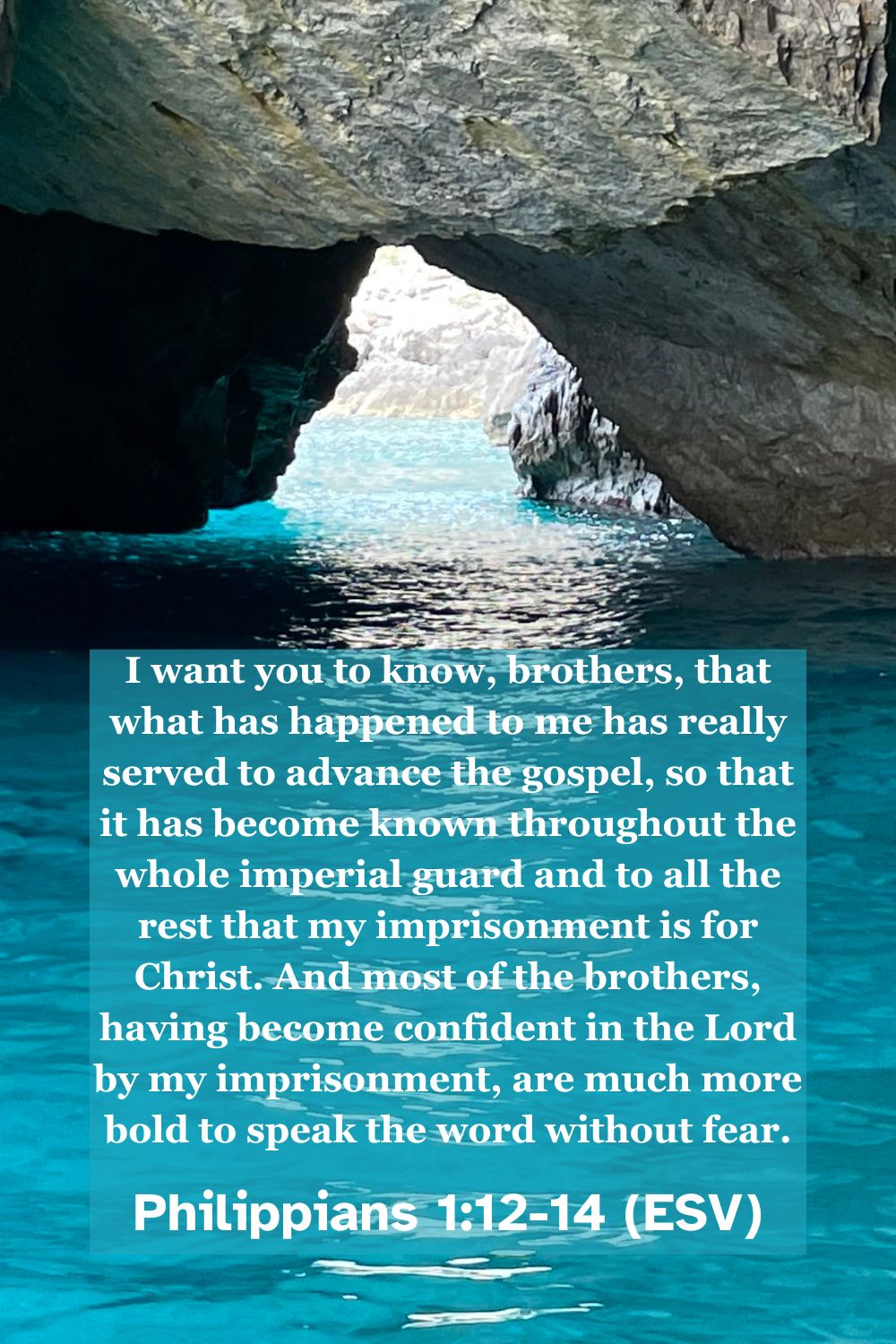
In Philippians 1:12-14, we see that Paul knows that his imprisonment is for the good of the Gospel:
- Paul has seen the conversion of many imperial guards, who likely would not have heard the gospel message if Christians were not imprisoned for their faith.
- Paul has been taken to places where he may not have particularly chosen to go (e.g. Rome) and the gospel flourished there.
- Seeing Paul’s sustenance and strength while being unfairly imprisoned would be an encouragement to others who find themselves in a similar situation.
- Seeing the results of Paul’s ministry while in prison would be an encouragement to other believers to not greatly fear being taken captive and to speak all the more boldly because of this lack of fear.
Paul’s Ministry to His Guards
The Philippians would know these examples well. First, in Acts 16, one of Paul’s first converts was a Philippian jailer. The story of Paul’s arrest is enough to turn the stomach of a modern reader. All Paul did was cast an evil spirt out of a slave girl who was repeatedly telling the truth about his ministry, albeit, in a very annoying manner. Her owners had made a huge profit off this skill, and now it was gone. In their anger, they handed him over to the Philippian guards, who severely beat him and Silas with rods, then fastened them into the stocks. Yikes!
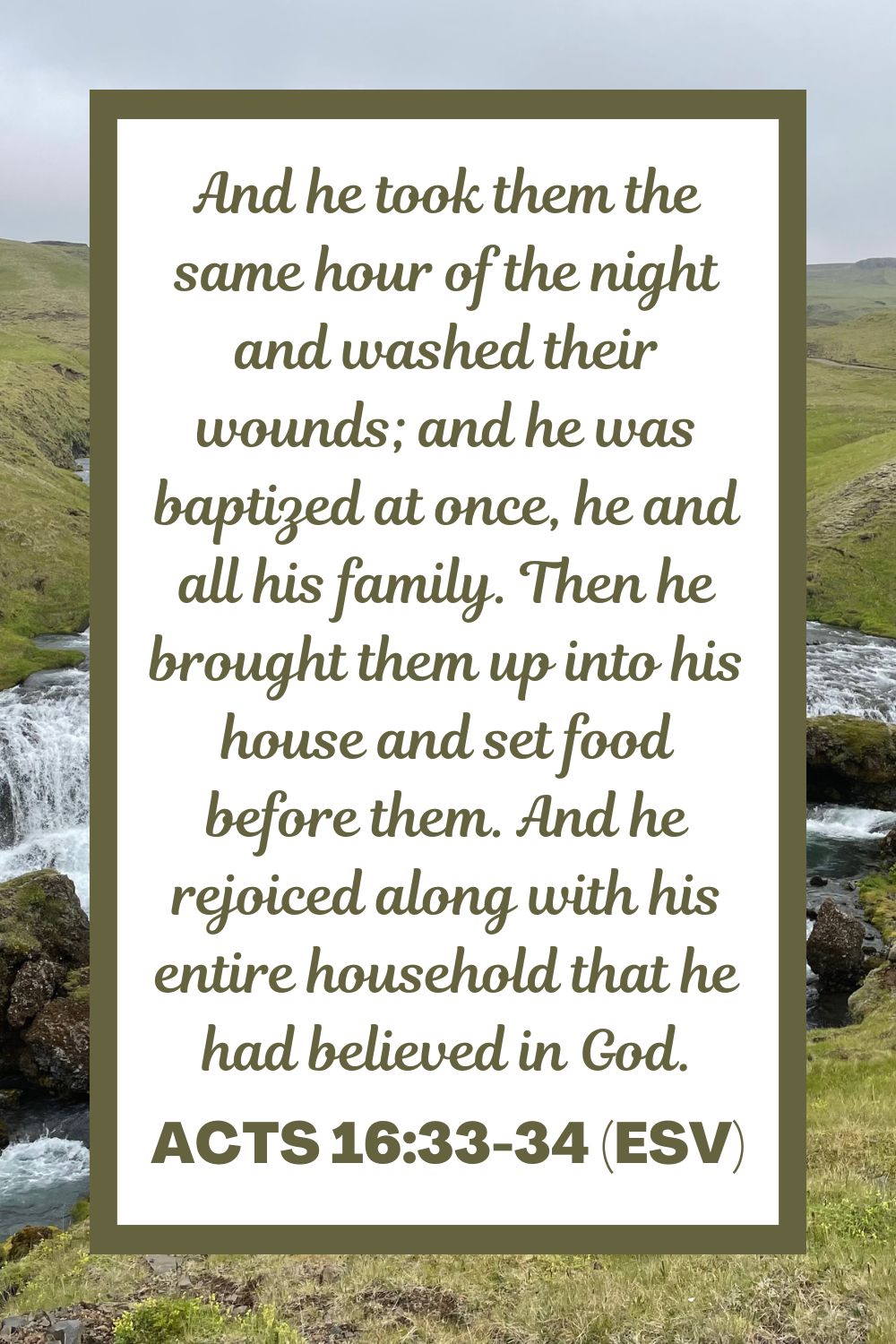
Rather than being angry with God about their misfortune, Paul and Silas sang praises to God. Eventually, God sent an earthquake to release them. They could have escaped, but instead, they cared greatly for the guard who was about to kill himself for his failure. They prevented the guard from ending his life, and the guard recognized this mercy for what it was and asked how he could not only get temporary salvation from Paul, but how he could get lasting salvation from God. The jailer became a Christian that night.
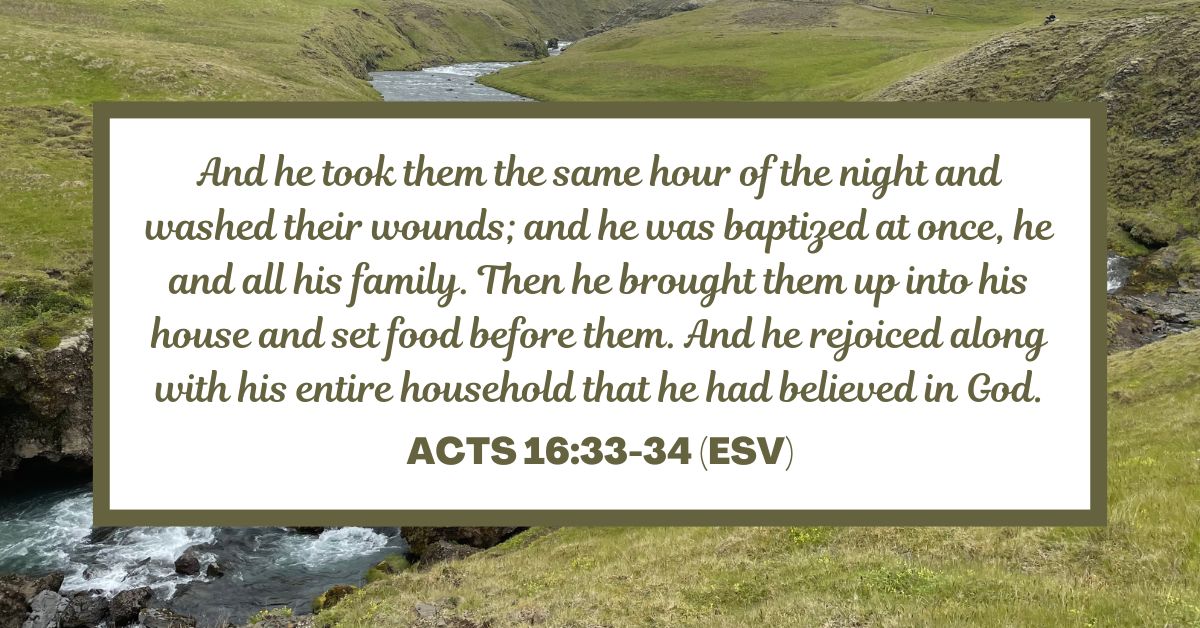
The people of Phillipi would have remembered this story and would have known everything that came of the jailer’s faith. How many people in that city were believers because the jailer believed first? What an amazing testimony from just a partial sentence in a single letter!
Additional Reading: True Conversion Demands Action – Acts 16:15 and Beyond
The Word Is Preached
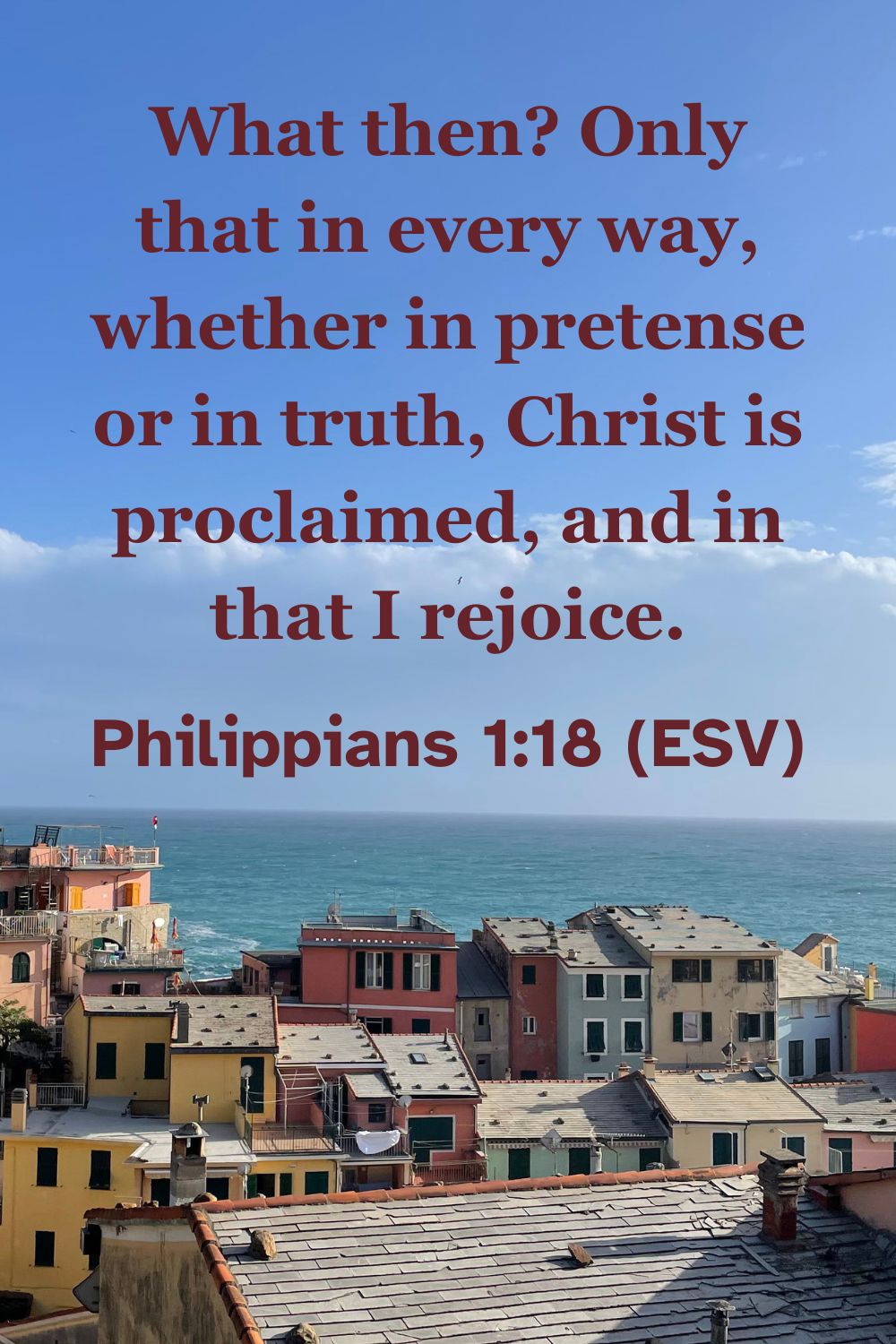
While Paul and others preached the gospel out of love, that was not always the case. In Philippians 1:15-18, Paul acknowledges that some share the message with less-than-pure motives.
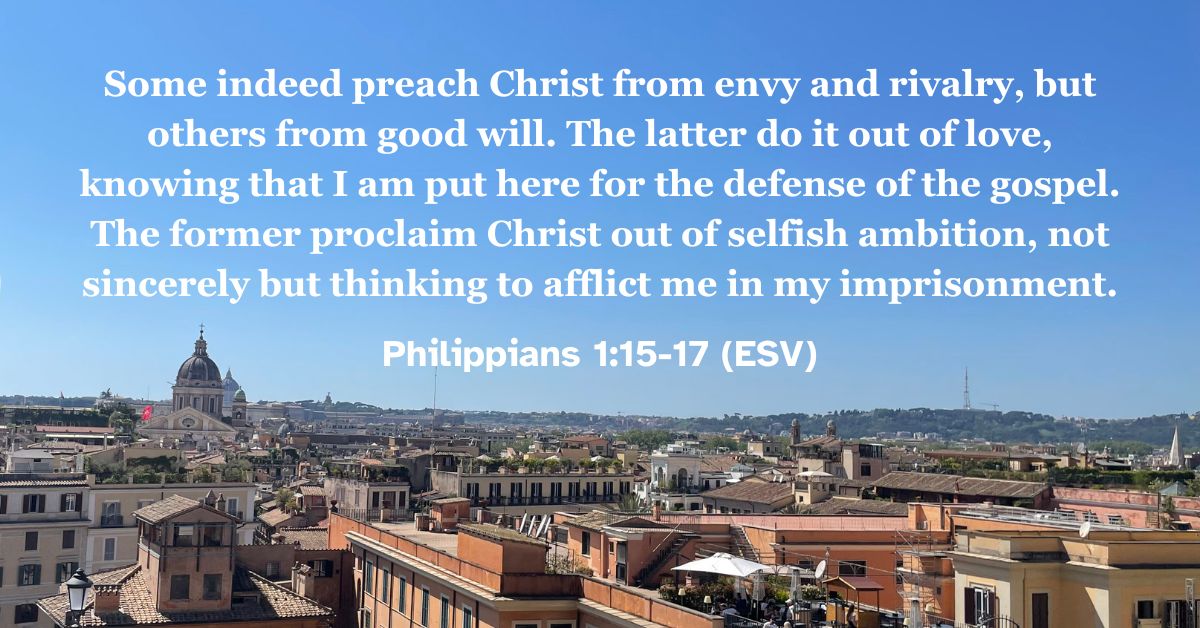
Yet, instead of lamenting this, he rejoices that Christ is being proclaimed regardless.
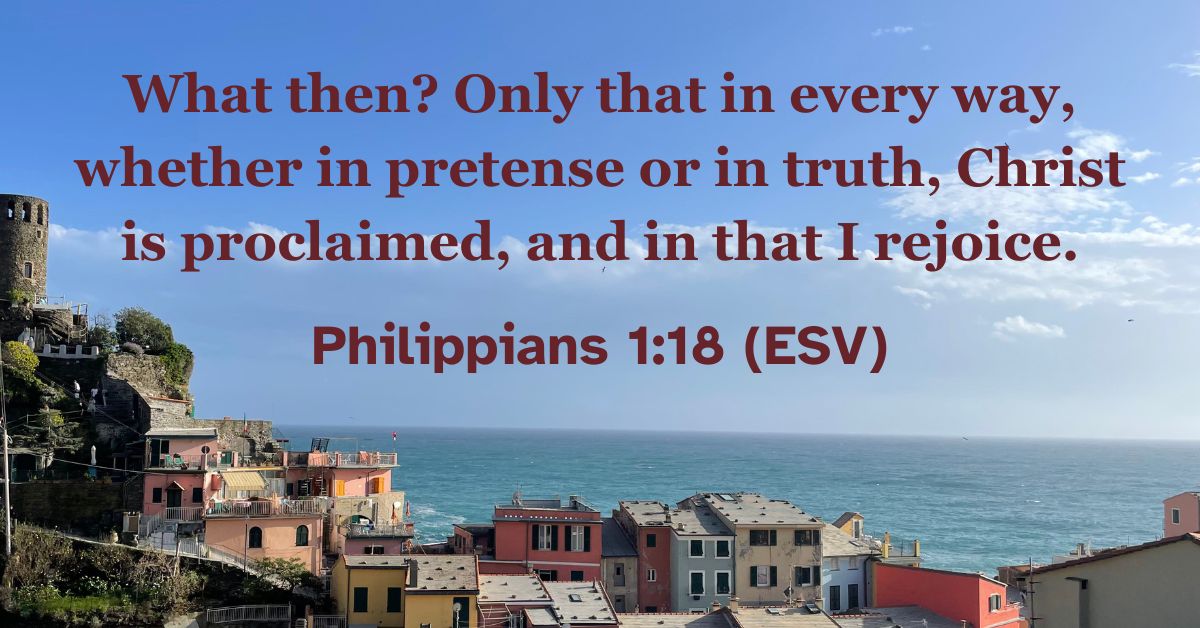
These verses remind us that even when the gospel is preached with flawed intentions, God can still use it for good. How often do we speak of God with perfect sincerity? Many of us have attended Bible studies or prayer meetings not out of deep devotion but out of obligation, fearing what others might think if we didn’t show up. I’ve certainly felt this myself—dragging myself to a gathering on a difficult day, not because I was eager, but because it felt like my duty.
The same applies to those who preach. Every pastor has days when they are exhausted, frustrated, envious of their counterparts, or struggling spiritually. Yet, they still stand before their congregations and proclaim the truth. And despite their inner battles, God’s word continues to change lives.
Difficulties often reveal our weaknesses, but they also lead us to moments of discipline that keep us on the right path. Over time, what may begin as a sense of duty can transform into genuine devotion. Paul’s perspective encourages us to rejoice—not because every sermon, prayer, or act of faithfulness comes from pure motives, but because God is at work, using even our imperfect human efforts to spread the good news.
Reflection Questions
- Can you recall a personal difficulty that, in hindsight, led to something good for yourself or others? How did it shape your faith?
- How does Paul’s perspective on suffering challenge the way you view your own hardships?
- Have you ever found yourself sharing your faith or attending a spiritual gathering out of duty rather than love? How did that experience impact you?
- What encouragement can you take from Paul’s response to those who preached with selfish motives?
- How can you trust that God is using your struggles for his greater purpose, even if you don’t yet see the results?
Reflective Prayer
Consider using these verses to pray using the ACTS method: Adoration, Confession, Thankfulness, and Supplication:
- Adoration: Praise God. Do these verses bring any specific characteristics of God to mind?
- Confession: Tell God that you are sorry for specific sins. Do these verses bring any specific sins to mind?
- Thankfulness: Show gratitude towards God. Does anything from these verses inspire gratitude?
- Supplication: Make requests for yourself and for others. Does anything from these verses inspire a prayer?
If helpful, you can use a prayer journal template.


Subscribe
If you enjoyed this post and wish to receive more Christian content, feel free to subscribe to my newsletters!
Related Resources
Visit the Joyful Moments in Christ homepage for all posts, or scroll through other blog posts related to difficulties and the gospel message:






Something went wrong. Please refresh the page and/or try again.
English Standard Version (ESV): Unless otherwise noted, scripture quotations are from the ESV® Bible (The Holy Bible, English Standard Version®), © 2001 by Crossway, a publishing ministry of Good News Publishers. Used by permission. All rights reserved. The ESV text may not be quoted in any publication made available to the public by a Creative Commons license. The ESV may not be translated in whole or in part into any other language.



 Joyful Moments in Christ