
Philippians is one of my favorite books of the Bible because of its warmth, encouragement, and focus on Christ. Written by the Apostle Paul to the church in Philippi, this epistle expresses deep gratitude for the Philippians’ unwavering support, encourages them to remain steadfast in faith despite trials, and calls them to unity, humility, and joy in Christ.
What makes this letter especially powerful is its context—Paul wrote it while imprisoned in Rome, uncertain of whether he would live or die. His ability to express such joy and confidence in God’s plan, even in suffering, is a powerful testament to the strength of faith.
Throughout the letter, Paul highlights Jesus as the ultimate example of service and emphasizes that true righteousness comes through faith, not works. No matter how righteous we are, we will never perform to God’s standards! He also warns against false teachers who distort the gospel and urges believers to rejoice in the Lord, regardless of their circumstances.
Philippians is one of Paul’s most personal and uplifting letters, reminding all of us that our ultimate hope and contentment are found not in worldly success or comfort, but in Christ alone.
Paul’s Gratitude for the Philippians
Paul’s letter begins with thanksgiving and prayer, setting a tone of deep appreciation for the Philippians’ generosity and faithfulness. This serves as a powerful model for how we should acknowledge and encourage fellow believers who have supported us in our own faith journeys.
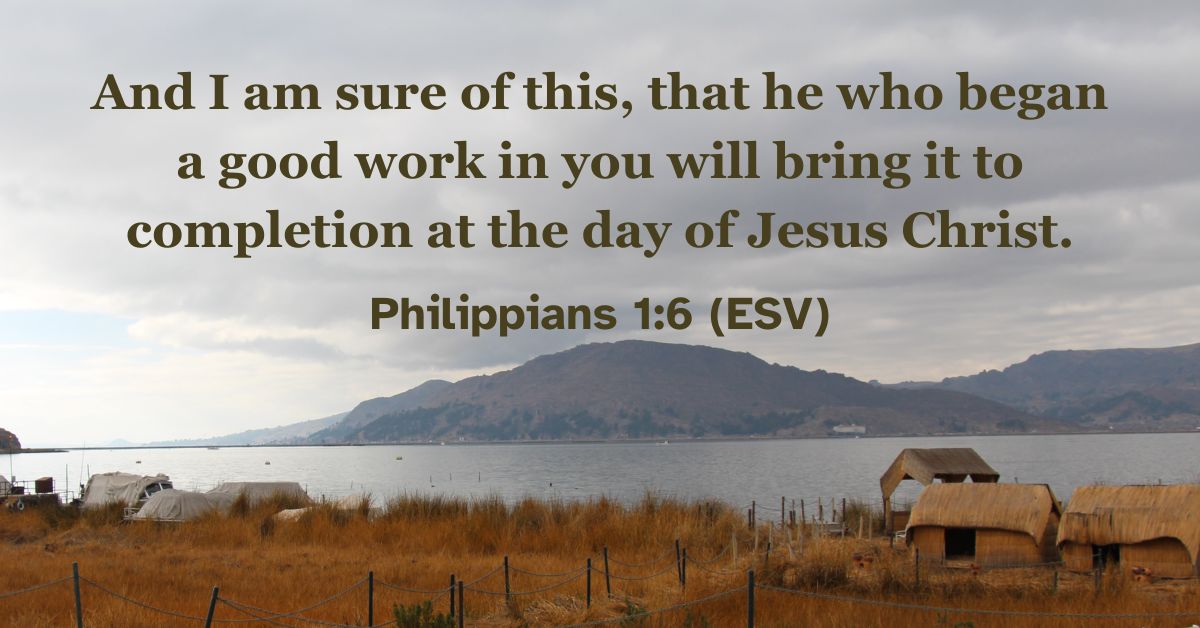
I thank my God in all my remembrance of you, always in every prayer of mine for you all making my prayer with joy, because of your partnership in the gospel from the first day until now. And I am sure of this, that he who began a good work in you will bring it to completion at the day of Jesus Christ. It is right for me to feel this way about you all, because I hold you in my heart, for you are all partakers with me of grace, both in my imprisonment and in the defense and confirmation of the gospel. For God is my witness, how I yearn for you all with the affection of Christ Jesus.
Philippians 1:3-8 (ESV)
The church in Philippi was not just a distant audience receiving a theological sermon; they were active participants in Paul’s mission. We see in Acts 16 how Paul first encountered the Philippians, including Lydia, a wealthy merchant who became one of the first converts in Europe, and the Philippian jailer, who turned to Christ after witnessing Paul’s faithfulness in suffering. These early interactions led to a strong and lasting relationship between Paul and the Philippian believers.
Unlike many other churches, the Philippians demonstrated consistent financial and personal support for Paul’s ministry. Paul himself acknowledges this generosity in Philippians 4:15-16, where he praises them as the only church that repeatedly sent him aid. Their actions reveal a community deeply committed to the spread of the gospel, not just through words, but through sacrificial giving. In Philippians 2:25-26 and 4:18, we learn that they even sent Epaphroditus to deliver gifts and assist Paul while he was imprisoned. This was not just a simple favor—it was a significant act of love and risk, as Epaphroditus nearly died in the process.
Paul’s gratitude extends beyond their material gifts. He recognizes that their generosity is a sign of their spiritual maturity and partnership in God’s work. His confidence that “he who began a good work in you will bring it to completion” is a powerful reminder that spiritual growth is an ongoing process, one that God himself guarantees. Just as the Philippians supported Paul, they were also being shaped by God for a greater purpose.
This raises an important question for us today: Are we actively supporting the work of the gospel, not just in word, but in action? The Philippians show us that true Christian partnership involves practical generosity, personal sacrifice, and steadfast encouragement.
Paul’s Prayer for the Philippians
Paul does not stop at gratitude—he also lifts the Philippians up in prayer, showing us that appreciation should not just be spoken, but should lead to intercession on behalf of others.
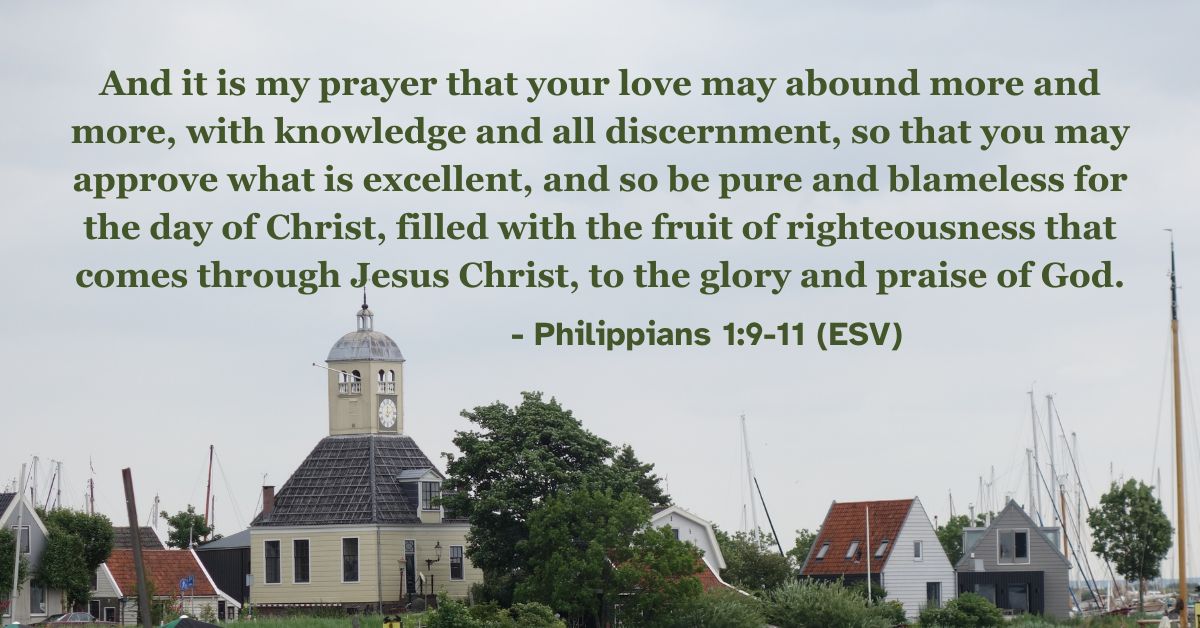
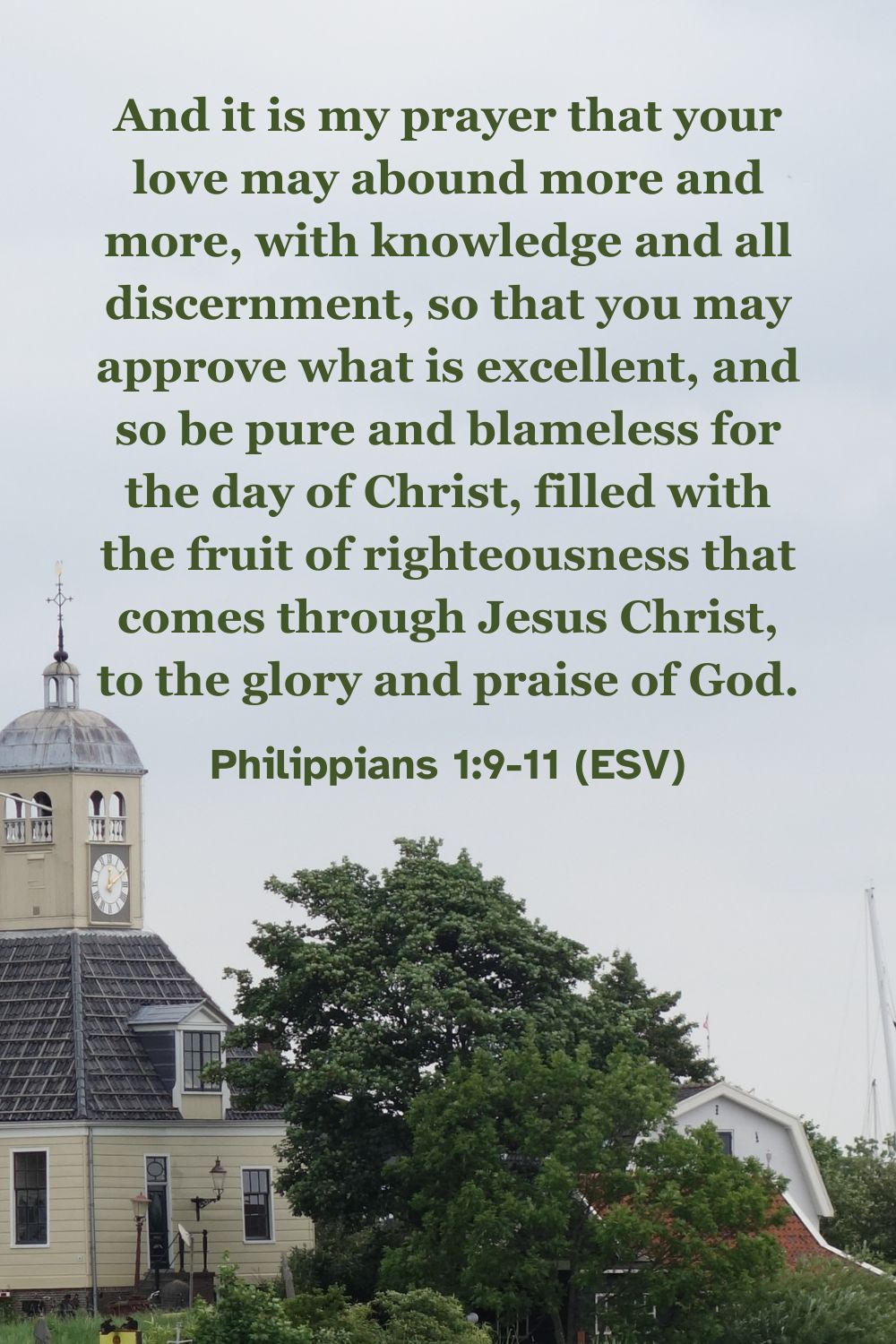
This prayer is incredibly rich. Paul does not simply pray for their happiness or success—he prays for their spiritual depth. He asks God to increase their love, knowledge, and discernment, so they may be able to distinguish what is excellent and live lives that are pure and blameless.
This teaches us a crucial lesson: Christian growth is not just about doing good deeds, but about developing wisdom and understanding. Love without knowledge can lead to misdirected efforts, while knowledge without love can lead to arrogance. Paul prays for both to abound, so that the Philippians can navigate their faith with both passion and wisdom.

Furthermore, Paul reminds them that they are being prepared for “the day of Christ”—the ultimate fulfillment of God’s work in their lives. This echoes his earlier statement in Philippians 1:6, reinforcing that our spiritual journey is a process that God himself oversees. It is a reminder that our faith is not static; we are meant to grow, bear fruit, and glorify God in increasing measure.
Too often, we settle for spiritual complacency, thinking we are “good enough” in our faith. Paul’s prayer challenges us to ask ourselves:
- Am I growing in love, knowledge, and discernment?
- Am I actively seeking excellence in my faith?
- Am I producing the fruits of righteousness that bring glory to God?
Paul’s prayer reminds us that no matter how faithful we think we are, there is always room for greater growth in Christ.
Ultimately, the letter to the Philippians is not just a historical document—it is a living call to joyful endurance, generous faith, and continuous transformation in Christ. Like the Philippians, we are invited to partner in the gospel, to support one another, and to press on toward the ultimate goal: a life that brings glory to God.
Reflection Questions
- How do I express gratitude for those who support me in my faith journey? Do I take time to acknowledge and encourage them as Paul did with the Philippians?
- In what ways am I actively supporting the work of the gospel? Am I contributing through prayer, financial support, or acts of service?
- How can I grow in love, knowledge, and discernment? What steps can I take to ensure my faith is deepening rather than remaining stagnant?
- Am I producing the “fruit of righteousness” in my life? How do my actions reflect my faith in Christ?
- How do I respond to trials and suffering? Do I find joy and confidence in God’s plan, as Paul did, or do I struggle with doubt and discouragement?
- What does it mean for me to “approve what is excellent” in my daily life? How can I ensure my decisions align with God’s wisdom rather than worldly values?
- How can I cultivate a spirit of unity and humility in my relationships? Am I prioritizing the needs of others and fostering Christlike love in my community?
Reflective Prayer
Consider using these verses to pray using the ACTS method: Adoration, Confession, Thankfulness, and Supplication:
- Adoration: Praise God. Do these verses bring any specific characteristics of God to mind?
- Confession: Tell God that you are sorry for specific sins. Do these verses bring any specific sins to mind?
- Thankfulness: Show gratitude towards God. Does anything from these verses inspire gratitude?
- Supplication: Make requests for yourself and for others. Does anything from these verses inspire a prayer?
If helpful, you can use a prayer journal template.

Subscribe
If you enjoyed this post and wish to receive more Christian content, feel free to subscribe to my newsletters!
Related Resources
Visit the Joyful Moments in Christ homepage for all posts, or scroll through other blog posts related to Philippians:








Something went wrong. Please refresh the page and/or try again.
English Standard Version (ESV): Unless otherwise noted, scripture quotations are from the ESV® Bible (The Holy Bible, English Standard Version®), © 2001 by Crossway, a publishing ministry of Good News Publishers. Used by permission. All rights reserved. The ESV text may not be quoted in any publication made available to the public by a Creative Commons license. The ESV may not be translated in whole or in part into any other language.


 Joyful Moments in Christ