When life takes unexpected turns, it is natural to search for meaning in the chaos. In Acts 28, the people of Malta faced this challenge when they tried to interpret Paul’s external circumstances. At first glance, they thought his troubles indicated divine punishment. But as events unfolded, their perspective shifted wildly—from believing Paul was cursed to thinking he was a god.
Their response is a fascinating case study in how easily human discernment can go astray when it’s not rooted in truth.
Quick Judgments and Misguided Conclusions
Paul’s arrival on Malta came after surviving a shipwreck, which was itself a harrowing ordeal. As a prisoner headed for trial in Rome, he was already viewed with suspicion. When a venomous snake bit him, the Maltese people jumped to conclusions:
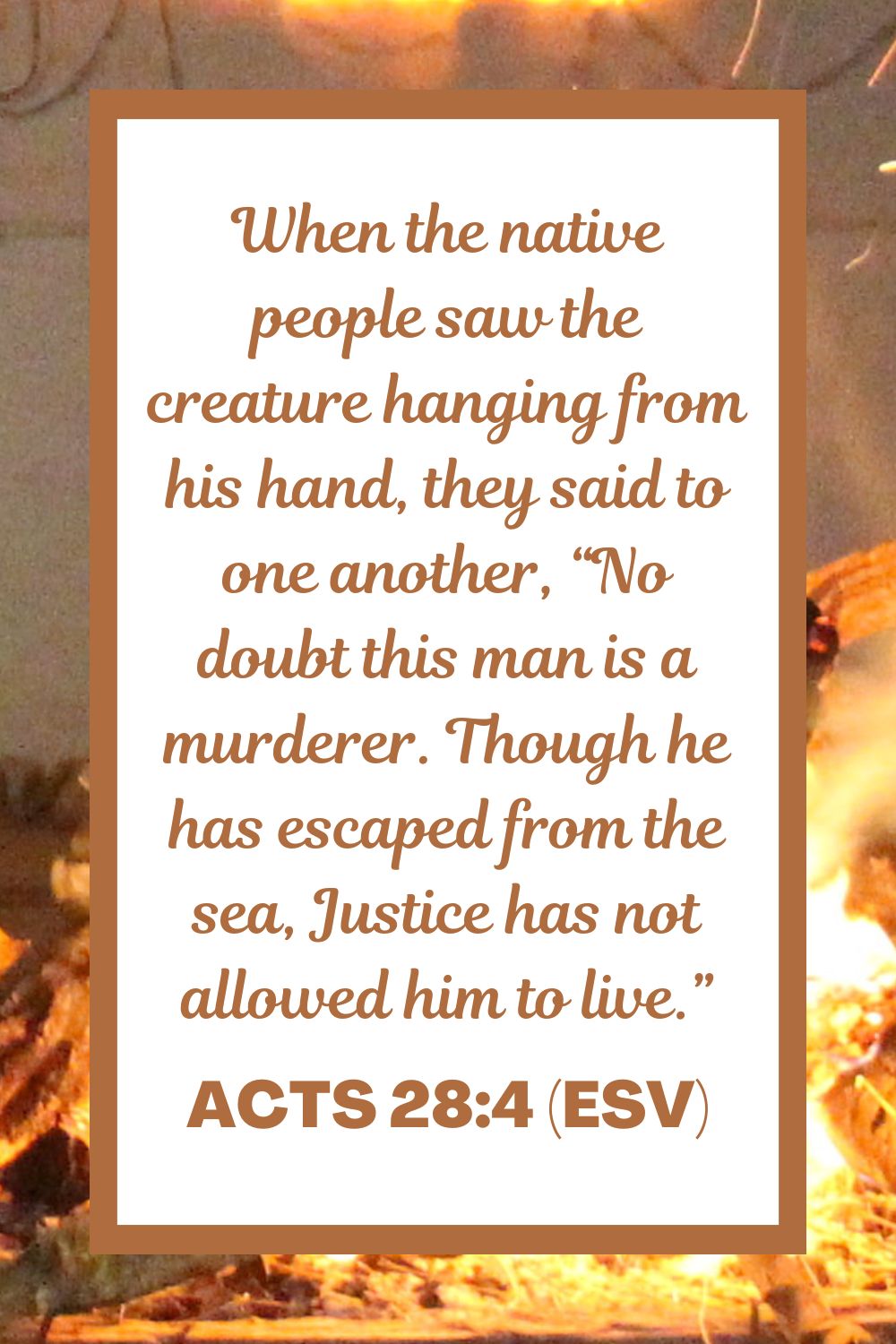
When the native people saw the creature hanging from his hand, they said to one another, “No doubt this man is a murderer. Though he has escaped from the sea, Justice has not allowed him to live.”
Acts 28:4 (ESV)
In their eyes, the snakebite confirmed their suspicions. Surely, they reasoned, this was divine punishment for a hidden crime. But when Paul shook off the snake and suffered no ill effects, their opinion shifted dramatically:
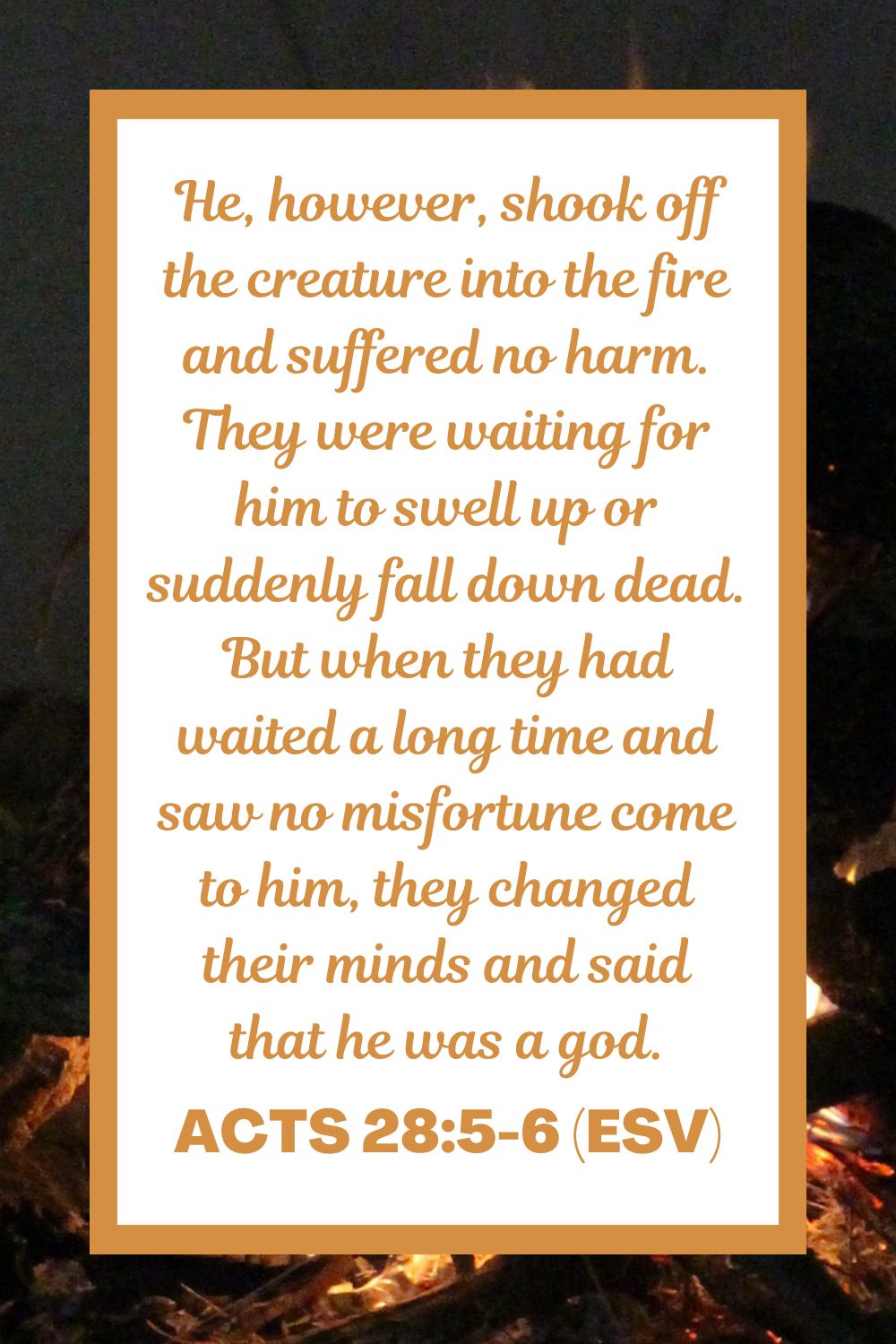
He, however, shook off the creature into the fire and suffered no harm. They were waiting for him to swell up or suddenly fall down dead. But when they had waited a long time and saw no misfortune come to him, they changed their minds and said that he was a god.
Acts 28:5-6 (ESV)
The same people who thought Paul was cursed moments earlier now exalted him as divine. Their interpretation of events was based entirely on external appearances, not on truth.
Faith Over Circumstances
While Acts doesn’t spell out exactly what happened, Paul’s calm and matter-of-fact recording of these events is striking. He didn’t defend himself against accusations of being a murderer, nor did he bask in the praise of being called a god. His focus remained on God’s purpose for him–getting to Rome to share the Gospel message there. Paul had learned to trust in God’s sovereignty, regardless of how his circumstances appeared to others.
This wasn’t the first time Paul faced such misunderstandings. In Acts 14, when he and Barnabas healed a man in Lystra, the crowd declared them gods and prepared to offer sacrifices. Paul quickly refuted the claim, pointing people to the one true God:
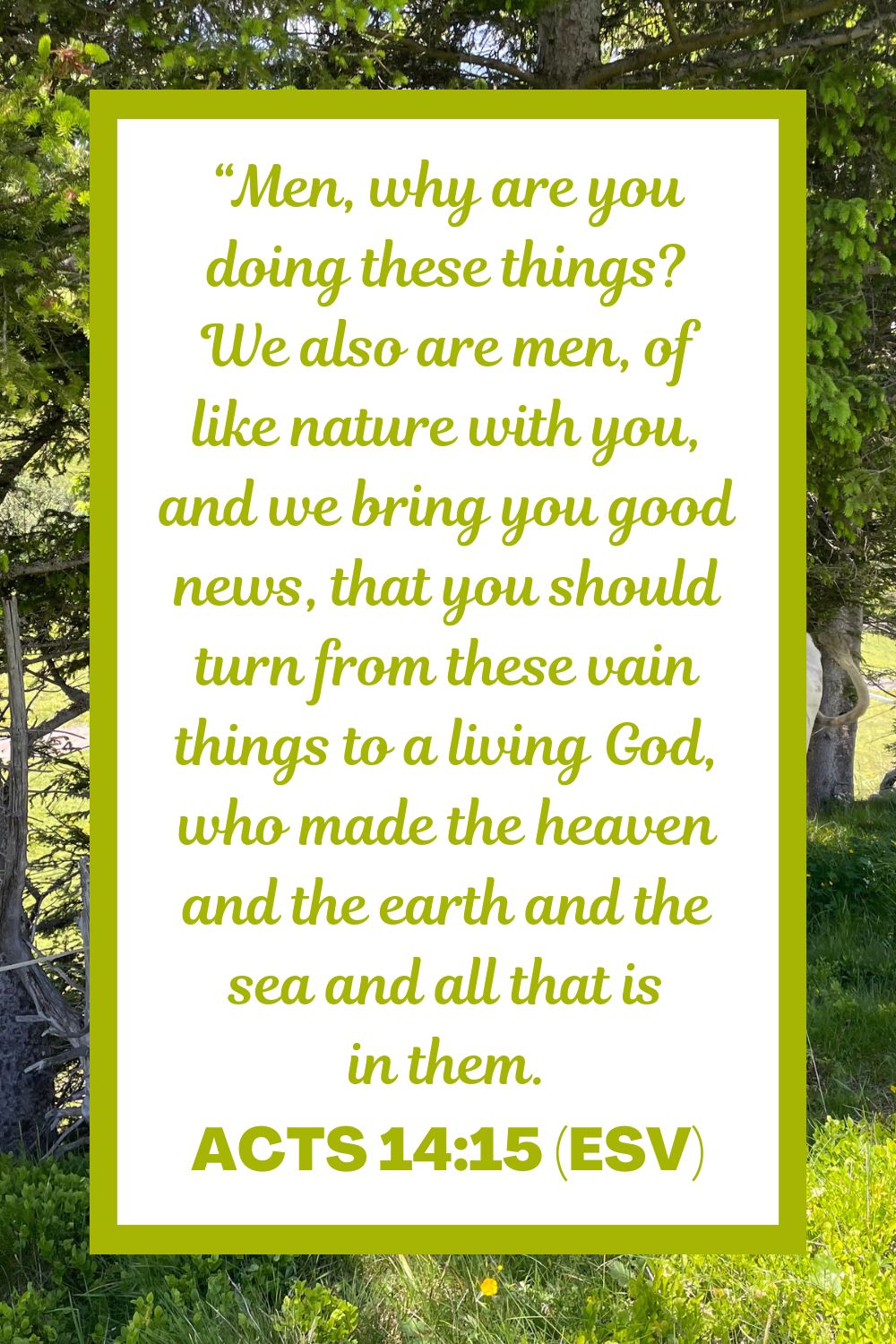
“Men, why are you doing these things? We also are men, of like nature with you, and we bring you good news, that you should turn from these vain things to a living God, who made the heaven and the earth and the sea and all that is in them.
Acts 14:15 (ESV)
While Acts 28 doesn’t explicitly record Paul correcting the Maltese people, his consistent character suggests he would have used the opportunity to redirect their faith toward God.
The Role of Miracles
Paul’s survival of the snakebite and his subsequent healing of the sick on Malta demonstrate how God often uses miracles to point people toward his power and glory.
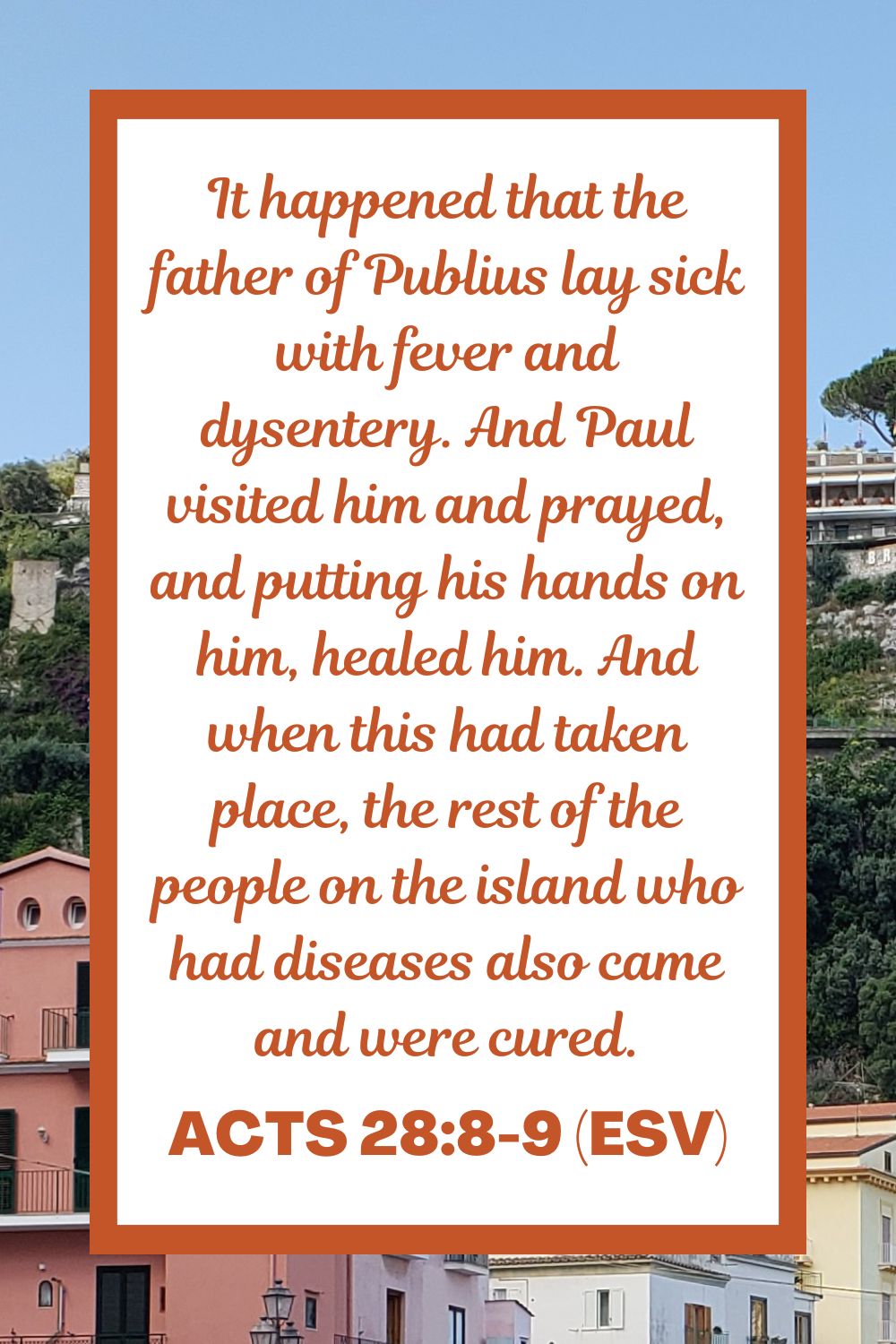
It happened that the father of Publius lay sick with fever and dysentery. And Paul visited him and prayed, and putting his hands on him, healed him. And when this had taken place, the rest of the people on the island who had diseases also came and were cured.
Acts 28:8-9 (ESV)
These miracles likely opened the hearts of the Maltese people to hear about God. However, it’s important to remember that miracles are not an end in themselves—they are signs meant to point us to the truth.
Testing the Signs
The Maltese people’s shifting opinions illustrate the dangers of relying on signs without seeking deeper understanding. Their initial assumption—that misfortune equals divine punishment—is contradicted by Jesus’ teachings in John 9, where he explains that not all suffering is a result of sin:
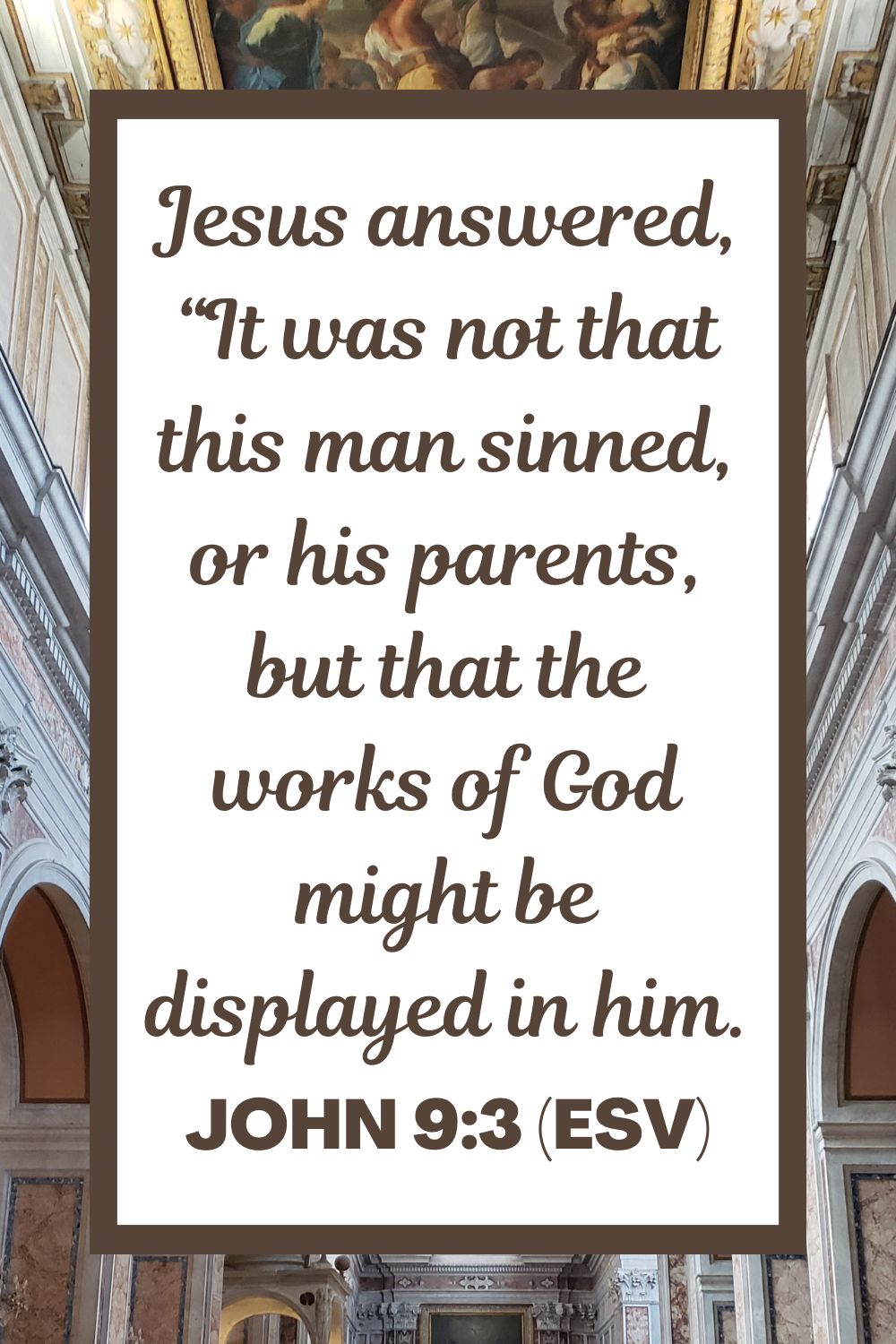
Jesus answered, “It was not that this man sinned, or his parents, but that the works of God might be displayed in him.
John 9:3 (ESV)
This one small example serves as a reminder for us to test what we perceive as a sign against the truth of Scripture. Misinterpreting events can lead us to false conclusions, just as the Maltese people initially misjudged Paul. Whenever we start to ascribe a heavenly reason to an everyday part of life, we should question whether it aligns with the Bible and with God’s character.
Trusting in God’s Plan
Paul’s faith throughout these trials leaves us with an example of how to respond when life seems chaotic. He trusted God’s promise that he would testify in Rome, which allowed Paul to stay focused on his mission, using every circumstance—including a shipwreck and a snakebite—as an opportunity to glorify God.
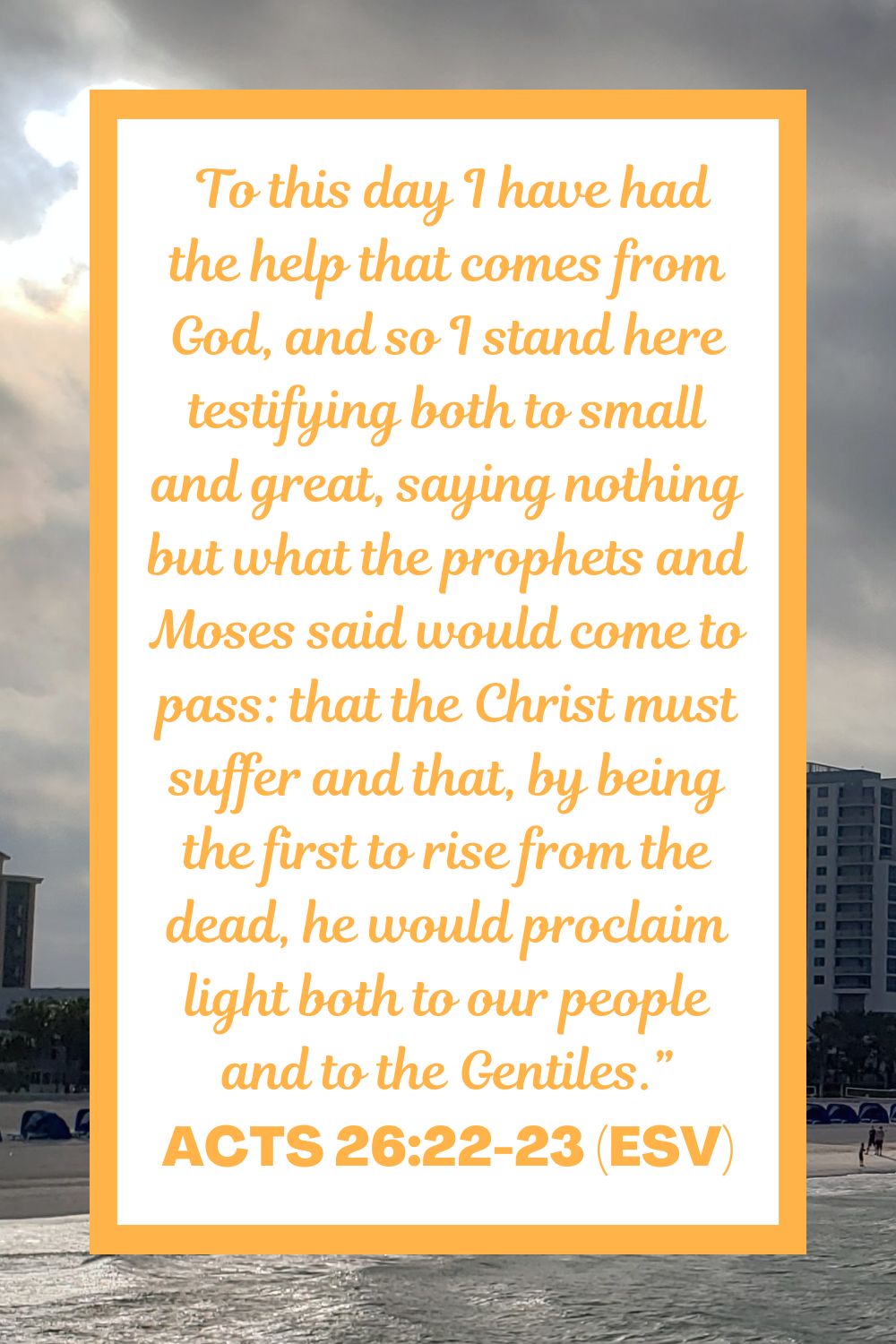
To this day I have had the help that comes from God, and so I stand here testifying both to small and great, saying nothing but what the prophets and Moses said would come to pass: that the Christ must suffer and that, by being the first to rise from the dead, he would proclaim light both to our people and to the Gentiles.”
Acts 26:22-23 (ESV)
How can we use both our fortunes and our misfortunes to glorify God and share the Gospel message?
Reflection Questions
- How often do you judge others’ circumstances without knowing the full story?
- Have you ever misinterpreted a situation as a “sign” from God? How did you seek clarity?
- In what ways can you strengthen your ability to discern truth by studying Scripture?
- How do you respond to life’s challenges—with trust in God’s plan, or with fear and doubt?
- Are you using your own trials as opportunities to point others toward God?
Reflective Prayer
Consider using these verses to pray using the ACTS method: Adoration, Confession, Thankfulness, and Supplication:
- Adoration: Praise God. Do these verses bring any specific characteristics of God to mind?
- Confession: Tell God that you are sorry for specific sins. Do these verses bring any specific sins to mind?
- Thankfulness: Show gratitude towards God. Does anything from these verses inspire gratitude?
- Supplication: Make requests for yourself and for others. Does anything from these verses inspire a prayer?
If helpful, you can use a prayer journal template.
Subscribe
If you enjoyed this post and wish to receive more Christian content, feel free to subscribe to my newsletters!
Related Resources
Visit the Joyful Moments in Christ homepage for all posts, or scroll through other blog posts related to truth, chaos, and discernment:




Something went wrong. Please refresh the page and/or try again.
English Standard Version (ESV): Unless otherwise noted, scripture quotations are from the ESV® Bible (The Holy Bible, English Standard Version®), © 2001 by Crossway, a publishing ministry of Good News Publishers. Used by permission. All rights reserved. The ESV text may not be quoted in any publication made available to the public by a Creative Commons license. The ESV may not be translated in whole or in part into any other language.


 Joyful Moments in Christ