
Trusting God’s Plan in Life’s Storms
When life hands us lemons, it can be challenging to trust that God has a purpose for us. In Acts 27, Paul’s life seemed to be an unending series of challenges, however, it was clear that God had a plan for Paul. He had been falsely accused by Jewish leaders, arrested by the Romans, manipulated by officials who could have set him free, and told he could have avoided imprisonment if he hadn’t appealed to Caesar. Now, on his way to Rome as a prisoner, his ship faced a life-threatening storm.
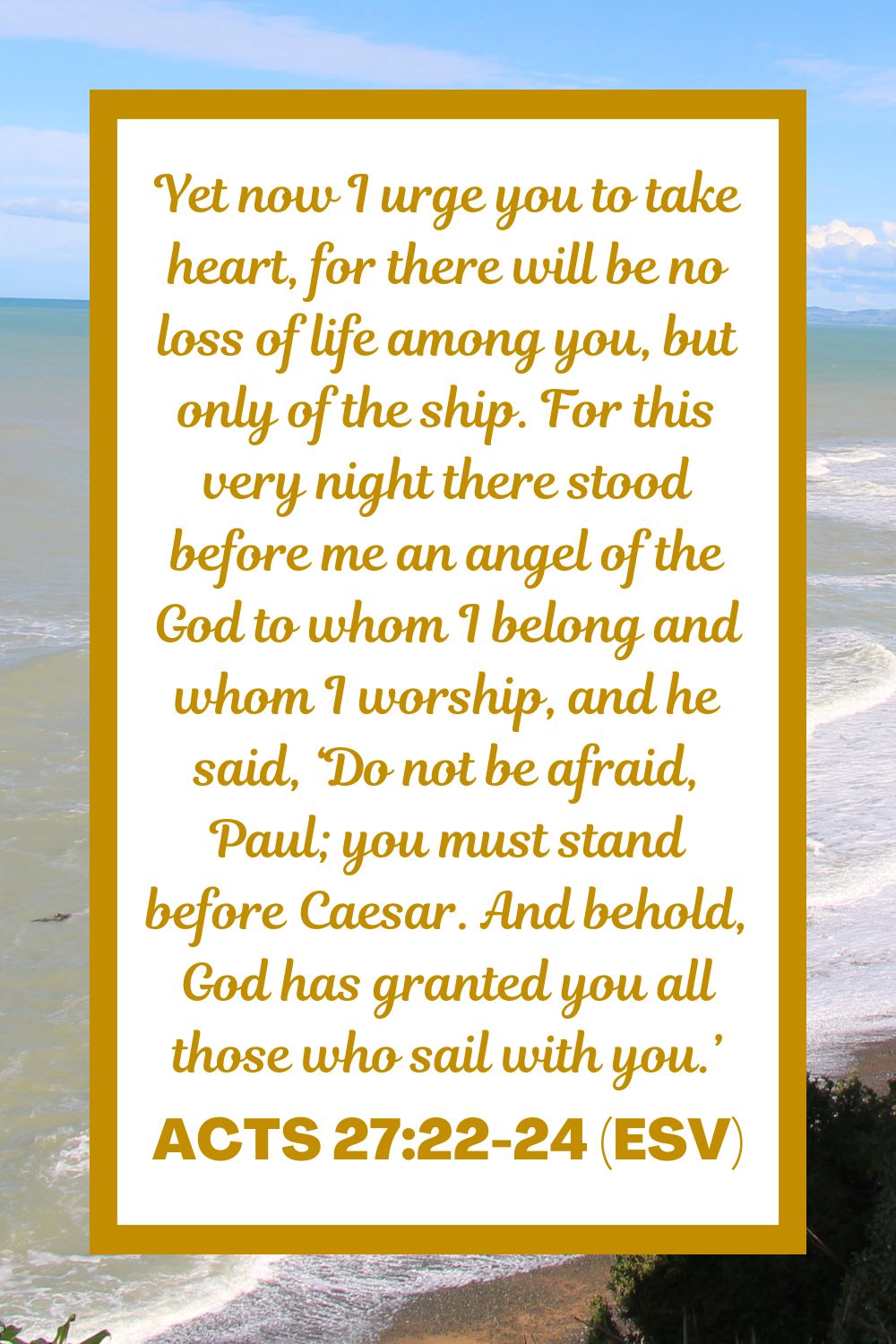
Yet now I urge you to take heart, for there will be no loss of life among you, but only of the ship. For this very night there stood before me an angel of the God to whom I belong and whom I worship, and he said, ‘Do not be afraid, Paul; you must stand before Caesar. And behold, God has granted you all those who sail with you.’
Acts 27:22-24 (ESV)
Despite the repeated dismissal of his warnings and visions, Paul never lost faith in God’s promises. Paul understood that faith in God does not guarantee an easy life, but it does guarantee that God remains in control.
When Others Begin to Pray
Paul’s shipmates, however, did not yet share his confidence. In the face of impending disaster, they began to pray—likely to a mix of gods, though Paul’s testimony may have influenced their prayers and encouraged them to pray to Paul’s God as well:
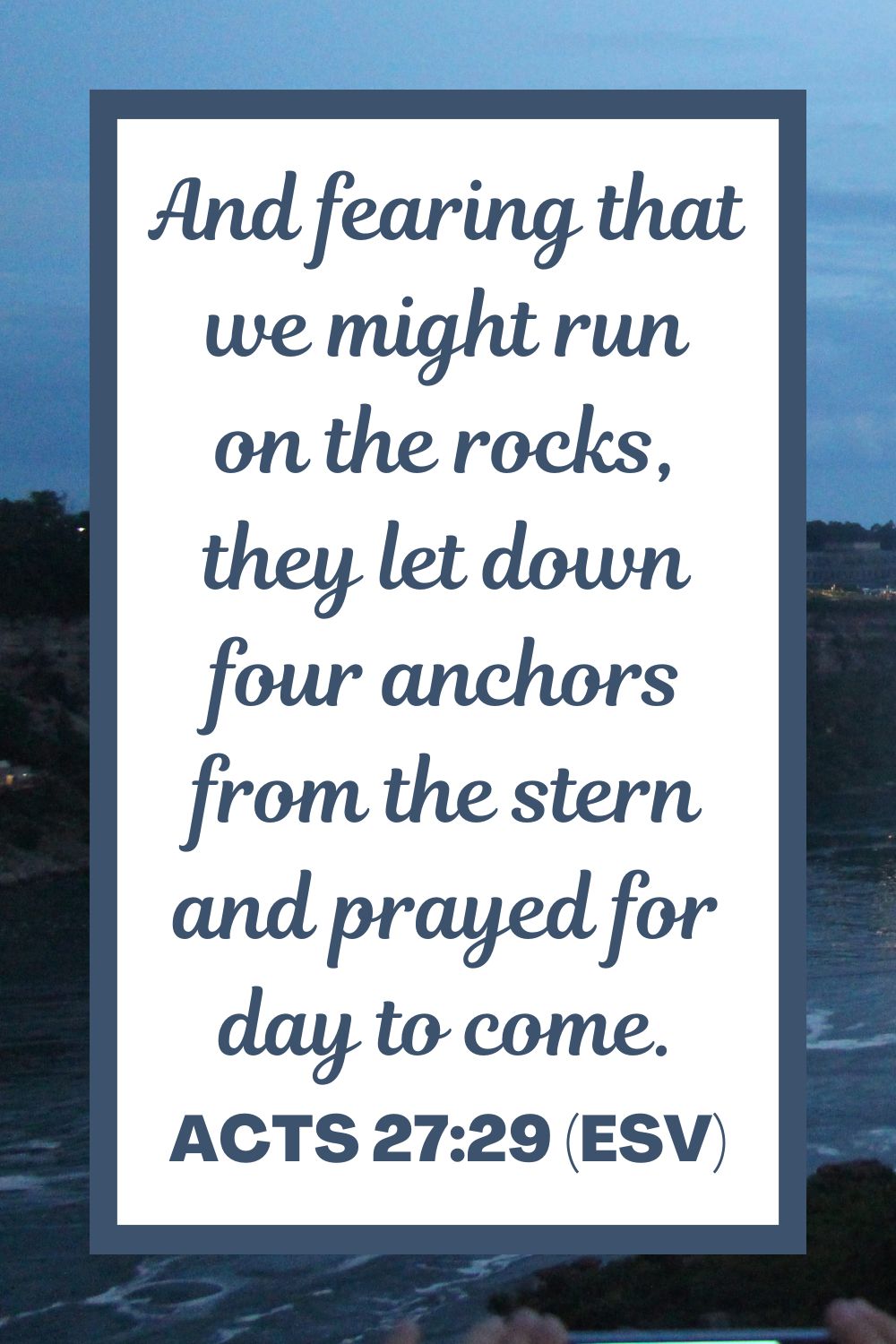
And fearing that we might run on the rocks, they let down four anchors from the stern and prayed for day to come.
Acts 27:29 (ESV)
Even so, some of the sailors sought their own solutions, attempting to escape in the ship’s lifeboat. Paul, trusting God’s guidance, warned that they must stay aboard to survive:
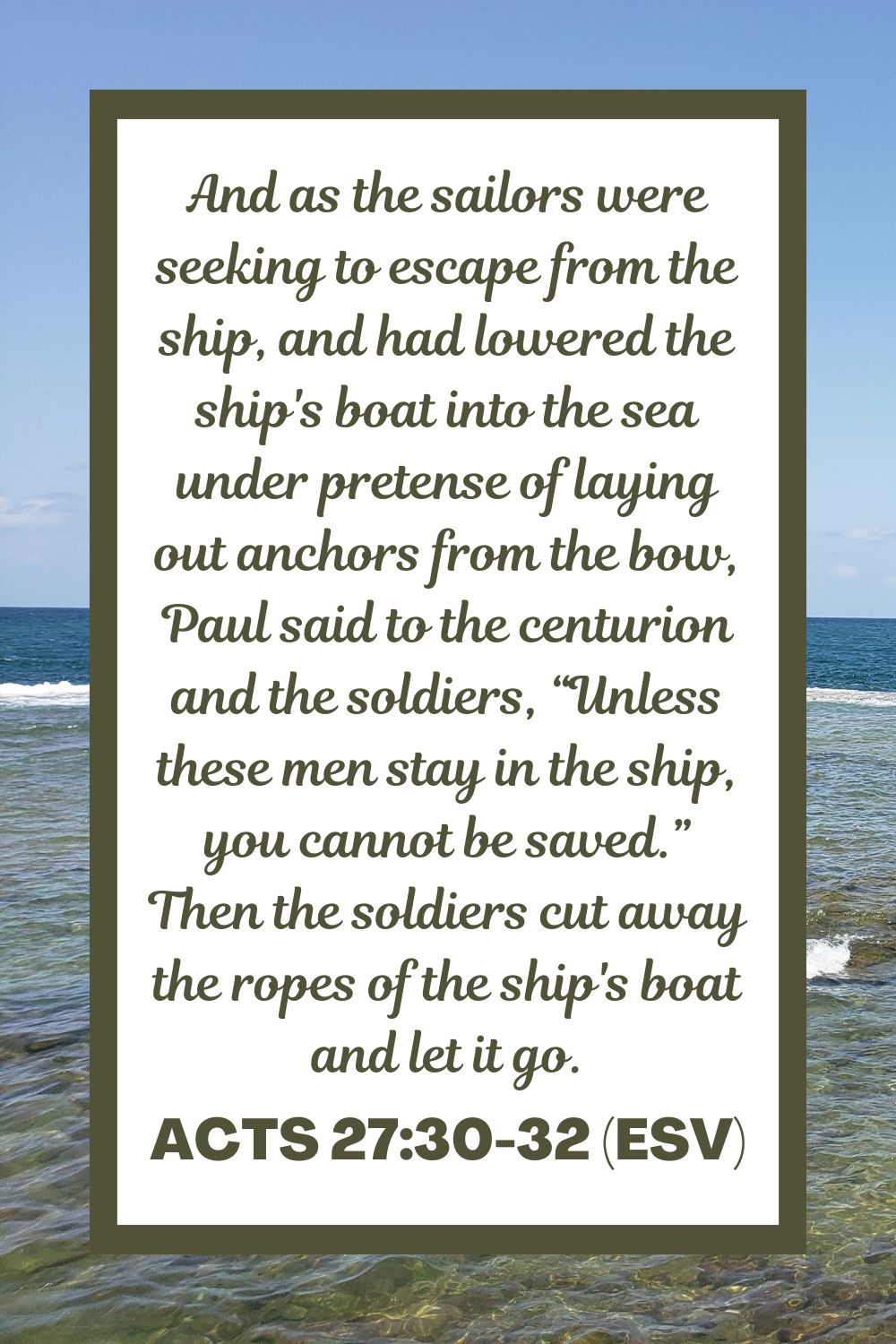
And as the sailors were seeking to escape from the ship, and had lowered the ship’s boat into the sea under pretense of laying out anchors from the bow, Paul said to the centurion and the soldiers, “Unless these men stay in the ship, you cannot be saved.” Then the soldiers cut away the ropes of the ship’s boat and let it go.
Acts 27:30-32 (ESV)
This act of cutting the lifeboat away was a profound moment of trust in Paul’s God rather than their own reasoning.
God’s Providence in the Storm
Eventually, the ship ran aground, and the situation seemed dire once again. The soldiers even considered killing the prisoners to prevent their escape:
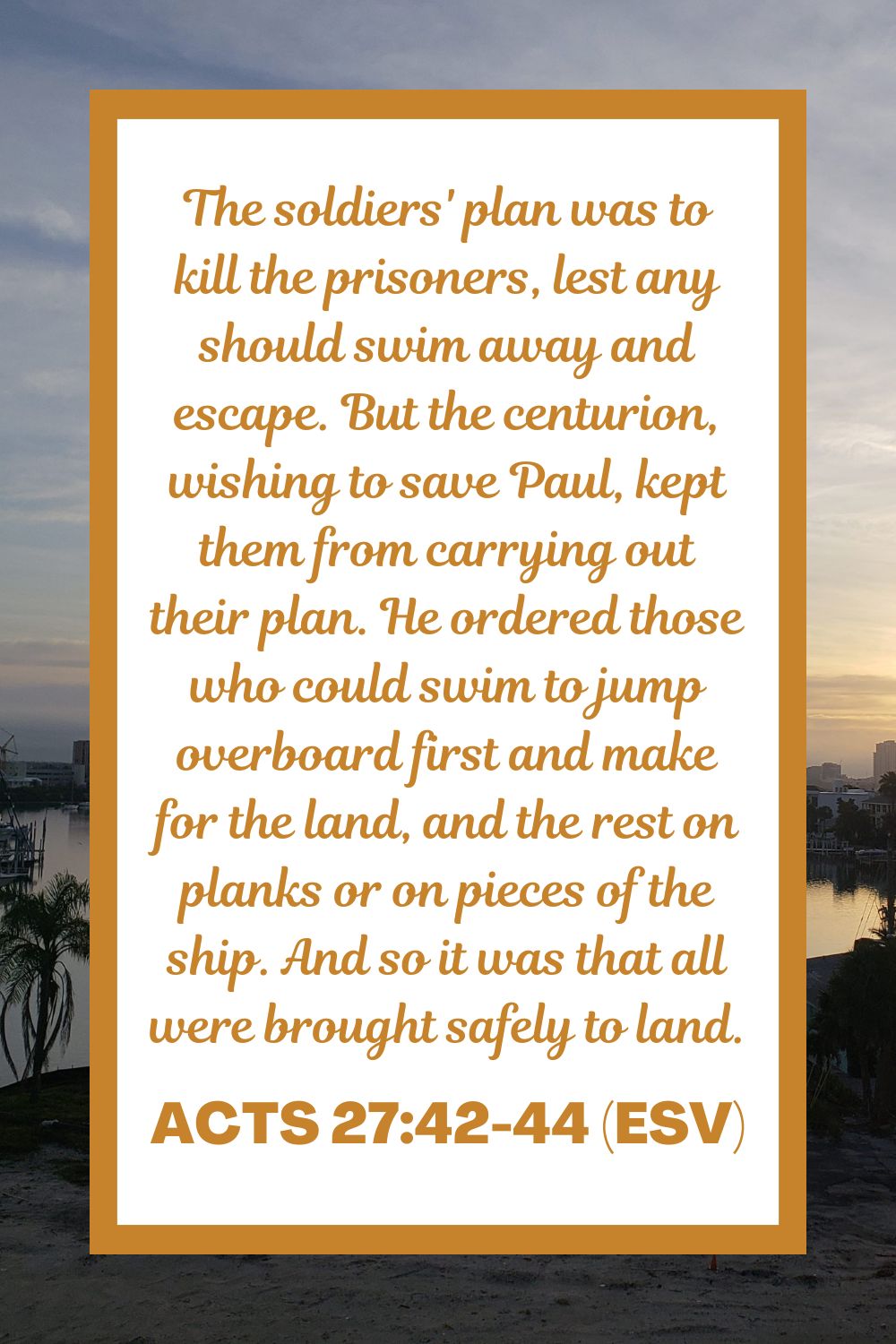
But striking a reef, they ran the vessel aground. The bow stuck and remained immovable, and the stern was being broken up by the surf. The soldiers’ plan was to kill the prisoners, lest any should swim away and escape. But the centurion, wishing to save Paul, kept them from carrying out their plan. He ordered those who could swim to jump overboard first and make for the land, and the rest on planks or on pieces of the ship. And so it was that all were brought safely to land.
Acts 27:41-44 (ESV)
The centurion’s decision to spare Paul’s life was likely influenced by God’s providence. When God has a plan, he ensures it unfolds according to his purpose, and nothing—not storms, shipwrecks, or human schemes—can stop him.
Recognizing God’s Plan in Our Lives
Paul’s story reminds us that sometimes God allows us to struggle while guiding us toward his purpose. Other times, he steps in and directs us with unmistakable clarity.
I recall my own experience when heading off to college. My grandmother encouraged me to prioritize God and gave me a Bible cover with a church address tucked inside. Her advice stayed with me, but initially, my commitment wavered. God, however, had a plan.
Through a persistent small group leader who visited me regularly–some might say to the point of annoyance, God drew me into a Christian community. At first, I attended sporadically, but over time, I began to embrace the fellowship and, eventually, my relationship with God. Looking back, it’s clear that God’s plan for me was unrelenting, even when I resisted quite significantly.
What plan is God carrying out in you?
Reflection Questions
- Have you ever faced a situation where life seemed overwhelming, but God’s presence or guidance became clear in hindsight?
- How do you respond when your plans are dismissed or fail, as Paul’s warnings were on the ship?
- Are there “lifeboats” in your life that you trust more than God’s promises? Would you be willing to cut these away?
- Can you recall a time when God used others to draw you closer to him, even when you resisted?
- How might you better recognize and trust God’s purposes during your current challenges?
God’s plans are often mysterious, but they are always for our good and his glory. Will you trust him in your storms?
Reflective Prayer

Consider using these verses to pray using the ACTS method: Adoration, Confession, Thankfulness, and Supplication:
- Adoration: Praise God. Do these verses bring any specific characteristics of God to mind?
- Confession: Tell God that you are sorry for specific sins. Do these verses bring any specific sins to mind?
- Thankfulness: Show gratitude towards God. Does anything from these verses inspire gratitude?
- Supplication: Make requests for yourself and for others. Does anything from these verses inspire a prayer?
If helpful, you can use a prayer journal template.
Subscribe
If you enjoyed this post and wish to receive more Christian content, feel free to subscribe to my newsletters!
Related Resources
Visit the Joyful Moments in Christ homepage for all posts, or scroll through other blog posts related to difficulty, fear, trust, and purpose:





Something went wrong. Please refresh the page and/or try again.
English Standard Version (ESV): Unless otherwise noted, scripture quotations are from the ESV® Bible (The Holy Bible, English Standard Version®), © 2001 by Crossway, a publishing ministry of Good News Publishers. Used by permission. All rights reserved. The ESV text may not be quoted in any publication made available to the public by a Creative Commons license. The ESV may not be translated in whole or in part into any other language.



 Joyful Moments in Christ