
Trusting God’s Plan
In Acts 21, Paul faced a sobering prophecy about his future. A prophet warned him:
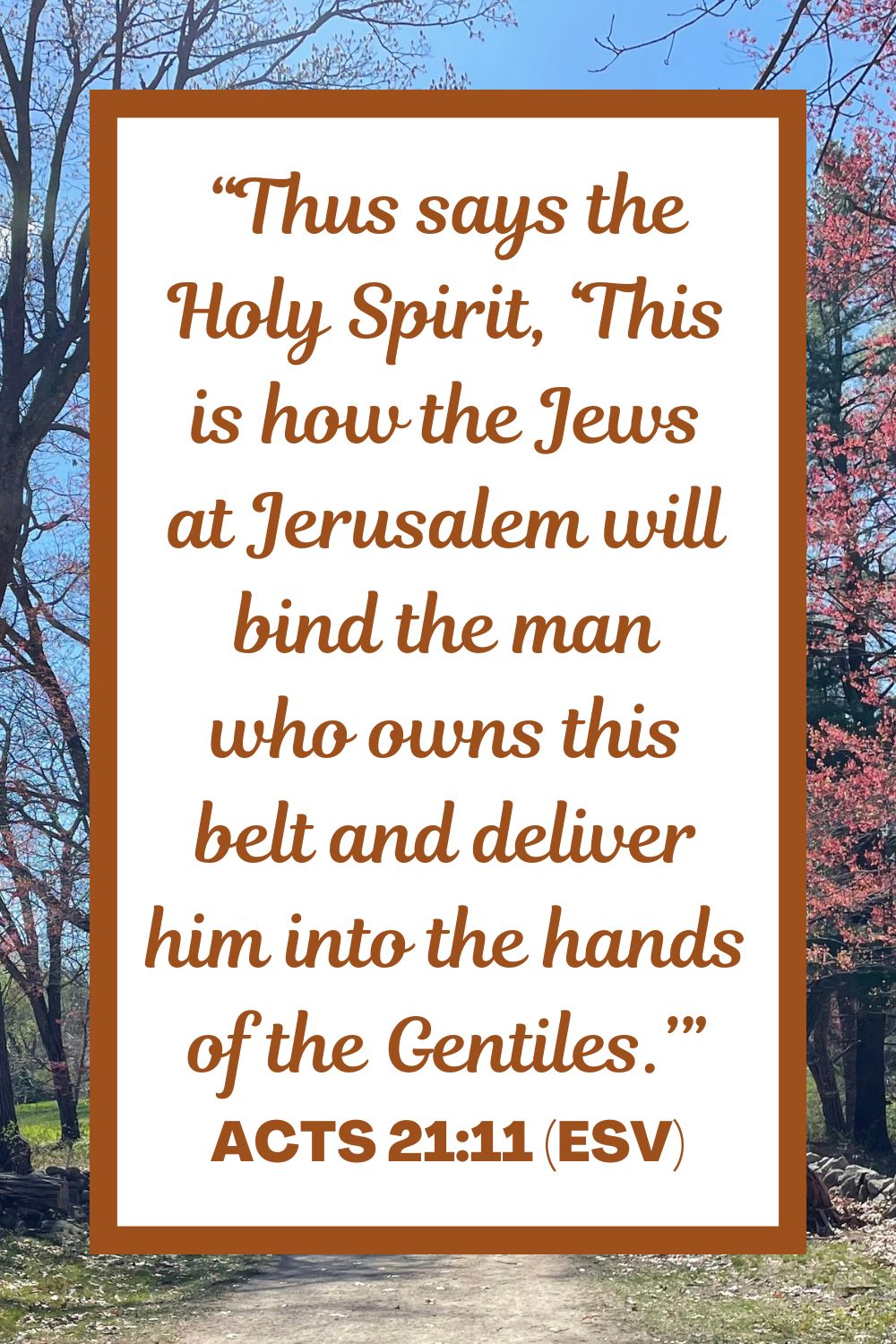
“Thus says the Holy Spirit, ‘This is how the Jews at Jerusalem will bind the man who owns this belt and deliver him into the hands of the Gentiles.’”
Acts 21:11 (ESV)
Those around Paul were greatly distressed by this prophecy, urging him to avoid Jerusalem. But Paul’s response was both resolute and inspiring:
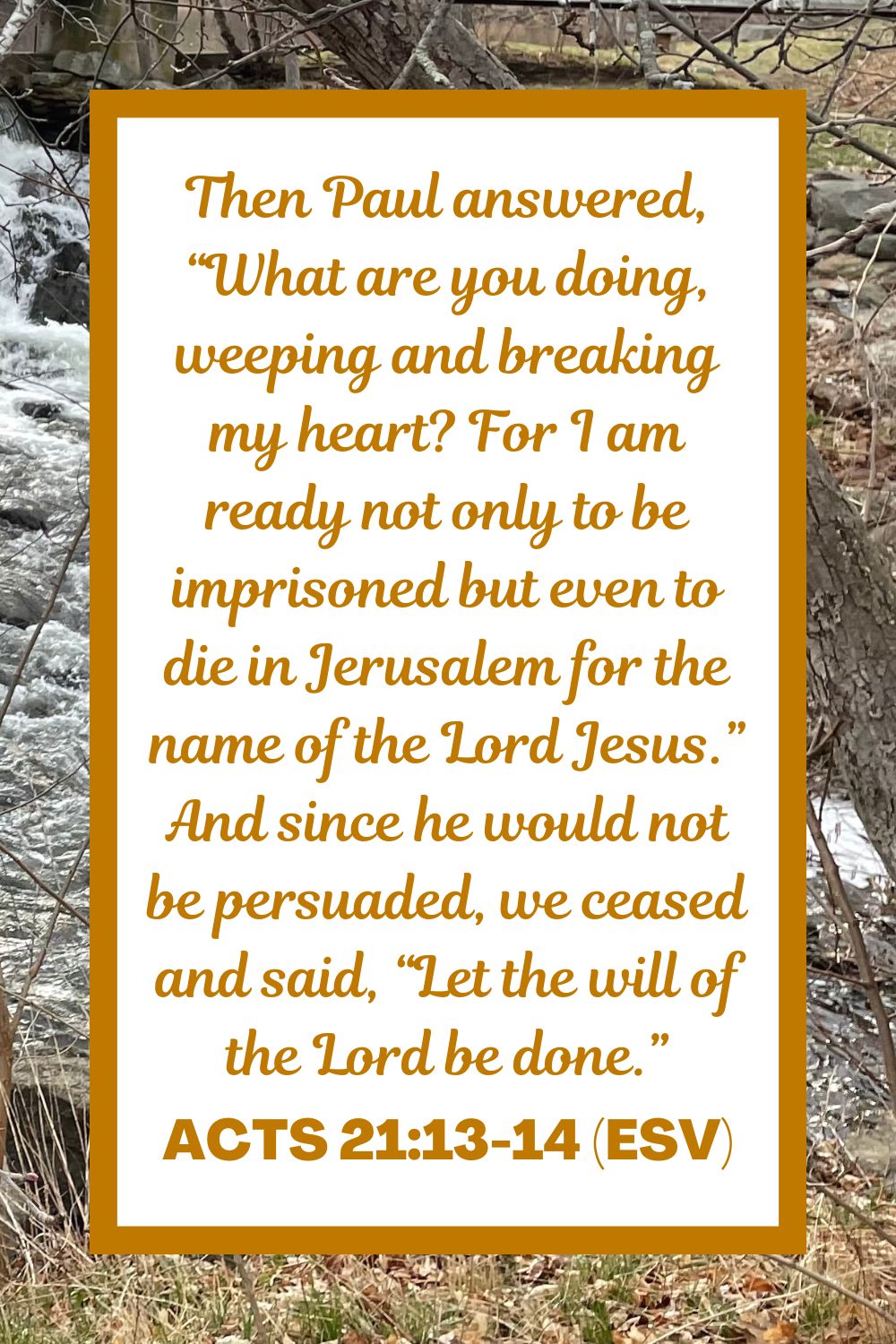
Then Paul answered, “What are you doing, weeping and breaking my heart? For I am ready not only to be imprisoned but even to die in Jerusalem for the name of the Lord Jesus.” And since he would not be persuaded, we ceased and said, “Let the will of the Lord be done.”
Acts 21:13-14 (ESV)
Facing Opposition with Faith
While many of us would likely find this quite difficult, Paul understood that following Jesus does not guarantee an easy path and placed incredible, unwavering trust in God’s plan. In contrast to our typical desires, the closer we walk with Christ, the more likely we are to face opposition and spiritual interference. The devil wants to cause us as much trouble as possible, and while God does offer his protection, he does not offer immunity.
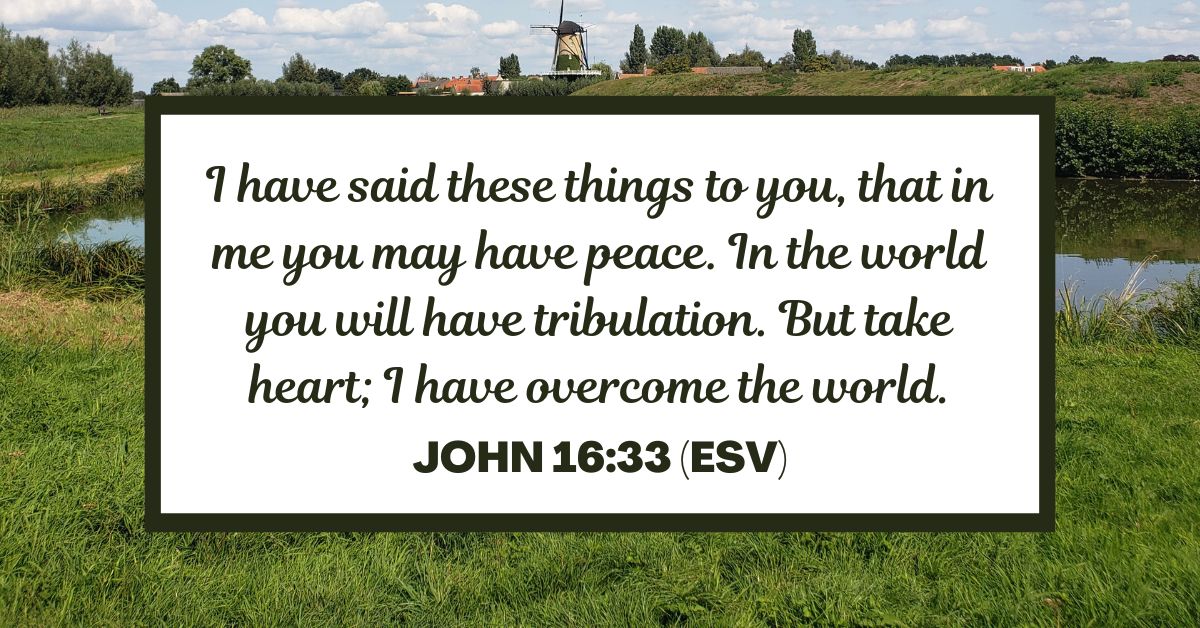
In Paul’s case, with promised Roman captivity, he could be certain of significant suffering. Understandably, Paul’s companions struggled with this knowledge. Their grief and protests show how difficult it can be to accept God’s plans, especially when they involve pain or uncertainty. Paul’s gentle rebuke—“What are you doing, weeping and breaking my heart?”—reveals how their resistance added emotional strain to his already difficult journey.
To Paul’s probable relief, his companions eventually relented, saying, “Let the will of the Lord be done.” This moment highlights an important truth: surrendering to God’s will doesn’t always come easily, but it is essential for our faith.
Lessons in Obedience
Paul’s readiness to embrace his calling contrasts sharply with other biblical examples, like Jonah, who initially fled from God’s mission. Instead of running, Paul prepares himself for what lies ahead, trusting that God’s plan, though challenging, will ultimately fulfill a greater purpose.
Jesus fulfilled the ultimate purpose in the most unlikely of ways:
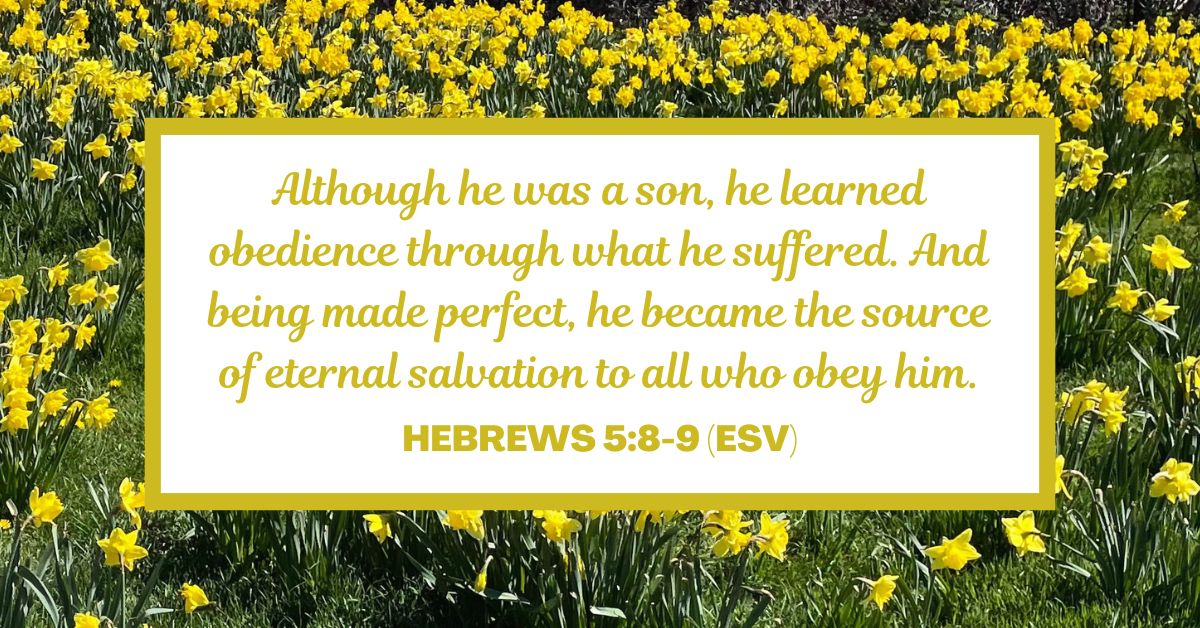
Had Paul resisted, the trajectory of early Christianity might have been significantly different. If Paul would have avoided arrest by the Roman officials, how long would it have taken for the Good News of the gospel message to reach Rome? What opportunities might have been lost in the meantime?
This underscores a critical point: when we resist God’s plan, we risk delaying or hindering the work he wants to accomplish through us. He will eventually get it done, but it may not be as neat as it would have been if we obeyed the first time.
Choosing Obedience
When God reveals his plan, we are faced with a choice: will we obey, or will we resist? Paul’s example challenges us to consider how we can align ourselves with God’s will, even when it feels daunting or painful.
- Are we prepared to trust God’s plan, even when it includes suffering or sacrifice?
- How can we encourage others to follow God’s calling without becoming a source of discouragement?
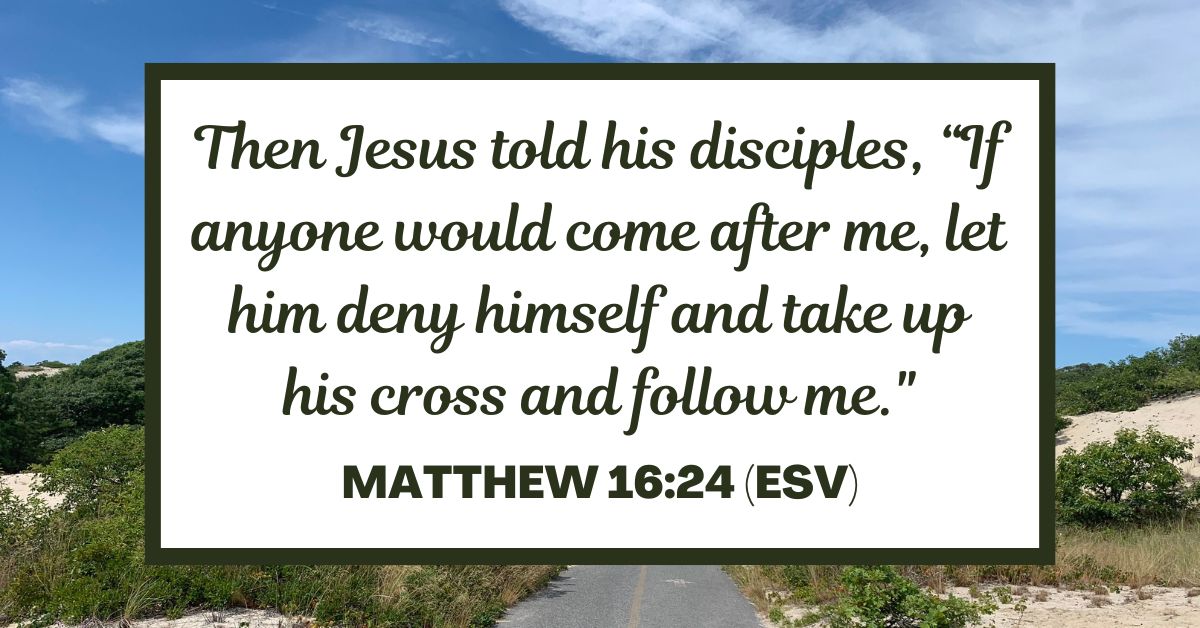
Encouragement for Today
Obedience to God often requires faith in the unseen and a willingness to endure hardship, but as Paul’s journey shows, God’s most difficult plans always serve a greater purpose. The impact of Paul’s ministry in Rome is a great reminder as to what can happen when we step out in faith, trusting that God’s ways are higher than our own.

By surrendering to God’s will and supporting others in their obedience, we become active participants in his redemptive work. Let us strive to follow Paul’s example, saying with confidence, “Let the will of the Lord be done.”
Reflection Questions
- How do you typically respond when God’s plans for you involve uncertainty, sacrifice, or suffering?
- What can you learn from Paul’s willingness to face imprisonment and even death for the sake of the gospel?
- Have there been moments in your life when others discouraged you from following God’s calling? How did you handle it?
- How can you balance expressing genuine concern for others with encouraging them to follow God’s plan for their lives?
- What steps can you take to strengthen your trust in God when His plans seem challenging or unclear?
- Reflect on a time when obeying God brought unexpected blessings or growth. How does that experience shape your faith today?
- How can you prepare yourself spiritually, mentally, and emotionally to face opposition or hardship for the sake of Christ?
- In what ways might you be resisting God’s plan for your life? What is holding you back?
- How can you help create a supportive environment in your community or church that encourages obedience to God’s calling?
- What does it mean for you to say, “Let the will of the Lord be done” in your current circumstances?
Reflective Prayer



Consider using these verses to pray using the ACTS method: Adoration, Confession, Thankfulness, and Supplication:
- Adoration: Praise God. Do these verses bring any specific characteristics of God to mind?
- Confession: Tell God that you are sorry for specific sins. Do these verses bring any specific sins to mind?
- Thankfulness: Show gratitude towards God. Does anything from these verses inspire gratitude?
- Supplication: Make requests for yourself and for others. Does anything from these verses inspire a prayer?
If helpful, you can use a prayer journal template.
Subscribe
If you enjoyed this post and wish to receive more Christian content, feel free to subscribe to my newsletters!
Related Resources
Visit the Joyful Moments in Christ homepage for all posts, or scroll through other blog posts related to missionaries and obedience:




Something went wrong. Please refresh the page and/or try again.
English Standard Version (ESV): Unless otherwise noted, scripture quotations are from the ESV® Bible (The Holy Bible, English Standard Version®), © 2001 by Crossway, a publishing ministry of Good News Publishers. Used by permission. All rights reserved. The ESV text may not be quoted in any publication made available to the public by a Creative Commons license. The ESV may not be translated in whole or in part into any other language.


 Joyful Moments in Christ