I recently came across a thought-provoking question: If you were on trial for being a Christian, would there be enough evidence to convict you? This question challenges us to reflect on whether our faith is merely professed or genuinely lived out. Are we Christians in word only, or do our actions bear witness to our beliefs? Let’s explore what scripture says about what it truly means to be a follower of Christ.
The Foundation of Faith
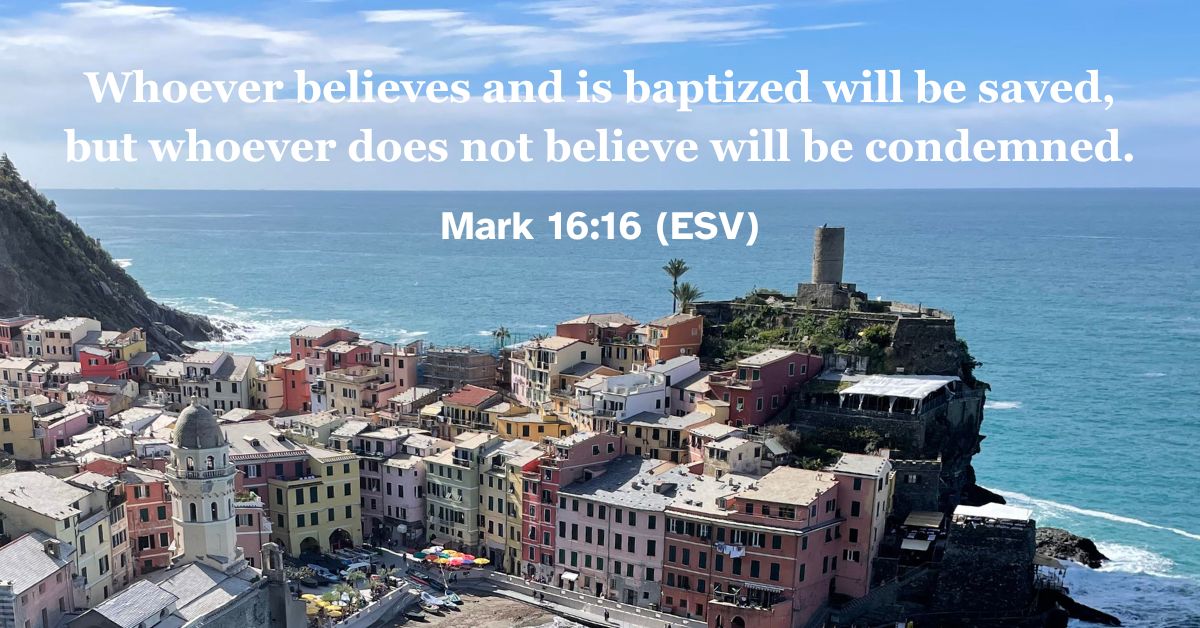
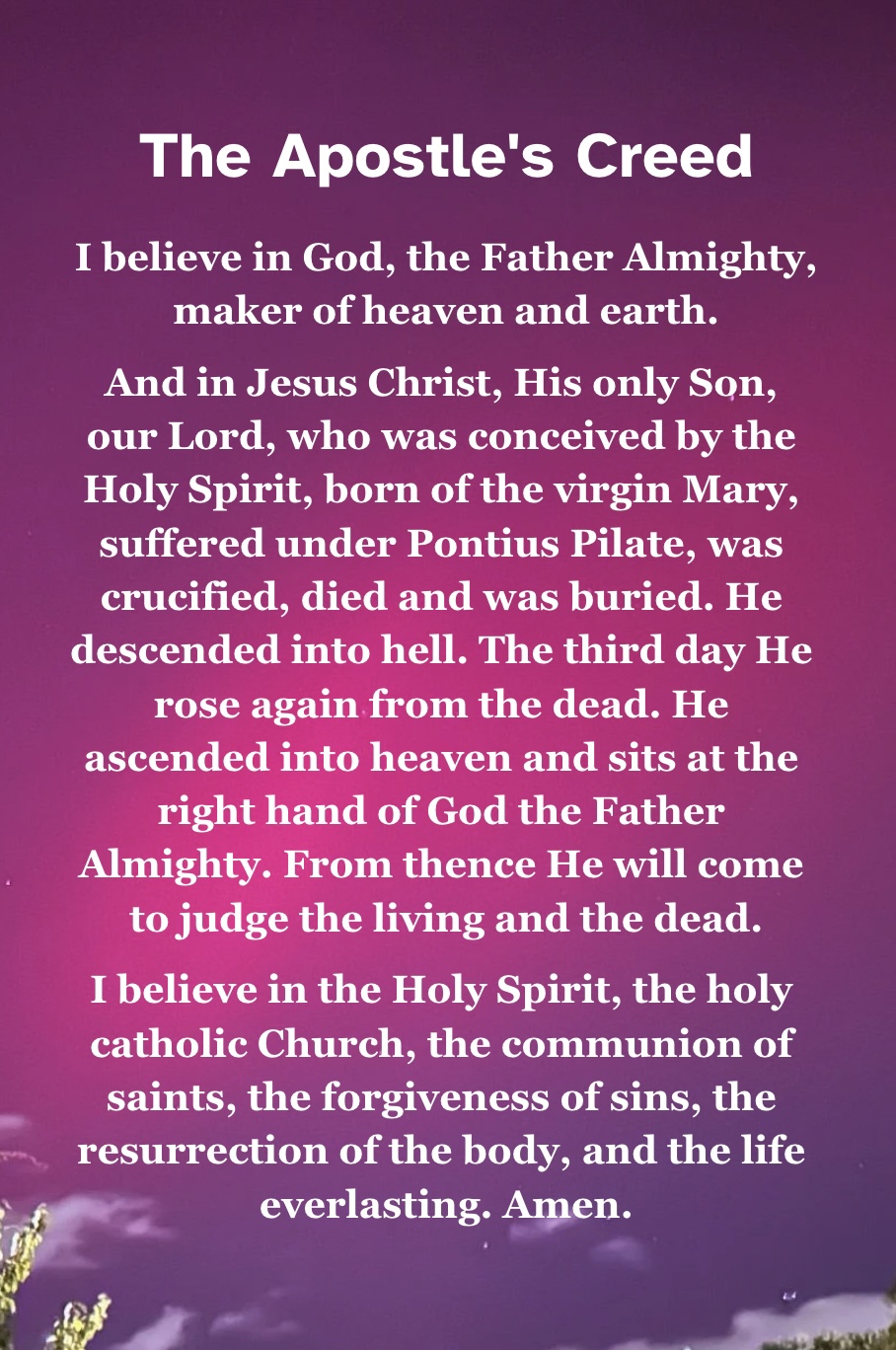
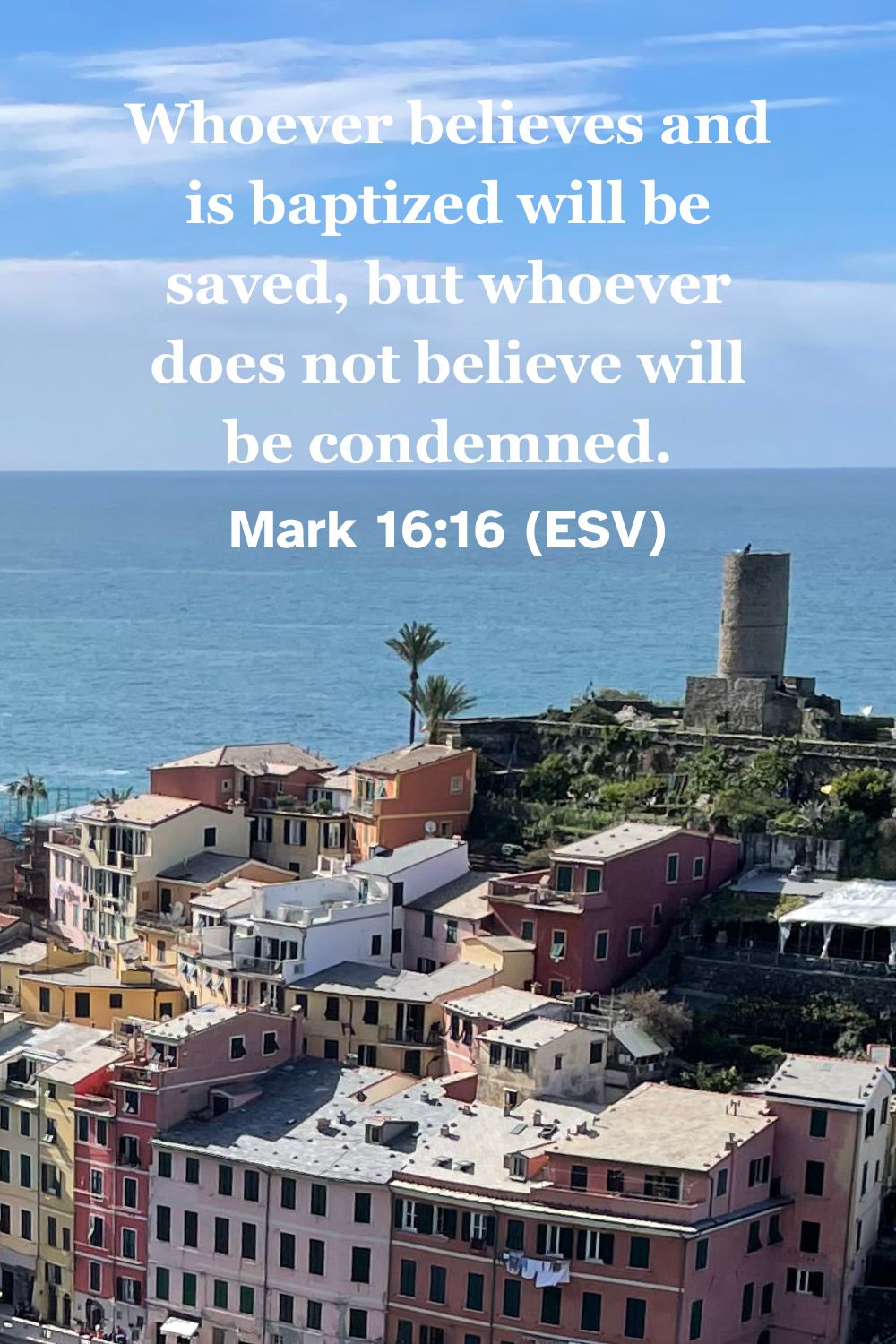
Most would agree that baptism is a significant starting point in the Christian journey. If we truly believe that Jesus is our salvation, we should be willing to publicly profess our faith, affirming the truths outlined in the Apostle’s Creed:
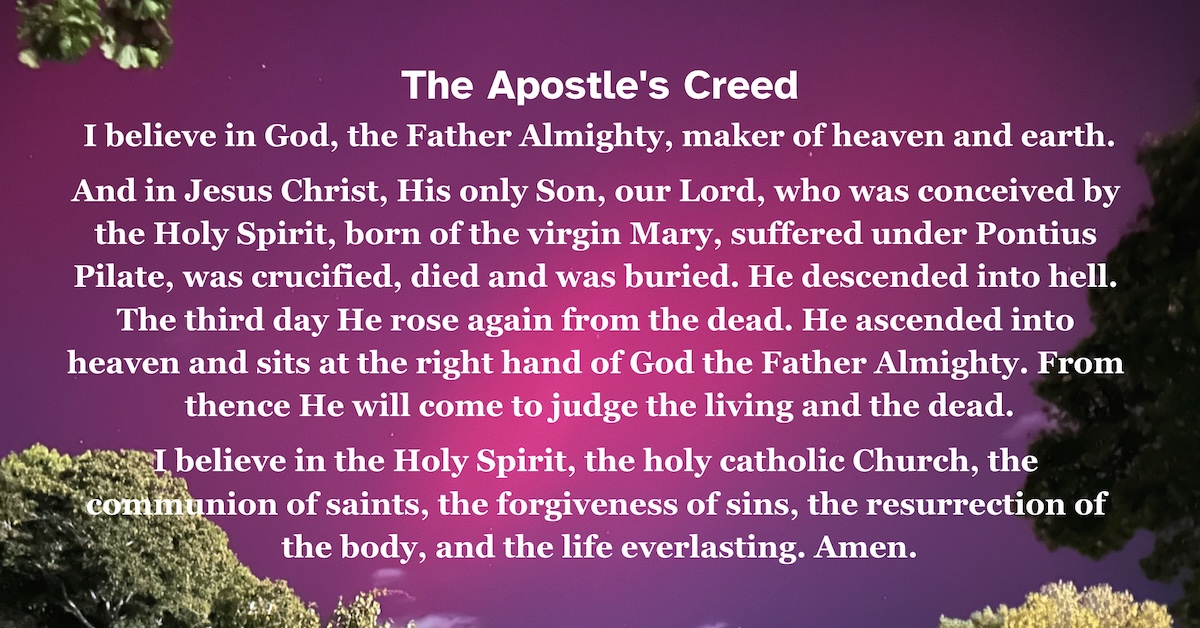
This ancient statement of faith that was often used during baptism, and still is, reminds us of the core beliefs that define Christianity. But is professing these words and undergoing baptism all that is required to be a Christian for all of eternity? My opinion is that while these are critical steps, they are only the beginning of a lifetime of transformation. If Jesus is truly our Savior, then what exactly is he saving us from—and how should that salvation transform our lives in the long run?
Faith that Transforms

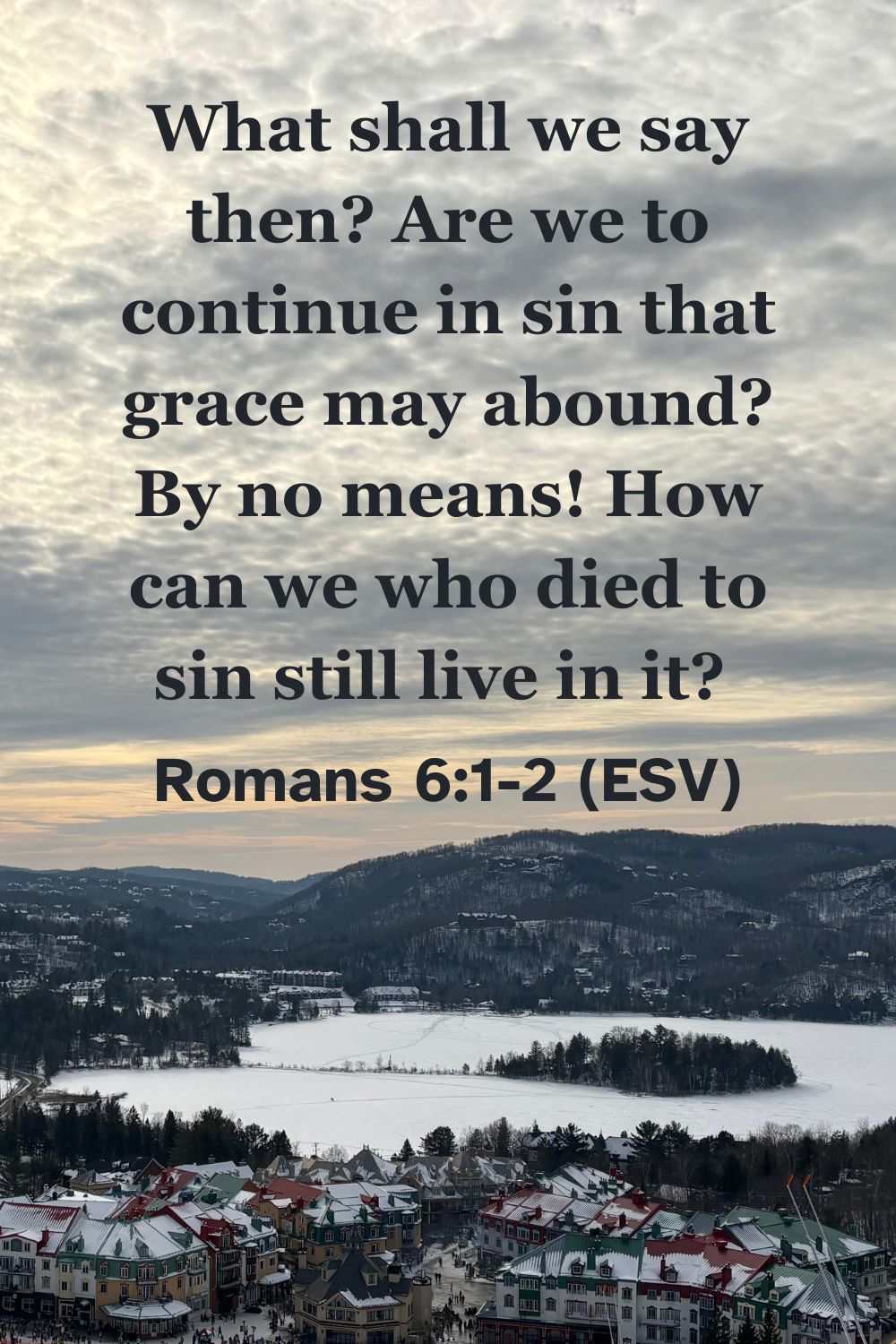
Accepting Christ can and should inspire real change. If our faith is genuine, it should lead to a transformation that shapes our actions, attitudes, and character. While it is true that we receive freedom in Christ the moment we accept him, we do need to consider what our future transformation should look like. Paul provides clear guidance in Galatians 5, where he contrasts the “works of the flesh” with the “fruit of the Spirit.”
Avoiding the Works of the Flesh
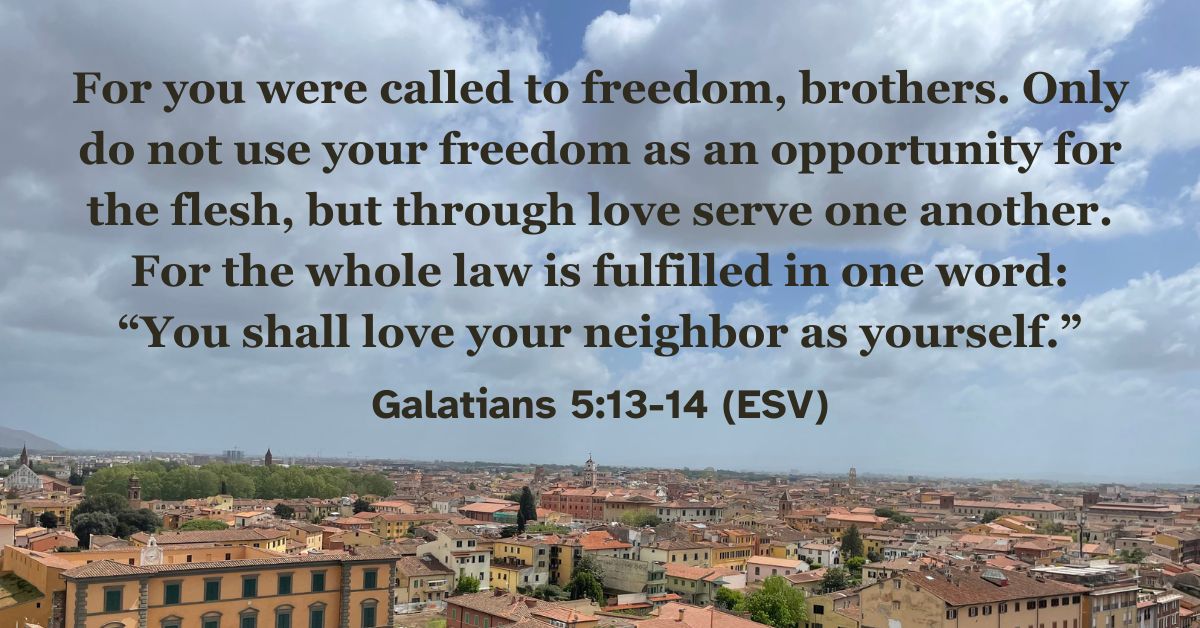
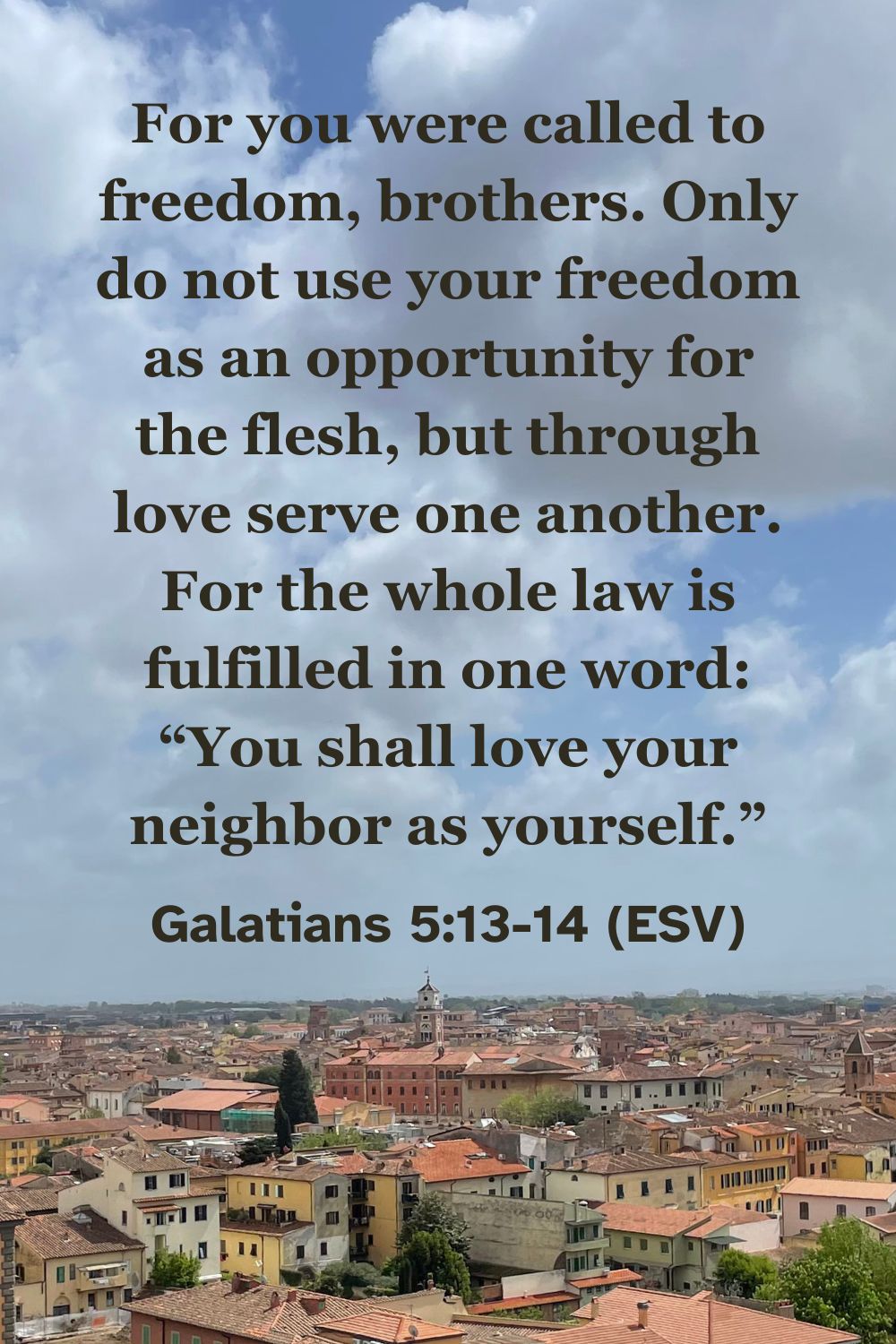
Paul starts with an acknowledgement of the freedom we receive the moment we accept Christ as our king:
But then Paul goes on to list specific behaviors that are contrary to a life in Christ:

This is a great list, and while it is important to recognize what to avoid, it is even more important to focus on what we should pursue. If I ask my children what they want for dinner, and they respond with a long list of what they don’t want, it really isn’t very helpful. There is a good chance that I will still make something that they forgot to mention. What I really need to know is what they do want! In the same way, while avoiding sin is crucial, the Christian life isn’t just about what we don’t do—it’s about actively pursuing what is good and fruitful.
Bearing the Fruit of the Spirit
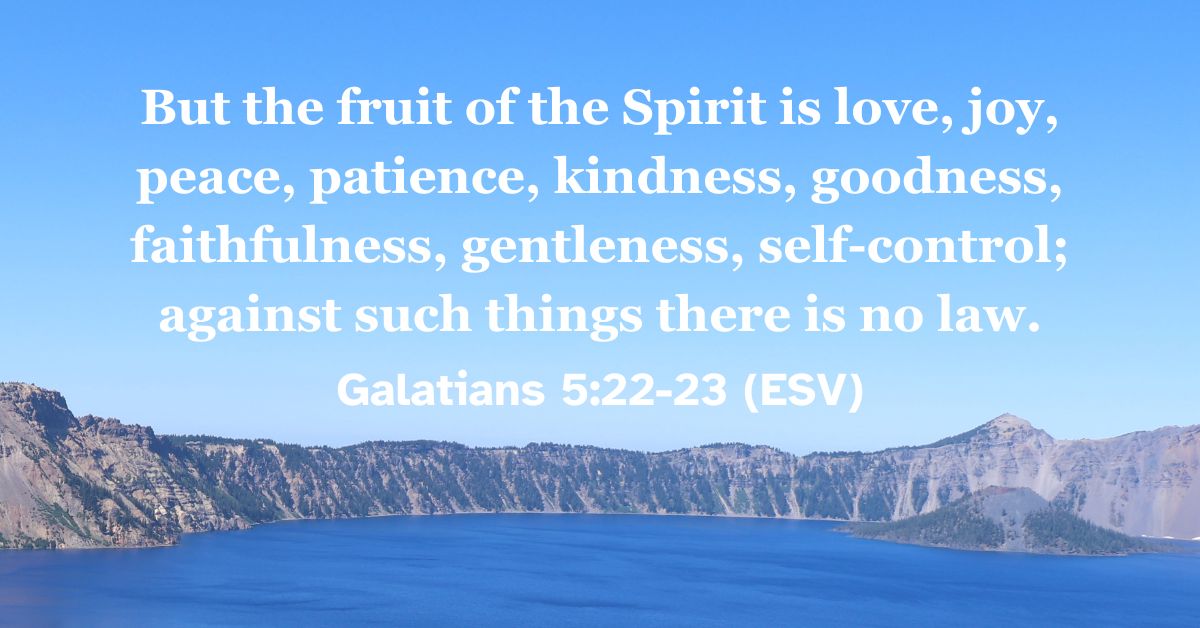
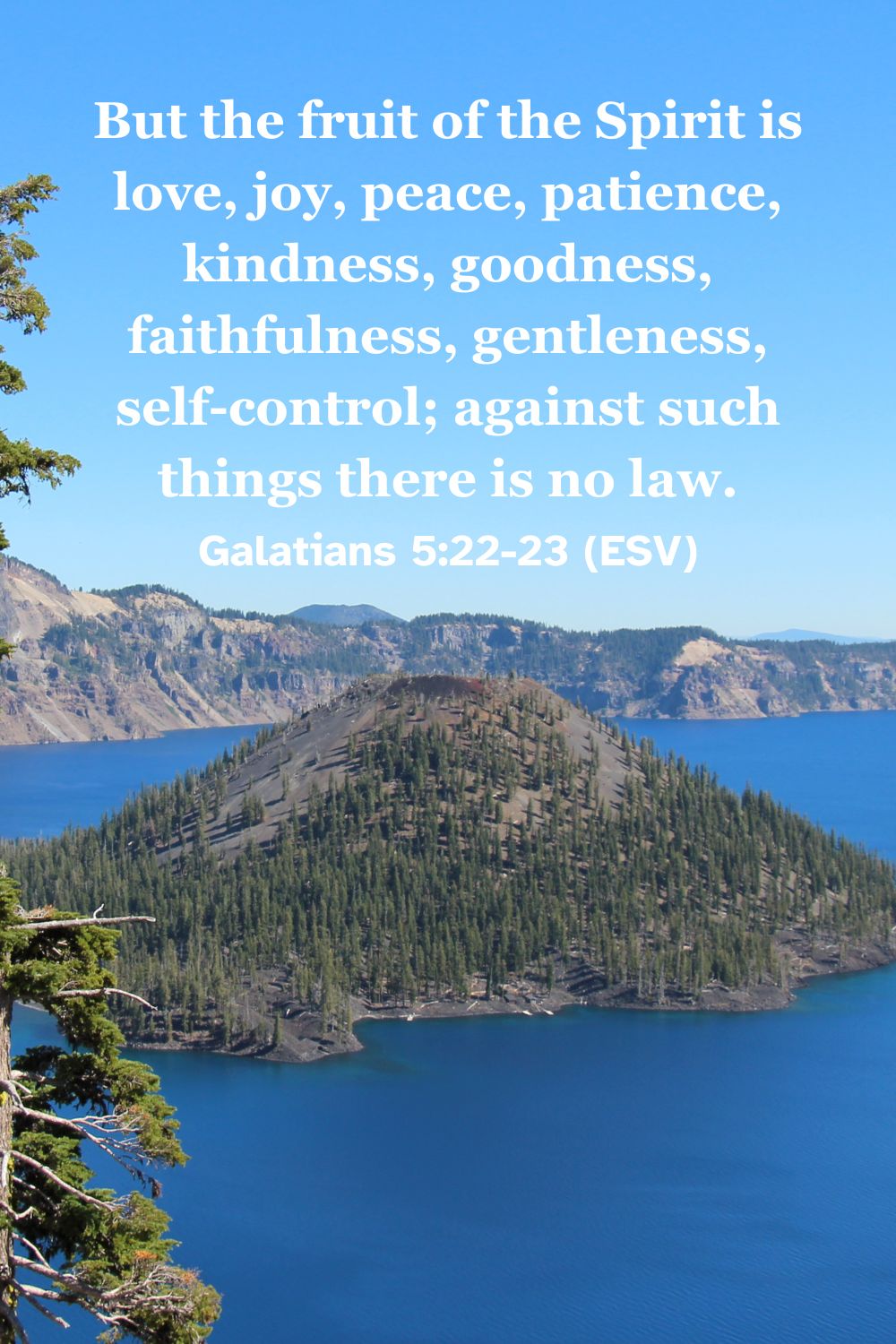
Imagine if every person on earth consistently exhibited these characteristics: love, joy, peace, patience, kindness, goodness, faithfulness, gentleness, and self-control. The need for rules and prohibitions would disappear because people would naturally live in harmony. The presence of these qualities in our lives is the evidence that we are being transformed by Christ.
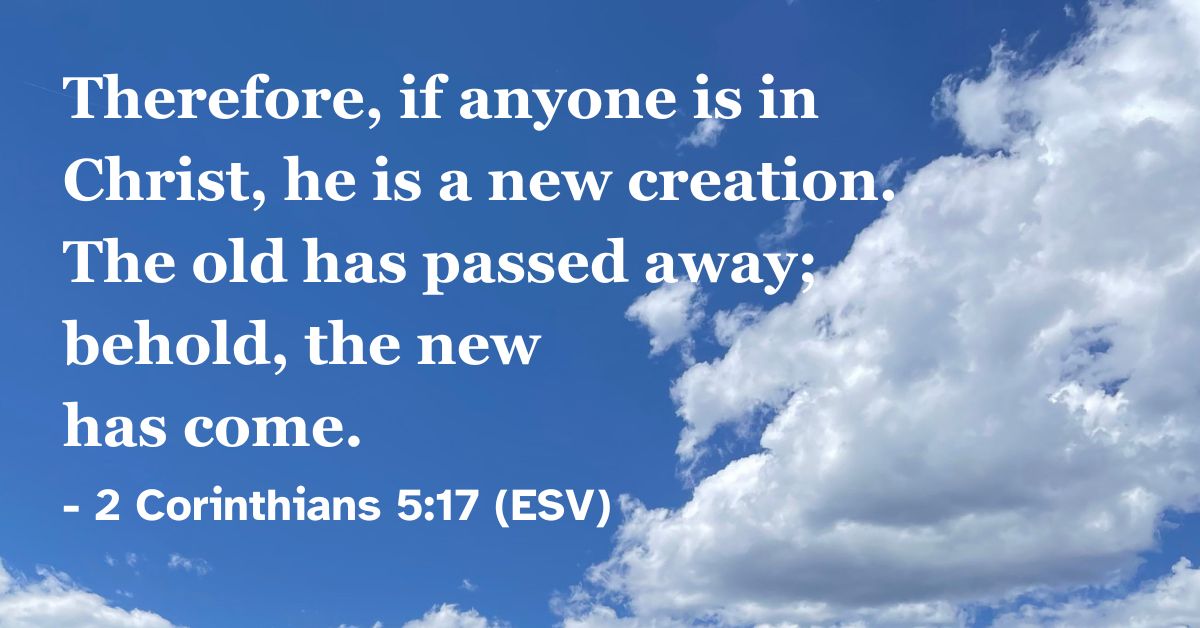
Returning to our original question—Would there be enough evidence to convict us as Christians?—the answer lies in whether these fruits are evident in our daily lives. If we have publicly professed our faith through baptism, then from that moment forward, we should be striving to reflect Christ more and more. These fruits are what defined Jesus’ life, and they should define ours as well. If we consistently exhibit these characteristics, there will be no room for bad behavior.
However, if our lives are still dominated by the works of the flesh, and we see no progress toward replacing them with the fruit of the Spirit, we may struggle to pass this particular test.

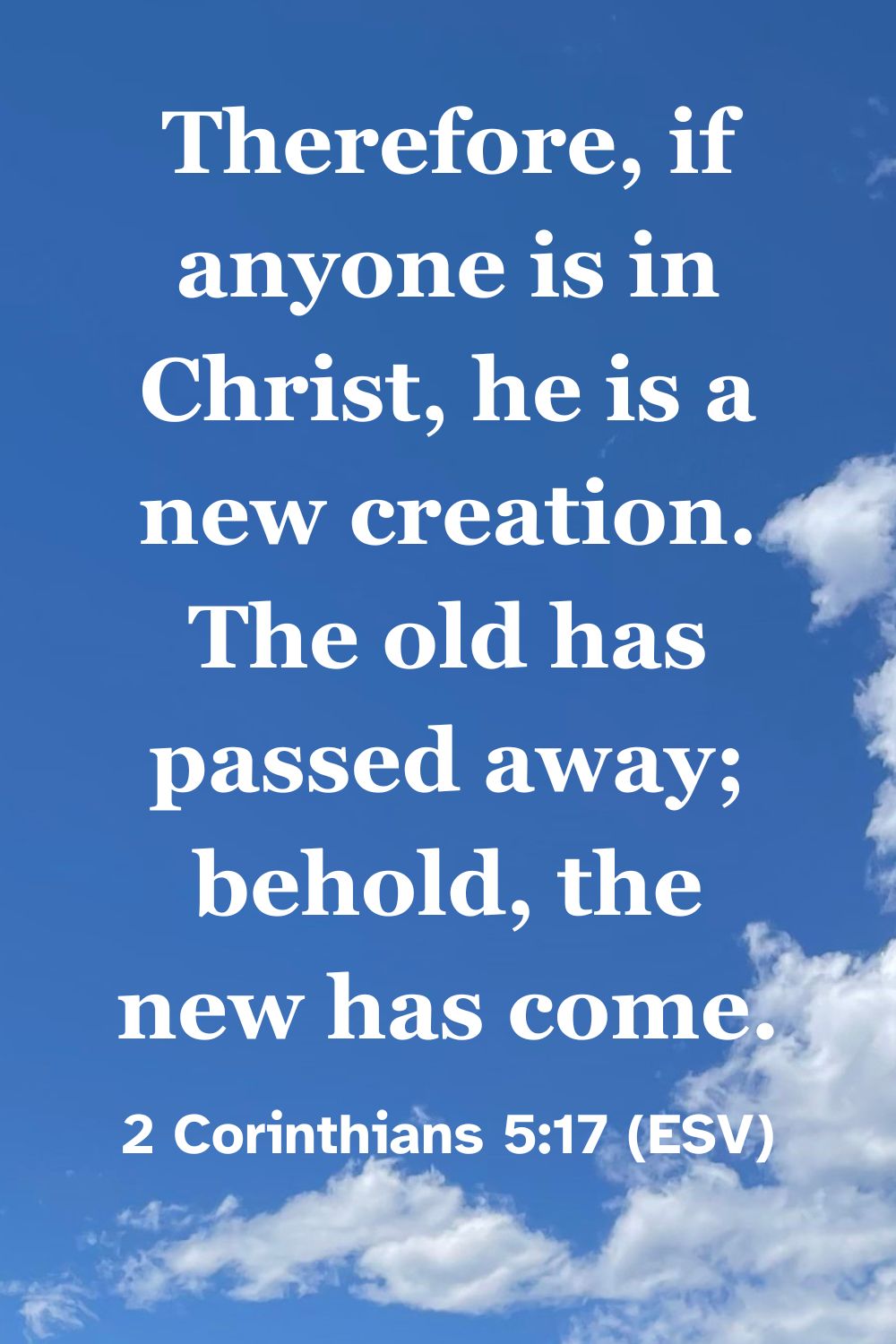
True Christianity is not just about belief—it is about transformation. If we are truly in Christ, there should be clear, undeniable evidence of his work in our lives.
Reflection Questions
- If you were on trial for being a Christian, would there be enough evidence to convict you?
- Does your faith go beyond words, shaping how you live and treat others?
- In what ways has your life changed since accepting Christ, and where do you still need transformation?
- Are the “fruit of the Spirit” evident in your life, or do the “works of the flesh” still dominate?
- How do you respond to personal failures—do you seek growth, or do you make excuses?
- Would those around you recognize your faith based on your actions alone?
- What intentional steps can you take to live out your faith more fully every day?
Reflective Prayer
Consider using these verses to pray using the ACTS method: Adoration, Confession, Thankfulness, and Supplication:
- Adoration: Praise God. Do these verses bring any specific characteristics of God to mind?
- Confession: Tell God that you are sorry for specific sins. Do these verses bring any specific sins to mind?
- Thankfulness: Show gratitude towards God. Does anything from these verses inspire gratitude?
- Supplication: Make requests for yourself and for others. Does anything from these verses inspire a prayer?
If helpful, you can use a prayer journal template.



Subscribe
If you enjoyed this post and wish to receive more Christian content, feel free to subscribe to my newsletters!
Related Resources
Visit the Joyful Moments in Christ homepage for all posts, or scroll through other blog posts related to <topic>:





Something went wrong. Please refresh the page and/or try again.
English Standard Version (ESV): Unless otherwise noted, scripture quotations are from the ESV® Bible (The Holy Bible, English Standard Version®), © 2001 by Crossway, a publishing ministry of Good News Publishers. Used by permission. All rights reserved. The ESV text may not be quoted in any publication made available to the public by a Creative Commons license. The ESV may not be translated in whole or in part into any other language.

 Joyful Moments in Christ