
A Call to Preparation
Vigilance is a central theme in Acts 20. Earlier in the chapter, we saw Eutychus fail to stay vigilant during Paul’s sermon, leading to his dramatic fall from a window. Thankfully, Eutychus was healed, but now, as Paul prepares to leave the Ephesian elders, he issues a far more urgent warning. This time, the stakes are much higher.
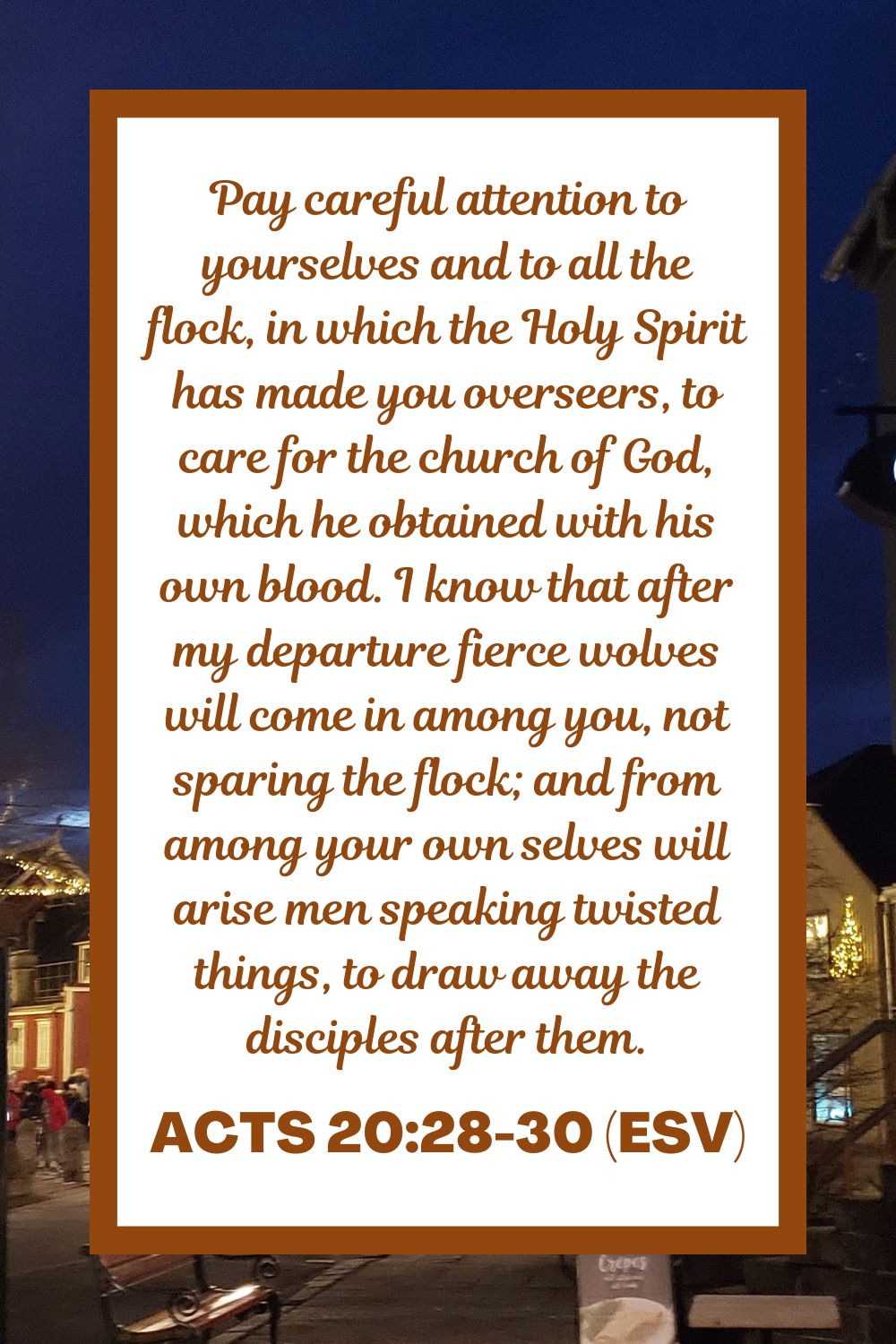
Pay careful attention to yourselves and to all the flock, in which the Holy Spirit has made you overseers, to care for the church of God, which he obtained with his own blood. I know that after my departure fierce wolves will come in among you, not sparing the flock; and from among your own selves will arise men speaking twisted things, to draw away the disciples after them.
Acts 20:28-30 (ESV)
Paul had spent several years in Ephesus, as detailed in Acts 19, teaching and discipling the believers. Now, with his departure imminent, Paul acknowledges that he may never return. Despite this uncertainty, one thing is clear: the Ephesian church will face significant opposition, both externally and internally, and they must be ready to stand firm.
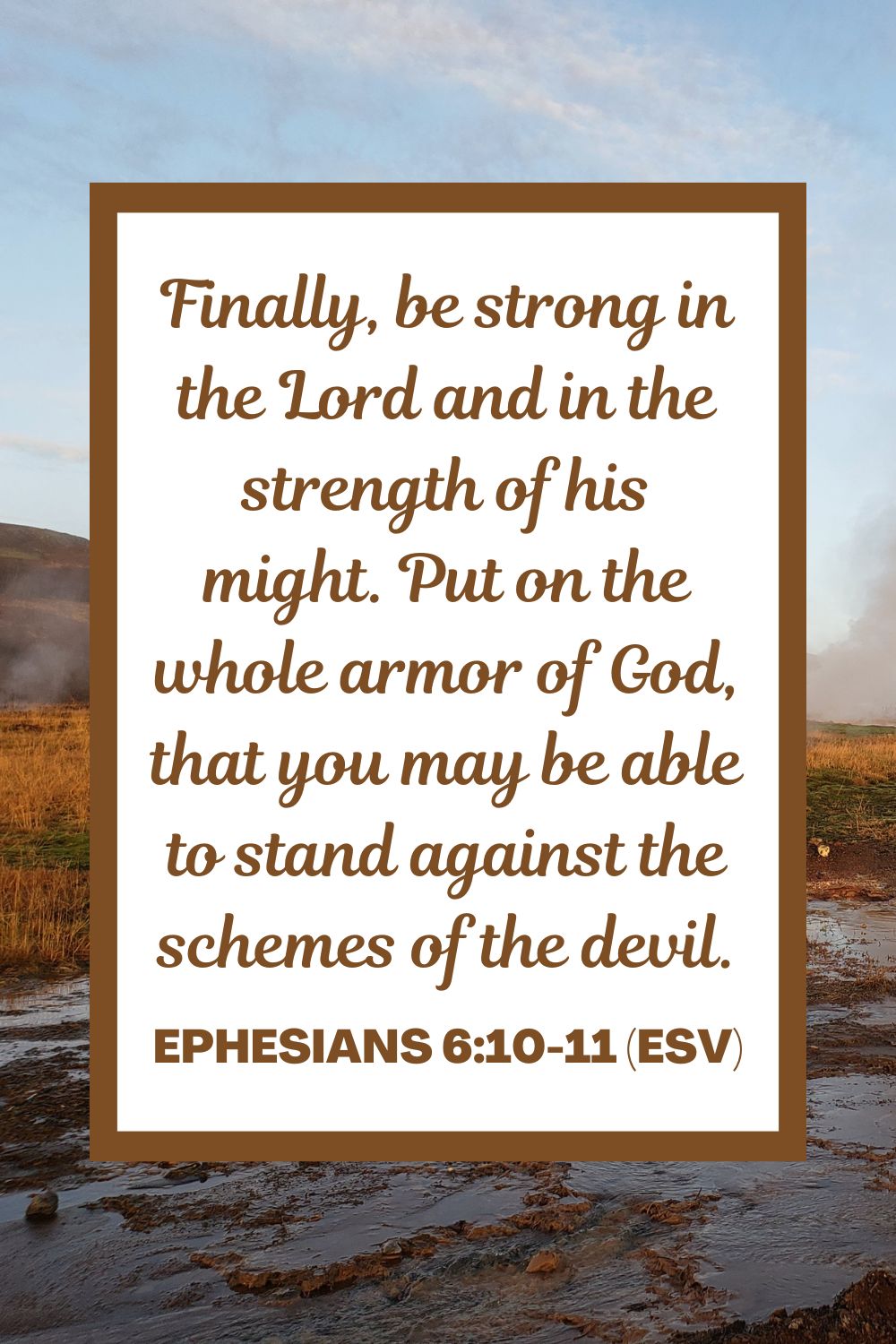
Finally, be strong in the Lord and in the strength of his might. Put on the whole armor of God, that you may be able to stand against the schemes of the devil.
Ephesians 6:10-11 (ESV)
Paul describes these threats as “fierce wolves,” emphasizing the grave danger awaiting the church. His concerns weren’t unfounded; later, while imprisoned in Rome, Paul wrote to the Ephesians, urging them to “put on the whole armor of God” to stand against the schemes of the devil.
Challenges of Leadership Transitions
My experience tells me that leadership transitions can be tumultuous, especially when the outgoing leader is as strong and influential as Paul. When leadership changes, it often creates a vacuum that can lead to power struggles, dissatisfaction, or even division. Paul recognized the potential for these issues and wanted the Ephesians to remain vigilant.
He wasn’t certain exactly what challenges they would face, but his advice was clear:
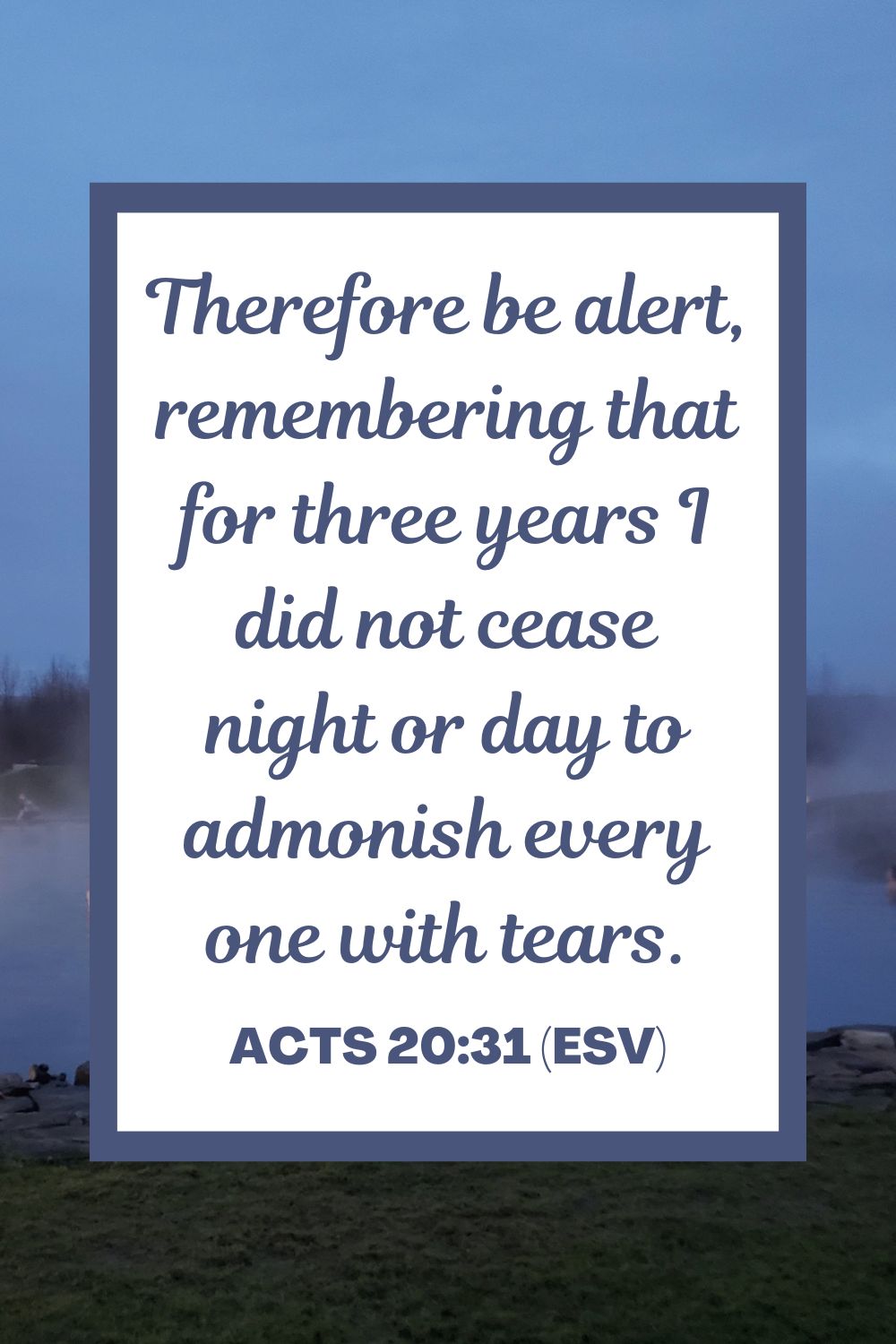
Therefore be alert, remembering that for three years I did not cease night or day to admonish every one with tears.
Acts 20:31 (ESV)
Paul’s preparation for the Ephesians included three years of relentless teaching and prayer. He poured out his knowledge, faith, and emotion, doing everything in his power to equip them for the trials ahead.
Applying Paul’s Wisdom Today
Paul’s example offers a powerful blueprint for strengthening our churches today. His combination of training, leadership development, and prayer created a firm foundation for the Ephesians to withstand opposition.
- Training Leaders: Are we intentionally teaching and preparing the next generation of church leaders to handle spiritual, relational, and organizational challenges?
- Equipping the Congregation: How well are we ensuring that everyone in the church understands their role in the body of Christ?
- Commitment to Prayer: Who is consistently praying for the church and its leaders? Are we prioritizing prayer as Paul did?
When we emphasize these three practices—training, equipping, and prayer—we position ourselves to withstand whatever challenges the enemy may bring. Paul’s legacy in Ephesus reminds us that vigilance is not a passive state but an active, intentional effort to guard and grow the church.
Reflection Questions
- How can you remain spiritually alert and avoid areas of complacency or distraction in your life?
- What steps can you take to prepare yourself or others for leadership in the church?
- How can your church better equip its members to face spiritual and practical challenges?
- What role does prayer currently play in your life, and how can it become more intentional and impactful?
- How can you foster unity and address potential conflicts during times of leadership transition?
- Are you actively “putting on the whole armor of God,” and how can you rely more on his strength in spiritual battles?
- In what ways can you help protect and support your church or community against challenges and opposition?
Reflective Prayer

Consider using these verses to pray using the ACTS method: Adoration, Confession, Thankfulness, and Supplication:
- Adoration: Praise God. Do these verses bring any specific characteristics of God to mind?
- Confession: Tell God that you are sorry for specific sins. Do these verses bring any specific sins to mind?
- Thankfulness: Show gratitude towards God. Does anything from these verses inspire gratitude?
- Supplication: Make requests for yourself and for others. Does anything from these verses inspire a prayer?
If helpful, you can use a prayer journal template.
Subscribe
If you enjoyed this post and wish to receive more Christian content, feel free to subscribe to my newsletters!
Related Resources
Visit the Joyful Moments in Christ homepage for all posts, or scroll through other blog posts related to leadership, difficulty, and prayer:







Something went wrong. Please refresh the page and/or try again.
English Standard Version (ESV): Unless otherwise noted, scripture quotations are from the ESV® Bible (The Holy Bible, English Standard Version®), © 2001 by Crossway, a publishing ministry of Good News Publishers. Used by permission. All rights reserved. The ESV text may not be quoted in any publication made available to the public by a Creative Commons license. The ESV may not be translated in whole or in part into any other language.



 Joyful Moments in Christ