
There is a fine line between contending for our faith and overstaying our welcome. Paul knew this well, and we can extract some wisdom from his actions in Acts 19. At the beginning of the chapter, Paul arrives in Ephesus and engages with a group of new believers. He asks if they had received the Holy Spirit, and they reply that they hadn’t even heard that there was a Holy Spirit!
And he said to them, “Did you receive the Holy Spirit when you believed?” And they said, “No, we have not even heard that there is a Holy Spirit.”
Acts 19:2 (ESV)
Recognizing the need for further teaching, Paul stays to disciple them and help them grow in their faith.
Boldness in the Face of Resistance
For three months, Paul boldly taught in the synagogue, reasoning with those who would listen. However, some of the non-believers grew resistant and began a campaign against him, openly opposing his message.
But when some became stubborn and continued in unbelief, speaking evil of the Way before the congregation, he withdrew from them and took the disciples with him, reasoning daily in the hall of Tyrannus.
Acts 19:9 (ESV)
While there are certainly times when God did call Paul to endure opposition and persevere through extreme trials, this was not one of them. Instead of continuing to debate with his detractors, Paul wisely shifted his focus. He left the synagogue and began teaching daily in the hall of Tyrannus—a much more receptive venue. This ministry lasted for two years, providing an incredible opportunity to teach those eager to learn, mostly free from constant contention.
The Fruit of Strategic Ministry
These two years proved to be quite valuable for the Ephesians. Many scholars believe that Paul wrote his letter to the Ephesians while imprisoned in Rome, years after this fruitful ministry mentioned in Acts. The letter emphasized the importance of spiritual knowledge, unity between Jewish and Gentile believers, and equipping the church to stand firm against the challenges of the world. Paul exhorted them to “put on the whole armor of God” and to walk in love and truth.
Finally, be strong in the Lord and in the strength of his might. Put on the whole armor of God, that you may be able to stand against the schemes of the devil.
Ephesians 6:10-11 (ESV)
Without the foundation laid during his time in the hall of Tyrannus, it is entirely possible that they would not have received Paul’s letter quite as well. In the end, his letter helped prepare the Ephesian believers to remain steadfast in their faith and to love others boldly, no matter what the world threw at them.
Expecting Opposition
We can take some great lessons from this. First, we should always expect opposition.
Indeed, all who desire to live a godly life in Christ Jesus will be persecuted, while evil people and impostors will go on from bad to worse, deceiving and being deceived.
2 Timothy 3:12-13 (ESV)
God does not promise us an easy life, but he does promise the presence of the Holy Spirit to help and guide us. Taking Paul’s life as a model, we see that resistance often accompanies the proclamation of God’s truth. In fact, if we aren’t encountering any resistance, it might be a sign that we aren’t fully engaging in the mission of sharing God’s message!
Perseverance or Pivot?
Second, we should always be evaluating whether God is calling us to persevere or to pivot. At times, persistence in difficult circumstances can lead to amazing breakthroughs. Imagine if the first messenger to Ephesus had given up—Paul might not have found hearts so ready to receive his teaching.
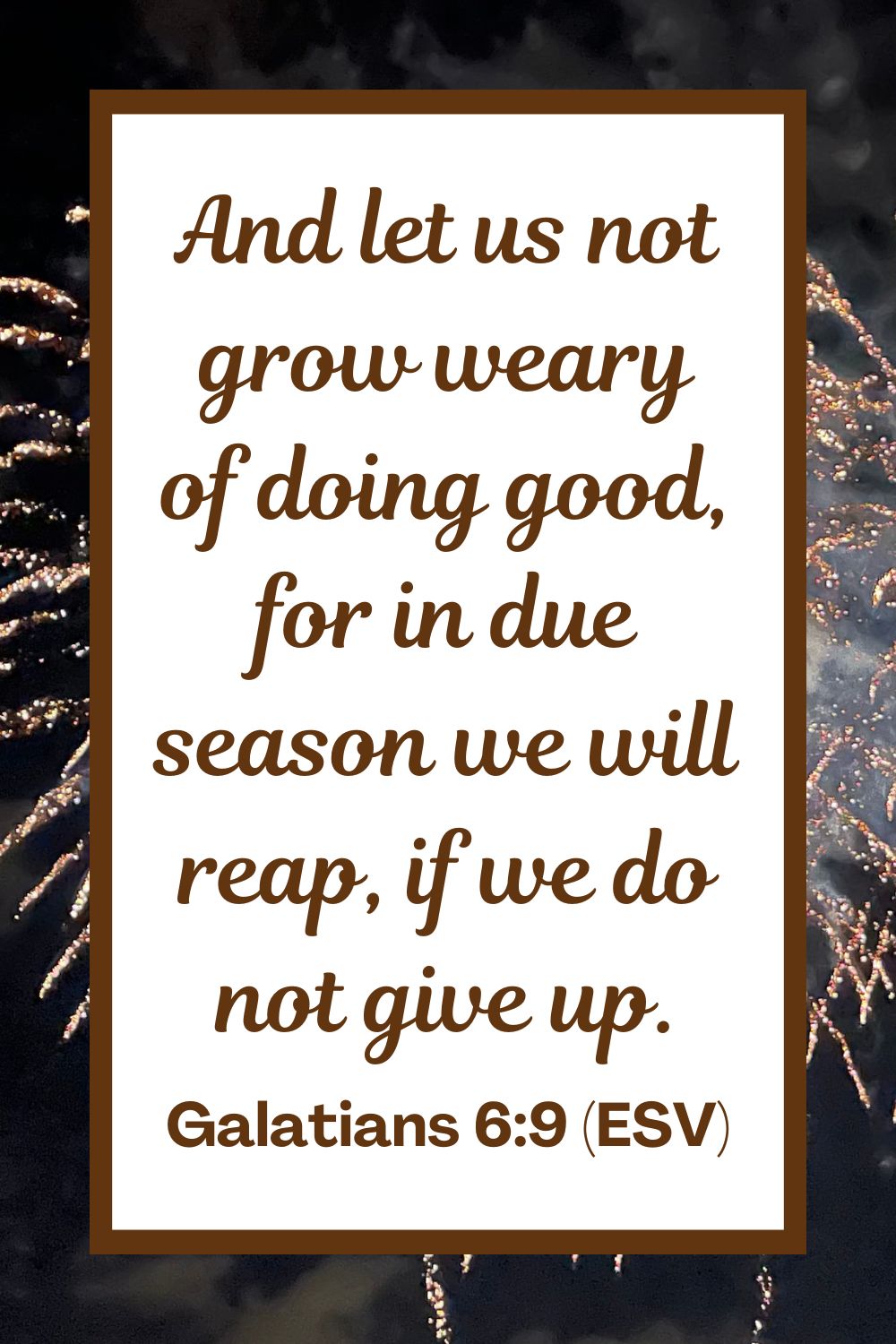
And let us not grow weary of doing good, for in due season we will reap, if we do not give up.
Galatians 6:9 (ESV)
However, there are also times when God calls us to move on, as Paul did when he left the synagogue for the hall of Tyrannus. Though it is sad that some in the synagogue refused to accept Paul’s teachings, his decision to pivot allowed him to invest deeply in those who were open to learning. The Ephesians he discipled went on to form a strong, Spirit-led church that may have even influenced other in Ephesus in ways Paul couldn’t at the time.
Trusting God’s Sovereignty
Third, we should be leaving things in God’s hands. Whether we act perfectly or make mistakes, God can always redeem the situation. Sometimes the Holy Spirit makes our paths crystal clear; other times our path feel much more uncertain.
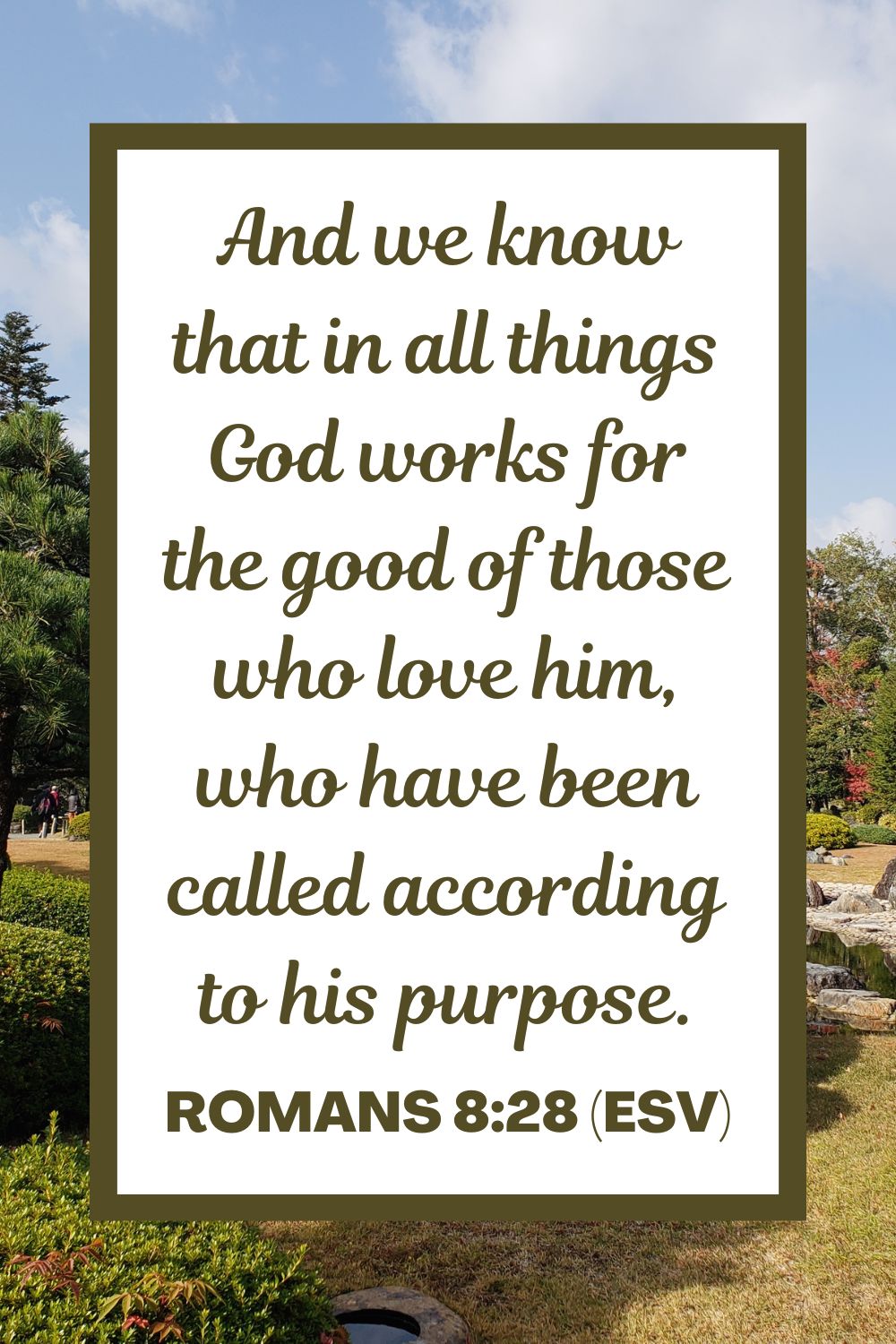
And we know that in all things God works for the good of those who love him, who have been called according to his purpose.
Romans 8:28 (ESV)
What if God’s original desire was to have Paul stay an extra day in the synagogue? Would God’s plans have completely fell apart if Paul’s decision was a mistake? Of course not! Our mistakes will never hinder his ultimate purposes. God is patient and desires all people to come to repentance, so he will continue to work through our imperfections to accomplish his will. Ultimately, outcomes belong to him!
Reflection Questions
Expecting Opposition
- In your own life, how have you encountered opposition while sharing or living out your faith?
- How can remembering the promise of the Holy Spirit’s help encourage you when facing resistance?
Perseverance vs. Pivoting
- Are there areas in your life where you feel called to persevere despite challenges?
- How can you discern whether to stay or move on?
- What lessons can you draw from Paul’s willingness to pivot from the synagogue to the hall of Tyrannus?
Investing in Receptive Hearts
- How can you identify people or places in your life where your efforts to share God’s message would be most fruitful?
- How does focusing on those eager to learn reflect Christ’s approach to ministry?
Trusting God’s Sovereignty
- How does trusting in God’s ability to redeem mistakes give you peace in your ministry or decisions?
- Reflect on a time when you felt uncertain about a decision but saw God use it for good. How did that experience shape your faith?
Equipping Yourself and Others
- What steps are you currently taking to “put on the whole armor of God”?
- How can you use your knowledge and experiences to prepare others to stand firm in their faith?
Patience in God’s Timing
- How does understanding God’s patience change your perspective on people who resist the gospel?
- How can you balance urgency in sharing God’s message with trust in his timing for each person’s journey?
Reflective Prayer

Consider using these verses to pray using the ACTS method: Adoration, Confession, Thankfulness, and Supplication:
- Adoration: Praise God. Do these verses bring any specific characteristics of God to mind?
- Confession: Tell God that you are sorry for specific sins. Do these verses bring any specific sins to mind?
- Thankfulness: Show gratitude towards God. Does anything from these verses inspire gratitude?
- Supplication: Make requests for yourself and for others. Does anything from these verses inspire a prayer?
If helpful, you can use a prayer journal template.
Subscribe
If you enjoyed this post and wish to receive more Christian content, feel free to subscribe to my newsletters!
Related Resources
Visit the Joyful Moments in Christ homepage for all posts, or scroll through other blog posts related to teaching, discipleship, and discernment:


Something went wrong. Please refresh the page and/or try again.
English Standard Version (ESV): Unless otherwise noted, scripture quotations are from the ESV® Bible (The Holy Bible, English Standard Version®), © 2001 by Crossway, a publishing ministry of Good News Publishers. Used by permission. All rights reserved. The ESV text may not be quoted in any publication made available to the public by a Creative Commons license. The ESV may not be translated in whole or in part into any other language.

 Joyful Moments in Christ