
Sharing the truth about Jesus can be challenging, and at times, it feels like running into a wall. In Acts 18, Paul faced similar resistance as he proclaimed Jesus as the Messiah to the Jews in Macedonia. Yet, when they rejected his message, Paul didn’t continue pressing them; instead, he declared his intent to go to the Gentiles, seeking those more open to hearing the gospel. Paul’s actions here provide a powerful lesson in discernment, showing us how, at times, God’s calling may involve stepping back from fruitless efforts and turning our attention elsewhere.
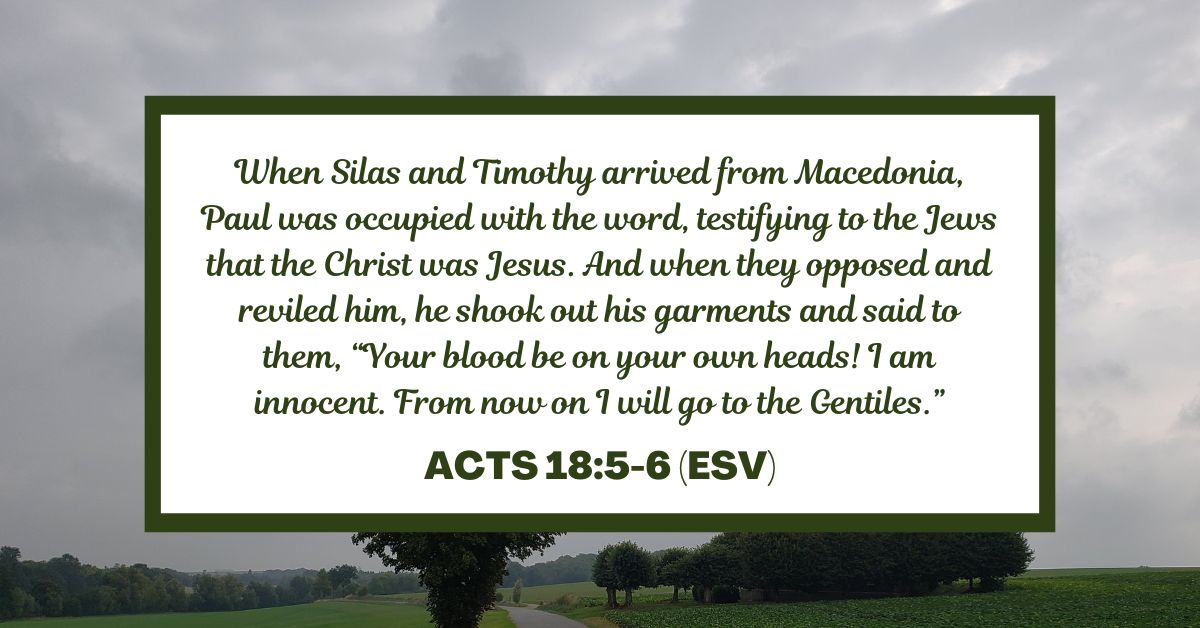
Paul’s experience encourages us to recognize when it’s time to pause and seek God’s guidance. Ministry, by nature, involves obstacles, and it is crucial to know when we are meant to persevere and when the Spirit may be guiding us in a new direction. The New Testament offers rich examples of both scenarios.
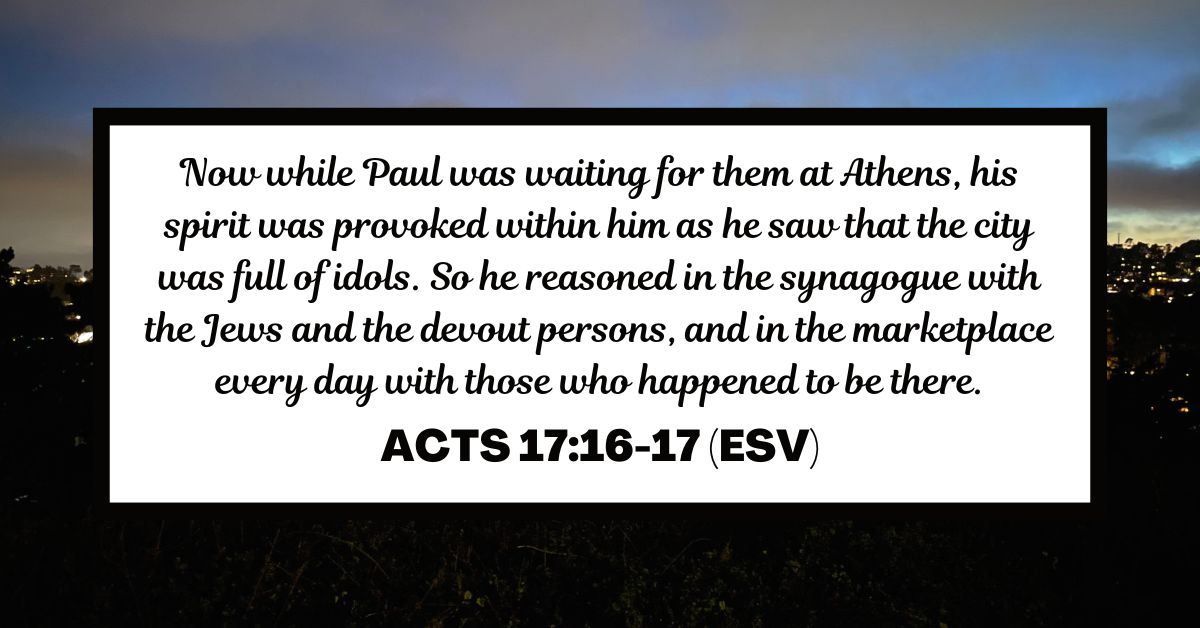
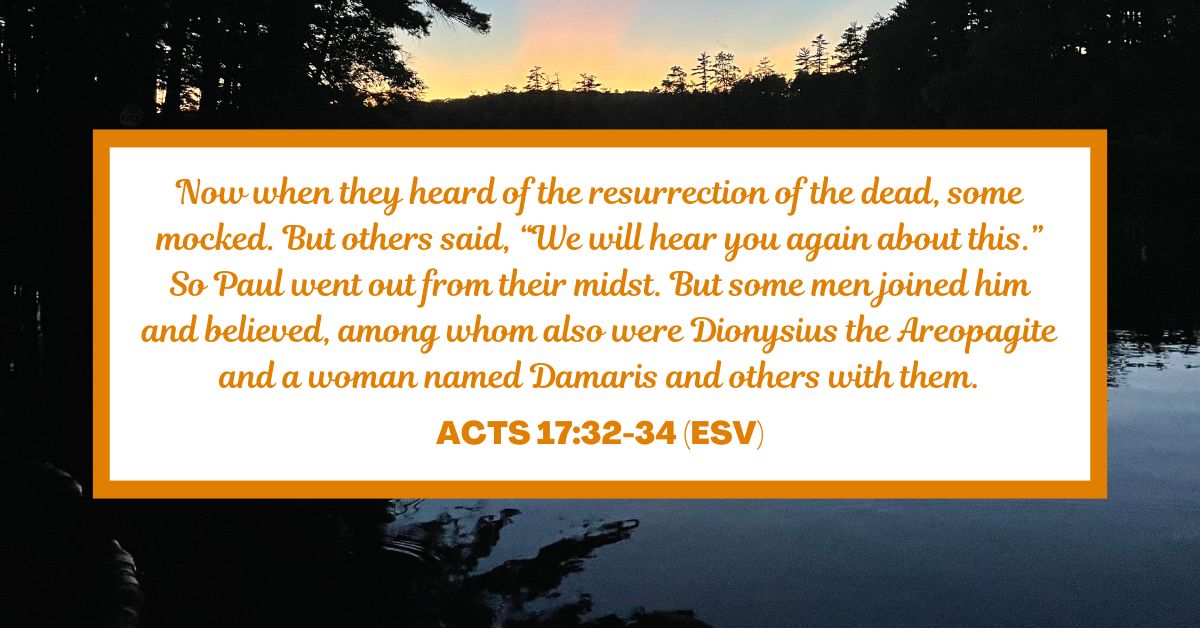
In Acts 17, Paul continues his mission in Athens despite significant resistance. His persistence eventually opens a door to speak at the Areopagus, an influential center of philosophical debate. While many people scoffed at his message, others responded positively and chose to follow Jesus. This account underscores the value of determination and trust in God to make a way, even in unlikely places.
However, Paul’s journey wasn’t always about persistence in the face of resistance; at times, it was about recognizing God’s redirecting hand. In Acts 16, Paul and Timothy planned to travel to Bithynia, but the Holy Spirit intervened, blocking their way. These moments teach us the importance of sensitivity to God’s guidance, which sometimes means altering our plans. Ministry, like a well-navigated journey, involves both pressing forward and knowing when to change course.

Jesus Himself also offered wisdom on this balance in Matthew 10:14 (ESV): “And if anyone will not receive you or listen to your words, shake off the dust from your feet when you leave that house or town.” His words reflect a profound principle: as we share the message of faith, we will inevitably encounter people who resist, who may reject the gospel even when given ample evidence and opportunity. God, in his love and wisdom, grants every person the freedom to choose their own path. He rejoices when we accept him but does not compel us, respecting our choice even if it leads us away.

When we encounter persistent resistance, it can be tempting to stay and debate, hoping to sway those who seem firmly opposed. But Jesus reminds us that sometimes, the best approach is to “shake off the dust,” accepting that we may not be the ones to reach everyone. While we may feel compelled to keep trying, there are others who might be waiting for just a gentle invitation to believe. Following the Spirit’s guidance brings us to those individuals—perhaps people we never expected—who are ready to embrace the message of Christ. Every person is precious to God, and it is usually the case that he desires that we bring his truth to where it will bear fruit.
As we face the highs and lows of sharing our faith, let us listen closely to the Spirit’s leading. When it’s time to move on, we can trust that God has new opportunities prepared for us. By following his direction, we’ll be empowered to shake off the dust when necessary, fully committed to seeking out those who are waiting to hear his message.
Reflection Questions
- What might Paul’s decision to focus on the Gentiles teach us about discerning where to invest our efforts in sharing our faith?
- In what situations might we feel the same resistance Paul faced, and how can we recognize when it’s time to shift our focus?
- How does Jesus’ teaching in Matthew 10:14 encourage us to approach those who reject the message we share?
- What are some ways we can stay attentive to God’s leading when facing obstacles in ministry or life?
- How can moments of redirection serve as reminders of God’s guidance in unexpected situations?
- What does Paul’s experience in Athens reveal about persistence and trusting God to open doors, even in difficult environments?
- How might we embrace a balance between persistence and letting go, as we seek to follow God’s calling effectively?
Reflective Prayer





Use these verses to pray using the ACTS method: Adoration, Confession, Thankfulness, Supplication
- Adoration: Praise God. Do these verses bring any specific characteristics of God to mind?
- Confession: Tell God that you are sorry for specific sins. Do these verses bring any specific sins to mind?
- Thankfulness: Show gratitude towards God. Does anything from these verses inspire gratitude?
- Supplication: Make requests for yourself and for others. Does anything from these verses inspire a prayer?
If helpful, you can use a prayer journal template.
Subscribe
If you enjoyed this post and wish to receive more Christian content, feel free to subscribe to my newsletters!
Related Resources
Visit the Joyful Moments in Christ homepage for all posts, or scroll through other blog posts related to evangelism and discernment:



Something went wrong. Please refresh the page and/or try again.
English Standard Version (ESV): Unless otherwise noted, scripture quotations are from the ESV® Bible (The Holy Bible, English Standard Version®), © 2001 by Crossway, a publishing ministry of Good News Publishers. Used by permission. All rights reserved. The ESV text may not be quoted in any publication made available to the public by a Creative Commons license. The ESV may not be translated in whole or in part into any other language.




 Joyful Moments in Christ