
As a child, I remember the pure glee of Christmas: the thrill of colorful decorations, the magic of opening presents, and the warmth of gathering with my extremely large extended family. However, as I entered adulthood, much of that magic seemed to fade. Decorating felt like a chore, finding thoughtful gifts (especially for the adult men in my life) became a struggle, and the clash of holiday expectations from different family members often left me feeling frustrated. Slowly, the joy of Christmas was buried under pressures that seemed far removed from its true purpose.
For years, I tried to please everyone, yet often ended up disappointing both myself and others. I agonized over how many gifts to buy, how much to spend, how to balance time with each side of the family, and even whether Santa Claus should be part of our traditions. Anxiety crept in, and Christmas became something I dreaded rather than anticipated. Looking back, it is sad to realize that in trying so hard to make everyone else happy, I lost sight of the holiday’s real purpose. What a tragedy!
I will never forget the relief I felt when my children stopped believing in Santa Claus. Suddenly, there was no more need for elaborate stories or pressures to fulfill every expectation. Even better, I realized that my children didn’t need an endless pile of presents. A single, thoughtful gift—a hoodie they truly wanted—brought them as much happiness as a mountain of toys. Why hadn’t I understood this sooner? How had I allowed Christmas to become about meeting expectations rather than celebrating the true gift of Jesus’ birth?
The true meaning of Christmas is wrapped up in this gift from God, foretold in Isaiah 9:6:
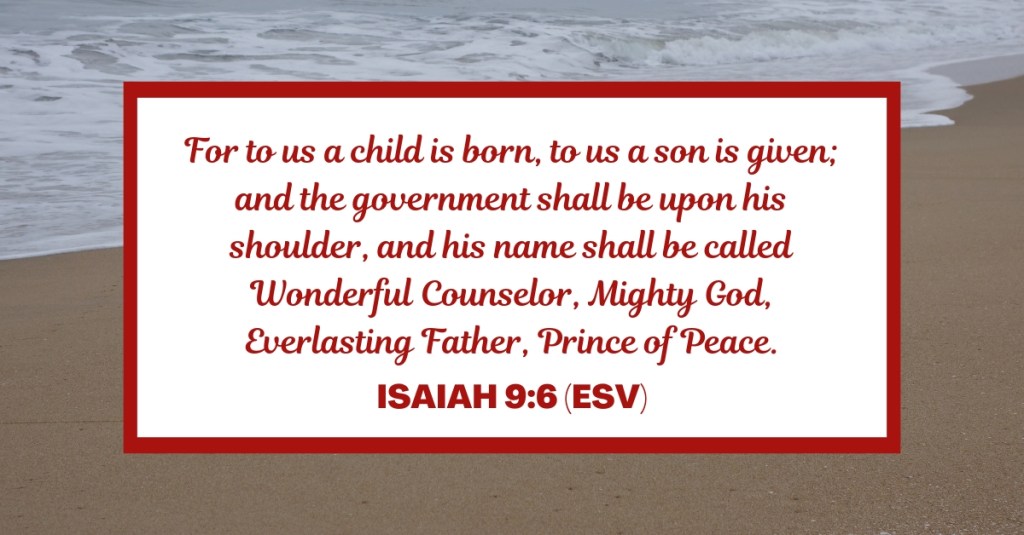
Isaiah’s prophecy was a message of hope, though in his time, the people didn’t yet know who this child would be. Generations later, the angels would proclaim His arrival in Luke 2:10-11:
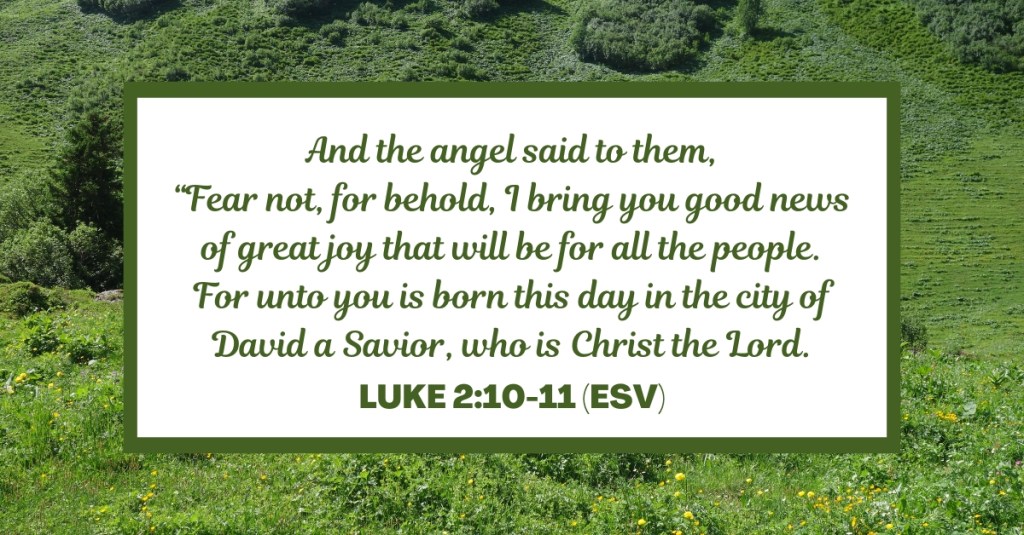
Jesus entered the world as the promised Messiah, our Savior, and this truth brings a joy that surpasses any holiday celebration or gift. His life and teachings, as we see in the New Testament, reveal how to experience a joy that runs deeper than fleeting moments. In John 15, Jesus tells us that by abiding in him—the true vine—we find our joy completed in his love:
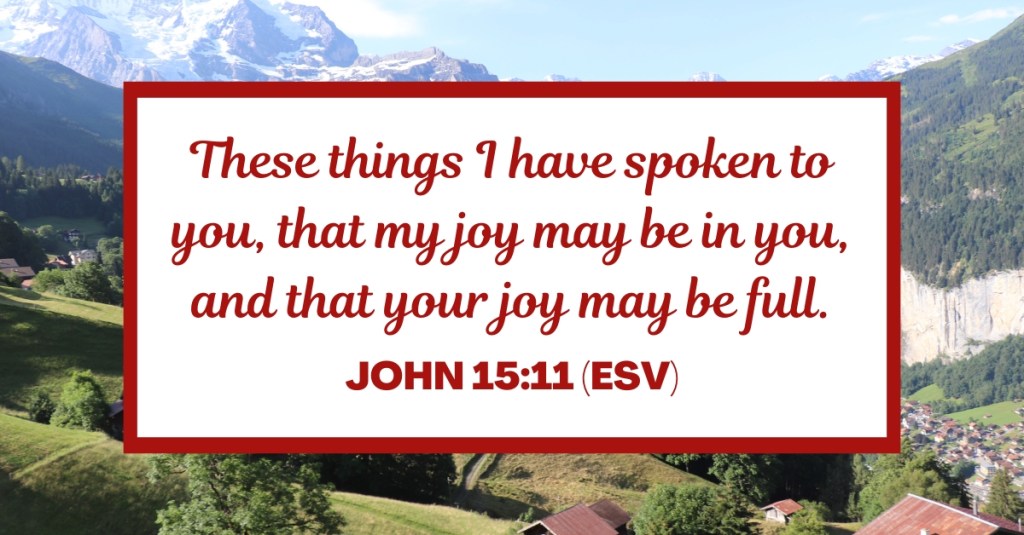
Through His teachings in verses 12-17, Jesus shows us that this fullness of joy is found in love. Verse 13 tells us, “Greater love has no one than this, that someone lay down his life for his friends.” What an incredible truth: we have a Savior who demonstrates the greatest love by laying down his life for us.

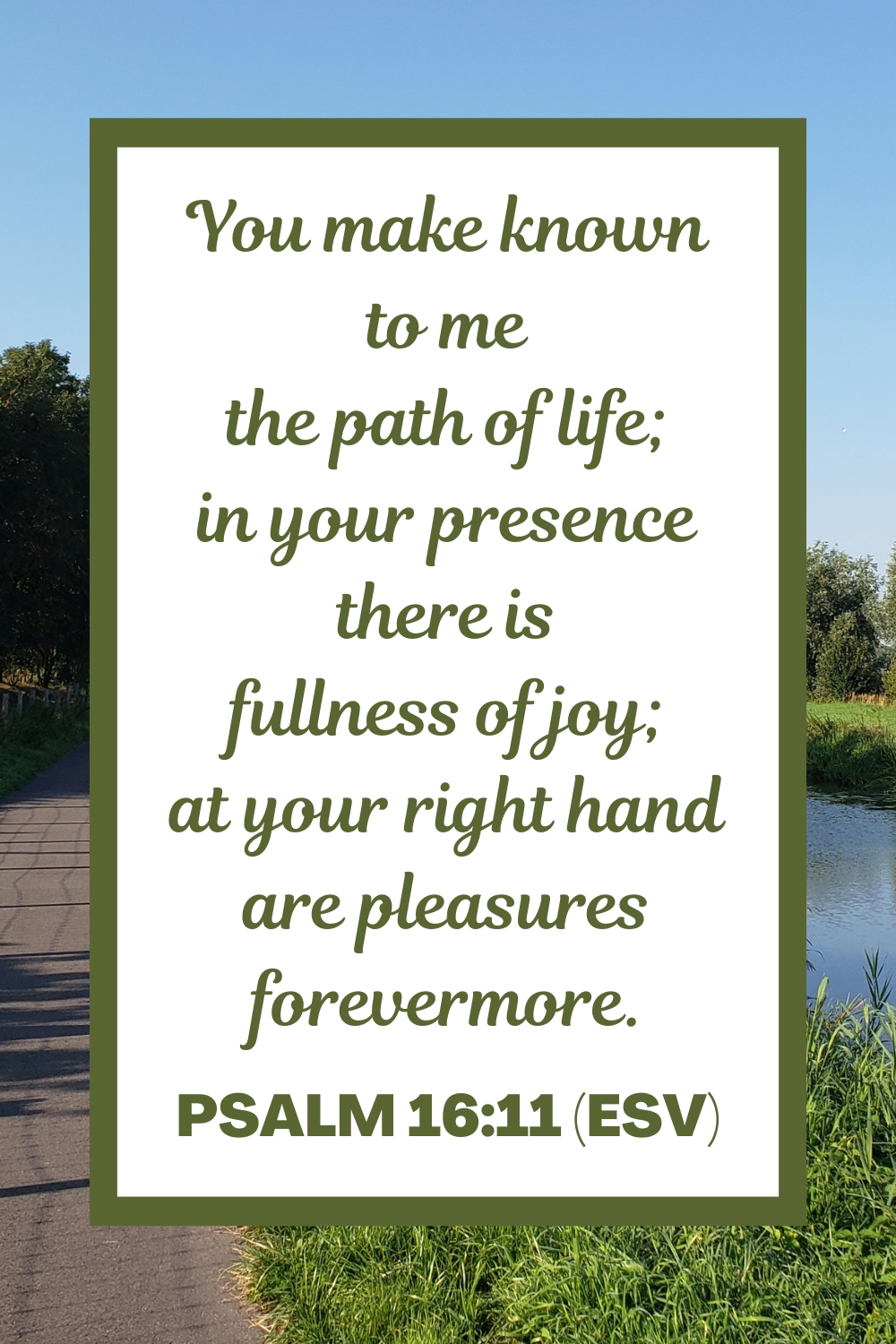
This love is the foundation of Christmas and a reminder of why we celebrate. As we remember Jesus’ purpose for coming into the world, we’re invited to walk in the path he showed us—a path he describes in John 14:6 as “the way, the truth, and the life.” Psalm 16:11 echoes this promise:

As Christmas Day arrives, we are faced with a choice. We can let it be a time of rushing around, trying to meet others’ expectations, or we can pause to remember the deeper purpose of this season. Christmas celebrates the arrival of our Savior, who loves us so deeply that he entered this world to teach us, love us, and ultimately pay the highest price for our redemption. This gift—his love and the fullness of joy in his presence—is what Christmas is truly about.
Reflection Questions
- How has your perspective on Christmas changed from childhood to adulthood, and what factors influenced this shift?
- In what ways do expectations from others shape your holiday season, and how might letting go of some of these expectations bring you more peace?
- How could focusing on simpler, more thoughtful gifts help you recenter your Christmas celebrations on meaningful connections?
- Reflecting on Isaiah 9:6, how does the promise of Jesus as “Wonderful Counselor” and “Prince of Peace” bring deeper significance to the holiday season?
- When you think of the angel’s announcement in Luke 2:10-11, how might this “good news of great joy” be shared or felt more fully in your celebrations?
- How can the fullness of joy that Jesus describes in John 15:11 become more evident in your life, even beyond the Christmas season?
- Considering Jesus’ sacrificial love in John 15:13, how might this kind of love influence your approach to relationships during Christmas?
- How does the reminder of Jesus as “the way, the truth, and the life” impact your focus and priorities during Christmas?
- What steps could help you shift from a busy holiday season toward experiencing the fullness of joy and “pleasures forevermore” in God’s presence as described in Psalm 16:11?
- How might you embrace the true gift of Christmas—Jesus’ love and redemption—amidst the holiday traditions and expectations?
Reflective Prayer





Use these verses to pray using the ACTS method: Adoration, Confession, Thankfulness, Supplication
- Adoration: Praise God. Do these verses bring any specific characteristics of God to mind?
- Confession: Tell God that you are sorry for specific sins. Do these verses bring any specific sins to mind?
- Thankfulness: Show gratitude towards God. Does anything from these verses inspire gratitude?
- Supplication: Make requests for yourself and for others. Does anything from these verses inspire a prayer?
If helpful, you can use a prayer journal template.
Subscribe
If you enjoyed this post and wish to receive more Christian content, feel free to subscribe to my newsletters!
Related Resources
Visit the Joyful Moments in Christ homepage for all posts, or scroll through other blog posts related to Christmas, anxiety, and joy:






Something went wrong. Please refresh the page and/or try again.
English Standard Version (ESV): Unless otherwise noted, scripture quotations are from the ESV® Bible (The Holy Bible, English Standard Version®), © 2001 by Crossway, a publishing ministry of Good News Publishers. Used by permission. All rights reserved. The ESV text may not be quoted in any publication made available to the public by a Creative Commons license. The ESV may not be translated in whole or in part into any other language.


 Joyful Moments in Christ