
Anger is often labeled as a negative emotion, but in certain circumstances, it can be precisely what the Holy Spirit stirs within us to drive change. In Acts 17:16-17, Paul’s anger at the rampant idolatry in Athens is a striking example of this. He faced a choice: he could either lash out in frustration or redirect his anger in a way that would constructively address the issue. Paul wisely chose the latter.
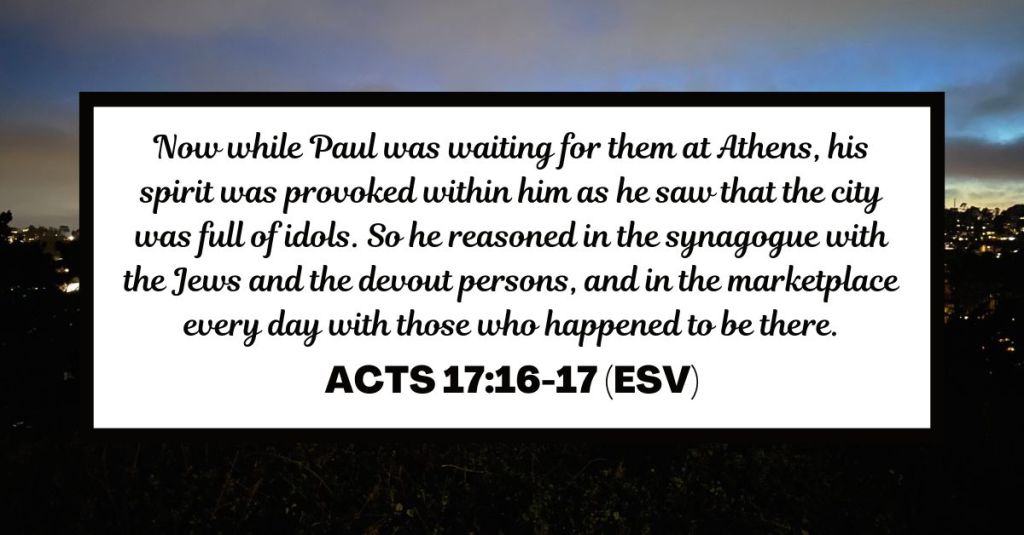
Paul understood that the people of Athens would likely resist any direct attack on their idols, so he took an approach that engaged their minds rather than their defenses. Recognizing the Athenians’ reputation for intellectual debate, Paul decided to reason with them in their own arena of ideas. Throughout Scripture, we see that the wisdom of the Holy Spirit is compelling to the human heart. Paul leaned on this truth, opting to appeal to the Athenians’ intellect rather than resorting to force or condemnation.
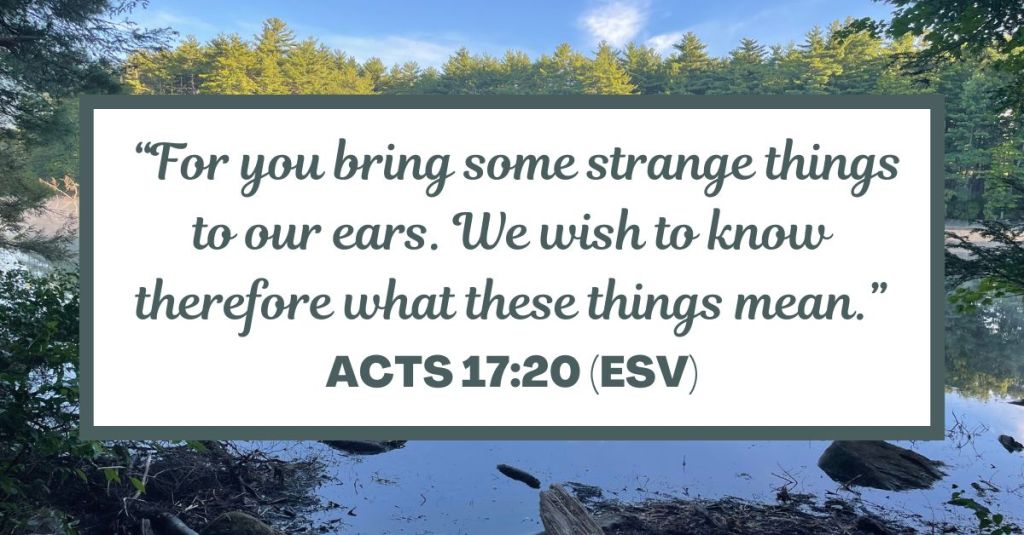
This approach proved effective. In Acts 17:18-20, the philosophers of Athens, intrigued by Paul’s message, invited him to speak at the Areopagus, the city’s premier forum for philosophical discourse. While Paul’s words didn’t convince everyone, his willingness to engage thoughtfully won him a place at their table.
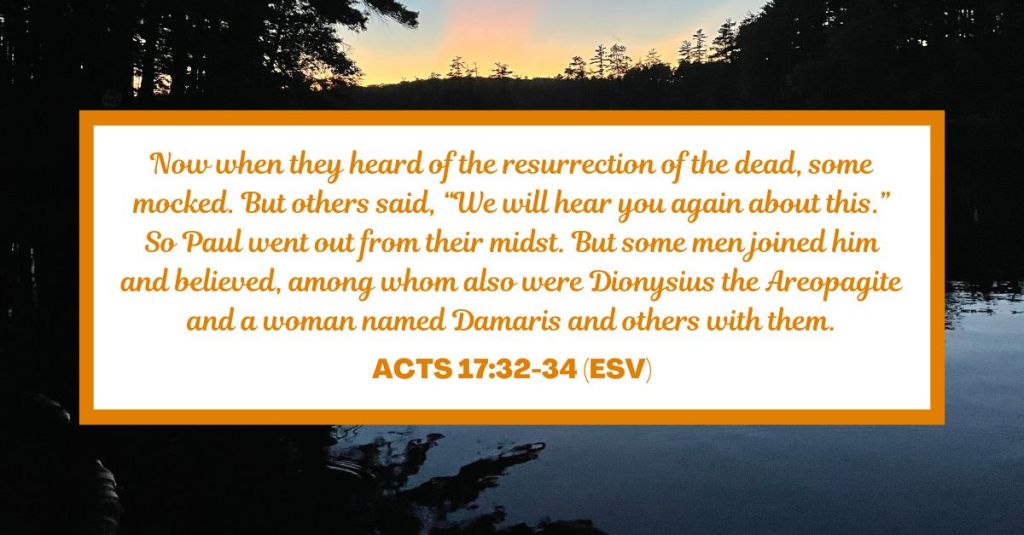
In Acts 17:32-34, some listeners, including notable figures like Dionysius the Areopagite and a woman named Damaris, were deeply moved and embraced faith. If Paul had taken a more forceful approach, how different might the outcome have been?
Paul’s response offers a valuable lesson. When we face cultural norms or behaviors that contradict biblical principles, the temptation to respond with force is strong. For example, with today’s divisive issues like abortion or marriage, it is important to ask ourselves: are we reaching for hammers, or are we inviting the Holy Spirit to guide us? What would happen if we relied on Spirit-led dialogue, planting seeds of change through reasoned, compassionate conversation? Even if not everyone is persuaded, changing one mind at a time can have a profound impact. After all, how many people in Athens still worship the idols of Paul’s time?
Reflection Questions
- What examples can we see in our lives where anger might be a prompting from the Holy Spirit to address an issue constructively?
- How does Paul’s approach in Athens reveal the value of engaging with others’ beliefs respectfully and thoughtfully?
- In what ways can we choose to communicate with others that encourage listening rather than defensiveness?
- What might it look like to rely on the wisdom of the Holy Spirit instead of reacting out of frustration?
- How can we discern when to speak and when to listen in conversations on challenging topics?
- What opportunities do we have to influence others by reasoning with compassion rather than force?
- What are some modern “idols” that might provoke us today, and how can we respond in ways that open the door for meaningful conversation?
Reflective Prayer
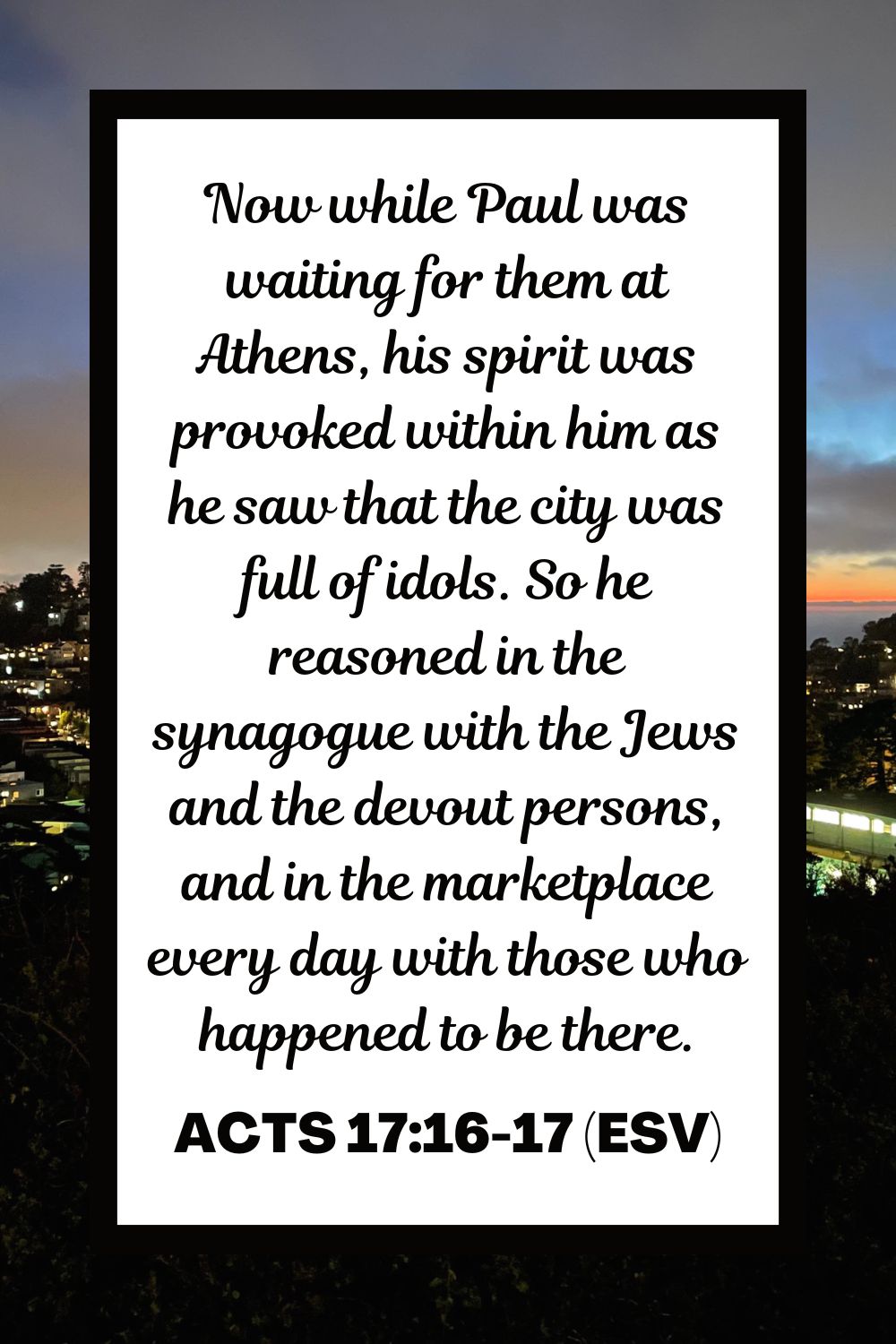
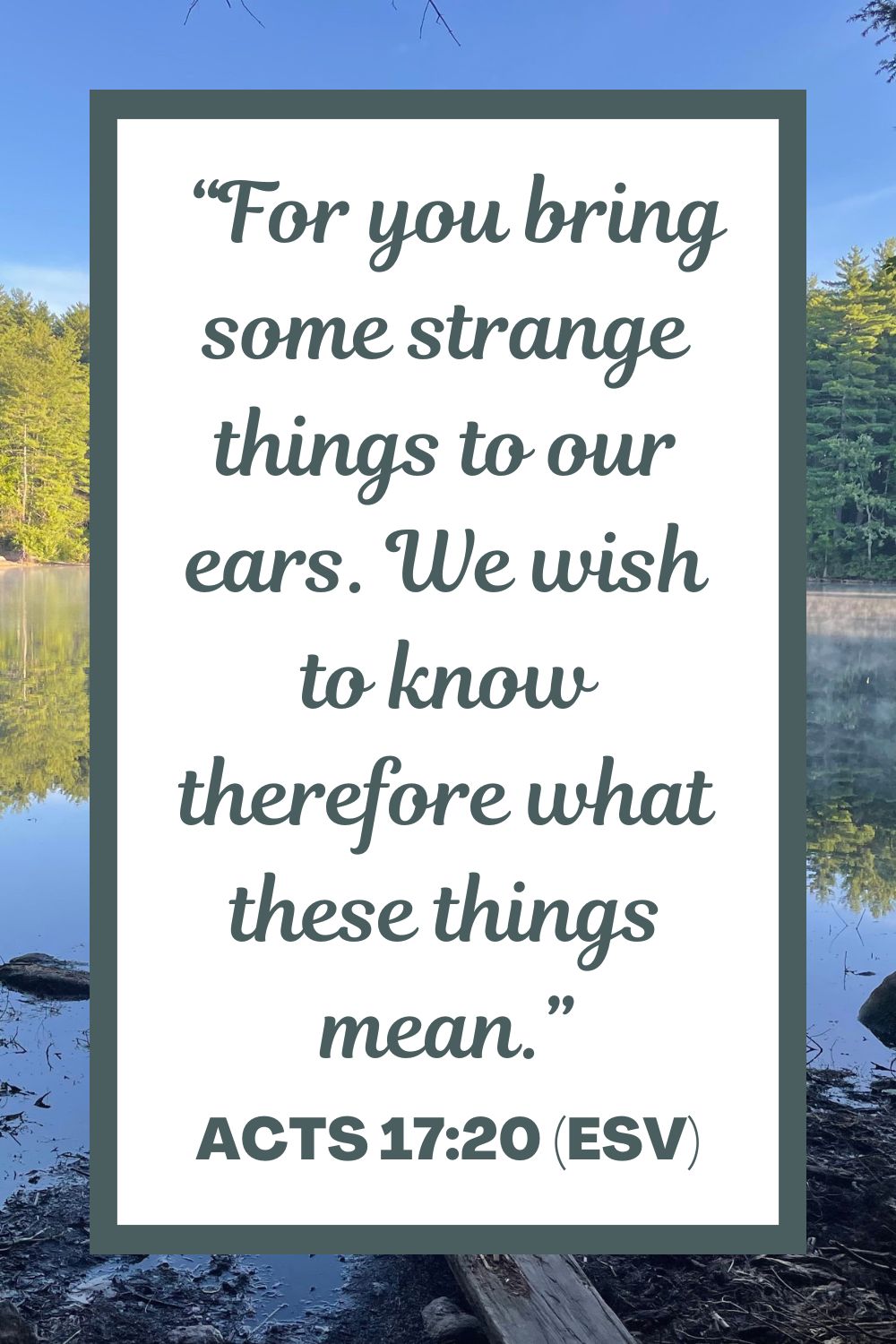
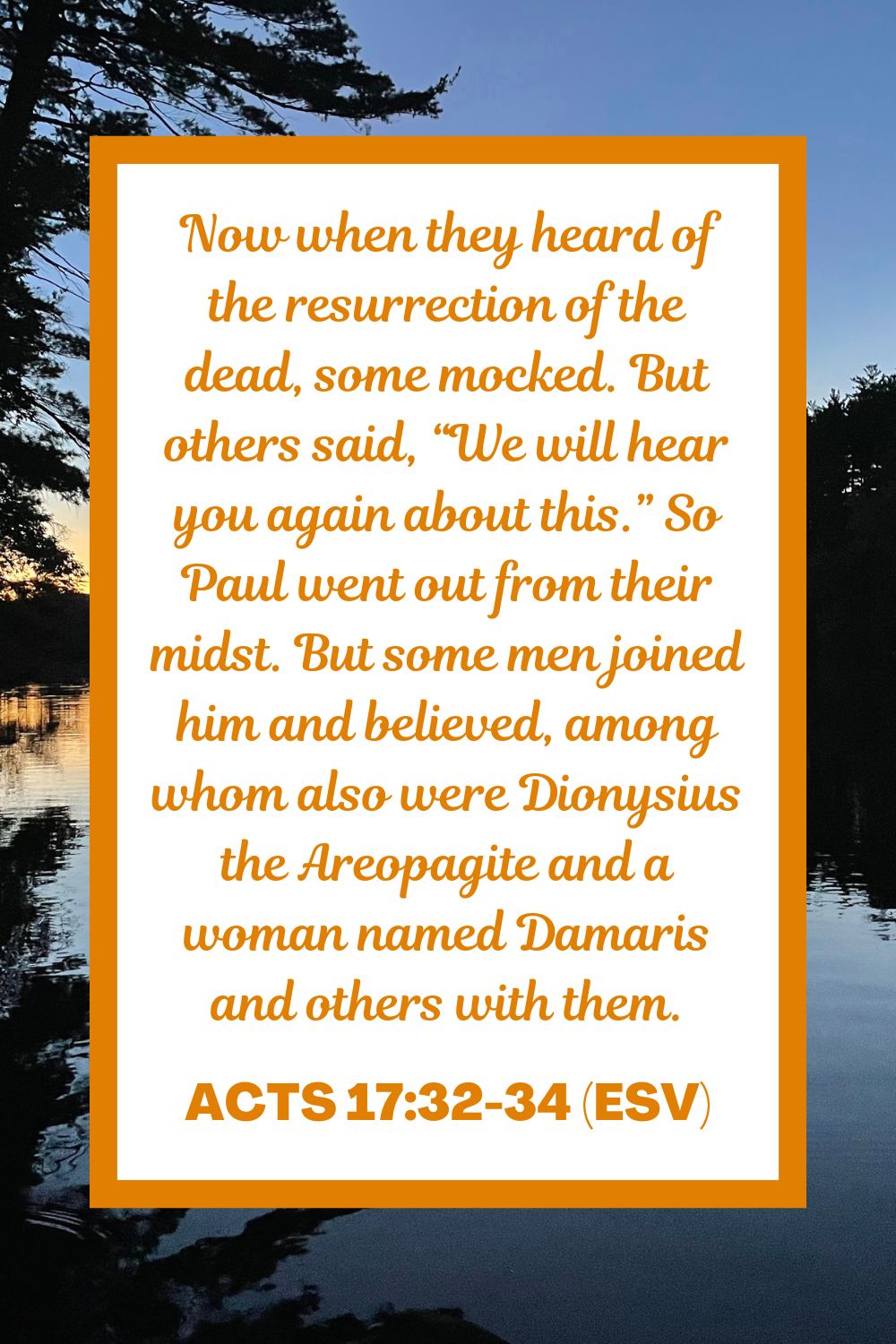
Use these verses to pray using the ACTS method: Adoration, Confession, Thankfulness, Supplication
- Adoration: Praise God. Do these verses bring any specific characteristics of God to mind?
- Confession: Tell God that you are sorry for specific sins. Do these verses bring any specific sins to mind?
- Thankfulness: Show gratitude towards God. Does anything from these verses inspire gratitude?
- Supplication: Make requests for yourself and for others. Does anything from these verses inspire a prayer?
If helpful, you can use a prayer journal template.
Subscribe
If you enjoyed this post and wish to receive more Christian content, feel free to subscribe to my newsletters!
Related Resources
Visit the Joyful Moments in Christ homepage for all posts, or scroll through other blog posts related to wisdom, compassion, and the Holy Spirit:




Something went wrong. Please refresh the page and/or try again.
English Standard Version (ESV): Unless otherwise noted, scripture quotations are from the ESV® Bible (The Holy Bible, English Standard Version®), © 2001 by Crossway, a publishing ministry of Good News Publishers. Used by permission. All rights reserved. The ESV text may not be quoted in any publication made available to the public by a Creative Commons license. The ESV may not be translated in whole or in part into any other language.

 Joyful Moments in Christ