Examples of Changed Lives
In the New Testament, stories of transformed lives underscore a powerful truth: genuine faith in Jesus ignites action and motivates believers to express their faith through love and obedience. As we explore the journeys of various biblical figures, we will see how their encounters with Christ catalyzed not only a change in their internal beliefs but also a profound redefinition of their relationships, priorities, and actions within their communities. These accounts illustrate that true faith is never passive; it compels individuals to embrace transformation in both purpose and behavior, paving the way for a deeper connection with God and others.
Lydia’s Conversion
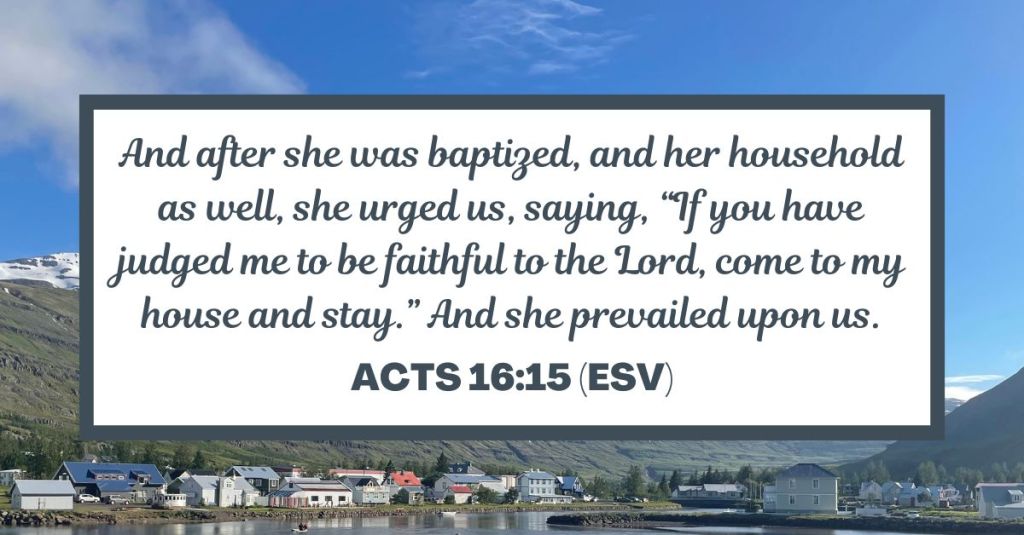
In Acts 16:11-15, Lydia’s conversion signifies more than just personal transformation—it marks the establishment of one of the first Christian communities in Europe. As a successful merchant dealing in purple cloth, Lydia held a unique position of influence, yet her heart was open to Paul’s message. Upon hearing the gospel, she and her household were baptized, showing the immediate ripple effect her decision had on those around her. Lydia’s generosity in offering her home as a base for Paul and his companions underscores how her faith translated into tangible acts of hospitality and support for the mission of the early church. Her home became a vital gathering place for believers, reflecting how one person’s faith can serve as a cornerstone for broader communal change.
Key Takeaway: True faith leads us to use our resources for God’s mission.
Reflection Question: How can we use our resources and spaces to support and expand God’s work in our communities?
Peter and Andrew’s Call
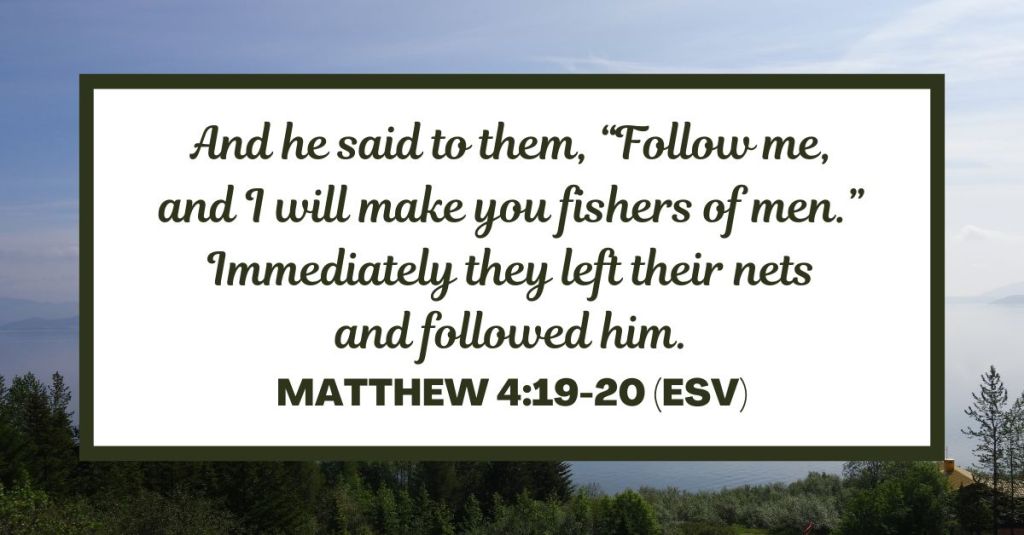
Peter and Andrew’s decision to follow Jesus in Matthew 4:18-22 exemplifies the radical nature of discipleship. When they left their nets, they didn’t just abandon their livelihood—they left behind their identity as fishermen to embrace a new purpose. Jesus’ invitation to “fish for men” signaled a shift in their mission, transforming their skills and efforts from gathering fish to gathering souls. This story demonstrates that genuine faith requires sacrifice and trust in God’s plan, even when it means leaving behind what feels secure. Their immediate obedience illustrates how following Christ involves both surrender and a commitment to a new calling that prioritizes spiritual over material gain.
Key Takeaway: Following Jesus sometimes means leaving behind what is comfortable or familiar.
Reflection Question: What familiar or comfortable areas of our lives might God be calling us to surrender for a greater purpose?
Levi’s Surrender

Levi, also known as Matthew, was a tax collector, a position synonymous with greed and exploitation. Yet, when Jesus called him in Luke 5:27-32, Levi left everything to follow, showing that true conversion often requires a complete break from unethical or damaging practices. His decision wasn’t just about leaving a job—it was about leaving behind a lifestyle that prioritized wealth over integrity. Levi’s response is a reminder that the call to follow Jesus is not just about belief but about action, making concrete decisions to live in alignment with God’s will. His transformation challenges us to examine our own lives for areas where we may need to let go of selfish pursuits in order to follow Christ more fully.
Key Takeaway: Conversion often requires leaving behind unethical practices and choosing a life of integrity.
Reflection Question: Are there areas in our lives that need realignment with God’s standards as we commit to a path of integrity and faithfulness?
Zacchaeus’ Repentance
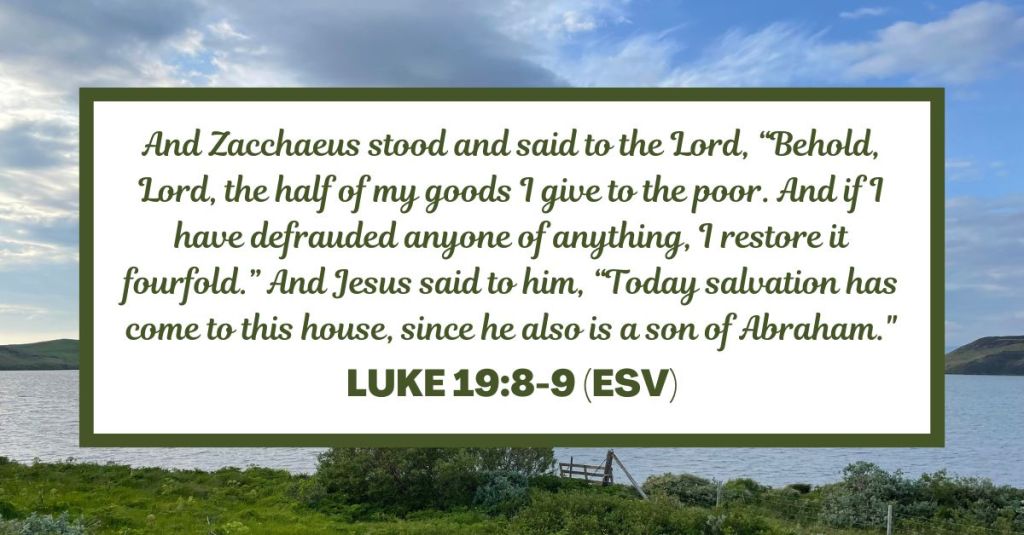
Zacchaeus, another wealthy tax collector, experienced a profound transformation after his encounter with Jesus in Luke 19:1-9. Known for his dishonest gain, Zacchaeus’ repentance was demonstrated in his decision to give half of his wealth to the poor and to repay those he defrauded fourfold. His actions reflect the biblical principle that true repentance is more than feeling remorse—it leads to concrete actions that make restitution and promote justice. Zacchaeus’ life reminds us that no one is beyond the reach of God’s grace, and that repentance should result in outward changes that positively impact those around us.
Key Takeaway: True repentance leads to visible actions that restore relationships and bring justice.
Reflection Question: How can we take practical steps to make amends or live justly, particularly in areas where we’ve fallen short?
Paul’s Transformation
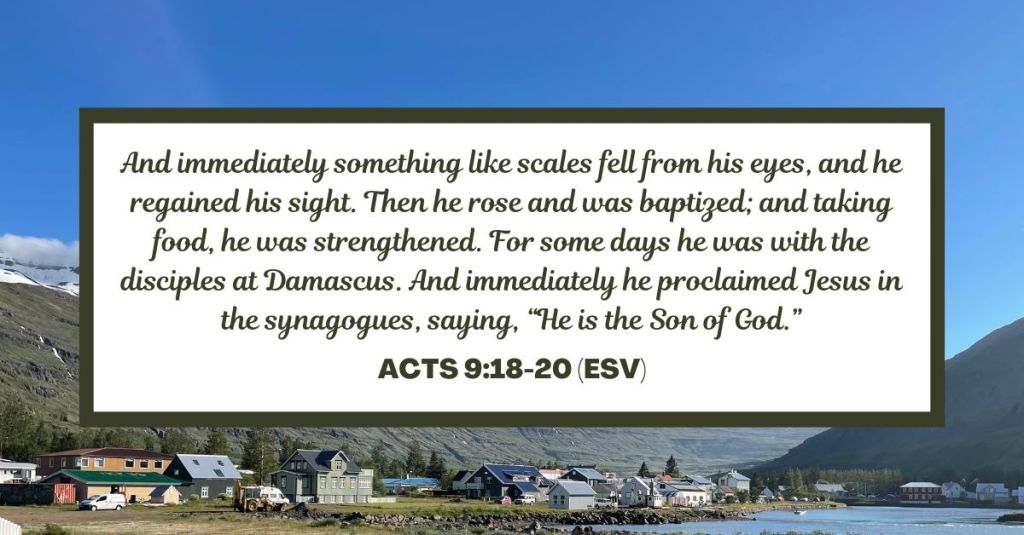
Paul’s conversion from a fierce persecutor of Christians to one of the most influential apostles (Acts 9:1-22)is one of the most dramatic transformations in the Bible. After his encounter with Jesus on the road to Damascus, Paul’s life was completely redirected. Immediately after regaining his sight, he began to proclaim the gospel, wasting no time in sharing the very message he had once tried to suppress. Paul’s story illustrates that God’s grace can reach even the most unlikely people, and that true conversion often involves a radical reordering of one’s values and mission. His life is a testimony to the power of God’s ability to change hearts and the importance of obedience to God’s calling.
Key Takeaway: No one is beyond the transformative power of God’s grace.
Reflection Question: What parts of our lives might need to be reexamined in light of Paul’s radical transformation?
The Samaritan Woman’s Testimony

In John 4:1-45, the Samaritan woman’s encounter with Jesus at the well is a profound story of personal transformation and public testimony. Ostracized for her lifestyle, she approached the well in isolation, but after her conversation with Jesus, she left her water jar—a symbol of her old life—and ran to tell her community about Him. Her story highlights how Jesus meets us in our brokenness and offers us new life. Her immediate shift from shame to evangelism illustrates that true faith not only heals our hearts but propels us to share the good news with others, regardless of our past.
Key Takeaway: Jesus transforms our brokenness into a powerful witness for others.
Reflection Question: How can we overcome our past or current struggles to share the message of hope and transformation with others?
The Philippian Jailer’s Compassion
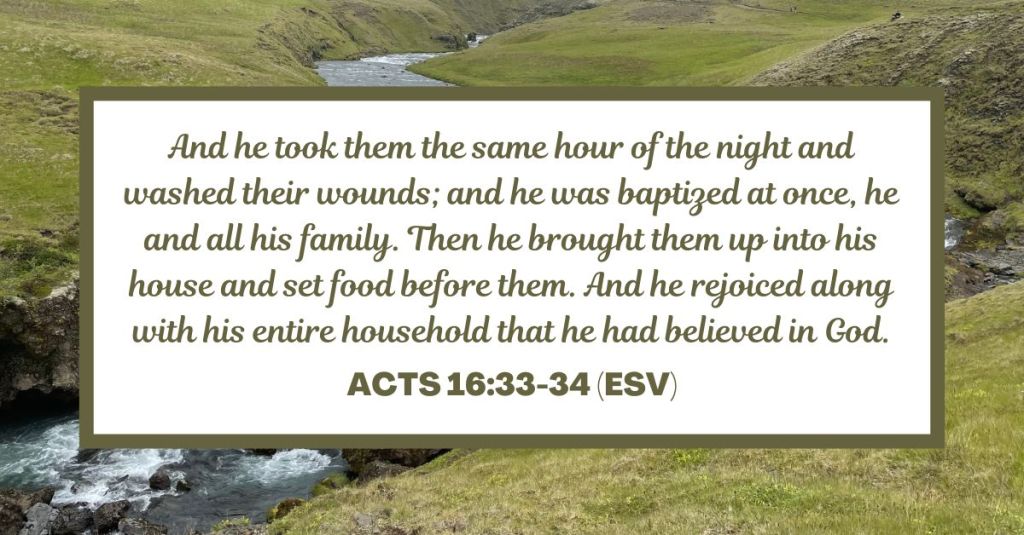
In Acts 16:25-40, a Philippian jailer’s life took a dramatic turn after an earthquake opened the prison doors where Paul and Silas were held. Initially ready to end his life, believing the prisoners had escaped, the jailer was stopped by Paul’s assurance that no one had fled. Moved by their message and integrity, the jailer brought them into his home, cared for their wounds, and was baptized along with his household. His actions reflect a heart transformed by the gospel, showing that true faith leads to acts of service and compassion for others. The jailer’s story demonstrates that even in moments of crisis, faith has the power to reorient our priorities toward love and kindness.
Key Takeaway: Faith moves us from self-interest to serving others in tangible ways.
Reflection Question: How can we extend care and compassion to those around us, especially in moments of difficulty or uncertainty?
Reasons for Changed Lives
These examples of transformed lives all point to a central truth: genuine faith in Jesus leads to action. Conversion is not a static event; it is a dynamic process that compels us to live out our faith through our choices and behavior. The Bible teaches that true faith will always be accompanied by corresponding works that reflect a changed heart. This transformation impacts every aspect of our lives, influencing how we relate to others, approach challenges, and engage with the world around us.
Faith Without Action is Dead

In James 2:17, James emphasizes that faith without deeds is dead. Genuine faith must be demonstrated through action; it cannot remain a mere intellectual belief. This principle challenges us to evaluate whether our lives reflect our faith in visible ways. True belief compels us to act in love, justice, and service, showing the world the reality of our faith through the choices we make daily. This verse reminds us that faith and works are inseparable, and our actions must align with our professed beliefs if our faith is to be genuine.
Key Takeaway: Genuine faith must be accompanied by actions that reflect love, service, and justice.
Reflection Question: In what ways can our actions more fully reflect the faith we profess?
Repentance That Bears Fruit
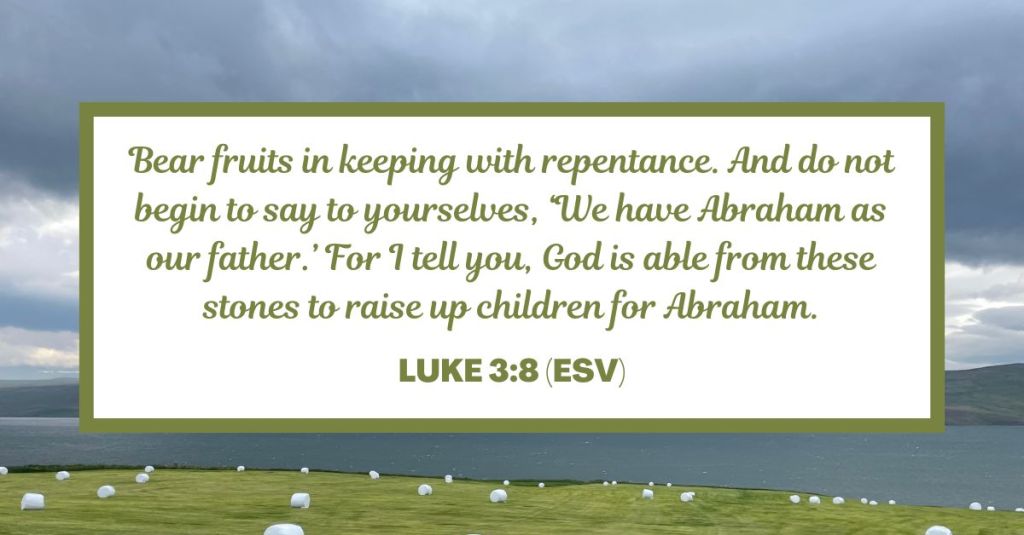
In Luke 3:8, John the Baptist calls for repentance that is demonstrated by actions, warning against relying on religious heritage or status. He teaches that true repentance must be accompanied by changed behavior, reinforcing the idea that conversion leads to a new way of life aligned with God’s will. This call to repentance reminds us that a genuine response to God’s grace results in a transformation of our priorities and behaviors. It challenges us to examine our lives for signs of this fruit—whether in acts of kindness, a desire for justice, or an eagerness to share the gospel.
Key Takeaway: Repentance is not merely a confession but a commitment to changed behavior.
Reflection Question: What fruit does our life produce, and how can we better align our actions with our repentance?
Obedience Over Profession

In Matthew 7:21, Jesus warns that not everyone who calls Him “Lord” will enter the kingdom of heaven—only those who do the will of God. True discipleship is not just about verbal profession but about living in obedience to God’s commands. Jesus makes it clear that genuine faith must be reflected in how we live. This sobering reminder encourages us to consider how our daily choices align with our professed beliefs. Are we actively seeking to live out God’s will in our relationships, work, and community? Our obedience becomes a tangible expression of our faith, proving our commitment to the One we claim to follow.
Key Takeaway: True discipleship is shown through obedience, not just words.
Reflection Question: Are we actively seeking to live out God’s will in our relationships, work, and community?
A Transformed Mind, A Transformed Life

In Romans 12:2, Paul encourages believers to be transformed by the renewal of their minds. Conversion begins with an internal change that leads to a new way of thinking and living. This inward transformation results in actions that align with God’s will rather than conforming to worldly patterns. As our thoughts and attitudes are renewed, we begin to view the world through the lens of Scripture, leading to choices that reflect God’s character. This process of renewal is ongoing and requires intentional effort, prayer, and the study of God’s Word, fostering a deeper understanding of His desires for our lives.
Key Takeaway: True transformation begins in the mind and leads to actions that reflect God’s will.
Reflection Question: How can we allow God’s Word to transform our minds and guide our decisions?
Love and Obedience

In John 14:15, Jesus directly links love for Him with obedience to His commands. True faith in Christ produces a desire to follow His teachings. This verse reminds us that conversion is not merely an emotional experience but requires action in the form of obedience to God’s Word. Our love for Christ is expressed through our commitment to live according to His teachings, impacting how we treat others and respond to life’s challenges. This love-driven obedience fuels our passion for serving others and living a life that reflects Christ’s love and grace.
Key Takeaway: Loving Jesus requires obedience to His teachings.
Reflection Question: How can we demonstrate our love for Christ through acts of obedience in our daily lives?
Created for Good Works

In Ephesians 2:10, Paul teaches that believers are created in Christ for a purpose: to do good works. These works are not optional; they are part of God’s plan for each believer. Conversion is not just about personal salvation but about living out God’s purpose through acts of love and service in the world. We are called to be active participants in God’s redemptive work, using our gifts and resources to impact our communities positively. This perspective shifts our understanding of good works from mere obligations to joyful expressions of our faith, allowing us to participate in the unfolding story of God’s grace in action.
Key Takeaway: We are created to do good works as an expression of our faith.
Reflection Question: How can we more actively participate in the good works God has prepared for us?
The Fruit of a Transformed Heart
These examples from Scripture point to a unified message: genuine faith in Christ is transformative, compelling us to act in ways that reflect a changed heart. Conversion is not a one-time event but a dynamic process that reshapes our identity, values, and actions. Whether through Lydia’s hospitality, Zacchaeus’ restitution, or Paul’s radical mission, the Bible teaches that true faith results in visible change. It prompts us to serve others, seek justice, and embody love and obedience. Ultimately, transformed lives bear witness to the power of God’s grace, demonstrating that faith is not passive but a catalyst for purposeful, Christ-centered living.
Reflective Prayer



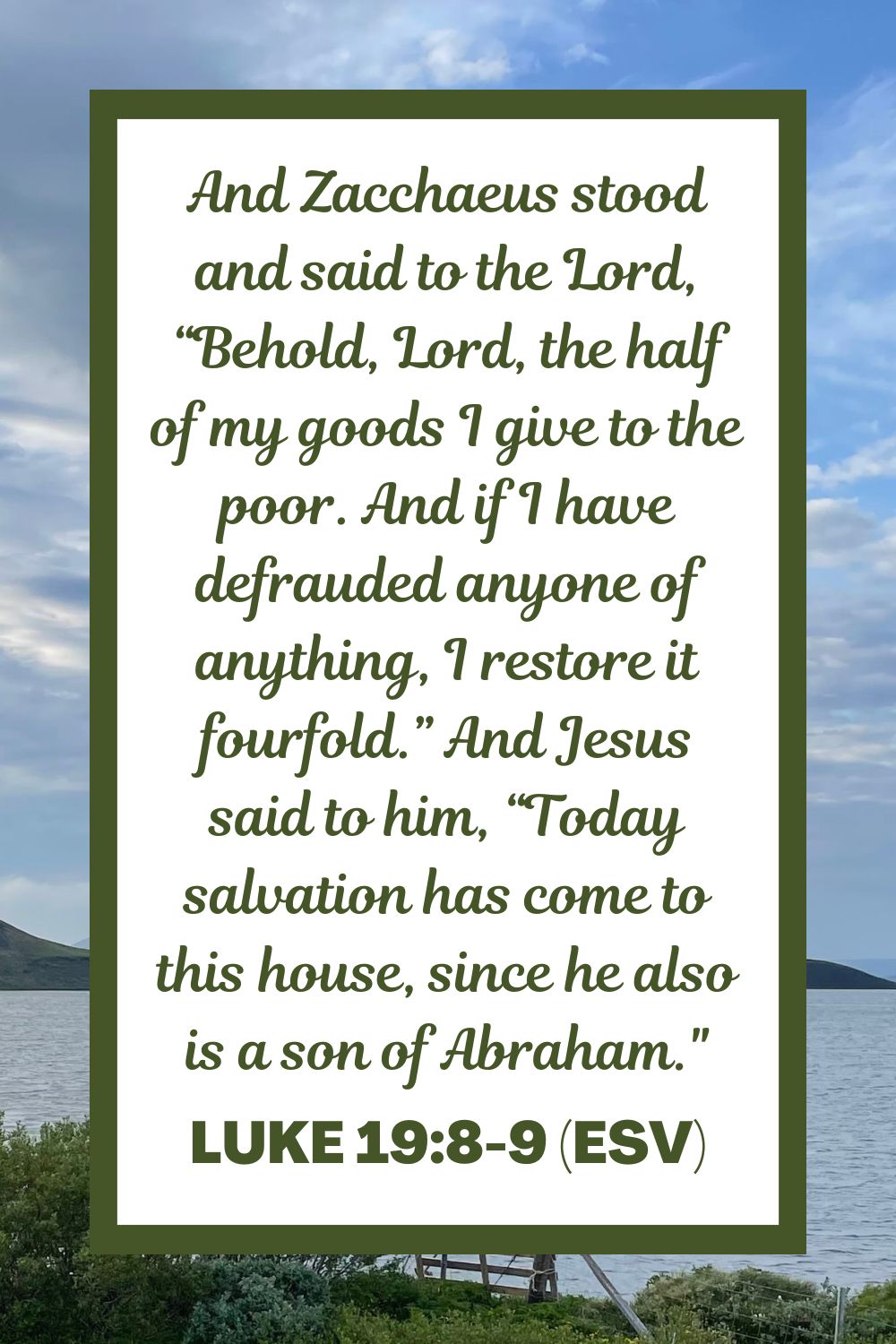
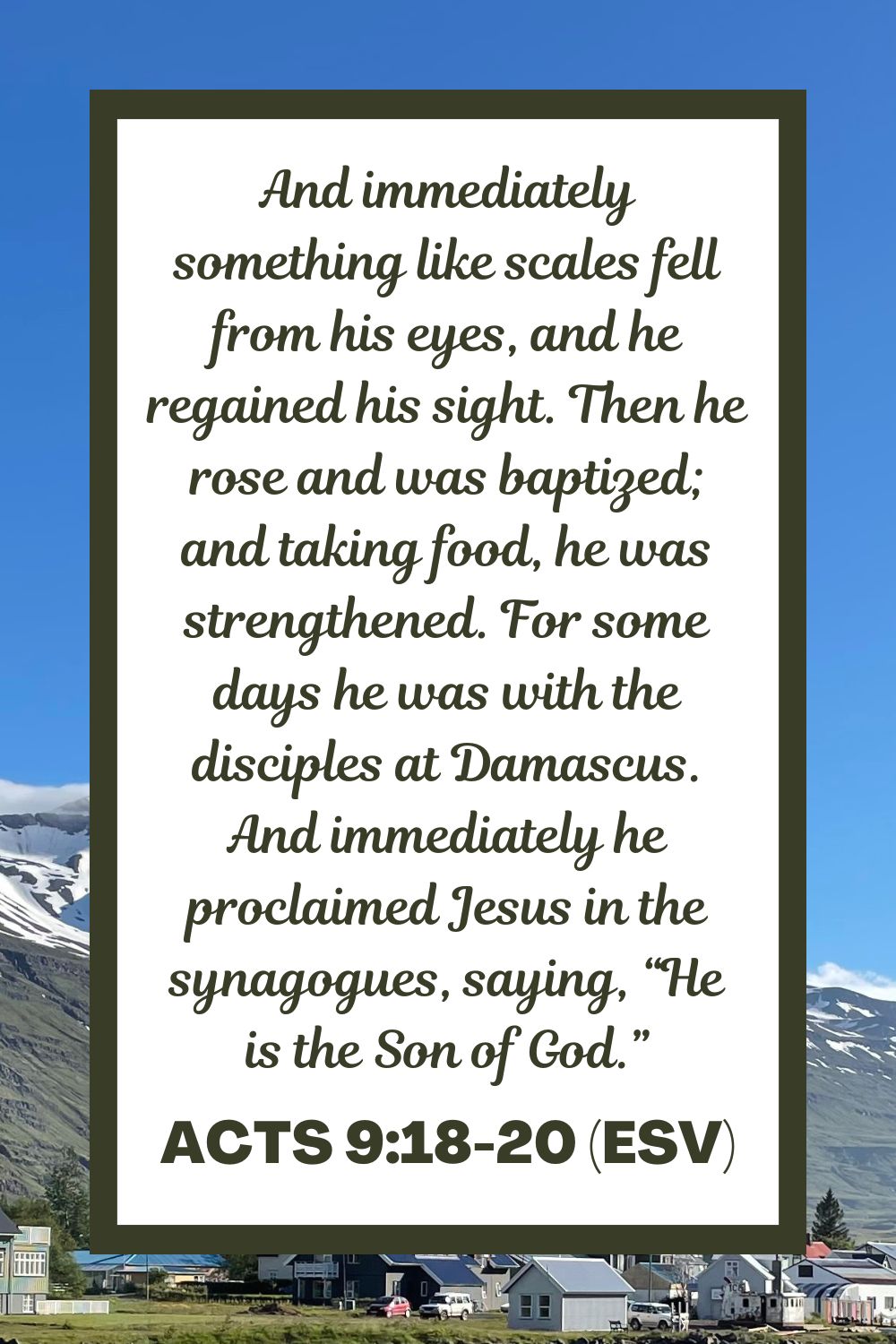

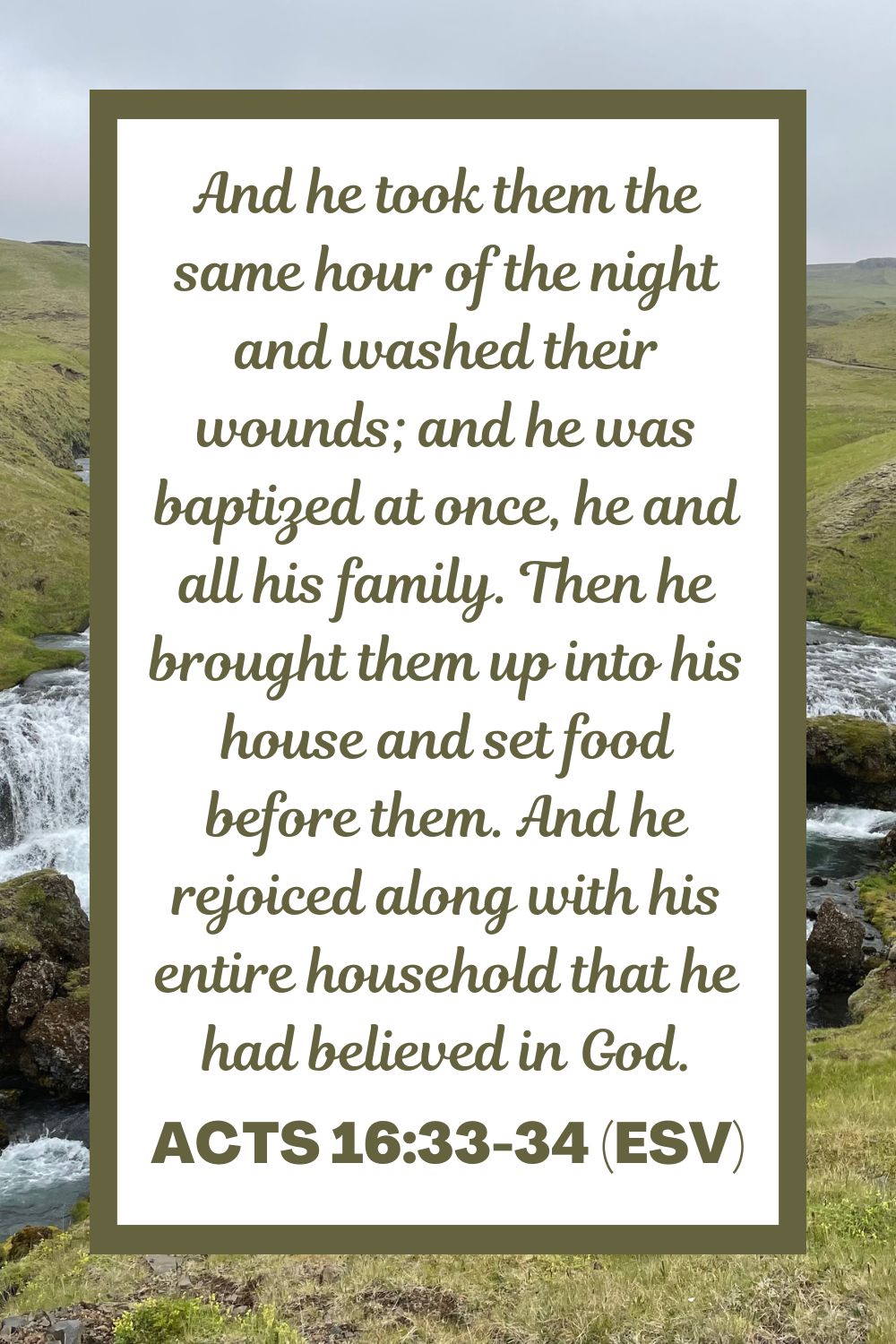
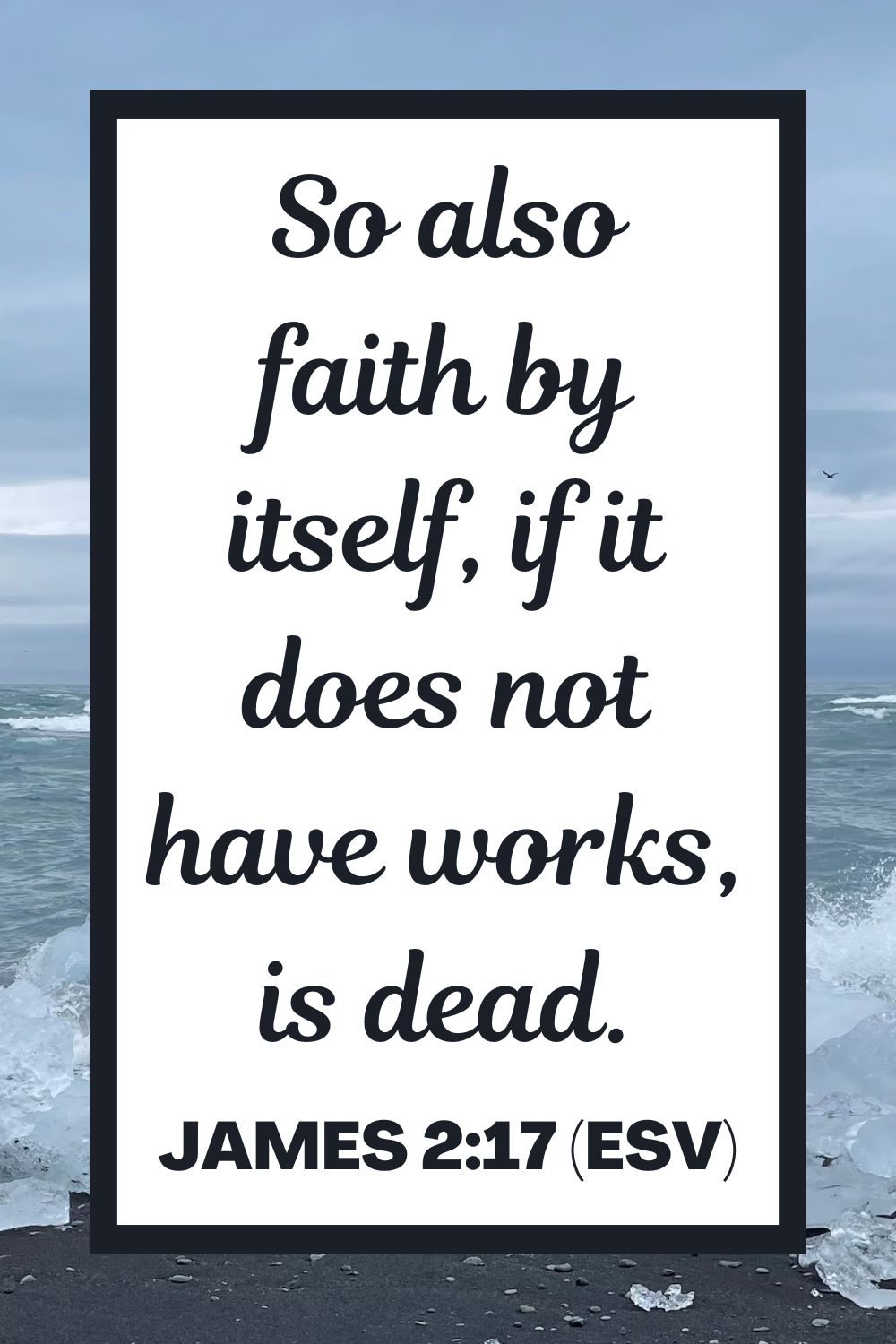
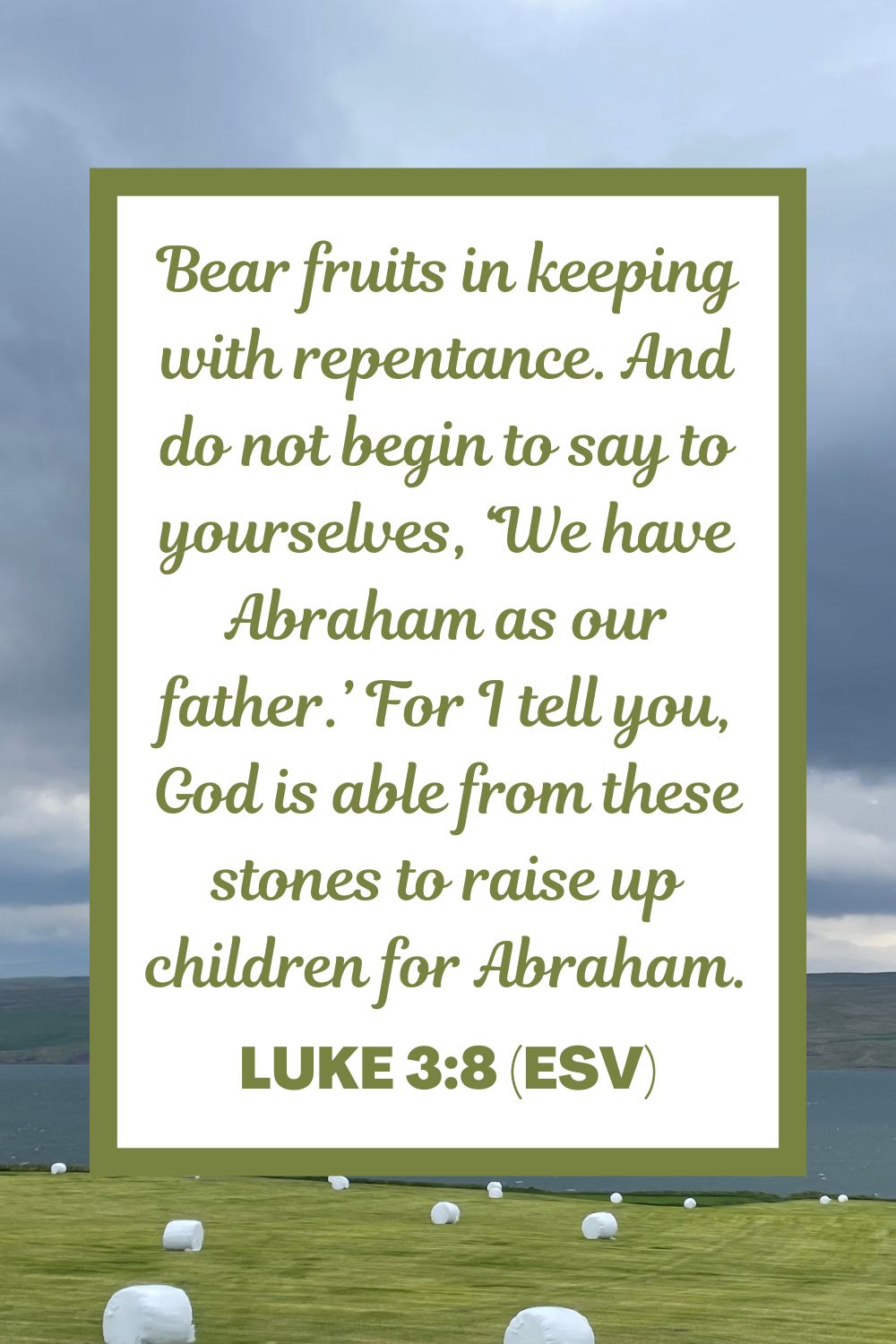




Use these memory verses to pray using the ACTS method: Adoration, Confession, Thankfulness, Supplication
- Adoration: Praise God. Do these verses bring any specific characteristics of God to mind?
- Confession: Tell God that you are sorry for specific sins. Do these verses bring any specific sins to mind?
- Thankfulness: Show gratitude towards God. Does anything from these verses inspire gratitude?
- Supplication: Make requests for yourself and for others. Does anything from these verses inspire a prayer?
If helpful, you can use a prayer journal template.
Subscribe
If you enjoyed this post and wish to receive more Christian content, feel free to subscribe to my newsletters!
Related Resources
Visit the Joyful Moments in Christ homepage for all posts, or scroll through other blog posts related to Conversion, Transformation, Taking Action, and Faith:







Something went wrong. Please refresh the page and/or try again.
English Standard Version (ESV): Unless otherwise noted, scripture quotations are from the ESV® Bible (The Holy Bible, English Standard Version®), © 2001 by Crossway, a publishing ministry of Good News Publishers. Used by permission. All rights reserved. The ESV text may not be quoted in any publication made available to the public by a Creative Commons license. The ESV may not be translated in whole or in part into any other language.


 Joyful Moments in Christ