
A while back, I found myself deeply frustrated by some challenging dynamics in my church community. It is an unfortunate truth that when people work together, conflict is inevitable. While we may hope that everyone will have the mind of Christ and work together in harmony, the reality is often more complicated.
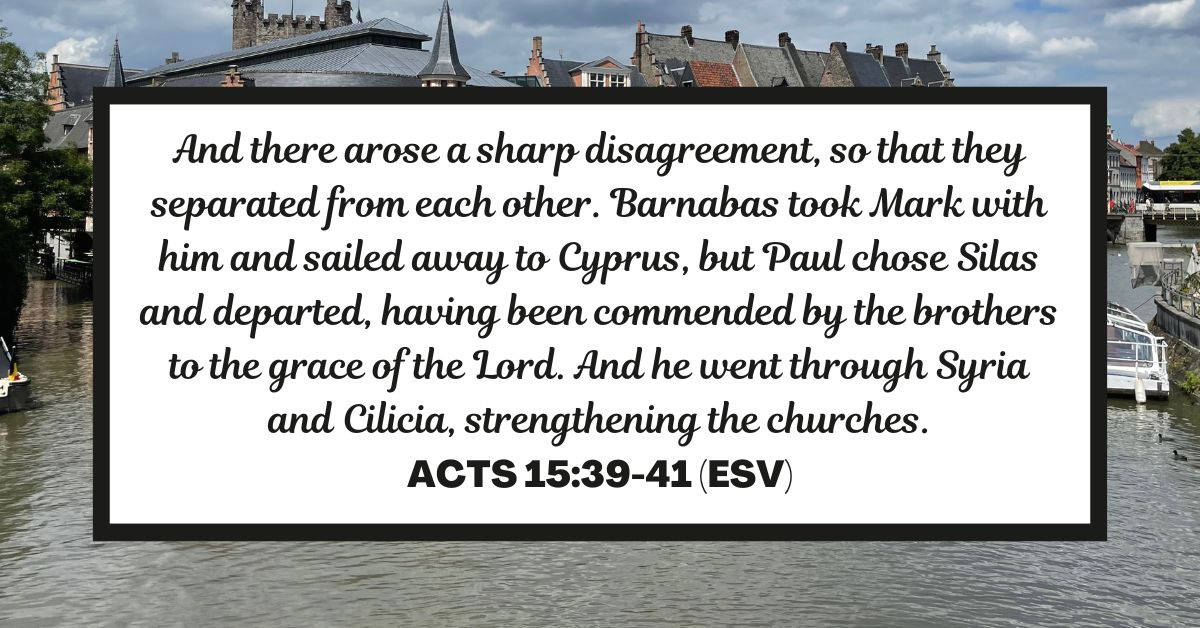
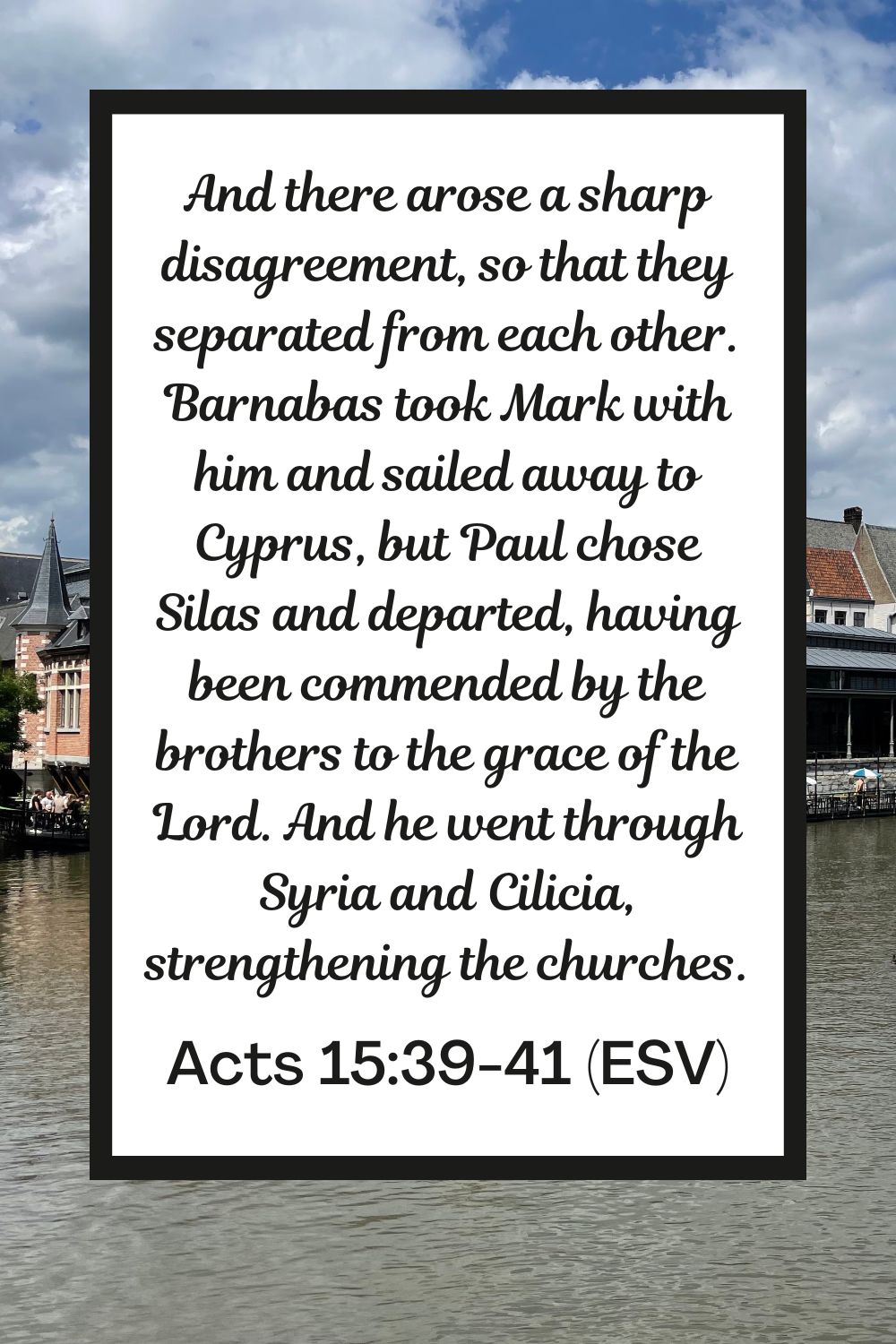
Even Paul and Barnabas, two central figures of the early church, faced such a disagreement in Acts 15:39-41. Rather than let it divide the broader church, they made the difficult decision to part ways. Although finding a way to reconcile might have led to fruitful ministry, their decision to separate still produced remarkable ministry growth in their own unique contexts.
This tension between idealistic hopes for community and the reality of conflict reminded me of a passage my husband recently shared from Life Together by Dietrich Bonhoeffer. Bonhoeffer, a German pastor and theologian who actively resisted the Nazi regime during World War II, wrote deeply about the nature of Christian fellowship. His reflections, born out of intense personal experience, challenge us to think about community not as an ideal to cling to, but as a divine reality to embrace, even in its imperfections.
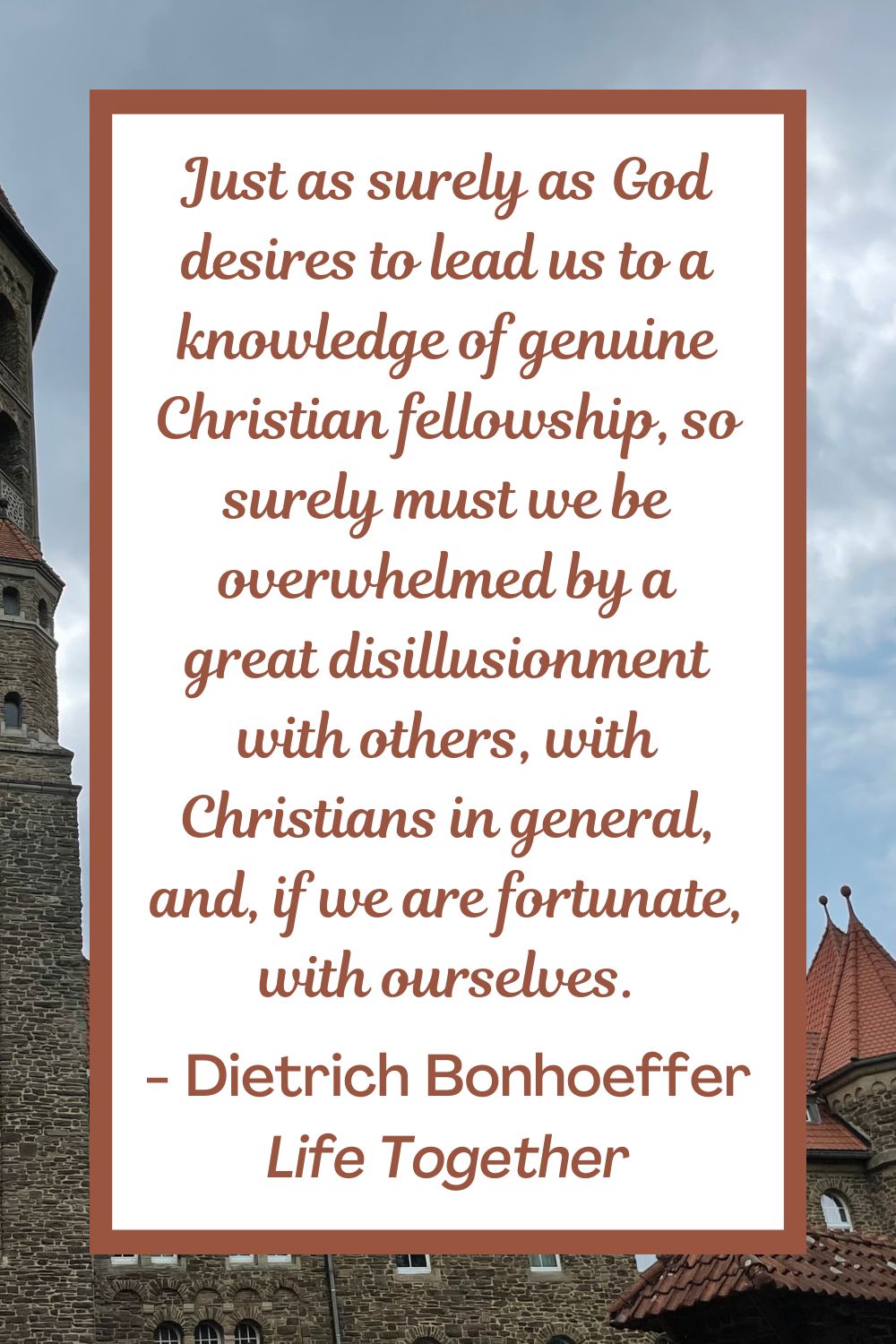
In Life Together, Bonhoeffer explores the inevitability of disillusionment in Christian communities—not just disillusionment with others, but also with ourselves. This disillusionment is not a sign of failure, but of growth. He writes:
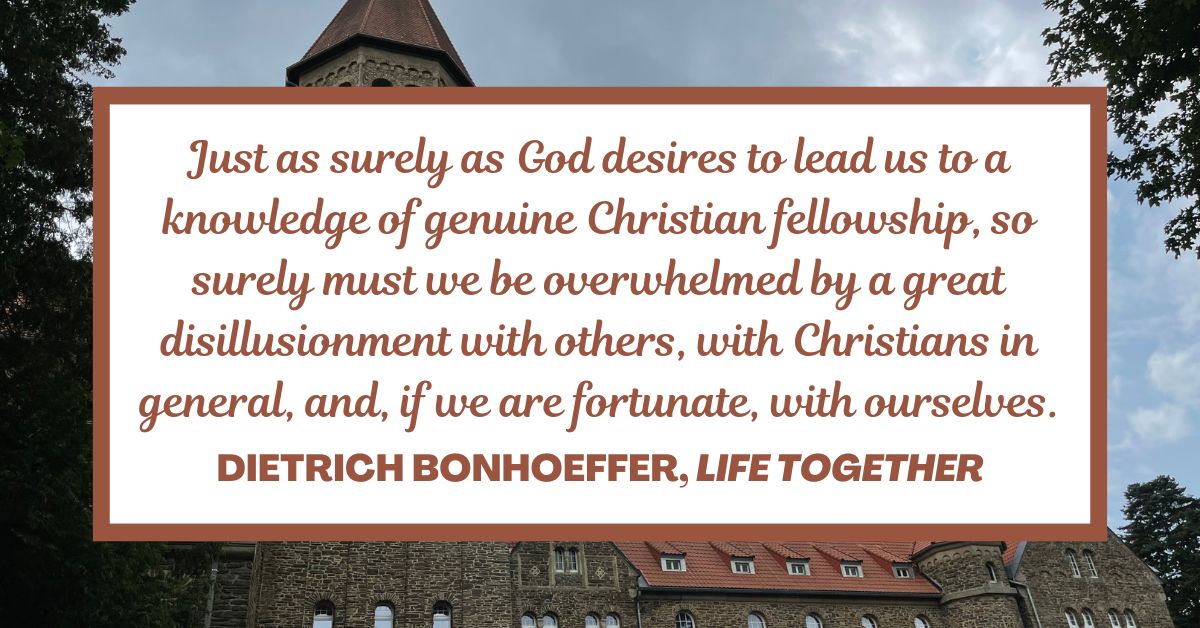
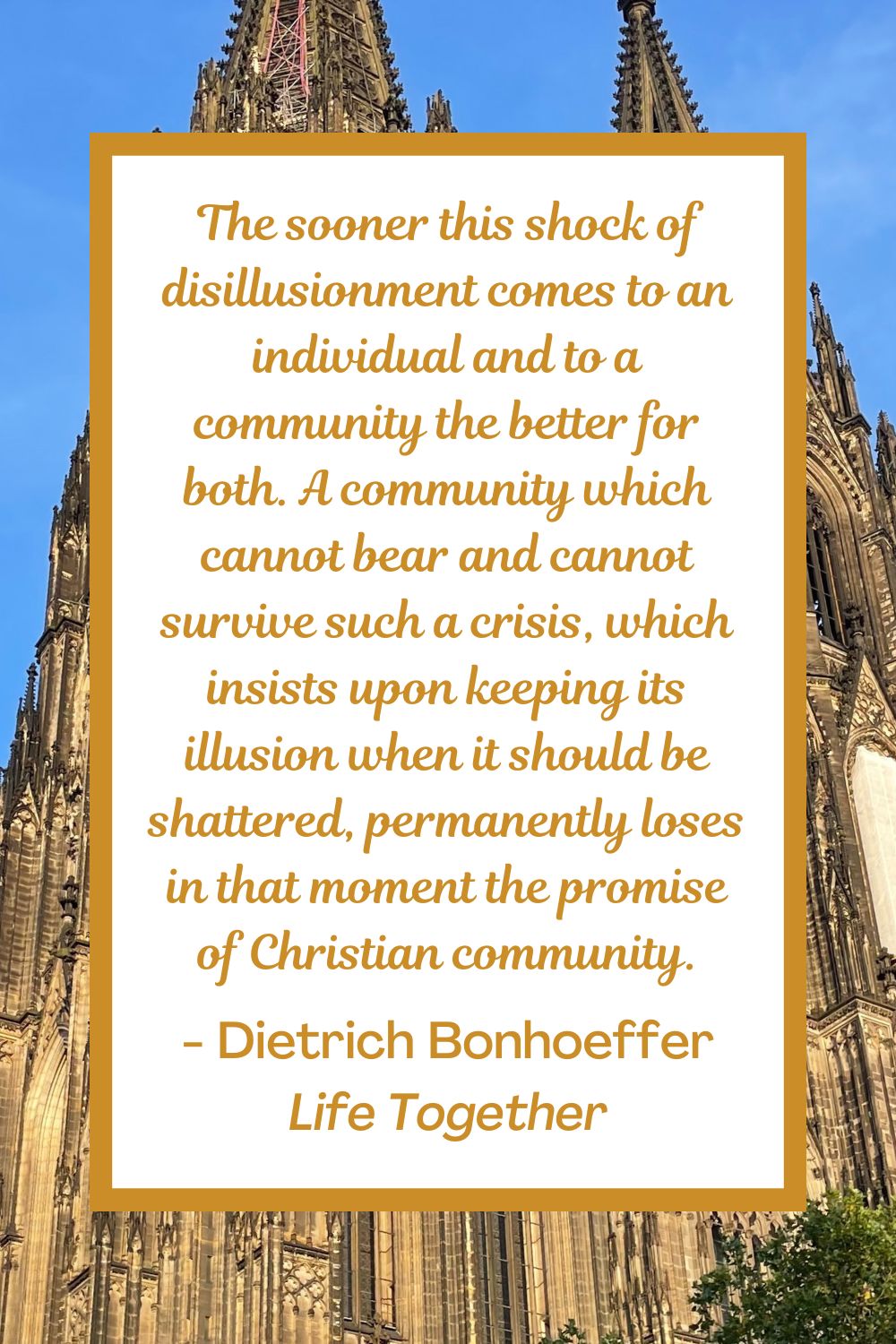
Though disillusionment may feel like a blow to our expectations, it’s actually a necessary step toward authentic Christian fellowship. Bonhoeffer emphasizes that:
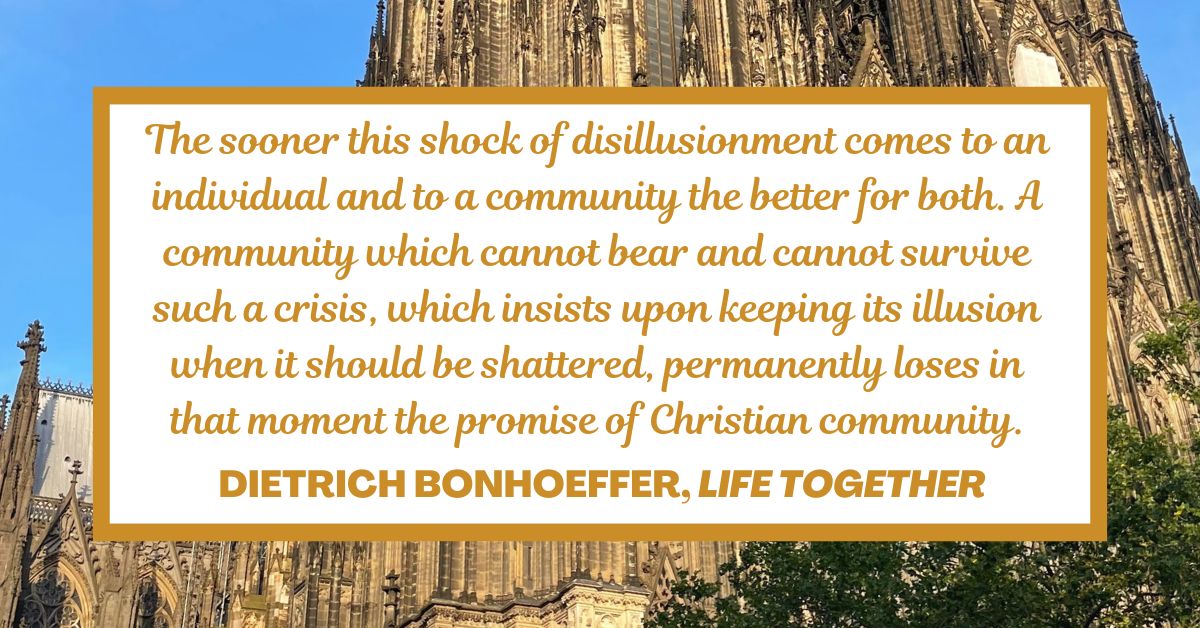
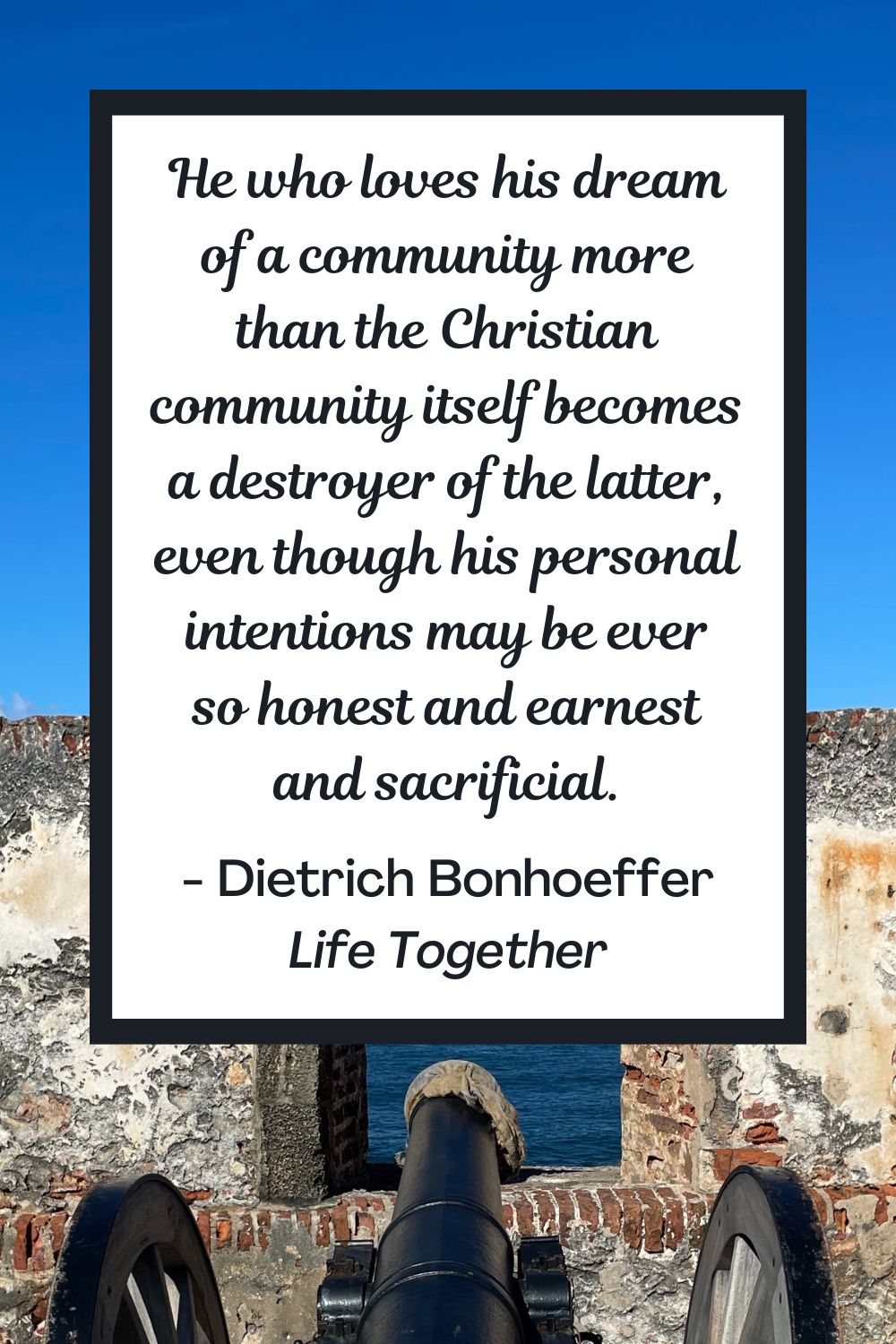
Just as Paul and Barnabas had to face the reality of their disagreement, so too must we come to terms with the imperfections in our relationships. If we hold too tightly to idealized visions of unity, we risk missing the deeper, often messier, nature of real Christian fellowship. As Bonhoeffer wisely puts it:
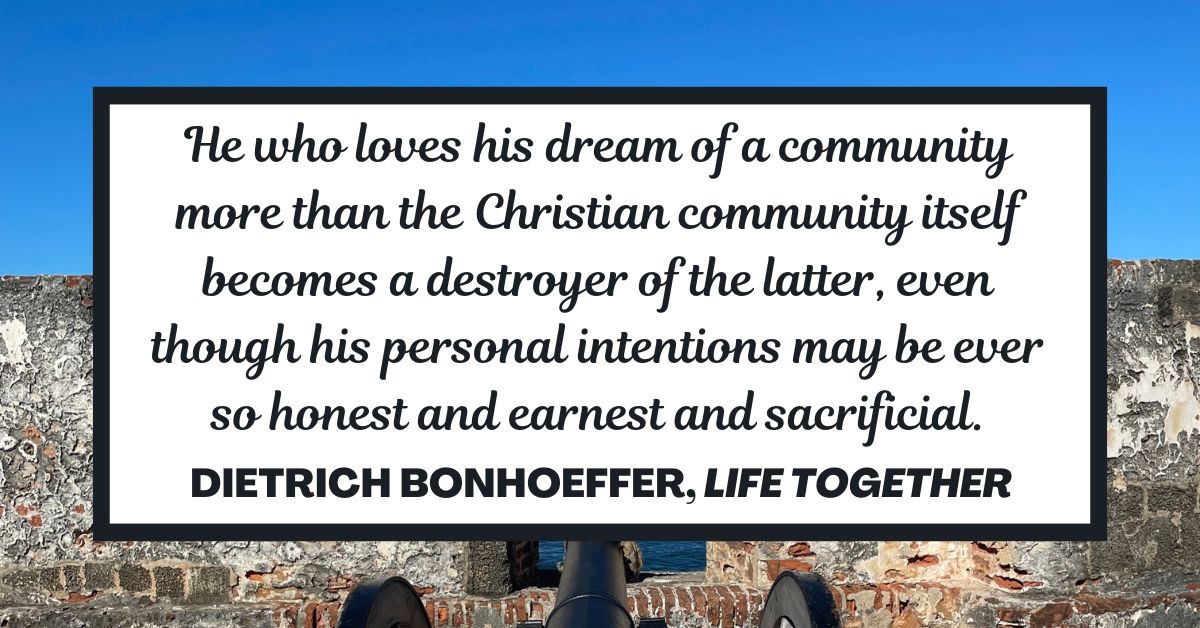
Had Paul and Barnabas clung too tightly to their ideal of working together, it is entirely possible that their conflict could have overshadowed their mission and caused people to reject the gospel. By choosing to part ways, they could focus on their ministry rather than their disagreement. Their love for sharing Christ outweighed their need to preserve their partnership.
This story challenges us to think about our own conflicts. Are we holding onto an ideal or a need to be right at the expense of serving Christ? Sometimes, parting ways in peace might actually create new opportunities for ministry and growth—just as it did for Paul and Barnabas.
Additional Reading: A Prayer for Unity, Grace, and Truth Amidst Division
Reflection Questions
- How does the decision of Paul and Barnabas to part ways challenge our expectations of unity within Christian communities?
- In what ways can disillusionment with others, or ourselves, lead to deeper growth in a faith community?
- How might holding onto an ideal of community prevent us from experiencing the real and often messy nature of Christian fellowship?
- What factors should guide us when deciding whether to work through conflicts or part ways, as Paul and Barnabas did?
- How can we ensure that our commitment to serving Christ remains central, even when facing significant personal disagreements with other believers?
Reflective Prayer

Use Acts 15:39-41 and the quotes from Dietrich Bonhoeffer to pray using the ACTS method: Adoration, Confession, Thankfulness, Supplication
- Adoration: Praise God. Do these verses bring any specific characteristics of God to mind?
- Confession: Tell God that you are sorry for specific sins. Do these verses bring any specific sins to mind?
- Thankfulness: Show gratitude towards God. Does anything from these verses inspire gratitude?
- Supplication: Make requests for yourself and for others. Does anything from these verses inspire a prayer?
If helpful, you can use a prayer journal template.
Subscribe
If you enjoyed this post and wish to receive more Christian content, feel free to subscribe to my newsletters!
Related Resources
Visit the Joyful Moments in Christ homepage for all posts, or scroll through other blog posts related to conflict and community:








Something went wrong. Please refresh the page and/or try again.
English Standard Version (ESV): Unless otherwise noted, scripture quotations are from the ESV® Bible (The Holy Bible, English Standard Version®), © 2001 by Crossway, a publishing ministry of Good News Publishers. Used by permission. All rights reserved. The ESV text may not be quoted in any publication made available to the public by a Creative Commons license. The ESV may not be translated in whole or in part into any other language.



 Joyful Moments in Christ