“Can anyone withhold water for baptizing these people, who have received the Holy Spirit just as we have?” And he commanded them to be baptized in the name of Jesus Christ. Then they asked him to remain for some days. – Acts 10:47-48 (ESV)
The Comfort of Familiarity
Why is it that so many of us prefer the company of those who are similar to ourselves? We often surround ourselves with people who share our religious beliefs, professions, political affiliations, ethnic backgrounds, and more. This tendency can create comfortable echo chambers where our beliefs and experiences are constantly reinforced. While this might offer a sense of security and affirmation, it can also lead to an inability to connect with those who are different from us.
However, true growth and understanding come from engaging with different perspectives and stepping outside our comfort zones. Acts 10:47-48 reminds us that we need to reach out beyond our church walls and toward those who may not yet have a complete understanding of God. Our mission, as given by God, is to expand His kingdom and “make disciples of all nations” (Matthew 28:19). How can we fulfill this mission if we only surround ourselves with those who are part of “our nation”?
Now the eleven disciples went to Galilee, to the mountain to which Jesus had directed them. And when they saw him they worshiped him, but some doubted. And Jesus came and said to them, “All authority in heaven and on earth has been given to me. Go therefore and make disciples of all nations, baptizing them in the name of the Father and of the Son and of the Holy Spirit, teaching them to observe all that I have commanded you. And behold, I am with you always, to the end of the age.”
Matthew 28:16-20 (ESV)
Peter’s Vision and Its Implications
As one of the first disciples called to go to the Gentiles, Peter received a vision instructing him to go to Cornelius’s house and dine with him. While with Cornelius, Peter was prompted to share the gospel message. This might not seem problematic at first, but according to Old Testament Law, Jews were forbidden from eating with Gentiles. This separation was deeply ingrained in Jewish culture and religious practice, symbolizing a broader divide between Jews and non-Jews.
And there came a voice to him: “Rise, Peter; kill and eat.” But Peter said, “By no means, Lord; for I have never eaten anything that is common or unclean.”
Acts 10:13-14 (ESV)
At first, Peter was horrified by the idea of eating whatever was on Cornelius’ table, but his vision from God helped him to see the error of his thoughts. In the end, Peter’s vision abolished the dietary laws that had been in effect since Moses’ time! This vision was revolutionary because it signified that the gospel was for everyone, regardless of ethnic or cultural background. Ceremonial law was not what made someone a disciple of Jesus and a child of God! It was a profound moment of divine revelation, emphasizing that God’s love and salvation are available to all, breaking down the barriers that once divided people.
The Distinction Between Moral and Ceremonial Law
The Old Covenant, as outlined in the Old Testament, served to teach God’s people how to live pure and holy lives. It encompassed moral laws that reflected God’s unchanging character and ethical standards, such as commandments against lying, stealing, and murder. These moral principles were designed to uphold justice and righteousness within the community, and they remain relevant for Christians today as timeless guidelines for ethical behavior and social harmony.
In addition to moral laws, the Old Covenant contained ceremonial laws that were specific to the cultural and religious context of ancient Israel. These laws included dietary restrictions, observance of festivals, and sacrificial practices. Such regulations were intended to symbolize deeper spiritual truths and to set Israel apart from other nations as God’s chosen people. The ceremonial laws created a distinct identity for Israel, reinforcing their unique relationship with God and their commitment to His covenant.
With the advent of Jesus Christ and the establishment of the New Covenant, the necessity of adhering to these ceremonial laws was reevaluated. Peter’s vision in Acts 10 and Paul’s teachings, especially in his letters to the Romans, emphasized that Christ fulfilled these ceremonial requirements, rendering them no longer necessary for salvation. Understanding this distinction helps Christians appreciate the continuity and transformation within God’s covenant, honoring the enduring moral imperatives while embracing the freedom and inclusivity that the New Covenant offers.
Paul’s Teachings on Law and Grace
Deciding which laws to follow and which to set aside ultimately requires understanding the “heart of the law.” Jesus often criticized the Pharisees for adhering strictly to the letter of the law while missing its deeper, spiritual significance. He rebuked them for focusing on outward appearances rather than internal purity and righteousness. As Jesus pointed out in Matthew 23:25-26, true cleanliness comes from within.
“Woe to you, scribes and Pharisees, hypocrites! For you clean the outside of the cup and the plate, but inside they are full of greed and self-indulgence. You blind Pharisee! First clean the inside of the cup and the plate, that the outside also may be clean.
Matthew 23:25-26 (ESV)
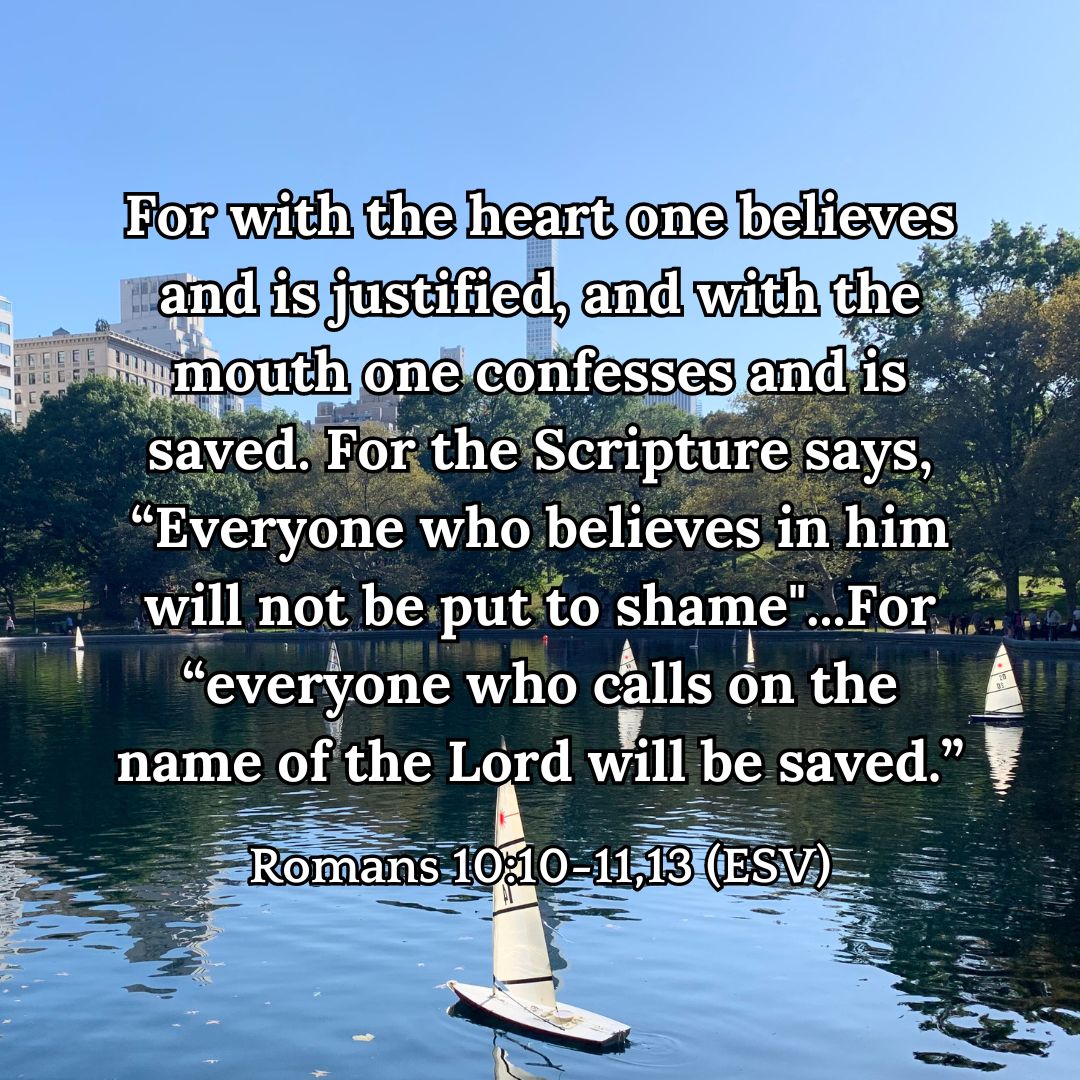
The New Testament reaffirms that while moral laws remain significant, ceremonial laws are more flexible under the New Covenant. Paul’s writings in Romans offer valuable insights into the transition from strict adherence to the law to a life led by grace. Key verses highlight this shift:
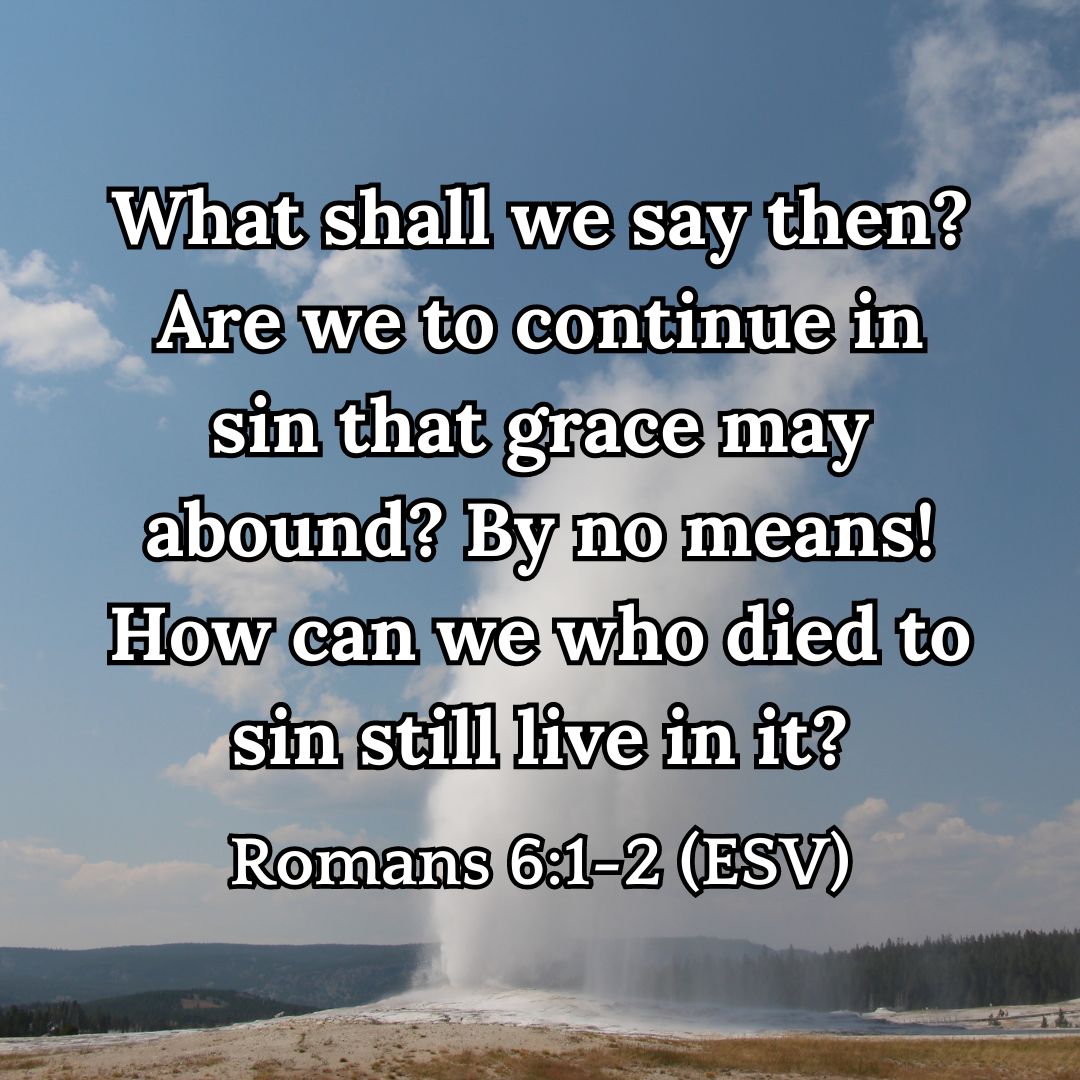
- Romans 6:1-2 speaks against using grace as an excuse for sin.
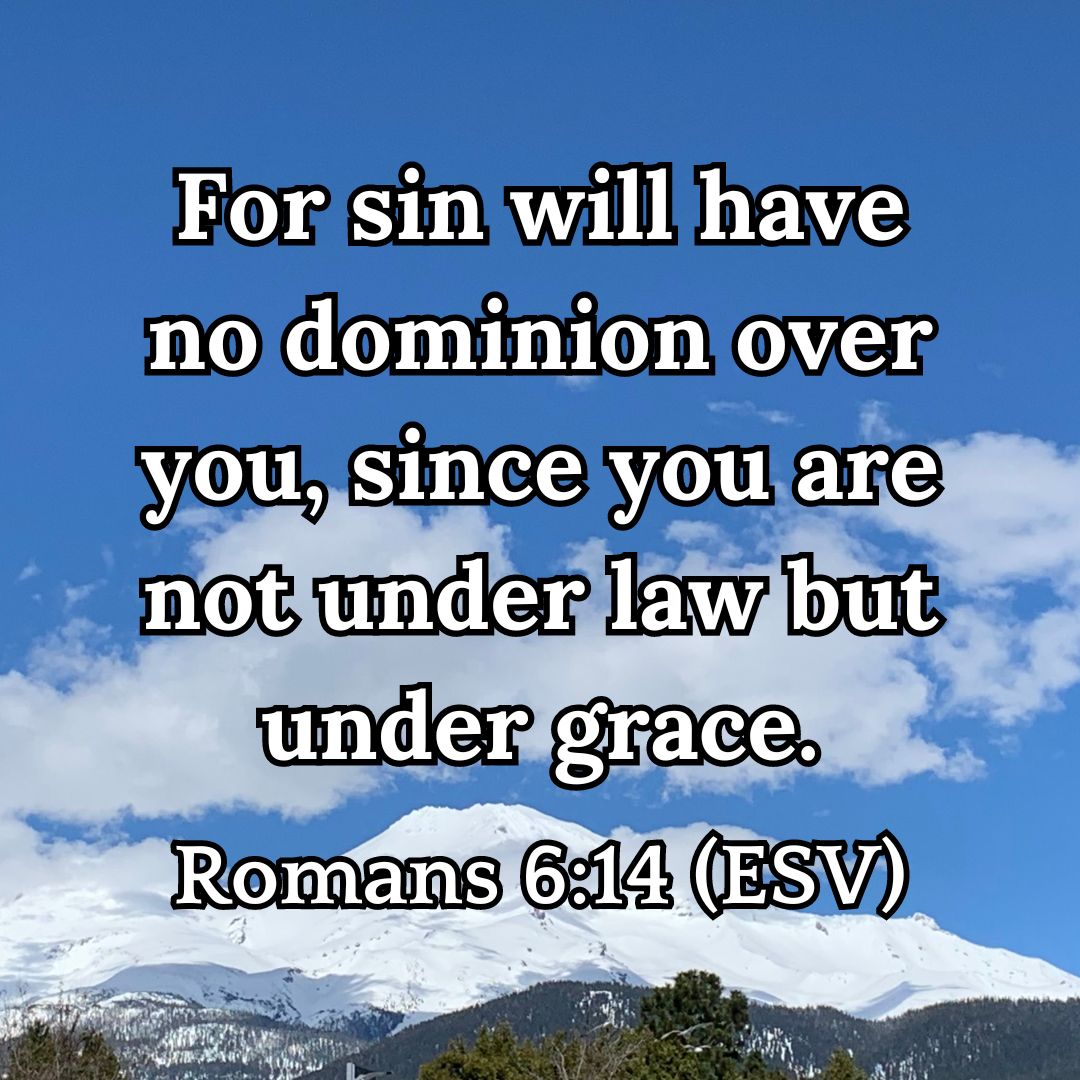
- Romans 6:14 emphasizes that sin no longer rules over us because we are under grace.
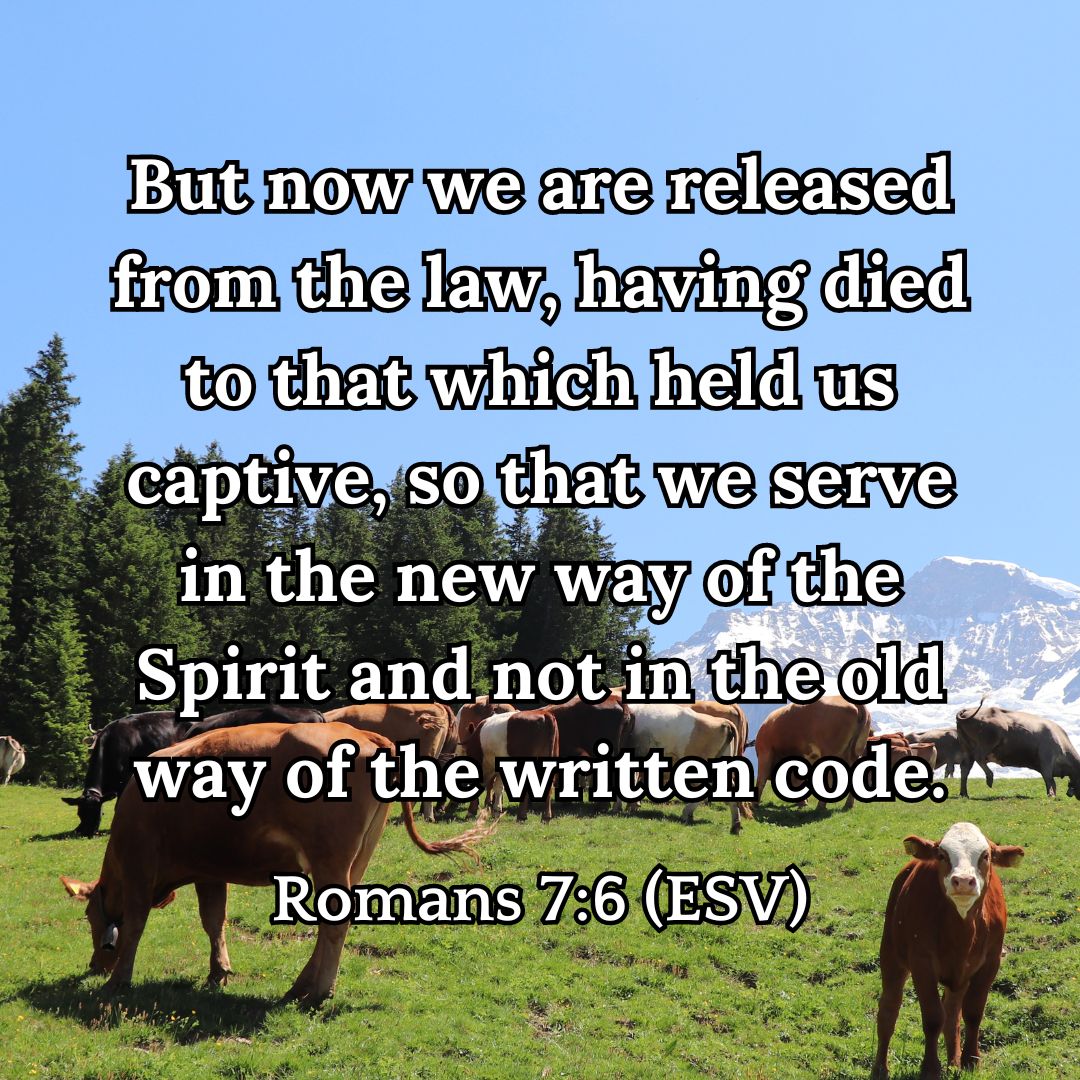
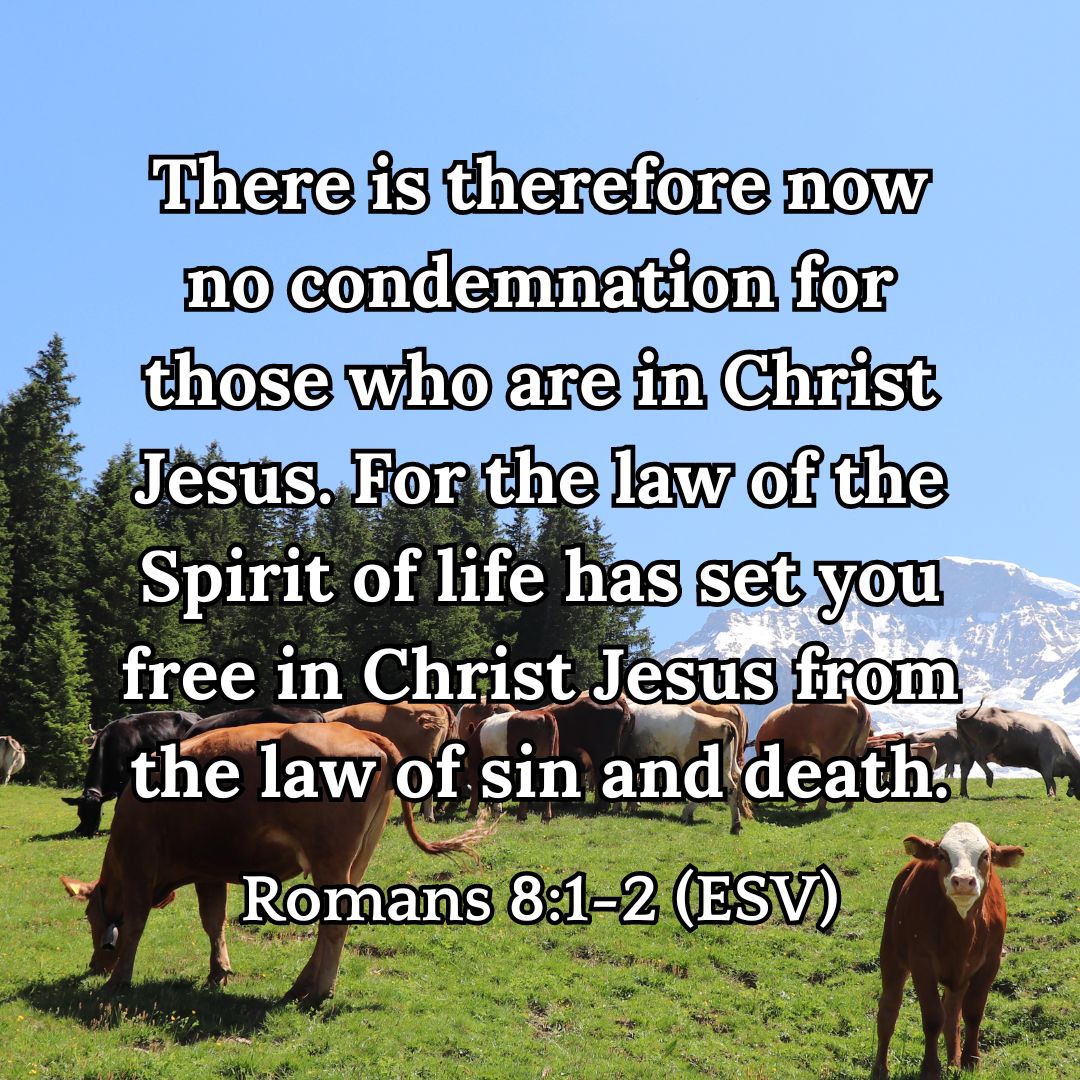
- Romans 7:6 and 8:1-2 affirm our release from the old law to live in the Spirit.
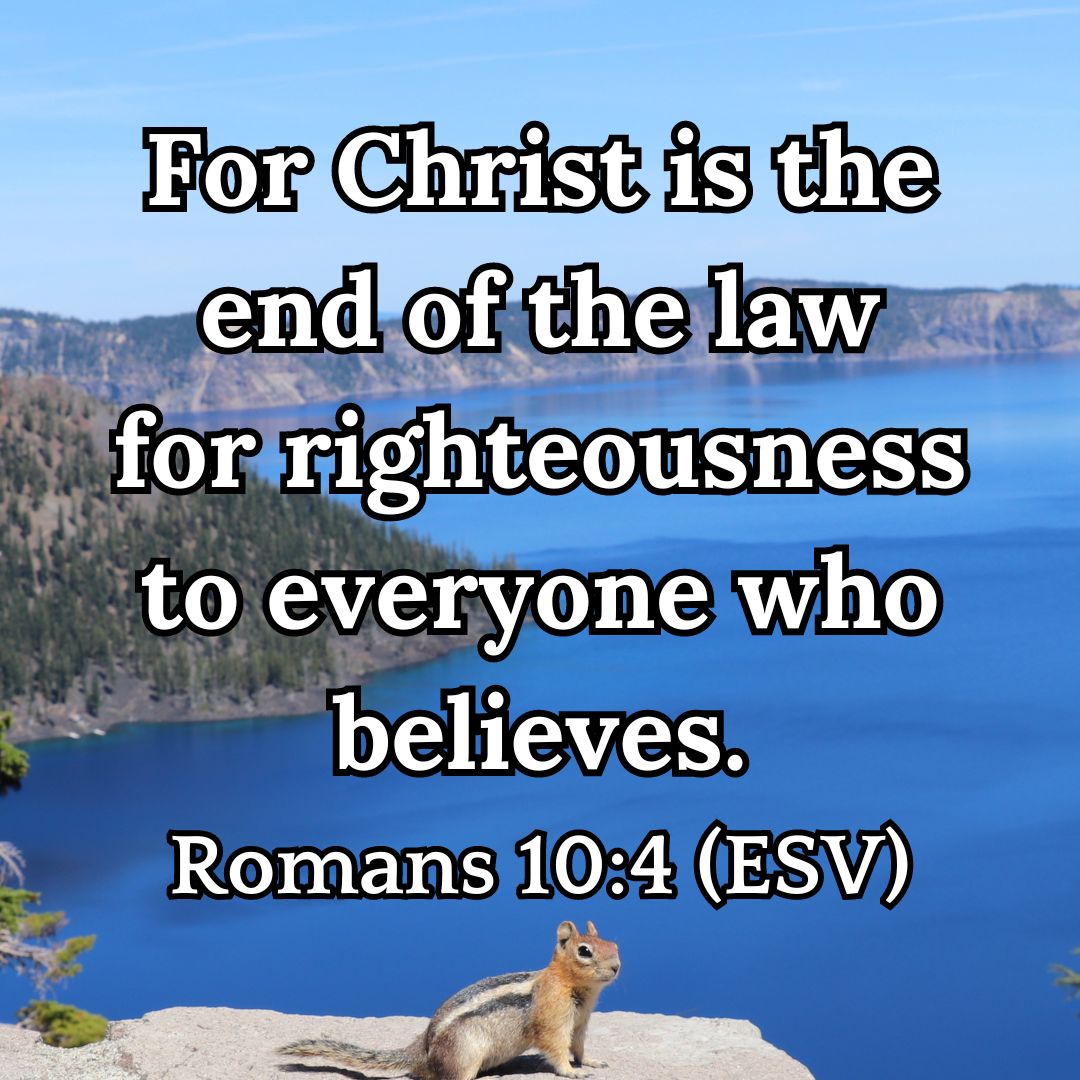
- Romans 10:4 stresses that Christ is the fulfillment of the law.
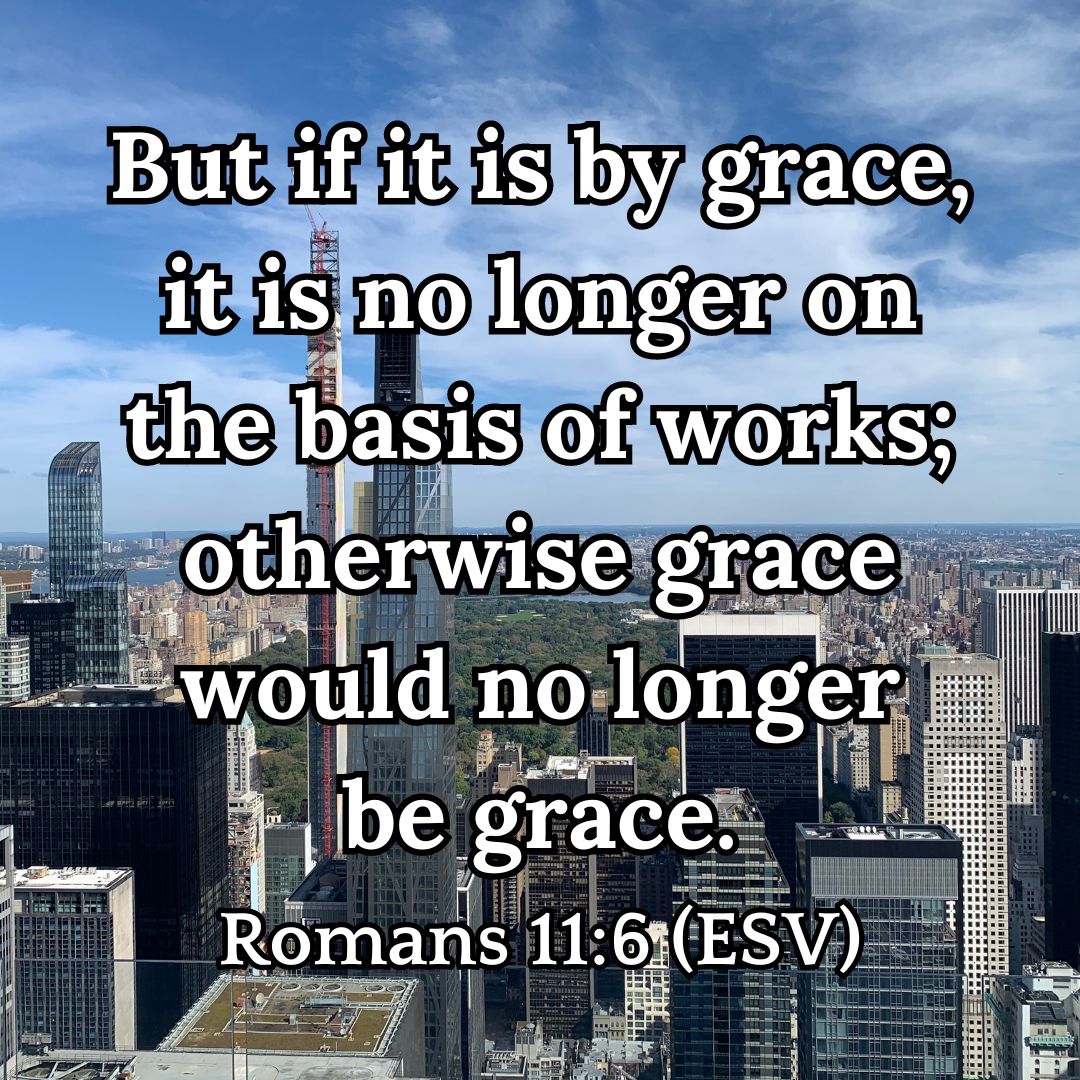
- Romans 11:6 explains that salvation is based on grace, not works.
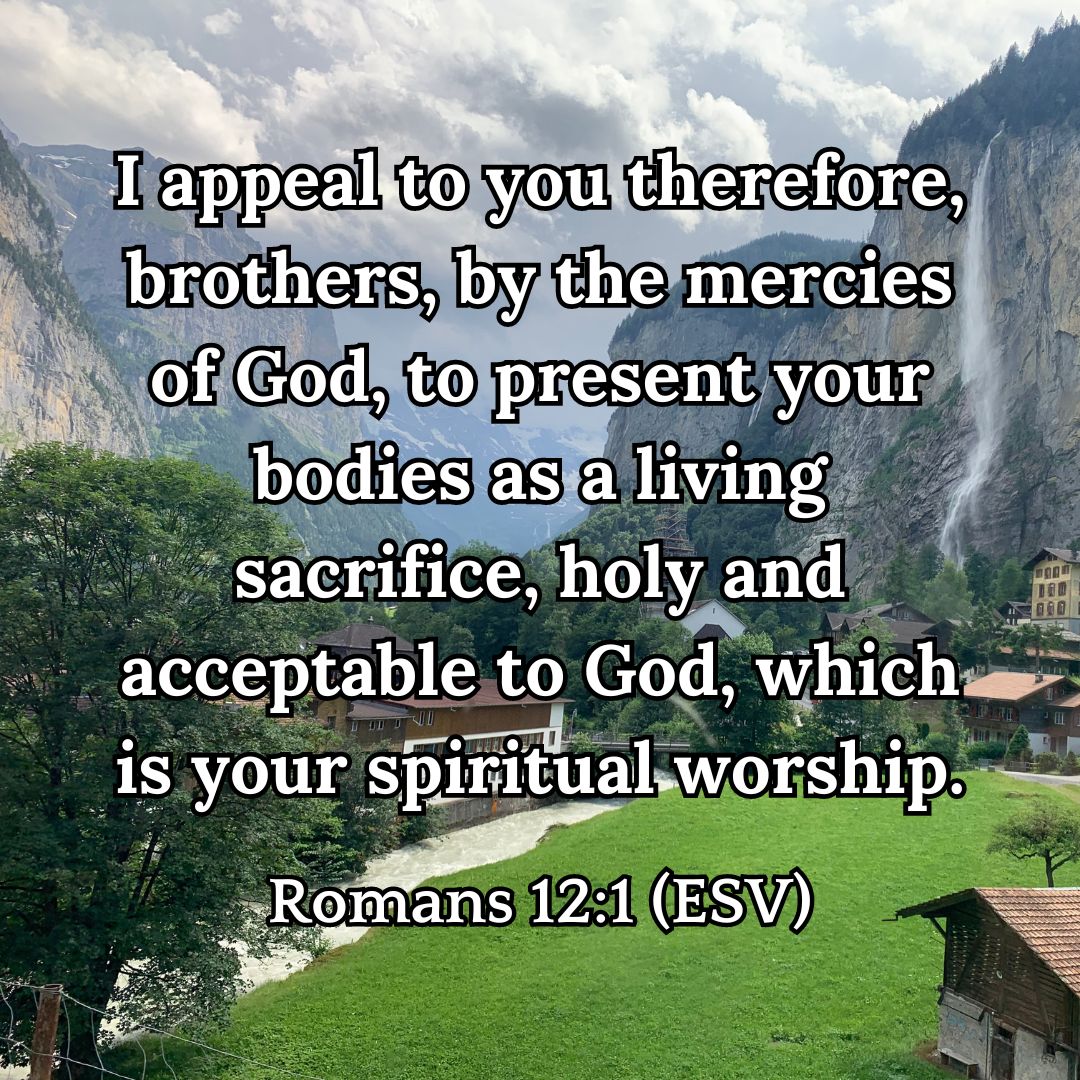
Grace and holiness may seem like contrasting concepts, but they are intricately connected. Grace, as Paul explains, is unmerited favor that frees us from the demands of the law, while holiness represents our response to this divine gift. The New Covenant calls us to pursue holiness not through rigid law-keeping, but through a transformed heart and mind, empowered by grace. Romans 12:1-2 encapsulates this relationship, urging believers to offer their bodies as living sacrifices and to be transformed by the renewal of their minds. Thus, grace and holiness are not opposites but are harmonized in the new way of living that Christ offers.
Living Out Inclusivity in Today’s Church
Returning to Acts 10:47-48, Peter’s acceptance of Gentile believers illustrates a profound shift in understanding God’s grace. When Peter asked, “Can anyone withhold water for baptizing these people, who have received the Holy Spirit just as we have?” and then commanded their baptism, he broke down the barriers that once separated Jews and Gentiles. This act not only expanded the early church’s understanding of who could receive God’s grace but also set a precedent for how we should approach diversity, inclusivity, and acceptance today.
To embody this inclusivity in our modern faith communities, we must actively welcome newcomers and meet them where they currently are in their spiritual journey. It is essential to create an environment where people feel valued and accepted, regardless of their starting point. Once welcomed, we can encourage and support their growth in purity and a deeper understanding of God. By reflecting the early church’s embrace of all people and fostering their spiritual development, we mirror the fundamental nature of the gospel and honor the transformative power of the New Covenant. This approach ensures that our faith communities are not only open and welcoming but also committed to guiding each person toward a fuller revelation of God’s love and grace.
Reflection Questions
Comfort of Familiarity
- Why do we often prefer the company of those who are similar to ourselves?
- How can the tendency to surround ourselves with like-minded individuals limit our growth and understanding?
- In what ways can we step outside our comfort zones to engage with diverse perspectives that reflect the views of “other nations”?
Acts 10:47-48
- How does Peter’s acceptance of Gentile believers in Acts 10:47-48 challenge our views on community and acceptance?
- What barriers do we need to break down in our own communities to reflect the unity seen in Acts 10?
- How can we actively reach out beyond our church walls to those who may not yet have a complete understanding of God?
Peter’s Vision and Its Implications

- What was the significance of Peter’s vision in relation to Old Testament laws about interaction with Gentiles?
- How did this vision change the early church’s approach to acceptance and community?
- How can we apply the lessons from Peter’s vision to foster a more welcoming church environment today?
The Distinction Between Moral and Ceremonial Law
- What are the differences between moral and ceremonial laws in the Old Covenant?
- Why do moral laws continue to hold relevance for Christians today?
- How does understanding the distinction between these laws help us appreciate the transformation within God’s covenant?
Paul’s Teachings on Law and Grace

- How does Paul’s teaching in Romans guide our understanding of the transition from law to grace?
- What does it mean to live under grace rather than under the law?
- How do grace and holiness, though seemingly contrasting, work together in the life of a believer?
Living Out Inclusivity in Today’s Church
- In what practical ways can we embody inclusivity in our modern faith communities?
- How can we meet newcomers where they currently are in their spiritual journey and support their growth in purity and understanding of God?
- What steps can we take to ensure that our faith communities reflect the inclusive nature of the gospel as demonstrated in the early church?
Reflective Prayer
Use the verses in this blog post to pray using the ACTS method: Adoration, Confession, Thankfulness, Supplication
- Adoration: Praise God. Does these verses bring any specific characteristics of God to mind?
- Confession: Tell God that you are sorry for specific sins. Do these verses bring any specific sins to mind?
- Thankfulness: Show gratitude towards God. Does anything from these verses inspire gratitude?
- Supplication: Make requests for yourself and for others. Does anything from these verses inspire a prayer?
If helpful, you can use a prayer journal template.
Subscribe
If you enjoyed this post and wish to receive more Christian content, feel free to subscribe to my newsletters!
Related Resources
Visit the Joyful Moments in Christ homepage for all posts, or scroll through other blog posts related to grace, purity, holiness, and evangelism:




Something went wrong. Please refresh the page and/or try again.
English Standard Version (ESV): Unless otherwise noted, scripture quotations are from the ESV® Bible (The Holy Bible, English Standard Version®), © 2001 by Crossway, a publishing ministry of Good News Publishers. Used by permission. All rights reserved. The ESV text may not be quoted in any publication made available to the public by a Creative Commons license. The ESV may not be translated in whole or in part into any other language.



 Joyful Moments in Christ