The Bible offers valuable guidance on how to navigate through difficult times and adversity. It emphasizes a pattern of response that involves turning to God in prayer, seeking his guidance and comfort, holding tightly to our faith in him, and extending forgiveness to our enemies. In times of trouble, the Scriptures encourage us to lean on God’s strength, seek his wisdom, and trust in his faithfulness. By following this pattern of seeking God’s presence, relying on His promises, and cultivating a spirit of forgiveness, we can find solace, resilience, and the ability to overcome the challenges we face.
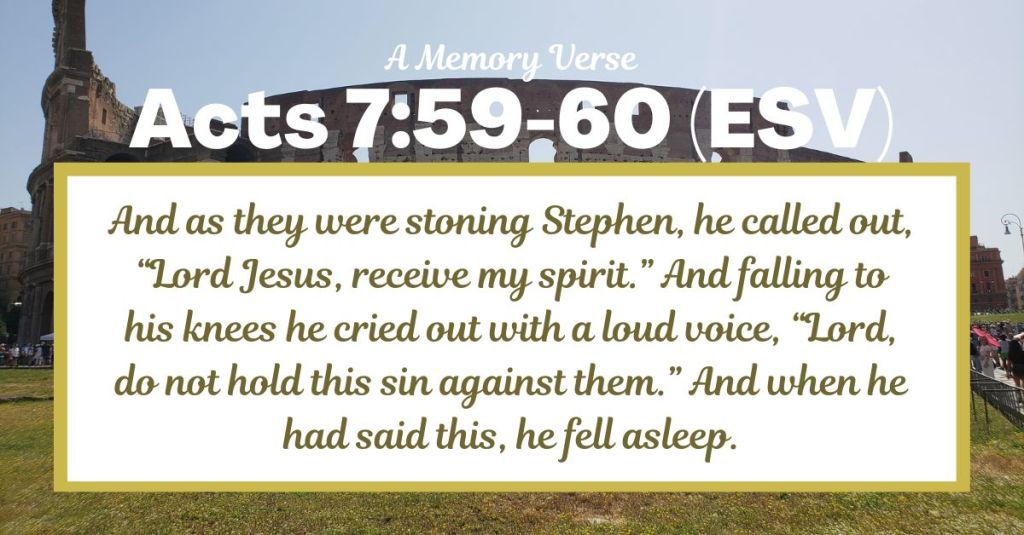
A Memory Verse
Stephen, a man of unwavering faith and obedience to God, faces a challenging ordeal as an enraged crowd decides to stone him. However, his response showcases the depth of his spirituality. With a serene demeanor and a heart filled with compassion, Stephen exemplifies the transformative power of prayer and forgiveness and his words are worthy of memorization and reflection.
And as they were stoning Stephen, he called out, “Lord Jesus, receive my spirit.” And falling to his knees he cried out with a loud voice, “Lord, do not hold this sin against them.” And when he had said this, he fell asleep.
Acts 7:59-60 (ESV)
Rather than resorting to violence or seeking revenge, he chooses a path rooted in peace and understanding. In the face of imminent danger, Stephen’s amazing faith remains unshaken, drawing strength and guidance from the Holy Spirit through his prayers. Yet, it is his commitment to forgiveness that truly distinguishes him. Despite the grave injustice, he extends mercy to his attackers, recognizing the fear and confusion that drive their actions. Stephen’s extraordinary display of faith and forgiveness serves as an enduring lesson, inspiring us to reflect on our own responses to adversity. It reminds us of the boundless capacity for love and transformation within us, and challenges us to cultivate a spirit of prayerful obedience and forgiveness in a world often marred by conflict.
Of course, this is easier said than done; choosing forgiveness rather than bitterness and revenge can seem quite daunting. It requires a deep inner strength and a willingness to let go of the hurt and pain inflicted upon us. It challenges us to rise above our natural inclinations and extend grace to those who have wronged us. Yet, despite its difficulty, forgiveness holds the power to free us from the chains of resentment and heal the wounds within our hearts. It is a courageous act of liberation that allows us to move forward, unburdened by the weight of grudges and resentments. While the journey towards forgiveness may be challenging, it is one filled with transformation, growth, restoration, and even joy. By choosing forgiveness, we not only release others from the grip of our anger but also set ourselves free to experience peace, healing, and the abundant life that God desires for us.
Reflection Questions
- Recall a few instances when someone wronged you. In which moments did you choose prayer and forgiveness as your response? How did that impact your emotional well-being and relationship with the person involved?
- Reflect on a few situations when you chose bitterness and resentment in response to being wronged. How did holding onto those negative emotions affect your own inner peace and relationships with others?
- Consider each of these responses to trouble—forgiveness, prayer, bitterness, resentment, and revenge. What are some possible long-term outcomes for each of these responses? How do they shape your character, relationships, and overall well-being?
- If you struggle with prayer and forgiveness in the face of difficulty, what steps could you take to cultivate an attitude more like Stephen’s? How can you develop a mindset that prioritizes love, grace, and extending forgiveness to those who have wronged you?
- Reflect on the example of Stephen and his response to persecution and injustice. What specific qualities did he display that you can aspire to emulate? How can you deepen your prayer life and grow in your capacity to forgive, even in the face of challenging circumstances?
- Consider seeking guidance from trusted mentors, studying Scripture on forgiveness and prayer, and engaging in self-reflection and introspection. How can these practices help you develop a mindset aligned with Stephen’s attitude of prayer and forgiveness?
Reflective Prayer
Use this memory verse to pray using the ACTS method: Adoration, Confession, Thankfulness, Supplication
- Adoration: Praise God. Does this verse bring any specific characteristics of God to mind?
- Confession: Tell God that you are sorry for specific sins. Does this verse bring any specific sins to mind?
- Thankfulness: Show gratitude towards God. Does anything from this verse inspire gratitude?
- Supplication: Make requests for yourself and for others. Does anything from this verse inspire a prayer?
If helpful, you can use a prayer journal template.
Respond
As you consider the theme of forgiveness, are there any Bible verses or other thoughts that come to mind? If so, add a comment at the end of this post!
If you enjoyed this prayer and wish to receive more Christian content from the Joyful Moments in Christ website, feel free to subscribe to my newsletters!
Related Resources
Read: Faith in Extreme Circumstances – A Book Review of “The Hiding Place” by Corrie ten Boom
Visit the Joyful Moments in Christ homepage for all posts, or scroll through other blog posts related to forgiveness:



Something went wrong. Please refresh the page and/or try again.
English Standard Version (ESV): Scripture quotations marked (ESV) are taken from the ESV® Bible (The Holy Bible, English Standard Version®), © 2001 by Crossway, a publishing ministry of Good News Publishers. Used by permission. All rights reserved. The ESV text may not be quoted in any publication made available to the public by a Creative Commons license. The ESV may not be translated in whole or in part into any other language.

 Joyful Moments in Christ